 PuroClean of Northeast Sacramento
 7 Essential Steps for a Smoke Damage Cleanup Checklist
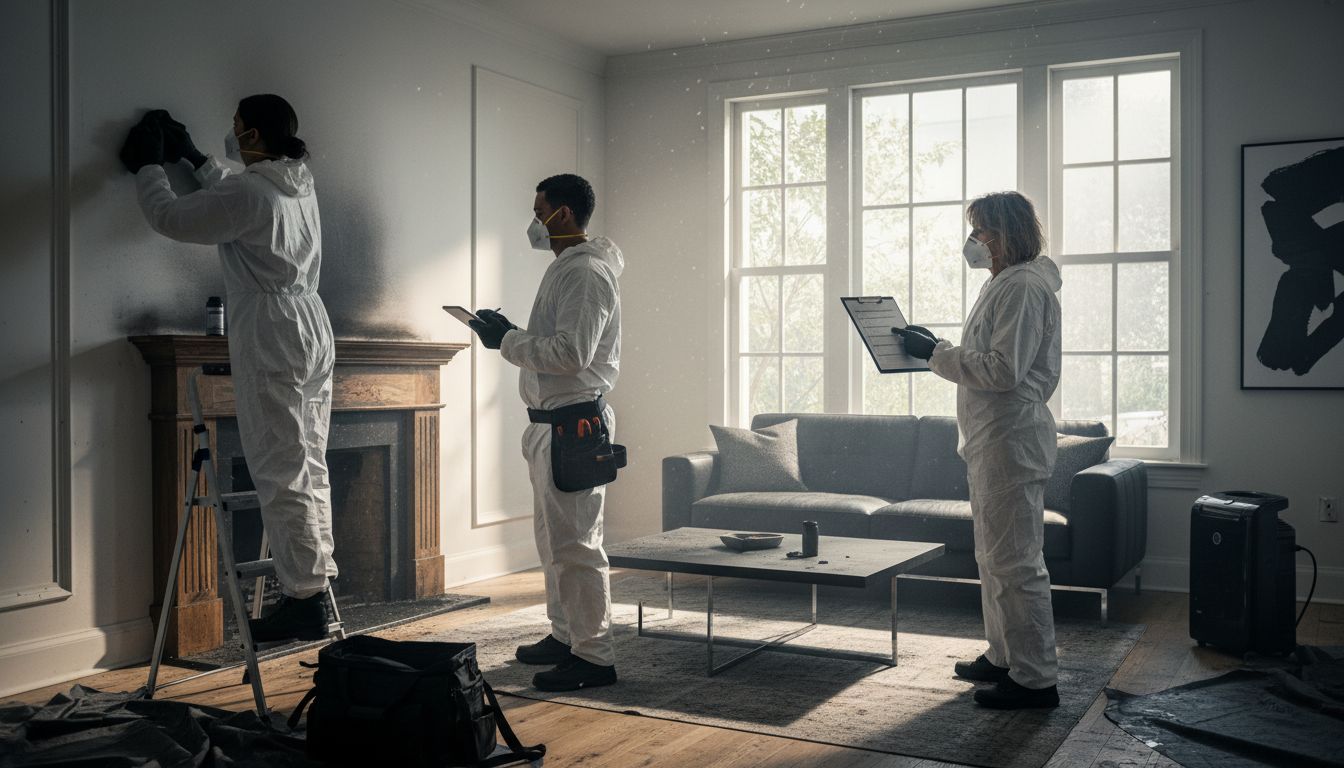
Did you know that smoke particles can be up to 0.1 micron in size, making them almost invisible and easily inhaled? After a fire, your home might look stable, but hidden hazards can pose serious threats to your health and property. Understanding the right steps to assess, clean, and restore smoke-damaged areas will help you protect your loved ones, minimize risks, and recover your space safely.
Table of Contents
- 1. Assess Smoke Damage And Ensure Safety First
- 2. Ventilate The Property To Remove Lingering Smoke
- 3. Sort And Remove Damaged Items Responsibly
- 4. Clean Walls, Ceilings, And Surfaces Thoroughly
- 5. Treat And Deodorize To Eliminate Smoke Odors
- 6. Inspect And Restore Hvac And Air Duct Systems
- 7. Document Damage And Contact Restoration Professionals
Quick Summary
| Takeaway | Explanation |
|---|---|
| 1. Assess safety and use PPE. | Prioritize health and safety by evaluating hazards and wearing personal protective equipment during smoke damage cleanup. |
| 2. Ventilate property for smoke removal. | Open windows and use fans to remove lingering smoke and toxic particles effectively; replace HVAC filters to prevent recirculation. |
| 3. Categorize and document damaged items. | Sort items based on damage severity and consult professionals; document everything for insurance claims and future reference. |
| 4. Clean surfaces thoroughly and correctly. | Use appropriate cleaning techniques and materials for different surfaces to avoid deepening smoke damage or staining. |
| 5. Seek professional restoration assistance. | Consult experienced professionals for comprehensive assessment and restoration, as their expertise ensures thorough recovery and minimizes risks. |
1. Assess Smoke Damage and Ensure Safety First
Before diving into smoke damage cleanup, your primary focus must be assessing potential health hazards and establishing a safe environment. Smoke damage goes far beyond visible soot and ash. According to the article on fire damage repair, understanding the full scope of damage requires a systematic and cautious approach.
The Centers for Disease Control and Prevention (CDC) warns that smoke and ash can create serious health risks. Exposure can irritate your skin, nose, and throat, potentially causing respiratory issues and persistent coughing. This is why personal protective equipment (PPE) becomes your first line of defense during smoke damage assessment.
Your essential safety gear should include:
- Long sleeve shirts
- Protective pants
- Sturdy work gloves
- Safety glasses or goggles
- Respirator mask rated for particulate filtration
Professional inspection becomes critical in this process. The City of Santa Rosa recommends contacting a licensed inspector specifically trained in smoke damage assessment. Look for professionals certified by organizations like the American Council for Accredited Certification (ACAC) who can provide a comprehensive mitigation report.
While waiting for professionals, avoid disturbing affected areas. Smoke particles can be microscopic and easily spread throughout your property. Open windows for ventilation but do not attempt extensive cleaning without proper protection and guidance. Your safety always comes first in smoke damage scenarios.
2. Ventilate the Property to Remove Lingering Smoke
Removing smoke odors requires strategic ventilation that goes beyond simply opening a window. Smoke particles are persistent and can embed themselves deeply into your property’s surfaces and systems. Smoke odor removal strategies start with comprehensive air circulation and filtration.
Ventilation serves multiple critical purposes in smoke damage recovery. It helps remove toxic particles, reduces odor concentration, and prevents potential health hazards from lingering smoke residue. According to Napa County Emergency Services, your ventilation approach should be systematic and thorough.
Effective ventilation steps include:
- Open all windows and doors to create cross ventilation
- Position fans strategically to push smoke particles outward
- Run fans continuously for at least 24 to 48 hours
- Replace HVAC filters immediately to prevent smoke particle recirculation
Pay special attention to your heating and cooling systems. Smoke can infiltrate air ducts rapidly, spreading contaminants throughout your entire property. Use high quality MERV rated filters designed to capture microscopic particulates. Consider professional HVAC cleaning to ensure comprehensive smoke particle removal.
Remember that thorough ventilation is not a one time process. Smoke particles can remain trapped in fabrics, walls, and furnishings long after initial cleaning. Continue rotating fresh air and using air purification methods to gradually eliminate residual odors and potential health risks.
3. Sort and Remove Damaged Items Responsibly
Navigating the aftermath of smoke damage requires a systematic approach to item assessment and removal. Not everything can or should be saved. Your goal is to make informed decisions that protect both your property and your health.
The American Industrial Hygiene Association (AIHA) recommends developing a comprehensive damage assessment strategy. Categorizing items becomes critical in this process. Some materials absorb smoke and toxins more readily than others, creating potential long term health risks.
Sorting criteria for damaged items include:
- Completely destroyed items requiring immediate disposal
- Salvageable items that can be professionally cleaned
- Items with potential structural or health risks
- Materials that may cross contaminate other belongings
Before beginning your cleanup, salvaging furniture strategies become essential. Contact your insurance provider early to understand reimbursement protocols and documentation requirements. The State of Oregon suggests documenting everything meticulously. Take photographs of damage, create detailed inventories, and preserve evidence for potential claims.
Professional assessment can help determine which items are truly recoverable. Smoke particles are microscopic and can penetrate deeply into materials like fabric, wood, and porous surfaces. What might appear undamaged could harbor invisible contaminants that pose health risks.
Remember that responsible item removal is not just about saving money. It is about protecting your health and creating a safe living environment. When in doubt, consult restoration professionals who can provide expert guidance on item preservation and potential risks.
4. Clean Walls, Ceilings, and Surfaces Thoroughly
Smoke damage penetrates far deeper than surface appearances suggest. Soot and smoke residue can permanently stain and corrode surfaces if not addressed quickly and correctly. Understanding the nuanced approach to cleaning walls, ceilings, and surfaces becomes critical in your smoke damage recovery process.
Napa County Emergency Services emphasizes the importance of methodical surface cleaning. Your cleaning strategy must address different surface materials and their unique absorption characteristics. Porous materials like drywall and unsealed wood absorb smoke particles more readily than nonporous surfaces.
Effective surface cleaning steps include:
- Use mild detergent solutions specifically designed for smoke damage
- Work from top to bottom to prevent re distributing soot
- Use soft cloths or sponges to avoid surface scratching
- Rinse surfaces with clean water after initial cleaning
- Allow surfaces to dry completely to prevent potential mold growth
Professional spring cleaning tips can offer additional insights into thorough surface restoration. Different surfaces require different cleaning approaches. Painted walls might need gentle scrubbing, while wooden surfaces could require specialized treatments to prevent permanent smoke absorption.
Remember that improper cleaning techniques can cause more damage. Aggressive scrubbing or using incorrect cleaning agents might embed smoke particles deeper into surfaces or cause additional staining. When in doubt, consulting a professional restoration expert can save you time and prevent costly mistakes in your smoke damage recovery process.
5. Treat and Deodorize to Eliminate Smoke Odors
Smoke odors are notoriously persistent and can linger in your property long after visible damage has been addressed. Understanding the science behind smoke particle absorption becomes critical in developing an effective deodorization strategy.
Smoke odors penetrate materials through microscopic pathways, embedding themselves in fabric fibers, wood pores, and even paint surfaces. These invisible contaminants require targeted treatment approaches that go beyond simple air freshening.
Effective deodorization techniques include:
- Use white vinegar in washing machines for textile treatment
- Apply baking soda on carpets and upholstery to absorb odors
- Utilize activated charcoal as a natural odor neutralizer
- Consider ozone treatments for deep smoke penetration
- Deploy professional grade air purification systems
Cigarette smoke odor removal techniques offer insights into professional grade solutions. Napa County Emergency Services recommends adding one to two cups of vinegar to each wash load for washable textiles. This method helps neutralize smoke molecules embedded in fabric.
While DIY methods can provide temporary relief, the City of San José advises that comprehensive smoke odor elimination often requires professional intervention. Restoration experts possess specialized equipment and chemical treatments that can penetrate deep into building materials and neutralize smoke odors at their molecular source.
Remember that complete odor elimination is a process. Multiple treatments might be necessary, and patience is key in restoring your property to its pre damage condition.
6. Inspect and Restore HVAC and Air Duct Systems
Your HVAC system acts like a circulatory system for smoke particles, potentially spreading contamination throughout your entire property. Smoke particles are microscopic and can embed themselves deeply into ductwork, creating long term health and odor challenges.
HVAC systems become critical pathways for smoke contamination, capable of redistributing toxic particles to every room in your property. Diamond Certified experts emphasize that smoke exposure can corrode metal ductwork and compromise your entire ventilation infrastructure.
Critical HVAC inspection and restoration steps include:
- Replace all existing air filters immediately
- Schedule professional ductwork inspection
- Clean interior duct surfaces thoroughly
- Check for potential metal ductwork corrosion
- Verify system functionality after cleaning
Spring HVAC maintenance tips can provide additional insights into system care. The City of San José recommends consulting professional technicians who possess specialized equipment for comprehensive HVAC decontamination.
Understanding the complexity of smoke damage requires recognizing that your ventilation system does more than move air. It can become a reservoir for harmful particles if not addressed quickly and professionally. Professional restoration experts utilize advanced cleaning techniques that go beyond surface level treatments.
Remember that attempting DIY ductwork cleaning without proper knowledge might spread contamination or cause additional damage. Investing in professional inspection and restoration ensures your HVAC system returns to its optimal functioning state.
7. Document Damage and Contact Restoration Professionals
Documenting smoke damage is more than just snapping a few photographs. It is a critical process that protects your financial interests and ensures comprehensive property restoration. Your documentation becomes the foundation for insurance claims and potential legal protection.
Comprehensive damage documentation requires strategic and thorough evidence gathering. Diamond Certified experts emphasize capturing visual proof of every affected area, even locations with seemingly minor damage. These records can make a significant difference in your recovery process.
Essential documentation steps include:
- Photograph all interior and exterior damaged areas
- Video record comprehensive property walkthrough
- Measure and map affected zones
- Keep detailed written descriptions of damage
- Collect receipts and maintenance records
- Create an organized digital and physical file
Call a professional becomes more than advice it is a critical next step. United Policyholders recommend working closely with your insurance company to identify qualified restoration professionals who can provide expert assessment and mitigation.
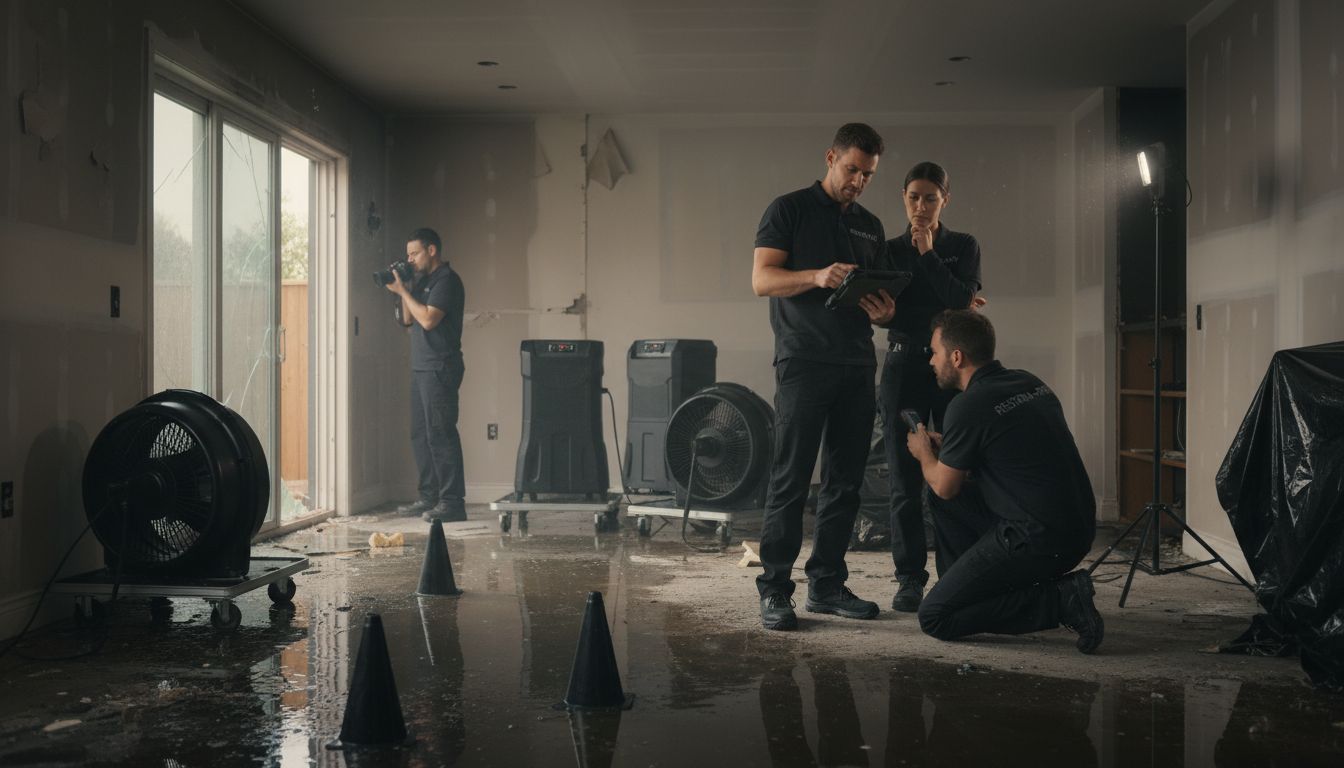
Professional restoration teams possess specialized tools and expertise to conduct comprehensive damage evaluations. They understand how to inspect challenging areas like basements, crawl spaces, attics, and complex duct systems that might escape an untrained eye.
Remember that time is of the essence. The longer smoke damage remains unaddressed, the more extensive and expensive the potential restoration becomes. Professional intervention can significantly minimize long term property damage and health risks.
Below is a comprehensive table summarizing the main steps and considerations for addressing smoke damage, based on the article.
| Main Step | Key Points & Actions | Benefits/Outcomes |
|---|---|---|
| Assess Smoke Damage | Use PPE, contact certified inspectors, avoid disturbing areas | Ensures safety, accurate damage assessment |
| Ventilate Property | Create cross ventilation, use fans, change HVAC filters | Removes dangerous particles, reduces odors |
| Sort and Remove Items | Categorize by damage, contact insurance, document everything | Preserves health, supports insurance claims |
| Clean Surfaces | Use mild detergents, clean top to bottom | Prevents staining, prepares for repairs |
| Deodorize Property | Use vinegar, baking soda, consider ozone treatments | Eliminates persistent smoke odors |
| Inspect HVAC Systems | Replace filters, professional cleaning | Restores air quality, prevents odor circulation |
| Document Damage | Take photos/videos, organize records, contact professionals | Facilitates insurance claims, ensures thorough restoration |
Take Control of Smoke Damage with Expert Help from PuroClean of Northeast Sacramento
Smoke damage cleanup is complex and can feel overwhelming as you face hidden health risks, persistent odors, and the difficult task of restoring your property to safety and comfort. Key challenges like proper ventilation, careful removal of contaminated items, and thorough deodorization require professional experience to avoid costly mistakes and protect your well-being. When smoke particles have penetrated walls, HVAC systems, and belongings, time is critical to minimize lasting damage.
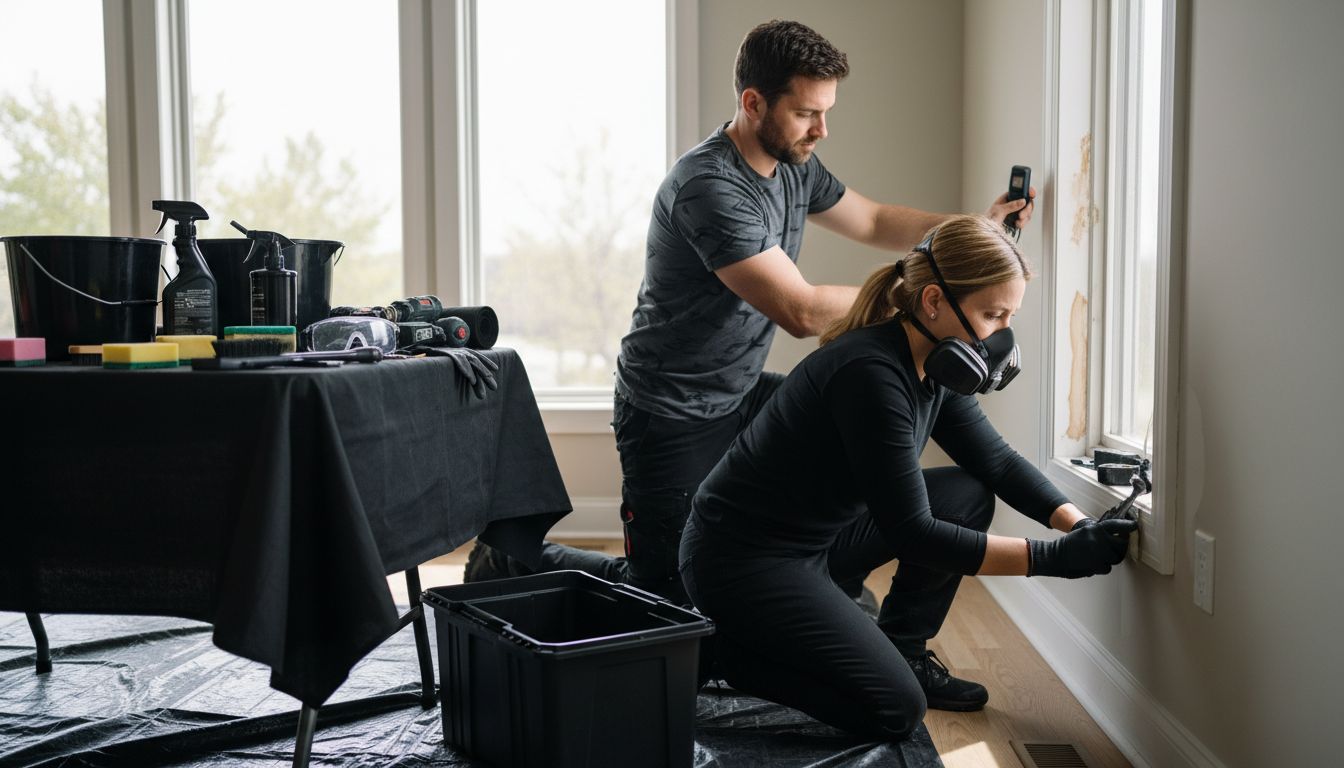
Don’t let smoke damage disrupt your life longer than necessary. Trust the certified experts at PuroClean of Northeast Sacramento who provide 24/7 emergency response and personalized restoration solutions. From detailed damage assessment to comprehensive HVAC cleaning and odor elimination, we act quickly to restore your home or business with care and professionalism. Take the first step by visiting our restoration services overview and learn why so many Sacramento residents rely on us to bring their properties back to life. Act now to protect your health and your investment.
Frequently Asked Questions
What are the first steps in a smoke damage cleanup checklist?
Before starting cleanup, assess smoke damage to identify health hazards and ensure safety. Use personal protective equipment (PPE) such as gloves and masks, and contact professionals for a comprehensive evaluation.
How can I effectively ventilate my property after smoke damage?
To vent your property, open all windows and doors to create cross ventilation, and use fans to push smoke particles outside. Continue this process for at least 24 to 48 hours to help eliminate lingering odors and reduce health risks.
What criteria should I use to sort and remove damaged items?
Categorize items into those that are completely destroyed, salvageable with cleaning, potentially hazardous, and those that may contaminate unaffected belongings. Document each item’s condition to assist with insurance claims and professional assessments.
How should I clean walls and surfaces affected by smoke damage?
Clean surfaces using mild detergent solutions designed for smoke damage, working top to bottom using soft cloths to avoid scratching. Rinse surfaces with clean water afterward and allow them to dry completely to prevent mold growth.
What are effective deodorization techniques for smoke odors?
Use white vinegar in washing machines for textiles, sprinkle baking soda on carpets, and consider using activated charcoal for odor absorption. Approach deodorization as a multi-step process, repeating treatments until odors are fully eliminated.
Why is HVAC inspection important after smoke damage?
An HVAC inspection is crucial because smoke particles can linger in ducts, redistributing contaminants throughout your home. Schedule a professional ductwork inspection and cleaning to ensure complete removal of toxic particles and prevent further health risks.
Recommended
Master the Property Damage Claims Process Easily – Rental Income Insurance
The Cigarette Smoke Removal Process – PuroClean of Alexandria
Smoke Odor Removal – PuroClean of Alexandria
 PuroClean of Northeast Sacramento