 PuroClean of Northeast Sacramento
 7 Essential Steps in a Fire Restoration Checklist
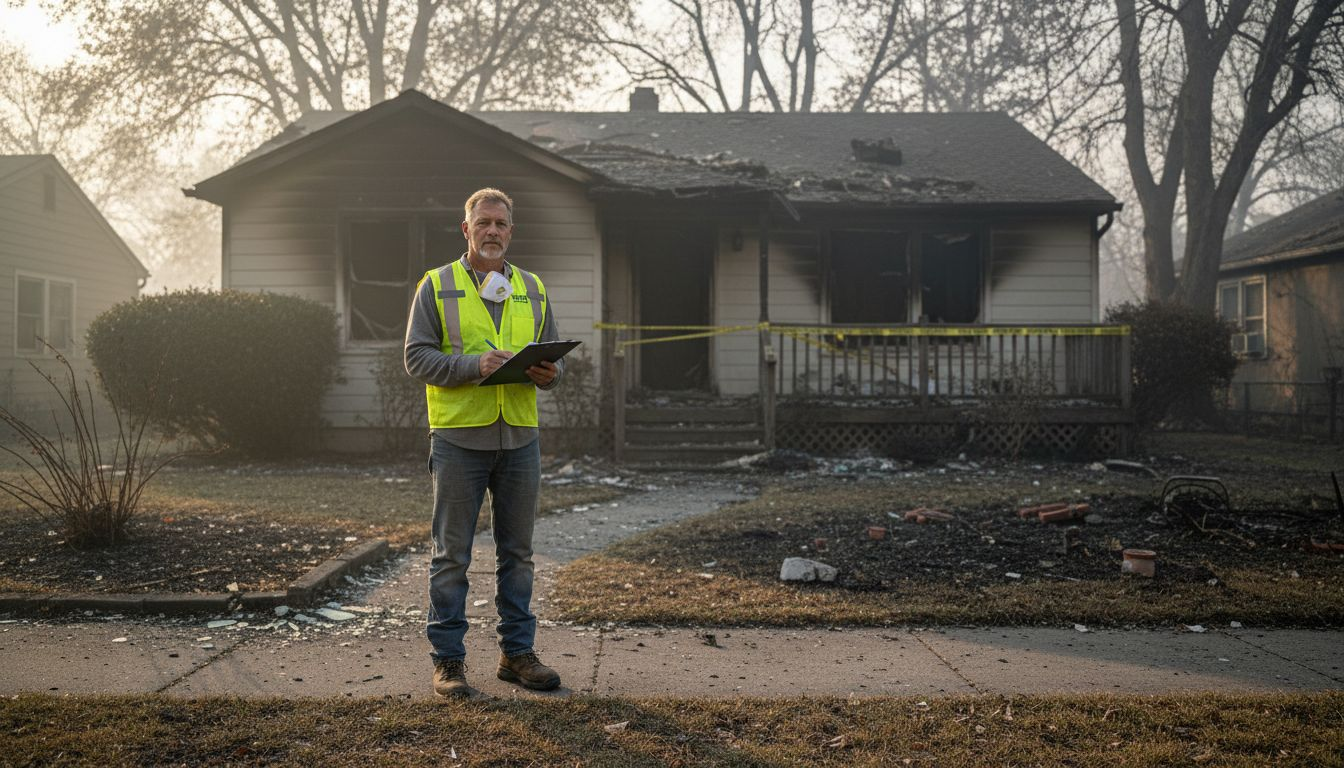
Fire damage disrupts life for hundreds of American families in Northeast Sacramento every year. Coming home to charred walls and lingering smoke makes every decision feel urgent and overwhelming. Safety comes first, but understanding the steps for recovery matters just as much. This guide highlights key actions and expert tips, helping homeowners secure their property, document losses, and communicate confidently with insurance providers.
Table of Contents
- Ensure Safety And Secure Entry To Property
- Document Fire Damage With Photos And Notes
- Contact Insurance Provider For Claim Guidance
- Remove Debris And Assess Salvageable Items
- Begin Smoke And Soot Removal Procedures
- Clean And Deodorize Affected Areas Thoroughly
- Restore Utilities And Plan Final Repairs
Quick Summary
| Takeaway | Explanation |
|---|---|
| 1. Ensure Safety Before Entry | Always obtain official clearance and check structural integrity before entering. |
| 2. Document Thoroughly for Claims | Take comprehensive photos and notes of fire damage to support insurance claims. |
| 3. Contact Insurance Promptly | Reach out to your insurance provider within 24 hours to initiate your claim. |
| 4. Separate Debris Carefully | Methodically sort debris into categories and document all removals for insurance. |
| 5. Restore Utilities with Caution | Have professionals inspect and restore utilities to avoid safety hazards. |
1. Ensure Safety and Secure Entry to Property
Returning to your fire damaged property requires careful planning and strategic safety precautions. Your personal safety is the absolute priority before attempting any property assessment or entry.
Before stepping inside, you must conduct a thorough external inspection and obtain official clearance. Local authorities and fire professionals will determine whether your property is structurally sound and safe for entry. Checking home safety protocols after a fire involves multiple critical evaluation steps.
Start by visually examining the exterior for significant structural damage. Look for compromised walls, sagging roofs, broken windows, and shifted foundations. These signs can indicate potential collapse risks that make entry dangerous. Contact local building inspectors or fire department professionals to perform an official structural assessment if you have any doubts.
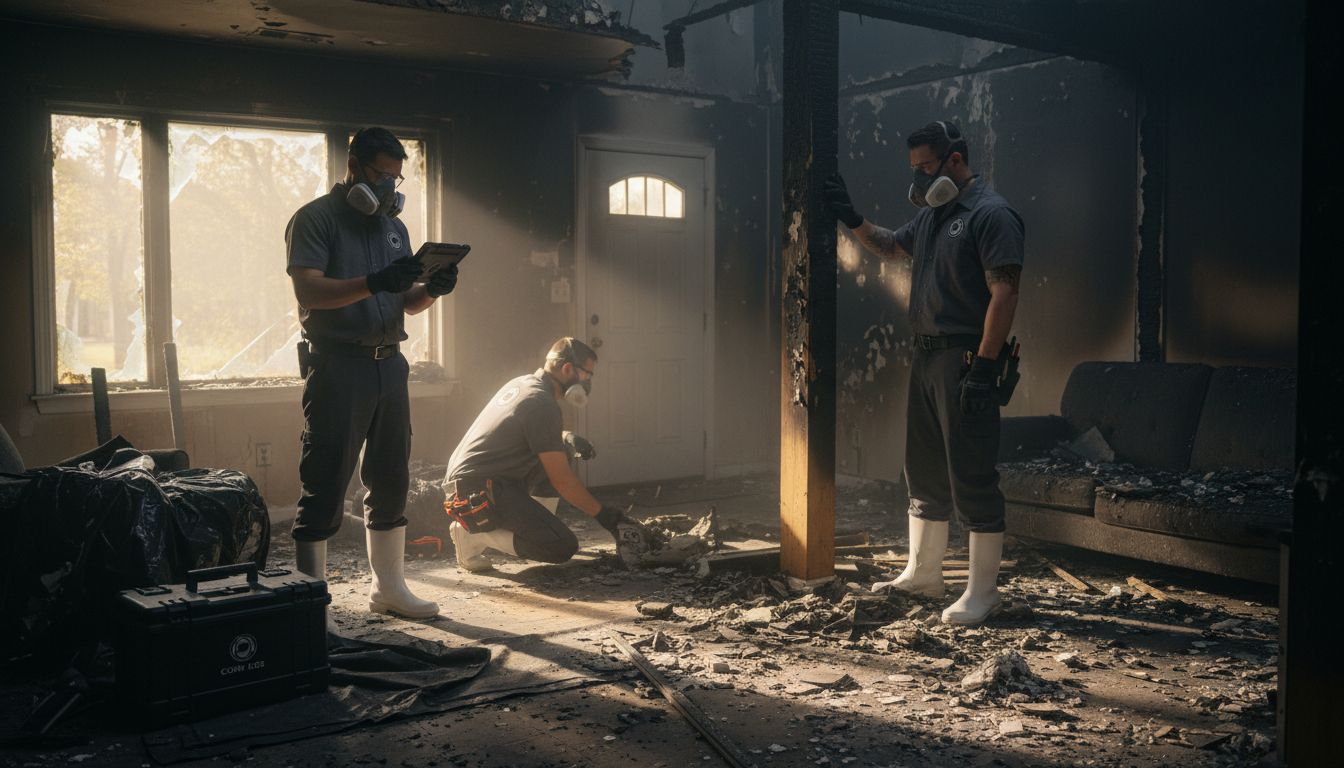
When preparing to enter, wear appropriate protective equipment. This means sturdy work boots, long pants, long sleeve shirts, thick work gloves, protective eyewear, and an N95 respirator mask. These items protect you from potential hazards like sharp debris, toxic residues, and airborne particulates.
Inspect electrical systems carefully before restoring power. Look for exposed wires, damaged electrical panels, and potential water damage that could create electrocution risks. Never attempt to reconnect utilities without professional verification of safe conditions.
Key Safety Checkpoints Before Entry:
- Obtain official clearance from fire department
- Check structural integrity
- Wear complete protective gear
- Verify utility system safety
- Assess potential chemical or material hazards
Pro Tip: Take comprehensive photos of property damage for insurance documentation before touching anything inside the structure.
2. Document Fire Damage with Photos and Notes
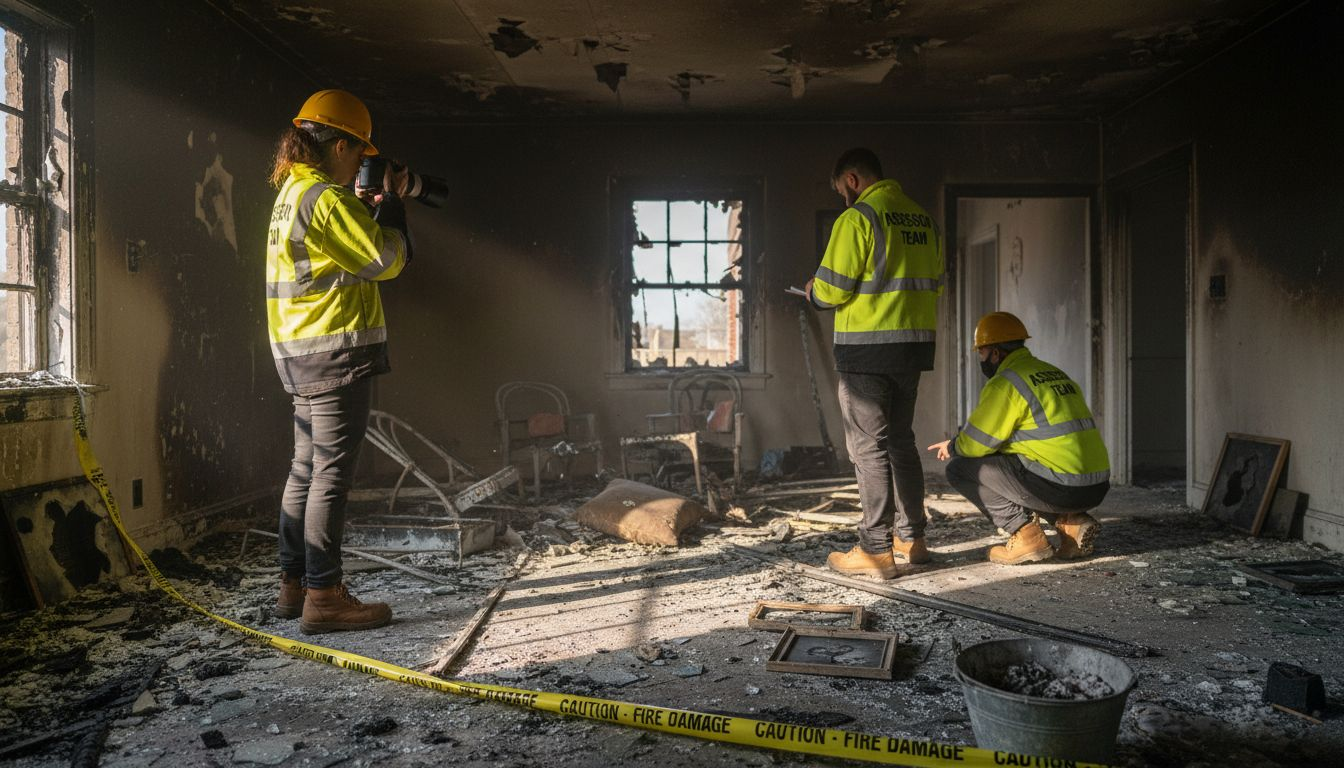
After experiencing a devastating fire, documenting the damage becomes your critical first step toward recovery and successful insurance claims. The visual and written evidence you collect will serve as a crucial roadmap for restoration professionals and insurance adjusters.
Photographing fire damage requires a systematic and comprehensive approach. Comprehensive damage documentation involves capturing detailed images from multiple angles and perspectives. Use a high quality digital camera or smartphone with good resolution to ensure clear and precise documentation.
Key Documentation Strategies:
- Photograph every room thoroughly
- Capture wide angle and close up shots
- Document structural damages
- Record serial numbers of damaged electronics and appliances
- Include timestamps and location details in photos
Begin your documentation process by creating a methodical room by room inventory. Start with structural damage such as burned walls, compromised ceilings, and damaged flooring. Move room to room taking systematic photographs that show both overall damage and specific details. Include close up images of personal belongings damaged by fire smoke or water used in firefighting efforts.
Maintain a detailed written log accompanying your photographic evidence. Record dates damaged items were purchased original costs and estimated replacement values. Keep all receipts repair estimates and insurance correspondence in a secure folder. This organized approach will streamline your insurance claim process and support accurate restoration planning.
Pro Tip: Create digital backups of all documentation and store copies in multiple secure locations including cloud storage and external hard drives.
3. Contact Insurance Provider for Claim Guidance
After experiencing a fire, navigating the insurance claim process becomes your critical next step toward recovery. Understanding how to effectively communicate with your insurance provider can significantly impact the speed and success of your restoration journey.
Initiating contact with your insurance company should happen within 24 hours of the fire incident. Comprehensive claim guidance involves preparing detailed documentation and understanding your specific policy coverage.
Essential Communication Steps:
- Locate your insurance policy documents
- Gather all fire damage documentation
- Request an immediate claim number
- Schedule an official property inspection
- Understand your policy’s specific coverage limits
Prepare a comprehensive file containing your policy information property damage photographs and detailed inventory of lost or damaged items. When speaking with your insurance representative remain calm professional and systematic. Ask specific questions about your coverage temporary housing assistance and expected timelines for claim processing.
Most homeowners insurance policies cover fire damage but the extent of coverage varies significantly. Some policies include additional living expenses if your home becomes uninhabitable. Request a detailed breakdown of what your specific policy covers including structural repairs personal property replacement and potential temporary housing provisions.
Keep meticulous records of all communications including dates names of representatives spoken to and summaries of conversations. Request written confirmations of all discussions and decisions to protect yourself and maintain clear documentation throughout the claims process.
Pro Tip: Create a dedicated email folder and physical folder to organize all insurance related documents and correspondence for easy reference and tracking.
4. Remove Debris and Assess Salvageable Items
After a fire devastates your property, methodical debris removal and strategic item assessment become critical steps in the restoration process. Understanding how to safely navigate this challenging phase can protect your remaining belongings and expedite recovery.
Systematic debris removal protocols require careful planning and professional guidance. Begin by separating debris into distinct categories hazardous materials personal belongings and structural waste.
Critical Debris Removal Considerations:
- Wear protective personal equipment
- Separate hazardous from non hazardous materials
- Create organized sorting zones
- Document all discarded items
- Consult professional restoration experts
Start by identifying potentially salvageable items. Fabric items like clothing may be recoverable through specialized cleaning processes. Metals electronics and certain hardwood furniture might survive with professional restoration techniques. Porous materials like drywall carpeting and insulation often require complete replacement due to smoke and water damage.
Prioritize safety during the debris removal process. Wear protective gear including respirator masks thick gloves and protective eyewear. Avoid direct contact with charred materials or potentially contaminated surfaces. Work systematically room by room creating designated areas for salvageable items hazardous waste and debris for disposal.
Document everything you remove from the property. Take photographs create detailed inventories and maintain records for insurance purposes. This documentation will prove crucial when filing claims and determining potential restoration strategies.
Pro Tip: Create separate staging areas for different categories of items salvageable materials insurance documentation and debris to streamline your recovery process.
5. Begin Smoke and Soot Removal Procedures
Smoky residue penetrates deep into surfaces creating complex cleaning challenges that require strategic and careful approach. Understanding the nuanced science of smoke particle removal can protect your health and prevent long term property damage.
Essential Smoke and Soot Removal Guidelines:
- Wear protective respiratory equipment
- Use specialized wet cleaning techniques
- Avoid dry brushing or sweeping
- Work systematically room by room
- Ventilate the entire property
Start by securing proper protective gear including N95 respirator masks thick rubber gloves and protective eyewear. Soot contains microscopic particles that can cause respiratory irritation and potentially toxic chemical compounds. Your safety comes first during this critical restoration phase.
Choose wet cleaning methods over dry techniques. Dry brushing or sweeping will scatter soot particles into the air creating additional contamination risks. Use specialized cleaning solutions designed to break down smoke residues. White vinegar mixed with warm water works effectively for many surfaces while trisodium phosphate provides stronger decontamination for heavily impacted areas.
Focus on thorough ventilation throughout the entire cleaning process. Open all windows and use high powered fans to circulate fresh air. Consider running air purifiers with HEPA filters to capture airborne soot particles and reduce lingering smoke odors. Professional restoration teams often employ industrial grade air scrubbers for comprehensive particle removal.
Pro Tip: Test your cleaning solution on a small inconspicuous area first to ensure it does not cause discoloration or additional damage to surfaces.
6. Clean and Deodorize Affected Areas Thoroughly
Odor removal represents one of the most challenging aspects of fire restoration. Smoke particles penetrate deeply into materials creating persistent and complex contamination that requires strategic and thorough cleaning approaches.
Comprehensive odor elimination strategies involve multiple techniques that address both surface and airborne contaminants. Understanding the science behind smoke particle adhesion helps homeowners tackle this challenging restoration phase.
Essential Deodorization Techniques:
- Use activated charcoal absorbers
- Implement professional ozone treatments
- Clean all porous surfaces thoroughly
- Ventilate extensively
- Replace contaminated materials if necessary
Begin by removing all items that cannot be effectively cleaned. Fabric items like curtains carpets and upholstered furniture often require complete replacement due to deep smoke particle penetration. For salvageable surfaces use specialized cleaning solutions designed to break down smoke residues.
Ventilation plays a critical role in odor removal. Open all windows and use high powered fans to circulate fresh air. Industrial grade air purifiers with HEPA and activated carbon filters can capture microscopic smoke particles and neutralize odor molecules. Consider professional ozone treatment for severe cases but ensure proper safety protocols are followed.
Natural odor absorbers like baking soda white vinegar and activated charcoal can provide supplemental deodorization. Place these substances in small containers throughout affected areas to help neutralize lingering smoke smells. Replace these absorbers every few days until odors dissipate completely.
Pro Tip: Create a mixture of white vinegar and water in spray bottles to neutralize smoke odors on hard surfaces as you clean.
7. Restore Utilities and Plan Final Repairs
The final stage of fire restoration involves strategic utility restoration and comprehensive repair planning. This critical phase requires meticulous coordination and professional expertise to ensure your property becomes safe and functional again.
Comprehensive utility restoration protocols demand careful assessment and professional intervention. Each utility system requires specialized evaluation to prevent potential safety hazards and ensure proper functionality.
Critical Utility Restoration Steps:
- Obtain professional electrical system inspection
- Verify gas line integrity
- Check water and sewage system functionality
- Assess HVAC system damage
- Secure necessary repair permits
Begin by scheduling comprehensive inspections from certified professionals for each utility system. Electrical systems require thorough evaluation to identify potential fire risk areas or compromised wiring. Professional electricians will check circuit breakers connections and potential hidden damage that might not be immediately visible.
Coordinate closely with local building authorities to understand specific permit requirements for your restoration project. Different municipalities have varying regulations regarding post fire reconstruction. Document every inspection report and keep detailed records of all professional assessments to support your insurance claims and future maintenance needs.
Prioritize structural integrity during repair planning. Some damage might be superficial while other issues could compromise your home’s foundational safety. Work with structural engineers and contractors who specialize in post fire restoration to develop a comprehensive repair strategy.
Pro Tip: Create a dedicated digital folder to organize all inspection reports repair estimates and utility restoration documentation for easy future reference.
Below is a comprehensive table summarizing the strategies, steps, and considerations discussed throughout the article for post-fire property restoration and recovery.
| Main Step | Key Actions and Notes | Benefits and Outcomes |
|---|---|---|
| Ensure Safety and Secure Entry | Conduct external structure inspection, obtain clearance, wear protective equipment, check utilities. | Safely enter the property, mitigate risks from structural damages and hazards. |
| Document Fire Damage | Photograph inventory, capture wide angles and detailed images, log damaged items and costs, secure backups. | Facilitate insurance claims efficiently, support restoration processes. |
| Contact Insurance Provider | Notify within 24 hours, provide damage documentation, request claim number, schedule inspection. | Expedite claim processing and ensure detailed coverage for repairs and living expenses. |
| Remove Debris and Assess Salvageable Items | Wear protective gear, sort materials, document discarded items, consult experts. | Categorize waste effectively, retain salvageable belongings. |
| Begin Smoke and Soot Removal | Use wet cleaning, ventilate rooms, apply appropriate cleaning solutions, test cleaning methods. | Remove harmful particles, reduce odors, ensure health safety. |
| Clean and Deodorize Areas | Implement ventilation, use charcoal absorbers, perform ozone treatments, deep clean surfaces. | Eliminate smoke odors, restore inhabitable conditions. |
| Restore Utilities and Plan Repairs | Conduct professional inspections of electrical, gas, water, HVAC systems, secure permits, prioritize safety. | Reestablish functional utilities, enable safe and compliant restoration. |
Trust PuroClean of Northeast Sacramento to Guide You Through Fire Restoration
Experiencing fire damage is overwhelming and the path to recovery can feel uncertain. From ensuring safety and documenting damage to debris removal and deodorization, every step requires expert care and quick action. The detailed fire restoration checklist highlights crucial challenges like smoke removal, utility restoration, and insurance navigation. You do not have to face these complex tasks alone.
PuroClean of Northeast Sacramento brings certified professionals and advanced restoration technology right to your doorstep. With 24/7 emergency response, we prioritize your safety and peace of mind while managing everything from structural repairs to thorough smoke and soot cleanup. Our team is ready to assist you with insurance claims and tailored restoration plans designed for both residential and commercial properties.
Don’t wait until small issues become costly setbacks. Visit PuroClean of Northeast Sacramento today to learn how our specialized fire and smoke damage restoration services can protect your home or business. Contact us now for immediate support and take the first confident step toward reclaiming your property and your life.
Frequently Asked Questions
What should I check for safety before entering my fire-damaged property?
Before entering your fire-damaged property, you must ensure it is safe. Conduct an external inspection for visible damage to walls, roofs, and foundations, and always obtain official clearance from local authorities to confirm that it is safe to enter.
How can I effectively document the fire damage for insurance purposes?
To document fire damage effectively, take clear photographs of all affected areas from multiple angles, including both wide shots and close-ups. Maintain a detailed written log of the damage, including dates and estimated values of items, alongside all receipts and repair estimates for your insurance claim.
What steps should I follow to communicate with my insurance provider after a fire?
When contacting your insurance provider post-fire, gather all relevant documents and report the incident within 24 hours. Ask for a claim number, request an official inspection, and clarify your policy coverage and any available temporary housing assistance.
How do I sort and remove debris after a fire?
Begin debris removal by categorizing items into hazardous materials, personal belongings, and structural debris. Wear protective equipment, work systematically through each room, and keep records of all items removed for your insurance documentation.
What methods should I use for smoke and soot removal from my home?
For smoke and soot removal, wear appropriate protective gear and utilize wet cleaning techniques with specialized solutions. Avoid dry brushing, as this can spread soot particles; instead, work room by room, ensuring thorough ventilation to reduce health risks.
How can I restore utilities and plan repairs effectively after a fire?
To restore utilities and plan repairs, schedule a comprehensive inspection for each utility system, including electrical and plumbing. Work closely with certified professionals to assess damages and develop a detailed repair strategy that prioritizes safety and structural integrity.
Recommended
Fire Prevention Archives – Smart Home HQ
Title: Fire Damage Restoration: 8 Steps To Restoring Your Home After A Devastating Fire
Fire Restoration Process: What to Expect from Assessment to Final Cleanup
7 Types of Fire Restoration Services Explained for Owners – PuroClean of Northeast Sacramento
 PuroClean of Northeast Sacramento