


7 Essential Types of Water Damage Restoration Explained
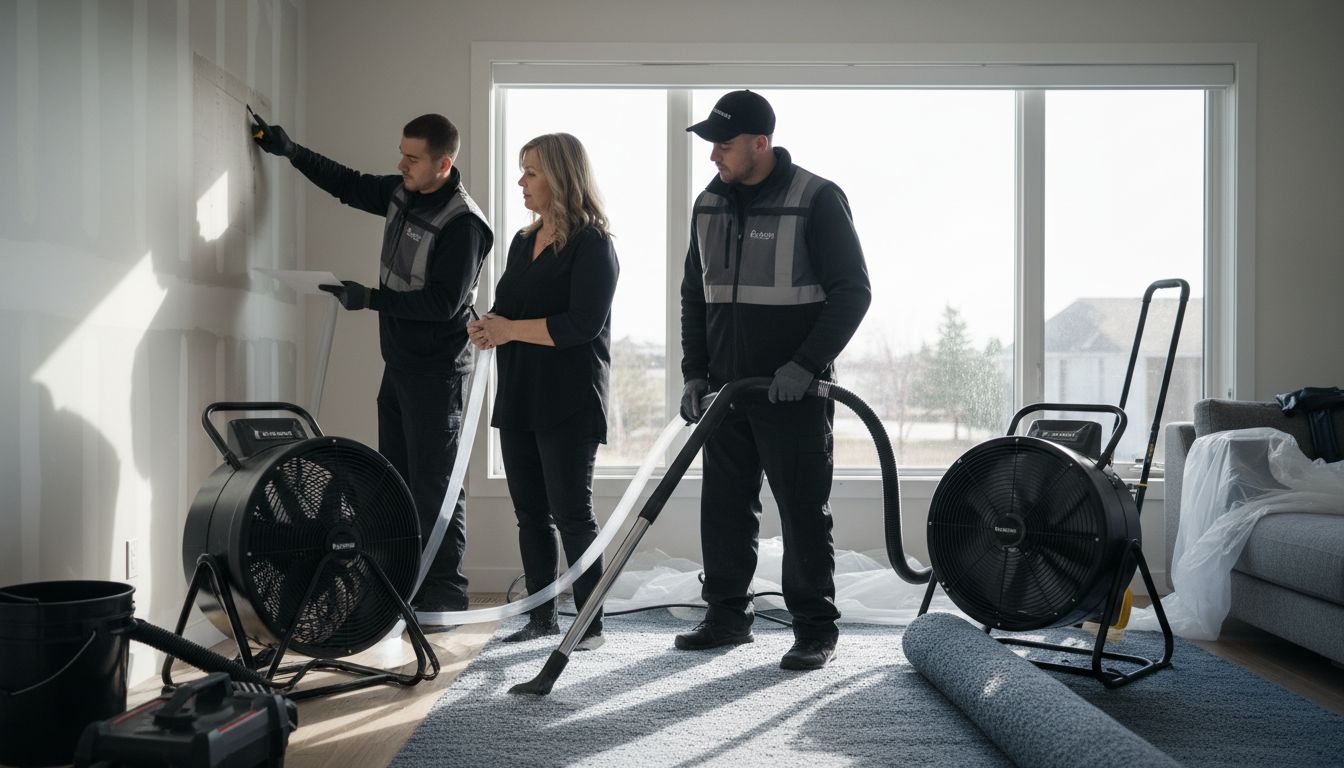
Did you know that floods are responsible for over $8 billion in property damage in the United States each year? Water damage can strike without warning, leaving homeowners scrambling to protect their health and property. Knowing the right steps to handle water intrusion can prevent costly repairs, serious contamination, and long term risks. This guide reveals how to respond quickly and safely, covering everything from proper water classification to complete restoration and insurance documentation.
Table of Contents
- Identifying Clean, Gray, and Black Water Damage
- Emergency Water Extraction Techniques
- Structural Drying and Dehumidification Methods
- Cleaning and Sanitizing Contaminated Areas
- Mold Prevention and Remediation Solutions
- Repairing and Rebuilding Damaged Structures
- Coordinating Restoration with Insurance Claims
Quick Summary
| Takeaway | Explanation |
|---|---|
| 1. Identify water damage categories | Understand the distinctions between clean, gray, and black water to effectively address water damage risks. |
| 2. Act swiftly for water extraction | Remove standing water within 24 to 48 hours to prevent structural damage and health hazards. |
| 3. Implement proper drying techniques | Utilize industrial dehumidifiers and air movers for comprehensive drying to mitigate mold growth. |
| 4. Follow sanitization protocols | Use EPA-approved cleaning solutions based on water contamination level to ensure safety and hygiene. |
| 5. Document damage for insurance claims | Maintain records of damage with photos and repair estimates to facilitate a smooth insurance claims process. |
1. Identifying Clean, Gray, and Black Water Damage
Understanding water damage categories is crucial for proper restoration and protecting your health. Water damage isn’t just about the visible wetness you see water isn’t created equal when it comes to potential risks and cleanup requirements.
Water damage is scientifically categorized into three distinct types based on contamination levels: Clean Water, Gray Water, and Black Water. According to research from Syracuse University, these classifications help professionals determine the appropriate remediation strategy.
Clean Water (Category 1) originates from sanitary sources like broken water supply lines, tub overflows, or sink failures. This water is considered the least dangerous and typically comes from sources without significant microbial contamination. While clean water can still cause property damage, it poses minimal health risks if addressed quickly.
Gray Water (Category 2) contains chemical or biological contamination that could potentially cause illness if ingested. Sources include dishwasher discharge, washing machine overflow, or toilet water without solid waste. Gray water requires more careful handling and typically involves cleaning and disinfection processes to prevent potential health hazards.
Black Water (Category 3) represents the most hazardous water damage scenario. This category includes sewage backups, floodwaters, and water containing significant microbial contamination. Black water can contain dangerous pathogens, bacteria, and potentially toxic substances that pose severe health risks. Professional intervention is absolutely mandatory when dealing with black water damage.
To help you understand the risks, consider these key distinctions:
- Clean water requires rapid drying to prevent mold growth
- Gray water needs thorough cleaning and potential sanitization
- Black water demands comprehensive professional remediation
For more detailed insights into handling water-damaged areas, check out our guide on water damage experts’ drying and prevention tips.
Remember that time is critical. The longer water sits, the greater the potential for structural damage and health risks. When in doubt about the water category, always consult water damage restoration professionals who can accurately assess and address the specific contamination level.
2. Emergency Water Extraction Techniques
When water invades your property, swift and strategic extraction becomes your first line of defense against extensive damage. Understanding and implementing proper water removal techniques can mean the difference between minor repairs and major reconstruction.
Water extraction is a critical first response that requires immediate and methodical action. According to the Centers for Disease Control guidelines, the primary goal is removing standing water quickly to prevent potential microbial contamination and structural deterioration.
Professional Water Removal Equipment plays a crucial role in effective extraction. Experts typically utilize specialized tools designed for different water volume scenarios:
- Submersible Pumps: Used for large water volumes in basements or extensively flooded areas
- Wet Vacuums: Ideal for smaller water accumulations on carpets and hard surfaces
- Industrial Dehumidifiers: Essential for removing moisture from walls and floors after initial water removal
The extraction process involves more than simply removing visible water. Professionals assess the affected area thoroughly to identify hidden moisture pockets that could lead to future mold growth or structural weakening.
Immediate Action Steps
- Remove standing water within 24 to 48 hours
- Use proper protective gear during extraction
- Document water damage for potential insurance claims
- Ensure complete drying of affected surfaces
Emergency water damage restoration techniques require precision and speed. While DIY methods can help in minor situations, significant water damage demands professional intervention.
Remember that water extraction is not just about removing liquid. It is a comprehensive process of protecting your property from long term structural and health risks. Professional water damage restoration experts have the training and equipment to ensure thorough extraction and prevent secondary damage.
3. Structural Drying and Dehumidification Methods
When water invades your property, the race against potential long term damage begins immediately. Structural drying and dehumidification are not just technical processes they are your primary defense against mold growth and building deterioration.
Structural drying involves a strategic approach to removing moisture from building materials and creating an environment that prevents secondary damage. According to the Centers for Disease Control guidelines, this process requires specialized equipment and precise monitoring to ensure complete moisture elimination.
Key Drying Equipment and Techniques
Professional restoration teams utilize multiple tools to achieve comprehensive structural drying:
- Industrial Dehumidifiers: Extract moisture from the air and surrounding materials
- High Volume Air Movers: Accelerate evaporation by creating continuous airflow
- Moisture Detection Meters: Precisely measure moisture levels in walls, floors, and building materials
- Infrared Thermal Imaging Cameras: Identify hidden moisture pockets invisible to the naked eye
The drying process goes beyond simply running fans. Effective moisture control requires understanding how water penetrates different materials and creating a systematic approach to removing that moisture.
Critical Moisture Management Steps
- Monitor humidity levels consistently
- Create strategic air circulation patterns
- Use targeted drying techniques for specific materials
- Maintain consistent temperature to support evaporation
Professional restoration experts recognize that different materials require unique drying approaches. Drywall absorbs moisture differently than hardwood floors or concrete surfaces. This complexity underscores why professional intervention is crucial.
For homeowners facing water damage, understanding water cleanup strategies can help minimize potential long term structural issues. Remember that thorough drying is not just about removing visible water it is about protecting your property from potential future damage.
4. Cleaning and Sanitizing Contaminated Areas
Water damage goes far beyond removing standing water water brings potential health hazards that require thorough cleaning and strategic sanitization. Understanding how to properly clean and disinfect contaminated areas is crucial for protecting your health and property.
Contamination Levels Determine Cleaning Approach
The Centers for Disease Control emphasizes that different water damage categories require specific cleaning protocols. Clean water damage might need minimal intervention while gray and black water scenarios demand comprehensive sanitization strategies.
Essential Cleaning and Sanitization Steps
Professional restoration experts follow a systematic approach to address contaminated areas:
- Initial Surface Cleaning: Remove visible dirt and debris using detergent and water
- Disinfection: Apply EPA approved antimicrobial solutions to eliminate pathogens
- Material Assessment: Determine whether items can be salvaged or must be replaced
- Protective Equipment: Use appropriate personal protective gear during cleaning
Key Considerations for Effective Sanitization
Some materials absorb contaminants more readily than others. Porous surfaces like carpets and drywall often require complete removal to prevent long term health risks. Nonporous surfaces such as tile and metal can typically be thoroughly cleaned and restored.
Professional restoration teams use specialized equipment and industrial grade disinfectants that provide more comprehensive protection than standard household cleaning products. They understand how to target specific contaminants and prevent future microbial growth.
Coronavirus cleaning guidelines highlight the importance of thorough sanitization techniques that extend beyond traditional cleaning methods.
Remember that effective sanitization is not just about appearance. It is about creating a safe environment by eliminating potential health risks associated with water damage contamination. When in doubt always consult professional restoration experts who can provide targeted cleaning solutions for your specific situation.
5. Mold Prevention and Remediation Solutions
Mold growth is the silent aftermath of water damage that can transform a minor incident into a significant health hazard. Understanding how to prevent and address mold becomes crucial for protecting both your property and your family’s well being.
The Critical 48 Hour Window
According to the Centers for Disease Control guidelines, mold can begin developing within 24 to 48 hours after water exposure. This narrow timeframe makes swift action absolutely essential in preventing widespread contamination.
Comprehensive Mold Prevention Strategies
Effective mold management involves a multi step approach that targets moisture control and immediate intervention:
- Rapid Moisture Removal: Dry all wet areas within 48 hours
- Ventilation: Increase air circulation to reduce humidity
- Regular Inspection: Check potential moisture prone areas consistently
- Humidity Control: Maintain indoor humidity levels below 60 percent
Professional Remediation Techniques
Professional mold remediation goes beyond simple cleaning. Experts use specialized equipment like moisture meters and infrared cameras to detect hidden moisture pockets that could trigger future mold growth. These professionals understand that visible mold represents only a fraction of the potential contamination.
Material Specific Remediation
Different materials require unique approaches. Porous surfaces like drywall and carpet often need complete removal while nonporous surfaces can be thoroughly cleaned and treated. The goal is not just removing visible mold but preventing future growth.
Understanding the difference between mold removal and mold remediation can help you make informed decisions about addressing potential contamination.
Remember that mold is more than a cosmetic issue. It represents a potential health risk that requires systematic and professional intervention. When in doubt always consult restoration professionals who can provide targeted solutions for your specific situation.
6. Repairing and Rebuilding Damaged Structures
Water damage can transform your property from a safe haven into a complex restoration project. Repairing and rebuilding damaged structures requires a strategic approach that goes far beyond simple cosmetic fixes.
Comprehensive Structural Assessment
Before any reconstruction begins, professionals conduct a thorough evaluation of the structural integrity. This critical first step determines which materials can be salvaged and which must be completely replaced to ensure long term safety and stability.
Key Structural Repair Considerations
Different building materials require unique approaches to water damage restoration:
- Drywall: Often requires complete removal and replacement
- Wood Framing: Must be thoroughly inspected for potential rot and structural weakening
- Electrical Systems: Require comprehensive testing and potential rewiring
- Flooring: Needs careful assessment to determine salvageability
Professional Restoration Techniques
Restoration experts understand that rebuilding is more than just replacing damaged materials. They focus on addressing the root causes of water intrusion and implementing preventative measures to protect against future damage.
Structural repairs involve multiple critical steps:
Moisture Elimination: Complete drying of all affected areas Structural Reinforcement: Replacing compromised support elements Preventative Modifications: Implementing water resistant technologies
The Centers for Disease Control emphasizes the importance of ensuring buildings are completely dry and free from contaminants before beginning reconstruction efforts.
Drying water damaged walls represents just one critical aspect of the complex structural restoration process.
Remember that successful structural repair is not about quick fixes but about creating a safe resilient environment. Professional restoration ensures that your property is not just repaired but restored to its original structural integrity and safety standards.
7. Coordinating Restoration with Insurance Claims
Navigating water damage restoration involves more than just repairing your property it requires strategic coordination with your insurance provider to ensure comprehensive coverage and minimal out of pocket expenses.
Documentation is Your Best Defense
According to the Federal Emergency Management Agency flood documentation guidelines, the key to a successful insurance claim lies in meticulous record keeping. Your ability to substantiate damage can significantly impact the claims process.
Critical Documentation Strategies
Prepare a comprehensive damage documentation package that includes:
- Photographic Evidence: High quality images of all damaged areas
- Video Recordings: Comprehensive walkthroughs showing extent of damage
- Repair Estimates: Professional assessment from restoration experts
- Inventory of Damaged Items: Detailed list with approximate values
Professional Restoration Support
Restoration professionals play a crucial role in insurance claims. They provide:
- Detailed damage assessment reports
- Professional repair estimates
- Technical documentation for insurance adjusters
- Expert testimony about restoration requirements
Proactive Communication Techniques
Successful insurance claims depend on clear communication. Contact your insurance provider immediately after discovering water damage. Request a claims adjuster and understand your policy coverage before beginning any restoration work.
Time Sensitive Considerations
Most insurance policies have strict timelines for reporting and documenting damage. Delay can potentially compromise your claim. Act quickly and comprehensively to protect your property and financial interests.
Property restoration insights for insurance agents can provide additional context about the claims process.
Remember that thorough documentation transforms your insurance claim from a potential challenge into a smooth recovery process. Your proactive approach can make all the difference in restoring your property efficiently and effectively.
Below is a comprehensive table summarizing the key insights into water damage categories, emergency extraction techniques, structural drying, cleaning, and coordination with insurance claims discussed throughout the article.
| Topic | Description | Key Considerations |
|---|---|---|
| Water Damage Categories | Clean Water: Least dangerous, from sanitary sources. Gray Water: Contains mild contamination, needs disinfection. Black Water: Severe contamination, requires professional remediation. | Rapid response prevents complications. Professional intervention for gray and black water is essential. |
| Extraction Techniques | Swift extraction prevents structural damage; methods include using submersible pumps for large volumes and wet vacuums for small accumulations. | Professional equipment ensures thorough removal, preventing mold growth and structural issues. |
| Structural Drying | Involves using dehumidifiers and air movers to remove moisture and prevent mold. | Requires monitoring and targeted techniques for different materials to prevent long term damage. |
| Cleaning and Sanitizing | Involves surface cleaning, disinfection with EPA-approved solutions, and assessing material salvageability. | Use protective equipment and specialized cleaning methods, especially with gray and black water scenarios. |
| Mold Prevention | Implement moisture control, increase ventilation, and maintain low humidity to prevent mold within 48 hours of water exposure. | Regular inspections and professional techniques ensure effective prevention and remediation. |
| Structure Repair | Assess structural integrity; replace compromised materials like drywall and wood framing. | Comprehensive drying and reinforcement protect against future damage. |
| Insurance Coordination | Document damage meticulously with photos, videos, and estimates for successful claims. | Quick documentation and communication with insurers ensure efficient claims processing and coverage. |
Protect Your Home with Expert Water Damage Restoration Today
Water damage can quickly become overwhelming when faced with challenges like identifying clean versus black water contamination or preventing mold growth within 48 hours. The risks to your health and property are real and urgent. From emergency water extraction to structural drying and mold remediation every step demands professional care to ensure safety and lasting recovery. Don’t let uncertainty or delays make a small problem turn into costly, long term damage.
Experience peace of mind with PuroClean of Northeast Sacramento. Our 24/7 emergency response team uses industry-leading technology to handle every aspect of water damage restoration efficiently and compassionately. Whether you need rapid extraction, thorough sanitization, or expert coordination with insurance, we have you covered. Act now before moisture spreads and mold takes hold. Visit PuroClean Northeast Sacramento to learn how our certified experts restore homes safely. Also explore tips on water cleanup strategies and mold remediation solutions designed just for homeowners like you. Don’t wait for the damage to worsen reach out today for immediate guidance and support.
Frequently Asked Questions
What are the three categories of water damage?
Water damage is classified into three categories: Clean Water, Gray Water, and Black Water. Understanding these categories helps determine the appropriate restoration techniques and health risks involved.
How can I identify if I have Black Water damage?
Black Water damage typically comes from sewage backups or floodwaters that may contain harmful pathogens. If odor is present and water appears dark or murky, consult a professional for immediate assessment and extraction.
What steps should I take during emergency water extraction?
When facing water extraction, first, remove standing water within 24 to 48 hours using pumps or wet vacuums. Document the damage with photos and clear a path for professional help while wearing protective gear.
How do I effectively dry out my home after water damage?
To effectively dry out your home, use high-powered air movers and industrial dehumidifiers to remove moisture. Aim to have all affected areas completely dry within 48 hours to prevent mold growth.
What is involved in cleaning and sanitizing after water damage?
Cleaning and sanitizing after water damage involves removing visible debris, applying antimicrobial solutions, and assessing salvageability of materials. Ensure to wear protective gear and follow a systematic approach to eliminate health risks effectively.
Why is professional intervention necessary for mold remediation?
Professional intervention is vital for mold remediation because it requires specialized equipment to find hidden moisture and comprehensive strategies to prevent future growth. Engage professionals within the critical 48-hour window to mitigate health risks effectively.
Recommended
Contractor Water Damage: Key Factors to Consider Before Signing Contract
WATER DAMAGE – Prevention is the Best Medicine – PuroClean of Alexandria
Water Damage Experts: Essential Drying, Prevention, and Cleanup Tips