


7 Restoration Industry Best Practices for Fast Emergency Recovery
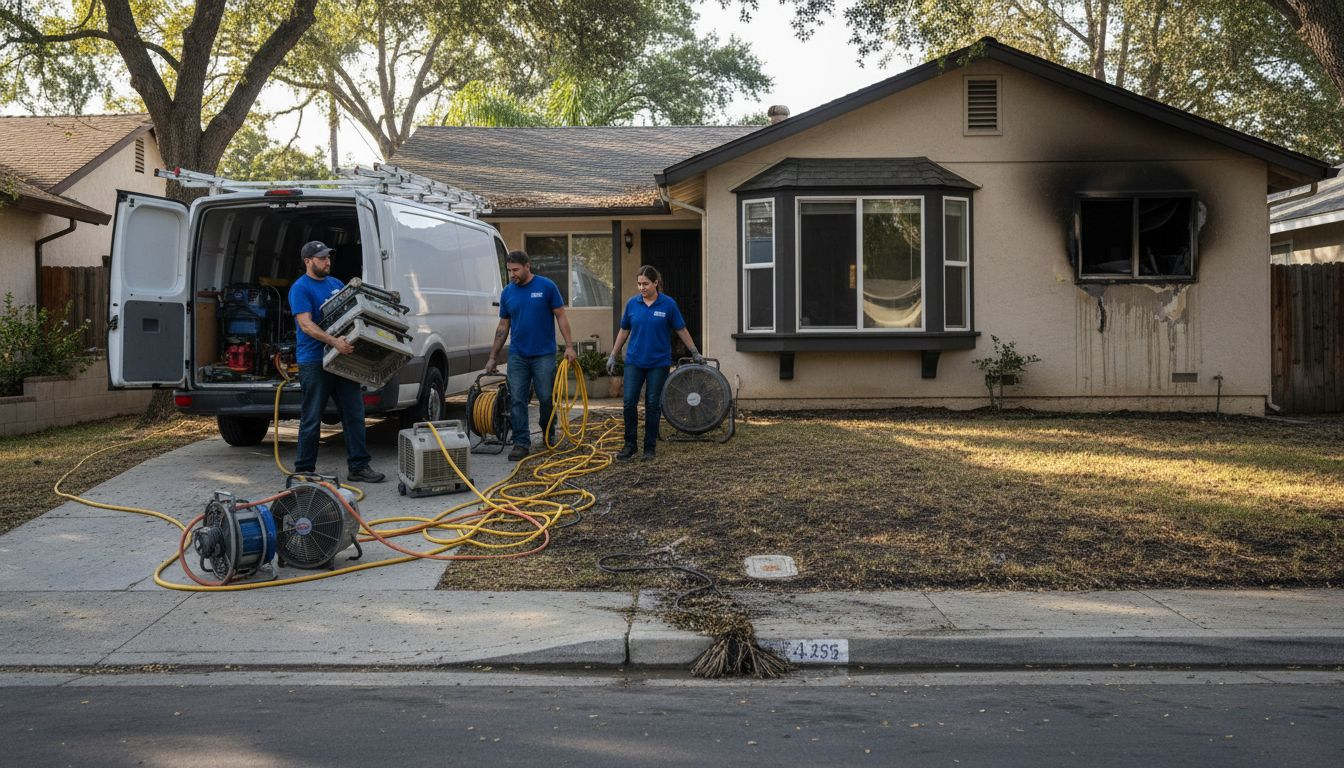
Dealing with water or fire damage in your Northeast Sacramento home can feel overwhelming and urgent. Every moment you wait, destruction spreads, making recovery harder and more expensive. You need clear steps to prevent further damage, handle insurance claims, and get your life back to normal as fast as possible.
This list shares actionable strategies grounded in industry best practices and scientific evidence. You’ll learn how to respond quickly, communicate with everyone involved, and choose methods that really work for long-term recovery. Each tip gives you the confidence to tackle restoration with the right knowledge and resources.
Get ready to discover specific insights that take the guesswork out of crisis restoration. Your home, safety, and peace of mind depend on knowing what works—and what does not.
Table of Contents
- 1. Act Quickly To Minimize Further Damage
- 2. Communicate Clearly With All Parties Involved
- 3. Use Industry-Certified Restoration Methods
- 4. Leverage Advanced Water Extraction Technology
- 5. Ensure Thorough Structural Drying And Inspection
- 6. Document Every Step For Insurance Claims
- 7. Prioritize Customer Safety And Satisfaction
Quick Summary
| Key Insight | Explanation |
|---|---|
| 1. Act Quickly to Mitigate Damage | Responding within the first 24 hours can prevent further destruction and save on restoration costs. |
| 2. Communicate Clearly with All Parties | Clear communication ensures everyone understands the situation and decisions are made efficiently, reducing frustration and potential costs. |
| 3. Use Certified Restoration Methods | Hiring certified professionals guarantees adherence to proven restoration standards, ensuring quality work and better insurance claims handling. |
| 4. Utilize Advanced Extraction Technology | Advanced equipment efficiently removes hidden moisture, preventing long-term damage like mold growth and structural decay. |
| 5. Document Everything for Insurance | Thorough documentation of damage and restoration helps secure fair insurance compensation and establishes a clear timeline of events. |
1. Act Quickly to Minimize Further Damage
Water and fire don’t wait, and neither should you. The moment damage occurs to your Northeast Sacramento home, every hour that passes allows additional destruction to spread. Acting within the first 24 hours is not just a recommendation—it’s the difference between a contained problem and a catastrophic loss.
When water sits in your home, it begins a destructive chain reaction. Moisture seeps deeper into walls, subflooring, and structural materials. Mold begins developing within 24 to 48 hours. Wood swells and warps. Drywall deteriorates. What started as a localized pipe burst becomes a full restoration nightmare affecting multiple rooms and systems. Rapid response coupled with scientifically based practices ensures mitigation of further loss and sets a firm foundation for successful recovery.
The same principle applies to fire damage. Smoke continues penetrating materials long after flames are extinguished. Soot oxidation damages surfaces you cannot even see. Structural integrity questions mount by the day. Addressing fire damage immediately prevents secondary damage that costs exponentially more to repair.
Your action timeline matters because restoration complexity multiplies with delay. A straightforward water extraction job becomes a mold remediation project becomes a structural repair becomes a complete reconstruction. Your insurance claim also becomes more complicated when time passes, as causation becomes harder to establish and damage patterns become unclear.
In Northeast Sacramento’s climate, humidity and temperature fluctuations accelerate damage. That burst pipe in your Folsom bathroom doesn’t just cause immediate water damage—it continues affecting your home’s environment long after water stops flowing. Quick mitigation stops this process cold.
Pro tip: Keep your restoration contractor’s phone number saved in your phone right now, before you need it. When emergencies happen, you won’t be searching the internet in panic mode—you’ll have immediate contact information ready for the 24/7 response your home requires.
2. Communicate Clearly With All Parties Involved
During a water or fire emergency, confusion spreads almost as fast as damage. Your restoration contractor, insurance adjuster, plumber, and family all need the same information at the same time. Without clear communication, decisions get delayed, work duplicates, and costs skyrocket.
Think of communication as the backbone of your entire restoration process. When your insurance company doesn’t understand what work was completed, claim payments get denied or delayed. When your contractor doesn’t know your insurance coverage limits, they may propose expensive solutions you cannot afford. When family members don’t understand the timeline, they become frustrated and make decisions that compromise the restoration.
Clear communication strategies grounded in transparency build trust among all parties involved. This means documenting everything in writing, sharing progress updates regularly, and making sure everyone understands the restoration plan from day one. Your contractor should explain what they’re doing, why they’re doing it, and how long it will take.
Start by creating a simple communication hub. Write down your insurance claim number, adjuster’s contact information, contractor’s name and phone number, and your own availability. Share this with everyone involved in your restoration. When your plumber, water mitigation team, and general contractor all know how to reach the insurance adjuster directly, coordination happens faster and problems get resolved immediately.
Documentation becomes your protection. Take photos of damage before restoration begins. Keep receipts for all emergency expenses. Request written estimates and scope of work documents from contractors. Save all email exchanges and text messages about the restoration process. These records help your insurance claim and protect you if disputes arise later.
For property managers overseeing multiple units or commercial spaces, communication becomes even more critical. Structured communication plans ensure all parties understand goals, methods, and progress. Hold brief daily check-ins with your restoration team if work spans multiple days. Send status updates to affected tenants or business partners explaining what’s happening and when they can return to their spaces.
Pro tip: Create a shared Google Drive folder or use a simple note-taking app where you store all restoration documents, photos, and communications in one searchable location so nothing gets lost and everyone can access what they need instantly.
3. Use Industry-Certified Restoration Methods
Not all restoration companies follow the same standards. When you hire a contractor, you need confidence that they’re using proven methods, not just experimenting with whatever seems cheapest or fastest. Industry certification separates qualified professionals from amateurs.
Certified restoration methods are built on scientific research and decades of real-world experience. These methods have been tested, refined, and validated across countless projects. When a restoration company holds certifications from recognized organizations, it means they’ve completed extensive training, passed rigorous exams, and committed to following established protocols. Your water damage won’t be treated with guesswork. Your fire-damaged home won’t become a trial-and-error project.
What does certification actually involve? It means your contractor understands moisture detection technology. They know how to use specialized equipment to identify hidden water that your eyes cannot see. They understand the science of structural drying, knowing exactly which materials can be saved and which must be replaced. They follow internationally recognized standards for restoration practices that prioritize your property’s integrity and long-term stability.
Certified methods also mean your restoration company uses appropriate equipment and products. They don’t just throw industrial fans at wet carpet and hope for the best. They deploy moisture meters, thermal imaging cameras, and specialized drying equipment configured for your specific situation. They understand ventilation principles, humidity control, and the timeline required for complete structural drying.
For Northeast Sacramento homeowners, choosing a certified disaster restoration company means your insurance company takes your claim more seriously. Adjusters recognize certified work because it adheres to industry standards they understand. Documentation from certified professionals carries more weight in disputes or complex claims.
When you’re evaluating restoration contractors in Folsom, Rancho Cordova, or Citrus Heights, ask about their certifications. Look for credentials from organizations like the Institute of Inspection, Cleaning and Restoration Certification. Don’t settle for vague promises. Get specific information about their training and certifications in writing.
Pro tip: Before hiring any restoration company, request copies of their certifications and verify them directly with the certifying organization, ensuring they’re current and in good standing, not expired or revoked.
4. Leverage Advanced Water Extraction Technology
The difference between amateur and professional water restoration comes down to equipment. A mop and bucket might remove standing water from your Northeast Sacramento kitchen, but they cannot extract moisture trapped deep within walls, subflooring, and structural cavities. That hidden moisture causes the real damage.
Advanced water extraction technology identifies and removes water that you cannot see. Restoration professionals use moisture meters that detect saturation levels in drywall, wood, and concrete. Thermal imaging cameras reveal cold spots where moisture is still present. Industrial extraction pumps remove thousands of gallons of water in hours, not days. This speed matters enormously because every hour moisture sits increases damage exponentially.
The science behind these tools is straightforward but powerful. Advanced water extraction technology removes contaminants and supports rapid recovery by addressing complex water damage challenges. When your restoration contractor deploys specialized equipment, they are not just removing visible water. They are managing humidity levels, controlling airflow patterns, and ensuring complete structural drying from the inside out.
Consider what happens without proper extraction technology. Water seeps into your home’s framing. Mold colonies begin developing within 24 to 48 hours. Your insurance company denies claims because they spot signs of delayed treatment. What could have been a 3,000 dollar mitigation becomes a 25,000 dollar mold remediation project. Advanced extraction prevents this nightmare scenario.
Real world example: A burst pipe in your Folsom garage floods the attached bonus room and crawlspace. A restoration company arrives with industrial dehumidifiers, air movers, and extraction equipment. Within 48 hours, moisture levels return to normal. Your structural integrity remains intact. Your insurance processes the claim smoothly. Compare this to a neighbor who hired cheap labor with basic tools. Their damage spreads for weeks. Mold appears. Structural repairs become necessary. Their restoration costs triple.
When you contact a restoration company, ask specifically about their equipment. Do they use moisture detection technology? Do they deploy industrial dehumidifiers and air movers? Can they explain how their equipment will address your specific situation? Understanding water extraction methods helps you evaluate whether a contractor has the right tools for your emergency.
Pro tip: Ask your restoration contractor for their equipment list and ask them to explain which specific technologies they will use for your situation, then verify they actually deploy those tools within the first 24 hours.
5. Ensure Thorough Structural Drying and Inspection
Visible water disappears quickly, but hidden moisture lingers for weeks. This is where most homeowners and property managers make expensive mistakes. They assume their home is dry because standing water is gone. Their restoration company leaves. Then mold appears. Walls develop soft spots. Structural integrity becomes compromised.
Complete structural drying requires far more than running a few fans. Your home’s framing, subflooring, insulation, and cavities must all reach normal moisture levels. This process involves continuous monitoring with specialized equipment. Moisture meters measure saturation in wood and drywall. Thermal imaging identifies cold spots where water is still hiding. Hygrometers track humidity levels throughout your property. Without this data, you cannot know if drying is actually complete.
Thorough inspection verifies drying effectiveness and prevents secondary damage that develops days or weeks after the initial incident. Incomplete drying creates conditions for mold growth, wood rot, and structural decay. Your restoration contractor should document drying progress with written moisture readings, photos, and equipment deployment logs. This documentation protects you with your insurance company and creates accountability.
Consider the complexity of water damage in older Northeast Sacramento homes. Water enters through your kitchen sink, but it travels sideways through walls, downward through subflooring, and even upward through capillary action. You cannot see any of this happening. Only professional inspection with proper equipment reveals where moisture actually is.
Rancho Cordova and Folsom homeowners face additional challenges with our local climate. Temperature fluctuations and humidity variations affect drying timelines. A restoration company must adjust their drying approach based on seasonal conditions and your home’s specific construction. Your restoration contractor should explain their drying timeline and what they expect normal moisture levels to be when the project is complete.
Water damage inspection determines the full extent of restoration needs, preventing surprise mold discoveries months later. Ask your restoration company when they perform their final inspection. Do they provide written reports with moisture readings? Will they guarantee drying completion with documentation?
Pro tip: Request written moisture readings from your restoration contractor on days 1, 3, 5, and 7 of the drying process so you can verify progress is actually happening and moisture levels are declining toward normal.
6. Document Every Step for Insurance Claims
Your memory is not enough. When your insurance adjuster arrives weeks after a water or fire emergency, they need evidence of what happened and what you did about it. Without documentation, claim denials happen. With thorough records, you get fair compensation.
Documentation serves multiple purposes in restoration. It establishes the timeline of events. It shows what damage occurred and when. It proves you acted quickly to prevent further damage. It demonstrates the scope of professional restoration work completed. Your insurance company uses this information to process your claim fairly and completely.
Start documenting the moment you discover damage. Take photos and videos of everything. Photograph water stains on ceilings and walls. Film the wet carpet and damaged furniture. Record the smell of moisture in closed rooms. Capture the brown stains that indicate mold growth. Detailed records with photos and videos provide evidence for adjusters and increase the likelihood of fair compensation. Your smartphone becomes your most important tool in the first hours after disaster.
Beyond photos, create written records. Write down when you first noticed the problem. Document when you called your restoration contractor. Save every text message and email. Keep receipts for any emergency supplies you purchase. If you stay in a hotel because your home is uninhabitable, save those receipts too. Your insurance company covers these emergency expenses, but only if you have documentation.
When your restoration contractor begins work, request detailed written scope of work documents. Ask for before and after photos of every area they treat. Request daily progress reports listing work completed. Meticulous documentation in every phase of restoration creates accountability and supports your insurance claim. After work is complete, obtain a final written report showing what was repaired, replaced, or treated.
For property managers handling commercial water damage in Northeast Sacramento, create a documentation binder that lives in your office. Include photos, contractor estimates, insurance information, and all correspondence about the incident. When multiple properties or tenants are affected, this system prevents information from getting lost.
Pro tip: Create a secure cloud storage folder on Google Drive or Dropbox on day one, upload all damage photos and documentation immediately, and share access with your insurance adjuster so they can review evidence anytime without waiting for printed copies.
7. Prioritize Customer Safety and Satisfaction
When disaster strikes your home, you are not thinking about business metrics or contractor profits. You are thinking about your family’s safety and getting your life back to normal. A restoration company that understands this priority wins your trust and delivers better results.
Safety comes first, always. Your restoration contractor should establish safety protocols before they begin work. They should restrict access to damaged areas where mold is growing or structural integrity is compromised. They should wear appropriate protective equipment. They should test for hazardous materials before demolition begins. They should communicate safety concerns to you clearly and honestly, even if that means recommending more expensive solutions.
Satisfaction extends far beyond completing the work. It means your contractor answers your questions thoroughly. It means they respect your home and your belongings. It means they show up when they promise and communicate delays immediately. Clear communication and timely responses build trust and enhance customer satisfaction during the stressful restoration process. A contractor who listens to your concerns and solves problems quickly becomes a partner in your recovery, not just a service provider.
Think about what matters to you personally. Do you need daily updates on progress? Does your restoration contractor provide those? Do you have questions about why certain work is necessary? Does your contractor explain their recommendations clearly? Can you reach them outside business hours if an emergency arises? The best restoration companies make these things standard practice, not special favors.
Your satisfaction also depends on final results. A restoration company should not declare your home finished until you agree it meets your expectations. Are there odors remaining? Ask them to address it. Does the color match look wrong? Request adjustments. A contractor committed to your satisfaction treats these concerns as legitimate, not as complaints.
For Northeast Sacramento homeowners dealing with water or fire damage, find a restoration company that combines technical expertise with genuine care for your situation. Your emergency is their priority. Your home is not just another job. Personalized interactions and responsive service strengthen satisfaction and loyalty during critical recovery times. You deserve a contractor who proves this through their actions every single day.
Pro tip: Before hiring any restoration company, ask for references from recent customers and actually call them to ask specifically about communication, responsiveness, and whether they felt truly heard and valued during their restoration project.
Below is a summary table outlining the strategies, steps, and principles discussed in the article regarding restoration processes for water and fire damage emergencies.
| Main Principle | Key Recommendations | Advantages & Outcomes |
|---|---|---|
| Act Quickly to Minimize Damage | Respond within 24 hours to prevent further destruction and secondary issues. | Limits damage, reduces restoration complexity and costs. |
| Communicate Clearly With Parties | Maintain transparency among contractors, insurance adjusters, and family. | Clear decisions, synchronized actions, and optimized response. |
| Use Industry-Certified Methods | Choose certified restoration professionals with proven expertise. | Ensures effective and standard-compliant restoration processes. |
| Employ Advanced Extraction Technology | Utilize specialized tools like moisture meters and dehumidifiers. | Removes hidden moisture, preventing mold and structural damage. |
| Guarantee Structural Drying | Monitor and document moisture levels with professional equipment. | Prevents mold growth, wood rot, and ensures complete drying. |
| Document Restoration Activities | Keep detailed records, photos, and receipts throughout the process. | Facilitates claims processing and provides dispute resolution evidence. |
| Prioritize Safety and Satisfaction | Establish safety protocols and prioritize customer needs throughout restoration. | Improves trust and ensures timely, high-quality results. |
Act Fast with Trusted Restoration Experts in Northeast Sacramento
Water and fire emergencies demand immediate action to prevent escalating damage and costly repairs. The article highlights critical steps like rapid response, industry-certified methods, advanced water extraction technology, and thorough structural drying. These best practices directly address the pain points of hidden moisture, delayed communication, and complex insurance claims that can overwhelm homeowners and property managers.
At PuroClean of Northeast Sacramento, we specialize precisely in these fast, professional restoration services. Our team is available 24/7 to deliver rapid water extraction, plumbing leak detection, and expert fire and smoke damage restoration. We bring certified expertise and advanced equipment to contain damage quickly and document every step for your insurance needs. Whether you face a burst pipe in Folsom or fire damage in Rancho Cordova, trust us to protect your home and accelerate your recovery.
Emergency Water Damage Restoration Services
Don’t wait as water or fire damage worsens. Contact us now for immediate help with mitigation and restoration that follows proven industry best practices. Act within the critical first 24 hours—your home’s future depends on it. Visit PuroClean of Northeast Sacramento and get the rapid response you need to safeguard your property today.
Frequently Asked Questions
What should I do immediately after water damage occurs in my home?
Act quickly by contacting a certified restoration company within the first 24 hours. Rapid response minimizes further damage, such as mold and structural deterioration, helping to ensure your home returns to pre-damage condition faster.
How can I communicate effectively with my restoration contractor and insurance adjuster?
Create a communication hub by documenting all relevant information, including your insurance claim number and contact details for all involved parties. Sharing this information ensures everyone stays informed, reducing delays and miscommunication during the restoration process.
What are the benefits of using certified restoration methods?
Certified restoration methods utilize proven practices based on scientific research, ensuring that your home is treated effectively and safely. When hiring a contractor, ask for verification of their certifications to ensure adherence to industry standards and better support for your insurance claims.
Why is advanced water extraction technology crucial for effective restoration?
Advanced water extraction technology removes hidden moisture that can lead to long-term damage, such as mold growth. Ensure your restoration contractor uses specialized equipment, like industrial dehumidifiers and moisture detectors, for more effective moisture removal within the first 24 hours of occurrence.
How do I verify that thorough structural drying has been completed?
Request detailed moisture readings throughout the drying process, specifically on days 1, 3, 5, and 7. This ensures that your restoration contractor is effectively monitoring moisture levels and that your home is truly dry, preventing future issues like mold or structural weakness.
What documentation should I maintain for my insurance claim?
Keep detailed records including photos and videos of damage, written communication with your restoration contractor, and receipts for any related expenses. This thorough documentation provides necessary evidence to support your claim and increases the likelihood of receiving fair compensation.
Recommended
- Emergency Property Recovery | Eco Friendly Approaches – PuroClean Emergency Property Recovery
- Reasons Why Emergency Restoration Services Are Important – PuroClean Emergency Recovery Services
- Insurance Restoration Guide | PuroClean Restoration Specialists
- Emergency Property Recovery | Expert Services
- Best Guide About Emergency Drain Services in 2024