 PuroClean of Northeast Sacramento
 7 Signs of Water Damage Every Homeowner Should Know
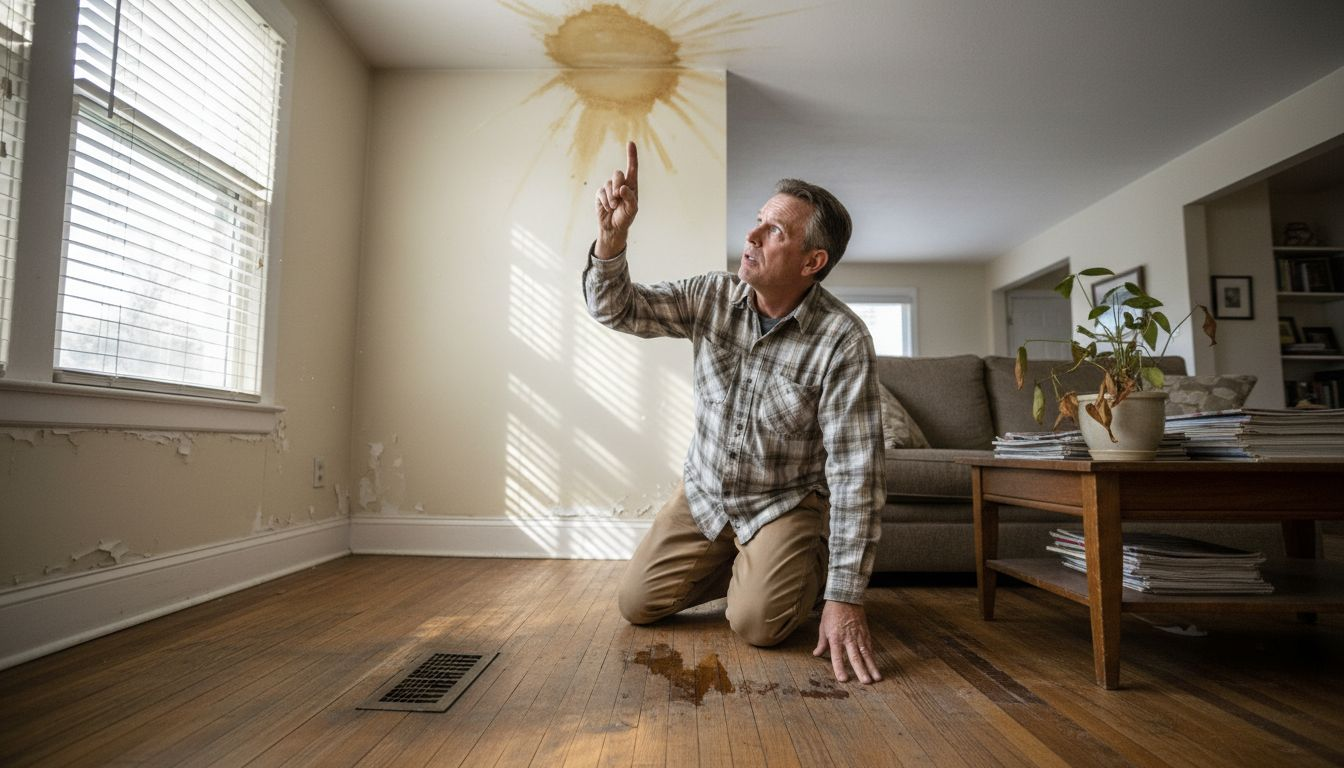
Noticing stains on the ceiling, peeling paint, or warped floors can leave you worried about what’s really going on behind the walls of your home. Water damage often hides in plain sight, showing up as small problems that quickly turn into costly repairs if ignored. Knowing what to look for will save you money, protect your home, and help prevent serious health risks from mold.
This guide reveals clear signals your home might be telling you about water damage. Each sign comes with practical tips so you can spot problems early and understand what steps need to be taken. Get ready to uncover the warning signs that help you act before water damage becomes a major headache.
Table of Contents
- Stains And Discoloration On Walls And Ceilings
- Peeling Paint Or Bubbling Wallpaper
- Warped Or Buckling Floors
- Musty Odors And Persistent Dampness
- Visible Mold Or Mildew Growth
- Unexplained Increase In Water Bills
- Sounds Of Dripping Or Running Water
Quick Summary
| Takeaway | Explanation |
|---|---|
| 1. Address water stains promptly | Water stains on walls and ceilings indicate moisture issues that can lead to structural damage or health risks if ignored. |
| 2. Monitor peeling paint and bubbling wallpaper | These signs often reveal moisture problems that require immediate investigation to prevent further damage. |
| 3. Detect warped floors early | Warped or buckling floors signal underlying moisture issues that, if left untreated, could threaten safety and lead to costly repairs. |
| 4. Respond to musty odors and dampness | Musty smells indicate mold growth from excess moisture and signal the need for investigation to protect health and structure. |
| 5. Investigate unusual water sounds | Sounds of dripping or running water can signify hidden leaks, necessitating prompt attention to avoid significant damage. |
1. Stains and Discoloration on Walls and Ceilings
Water stains on walls and ceilings are more than just unsightly blemishes – they are critical warning signs of potential water damage that demand immediate attention. These discolorations often indicate underlying moisture problems that can quickly escalate into serious structural and health risks.
When water infiltrates your walls or ceiling, it leaves telltale marks that range from yellowish-brown to dark gray patches. These stains reveal moisture intrusion and can develop from multiple sources like:
- Roof leaks
- Plumbing pipe failures
- Condensation buildup
- Broken water supply lines
- Foundation seepage
Water damage spreads quickly – a small stain today could mean significant structural damage tomorrow.
The color and pattern of water stains can reveal critical information about the damage source. Yellowish-brown rings typically suggest long-term moisture exposure, while dark gray or black spots might indicate dangerous mold growth. These stains are not just cosmetic issues – they signal potential structural integrity risks.
Mold can begin forming within 24-48 hours of water exposure, making prompt identification and action crucial. Professional restoration experts recommend thoroughly investigating any discoloration to prevent further damage and potential health hazards.
Pro tip: Use a moisture meter to detect hidden water damage behind walls before stains become visible and prevent extensive repairs.
2. Peeling Paint or Bubbling Wallpaper
Peeling paint and bubbling wallpaper are not just cosmetic nuisances – they are critical indicators of potential water damage lurking beneath your walls. These visual signs reveal moisture problems that can compromise your home’s structural integrity and create expensive repair challenges.
When water infiltrates wall surfaces, it disrupts paint and wallpaper adhesion, causing noticeable signs of moisture intrusion. The damage manifests through several distinct characteristics:
- Paint edges lifting or separating from walls
- Wallpaper bubbling or blistering
- Visible warping or rippling of wall surfaces
- Discoloration around damaged areas
Water damage spreads silently – ignore these warning signs at your own risk.
Moisture can originate from multiple sources like hidden pipe leaks, roof seepage, or condensation problems. Interior wall damage often indicates deeper structural issues that require immediate professional assessment.
Homeowners should investigate the underlying cause of paint or wallpaper damage. Vinyl wallcoverings are particularly problematic because they seal moisture against walls, preventing proper drying and potentially promoting mold growth.
Pro tip: Gently press bubbling areas to determine moisture extent and always investigate the source of water intrusion before repainting or replacing wallpaper.
3. Warped or Buckling Floors
Warped and buckling floors are silent alarms of serious water damage that can compromise your home’s structural integrity and safety. These visual distortions represent more than just aesthetic problems – they signal potentially extensive moisture infiltration beneath your flooring.
When water penetrates flooring materials, it triggers a destructive transformation. Wood flooring absorbs moisture rapidly, causing uneven swelling and dramatic deformations. Different floor types respond uniquely to water exposure:
- Hardwood floors cupping or crowning
- Laminate floors separating at seams
- Vinyl tiles lifting or cracking
- Wooden subfloors becoming soft and spongy
Water damage spreads faster than you think – act quickly to prevent total floor replacement.
Interior floor damage often indicates more significant underlying issues like plumbing leaks, foundation problems, or persistent moisture buildup. These deformations happen because wood and composite materials expand and contract when wet, creating permanent structural changes.
Soft or bouncy areas are particularly dangerous. They can signal weakened subflooring that might collapse under regular foot traffic, presenting serious safety risks for your household.
Pro tip: Use a moisture meter to detect hidden water damage in floors before visible warping occurs and always investigate the source of moisture intrusion.
4. Musty Odors and Persistent Dampness
Musty odors and persistent dampness are your home’s silent alarm system for potential water damage. These subtle sensory signals indicate moisture problems that can quickly escalate into serious structural and health risks.
Understanding indoor dampness health risks is critical for protecting your living environment. These warning signs often emerge from hidden water intrusion sources such as:
- Leaking pipes inside walls
- Roof or foundation seepage
- Poor ventilation in crawl spaces
- Condensation buildup
- Inadequate drainage around home’s exterior
Musty smells are your home’s way of whispering urgent repair needs.
The characteristic musty odor results from mold growth triggered by excess moisture. This distinctive smell indicates microbial activity that can cause respiratory problems and allergic reactions. Areas like basements, bathrooms, and under-sink cabinets are particularly susceptible to these conditions.
High humidity levels create perfect environments for mold and mildew proliferation. Indoor spaces with humidity above 60% become breeding grounds for potentially harmful microorganisms that thrive in damp conditions.
Pro tip: Use a digital hygrometer to monitor indoor humidity levels and keep them between 30-50% to prevent moisture-related health and structural issues.
5. Visible Mold or Mildew Growth
Visible mold and mildew are far more than cosmetic nuisances – they are urgent warning signs of serious water damage that can compromise your home’s structural integrity and your family’s health. These fuzzy, discolored patches are living organisms that thrive in moisture-rich environments.
The CDC warns about mold health risks that extend beyond simple aesthetic concerns. Mold colonies can spread rapidly on porous surfaces like:
- Drywall and plasterboard
- Wood surfaces and framing
- Ceiling tiles
- Carpet and fabric
- Wallpaper and paint
One small mold patch can quickly become a massive contamination problem.
Mold growth indicates excess moisture and potential water damage that requires immediate investigation. Different colors of mold suggest varying levels of risk:
- White mold: Often surface level
- Green mold: Typically indicates active moisture
- Black mold: Most concerning health hazard
Unlike simple dirt or stains, mold is a living organism that reproduces through microscopic spores. These spores can trigger allergic reactions, respiratory issues, and potentially serious health complications.
Pro tip: Never paint over mold or attempt to scrub it away without proper protective equipment – this can release harmful spores and spread contamination.
6. Unexplained Increase in Water Bills
An unexpected spike in your monthly water bill is more than just a financial nuisance – it’s a potential red flag signaling hidden water damage or underground leaks. These silent water thieves can waste hundreds of gallons and cause extensive property damage before you even realize they exist.
Water meter technology helps detect leaks before they become catastrophic problems. Homeowners should watch for billing anomalies that might indicate:
- Continuous water flow when all fixtures are off
- Sudden unexplained bill increases
- Consistent higher usage without changing habits
- Unusual meter readings
A small leak today can become a financial disaster tomorrow.
Leaks can originate from multiple sources including underground pipe damage such as:
- Cracked water supply lines
- Damaged sewer connections
- Foundation seepage
- Irrigation system failures
- Compromised household plumbing
Comparing monthly bills and conducting periodic meter checks can help you catch these issues early. Most water meters have a leak detection indicator that spins or moves when water continues flowing even when all household water is turned off.
Pro tip: Take a water meter reading at night, then recheck it first thing in the morning without using any water to identify potential hidden leaks.
7. Sounds of Dripping or Running Water
Unusual water sounds within your home are more than just background noise – they are critical warning signals of potential hidden water damage. These subtle acoustic cues can reveal serious plumbing issues before visible damage appears.
Leak noise detection technologies help professionals pinpoint water intrusion problems through sound analysis. Homeowners should be alert to specific acoustic warning signs like:
- Constant dripping sounds behind walls
- Hissing noises near pipes
- Unexplained running water sounds when fixtures are off
- Whistling or gurgling in plumbing systems
- Rhythmic tapping sounds near water lines
Silent leaks speak volumes – learn to listen to your home’s hidden messages.
These sounds often indicate potential pipe system failures that can cause extensive damage if left unaddressed. Underground leaks, in particular, can be challenging to detect without specialized acoustic monitoring.
Furthermore, persistent water sounds might suggest multiple issues such as:
- Loose pipe connections
- Deteriorating pipe materials
- High water pressure problems
- Hidden pipe fractures
- Seal or gasket failures
Pro tip: Turn off all water sources and spend a few quiet minutes listening carefully to detect any unusual background water sounds that might signal hidden leaks.
Below is a comprehensive table summarizing the signs, indications, sources, and implications of water damage as discussed throughout the article.
| Signs of Water Damage | Potential Sources | Implications |
|---|---|---|
| Stains and discoloration | Roof leaks, plumbing failures, condensation | Structural risks, potential mold growth |
| Peeling paint/bubbling wallpaper | Hidden pipe leaks, roof seepage, condensation issues | Evidence of moisture problems, potential structural compromise |
| Warped or buckling floors | Plumbing leaks, foundation issues, moisture buildup | Indicates subfloor damage, structural deformities |
| Musty odors or dampness | Plumbing leaks, poor ventilation, high humidity | Mold growth, associated health risks |
| Visible mold or mildew presence | Exposed to excessive moisture, poor ventilation | Potential health complications, structural deterioration |
| Higher water bills | Hidden or underground leaks | Financial loss, potential property damage |
| Sounds of dripping or running water | Pipe system failures, loose connections | Essential to identify and rectify to prevent damage |
Act Fast to Protect Your Home from Water Damage
Recognizing the early signs of water damage like stains on walls, warped floors, and musty odors can save your home from costly and extensive repairs. These warning signals point to critical issues such as hidden leaks, mold growth, and structural deterioration that need immediate expert intervention. At PuroClean of Northeast Sacramento, we understand how urgent and stressful water damage emergencies can be for homeowners, property managers, and insurance professionals.
Do not wait for the damage to worsen. Our certified restoration specialists use advanced water extraction and drying technology to halt water intrusion swiftly and prevent further losses. Whether you are dealing with burst pipes, slab leaks, or flooding, PuroClean offers 24/7 emergency response and comprehensive support tailored to the Northeast Sacramento region. Learn more about our full range of water damage and restoration services and contact us now to secure your property’s safety. Immediate action can make all the difference.
Frequently Asked Questions
How can I identify water damage on my walls and ceilings?
You can spot water damage by looking for stains and discoloration on walls and ceilings, which may appear as yellowish-brown or dark gray patches. Investigate any visible stains immediately to prevent potential structural damage and health risks.
What should I do if I notice peeling paint or bubbling wallpaper?
If you see peeling paint or bubbling wallpaper, it often indicates moisture issues behind the walls. Inspect the source of the moisture, and consider hiring a professional to assess any underlying damage before repainting or reapplying wallpaper.
How do I know if my floors are warped due to water damage?
Warped or buckling floors are a clear sign of water damage. Check for soft or bouncy areas, and use a moisture meter to assess hidden moisture levels beneath your flooring; acting quickly can prevent total floor replacement.
What causes musty odors in my home?
Musty odors often suggest hidden mold growth due to excess moisture. Identify and address the source of the dampness, such as leaking pipes or poor ventilation, to improve your indoor air quality and reduce mold risks.
How can I monitor for leaks that might increase my water bills?
Monitor your water bill for any unexplained increases, as these can indicate hidden leaks. Check your water meter periodically; take a reading when no water is being used, and compare it to the next morning’s reading to identify potential issues.
What should I do if I hear dripping or running water sounds?
If you hear dripping or running water sounds when all fixtures are off, investigate as it may indicate leaks in your plumbing. Take time to listen carefully around your home; if noises persist, consider consulting a professional to detect hidden leaks.

 PuroClean of Northeast Sacramento