 PuroClean of Northeast Sacramento
 7 Step Water Damage Checklist for Homeowners in Crisis
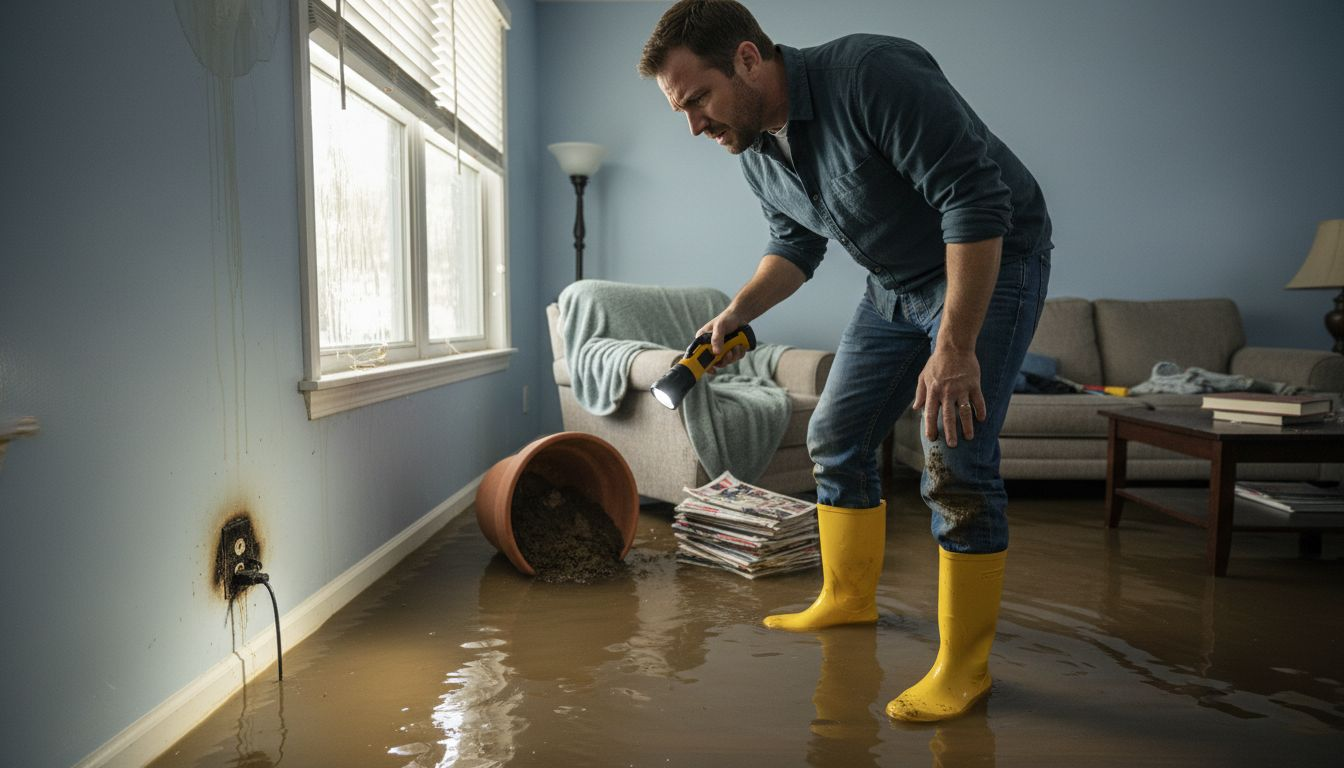
Most American homeowners in Northeast Sacramento discover that even a few inches of standing water can cause thousands of dollars in property loss within hours. Fast action becomes essential when water damage threatens your home and safety. Understanding crucial steps for safety assessment, evidence documentation, water removal, and insurance support can help you protect your property, secure compensation, and get your life back on track.
Table of Contents
- Assess Safety And Turn Off Water Sources
- Document Damage For Insurance Claims
- Remove Standing Water Quickly
- Protect Unaffected Areas And Belongings
- Promote Airflow And Start Drying
- Check For Hidden Moisture And Mold Risks
- Contact A Certified Restoration Professional
Quick Summary
| Takeaway | Explanation |
|---|---|
| 1. Prioritize Personal Safety | Ensure your safety by assessing hazards before entering water-damaged areas, especially concerning electrical risks. |
| 2. Diligently Document Damage | Create thorough documentation of damage to support insurance claims, including photos, videos, and inventory lists. |
| 3. Remove Standing Water Promptly | Begin water removal immediately to prevent further damage and health hazards, using appropriate tools and techniques. |
| 4. Protect Unaffected Areas | Take swift action to create barriers and relocate valuable items to minimize potential damage from spreading water. |
| 5. Consult Restoration Professionals | Contact certified restoration experts for effective remediation and recovery, leveraging their specialized skills and equipment. |
1. Assess Safety and Turn Off Water Sources
When water damage strikes, your first priority is personal safety. Water emergencies can create hidden dangers that are not always immediately visible, potentially putting you and your family at serious risk. Understanding how to quickly and safely assess your environment is critical before taking any restoration steps.
Before entering a water damaged area, you must carefully evaluate potential hazards. Electrical systems pose significant risks during water incidents. The Centers for Disease Control and Prevention advises disconnecting appliances to prevent electrical shock and being alert for structural damage and contaminated water.
Your immediate actions should focus on stopping additional water flow and minimizing potential risks. Locate your home’s main water shutoff valve typically found near the perimeter of your home where water enters the building. This valve allows you to completely stop water from continuing to flow into your property, preventing further damage.
Key safety assessment steps include:
Safety Evaluation Priorities:
- Check for standing water near electrical outlets
- Look for signs of structural damage in walls and floors
- Assess potential electrical hazards before entering
- Wear protective footwear and clothing
- Ensure proper lighting when investigating damage
Pro tip: Keep a waterproof flashlight and rubber boots in your emergency preparedness kit to quickly respond to water damage scenarios.
2. Document Damage for Insurance Claims
When water damage strikes, your documentation becomes your financial lifeline. Insurance claims require meticulous evidence that proves the extent and impact of the damage, ensuring you receive fair compensation for your losses.
The National Association of Insurance Commissioners advises homeowners to create comprehensive documentation to support their insurance claims. This means going beyond simple snapshots and developing a systematic approach to recording property damage.
Start by taking clear, well-lit photographs and videos of every affected area. Capture wide shots that show overall damage and close-up images that highlight specific damage details. Ensure your documentation includes:
Documentation Essentials:
- Photographs of damaged areas from multiple angles
- Videos showing water damage progression
- Inventory of damaged personal property
- Receipts for emergency repairs
- Dates and times of initial damage discovery
- Contact information for restoration professionals
Important Evidence Strategies:
- Use natural lighting when photographing damage
- Include measurement references in photos
- Time and date stamp all visual documentation
- Keep original files and create backup copies
- Store digital files in multiple secure locations
Pro tip: Create a dedicated digital folder for your water damage documentation and immediately upload images to cloud storage to prevent potential loss of critical evidence.
3. Remove Standing Water Quickly
Standing water transforms your home into a breeding ground for damage and potential health hazards. Every minute that water remains can exponentially increase destruction to your floors, walls, and personal belongings.
The University of Minnesota Extension recommends immediate water removal using specialized equipment and taking critical safety precautions. Your primary goal is extracting water efficiently while protecting yourself from potential contamination.
Effective water removal requires strategic planning and the right tools. Depending on water volume, you might need different approaches ranging from simple mops and towels to advanced water extraction equipment like submersible pumps or wet/dry vacuums.
Water Removal Equipment Options:
- Submersible electric water pumps
- Wet/dry shop vacuums
- Absorbent towels and mops
- Industrial water extraction machines
- Dehumidifiers
Key Water Removal Strategies:
- Start removing water from the lowest point
- Work systematically across affected areas
- Wear protective waterproof boots and gloves
- Ensure proper electrical safety
- Ventilate the space during extraction
Pro tip: Rent professional water extraction equipment from local hardware stores if you do not own specialized tools, and prioritize thorough water removal within the first 24 to 48 hours to minimize potential long term damage.
4. Protect Unaffected Areas and Belongings
Water damage can spread rapidly through your home, transforming a localized problem into a full-scale disaster. Strategic protection of unaffected areas becomes critical to preventing widespread destruction and minimizing potential financial loss.
The National Weather Service recommends immediate action to limit property loss by creating strategic barriers and relocating valuable items before water migration becomes uncontrollable. Your quick thinking can save thousands of dollars in potential damages.
Immediate protection strategies involve creating physical barriers and systematically moving vulnerable items to safer locations. Think of your home as a dynamic environment where water can travel through walls, floors, and hidden pathways.
Critical Protection Zones:
- Electrical outlets and appliances
- Important documents and paperwork
- Electronic devices
- Furniture and wooden items
- Carpets and textiles
- Artwork and irreplaceable items
Protective Strategies:
- Elevate items at least 12 inches above potential water levels
- Use plastic sheeting to create water barriers
- Move electronics to higher ground
- Seal vulnerable entry points
- Disconnect electrical devices
- Create designated dry storage areas
Pro tip: Create an emergency relocation plan for your most valuable possessions before disaster strikes, including a prioritized list of items to move first and predetermined safe storage locations.
5. Promote Airflow and Start Drying
Water damage transforms your home into a potential mold breeding ground within hours. Rapid drying becomes your most critical defense against long term structural and health risks.
The American Red Cross recommends strategic ventilation techniques to accelerate the drying process, emphasizing the importance of immediate and thorough air circulation.
Successful drying requires a systematic approach targeting moisture from multiple angles. Your goal is to create an environment that pushes moisture out while preventing additional humidity buildup.
Effective Airflow and Drying Strategies:
- Open windows and doors to create cross ventilation
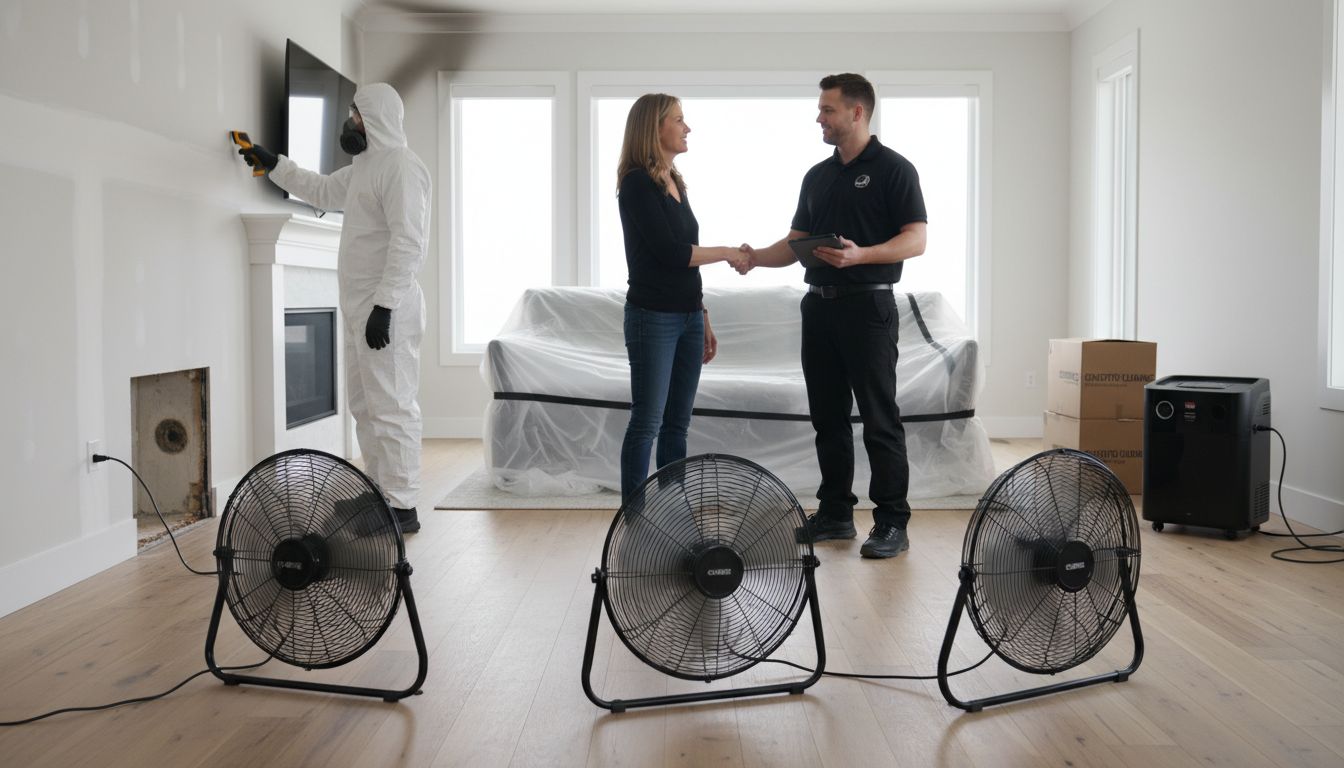
- Position fans to direct air towards wet areas
- Use dehumidifiers in enclosed spaces
- Remove wet materials quickly
- Circulate air continuously
- Monitor humidity levels
Drying Equipment Recommendations:
- Industrial fans
- Portable dehumidifiers
- High volume air movers
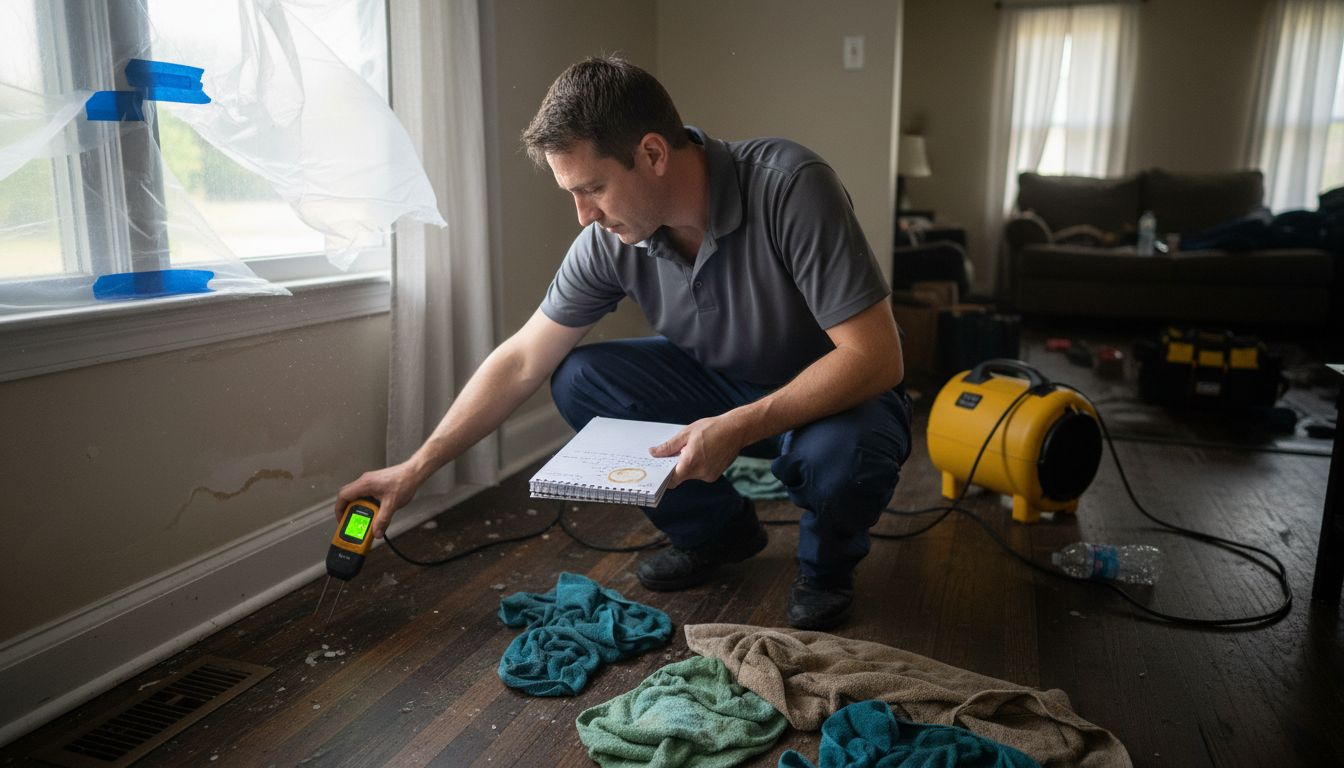
- Moisture detection meters
- Specialized water extraction tools
- Commercial grade drying equipment
Pro tip: Rent professional grade air movers and dehumidifiers from equipment rental centers if you do not own industrial drying tools, and position them strategically to maximize moisture removal.
6. Check for Hidden Moisture and Mold Risks
Moisture loves to hide in places you cannot easily see, creating potential health hazards and structural damage beneath your home’s surface. Understanding how to detect these concealed risks can save you thousands in potential repairs and protect your family’s health.
InterNACHI recommends comprehensive moisture inspection techniques that go beyond surface level assessments, emphasizing the importance of thorough investigation.
Mold and moisture can proliferate silently in areas that remain hidden from casual observation. Your investigative approach must be methodical and comprehensive, targeting known problem zones where water tends to accumulate unnoticed.
High Risk Moisture Areas:
- Behind drywall
- Under carpeting
- Inside wall cavities
- Around window frames
- Near plumbing fixtures
- In crawl spaces
- Attic spaces
- Underneath sinks
Detection Tools and Techniques:
- Moisture meters
- Infrared thermal cameras
- Visual inspection
- Humidity sensors
- Professional moisture mapping
- Borescope cameras
- Professional mold testing kits
Warning Signs of Hidden Moisture:
- Musty odors
- Discoloration on walls
- Peeling wallpaper
- Warped flooring
- Unexplained respiratory issues
- Persistent dampness
Pro tip: Invest in a quality moisture meter and thermal imaging camera, or consider hiring a professional inspector to conduct a comprehensive moisture assessment within 48 hours of water damage.
7. Contact a Certified Restoration Professional
Water damage restoration is a complex process that requires specialized knowledge, advanced equipment, and precise technical expertise. Attempting to manage extensive water damage without professional intervention can lead to long term structural problems and potential health risks.
The IICRC Global Locator helps homeowners find certified water damage restoration professionals who are trained to handle water emergencies with precision and expertise. Professional restoration technicians bring critical skills that go far beyond simple water removal.
Certified professionals offer comprehensive services that address every aspect of water damage recovery. Their systematic approach ensures thorough assessment, targeted remediation, and complete restoration of your property.
Why Choose Certified Professionals:
- Advanced moisture detection technology
- Specialized drying equipment
- Comprehensive damage assessment
- Mold prevention strategies
- Insurance claim documentation
- Structural integrity evaluation
- Health hazard mitigation
- Rapid response capabilities
Certification Credentials to Verify:
- IICRC certifications
- State professional licenses
- Insurance restoration specializations
- Documented training credentials
- Professional liability insurance
- Proven restoration experience
- Positive customer references
Pro tip: Request proof of certification and ask for references before hiring a restoration professional, and verify their credentials through official industry organizations.
The following table summarizes the key steps, strategies, and precautions discussed in the article regarding addressing and mitigating the effects of water damage in domestic environments.
| Action Step | Key Details | Benefits and Outcomes |
|---|---|---|
| Assess Safety and Turn Off Water | Evaluate electrical and structural hazards; shut off water supply at the main valve. | Prevents additional risks and limits further water damage. |
| Document Damage | Take detailed photographs and videos, document personal property loss, and organize receipts. | Builds a comprehensive case for fair insurance claims and compensations. |
| Remove Standing Water | Employ water extraction tools, ventilate the area, and wear protective gear. | Stops damage progression and aids in safety during water removal. |
| Protect Unaffected Areas | Relocate and elevate valuable and vulnerable items; use barriers to prevent water spread. | Minimizes the scope of property damage to unaffected zones. |
| Promote Airflow and Start Drying | Utilize fans, dehumidifiers, and natural ventilation to ensure thorough drying. | Reduces the risk of mold formation and accelerates restoration. |
| Check for Hidden Moisture and Mold | Inspect moisture-prone areas with specialized tools to detect concealed water and potential mold risks. | Identifies possible health hazards and underlying damage for targeted remediation. |
| Consult Certified Professionals | Engage IICRC-certified professionals to perform detailed assessment, restoration, and mold prevention services. | Ensures comprehensive and expert resolution to water damage issues, ensuring long-term property integrity and health safety. |
Take Control of Water Damage with Expert Help from PuroClean of Northeast Sacramento
Experiencing water damage is overwhelming with threats like hidden moisture, electrical hazards, and costly mold growth. This 7 step water damage checklist highlights the urgent need for quick action to protect your home and health. If you face challenges removing standing water, safeguarding unaffected areas, or detecting unseen moisture, you do not have to tackle this crisis alone. PuroClean of Northeast Sacramento offers certified restoration services with advanced equipment and 24/7 emergency response to restore your property quickly and safely.
Don’t let water damage escalate into a bigger disaster. Visit PuroClean of Northeast Sacramento today to learn how our professional team can assist with every critical phase from water removal to mold prevention and drying. Ready to take the next step? Click here to contact PuroClean now for immediate support or to schedule a thorough assessment. Protect your home, your health, and your peace of mind with trusted restoration experts who understand the urgency of your situation.
Frequently Asked Questions
What should I do first during a water damage crisis?
To ensure personal safety, immediately assess your environment for hazards before entering any affected areas. Turn off the main water supply and disconnect electrical appliances to prevent electrical shock.
How can I document water damage for my insurance claim?
Take clear, well-lit photographs and videos of all affected areas, capturing both wide shots and close-ups. Create an inventory of damaged items and keep thorough records of dates and repair receipts to support your claim.
What steps should I follow to remove standing water?
Start removing water from the lowest point in the affected areas using mops, towels, or professional extraction tools. Aim to complete this within the first 24 to 48 hours to minimize the risk of further damage.
How can I protect unaffected areas of my home from water damage?
Create physical barriers using plastic sheeting and elevate valuable items at least 12 inches above projected water levels. Move items such as electronics and important documents to higher ground as a preventative measure.
What are the signs of hidden moisture after water damage?
Be alert for musty odors, discoloration on walls, or warped flooring, as these can indicate hidden moisture or mold. Conduct thorough inspections of areas like behind drywall and under carpets to identify potential risks.
When should I contact a professional restoration service?
Contact a certified restoration professional if the water damage is extensive or beyond your capability to manage safely. Ideally, reach out as soon as possible to ensure thorough assessment and remediation to avoid long-term issues.
Recommended
Water Damage Checklist (What you Should Do Immediately)
Water Damage Prevention: 12 Measures To Take To Safeguard Your Home From Flooding
 PuroClean of Northeast Sacramento