


Complete Guide to the Mold Inspection Process
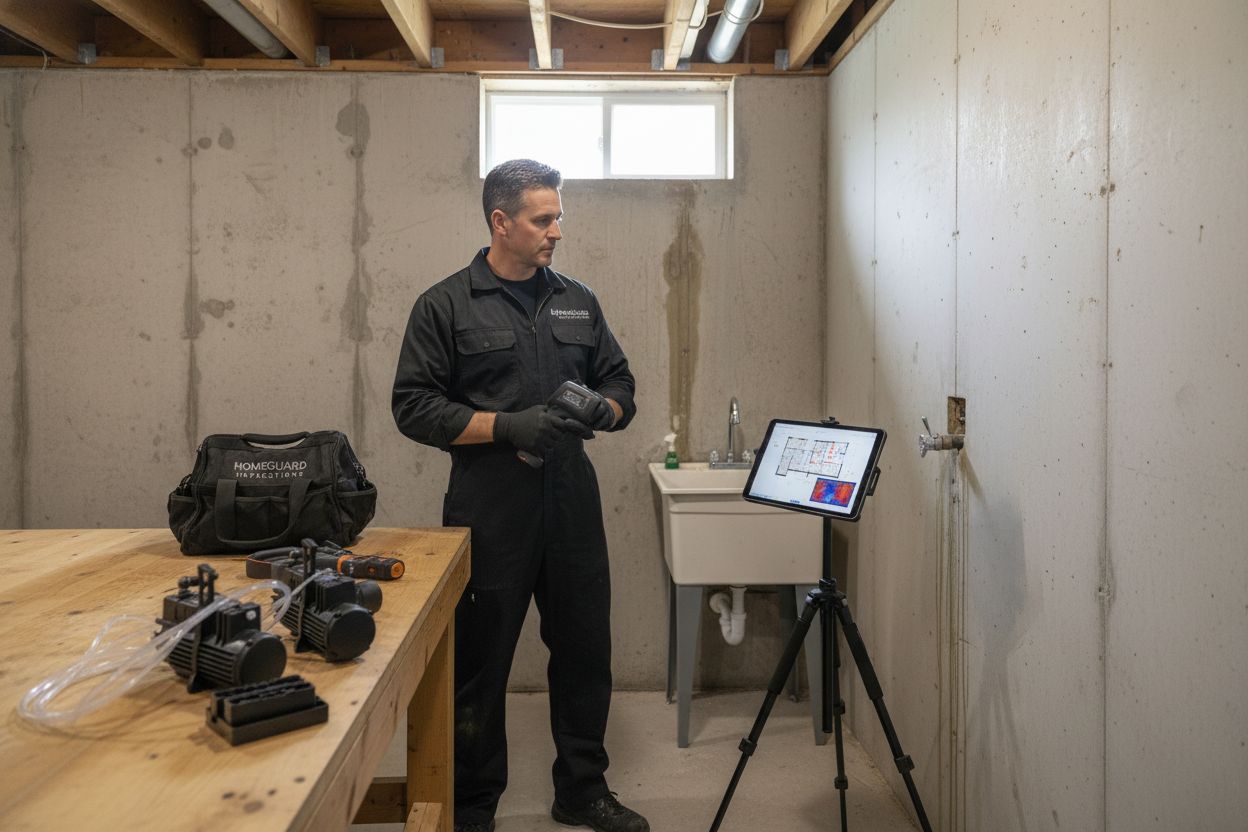
Did you know that up to 70 percent of homes have some form of indoor mold, often hiding in places most people never check? Many property owners overlook the risks, believing that visible patches are the only problem. Mold inspections go deeper, searching hidden corners and using advanced tools to spot issues before they turn into costly repairs or health concerns. Learning what these inspections really uncover can change how you protect your home and your health.
Table of Contents
- Defining Mold Inspection And Common Myths
- Types Of Mold Inspections And Methods Used
- Step-By-Step Mold Inspection Procedure Explained
- Key Tools And Technologies For Mold Detection
- Understanding Health Risks And Cost Implications
Key Takeaways
| Point | Details |
| Importance of Mold Inspections | Mold inspections are essential for identifying potential health risks and preventing property damage, as not all mold poses significant threats. |
| Advanced Inspection Techniques | Professionals use various methods, including air sampling and moisture mapping, to uncover hidden mold and assess environmental conditions. |
| Health Risks of Mold Exposure | Mold can lead to serious health complications, including allergic reactions and respiratory issues; proactive inspections help mitigate these risks. |
| Cost-Benefit of Inspections | While inspections may cost between $300-$1,000, they are a worthwhile investment compared to the significant health and remediation costs from unchecked mold growth. |
Defining Mold Inspection and Common Myths
A mold inspection is a professional assessment designed to detect, locate, and evaluate potential mold growth in residential or commercial properties. According to home inspection experts, these inspections are critical for understanding potential health risks and preventing widespread property damage. Mold is ubiquitous – it exists almost everywhere – but not all mold growth poses significant threats.
Contrary to popular misconceptions, mold inspections aren’t just about finding visible patches of mold. Professionals use advanced techniques including visual assessments, moisture mapping, and laboratory sampling to identify potential mold colonies. Mold: Why To Remove It Professionally highlights that mold can grow in hidden spaces like wall cavities, under carpets, and within HVAC systems.
Some common myths about mold inspections include believing that only visible mold matters or that all mold is dangerous. In reality, mold growth ranges from benign to potentially hazardous. Some varieties can trigger allergic reactions, respiratory symptoms, and long-term health complications. Professional inspectors help distinguish between normal environmental microorganisms and potentially harmful mold colonies that require immediate remediation.
By understanding the nuanced nature of mold inspections, property owners can make informed decisions about their indoor environment’s health and safety. A comprehensive inspection provides peace of mind and potentially prevents significant structural damage and health risks associated with unchecked mold proliferation.
Types of Mold Inspections and Methods Used
Mold inspections are comprehensive assessments that utilize multiple techniques to detect and evaluate potential mold growth. According to the Indoor Air Consultant Association (IAC2), there are two primary types of inspections: Complete Mold Inspection and Limited Mold Inspection. A complete inspection involves a full building examination, including detailed measurements of moisture, temperature, and humidity levels, while a limited inspection focuses on a specific area predetermined by the client.
Professional inspectors employ various sophisticated testing methods to identify mold presence. Essential Mold Remediation Steps for Property Owners reveals the complexity of these assessments. These methods include:
Here’s a comparison of common mold inspection sampling methods:
| Sampling Method | Purpose | Typical Use Area |
| Air Sampling | Detect airborne spores | General indoor air |
| Tape Sampling | Surface mold identification | Walls, furniture, floors |
| Dust Sampling | Find hidden mold indicators | HVAC ducts, rarely cleaned areas |
| Bulk Sampling | Material analysis | Carpets, drywall, insulation |
| Wall Cavity Sampling | Inspect hidden growth | Behind walls, structural cavities |
| ERMI Dust Testing | Advanced environmental screening | Dust from flooring, carpets |
- Air Sampling: Captures airborne mold spores to assess indoor air quality
- Tape Sampling: Collects samples from surfaces to identify mold types
- Dust Sampling: Analyzes dust for hidden mold indicators
- Bulk Sampling: Removes material samples for laboratory analysis
- Wall Cavity Sampling: Investigates potential mold growth within wall structures
- ERMI Dust Testing: Advanced environmental testing method
Each testing method serves a unique purpose, allowing inspectors to create a comprehensive understanding of potential mold issues.
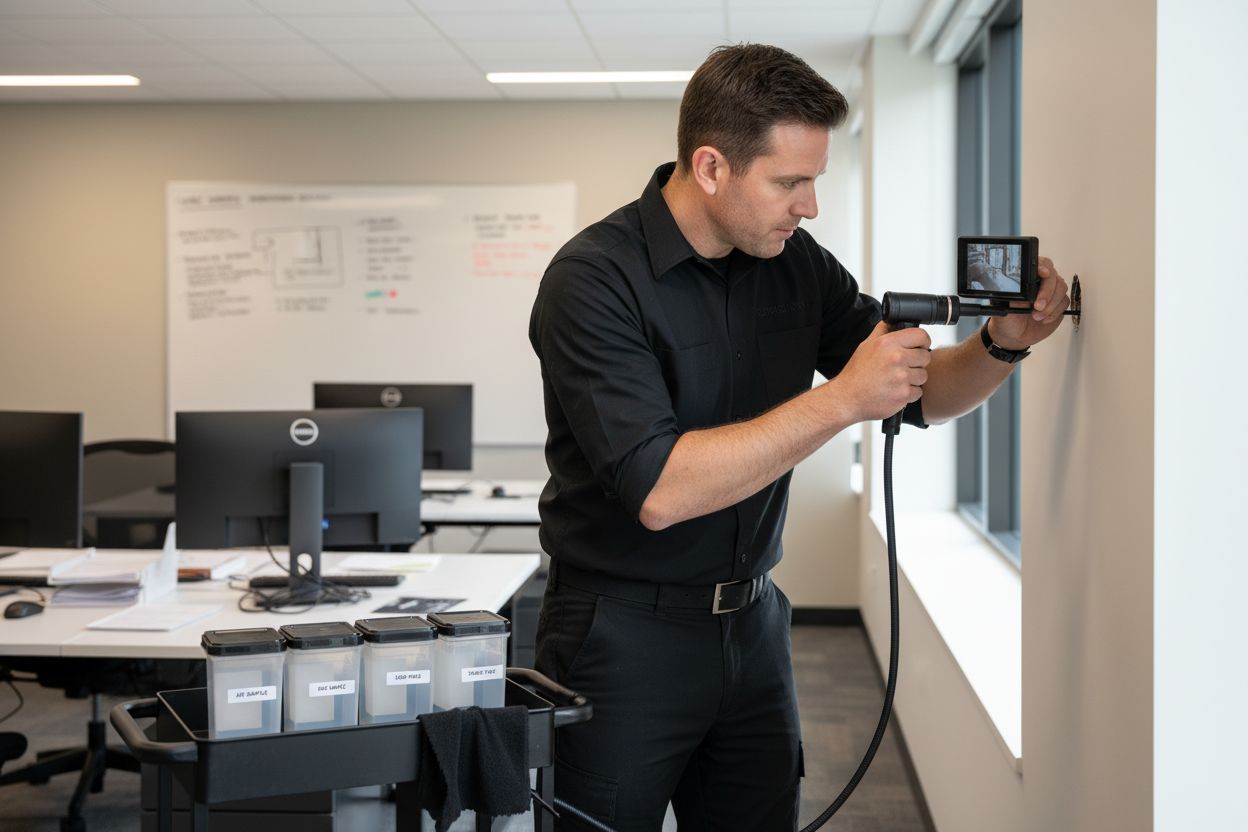 Some techniques are non-invasive, while others might require small material samples. The goal is always to provide property owners with accurate, actionable information about their indoor environment’s mold status and potential health risks.
Step-by-Step Mold Inspection Procedure Explained
A professional mold inspection is a systematic process designed to thoroughly evaluate potential mold growth and associated environmental conditions. Initial consultation is the crucial first step, where inspectors gather critical information about the property’s history, previous water damage, and specific areas of concern. Mold Removal Sacramento CA: A Homeowner’s Complete Guide emphasizes the importance of understanding the property’s unique characteristics before beginning the inspection.
The comprehensive inspection typically follows a structured approach:
- Visual Assessment
- Examine all interior and exterior surfaces
- Identify visible signs of moisture or water damage
- Check high-humidity areas like bathrooms, kitchens, and basements
- Moisture Mapping
- Use specialized moisture detection equipment
- Locate hidden moisture sources
- Identify potential mold growth environments
- Sample Collection
- Collect air, surface, and material samples
- Send samples to certified laboratory for analysis
- Determine mold species and potential health risks
After collecting samples and completing the initial assessment, inspectors compile a detailed report outlining their findings. This report includes recommendations for remediation, potential health risks, and strategies for preventing future mold growth. The goal is not just to identify existing mold but to provide property owners with actionable insights to protect their health and property.
Key Tools and Technologies for Mold Detection
Mold detection requires a sophisticated arsenal of specialized tools and technologies that go far beyond simple visual inspections. According to the National Association of Certified Home Inspectors, professional mold detection involves multiple sophisticated instruments designed to uncover hidden moisture and potential mold growth.
Key technological tools used in professional mold detection include:
- Moisture Meters: Detect hidden moisture levels in walls, floors, and ceilings
- Thermal Infrared Cameras: Identify temperature variations indicating potential moisture accumulation
- Humidity Gauges: Measure ambient moisture levels in different environments
- Borescopes: Allow visual inspection of interior wall cavities without destructive testing
- Air Sampling Pumps: Collect airborne mold spore samples for laboratory analysis
- Tape and Swab Sampling Kits: Collect surface samples for precise identification
Professional inspectors use personal protective equipment (PPE) alongside these technologies to ensure safe and accurate detection. The combination of advanced tools enables comprehensive assessment, revealing mold growth potential in areas invisible to the naked eye. These technologies transform mold detection from a guessing game to a precise, scientific investigation, providing property owners with actionable insights about their indoor environmental health.
Understanding Health Risks and Cost Implications
Mold exposure presents significant health risks that extend far beyond simple property damage. According to home inspection research, mold-related health issues can range from mild allergic reactions to complex respiratory symptoms, potentially impacting cognitive function and overall well-being. Mold Cleaning Service in Roseville, CA emphasizes the critical nature of understanding these potential health complications.
Health risks associated with mold exposure include:
- Allergic reactions
- Respiratory difficulties
- Persistent headaches
- Memory and concentration problems
- Potential immune system complications
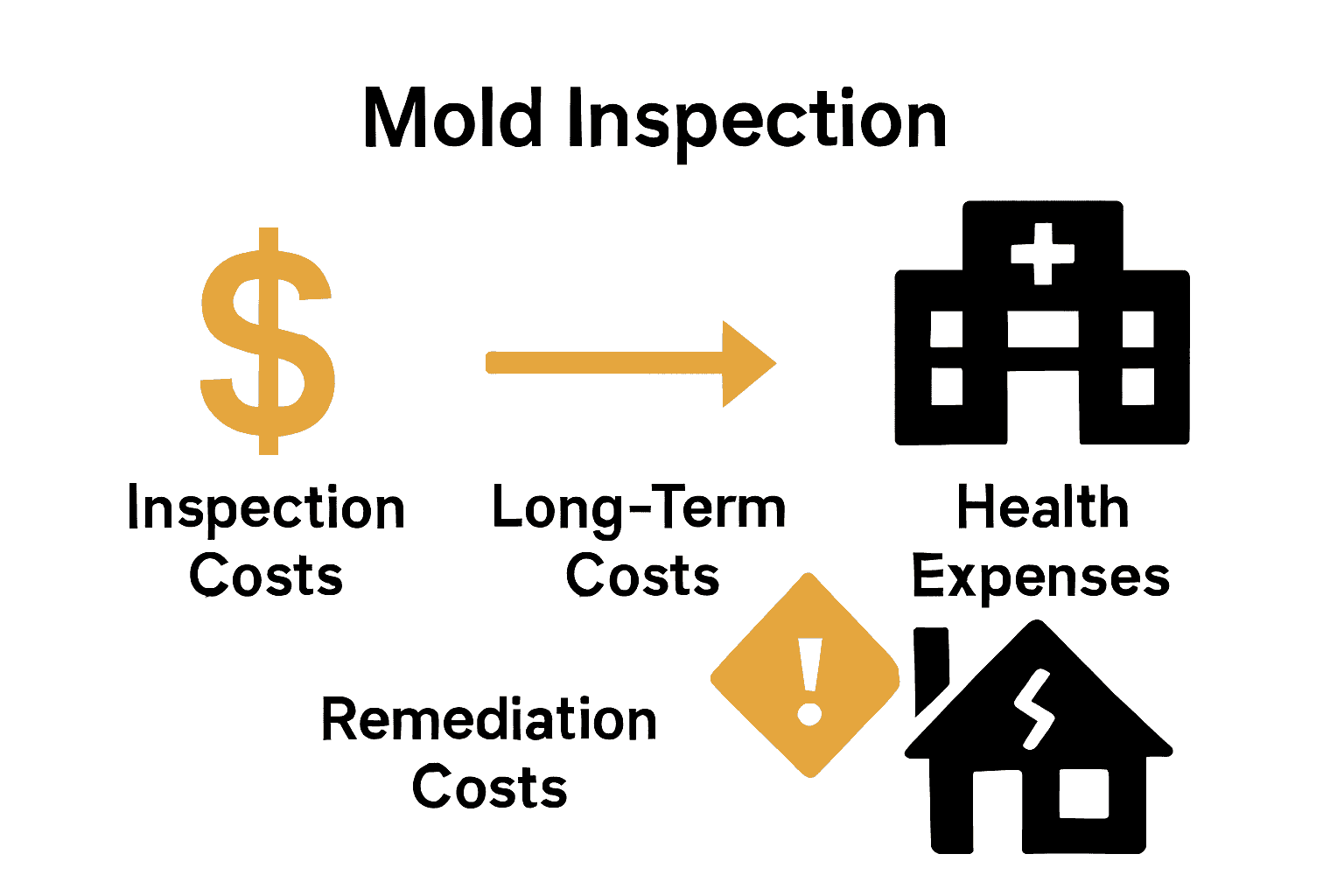
From a financial perspective, professional mold inspections represent a strategic investment in property and personal health. Typical inspection costs range between $300 and $600 for average residential properties, with more complex assessments potentially reaching $700 to $1,000. While these figures might seem substantial, they pale in comparison to potential remediation expenses and long-term health treatments that could result from undetected mold growth.
Ultimately, a comprehensive mold inspection is more than a technical assessment—it’s a proactive health protection strategy. By identifying potential mold issues early, property owners can mitigate risks, prevent extensive damage, and safeguard the well-being of occupants. The relatively modest upfront investment in professional inspection can prevent significantly more costly health and structural consequences down the line.
Protect Your Home with Expert Mold Inspection and Remediation
Understanding the complete mold inspection process reveals how hidden mold can quietly threaten your health and property. If you have concerns about mold growth in hard-to-see areas like wall cavities or HVAC systems, or want to avoid costly damage and health complications, an expert assessment is your best first move. Moisture mapping, air and surface sampling, and advanced detection tools are vital to uncovering mold problems early.
Don’t wait until mold impacts your family’s well-being or your property’s structural integrity. PuroClean of Northeast Sacramento offers professional mold inspection and full remediation services that use the latest technology and certified expertise. With 24/7 availability and a commitment to compassionate customer care, we turn your mold concerns into solutions quickly and efficiently. Visit our official site to learn more and schedule your comprehensive mold inspection today. Protect your investment and breathe easier with trusted help just a call away.
Frequently Asked Questions
What is included in a mold inspection?
A mold inspection typically includes a visual assessment of the property, moisture mapping, sample collection (air, surface, and material samples), and a detailed report outlining findings and recommendations for remediation.
How do professionals detect hidden mold during an inspection?
Professionals use advanced tools such as moisture meters, thermal infrared cameras, humidity gauges, and borescopes to uncover hidden moisture and potential mold growth that may not be visible to the naked eye.
What types of mold inspections are available?
There are primarily two types of mold inspections: Complete Mold Inspection, which examines the entire building, and Limited Mold Inspection, which focuses on a specific area of concern identified by the client.
What health risks are associated with mold exposure?
Mold exposure can lead to a range of health issues, including allergic reactions, respiratory difficulties, persistent headaches, memory and concentration problems, and potential immune system complications.