


Emergency preparedness guide for Northeast Sacramento homeowners
A recent Sacramento house fire with explosions caused significant damage, reminding homeowners of the urgent need for emergency readiness. Many Northeast Sacramento residents underestimate wildfire and water damage risks, leaving homes vulnerable to devastating losses. This guide provides clear, actionable strategies to protect your property and family. You’ll learn how to create defensible space, harden your home against embers, prevent water damage, and leverage local resources for comprehensive emergency preparedness. Taking these steps now can save lives and reduce recovery costs when disaster strikes.
Table of Contents
Understanding Emergency Preparedness For Northeast Sacramento Homeowners
Wildfire Preparedness: Creating Defensible Space And Home Hardening
Water Damage Preparedness: Mitigation, Categorization, And Quick Response
Community Resources And Emergency Response Tools For Northeast Sacramento Homeowners
Get Professional Restoration Services After Emergencies
Frequently Asked Questions
Key takeaways
Point
Details
Defensible space zones
Clear vegetation in three zones around your home to block wildfire spread and ember ignition.
Home hardening essentials
Install Class A fire-rated roofs and ember-resistant vents to prevent ignition from flying embers.
Water damage categories
Understand Clean, Gray, and Black water types to respond safely and effectively to flooding.
Quick mitigation saves money
Remove standing water immediately and dry affected areas to prevent mold and structural damage.
Community resources available
Use local emergency apps, training programs, and Cal Water infrastructure for enhanced preparedness.
Understanding emergency preparedness for Northeast Sacramento homeowners
Emergency preparedness means planning, preventing, and responding effectively to disasters before they strike. For homeowners in Northeast Sacramento, this involves addressing two critical threats: wildfires and water damage. Northern California counties face high wildfire hazard due to changing climate patterns, while seasonal floods and aging plumbing systems create significant water damage risks.
Local emergencies you should prepare for include:
Wildfires spreading from nearby vegetation and open spaces
Flooding from heavy winter rains and storm runoff
Burst pipes and plumbing failures causing interior water damage
Smoke and fire damage from neighboring property incidents
Power outages affecting water supply and emergency communications
Why does preparedness matter so much? Quick action during emergencies reduces property damage by up to 80% and protects your family from injury or death. Unprepared homes face longer recovery times, higher repair costs, and increased health risks from mold or smoke exposure. Effective preparedness combines three components: evacuation planning, home hardening against fire, and water damage mitigation strategies.
You can start small and build your readiness over time. Focus first on the highest-risk areas around your property, then expand to comprehensive planning. Understanding fire damage response steps helps you act decisively when seconds count. The investment you make today in prevention pays dividends by minimizing losses and speeding recovery after any emergency.
Wildfire preparedness: creating defensible space and home hardening
Defensible space creates buffer zones around your home that slow or stop wildfire spread. Zone Zero, the most critical area, extends 5 feet around your home and must remain completely clear of combustible materials. Remove dead leaves, pine needles, firewood, and debris from this zone to block ember ignition. Replace bark mulch with gravel or rock, and trim tree branches away from your roof and walls.
Zone 1 extends 30 feet from your home and requires careful vegetation management. Space trees at least 10 feet apart, remove lower branches up to 6 feet high, and clear dead plants regularly. Keep grass mowed to 4 inches or less and remove fallen leaves weekly during fire season. This zone slows fire advancement and reduces radiant heat that can ignite your home’s exterior.
Zone 2 stretches from 30 to 100 feet around your property and focuses on reducing fuel density. Thin trees and shrubs to create gaps that prevent fire from jumping between plants. Remove ladder fuels like low-hanging branches that allow ground fires to climb into tree canopies. Maintain this zone seasonally to prevent vegetation from growing too dense.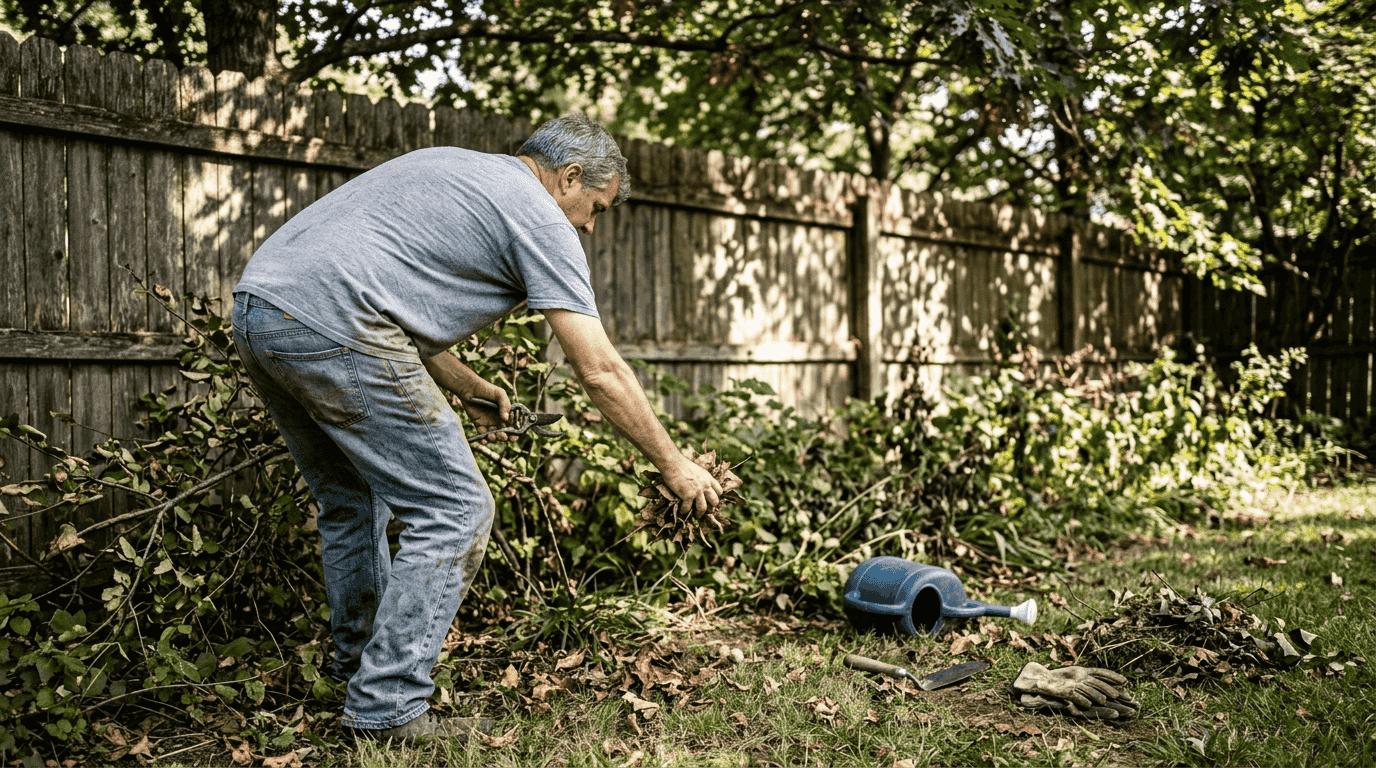
Home hardening protects your structure from ember attacks, the primary cause of home ignition during wildfires. Install Class A fire-rated roofing materials like asphalt shingles, metal, or clay tiles to resist ember penetration. Replace standard vents with ember-resistant mesh screens (1/8 inch openings) on attic, crawl space, and foundation vents. Upgrade to dual-pane windows with tempered glass and seal gaps around window frames with fire-resistant caulk.
Follow these steps to create effective defensible space:
Walk your property and identify all combustible materials within 5 feet of your home
Remove debris, dead vegetation, and flammable items from Zone Zero completely
Trim tree branches to create 10-foot spacing and 6-foot vertical clearance in Zone 1
Thin vegetation in Zone 2 to reduce fuel density and create fire breaks
Schedule quarterly maintenance to keep all zones clear year-round
Document your work with photos for insurance and local fire department records
Pro Tip: If you feel overwhelmed by the scope of defensible space work, start with Zone Zero. This 5-foot ember-free zone provides the most immediate protection and takes only a few hours to establish.
Zone
Distance from Home
Primary Actions
Maintenance Frequency
Zone Zero
0 to 5 feet
Remove all combustibles, use rock mulch, trim branches away
Monthly
Zone 1
5 to 30 feet
Space trees 10 feet apart, mow grass to 4 inches, clear debris
Weekly in fire season
Zone 2
30 to 100 feet
Thin vegetation, remove ladder fuels, create fuel breaks
Quarterly
Combining defensible space with home hardening creates overlapping protection layers. While vegetation management stops fire from reaching your home, hardened features prevent ignition if embers do arrive. This dual approach dramatically improves your survival odds during wildfire events. Remember to coordinate with neighbors on shared property lines, as fire doesn’t respect boundaries. Consider water damage prevention tips as part of your overall home protection strategy.
Water damage preparedness: mitigation, categorization, and quick response
Water damage threatens Northeast Sacramento homes through flooding, burst pipes, and plumbing failures. Understanding water damage categories helps you respond safely and effectively. Clean water from supply lines poses minimal health risk but still damages structures. Gray water from washing machines or dishwashers contains contaminants requiring careful handling. Black water from sewage backups or flooding carries dangerous bacteria and requires professional remediation.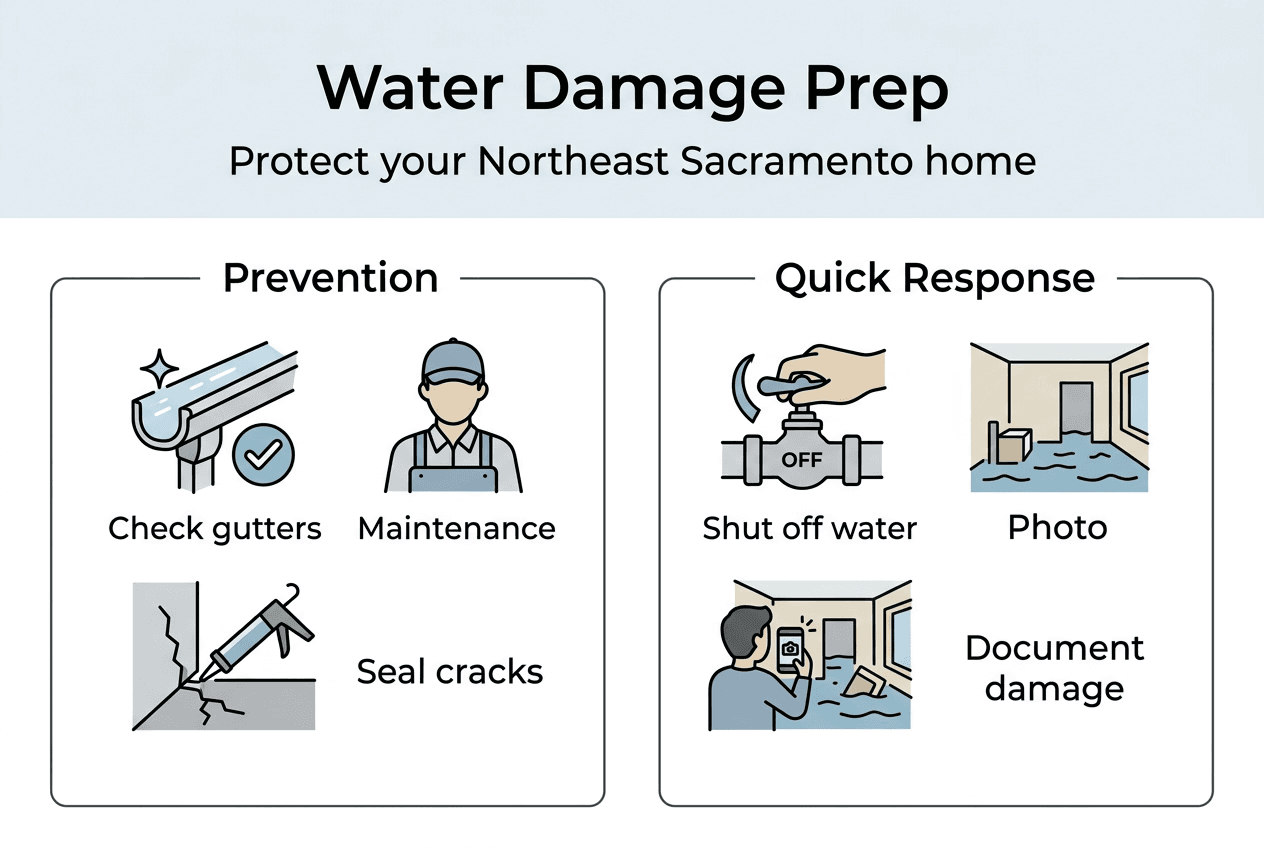
Effective mitigation focuses on three goals: removing water quickly, preserving salvageable materials, and preventing mold growth. Water spreads rapidly through porous materials like drywall, insulation, and flooring. Within 24 to 48 hours, mold spores begin colonizing damp surfaces, creating health hazards and structural deterioration. Acting immediately after water intrusion limits damage severity and reduces restoration costs significantly.
Practical prevention strategies every homeowner should implement:
Inspect plumbing fixtures quarterly for leaks, corrosion, or loose connections
Replace washing machine hoses every 5 years with braided stainless steel versions
Clear gutters and downspouts twice yearly to prevent roof water intrusion
Test sump pumps monthly and install battery backup systems for power outages
Insulate exposed pipes in crawl spaces and attics to prevent freeze damage
Install water leak detectors near water heaters, under sinks, and by washing machines
Know the location of your main water shutoff valve and test it annually
Pro Tip: Document all water damage with detailed photos and save receipts for emergency supplies and repairs. This evidence supports insurance claims and helps you recover costs faster.
Water Category
Source Examples
Health Risk
Response Method
Clean (Category 1)
Supply lines, rainwater
Minimal
Extract water, dry within 48 hours
Gray (Category 2)
Washing machines, dishwashers
Moderate contaminants
Disinfect surfaces, remove porous materials
Black (Category 3)
Sewage, flooding
Severe pathogens
Professional remediation required
Quick response matters because water damage costs escalate rapidly over time. A small leak caught early might cost hundreds to repair, while the same leak ignored for days can require thousands in structural repairs and mold remediation. Your homeowner’s insurance typically covers sudden water damage but excludes gradual deterioration from neglected maintenance. Understanding types of water damage restoration helps you communicate effectively with insurance adjusters and restoration professionals.
When water damage occurs, follow this priority sequence: ensure electrical safety by shutting off power to affected areas, stop the water source if possible, remove standing water using pumps or wet vacuums, and ventilate spaces with fans and dehumidifiers. Move furniture and valuables to dry areas and remove wet carpets or padding promptly. Contact your insurance company within 24 hours and keep detailed records of all actions taken. Use a comprehensive water damage checklist to ensure you don’t miss critical steps during the stressful aftermath.
Community resources and emergency response tools for Northeast Sacramento homeowners
Cal Water plays a vital role in local emergency preparedness by installing generators and maintaining hydrants to support firefighting operations during power outages. Their infrastructure investments ensure consistent water pressure for fire suppression even when the electrical grid fails. Cal Water also coordinates with local fire departments on hydrant testing and maintenance schedules, identifying problems before emergencies occur.
Community emergency training programs help residents develop practical skills for disaster response. Sacramento Metro Fire offers CPR certification, fire extinguisher training, and community emergency response team (CERT) programs. These courses teach you how to safely assist neighbors, perform basic first aid, and coordinate with professional responders during large-scale emergencies. Participating in local drills builds confidence and reveals gaps in your personal preparedness plans.
Valuable resources for Northeast Sacramento homeowners include:
PulsePoint app for instant emergency alerts and nearby incident notifications
Ready Sacramento website for evacuation routes and emergency shelter locations
Nixle text alert system for real-time updates from local law enforcement and fire departments
Sacramento County Emergency Services contact information: 916-874-6500
FEMA mobile app for disaster preparedness checklists and recovery assistance
Local amateur radio clubs providing backup communications during infrastructure failures
“PulsePoint connects you instantly to local emergencies and can save lives by alerting trained bystanders to nearby cardiac arrests.”
Technology enhances your preparedness when integrated thoughtfully into your emergency plans. Smart home water sensors send alerts to your phone when leaks occur, allowing you to shut off water remotely before major damage develops. Weather apps provide advance warning of severe storms, giving you time to secure outdoor items and prepare for potential flooding. Battery-powered weather radios ensure you receive emergency broadcasts even during extended power outages.
Understanding the limits of urban water systems during extreme fires helps set realistic expectations. Municipal water pressure may drop significantly when multiple hydrants operate simultaneously during large wildfires. Fire departments prioritize water use for structure protection and evacuation route maintenance. Your defensible space and home hardening efforts become even more critical when water resources are stretched thin across multiple emergency scenes.
Maintain current contact information for family members, neighbors, and emergency services in multiple formats. Keep a printed list in your emergency kit since phones may lose power or cell networks may fail during disasters. Designate an out-of-state contact person who can relay messages between family members if local communications are disrupted. Practice your communication plan regularly so everyone knows their role during actual emergencies.
Consider how commercial reconstruction services support community recovery after widespread disasters. Professional restoration companies coordinate large-scale cleanup efforts, helping neighborhoods return to normal faster. Their expertise in managing complex projects ensures thorough remediation that prevents long-term problems like hidden mold growth or structural weakening.
Get professional restoration services after emergencies
When wildfires or water damage strike your Northeast Sacramento home, professional restoration services help you recover quickly and completely. PuroClean specializes in comprehensive fire damage restoration, addressing smoke residue, structural repairs, and odor elimination to return your property to pre-loss condition. Our certified technicians use advanced equipment and proven techniques to salvage belongings and minimize replacement costs.
Water intrusions require immediate professional attention to prevent secondary damage. Our sewage cleanup and sanitization services safely remove contaminated water and restore sanitary conditions throughout your home. We handle hazardous materials according to strict safety protocols, protecting your family’s health during the restoration process. Time-sensitive response prevents bacteria growth and reduces health risks associated with gray and black water exposure.
Mold develops rapidly after water damage, threatening indoor air quality and structural integrity. PuroClean’s mold mitigation and removal services identify hidden growth, contain affected areas, and eliminate spores using industry-leading remediation methods. We address the moisture sources that allow mold to thrive, preventing recurrence after cleanup completes. Contact PuroClean immediately after any emergency to minimize damage and start your recovery with experienced professionals who understand Northeast Sacramento’s unique restoration challenges.
Frequently asked questions
How can I create an effective evacuation plan for wildfires?
An effective evacuation plan requires practice, prepared Go Bags, and multiple escape routes. Conduct family evacuation drills twice yearly so everyone knows their role and destination. Pack Go Bags with essentials like medications, important documents, water, and clothing for each family member. Identify at least two evacuation routes from your neighborhood in case primary roads are blocked. Designate an out-of-state contact person who can coordinate family communications when local networks fail.
What are the most critical home hardening features to reduce wildfire risk?
The three most critical features are Class A fire-rated roofs, ember-resistant vents, and a cleared 5-foot zone around your home. Fire-rated roofing materials resist ember penetration and prevent ignition from radiant heat. Ember-resistant vents with 1/8 inch mesh screens block flying embers from entering attic and crawl spaces. Maintaining a completely clear 5-foot perimeter eliminates ignition sources that embers could reach. These three upgrades provide overlapping protection layers that dramatically improve survival odds.
How should I prioritize water damage cleanup after a home flood?
Prioritize removing standing water quickly and preventing mold growth through immediate drying. Extract water within the first 24 hours using pumps or wet vacuums to limit absorption into walls and flooring. Ventilate affected areas with fans and dehumidifiers to reduce humidity below 50%. Remove wet carpets, padding, and porous materials that cannot be dried completely. Document all damage with photos and detailed notes for insurance claims. Professional assessment ensures hidden moisture pockets are identified before mold develops.
What should I include in my emergency supply kit for Northeast Sacramento?
Include water (one gallon per person per day for three days), non-perishable food, flashlights, batteries, first aid supplies, and medications. Add important documents in waterproof containers, cash, phone chargers, and battery-powered radio. Pack seasonal clothing, sturdy shoes, and blankets for each family member. Include pet supplies if you have animals. Store copies of insurance policies, identification, and medical records. Update your kit twice yearly and replace expired items promptly.
How often should I inspect my home for water damage risks?
Inspect your home quarterly for plumbing leaks, roof damage, and drainage problems. Check under sinks, around water heaters, and near washing machines for moisture or corrosion. Examine your roof after major storms for missing shingles or damaged flashing. Test your sump pump monthly and clear gutters twice yearly. Annual professional plumbing inspections catch hidden issues before they cause major damage. Seasonal changes stress plumbing systems, making regular inspections essential for early problem detection.
Recommended
Commercial Reconstruction and Restoration in Roseville, CA
Why Remediation Matters for Sacramento Homeowners – PuroClean of Northeast Sacramento
7 Step Water Damage Checklist for Homeowners in Crisis – PuroClean of Northeast Sacramento
Residential mold and property restoration in Roseville, CA