Emergency Response: 50% Faster Restoration Saves Homes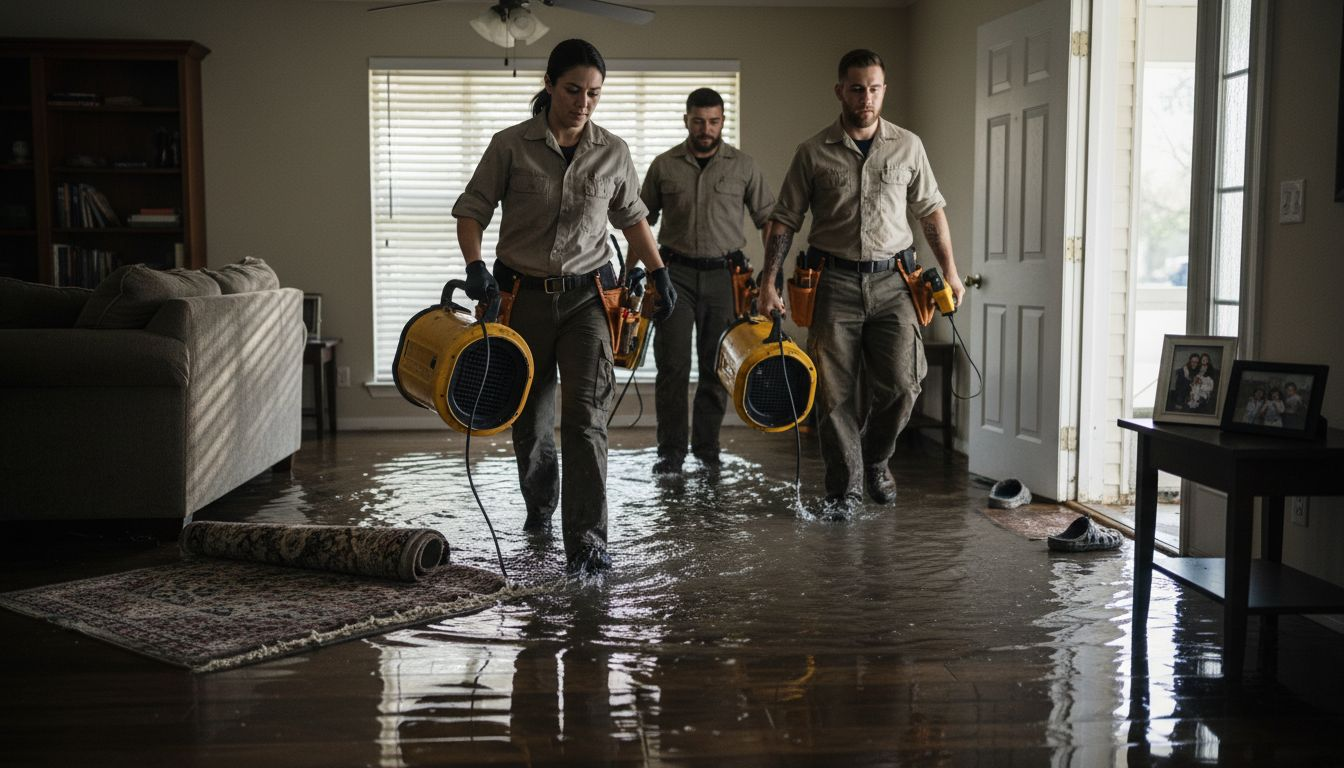
Water damage doesn’t wait, and neither should you. Without professional intervention, water damage can worsen 2-4 times within just 48 hours. Delays don’t just slow recovery. They multiply costs, amplify health risks, and turn manageable problems into catastrophic losses. Understanding why immediate emergency response matters is the first step to protecting your Northeast Sacramento property investment.
Table of Contents
Understanding The Urgency: Why Immediate Response Matters
How Damage Escalates Without Emergency Mitigation
Common Misconceptions About Emergency Response And Diy Attempts
Comparative Timelines And Financial Impacts Of Emergency Restoration
Choosing The Right Emergency Response Partner In Northeast Sacramento
Bridging Knowledge To Action: Steps For Immediate Emergency Response
Restore Your Property Quickly With Expert Emergency Response In Northeast Sacramento
Frequently Asked Questions
Key Takeaways
Point
Details
Immediate response cuts restoration time in half
Professional intervention within 4 hours reduces total restoration duration by 50% compared to delays beyond 24 hours.
Fire damage costs spike 30-50% with delays
Waiting more than 24 hours to begin fire cleanup dramatically increases restoration expenses and complexity.
DIY attempts fail 75% of the time
Amateur water damage repairs typically worsen problems, leading to higher costs and prolonged recovery periods.
Professional documentation speeds claims by 35%
Certified restoration teams provide thorough evidence that accelerates insurance approval processes significantly.
Certified experts deliver better outcomes
IICRC-certified professionals with 24/7 availability use advanced technology to minimize damage and maximize recovery success.
Understanding the Urgency: Why Immediate Response Matters
Time is your enemy when disaster strikes. Water damage escalates 2-4 times faster within the first 48 hours without professional help. What starts as a burst pipe can transform into widespread structural damage, hazardous mold growth, and electrical failures. Fire damage follows a similar trajectory, with cleanup costs rising 30-50% when mitigation is delayed beyond the first 24 hours.
The health risks multiply just as quickly. Mold spores begin colonizing damp materials within 24 to 48 hours. Soot particles embed themselves deeper into porous surfaces with each passing hour, releasing toxic compounds that compromise indoor air quality. These invisible threats affect vulnerable family members first, including children, elderly residents, and anyone with respiratory conditions.
Immediate professional response cuts restoration time in half. When certified technicians arrive within the first four hours, they halt damage progression before it spreads to unaffected areas. Advanced moisture detection equipment identifies hidden water pockets that standard methods miss. Industrial-grade drying systems remove moisture faster than any consumer-grade equipment, preventing the secondary damage that drives costs skyward.
Pro Tip: Understanding what emergency restoration means helps you recognize legitimate professionals who can actually deliver rapid response when seconds count.
The cost difference is staggering. Properties receiving professional mitigation within 12 hours save up to 40% on total restoration expenses compared to those where intervention is delayed. This savings comes from preventing secondary damage, not just fixing the initial problem. Every hour you wait, the damage multiplies and the bill grows.
How Damage Escalates Without Emergency Mitigation
Water follows the path of least resistance, seeping into every crack and crevice. Within the first 24 hours, water absorption causes wood to swell, drywall to crumble, and flooring to buckle. By hour 48, mold begins growing on saturated surfaces. The fungal colonies release spores that spread throughout your HVAC system, contaminating rooms far from the original damage site.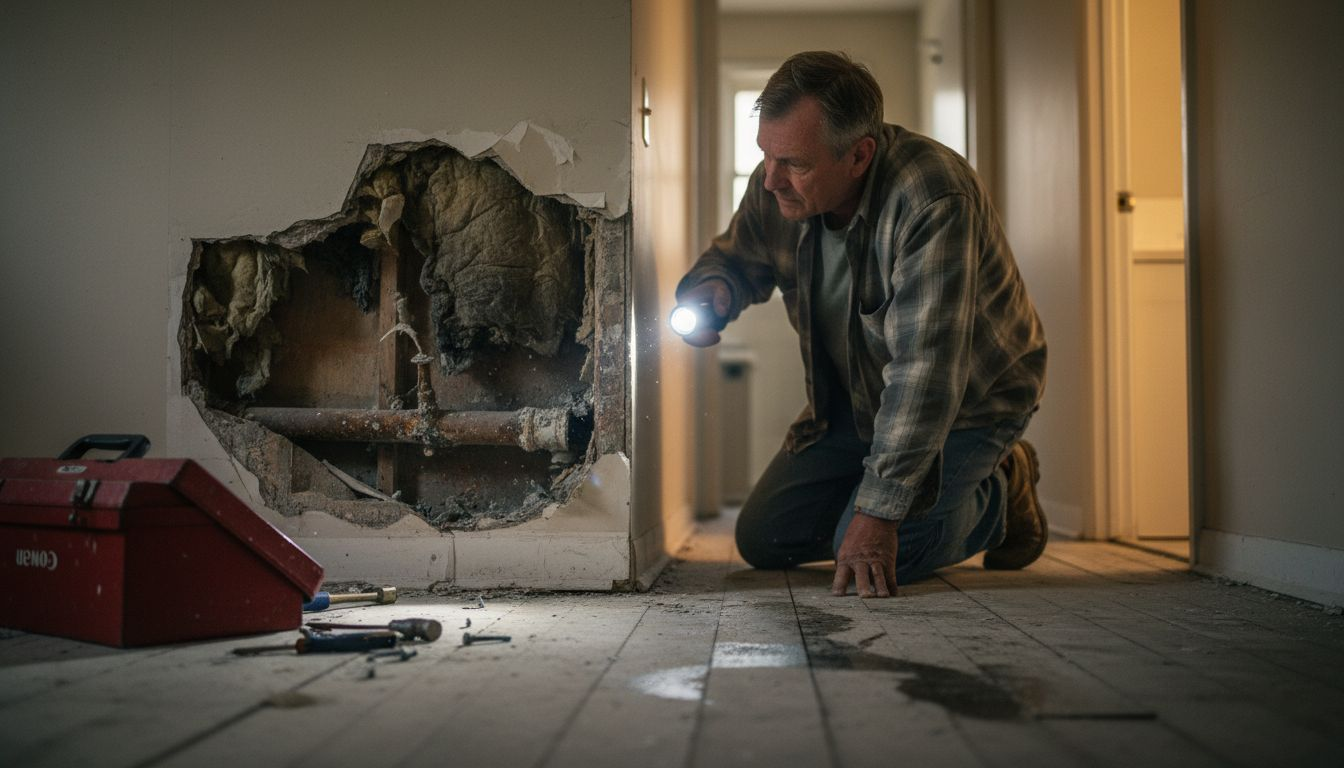
The chemical reactions happening inside your walls are equally destructive. Metal components begin corroding when exposed to moisture. Electrical systems short out, creating fire hazards even after the water recedes. Carpet padding acts like a sponge, trapping moisture against subfloors where it causes rot and attracts pests.
Fire damage operates through different but equally insidious mechanisms. Soot particles are acidic. They don’t just sit on surfaces. They actively corrode metal, etch glass, and permanently stain porous materials. The longer soot remains in contact with surfaces, the deeper it penetrates and the harder it becomes to remove.
Pro Tip: Hidden moisture behind walls and under floors is the silent killer that turns a manageable water emergency into a total gut-and-rebuild scenario when left undetected for even a few days.
Smoke odors embed themselves into building materials through a process called off-gassing. The particulates continue releasing volatile organic compounds for weeks or months without proper cleaning. These compounds don’t just smell bad. They’re toxic. Standard cleaning products can’t neutralize them because they penetrate too deeply into affected materials.
Without immediate mitigation, damage spreads exponentially. What begins as water in one room becomes structural compromise throughout an entire floor. A kitchen fire’s soot travels through ductwork to contaminate every room in your home. The restoration that could have taken three days stretches into three weeks. The bill that might have been $5,000 balloons to $25,000 or more.
Common Misconceptions About Emergency Response and DIY Attempts
Many homeowners believe they can handle initial cleanup themselves to save money. This backfires 75% of the time. Standard shop vacuums can’t extract water from carpet padding or subflooring. Box fans lack the CFM capacity to dry structural cavities before mold takes hold. Surface-level efforts leave hidden moisture that causes problems weeks or months later.
The biggest myth is that mold takes weeks to develop. In reality, optimal conditions allow mold to colonize within 24 to 48 hours. You won’t see it immediately because it starts growing inside walls, under flooring, and in other hidden spaces. By the time visible mold appears on surfaces, the colony is already well-established and spreading spores throughout your property.
Fire damage misconceptions are equally dangerous. Many people think wiping down walls removes soot. Household cleaners actually set stains permanently by driving acidic particles deeper into porous surfaces. Attempting to clean smoke-damaged items without proper neutralizing agents ruins them beyond recovery.
Professional-grade moisture meters detect water in places you can’t see or reach
Thermal imaging cameras reveal temperature differentials that indicate hidden moisture
Industrial dehumidifiers remove 10-20 times more moisture per day than consumer models
HEPA air scrubbers capture microscopic particles that standard filters miss
Hydroxyl generators neutralize smoke odors at the molecular level
Another common belief is that insurance won’t cover professional restoration or that it’s too expensive to justify. Professional documentation actually helps claims get approved faster. Certified restoration companies know exactly what evidence adjusters need. They photograph everything, maintain detailed logs, and provide the technical documentation that turns a maybe into an approval.
The most expensive mistake is assuming you have time to think about it. Every hour spent researching, getting multiple quotes, or trying DIY methods first allows damage to worsen. Emergency response means immediate action. The evaluation is free. The真正 cost comes from waiting.
Comparative Timelines and Financial Impacts of Emergency Restoration
Response within four hours reduces total restoration time by 50% compared to intervention after 24 hours. This isn’t a small difference. It’s the gap between returning to normal life in five days versus two weeks. For businesses, it’s the difference between minimal downtime and catastrophic revenue loss.
The cost savings are equally dramatic. Mitigation started within the first 12 hours can reduce total restoration expenses by up to 40%. This happens because fast action prevents secondary damage. You’re only fixing the original problem instead of compounding issues caused by delay.
Response Time
Average Restoration Duration
Typical Cost Range
Secondary Damage Risk
0-4 hours
3-5 days
$3,000-$8,000
Minimal
4-12 hours
5-7 days
$5,000-$12,000
Low
12-24 hours
7-14 days
$8,000-$18,000
Moderate
24-48 hours
14-21 days
$15,000-$35,000
High
Over 48 hours
21+ days
$25,000-$75,000+
Severe
“Emergency response within 4 hours cuts restoration timeline by 50% compared to response over 24 hours. The financial impact is equally significant, with early intervention saving homeowners 30-40% on total restoration costs by preventing secondary damage that accounts for the majority of expenses in delayed-response scenarios.” — Restoration Times
Fire damage follows similar patterns but with steeper cost increases. Delays beyond 24 hours increase expenses by 30-50% as soot etching becomes permanent and smoke odors penetrate deeper into materials. What could have been cleaned must instead be replaced. Understanding fire cleanup timelines and costs helps you grasp why immediate professional intervention is non-negotiable.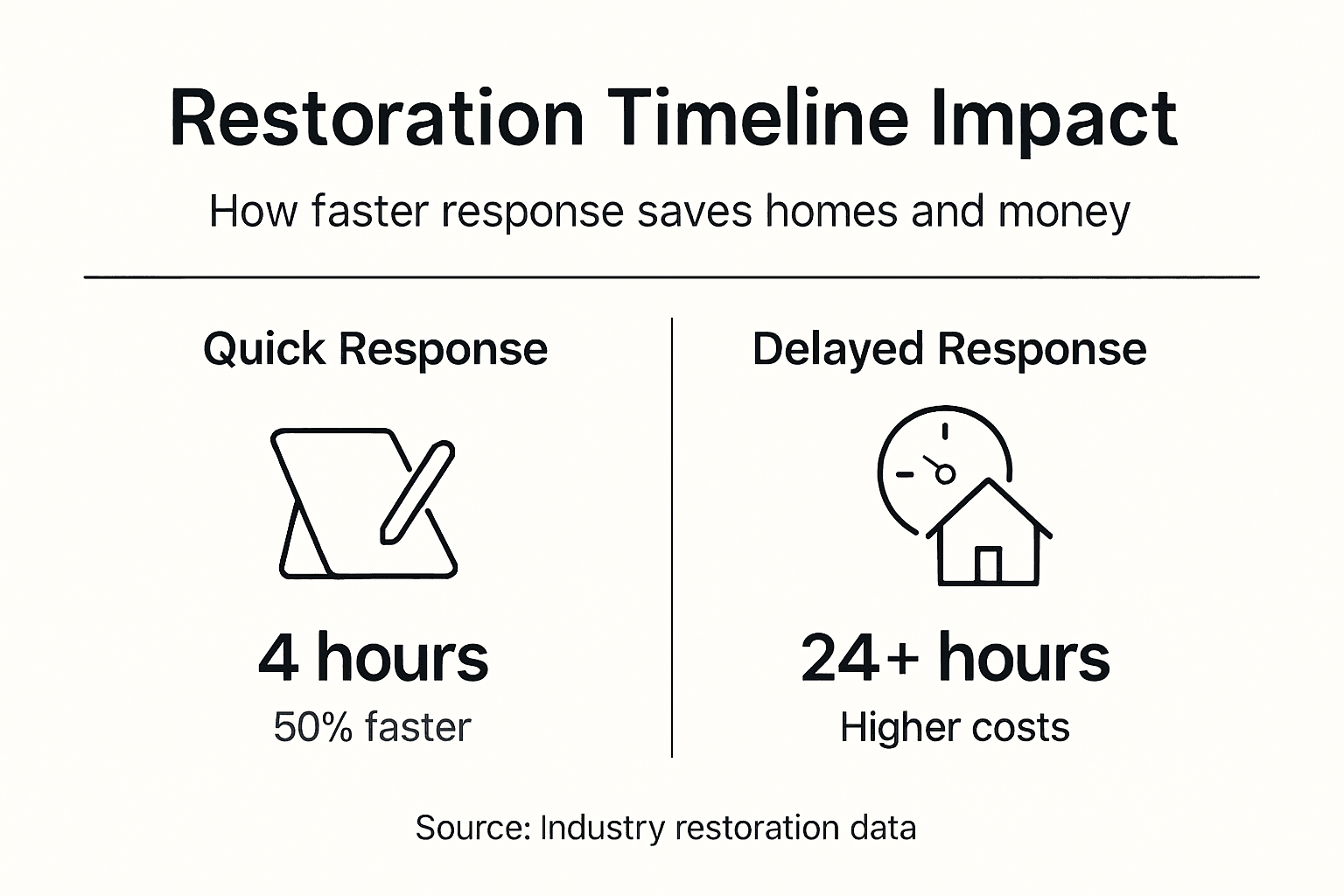
The indirect costs hurt just as much. Extended hotel stays while your home is uninhabitable. Lost wages from time off work managing the restoration. Replacing belongings that could have been saved with faster response. Storage fees for furniture moved out during extended repairs. These expenses add thousands more to your total loss.
Insurance companies understand these dynamics. They prefer paying for fast professional mitigation over extended restoration projects. Many policies include specific language encouraging immediate action to minimize loss. Waiting doesn’t protect your deductible. It just ensures you’ll pay more out of pocket when secondary damage exceeds coverage limits.
Choosing the Right Emergency Response Partner in Northeast Sacramento
Certification separates legitimate professionals from opportunistic contractors. IICRC certification ensures technicians follow industry-standard protocols for water extraction, structural drying, and fire restoration. These aren’t optional nice-to-haves. They’re proven methodologies that maximize recovery while minimizing costs.
Availability matters as much as expertise. True emergency response means 24/7 accessibility, not business hours with an answering service. When water is gushing from a ceiling at 2 AM, you need technicians on-site within the hour, not an appointment scheduled for tomorrow afternoon.
Advanced technology separates adequate restoration from exceptional results. Professional companies invest in equipment that costs tens of thousands of dollars because it delivers outcomes impossible to achieve otherwise. Thermal imaging cameras, moisture mapping systems, and industrial desiccant dehumidifiers aren’t luxuries. They’re necessities for thorough mitigation.
IICRC-certified technicians follow proven protocols that insurance companies recognize and trust
24/7 emergency response means technicians arrive within 60-90 minutes, not the next business day
Advanced moisture detection prevents the hidden water damage that causes callbacks months later
Local expertise with Northeast Sacramento’s climate and construction types ensures appropriate drying strategies
Direct insurance billing and comprehensive documentation streamlines claims and reduces your administrative burden
Local experience provides advantages that national chains can’t match. Northeast Sacramento’s climate creates specific challenges for water damage restoration. Summer heat accelerates mold growth. Winter moisture requires different drying strategies than summer humidity. Companies familiar with regional construction methods know where water hides in local home designs.
Insurance expertise transforms a stressful claims process into a manageable task. Professional documentation improves claim approval rates by 35% because restoration companies know exactly what adjusters need to see. They photograph damage from required angles, maintain chain-of-custody logs for affected materials, and provide technical reports that justify every line item. When you’re choosing qualified restoration services, this insurance coordination capability should be a deciding factor.
Bridging Knowledge to Action: Steps for Immediate Emergency Response
Knowledge without action wastes the advantage you’ve gained from reading this far. When you discover water or fire damage, your response in the first hour determines whether you’ll face a minor inconvenience or a major disaster. Follow these steps in order.
Call emergency restoration professionals immediately. Not after you assess the damage yourself. Not after you call your insurance company. Not after you think about it. The first call should be to certified restoration specialists who can stop damage progression.
Document everything with photos and videos. Walk through affected areas capturing wide shots and close-ups of all visible damage. Include timestamps if your phone allows it. This evidence supports your insurance claim and protects you if disputes arise later.
Avoid DIY drying or cleaning attempts. Resist the urge to grab towels, fans, or cleaning products. Well-intentioned efforts often make damage worse by spreading contaminants or driving moisture deeper into materials. Let professionals handle it from the start.
Coordinate insurance communication through your restoration provider. Professional emergency services improve claim approvals by 35% by providing documentation in the format adjusters require. Most reputable companies will contact your insurer on your behalf and handle the technical discussions.
Follow the established restoration process for optimal results. Understanding the property restoration process helps you know what to expect at each stage and when to raise concerns if something seems off track.
Prompt action triggers a cascade of positive outcomes. Technicians arrive while damage is still containable. Equipment gets deployed before mold starts growing. Insurance adjusters receive documentation while evidence is fresh. Your family returns home in days instead of weeks. The total bill is thousands less than it would have been with delay.
The insurance claims process integration that professional restoration companies provide turns a bureaucratic nightmare into a streamlined experience. You won’t be playing phone tag with adjusters or wondering if you documented the right things. The restoration team handles those details so you can focus on taking care of your family during a stressful time.
Restore Your Property Quickly with Expert Emergency Response in Northeast Sacramento
When disaster strikes your Northeast Sacramento property, PuroClean delivers the certified emergency response that halts damage and starts recovery immediately. Our IICRC-certified technicians respond 24/7 with advanced moisture detection, industrial drying systems, and proven protocols that minimize your loss and get you back to normal faster.
We specialize in the high-stakes scenarios that require immediate professional intervention. Our fire damage restoration services combine soot removal, odor neutralization, and structural cleaning using technology that consumer methods can’t match. For water emergencies, our comprehensive water damage restoration guide outlines the thorough process we follow to extract water, dry structures, and prevent mold growth.
Every restoration begins with rapid water damage mitigation steps designed to stop damage progression within the first critical hours. We handle insurance coordination from documentation through claim approval, removing the administrative burden during an already stressful time. Our local expertise with Northeast Sacramento properties ensures we apply the right restoration strategies for your specific situation.
Frequently Asked Questions
Why is immediate emergency response essential for water and fire damage?
Immediate response prevents damage from multiplying exponentially in the first 24 to 48 hours. Water spreads to unaffected areas, causes structural swelling, and creates conditions for rapid mold growth. Fire damage becomes permanent as acidic soot etches deeper into materials with each passing hour. Professional mitigation within four hours cuts total restoration time in half and can save 30 to 40% on overall costs by preventing secondary damage that accounts for the majority of expenses.
Can I handle water damage restoration myself to save money?
DIY water damage attempts fail 75% of the time because consumer equipment lacks the power to extract moisture from structural cavities where mold grows. Standard shop vacuums can’t remove water from carpet padding or subflooring. Box fans don’t generate the airflow needed to dry wall cavities before mold colonizes. Professional restoration uses industrial dehumidifiers, thermal imaging, and moisture meters to ensure complete drying that prevents problems from resurfacing weeks or months later.
How does professional emergency response help with insurance claims?
Certified restoration companies provide the detailed documentation that insurance adjusters require for faster approvals, improving claim success rates by 35%. They photograph damage from required angles, maintain moisture logs, track equipment placement, and provide technical reports justifying every expense. Most handle direct communication with your insurance company, eliminating the stress of navigating claims procedures yourself. This professional documentation often means the difference between full coverage and disputed partial payments.
What should I do immediately after discovering water or fire damage?
Call certified emergency restoration services before doing anything else. Document all visible damage with photos and videos including timestamps. Avoid any DIY cleaning or drying attempts that can worsen damage or set stains permanently. Do not use household cleaners on fire damage or attempt to remove water with consumer equipment. Let professionals assess the situation and deploy appropriate technology from the start. Every minute you spend on amateur efforts allows damage to progress and costs to multiply.
Recommended
Why Hire Restoration Services After Property Damage – PuroClean of Northeast Sacramento
Why Hire Restoration Services After Property Damage – PuroClean of Northeast Sacramento
What Is Emergency Restoration? Complete Overview – PuroClean of Northeast Sacramento
What is Emergency Restoration? | PuroClean Restoration