


Emergency restoration checklist to handle water damage fast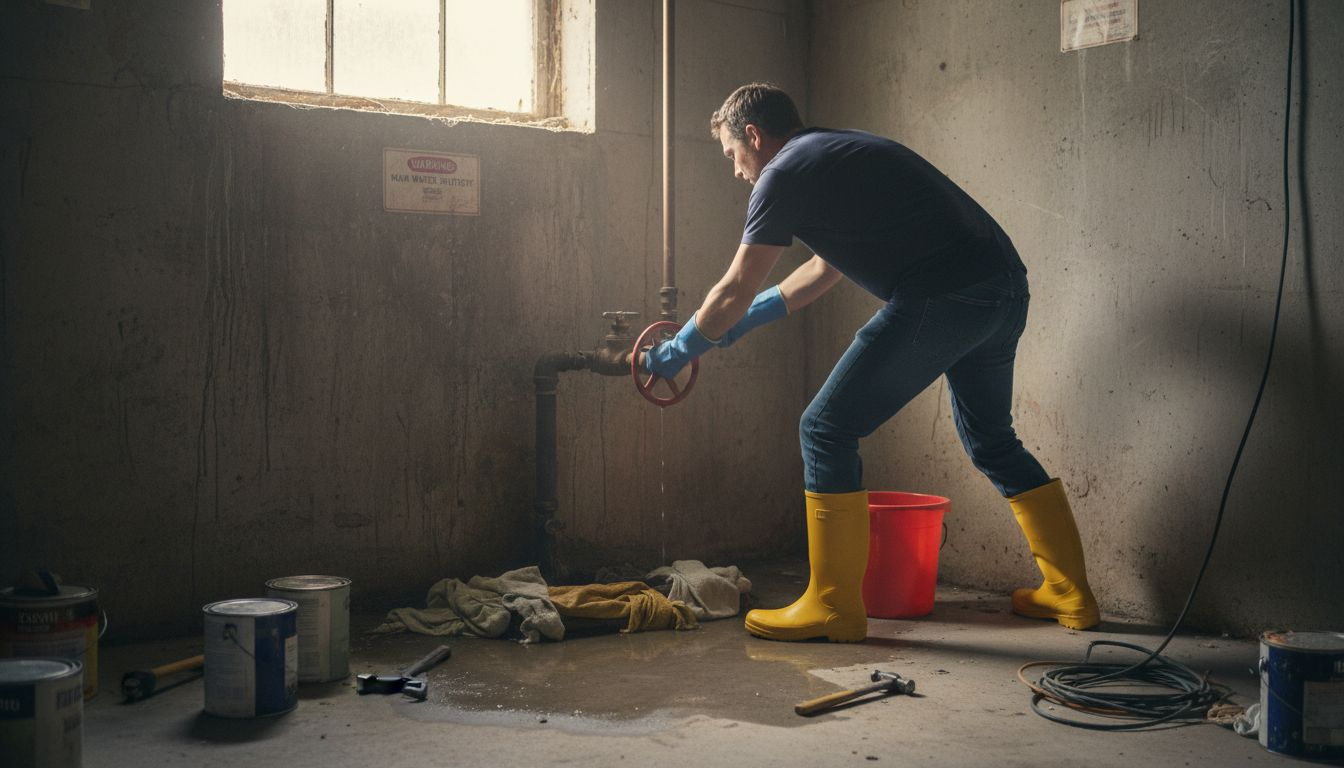
Water damage emergencies strike without warning, leaving homeowners scrambling to protect their property while the clock ticks. Every minute counts when water infiltrates your home, as immediate water extraction prevents bacterial growth and stops escalating damage. This emergency restoration checklist provides practical, prioritized steps tailored for Northeast Sacramento residents facing water damage crises. Following these proven actions minimizes structural harm, protects your family’s health, reduces restoration costs, and strengthens your insurance claim.
Table of Contents
Understanding Water Damage And Immediate Response Criteria
Step By Step Emergency Restoration Checklist For Water Damage
Comparing Restoration Techniques And When To Seek Professional Help
Tips To Protect Your Family And Property During Emergency Water Restoration
Professional Emergency Restoration Services In Northeast Sacramento
Frequently Asked Questions
Key takeaways
Point
Details
Speed matters critically
The first 24 to 48 hours determine whether minor water damage becomes major structural loss
Safety comes first
Always turn off electrical power and wear protective equipment before entering affected areas
Document everything
Photos and detailed notes of damage provide essential evidence for insurance claims
Know when to call pros
Category 2 or 3 water and large scale damage require professional expertise
Prevention reduces costs
Quick professional response significantly lowers total restoration expenses
Understanding water damage and immediate response criteria
Identifying and stopping the water source is your first priority when safe to approach. Water damage stems from leaking pipes, flooding, appliance failure, poor drainage, humidity, fire suppression, and natural disasters, each requiring specific initial responses. Understanding the IICRC water categories helps you gauge contamination risks and response urgency.
Category 1 involves clean water from supply lines or rain, posing minimal immediate health threats. Category 2 gray water contains contaminants from washing machines, dishwashers, or toilet overflow without feces. Category 3 black water is grossly contaminated, originating from sewage, flooding, or standing water with bacterial growth. Higher categories demand stricter safety protocols and professional intervention.
Electrical hazards present life threatening dangers in water damaged spaces. Never touch wet electrical equipment, outlets, or switches until power is confirmed off at the breaker. CDC floodwater safety guidelines emphasize avoiding contact with contaminated water whenever possible.
Wear personal protective equipment before inspecting damage, including waterproof gloves, rubber boots, N95 masks, and eye protection. Contaminated water carries bacteria, viruses, and chemical pollutants that threaten your health through skin contact or inhalation. The water damage checklist for homeowners provides detailed PPE recommendations.
Pro Tip: Take photos of your PPE setup and safety measures for insurance documentation, showing you followed proper protocols from the start.
Step by step emergency restoration checklist for water damage
Follow this prioritized checklist immediately upon discovering water damage to protect your property and prepare for professional restoration.
1. Stop the water source
Turn off the main water supply if a burst pipe or leaking fixture causes the damage. Locate your home’s main shutoff valve, typically near the water meter or where the main line enters your house. For appliance related leaks, close the individual supply valve behind the unit.
2. Cut electrical power
Shut off electricity at the breaker panel if water contacts electrical outlets, appliances, or wiring. Never enter standing water while power remains on. If the breaker panel sits in a flooded area, call your utility company for emergency disconnection.
3. Remove standing water quickly
Extract standing water using submersible pumps for deep flooding, wet/dry vacuums for moderate amounts, or buckets and mops for minor pooling. Speed matters because water extraction within 24 to 48 hours prevents mold growth and reduces structural damage severity. Work systematically from the deepest areas outward.
4. Discard saturated porous materials
Remove and dispose of carpets, padding, drywall, insulation, and upholstered furniture that cannot dry within 48 hours. Porous materials absorb water deeply and harbor mold growth when wet for extended periods. Bag materials in heavy duty plastic for disposal to contain contaminants.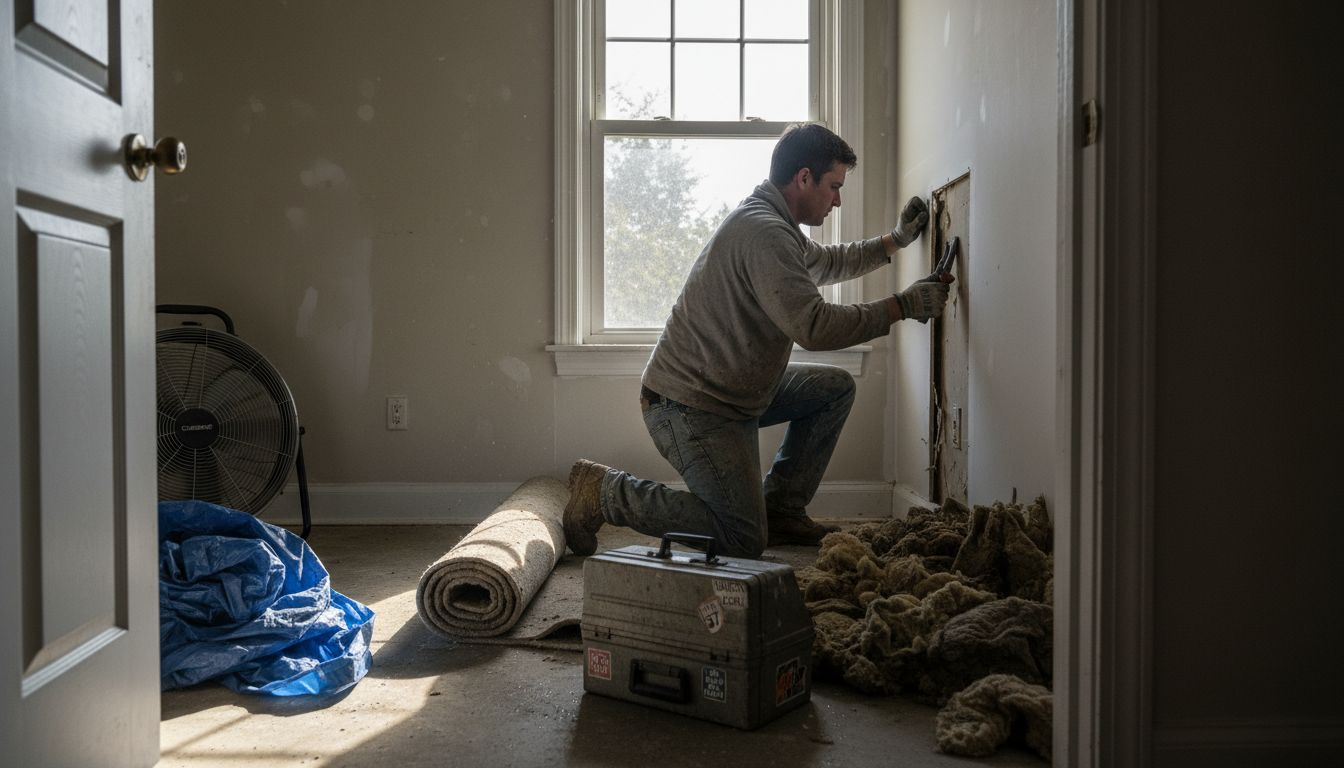
5. Deploy drying equipment
Position industrial dehumidifiers and air movers throughout affected spaces to accelerate drying and maintain humidity below 60%. Direct airflow across wet surfaces, not into them. Open windows and doors when outdoor humidity is lower than indoor levels. Continue running equipment 24/7 until moisture readings return to normal.
6. Clean and disinfect surfaces
Clean all affected surfaces with antimicrobial solutions after removing standing water. Immediate response prevents bacterial growth that threatens health and complicates restoration. Focus on frequently touched surfaces, remaining structural materials, and areas showing visible contamination.
7. Document damage comprehensively
Photograph and video record all damaged areas, belongings, and structural elements before beginning cleanup. Include wide shots showing room context and close ups of specific damage. Note dates, times, and conditions in written logs. This evidence supports insurance claims and tracks restoration progress. Review water damage mitigation steps for detailed documentation guidance.
Pro Tip: Create a dedicated folder on your phone for water damage photos with automatic cloud backup enabled, ensuring you never lose critical documentation.
Maintain detailed lists of damaged items with purchase dates and estimated values. Keep receipts for emergency supplies and professional services. Follow FEMA flood safety tips when documenting damage from natural flooding events.
Comparing restoration techniques and when to seek professional help
DIY mitigation handles immediate water source control, basic extraction, and initial drying for minor Category 1 incidents. You can turn off water supplies, stop small leaks, remove standing water with household equipment, and run consumer grade dehumidifiers. These actions limit damage progression during the critical first hours.
Professional services deliver advanced extraction equipment, industrial drying technology, moisture detection tools, antimicrobial treatments, and structural restoration expertise. Professional water damage restoration involves inspection, extraction, drying, and complete restoration using proven protocols. Certified technicians identify hidden moisture, prevent mold growth, and restore structural integrity.
Aspect
DIY Approach
Professional Service
Equipment
Consumer wet vacs, fans, rental dehumidifiers
Industrial extractors, thermal imaging, desiccant systems
Scope
Minor Category 1, small affected area
All categories, any scale, structural damage
Timeline
Days to weeks
3 to 5 days typical
Mold prevention
Limited effectiveness
Comprehensive antimicrobial treatment
Insurance coordination
Self managed claims
Direct insurance billing and documentation
Health safety
Higher contamination risk
Professional PPE and containment protocols
Professional involvement becomes essential for Category 2 or 3 water contamination, flooding affecting multiple rooms, water penetrating structural cavities, or any situation where mold growth has begun. Experts reduce health risks, streamline insurance processes, and guarantee thorough moisture removal that prevents future problems. The step by step restoration guide details when professional intervention saves money long term.
“Seek professional help to ensure the process is finished safely and efficiently.” Water damage restoration carries risks that trained specialists manage through proper protocols and equipment.
Quick professional response significantly reduces total restoration costs by preventing secondary damage. Delayed professional intervention allows mold colonization, wood rot, metal corrosion, and structural weakening that multiply repair expenses. Many insurance policies require professional documentation for larger claims.
Tips to protect your family and property during emergency water restoration
Wear complete PPE including waterproof gloves, rubber boots, N95 respirator masks, and safety glasses when entering water damaged areas. Personal protective equipment prevents exposure to contaminants present in gray and black water including bacteria, viruses, chemicals, and sewage. Replace gloves showing tears or punctures immediately.
Avoid re entering flooded spaces until professionals confirm safety, especially areas with Category 3 contamination or structural concerns. Hidden hazards include compromised floors, weakened walls, electrical risks, and toxic mold growth. Wait for clearance even when damage appears superficial.
Reduce humidity and maximize ventilation to create hostile conditions for mold spores. Run dehumidifiers continuously, open windows during dry weather, and position fans for cross ventilation. Monitor humidity with hygrometers, maintaining levels below 50% during drying. Review EPA mold and humidity control guidelines for specific thresholds.
Check regularly for hidden water damage behind walls, under flooring, in crawl spaces, and within ceiling cavities. Water travels along structural members and collects in unexpected locations. Press walls and floors checking for soft spots, discoloration, or musty odors indicating trapped moisture.
Keep children and pets away from affected areas until restoration completes. Young children and animals are especially vulnerable to contaminants and may disturb drying equipment or damaged materials. Designate clean zones within your home and enforce strict boundaries. The water damage prevention tips guide includes family safety protocols.
Pro Tip: Place bright colored tape or temporary barriers at entries to water damaged rooms, creating visual reminders that keep family members and pets safely away from restoration zones.
Professional emergency restoration services in Northeast Sacramento
When water damage strikes your Northeast Sacramento property, immediate professional help prevents minor incidents from becoming major losses. PuroClean delivers emergency restoration services in Northeast Sacramento 24/7, responding rapidly to burst pipes, flooding, appliance failures, and storm damage throughout Folsom, Rancho Cordova, and Citrus Heights.
Our certified teams handle complete water extraction, structural drying, antimicrobial treatment, and full property restoration using advanced equipment and proven protocols. We coordinate directly with insurance companies to streamline claims, document damage comprehensively, and ensure maximum coverage. Whether you need immediate mitigation or complete mold mitigation and removal services, our specialists restore your property to pre loss condition efficiently. Property restoration for managers includes priority scheduling and tenant coordination for multi unit properties.
Frequently asked questions
What immediate steps should I take after discovering water damage?
Turn off the water source immediately if it involves supply lines or appliances. Cut electrical power at the breaker panel if water contacts electrical components. Begin removing standing water using pumps or wet vacuums, then document all damage with photos before moving items.
How do I know if I need professional water damage restoration?
Professional help is essential for contaminated water (Category 2 or 3), flooding affecting multiple rooms, water penetrating walls or floors, or any situation where mold appears. Large scale damage, structural concerns, or insurance claims exceeding $5,000 typically require certified restoration specialists.
Can I stay in my home during water damage restoration?
It depends on damage extent, contamination level, and affected areas. Minor Category 1 damage in isolated spaces may allow continued occupancy with precautions. Category 2 or 3 contamination, extensive structural work, or mold remediation often requires temporary relocation for safety.
Why is documenting water damage important?
Documentation provides essential evidence supporting insurance claims, tracking restoration progress, and proving damage timelines. Photos, videos, written logs, and itemized loss lists establish your claim’s validity and ensure proper compensation. The water damage documentation guide explains comprehensive documentation strategies.
Recommended
Effective Water Damage Mitigation Steps for Fast Recovery – PuroClean of Northeast Sacramento
Water Damage Restoration Guide: Restore Property Fast – PuroClean of Northeast Sacramento
Restoration Process Explanation Guide for Fast Recovery – PuroClean of Northeast Sacramento
How to Handle Water Damage: Step-by-Step Restoration Guide – PuroClean of Northeast Sacramento