


Environmental Remediation and Its Impact Locally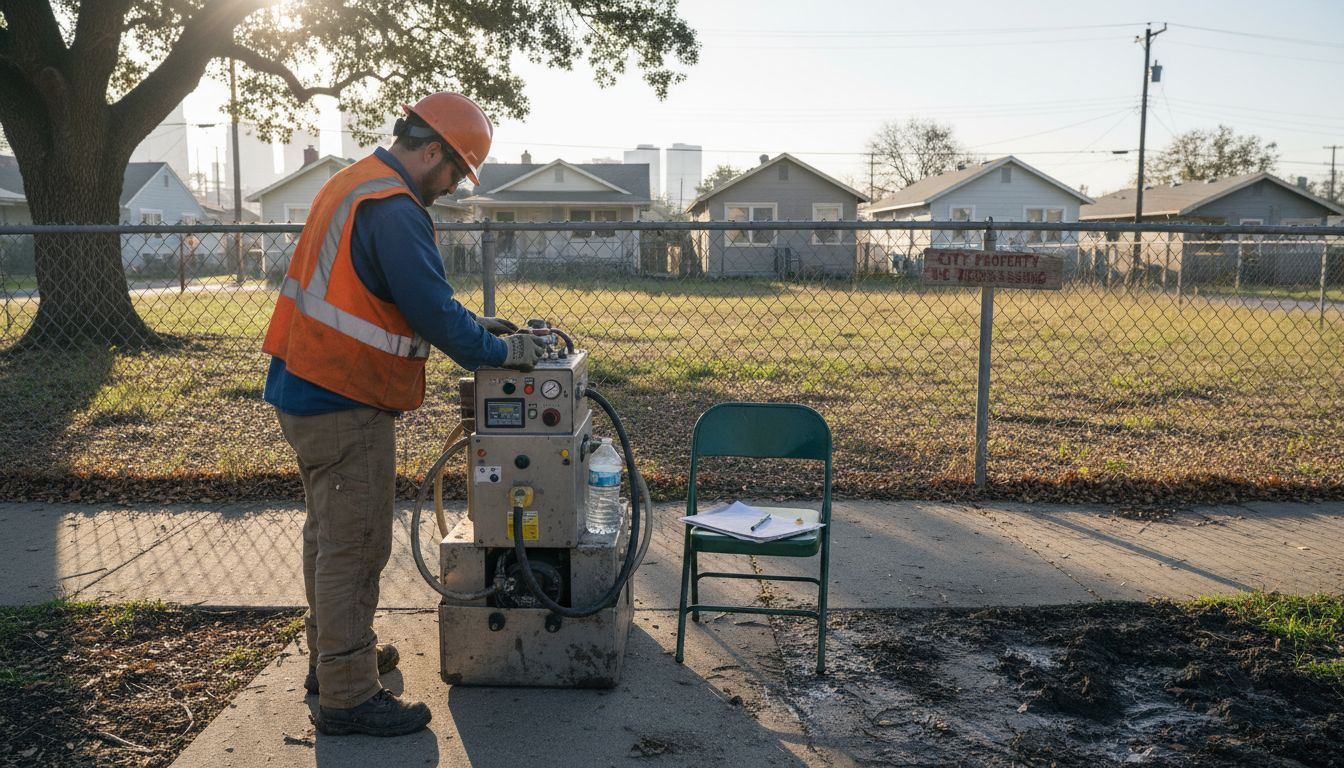
Burst pipes or unexpected flooding can leave homeowners in Northeast Sacramento feeling uncertain about where to begin. Water damage not only threatens the safety of your living space but also brings urgent questions about proper cleanup and insurance support. Understanding environmental remediation clears up common misconceptions, offering a clear path to restoring your property safely and navigating insurance claims with confidence.
Table of Contents
Defining Environmental Remediation And Misconceptions
Primary Types And Methods Of Remediation
How The Remediation Process Works
Legal Standards And Regulatory Obligations
Risks, Costs, And Insurance Implications For Homeowners
Key Takeaways
Point
Details
Environmental Remediation is Multifaceted
It goes beyond simple cleanup, involving strategic, scientific techniques to restore polluted environments.
Understanding Legal Framework is Crucial
Compliance with federal laws like the Clean Air Act and Clean Water Act is necessary for effective remediation and liability management.
Homeowners Must Assess Financial Risks
Rising insurance premiums and property value implications are significant concerns in areas with environmental hazards.
Consult Experts for Tailored Strategies
Engaging certified professionals ensures customized remediation plans and accurate site assessments to address specific contamination challenges.
Defining Environmental Remediation and Misconceptions
Environmental remediation represents a critical process for protecting human and ecological health by addressing pollution and contamination across various environmental media. Complex cleanup strategies involve systematic approaches to restore environments compromised by industrial activities, waste disposal, or accidental contamination.
At its core, environmental remediation involves multiple strategic techniques designed to remove harmful substances from soil, groundwater, sediment, and surface water. The primary objectives include:
Eliminating toxic contaminants
Restoring environmental quality
Protecting human health
Preventing further ecological damage
Preparing sites for future safe use
Most people misunderstand environmental remediation as a simple cleanup process, but it’s far more nuanced. Site assessment techniques require extensive investigation, including historical research, contaminant identification, and designing targeted restoration strategies. Professionals use sophisticated methods ranging from physical removal to advanced chemical and biological treatments.
Environmental remediation isn’t just cleaning—it’s comprehensive ecosystem restoration that requires scientific expertise and strategic intervention.
Common misconceptions about environmental remediation include believing that all contamination can be completely removed or that the process is quick and inexpensive. In reality, remediation often involves long-term management, ongoing monitoring, and significant financial investment to achieve meaningful environmental recovery.
Pro tip: Always consult certified environmental remediation experts who can provide comprehensive site assessments and develop customized restoration strategies tailored to specific contamination challenges.
Primary Types and Methods of Remediation
Environmental remediation encompasses a diverse array of strategic techniques designed to address contamination across different environmental media. Remediation approaches are carefully selected based on specific site conditions, contamination types, and environmental impact considerations.
Primary remediation methods can be categorized into three main approaches:
Physical Methods:
Excavation
Soil vapor extraction
Containment strategies
Groundwater pump and treat systems
Chemical Methods:
Chemical oxidation
Neutralization treatments
Extraction techniques
Stabilization processes
Biological Methods:
Bioremediation
Phytoremediation
Microbial degradation
Enzyme-based treatments
Advanced remediation techniques require comprehensive site assessments that evaluate contamination depth, chemical composition, and potential ecological impacts. Professionals use sophisticated diagnostic tools to determine the most effective intervention strategy, considering factors like cost-effectiveness, long-term environmental sustainability, and potential restoration outcomes.
Successful environmental remediation demands a nuanced, multidisciplinary approach that balances scientific expertise with ecological sensitivity.
Each remediation method presents unique advantages and challenges. Physical methods offer direct contaminant removal, chemical treatments provide targeted neutralization, and biological approaches leverage natural ecosystem processes to restore environmental health. The selection process involves complex evaluations of site-specific variables, potential risks, and restoration goals.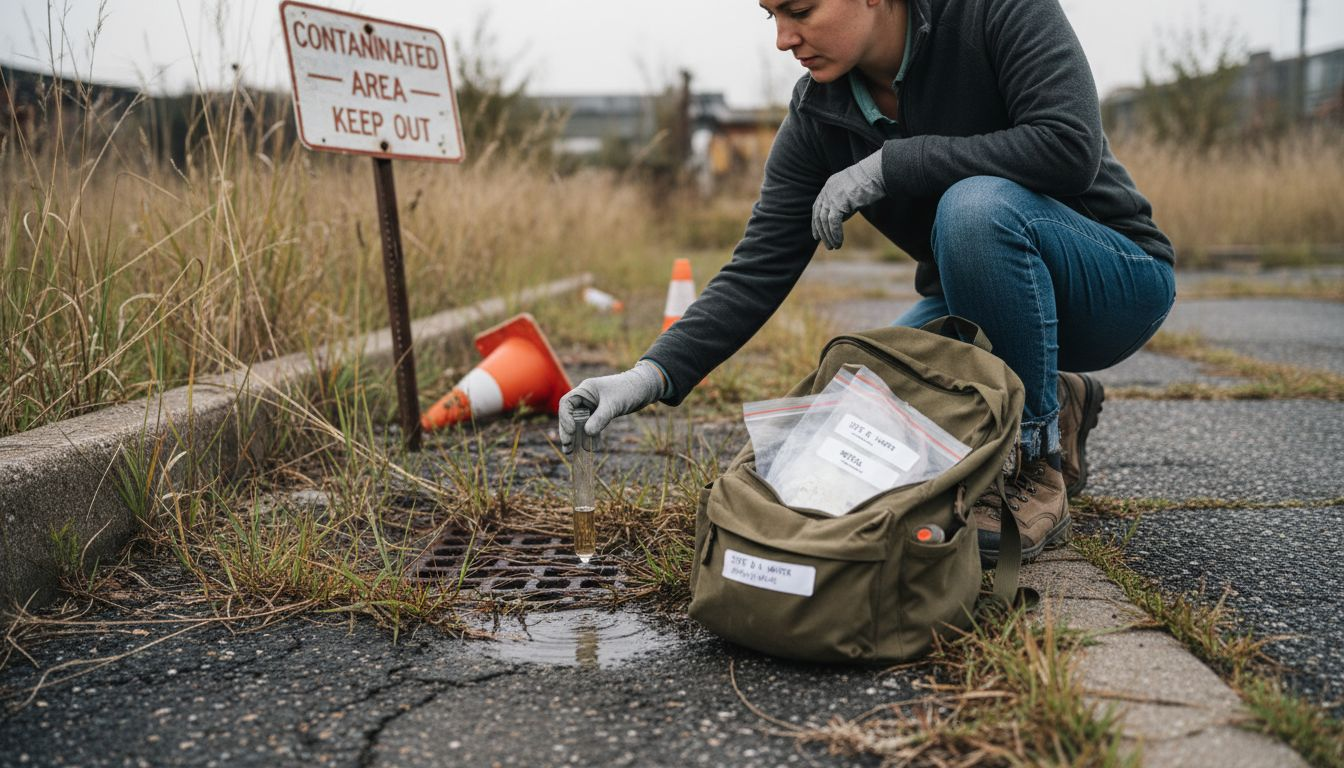
Here’s a side-by-side comparison of the main remediation methods and their real-world applications:
Remediation Method
Typical Use Cases
Environmental Impact
Physical
Removing contaminated soil at industrial sites
Immediate but may disrupt local habitat
Chemical
Neutralizing hazardous chemicals in groundwater
Targeted but can affect water chemistry
Biological
Treating petroleum spills with microbes
Gradual and promotes ecosystem restoration
Pro tip: Consult environmental remediation specialists who can conduct comprehensive site assessments and develop customized, scientifically validated restoration strategies tailored to your specific contamination scenario.
How the Remediation Process Works
Environmental remediation is a systematic, multi-stage process that requires meticulous planning and strategic execution. Remediation project management involves comprehensive approaches to identifying, assessing, and addressing environmental contamination with precision and scientific expertise.
The remediation process typically follows these critical stages:
Initial Site Assessment:
Comprehensive contamination investigation
Geological and hydrological mapping
Identifying potential environmental risks
Documenting existing site conditions
Detailed Characterization:
Chemical composition analysis
Contamination extent mapping
Determining contaminant migration patterns
Evaluating potential ecological impacts
Remediation Strategy Development:
Selecting appropriate cleanup technologies
Designing targeted intervention methods
Creating cost-effective restoration plans
Establishing regulatory compliance protocols
Structured remediation approaches demand sophisticated diagnostic tools and expert scientific knowledge. Environmental professionals use advanced technologies to assess contamination depth, analyze chemical compositions, and develop precise intervention strategies that minimize ecological disruption.
Successful environmental remediation requires a holistic approach that balances scientific expertise, technological innovation, and ecological sensitivity.
Each remediation project presents unique challenges, requiring customized solutions that address specific environmental conditions. Professionals must navigate complex regulatory landscapes, technological limitations, and site-specific variables to ensure comprehensive and effective restoration.
Pro tip: Engage certified environmental remediation specialists who can provide comprehensive site assessments and develop scientifically validated restoration strategies tailored to your specific environmental challenges.
Legal Standards and Regulatory Obligations
Environmental remediation in the United States operates within a complex legal framework designed to protect public health and ecological systems. Environmental protection laws establish comprehensive guidelines that govern cleanup processes, liability, and regulatory compliance across various environmental contexts.
Key regulatory frameworks encompass several critical federal statutes:
Clean Air Act
Regulates air emissions
Sets pollution standards
Monitors industrial environmental impact
Clean Water Act
Governs water pollution control
Establishes water quality standards
Regulates discharge into water bodies
Resource Conservation and Recovery Act (RCRA)
Manages hazardous waste handling
Tracks waste from generation to disposal
Implements stringent waste management protocols
Superfund Law guidelines provide a comprehensive mechanism for addressing hazardous waste sites, establishing a robust legal framework that enables federal and state authorities to prioritize and execute environmental restoration projects. This legislation creates a strict liability system that holds responsible parties accountable for remediation costs.
Legal compliance in environmental remediation is not optional—it’s a fundamental requirement for protecting public health and ecological systems.
The liability framework is intentionally comprehensive, covering current and past property owners, operators, and waste handlers. This approach ensures that environmental restoration costs can be recovered from parties responsible for contamination, promoting accountability and environmental protection.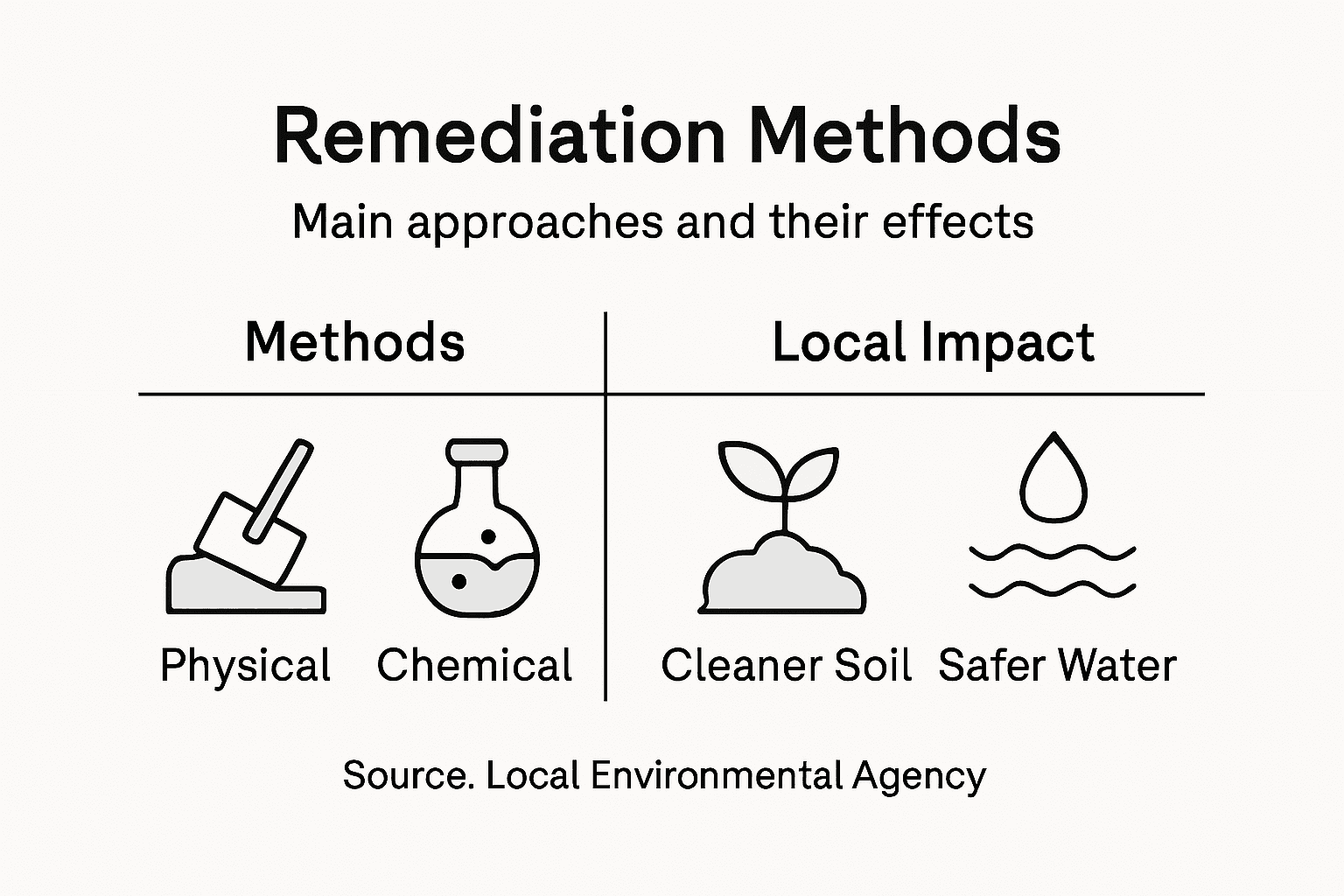
Use this quick reference to understand major federal laws governing remediation in the U.S.:
Law Name
Primary Focus
Example Regulatory Action
Clean Air Act
Air pollution control
Limiting industrial emissions
Clean Water Act
Water pollution prevention
Enforcing safe discharge standards
RCRA
Hazardous waste management
Mandating safe waste disposal procedures
Pro tip: Consult environmental law specialists who can provide detailed guidance on regulatory compliance and help navigate the complex legal landscape of environmental remediation.
Risks, Costs, and Insurance Implications for Homeowners
Environmental remediation introduces significant financial and insurance challenges for homeowners, particularly in regions experiencing escalating environmental risks. Homeowners insurance dynamics have become increasingly complex, with insurers reassessing coverage in areas prone to environmental hazards.
Key financial risks for homeowners include:
Rising Insurance Premiums
Increased costs due to environmental risks
Higher rates in disaster-prone regions
Potential coverage limitations
Property Value Implications
Decreased property values in high-risk areas
Potential challenges with property sales
Impact of environmental contamination
Remediation Cost Burdens
Significant out-of-pocket expenses
Potential legal liability
Complex restoration processes
Insurance market transformations reflect growing concerns about climate change and environmental risks. Private insurers are becoming increasingly selective, with many reducing coverage or dramatically increasing premiums in high-risk regions.
Environmental risks are no longer hypothetical—they are immediate financial threats that directly impact homeowner insurance and property value.
Homeowners must proactively understand their insurance coverage, potential environmental risks, and financial implications. This involves carefully reviewing policy details, understanding potential exclusions, and developing comprehensive risk management strategies to protect their investments.
Pro tip: Conduct an annual comprehensive review of your insurance policy, focusing on environmental risk coverage and potential remediation scenarios specific to your local area.
Protect Your Home from Environmental Damage with Fast, Expert Restoration
Environmental remediation highlights the serious challenges posed by water and fire damage that affect not only the environment but your property’s safety and value. When faced with burst pipes, flooding, or fire-related destruction, immediate and professional intervention is critical to prevent long-term harm and costly remediation. Understanding the risks and the need for swift action means trusting specialists who combine scientific expertise with rapid response.
At PuroClean of Northeast Sacramento, we specialize in emergency water damage restoration and fire recovery services designed to stop damage in its tracks. Our certified team uses advanced drying technology and precise leak detection to minimize environmental impact and protect your home’s structure. With 24/7 availability in Northeast Sacramento, Folsom, Rancho Cordova, and Citrus Heights, we prioritize your safety and peace of mind while navigating insurance claims with you.
Emergency Water Damage Restoration
Rapid Fire and Smoke Restoration
Contact PuroClean of Northeast Sacramento to secure your home and act before damage worsens.
Don’t wait until water or fire damage turns into costly environmental remediation. Reach out to PuroClean now for expert mitigation with proven results. Your home deserves immediate care from trusted local professionals who understand the urgency and complexity of restoration in our region.
Frequently Asked Questions
What are the main objectives of environmental remediation?
Environmental remediation aims to eliminate toxic contaminants, restore environmental quality, protect human health, prevent further ecological damage, and prepare contaminated sites for safe future use.
What are the primary methods used in environmental remediation?
The primary methods include physical methods (like excavation and soil vapor extraction), chemical methods (such as chemical oxidation and stabilization), and biological methods (including bioremediation and phytoremediation).
How does the environmental remediation process typically work?
The remediation process usually involves several stages: initial site assessment, detailed characterization of the contamination, and development of a remediation strategy that includes selecting appropriate technologies and establishing compliance protocols.
What are the potential financial implications for homeowners regarding environmental remediation?
Homeowners can face rising insurance premiums, property value declines in contaminated areas, and significant out-of-pocket costs for remediation efforts, which can create complex financial burdens and legal liabilities.
Recommended
Affordable Eco-Friendly Restoration Techniques for Modern Homes in 21st Century – PuroClean Disaster Restoration
Antimicrobial Spray for Water Damage: How to Use Effectively
Water Damage and Dangerous Bacterial Growth: The Impact on Your Health – PuroClean Disaster Restoration
How Professional Mold Remediation Protects Your Health and Property in Bakersfield, CA – PuroClean Certified Restoration Specialists