


Fire and Flood Damage Restoration: A 2026 Property Guide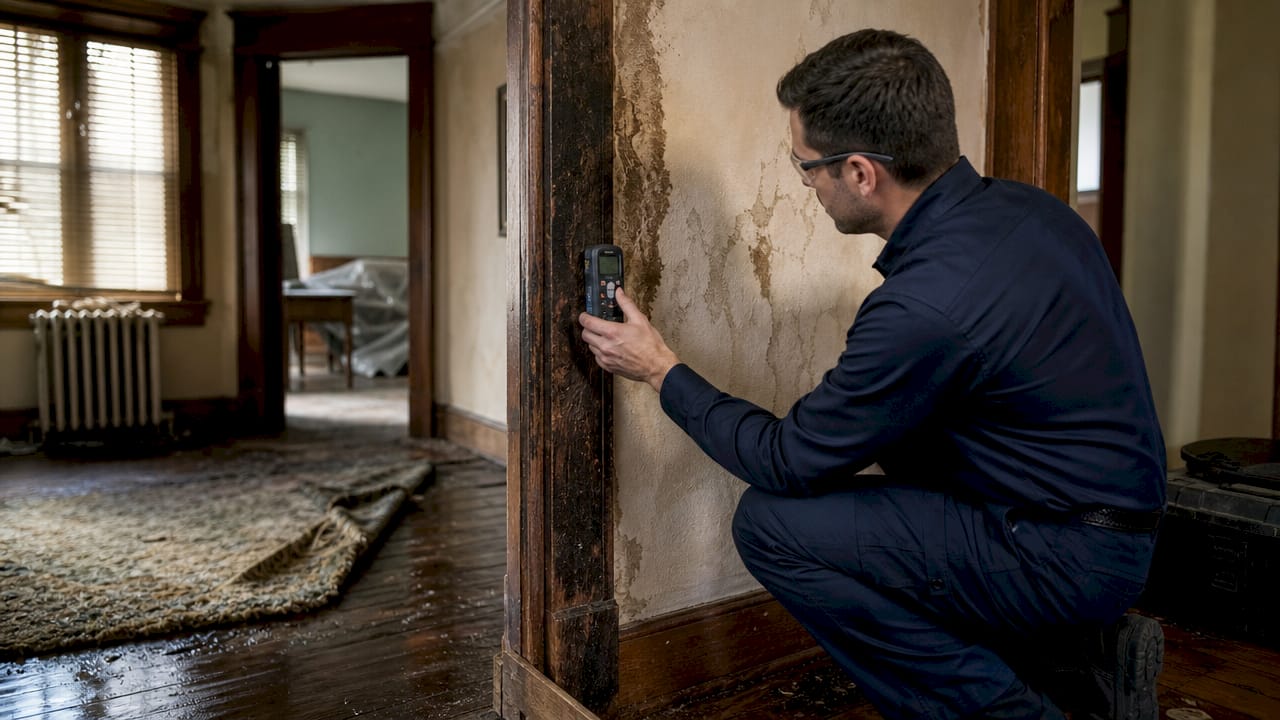
TL;DR:
Fire and flood damage restoration involves assessment, cleaning, drying, and reconstruction to restore properties and prevent secondary issues. Professionals follow strict standards, documenting damage and using matched-chemistry cleaning to eliminate soot, smoke, and odors effectively. Prompt water extraction and HVAC cleaning are crucial to prevent mold, structural decay, and persistent odors.
Fire and flood damage restoration is the professional process of assessing, stabilizing, cleaning, and rebuilding a property after disaster strikes. The goal is to return your home or building to its pre-loss condition while preventing secondary damage like mold, structural decay, and persistent odor. The 2026 ANSI/IICRC S700 standard now governs how certified professionals document, clean, and reconstruct damaged properties. Knowing what this process involves helps you make faster, smarter decisions when every hour counts.
What are the key phases of fire and flood damage restoration?
Restoration follows three phases: initial assessment and structural stabilization, water extraction and drying, and deep cleaning plus reconstruction. Each phase builds on the last. Skipping or rushing one creates problems in the next.
Phase 1: Assessment and documentation
The first step is a thorough inspection of every affected area, including walls, ceilings, floors, and the HVAC system. The 2026 ANSI/IICRC S700 standard requires comprehensive photographic documentation of all surfaces and HVAC components before any cleaning begins. This documentation protects you during insurance claims and gives the restoration team a clear scope of work. Skipping photos at this stage is one of the most costly mistakes a property owner can make.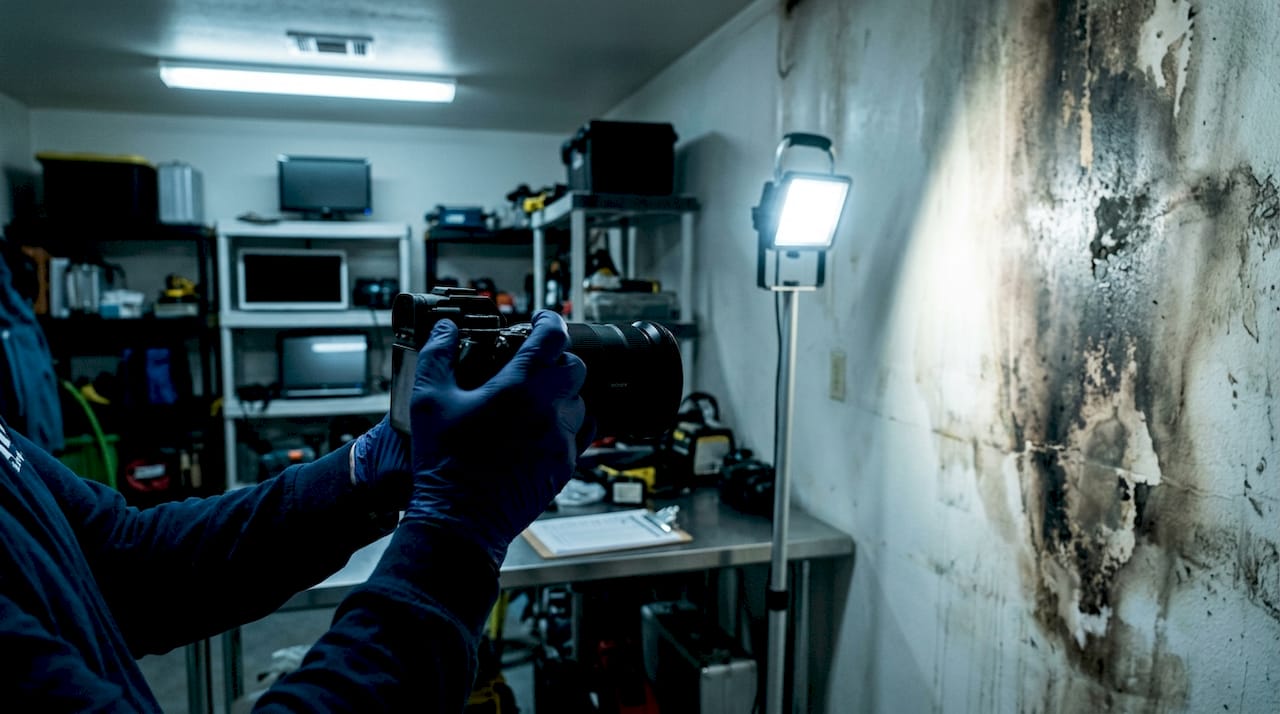
Phase 2: Water extraction and structural drying
Fire suppression releases large volumes of water into your structure. That water must be extracted immediately using industrial pumps and wet vacuums, then followed by commercial-grade dehumidifiers and air movers. Mold can begin forming within 24 hours of water intrusion, which means delays in drying are not just inconvenient. They are expensive.
Phase 3: Cleaning and reconstruction
Soot, smoke residue, and chemical byproducts require specialized cleaning before any reconstruction begins. Structural repairs, drywall replacement, painting, and flooring installation come last. Restoration duration depends more on smoke migration and reconstruction scope than on the fire’s size, ranging from days for minor incidents to months for severe damage.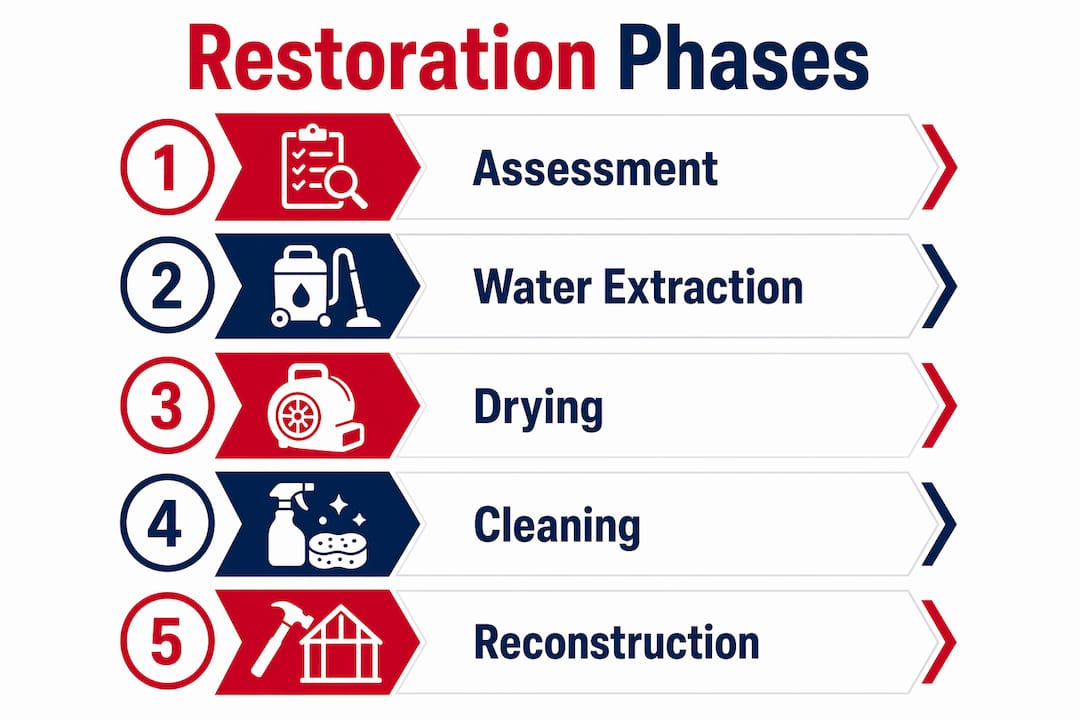
Pro Tip: Take your own photos and video of every damaged room before any cleanup begins. Your insurance adjuster will thank you, and so will your restoration team.
How do professionals handle soot, smoke, and chemical residues?
Soot removal is not a scrub-and-rinse job. Aggressive scrubbing spreads soot and drives it deeper into porous surfaces, causing permanent staining. Certified restorers follow a strict sequence to avoid this.
The professional cleaning sequence works as follows:
Dry vacuuming first. Restoration-grade HEPA vacuums lift loose soot particles without smearing them. Standard household vacuums lack the filtration to do this safely.
Matched-chemistry wet cleaning second. Alkaline cleaners target synthetic soot from burning plastics and synthetics. Enzyme-based cleaners break down protein residues from cooking fires or burned organic material. Using the wrong cleaner can set stains permanently.
Odor neutralization last. Thermal fogging, hydroxyl generators, and ozone treatments address smoke odor at the molecular level. Surface cleaning alone never fully eliminates smoke smell.
Pro Tip: Never use a household spray cleaner on soot-covered walls before a professional assessment. You risk setting the stain and complicating the restoration scope.
Soot type
Source
Recommended cleaner
Dry soot
Fast-burning paper or wood
Dry vacuuming, then mild alkaline cleaner
Wet soot
Slow-burning synthetic materials
Heavy-duty alkaline degreaser
Protein residue
Burned food or organic matter
Enzyme-based cleaner
Smoke film
Widespread low-heat smoke
Dry chemical sponge, then wet clean
HVAC systems are a critical and frequently overlooked part of smoke remediation. NADCA-qualified specialists must inspect and clean ducts, coils, and air handlers after any fire. Soot travels through ductwork and redistributes throughout the building every time the system runs. Skipping HVAC cleaning means smoke odor returns within days of completing surface restoration.
Why is water damage management urgent after fire or flooding?
Water is the hidden threat in both fire and flood scenarios. After a fire, suppression water saturates walls, subfloors, and insulation. After a flood, the same materials absorb contaminated water that carries bacteria and sediment. In both cases, the clock starts immediately.
The core risks of delayed water mitigation include:
Mold growth. Mold can develop within 24 hours of water intrusion. Once established, mold remediation adds significant cost and time to the project.
Hidden moisture pockets. Water migrates behind drywall, under flooring, and into wall cavities. Thermal imaging cameras and moisture meters are the only reliable way to find it.
Structural weakening. Prolonged moisture exposure degrades wood framing, weakens subfloors, and causes drywall to crumble. Structural repairs become far more extensive when drying is delayed.
Electrical hazards. Water in walls near wiring or panels creates shock and fire risks. A licensed electrician must clear the electrical system before restoration crews work in wet areas.
Industrial air movers and desiccant dehumidifiers are the standard tools for structural drying. Proper airflow direction matters. Professionals position equipment to create a drying vortex that pulls moisture out of materials rather than just moving humid air around the room. This is a technique that takes training to execute correctly, and it is one reason why water damage repair handled by certified teams consistently outperforms DIY attempts.
What should homeowners do during and after restoration?
Your role during restoration is to document, communicate, and stay safe. Restoration professionals handle the technical work, but your actions in the first hours significantly affect the outcome.
Do not enter until cleared. Fire-damaged structures may have compromised floors, live electrical hazards, and toxic air. Wait for a structural clearance before re-entering.
Document everything before cleanup. Photograph every room, every damaged item, and every structural surface. This record supports your insurance claim and establishes the restoration baseline.
Contact your insurer immediately. Most policies require prompt notification. Delays can complicate coverage. Ask your insurer whether they have a preferred list of emergency restoration companies or whether you can choose your own.
Do not rush cleanup. Smoke and water penetrate hidden areas and cause delayed structural damage or mold. A rushed cleanup that misses hidden moisture will cost far more to fix later.
Coordinate directly with your restoration team. Share your insurance policy details, ask for a written scope of work, and request daily progress updates. Clear communication prevents disputes and keeps the project on schedule.
Property managers overseeing multi-unit buildings face an additional layer of complexity. Tenant safety, liability documentation, and building code compliance all require attention alongside the physical restoration work. Keeping a local area map of service providers and utility contacts on file speeds up your emergency response significantly.
Fire vs. flood damage: how do restoration challenges differ?
Both hazards destroy property, but they require different approaches. Understanding the distinction helps you ask the right questions when hiring disaster recovery services.
Category
Fire damage
Flood damage
Primary residue
Soot, smoke film, char
Sediment, bacteria, contaminants
Structural concern
Weakened framing, char damage
Saturated materials, rot risk
Odor remediation
Thermal fogging, ozone treatment
Antimicrobial treatment, ventilation
Drying priority
Suppression water removal
Full structural drying, dehumidification
Timeline variables
Smoke migration extent, reconstruction scope
Contamination level, material saturation
Insurance complexity
Fire cause documentation required
Flood zone classification affects coverage
Fire damage restoration tips that apply to flood recovery include thorough documentation, immediate moisture control, and professional HVAC inspection. The chemistry and structural concerns differ, but the urgency is identical. Both scenarios punish delay.
Key Takeaways
Effective fire and flood damage restoration requires immediate action, matched-chemistry cleaning, and certified moisture control to prevent mold, structural failure, and permanent odor.
Point
Details
Document before touching anything
Photograph all damage before cleanup to support insurance claims and set restoration scope.
Act within 24 hours on water
Mold begins forming within 24 hours, making rapid water extraction the top priority.
Match cleaning chemistry to soot type
Alkaline cleaners handle synthetic soot; enzyme-based cleaners address protein residues.
Never skip HVAC inspection
Soot travels through ductwork and causes recurring odor if ducts are not professionally cleaned.
Restoration timeline varies widely
Smoke migration and reconstruction scope determine duration more than the fire or flood size.
What I’ve learned after years of watching homeowners get this wrong
The most common mistake I see is treating fire and flood damage like a cleaning problem rather than a structural and chemical problem. Homeowners grab a mop, open the windows, and assume the worst is over. It rarely is.
The 2026 ANSI/IICRC S700 standard exists because the industry learned, through costly failures, that documentation and matched-chemistry cleaning are not optional steps. They are the foundation of a successful restoration. Properties that skip the assessment phase almost always face mold claims or odor complaints months later.
HVAC cleaning is the step that surprises people most. A property can look spotless and still smell like smoke six weeks later because nobody cleaned the ducts. That is not a cosmetic issue. It is a health issue, and it signals that the restoration was incomplete.
My honest advice: hire certified professionals, insist on a written scope of work, and do not let anyone rush the drying phase. The fire damage cleanup process done correctly the first time costs less than fixing a botched job six months later. Patience and documentation are the two most underrated tools in disaster recovery.
— Visual
Puroclean is ready when disaster strikes
When fire or flooding hits your property in Northeast Sacramento, Folsom, Rancho Cordova, or Citrus Heights, response time is everything.
Puroclean of Northeast Sacramento provides 24/7 water damage restoration and certified fire recovery services for homeowners and property managers throughout the greater Sacramento area. The team works directly with your insurance company to document damage, manage the claims process, and keep the project moving. From water extraction and structural drying to professional fire restoration and soot removal, Puroclean handles every phase with certified technicians and industry-standard equipment. Call any time, day or night.
FAQ
What does fire and flood damage restoration include?
Fire and flood damage restoration covers assessment, water extraction, structural drying, soot and residue cleaning, odor neutralization, and reconstruction. The process follows the 2026 ANSI/IICRC S700 standard for documentation and cleaning protocols.
How quickly does mold grow after water damage?
Mold can begin forming within 24 hours of water intrusion. Immediate water extraction and industrial drying are the only reliable way to prevent it.
Does insurance cover fire and flood restoration costs?
Most homeowner policies cover fire damage restoration. Flood damage coverage depends on whether you carry a separate flood insurance policy, as standard homeowner policies typically exclude flood events.
Why should I hire a certified restoration company?
Certified professionals use matched-chemistry cleaning, HEPA filtration, and industrial drying equipment that DIY methods cannot replicate. They also provide the documentation required by insurers and meet ANSI/IICRC standards.
How long does the restoration process take?
Restoration duration depends on smoke migration and reconstruction scope, ranging from a few days for minor damage to several months for extensive structural repairs.
Recommended
What Is Fire Restoration? Complete Guide for 2025 – PuroClean of Northeast Sacramento
Flood Damage Explained: Complete Restoration Guide – PuroClean of Northeast Sacramento
Flood Restoration Explained: Complete Property Recovery – PuroClean of Northeast Sacramento
Property Restoration Process Guide: Steps for Success – PuroClean of Northeast Sacramento