 PuroClean of Northeast Sacramento
 Fire and Smoke Odor Removal: Complete Guide
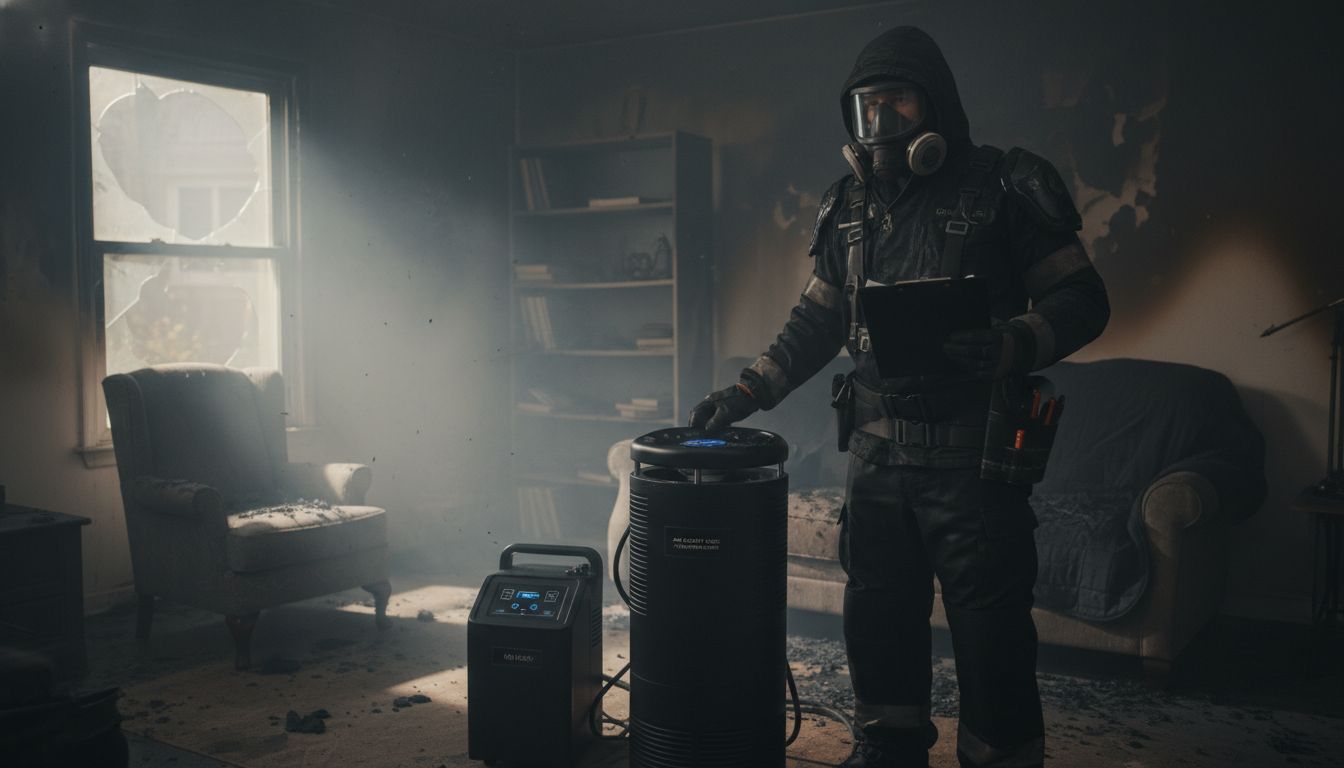
Did you know that lingering smoke odors after a fire can contain over 7,000 different chemicals according to the EPA? These stubborn smells are not just unpleasant, they may also affect indoor air quality and pose health risks for everyone at home. Understanding how fire and smoke odor removal works protects your space from hidden contaminants while making your property safe and comfortable again.
Table of Contents
- What Is Fire and Smoke Odor Removal?
- Types of Fire and Smoke Odors
- How Odor Removal Processes Work
- Key Technologies and Equipment Used
- Risks, Costs, and Insurance Considerations
- Common Mistakes and Prevention Tips
Key Takeaways
| Point | Details |
|---|---|
| Comprehensive Process | Fire and smoke odor removal involves multi-step procedures including air filtration, deep cleaning, and neutralization of contaminants. |
| Types of Smoke Odors | Recognizing the different types of smoke odors (protein, natural, synthetic) is essential for effective removal strategies. |
| Health and Financial Risks | Smoke exposure poses significant health risks and potential repair costs, making professional intervention critical for property owners. |
| Preventative Measures | Quick response, proper ventilation, and avoidance of DIY methods are key to minimizing long-term damage and ensuring effective restoration. |
What Is Fire and Smoke Odor Removal?
Fire and smoke odor removal is a specialized restoration process designed to eliminate toxic residues and persistent odors caused by fire damage. According to the EPA, this critical procedure involves mitigating smoke-related pollutants to restore indoor air quality and ensure a safe living environment.
The process encompasses multiple comprehensive steps targeting different contamination sources. As research from the EPA Indoor Air Quality Guidelines indicates, effective odor removal requires identifying smoke pollutant origins, implementing advanced air filtration systems, and executing thorough cleaning protocols.
Key components of fire and smoke odor removal include:
- Comprehensive surface cleaning
- HEPA air filtration
- Ozone or thermal fogging treatments
- Specialized cleaning agents targeting smoke molecules
- Neutralizing chemical compounds embedded in porous materials
Professional restoration experts use advanced techniques to address not just surface odors, but deep-penetrating smoke residues that can persist long after visible fire damage. Our comprehensive guide on smoke odors provides additional insights into this intricate restoration process.
Types of Fire and Smoke Odors
Fire and smoke odors represent complex chemical signatures that vary dramatically based on the materials burned during an incident. According to the EPA, these odors emerge from the combustion of different substances, creating unique pollutant profiles that significantly impact indoor air quality.
The primary types of smoke odors include:
Here’s a comparison of the primary smoke odor types and their characteristics:
| Odor Type | Source Material | Odor Characteristics | Cleaning Challenges |
|---|---|---|---|
| Protein Smoke | Meat, food, organics | Pungent, greasy, lingering | Penetrates surfaces Difficult to remove |
| Natural Material Smoke | Wood, paper, plants | Traditional, campfire-like | Soot deposits Some lingering odor |
| Synthetic Material Smoke | Plastics, fabrics | Sharp, chemical, toxic | Highly persistent Health risks |
- Protein Smoke Odors: Resulting from burning organic materials like meat or food, characterized by a pungent, greasy residue
- Natural Material Smoke Odors: Generated from wood, paper, and plant-based substances, producing a more traditional campfire-like smell
- Synthetic Material Smoke Odors: Created by burning plastics, fabrics, and manufactured items, emitting toxic and extremely persistent chemical odors
Research from EPA Indoor Air Quality Guidelines highlights that each smoke type contains distinct volatile organic compounds and particulate matter. These compounds can penetrate porous surfaces, making odor removal a complex restoration challenge.
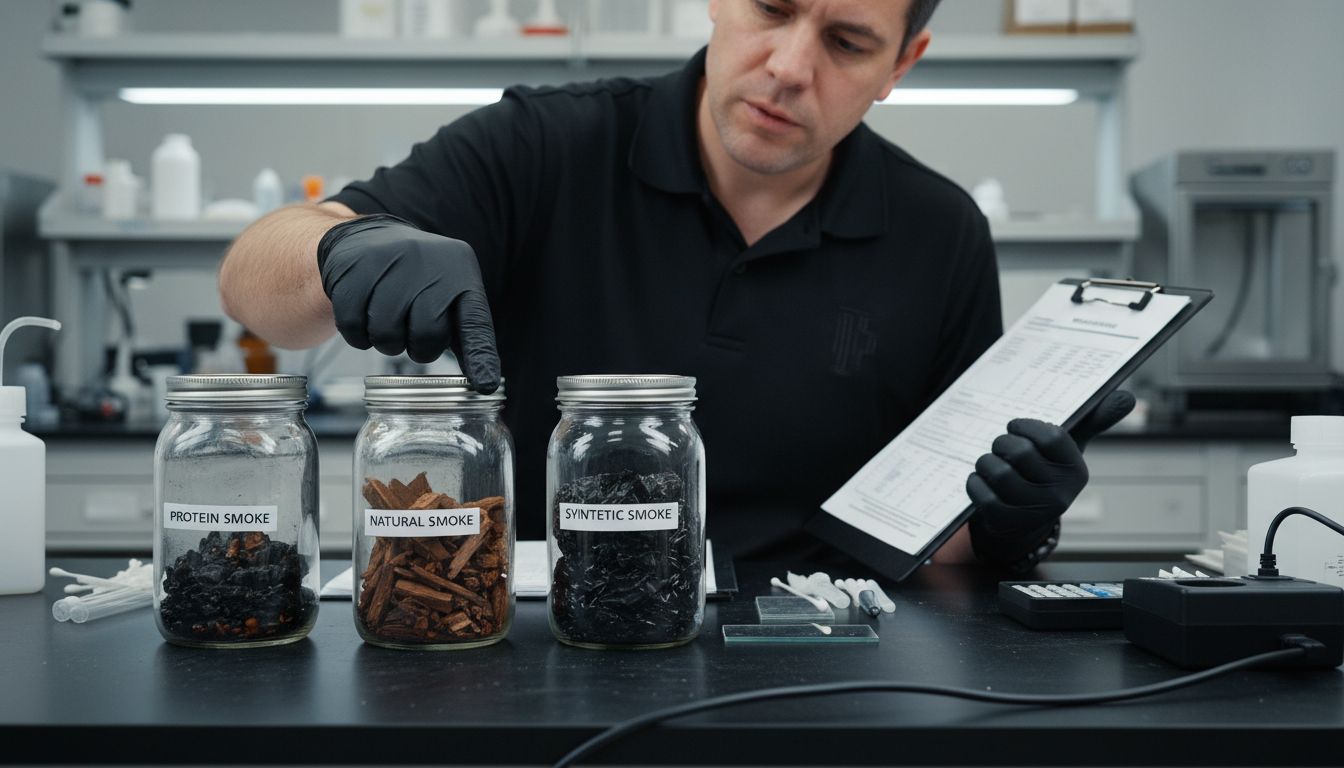
Professional restoration experts recognize that understanding the specific type of smoke odor is crucial for developing targeted removal strategies. Learn more about smoke odor removal techniques to effectively address these challenging contamination scenarios.
How Odor Removal Processes Work
Odor removal is a sophisticated multi-step process that goes beyond simple surface cleaning. According to the EPA, effective odor elimination requires a comprehensive approach involving air filtration, targeted cleaning, and strategic ventilation techniques to completely neutralize smoke particles and associated chemical residues.
The primary stages of professional odor removal typically include:
- Source Identification: Locating and assessing all smoke-contaminated areas
- Containment: Preventing odor spread to unaffected areas
- Air Filtration: Using advanced HEPA and activated carbon filters
- Deep Cleaning: Treating surfaces with specialized chemical solutions
- Neutralization: Applying oxidation or enzymatic treatments
Research from EPA Indoor Air Quality Guidelines emphasizes that successful odor removal demands more than surface treatment. Professionals must address microscopic particulates that penetrate porous materials, using advanced technologies that break down odor-causing molecules at their chemical structure.
Understanding how bad odors are controlled can help property owners appreciate the complexity of restoration processes. Each step requires precision, specialized equipment, and expert knowledge to ensure complete smoke odor elimination.
Key Technologies and Equipment Used
Smoke odor removal relies on a sophisticated array of advanced technologies and specialized equipment designed to comprehensively address complex contamination challenges. According to research from the EPA’s Air Sensor Toolbox, modern restoration professionals utilize cutting-edge devices that go far beyond traditional cleaning methods.
The primary technologies employed in smoke odor removal include:
- HEPA Air Purification Systems: Capturing microscopic smoke particles
- Thermal Fogging Equipment: Penetrating deep into porous surfaces
- Ozone Generators: Neutralizing odor-causing molecular structures
- Hydroxyl Radical Generators: Breaking down chemical compounds
- Advanced Negative Air Machines: Controlling and filtering contaminated air
Research from EPA Indoor Air Quality Guidelines emphasizes that effective odor removal requires precision instruments capable of detecting and eliminating submicron particles. Professional-grade equipment can identify and neutralize smoke contamination at a molecular level, ensuring comprehensive restoration.
Understanding how bad odors are controlled reveals the intricate science behind smoke odor elimination. Each technological solution represents a targeted approach to restoring indoor environments to their pre-damage condition.
Risks, Costs, and Insurance Considerations
Smoke damage presents complex health and financial challenges that extend far beyond initial property restoration. According to EPA research, exposure to smoke particles can create significant long-term risks, making comprehensive assessment and professional intervention critical for property owners.
Key financial and health considerations include:
- Health Risks: Potential respiratory issues and long-term lung damage
- Property Damage: Potential structural deterioration from smoke residues
- Cleanup Costs: Ranging from $2,000 to $15,000 depending on damage extent
- Insurance Complexities: Varying coverage levels for smoke-related damages
- Potential Hidden Expenses: Long-term medical treatments and repeated restoration attempts
Research from EPA Indoor Air Quality Guidelines emphasizes the importance of understanding insurance policies and potential health implications. Property owners must carefully document damage, understand their policy’s specific provisions, and work closely with restoration professionals to mitigate potential financial and health risks.
Understanding how bad odors are controlled reveals that proactive documentation and professional assessment can significantly impact insurance claims and restoration outcomes. Early intervention and comprehensive reporting are key to managing both health and financial risks associated with smoke damage.
Common Mistakes and Prevention Tips
Smoke odor mitigation requires strategic planning and proactive approaches to prevent long-lasting damage and health risks. According to EPA research, many property owners unknowingly make critical errors that can significantly compromise their restoration efforts and indoor air quality.
Common mistakes that property owners frequently make include:
- Delayed Response: Waiting too long to address smoke contamination
- Inadequate Ventilation: Failing to properly filter and circulate air
- Surface Cleaning: Using improper cleaning techniques that spread contaminants
- Ignoring Hidden Spaces: Overlooking areas like HVAC systems and wall cavities
- DIY Restoration: Attempting complex odor removal without professional expertise
Research from EPA Indoor Air Quality Guidelines emphasizes the importance of creating strategic prevention strategies. Homeowners should immediately seal potential smoke entry points, use high-efficiency air purifiers, and avoid activities that can introduce additional indoor pollutants during and after smoke events.
Understanding how bad odors are controlled reveals that professional intervention is often the most effective approach. Quick, methodical action and expert assessment can prevent minor smoke damage from escalating into extensive, costly restoration projects.
Restore Your Home with Expert Fire and Smoke Odor Removal
Experiencing the lingering smell of smoke after a fire can be overwhelming and stressful. The stubborn odors from protein, natural, or synthetic smoke not only damage your property but also pose serious health risks. If you want to protect your family and belongings while eliminating these invisible threats quickly and effectively, professional help is essential. At PuroClean of Northeast Sacramento, we specialize in comprehensive fire and smoke odor removal that goes beyond surface cleaning to target deep-seated residues with cutting-edge technology and proven restoration methods.
Don’t wait until smoke damage affects your health and comfort. Our certified experts are available 24/7 to respond immediately, using advanced equipment like HEPA filtration, thermal fogging, and ozone treatments to eliminate odors at the source. Discover how our detailed restoration process can renew your indoor air quality and protect your home. Learn more about our approach to smoke odor removal and why acting now reduces long-term costs and health complications. Contact us today to schedule a fast, professional assessment and begin your path to a fresh, safe environment.
Frequently Asked Questions
What is fire and smoke odor removal?
Fire and smoke odor removal is a specialized restoration process aimed at eliminating toxic residues and persistent odors caused by fire damage. It involves comprehensive steps, including cleaning, air filtration, and specialized treatments to restore indoor air quality.
What are the types of fire and smoke odors?
Fire and smoke odors can be categorized into three main types: protein smoke odors (from burning organic materials), natural material smoke odors (from wood and paper), and synthetic material smoke odors (from plastics and fabrics). Each type has distinct characteristics and cleaning challenges.
How does the odor removal process work?
The odor removal process involves multiple steps, including identifying the source of contamination, containing affected areas, using advanced air filtration systems, deep cleaning surfaces, and neutralizing odors through specialized treatments.
What technologies are used in fire and smoke odor removal?
Key technologies used in smoke odor removal include HEPA air purification systems, thermal fogging equipment, ozone generators, hydroxyl radical generators, and advanced negative air machines. These tools help effectively capture and neutralize smoke particles for thorough restoration.
Recommended
How to Remove Smoke Odors: After a Home Fire – PuroClean of Northeast Sacramento
Smoke Odor Removal – PuroClean of Northeast Sacramento
The Cigarette Smoke Removal Process – PuroClean of Alexandria
 PuroClean of Northeast Sacramento