Fire & Flood Restoration: A Homeowner’s Recovery Guide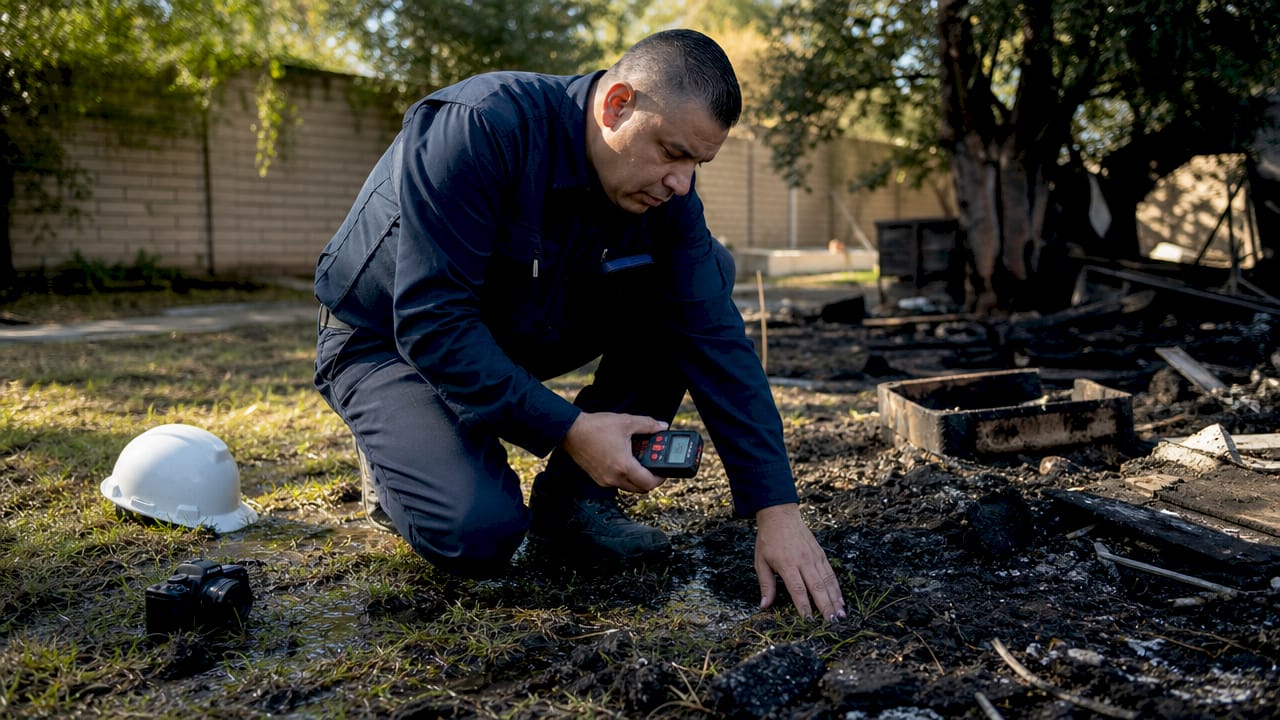
TL;DR:
Fast emergency response limits damage and reduces restoration costs after fire or flood events. Proper cleaning sequences and thorough documentation ensure effective repairs and smooth insurance claims. Hidden damages like mold, HVAC contamination, and structural deterioration require professional inspection and timely action.
Fire and flood restoration is the coordinated professional process of stabilizing, cleaning, deodorizing, and rebuilding a property after fire or water damage, including full documentation for insurance claims. The industry term for this work is property damage restoration, governed by standards like ANSI/IICRC S700 for fire and smoke remediation. Acting fast is not optional. Mold can begin forming within 24 hours of water intrusion, and smoke residue permanently bonds to surfaces if left untreated. Whether you are a homeowner in Northeast Sacramento or a property manager in Rancho Cordova, knowing what to expect from the restoration process protects both your property and your insurance claim.
What are the key steps in the fire & flood restoration process?
Professional restoration follows a defined sequence. Skipping steps or rushing the order causes permanent damage. Here is what a certified team does from the moment they arrive.
Emergency stabilization. The first priority is stopping further damage. For fire events, this means boarding up windows and doors and tarping the roof to prevent weather intrusion. Boarding up and HEPA-grade air purification help contain hazardous smoke and soot immediately. For flood events, industrial pumps extract standing water before any other work begins.
Dry residue removal. Soot and smoke residue require a specific cleaning order. Dry cleaning methods like HEPA vacuuming and dry sponges must be completed before any wet cleaning. Applying water or liquid cleaners to soot-covered surfaces first embeds the residue permanently into porous materials like drywall and wood.
Wet chemical cleaning. Once dry residue is removed, technicians apply chemical agents matched to the residue type. Protein-based smoke from kitchen fires requires different chemistry than synthetic smoke from burning plastics. Per ANSI/IICRC S700, success is verified when residues and odors are undetectable, not just when the contractor considers the job done.
Odor remediation. Thermal fogging and hydroxyl generator treatments neutralize odor molecules embedded in walls, flooring, and furnishings. These are not masking agents. They chemically alter the odor compounds at the molecular level.
Structural drying and mold prevention. Industrial air movers and dehumidifiers run continuously until moisture readings return to baseline. Technicians use moisture meters to track progress inside wall cavities, not just on surfaces.
Reconstruction. Damaged drywall, flooring, cabinetry, and structural framing are replaced. This phase can range from cosmetic repairs to full structural rebuilds, depending on the extent of the damage.
Pro Tip: Ask your restoration contractor to show you the moisture meter readings before and after drying. This data becomes part of your insurance file and proves the drying was completed to standard.
How does timely emergency response impact restoration outcomes?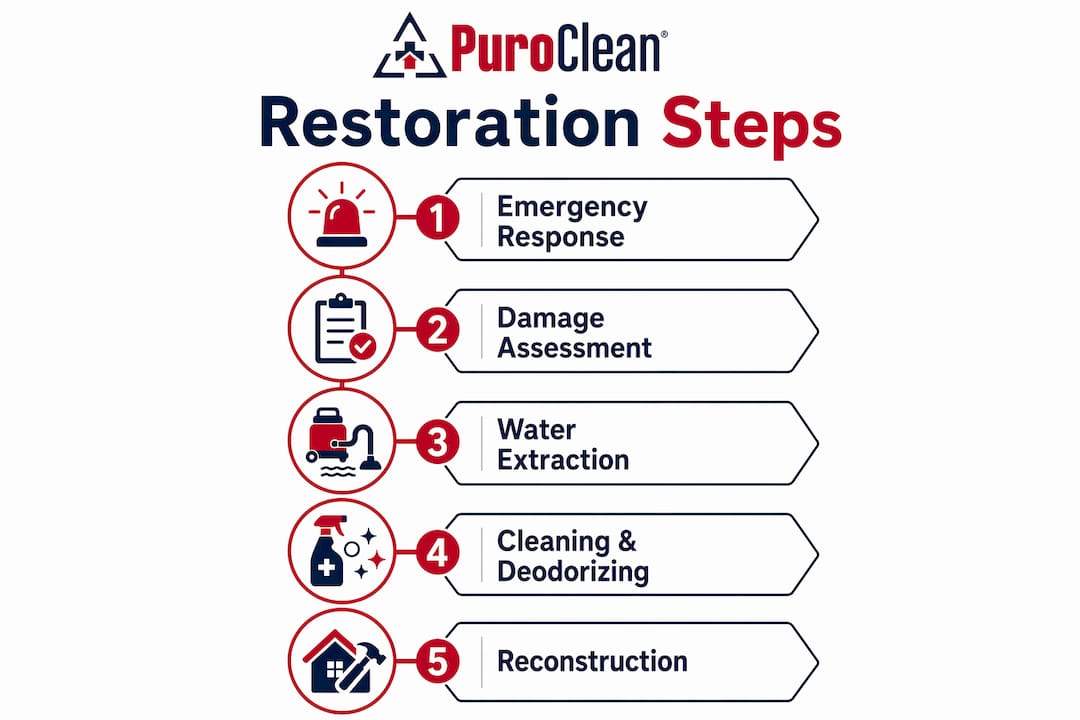
Speed is the single biggest variable in how much a fire or flood event costs you. Professional restoration teams target on-site arrival within 45–60 minutes to limit damage spread and reduce total restoration costs. Every hour of delay allows water to migrate further into building materials and smoke residue to bond more deeply to surfaces.
The consequences of a slow response compound quickly:
Mold colonization begins within 24 hours on wet drywall, insulation, and wood framing.
Smoke odor becomes significantly harder to neutralize after 48 hours as residue cures into surfaces.
Structural materials like hardwood floors and engineered wood begin to warp and buckle within hours of water contact.
Secondary contamination from sewage-tainted floodwater spreads to previously unaffected areas if extraction is delayed.
Before the professional team arrives, you can take steps that matter. Turn off the water supply if flooding is active. Open windows if it is safe to do so after a fire, to reduce smoke concentration. Do not run your HVAC system, since it will pull smoke particles and mold spores through the entire duct network.
Pro Tip: Take a short video walkthrough of every affected room before touching anything. This 60-second step protects your insurance claim and gives the restoration team a baseline record of conditions on arrival.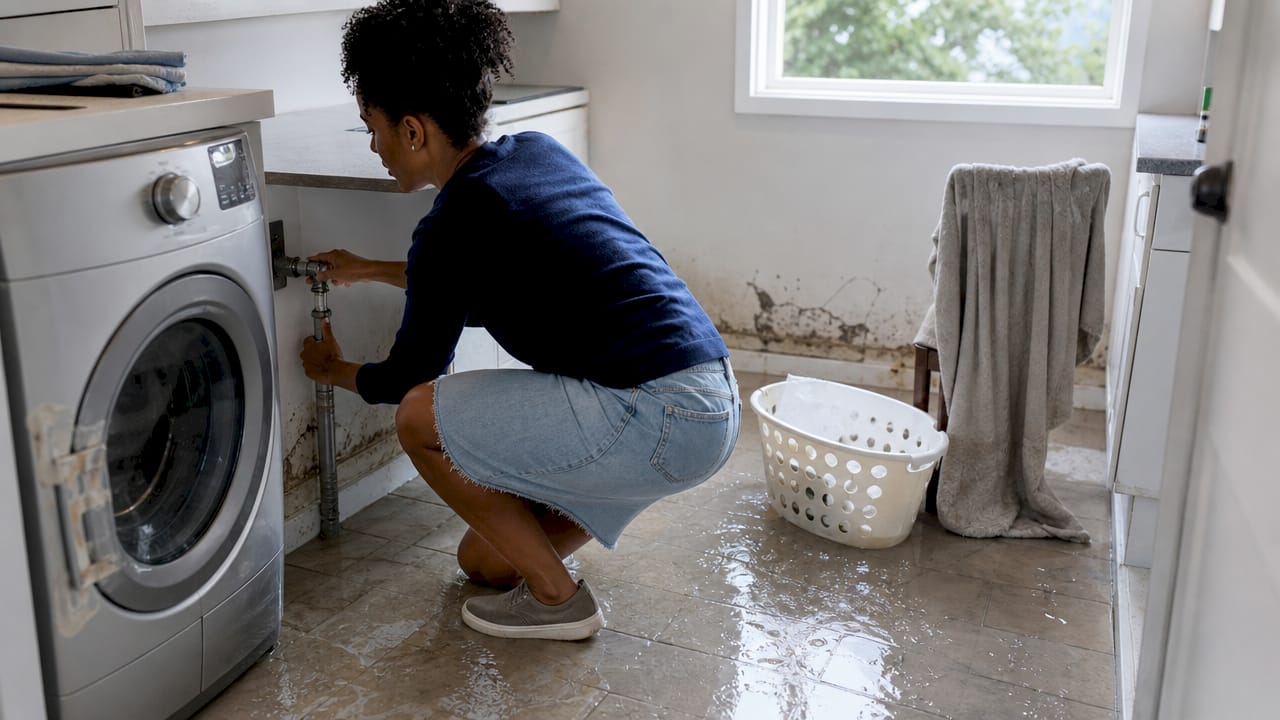
Puroclean operates 24/7 for exactly this reason. Restoration outcomes in the greater Sacramento area, including Folsom and Citrus Heights, depend on how quickly a certified team can begin extraction and stabilization.
What hidden damages can occur after fire and flood?
The damage you can see is rarely the full picture. Hidden smoke and water damage cause the most costly long-term issues and must be addressed by certified professionals, not discovered months later during a renovation.
The four most common hidden damage scenarios are:
HVAC contamination. Smoke damage routinely penetrates HVAC systems, distributing soot and odor compounds through every room in the building. NADCA-qualified duct cleaning specialists are required to remediate this properly. Running the system before cleaning spreads contamination further.
Water trapped behind walls. Floodwater and firefighting water both saturate wall cavities. The exterior surface dries first, trapping moisture inside. Mold colonies establish themselves in these cavities within days, often going undetected until visible staining or odor appears weeks later.
Insulation saturation. Fiberglass and cellulose insulation absorb and hold water long after surrounding materials appear dry. Saturated insulation loses its thermal value and becomes a mold substrate.
Subfloor damage. Water migrates under flooring materials and saturates the subfloor. The finished floor surface may look intact while the structural layer beneath is actively deteriorating.
Hidden damage type
Detection method
Risk if missed
HVAC soot contamination
Visual inspection plus air sampling
Ongoing respiratory exposure
Water in wall cavities
Moisture meters and borescope cameras
Mold growth within days
Saturated insulation
Moisture meters and thermal imaging
Mold and structural decay
Subfloor water damage
Moisture meters and floor removal
Structural failure over time
Exploratory demolition is often necessary to locate hidden damage behind walls. This changes the restoration plan and the cost estimate. Expect the scope of work to shift during the first 48 hours as technicians open walls and inspect cavities. That adjustment is a sign of thorough work, not poor planning.
You can find a detailed breakdown of what restoration teams inspect in Puroclean’s fire damage cleanup guide for Northeast Sacramento property owners.
How to handle insurance claims effectively during restoration
Insurance claims fail most often because of documentation errors made in the first hours after a disaster. Getting this right is as important as the physical restoration work itself.
Document everything before cleanup begins. High-resolution photos and video of all damaged rooms and contents are the foundation of a successful claim. Capture every angle of every affected space, including ceilings, floors, and the contents of closets and cabinets.
Do not discard damaged items. Insurance adjusters need to assess the actual damaged property. Throwing out items before the adjuster visits, even items that seem obviously destroyed, can reduce your claim payout.
Contact your insurer immediately. Most policies require prompt notification. Delays in reporting can complicate or void coverage. Get a claim number and the adjuster’s contact information on the first call.
Coordinate your restoration contractor with the adjuster. A certified restoration team produces written scope-of-work documents, moisture logs, and photo records that align with how adjusters evaluate claims. This alignment reduces disputes and speeds up approval.
Track all additional living expenses. If you cannot stay in the property during restoration, most homeowner policies cover hotel and meal costs. Keep every receipt.
Pro Tip: Ask your restoration contractor if they have experience working directly with insurance adjusters. Teams that regularly coordinate with insurers produce documentation in the format adjusters expect, which reduces back-and-forth and speeds up your payout.
Effective fire damage response steps from Puroclean include guidance on documentation and adjuster coordination specific to Sacramento-area homeowners.
Key takeaways
Fire and flood restoration requires certified professionals, immediate action, and thorough documentation to protect both the property and the insurance claim.
Point
Details
Act within the first hour
Mold begins within 24 hours; rapid extraction and stabilization reduce total restoration costs.
Follow the correct cleaning order
Dry residue removal must precede wet cleaning to prevent soot from bonding permanently to surfaces.
Inspect for hidden damage
Moisture meters, borescopes, and exploratory demolition reveal damage that visual inspection misses.
Document before touching anything
Photo and video records of all damage taken before cleanup begins are the foundation of a successful insurance claim.
Use ANSI/IICRC S700 certified teams
Restoration success is verified by undetectable residues and odors, not contractor self-assessment.
What I have learned from watching restoration go wrong
After years of watching property owners navigate fire and flood events, the pattern that causes the most avoidable damage is always the same: people wait, then they clean the wrong way, then they call a professional to fix what they made worse.
DIY cleanup after a fire is not just ineffective. It is often destructive. Wiping soot with a wet cloth before dry cleaning is done embeds the residue into the surface permanently. Running a box fan to dry out a flooded room without first extracting standing water just spreads contaminated moisture further into the building. These are not edge cases. They are the most common mistakes I see, and they turn manageable damage into full gut-and-rebuild situations.
The other thing worth saying plainly: the first cost estimate you receive after a fire or flood is almost never the final number. Restoration scope is fluid in the first 48 hours, and adjustments after exploratory work are normal and expected. A contractor who gives you a firm fixed price before opening any walls is either guessing or cutting corners. The right team tells you what they find as they find it, and they document every change for your insurer.
The homeowners and property managers who come through these events with the least financial damage are the ones who call a certified team immediately, stay out of the way during the first 24 hours, and keep every piece of documentation their contractor produces. That is not complicated advice. It is just hard to follow when you are standing in a damaged home. Having a plan before disaster strikes makes it possible.
For Sacramento-area property owners, the Google Maps listing for Puroclean is a fast way to confirm location and contact details when you need help quickly.
— Visual
Puroclean is ready when disaster strikes
When fire or flood damage hits your property, the clock starts immediately. Puroclean of Northeast Sacramento provides 24/7 emergency restoration with certified technicians who respond fast, document thoroughly, and coordinate directly with your insurance adjuster.
Puroclean’s teams serve Northeast Sacramento, Folsom, Rancho Cordova, and Citrus Heights with the equipment and certifications to handle both fire and flood events from first call to final rebuild. Every job includes moisture logging, photo documentation, and scope-of-work reports built to support your claim. If you are dealing with fire or water damage right now, contact Puroclean directly for an immediate response. You can also review fire restoration work completed by the local team to understand the scope of what certified restoration looks like.
FAQ
What does fire and flood restoration include?
Fire and flood restoration covers emergency stabilization, water extraction, soot and residue cleaning, odor removal, structural drying, and reconstruction. It also includes documentation for insurance claims per ANSI/IICRC S700 standards.
How long does the restoration process take?
Fire damage restoration can take days to months depending on the extent of smoke migration, residue types, and reconstruction scope. Flood restoration timelines depend on how quickly water is extracted and how much hidden moisture remains.
Can I stay in my home during restoration?
It depends on the damage level and the materials involved. Smoke particles and mold spores pose respiratory risks, and HEPA air purification equipment runs continuously during remediation. Your restoration team and insurer will advise on whether temporary relocation is necessary.
Why should I avoid cleaning up myself before professionals arrive?
Premature or improper cleaning can permanently embed soot into surfaces and destroy evidence needed for your insurance claim. Dry cleaning methods must precede wet cleaning, and the sequence requires professional training and equipment to execute correctly.
How do I find a qualified restoration contractor?
Look for contractors certified under ANSI/IICRC S700 for fire and smoke restoration and IICRC S500 for water damage. Certification means the team follows verified standards, not just their own judgment, for cleaning, drying, and documentation.
Recommended
Role of Restoration After Fire: Complete Guide – PuroClean of Northeast Sacramento
Flood Restoration Explained: Complete Property Recovery – PuroClean of Northeast Sacramento
Flood Damage Explained: Complete Restoration Guide – PuroClean of Northeast Sacramento
Effective Fire Damage Response Steps for Safe Recovery – PuroClean of Northeast Sacramento