


Fire Restoration Damage: Complete 2026 Guide for Property Owners
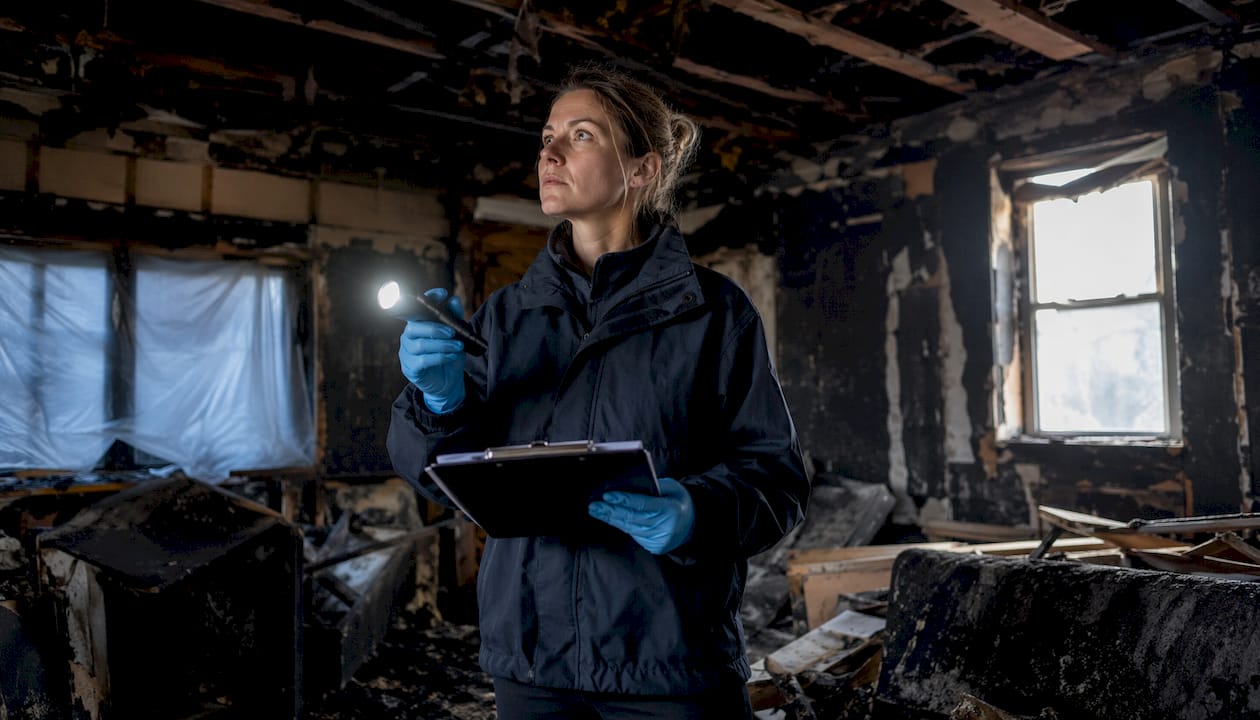
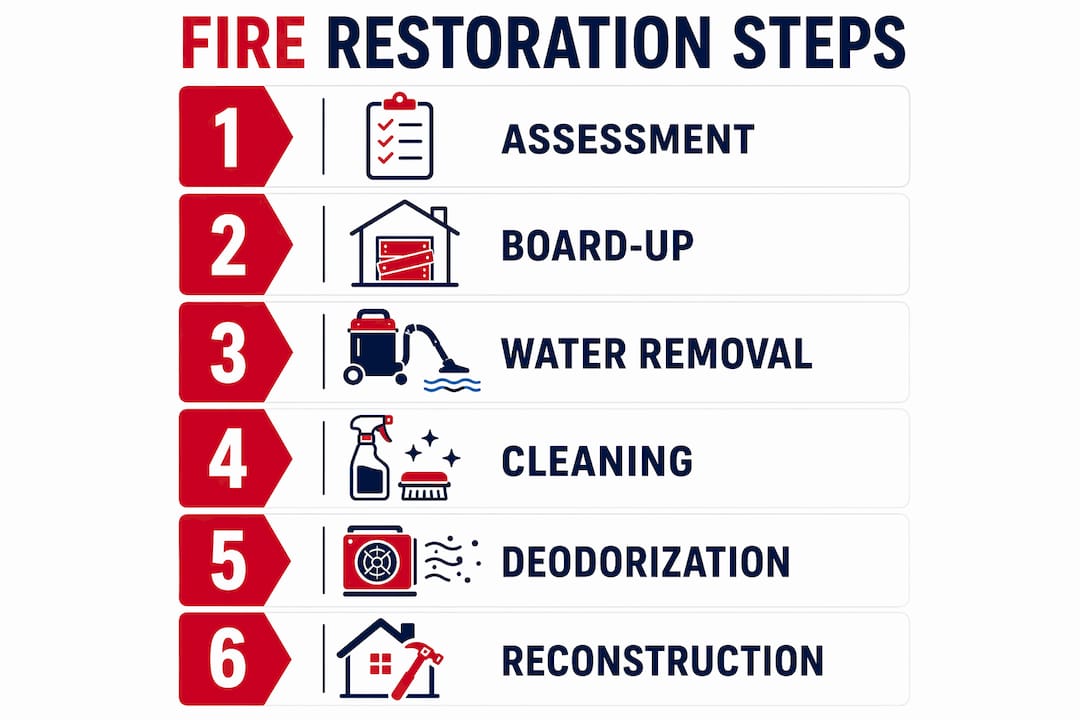
Fire restoration damage is the professional, multi-phase process of recovering a property after a fire by addressing fire, smoke, soot, and water damage through systematic cleaning, drying, decontamination, and reconstruction. The ANSI/IICRC S700 standard organizes this work into six defined phases, and skipping or rushing any one of them typically creates problems that cost more to fix later than the phase itself would have.
The six phases are:
- Emergency response and property security (board-up, tarping, utility shutoff)
- Formal damage assessment and scope documentation (insurance deliverables, structural evaluation)
- Water removal and structural drying (governed by IICRC S500 protocols)
- Cleaning and decontamination (residue-type-matched chemistry)
- Odor management (thermal fogging, ozone, hydroxyl generators)
- Reconstruction (code-compliant repairs and finish work)
Every phase has defined handoff criteria. The next phase cannot start until the previous one is complete and documented. That sequencing is what separates a certified restoration firm from a general contractor who “does cleanup.”
What does the fire damage restoration process actually involve?
Fire damage remediation is more technical than most homeowners expect. The visible char and soot are only part of what needs to be addressed. Firefighting water, smoke migration through HVAC systems, and toxic combustion byproducts all create separate damage categories that require different tools and protocols.
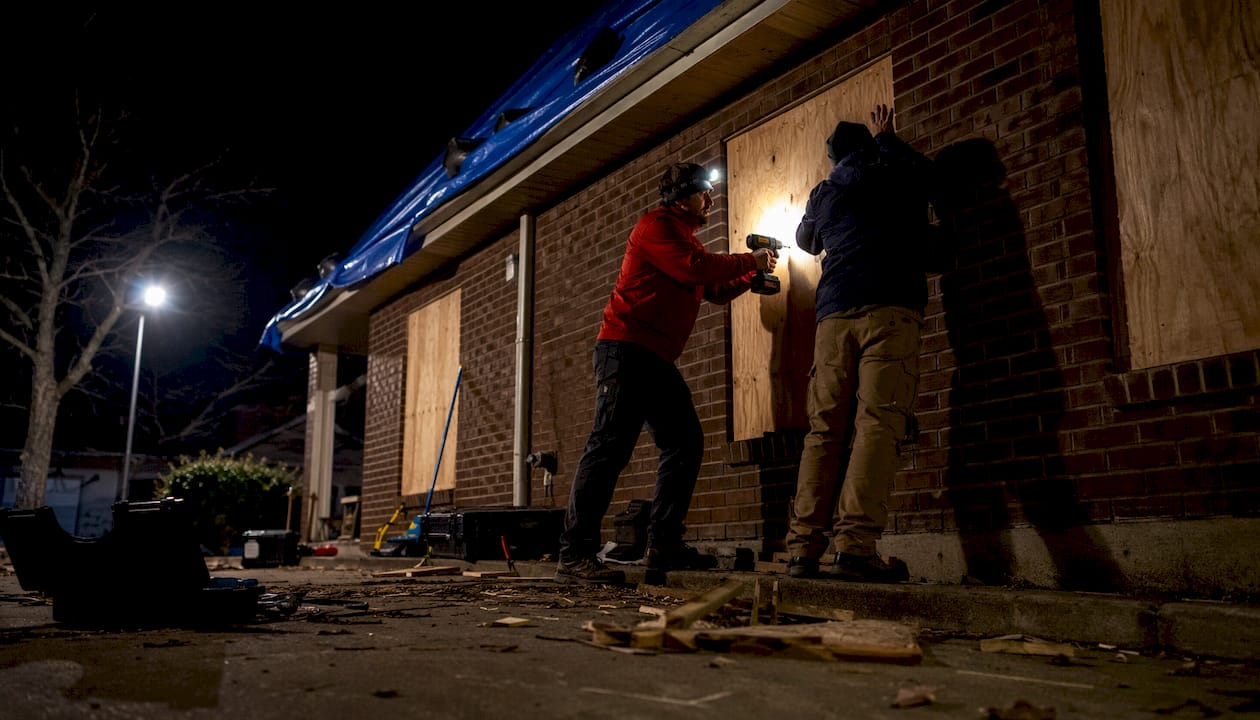
Emergency stabilization comes first. Crews board up windows and doors, tarp compromised roof sections, and coordinate utility lockout with the fire department. This work typically happens within the first 24 hours and sets the conditions for everything that follows.
Damage assessment follows stabilization. A certified inspector walks every affected zone, classifies residue types, identifies structural hazards, and produces a scope-of-loss document. That document is what your insurance adjuster uses to price the job. Firms following the S700 framework classify fire jobs by severity level, which directly shapes the cleaning approach and reconstruction scope.
Water removal and drying often surprises property owners. Firefighting hoses deliver water at rates that saturate structural assemblies in minutes, and secondary water damage can exceed the direct fire damage in affected areas. Extraction, commercial dehumidification, and psychrometric monitoring continue until materials reach the equilibrium moisture content targets set by IICRC S500 for the local climate. Rushing this phase traps moisture in wall cavities and creates mold risk weeks later.
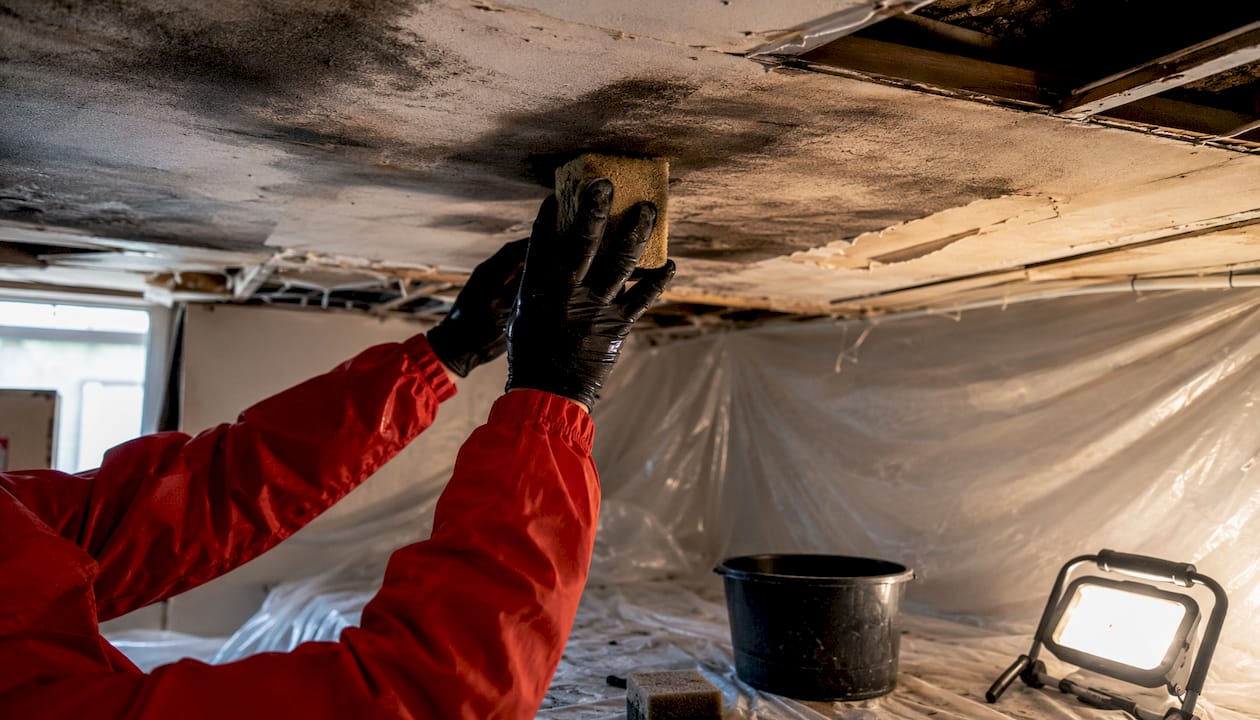
Cleaning and decontamination is where residue classification becomes critical. Dry smoke, wet smoke, protein residue, and fuel-oil soot each require different chemistry and a different sequence. The S700 protocol is explicit: classify first, dry-clean second, wet-clean third, deodorize last. Applying wet chemistry to dry, powdery soot before vacuuming it spreads the residue and embeds it permanently into porous materials.
Deodorization addresses combustion byproducts that penetrate drywall, insulation, and soft furnishings. A single application rarely clears the odor completely. Professionals layer methods: HEPA air scrubbing for particulate, thermal fogging for porous-substrate penetration, and ozone or hydroxyl treatment for residual VOC oxidation.
Reconstruction closes the project. Replacement of structural elements, finishes, and systems follows the applicable edition of the International Residential Code (IRC) or International Building Code (IBC), enforced at the local jurisdiction level. Permitted work means inspected work, and inspected work protects your property value and insurance coverage.
Pro Tip: Ask your restoration firm for the residue classification log from day one. If they cannot produce it, they are guessing at chemistry, and that guess can turn a salvageable surface into a total loss.
Why emergency board-up and tarping cannot wait
The window between fire suppression and property securing is short. Weather, unauthorized entry, and continued moisture intrusion can all worsen a property that was already damaged. Emergency stabilization within 24 hours is the standard because every hour of delay expands the scope of loss.
Board-up and tarping serve three distinct functions:
- Weather exclusion: Broken windows and compromised roofing let rain and wind into areas that were not directly burned, creating new water damage on top of existing suppression water.
- Security: Fire-damaged properties attract theft and vandalism. Plywood boarding over openings removes the easy-access problem.
- Safe working perimeter: Crews cannot safely begin assessment or cleaning in a structure that has not been stabilized. Utility lockout, coordinated with the fire department, is part of this phase.
Materials used include fire-rated plywood for structural openings, heavy-duty polyethylene tarps for roofing, and temporary fencing for larger commercial sites. The goal is not cosmetic. It is to stop the damage clock while the formal assessment gets underway.
How professionals remove smoke, soot, and odor
Smoke is the most pervasive form of fire damage because it travels through HVAC ducts, wall cavities, and any gap it can find, depositing acidic residue on every surface it contacts. The four primary residue types each require a different cleaning approach:
- Dry smoke (fast-burning, high-heat fires involving paper and wood): powdery and relatively easy to remove with dry sponges and HEPA vacuuming before any wet chemistry is applied.
- Wet smoke (slow-burning, low-heat fires involving plastics and rubber): sticky, pungent, and penetrating; requires alkaline or solvent-based chemistry with extended contact time.
- Protein residue (kitchen fires involving organic matter): nearly invisible but highly odorous; bonds to surfaces and requires enzymatic or alkaline cleaners formulated for protein breakdown.
- Fuel-oil soot (puffback events from oil-burning HVAC systems): oily and capable of migrating through an entire duct system in a single incident; addressed with solvent cleaning followed by encapsulation.
HVAC cleaning is not optional. Contaminated ducts recirculate smoke odor indefinitely after all other surfaces have been cleaned. NADCA standards govern duct decontamination, and the cost typically runs $250–$500 for residential systems.
Deodorization methods are matched to the structure’s occupancy status and the depth of odor penetration:
- Thermal fogging penetrates porous materials by generating a fog that mimics smoke behavior, reaching the same surfaces the odor molecules reached. Cost runs $200–$600 per session.
- Ozone treatment oxidizes odor compounds at the molecular level but requires complete evacuation. OSHA sets the permissible exposure limit at 0.1 ppm, so the structure must be unoccupied during treatment. Cost typically runs $400–$800.
- Hydroxyl generators are safe for occupied spaces and work without evacuation, but they require longer run times to achieve the same result as ozone.
Layering these methods produces better results than relying on any single one. Smoke odor removal is a multi-stage process, not a single application event.
What fire restoration timelines and costs actually look like
Cost and timeline vary more than most guides admit, because “fire damage” bundles several distinct scopes: smoke cleanup, water mitigation, contents handling, and reconstruction. The mix changes dramatically based on how far the fire spread.
Timelines by severity:
- Minor smoke and soot cleanup: a few days to two weeks
- Moderate damage with room-level fire involvement and water mitigation: 2–6 weeks
- Major structural fires requiring full reconstruction: 3–6 months or longer, depending on permitting timelines and material availability
Costs by severity:
Fire damage restoration costs range from $3,098 to $51,243 for most projects, with a national average around $27,091. Labor accounts for 50–70% of the total. Per-square-foot pricing runs $4–$7 for the restoration scope, with structural reconstruction adding significantly more.
| Service | Typical cost range |
|---|---|
| Smoke damage (per room) | $200–$600 |
| Soot removal | $400–$800 |
| Water damage remediation | — |
| Thermal fogging | $200–$600 |
| Ozone treatment | $400–$800 |
| HVAC duct cleaning | $250–$500 |
One cost driver that catches property owners off guard: delayed response. Waiting even 24–48 hours after suppression allows soot to begin etching glass surfaces and protein residue to polymerize and bond to walls. Delays can add $3,000–$15,000 to the total bill through secondary mold growth and hardened residue that requires more labor-intensive cleaning.
Homeowner’s insurance (HO-3 policies) typically covers fire and smoke damage to the structure, contents, and additional living expenses while the home is uninhabitable. The deductible, the gap between actual cash value and replacement cost coverage, and the scope your insurer agrees to all affect what you actually receive.
How restoration firms help you navigate the insurance claim
Documentation is where a professional restoration firm earns its keep beyond the physical cleanup. Insurance adjusters work from scope-of-loss documents, and the quality of that documentation directly affects how quickly your claim moves and how much gets approved.
A firm following S700 documentation standards delivers:
- Photographic logs of every affected room before cleaning begins, capturing residue distribution and structural damage
- Residue classification records documenting soot type by zone, which justifies the cleaning chemistry and labor hours billed
- Moisture readings and drying logs from the water mitigation phase, required by adjusters to approve structural drying costs
- Contents inventory with condition notes distinguishing salvageable items from total losses, enabling line-by-line replacement-cost claims
- A formal Restoration Work Plan (RWP) that maps every line item back to a field record
Chain-of-custody documentation for contents pack-out matters more than most property owners realize. When belongings leave the property for off-site cleaning, a documented inventory with photos and condition notes at departure protects you if anything is lost or damaged during the process.
Choose a firm with direct experience in insurance restoration protocols. Adjusters and restoration project managers who speak the same language, using tools like Xactimate for scope pricing, move claims faster and with fewer disputes.
Common mistakes that make fire damage worse
The most expensive fire restoration mistakes are not dramatic. They are quiet errors made in the first 48 hours that compound into weeks of additional work.
Misclassifying soot residue is the leading cause of permanent substrate damage. Applying a degreaser to dry, powdery soot before vacuuming it spreads the residue and drives it into porous materials. Once embedded, it cannot be cleaned out. The surface must be replaced. This is why residue classification happens in the first hour on-site and drives every subsequent decision.
DIY cleanup attempts create similar problems. Wiping soot with a wet cloth before dry-cleaning it first is a common mistake that turns a cleanable wall into a replacement job. Running the HVAC system before duct decontamination distributes smoke residue to unaffected areas of the building.
Delayed response compounds every other problem. Mold can begin colonizing water-saturated areas within 24–48 hours. Soot particles start etching glass within 72 hours of deposition. Every day without professional intervention narrows the window for salvage and widens the scope of reconstruction.
Skipping post-restoration verification leaves problems hidden. A property that looks clean may still carry odor in wall cavities, insulation, or ductwork. Final verification includes a joint walkthrough with the project manager and property owner, room-by-room odor confirmation, and surface sampling or ATP testing where needed.
Pro Tip: Before signing off on project completion, walk every room with your project manager and confirm odor clearance individually. A room that smells clean in isolation may still be pulling odor from an adjacent wall cavity or HVAC return. Do not accept a blanket sign-off.
Key Takeaways
Professional fire damage restoration follows a six-phase process governed by ANSI/IICRC S700, and the quality of residue classification in the first hour determines whether surfaces are salvageable or lost.
| Point | Details |
|---|---|
| Respond within 24–48 hours | Delays can substantially increase secondary damage costs due to mold growth and hardened soot that require more extensive cleaning. |
| Residue classification drives everything | Misidentifying soot type leads to permanent substrate damage; classify before applying any chemistry. |
| Water damage is part of every fire job | Firefighting water requires IICRC S500 drying protocols alongside S700 fire restoration work. |
| Restoration costs range widely | Most projects range from $3,098 to $51,243, with a national average around $27,091, and labor comprising 50–70% of total expenses. |
| Documentation protects your claim | S700-compliant photo logs, moisture readings, and contents inventories reduce adjuster disputes. |
Puroclean is ready when you need fire damage help fast
When fire damage hits a property in Northeast Sacramento, Folsom, Rancho Cordova, or Citrus Heights, the clock starts immediately. Puroclean of Northeast Sacramento responds 24/7 with IICRC-certified technicians trained to the S700 and S500 standards, handling everything from emergency board-up through final reconstruction under one project manager.
Puroclean’s team classifies residue on arrival, coordinates directly with your insurance adjuster, and documents every phase of the project so your claim moves without unnecessary delays. Whether the damage is a contained kitchen fire or a structural loss requiring full reconstruction, Puroclean brings the equipment, certifications, and insurance-restoration experience to get your property back to pre-loss condition.
Contact Puroclean for emergency fire and smoke restoration services, or find your nearest location on the Puroclean service map.
Recommended
- Role of Restoration After Fire: Complete Guide – PuroClean of Northeast Sacramento
- What Is Fire Restoration? Complete Guide for 2025 – PuroClean of Northeast Sacramento
- Fire Damage Cleanup Guide: Restore Property Safely and Fast – PuroClean of Northeast Sacramento
- Restoration After House Fire: Complete Step-by-Step Recovery – PuroClean of Northeast Sacramento