


Flooded basement cleanup guide 2026: prevent mold in 48 hours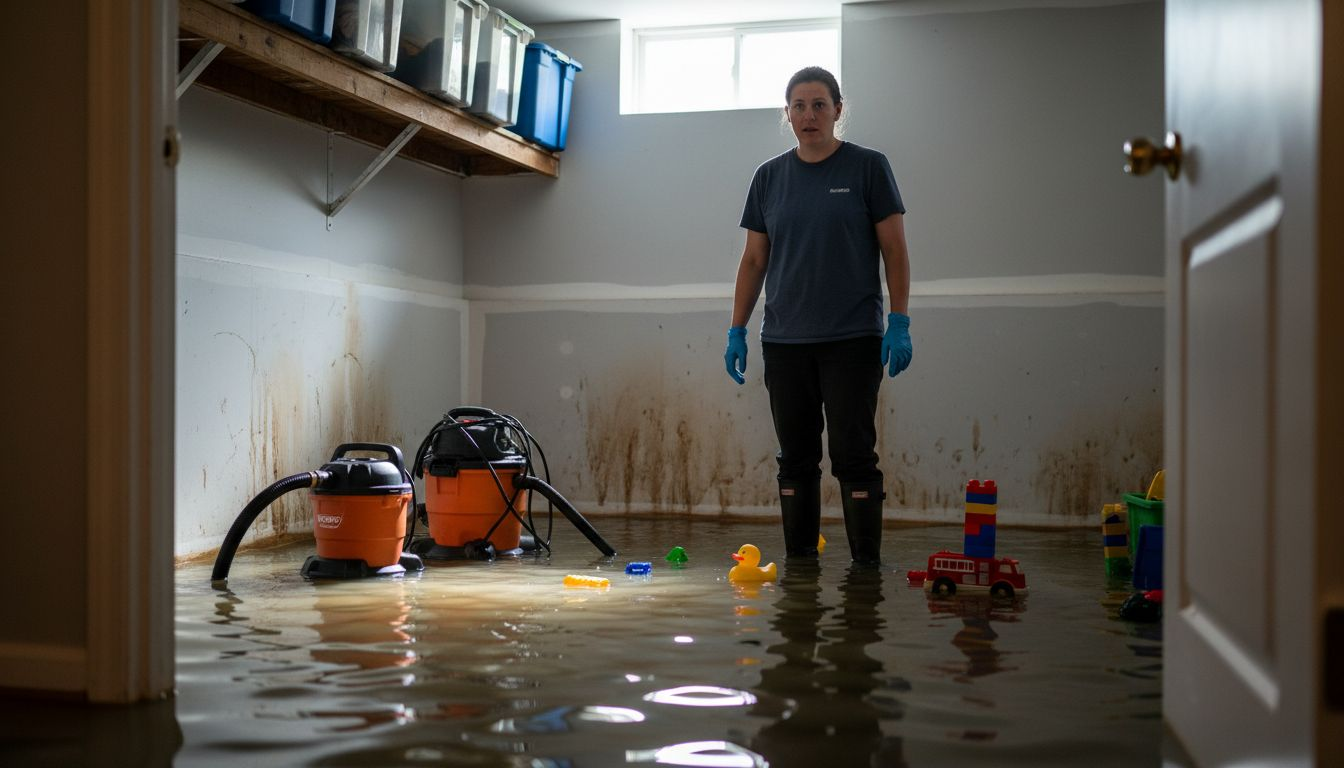
Discovering a flooded basement triggers immediate stress for any homeowner in Northeast Sacramento. Water damage escalates rapidly, with mold beginning to grow within 24 to 48 hours if moisture lingers. This guide walks you through essential cleanup steps, from water extraction to structural drying, helping you protect your home and health. You’ll learn when to call professionals and how to coordinate repairs that stop recurring floods.
Table of Contents
Prerequisites And What You Need Before Starting
Immediate Water Extraction
Structural Drying And Technology Use
Leak Detection And Repair Coordination
Safety Precautions During Cleanup
Common Mistakes And Troubleshooting
Expected Results And Timelines
Insurance Claim Guidance
Get Expert Basement Flood Cleanup And Restoration In Northeast Sacramento
Frequently Asked Questions About Flooded Basement Cleanup
Key takeaways
Point
Details
Immediate water extraction within 24 to 48 hours prevents damaging mold growth
Starting removal fast protects structural integrity and reduces restoration costs
Professional drying technology ensures thorough moisture removal
Industrial dehumidifiers and moisture meters locate hidden dampness missed by household tools
Leak detection and repairs stop recurring flooding
Identifying slab leaks or pipe failures before final restoration prevents repeat disasters
Wearing proper protective gear reduces health risks during cleanup
Gloves, boots, and masks shield you from contaminants in floodwater
Documenting damage helps speed up insurance claims
Photos and professional reports streamline reimbursement for restoration expenses
Prerequisites and what you need before starting
Before you touch any standing water, gather the right tools and protective equipment. You’ll need rubber boots, waterproof gloves, an N95 mask, and protective clothing that covers your arms and legs. For water removal, a wet/dry vacuum handles small volumes, but larger floods demand industrial-grade extractors. Bring a flashlight, extension cords rated for wet conditions, and plastic bins to salvage dry items.
Assess the flood’s severity before diving in. If water reaches above ankle height or covers large floor areas, professional extraction equipment saves hours of labor and prevents incomplete drying. Check your basement’s water source. Did a pipe burst, or is groundwater seeping through foundation cracks? Identifying the cause helps you coordinate repairs and stops future floods.
Pro Tip: Turn off electricity to your basement at the breaker box before entering flooded areas to avoid shock hazards.
Consider these essential supplies:
Rubber boots and waterproof gloves
N95 masks or respirators
Protective clothing covering arms and legs
Wet/dry vacuum or submersible pump
Flashlight and waterproof extension cords
Plastic bins for salvaging dry belongings
Camera or smartphone for damage documentation
Equipment Type
Purpose
When to Use
Wet/Dry Vacuum
Remove shallow standing water
Water depth under 2 inches
Submersible Pump
Extract deep flooding quickly
Water depth over 2 inches
Industrial Extractor
Professional-grade removal
Large volume floods
Moisture Meter
Detect hidden dampness
After visible water removal
Immediate water extraction
Start removing standing water as soon as it’s safe to enter your basement. Every hour you wait increases the risk of mold growth and structural deterioration. Homeowners who begin extraction within the first 24 hours dramatically reduce repair costs and health hazards. If you’re using a wet/dry vacuum, empty the tank frequently and work systematically from one corner across the floor.
For deeper floods exceeding several inches, a submersible pump moves water faster than household equipment. Position the pump at the lowest point and route discharge hoses outside, away from your foundation. Industrial extractors used by restoration professionals remove water trapped in carpet padding and subfloors that household tools miss. This hidden moisture breeds mold even when surface areas appear dry.
Delaying water removal beyond 48 hours invites serious consequences. Drywall wicks moisture upward, weakening structural supports. Wood framing begins to warp and rot. Mold spores colonize damp surfaces, releasing allergens that trigger respiratory issues. Acting quickly with the right equipment protects your home’s foundation and your family’s health. For comprehensive guidance on managing water emergencies, review our step-by-step restoration guide.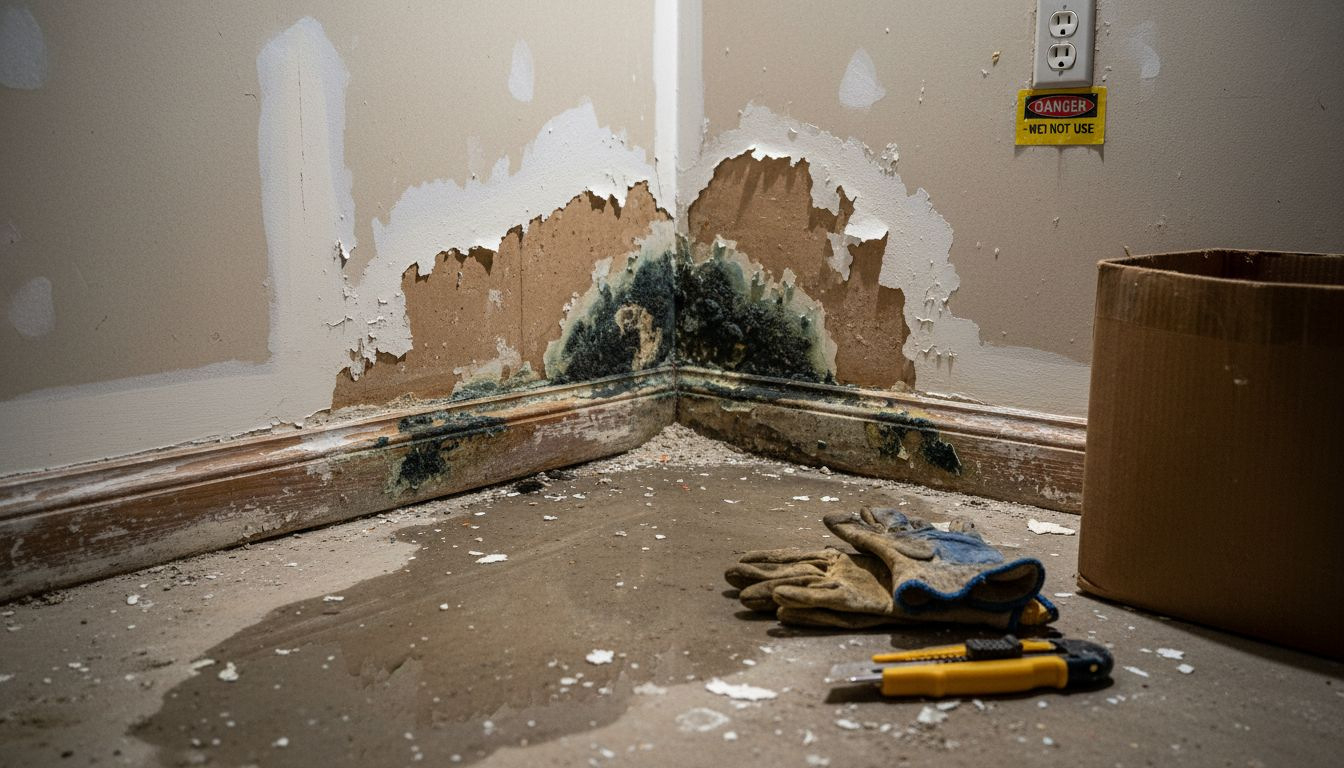
Pro Tip: Work in sections, removing water from one area completely before moving to the next to track your progress and avoid missing spots.
Key extraction steps:
Turn off power to the basement before entering
Remove standing water starting at the deepest point
Empty vacuum tanks or reposition pumps as needed
Extract water from carpets and padding thoroughly
Dispose of damaged porous materials like soaked insulation
Photograph all damage for insurance documentation
Structural drying and technology use
After extracting visible water, professional drying prevents hidden moisture from causing mold within 24 to 48 hours. Industrial dehumidifiers pull moisture from the air while high-velocity air movers circulate airflow across walls, floors, and ceilings. This combination dries structural materials faster than opening windows or running household fans. Professionals monitor humidity levels daily, adjusting equipment placement until readings return to normal ranges.
Moisture meters and infrared cameras detect dampness hidden behind walls, under flooring, and inside insulation. These tools identify problem areas invisible to the naked eye. A reading above 15% moisture content in wood framing signals continued drying is necessary. Thermal imaging reveals temperature differences that indicate trapped water, guiding targeted drying efforts.
Typical drying timelines range from three to seven days depending on flood severity, affected materials, and equipment used. Concrete foundations dry slower than drywall. Basements with poor ventilation require longer treatment. Professional restoration teams provide daily progress reports and adjust strategies based on real-time moisture readings. You’ll know drying is complete when moisture levels match pre-flood conditions and no musty odors remain. For more strategies on rapid moisture removal, explore our guide on effective water damage mitigation.
Pro Tip: Close windows during dehumidification to prevent outdoor humidity from slowing the drying process.
Professional drying process:
Set up industrial dehumidifiers throughout affected areas
Position air movers to create continuous airflow patterns
Take initial moisture readings with calibrated meters
Monitor humidity levels and adjust equipment daily
Use thermal imaging to locate hidden moisture pockets
Continue drying until readings reach normal ranges
Conduct final inspection to verify complete dryness
Drying Equipment
Function
Benefit
Industrial Dehumidifier
Removes moisture from air
Speeds overall drying time
Air Mover
Circulates air across surfaces
Evaporates surface moisture
Moisture Meter
Measures material water content
Tracks drying progress accurately
Infrared Camera
Detects hidden dampness
Reveals moisture behind walls
Leak detection and repair coordination
Identifying your flood’s water source prevents wasted cleanup effort. Look for signs of ongoing leaks like damp patches on walls, pooling water near pipes, or unusually high water bills. Slab leaks beneath your foundation cause repeated flooding if left unaddressed. Burst supply lines or faulty appliance connections also trigger basement floods. Scheduling plumbing repairs immediately after water extraction stops new water from entering during restoration.
Coordinate with licensed plumbers before final drying and reconstruction begin. Fixing leaks first ensures your investment in restoration isn’t ruined by fresh flooding. Plumbers use specialized equipment to locate hidden pipe damage without tearing apart walls unnecessarily. Once repairs finish, restoration teams can safely dry structures and replace damaged materials.
Common leak sources include aging galvanized pipes, corroded copper joints, failed water heater tanks, and cracked foundation walls. Address these issues promptly to protect your home’s structural integrity. Documenting leak locations and repair work also strengthens insurance claims by proving you mitigated further damage. For additional information on managing water emergencies effectively, see our water damage mitigation steps.
Signs you need leak detection and repair:
Persistent dampness despite thorough drying efforts
Water stains reappearing on walls or floors
Unexplained increases in your water bill
Sound of running water when fixtures are off
Warm spots on floors indicating hot water leaks
Foundation cracks with water seepage
Safety precautions during cleanup
Floodwater carries contaminants that threaten your health. Sewage backups introduce bacteria, viruses, and parasites into your basement. Even clean water from burst pipes picks up dirt, chemicals, and debris as it spreads. Protect yourself by wearing waterproof gloves, rubber boots, and an N95 mask throughout cleanup. Change into clean clothes immediately after working in flooded areas.
Ventilate your basement by opening windows and running fans once electricity is safely restored. Fresh air circulation reduces airborne mold spores and chemical odors. Never mix cleaning products, as combinations like bleach and ammonia create toxic fumes. If you experience dizziness, nausea, or breathing difficulty, leave the area immediately and seek fresh air.
Mold begins growing within 24 to 48 hours after flooding, creating respiratory hazards for occupants. Children, elderly family members, and anyone with asthma or allergies face higher risks from mold exposure. Proper drying and prompt removal of porous materials like carpet padding and insulation prevent colonies from establishing. If you see or smell mold, avoid disturbing it without proper protective equipment, as agitation releases spores into the air.
“Mold exposure can cause nasal stuffiness, throat irritation, coughing, wheezing, and eye or skin irritation. People with mold allergies or compromised immune systems may have more severe reactions.”
Essential safety measures:
Wear protective gear including gloves, boots, and masks
Turn off electrical power before entering flooded areas
Ventilate the space continuously during cleanup
Dispose of contaminated porous materials promptly
Wash hands thoroughly after handling flood-damaged items
Monitor for mold growth during and after drying
Avoid mixing cleaning chemicals
For comprehensive health guidelines regarding mold exposure, consult the EPA mold health risks resource.
Common mistakes and troubleshooting
Homeowners who delay cleanup beyond 48 hours face exponentially higher restoration costs. Mold spreads rapidly once established, requiring expensive remediation beyond basic drying. Don’t assume surface drying means the job is complete. Water trapped inside walls, under flooring, and within insulation causes hidden damage that emerges weeks later as mold growth or structural failure.
Avoid using household fans and dehumidifiers for large floods. These devices lack the power to dry structural materials thoroughly. A small portable dehumidifier removes maybe 30 pints daily, while industrial units extract 150 pints or more. The time you save with professional equipment prevents mold colonization during slow drying attempts.
Another frequent error is ignoring the water source. Extracting standing water without fixing the leak guarantees your basement floods again. Some homeowners also skip documentation, costing them insurance reimbursement later. Photograph every stage of damage and cleanup. Keep receipts for equipment rentals, repairs, and professional services. This evidence supports your claim and speeds processing.
Pro Tip: Place moisture meters against walls and flooring in multiple locations to catch hidden dampness that visual inspection misses.
Mistakes that worsen flood damage:
Waiting more than 48 hours to start water extraction
Using inadequate household equipment for large floods
Failing to identify and repair the water source
Neglecting to document damage with photos and notes
Skipping professional moisture detection after visible drying
Ignoring persistent musty odors indicating hidden mold
Attempting to save badly contaminated porous materials
For detailed recovery strategies that avoid these pitfalls, review our water damage restoration tips.
Expected results and timelines
Typical basement flood cleanup and drying spans three to seven days when using professional equipment and methods. Shallow floods affecting concrete floors dry faster than deep water saturating drywall, insulation, and wood framing. Your timeline depends on flood severity, affected materials, basement size, and equipment quality. Professionals provide daily progress updates and adjust strategies based on moisture readings.
Timely intervention with industrial extraction and drying equipment saves thousands in repair costs. Preventing mold growth eliminates expensive remediation ranging from $2,000 to $10,000 depending on colonization extent. Fast action also protects irreplaceable belongings and maintains your home’s structural integrity, preserving property value.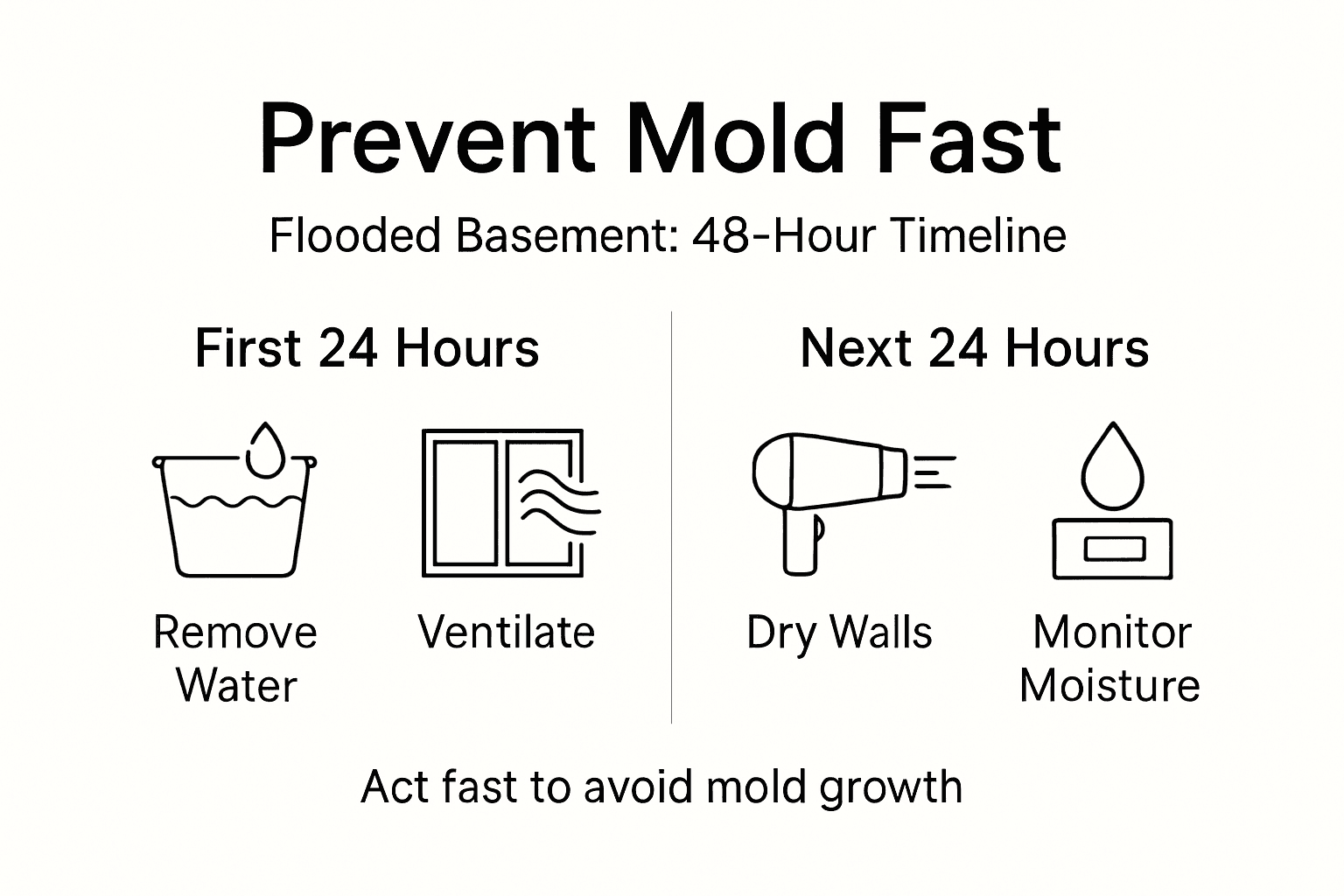
You’ll know restoration is complete when moisture meters show readings below 15% in wood and 1% in concrete, matching pre-flood levels. No musty odors should remain. Surfaces feel dry to the touch. Humidity levels stabilize within normal ranges of 30 to 50%. At this point, reconstruction can safely begin without trapping moisture behind new materials.
Flood Severity
Typical Drying Time
Cost Impact if Delayed
Shallow (under 2 inches)
3 to 5 days
Moderate mold risk, doubled drying cost
Moderate (2 to 6 inches)
5 to 7 days
High mold risk, tripled repair expenses
Deep (over 6 inches)
7+ days
Severe mold and structural damage
Insurance claim guidance
Document flood damage immediately by photographing standing water, wet materials, and affected belongings from multiple angles. Capture wide shots showing overall damage and close-ups of specific problems like soaked drywall or warped flooring. Video footage provides additional evidence of flood extent. Date-stamp all documentation to prove when damage occurred.
Keep detailed records of every cleanup action you take. Save receipts for equipment rentals, cleaning supplies, and professional services. If you hire restoration contractors, request written estimates and final invoices itemizing labor and materials. Professional moisture readings and drying logs demonstrate thorough mitigation efforts, strengthening your claim.
Submit your documentation to your insurance company promptly with a clear explanation of what happened, steps you took to mitigate damage, and repair costs incurred. Most policies require notification within 24 to 48 hours of discovering damage. Professional restoration reports from certified technicians carry significant weight with adjusters, often expediting approval and reimbursement. For comprehensive strategies on managing water emergencies and claims, consult our water damage restoration guide.
Insurance claim checklist:
Photograph and video all flood damage immediately
Contact your insurance company within 24 to 48 hours
Document water source and cause of flooding
Keep receipts for all cleanup expenses and repairs
Obtain professional restoration estimates and reports
List all damaged or destroyed belongings with values
Submit organized documentation with a clear timeline
Additional guidance on proper damage documentation is available in our article on documentation tips for water damage.
Get expert basement flood cleanup and restoration in Northeast Sacramento
Professional restoration teams accelerate cleanup while reducing mold risks through industrial equipment and certified expertise. Technicians handle water extraction, structural drying, moisture detection, and leak repair coordination seamlessly, saving you time and protecting your investment. When flooding strikes, fast response matters.
PuroClean of Northeast Sacramento provides trusted local basement flood cleanup with 24/7 emergency response. Our certified technicians use advanced extraction and drying technology to restore your home quickly and thoroughly. We work directly with insurance companies to simplify claims and get you back to normal faster. For immediate assistance or to learn more about our comprehensive services, visit our professional flood restoration services page. Additional resources on managing water emergencies are available in our step-by-step restoration guide and water damage restoration guide.
Frequently asked questions about flooded basement cleanup
How soon should I start cleanup after basement flooding?
Begin water extraction within 24 hours to prevent mold growth and structural damage. The faster you remove standing water, the lower your repair costs and health risks. Waiting beyond 48 hours dramatically increases mold colonization.
What protective gear do I need during cleanup?
Wear waterproof gloves, rubber boots, and an N95 mask to protect against contaminants in floodwater. Long sleeves and pants prevent skin contact with bacteria and chemicals. Change into clean clothes immediately after working in flooded areas.
When is it best to call professional restoration services?
Call professionals immediately for floods deeper than two inches, when water affects multiple rooms, or if you suspect sewage contamination. Professional equipment dries structures thoroughly, preventing hidden moisture that causes mold. Their expertise also speeds insurance claims.
How do I check if my basement is fully dry?
Use a moisture meter to test wood framing, drywall, and concrete in multiple locations. Readings should fall below 15% in wood and 1% in concrete. The absence of musty odors and stable humidity levels between 30% and 50% also indicate complete drying.
What documentation do insurance companies require for claims?
Provide photos and videos of all damage, receipts for cleanup expenses, professional restoration estimates, and a written timeline of events. Moisture readings and drying logs from certified technicians strengthen your claim. Submit documentation within 24 to 48 hours of discovering damage for fastest processing.
Recommended
Mold Remediation Process Guide: Effective Cleanup Steps – PuroClean of Northeast Sacramento
DIY Mold Remediation Process: Complete Step-by-Step Guide – PuroClean of Northeast Sacramento
Water Damage Restoration Guide: Restore Property Fast – PuroClean of Northeast Sacramento
Effective Water Damage Mitigation Steps for Fast Recovery – PuroClean of Northeast Sacramento