 PuroClean of Northeast Sacramento
 How to Clean After Fire: Restore Your Property Fast
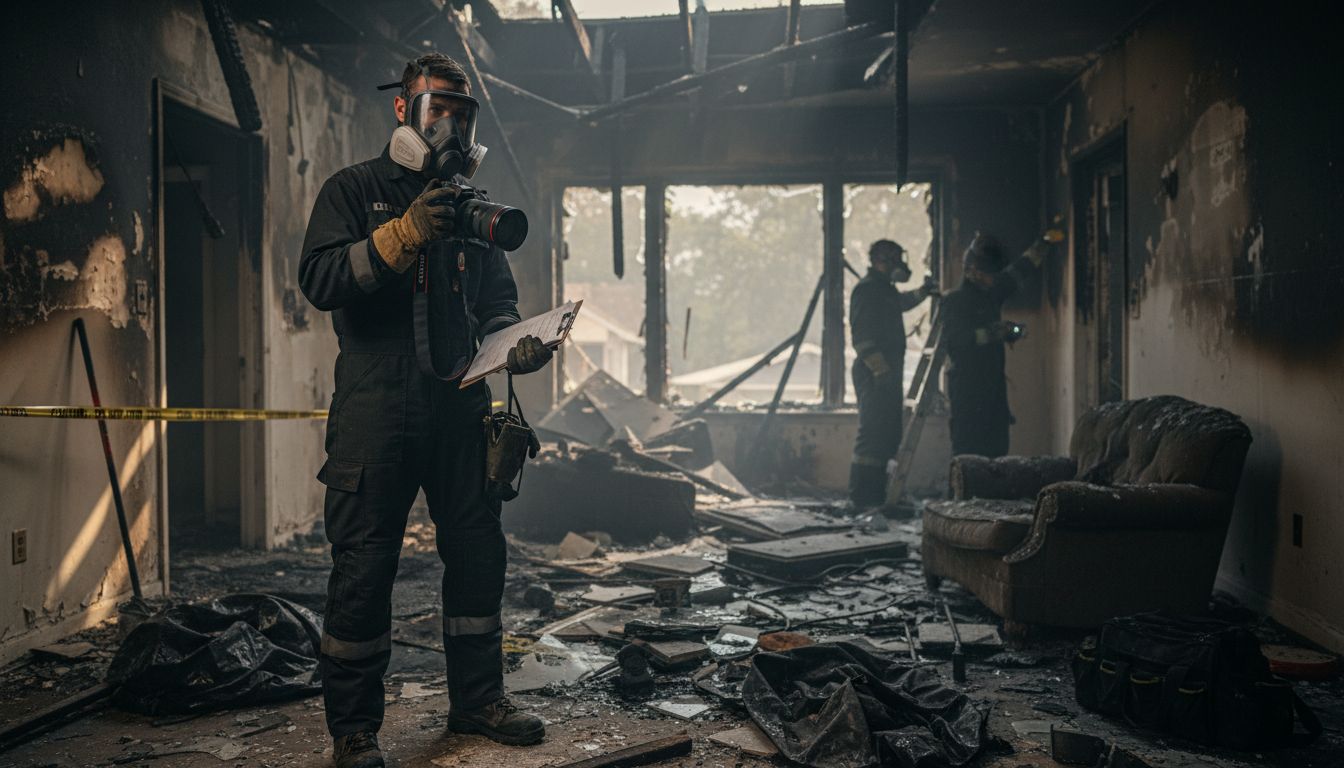
The aftermath of a house fire brings more than just heartbreak for any american family. Fire and smoke damage send over 350000 households scrambling for help each year. From structural hazards to hidden toxins in debris, the steps you take in those first few days can shape your road to recovery. This guide walks you through practical, expert-backed actions to help american homeowners reclaim safety and confidence after fire damage.
Table of Contents
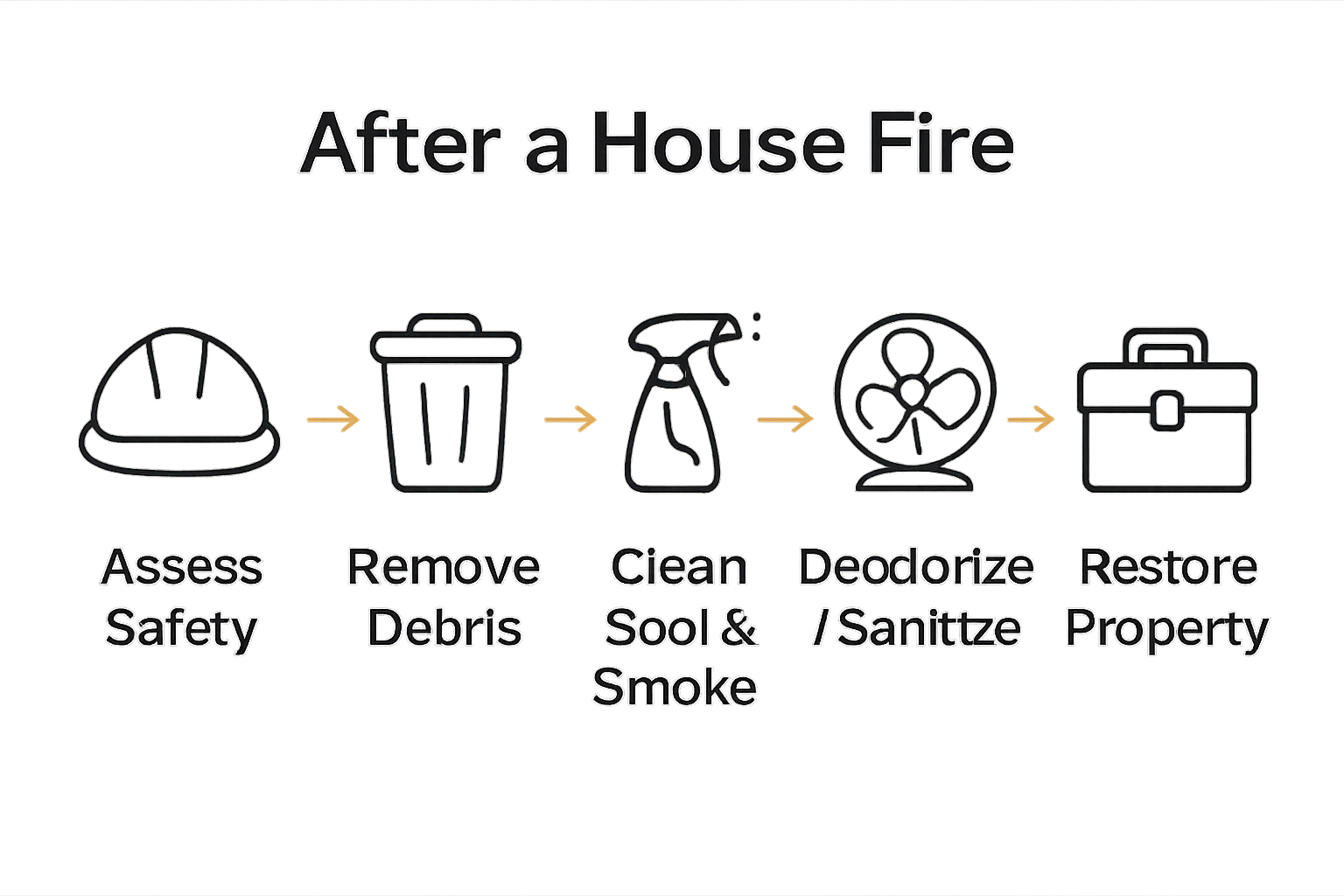
- Step 1: Assess Fire Damage And Ensure Safety
- Step 2: Remove Debris And Dispose Of Damaged Items
- Step 3: Clean Soot And Smoke Residue Thoroughly
- Step 4: Deodorize And Sanitize All Affected Areas
- Step 5: Inspect And Restore Salvageable Property
Quick Summary
| Important Insight | Explanation |
|---|---|
| 1. Assess Fire Damage Safely | Hire a qualified inspector to evaluate structural damage of your property before re-entering, to ensure safety. |
| 2. Wear Protective Gear | Always use protective clothing, gloves, and respirators when dealing with fire debris to avoid health hazards. |
| 3. Sort Debris Systematically | Separate items into salvageable and non-salvageable categories, following local disposal guidelines for efficient cleanup. |
| 4. Use Proper Cleaning Techniques | Employ dry cleaning methods for soot and smoke, followed by specialized cleaning solutions to avoid damaging surfaces. |
| 5. Prioritize Salvageable Items | Focus on recovering valuable or sentimental items first and seek professional help for their restoration when needed. |
Step 1: Assess Fire Damage and Ensure Safety
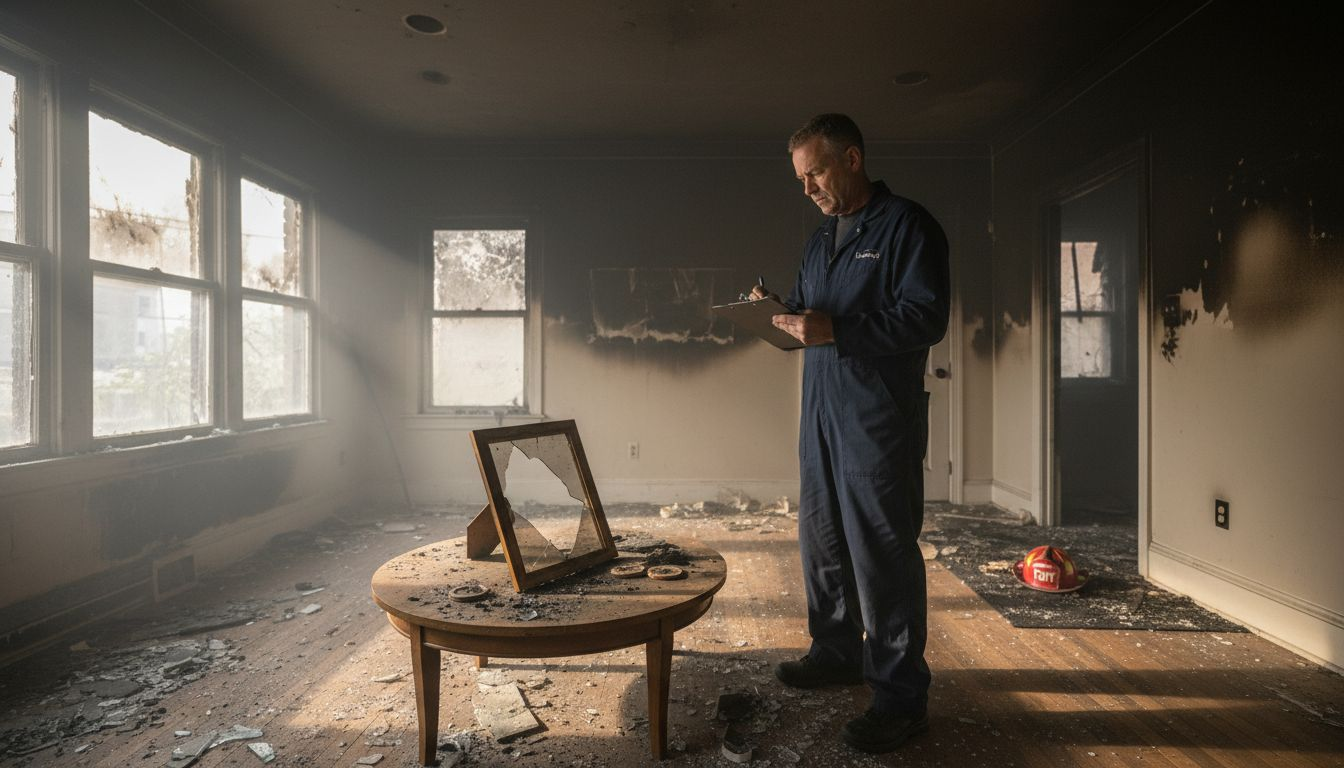
Assessing fire damage safely requires professional expertise and careful precautions. Your primary goal in this critical first step is understanding the extent of damage while protecting yourself from potential hazards.
According to sanjoseca.gov, it is crucial to have a qualified building inspector assess your home for structural damage before attempting re-entry. Professional inspectors can identify compromised structural elements like beams, walls, and foundations that may not be immediately visible to untrained eyes.
Before entering your property, wear protective gear including sturdy boots, long pants, a long sleeve shirt, work gloves, and a respirator mask. As dhsem.nm.gov warns, fire debris can contain dangerous substances like asbestos and cadmium that pose serious health risks. Never touch or disturb materials without proper protection.
Your assessment should focus on three key areas: structural integrity, potential health hazards, and salvageable items. Document everything with photographs for insurance purposes. If you notice significant structural damage or feel uncertain about safety, wait for professional guidance before proceeding further.
Step 2: Remove Debris and Dispose of Damaged Items
Removing fire damaged debris is a critical step in property restoration that requires careful planning and systematic execution. Your goal is to safely clear your property while preparing for eventual reconstruction.
According to FEMA, debris encompasses a wide range of materials including vegetative debris, construction and demolition materials, sand, mud, silt, gravel, rocks, large domestic appliances like refrigerators, and even vehicle wreckage. When sorting through these items, wear protective gear like heavy gloves, long sleeves, and a respirator mask to prevent potential exposure to hazardous substances.
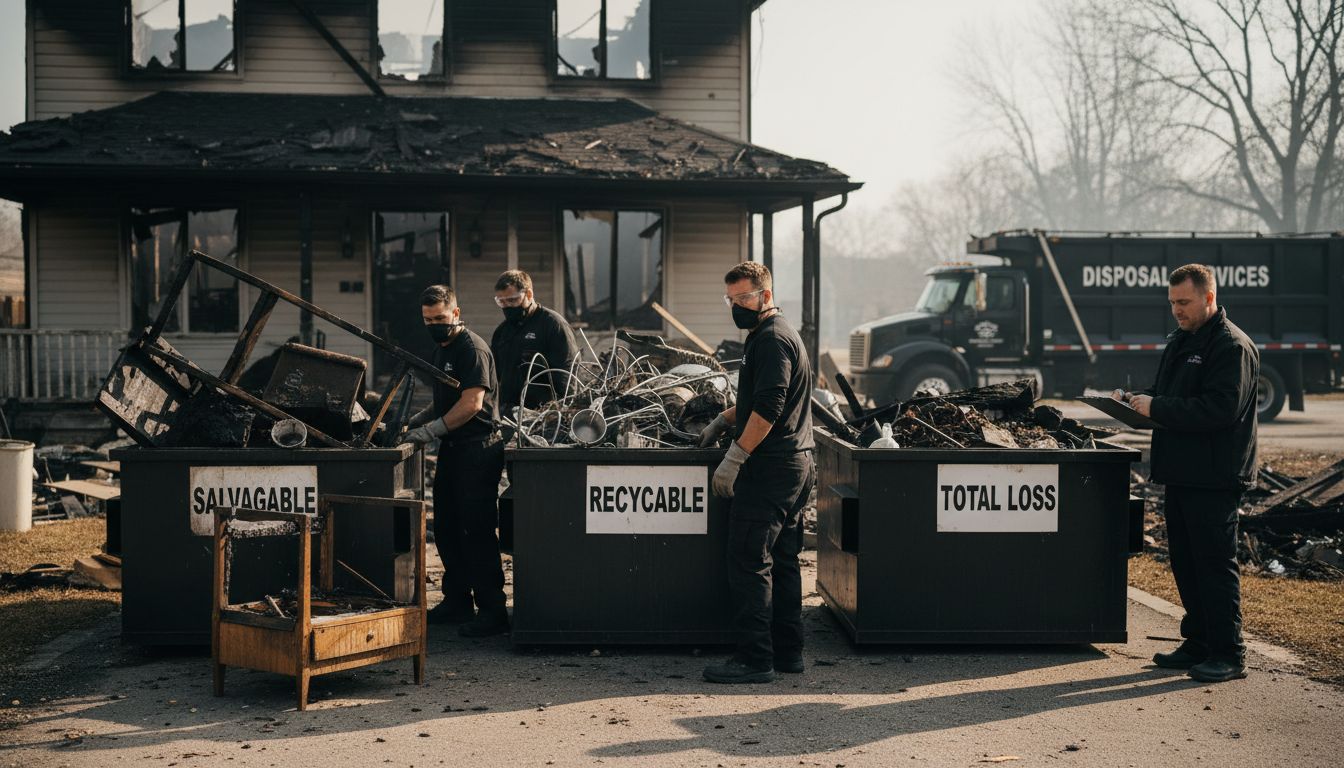
As EPA recommends, check with your local government for specific guidelines on debris separation and removal. Different municipalities have unique protocols for curbside disposal, so understanding local requirements can significantly streamline your cleanup process. Separate items into distinct categories: salvageable goods, recyclable materials, and total loss items. Take photographs of everything for insurance documentation.
Prioritize removing items that pose immediate health risks or could cause further damage. Wet or smoke damaged furniture, carpets, and personal belongings should be carefully handled and disposed of properly. If unsure about an item’s safety or salvageability, consult a professional restoration expert who can provide guidance on proper handling and disposal.
In Urgent Fire Debris Removal Service in Indianapolis, our experts share insights on navigating this challenging process. Remember that thorough and systematic debris removal sets the foundation for successful property restoration.
Step 3: Clean Soot and Smoke Residue Thoroughly
Cleaning soot and smoke residue is a critical step in fire restoration that requires systematic and careful approach. Your primary objective is to remove toxic residues while preventing further damage to your property.
According to Oregon State, it is crucial to take proper personal protection during cleanup. If possible, wear disposable coveralls and change into clean clothes after working in fire damaged areas. This prevents cross contamination and protects your health from hazardous particles.
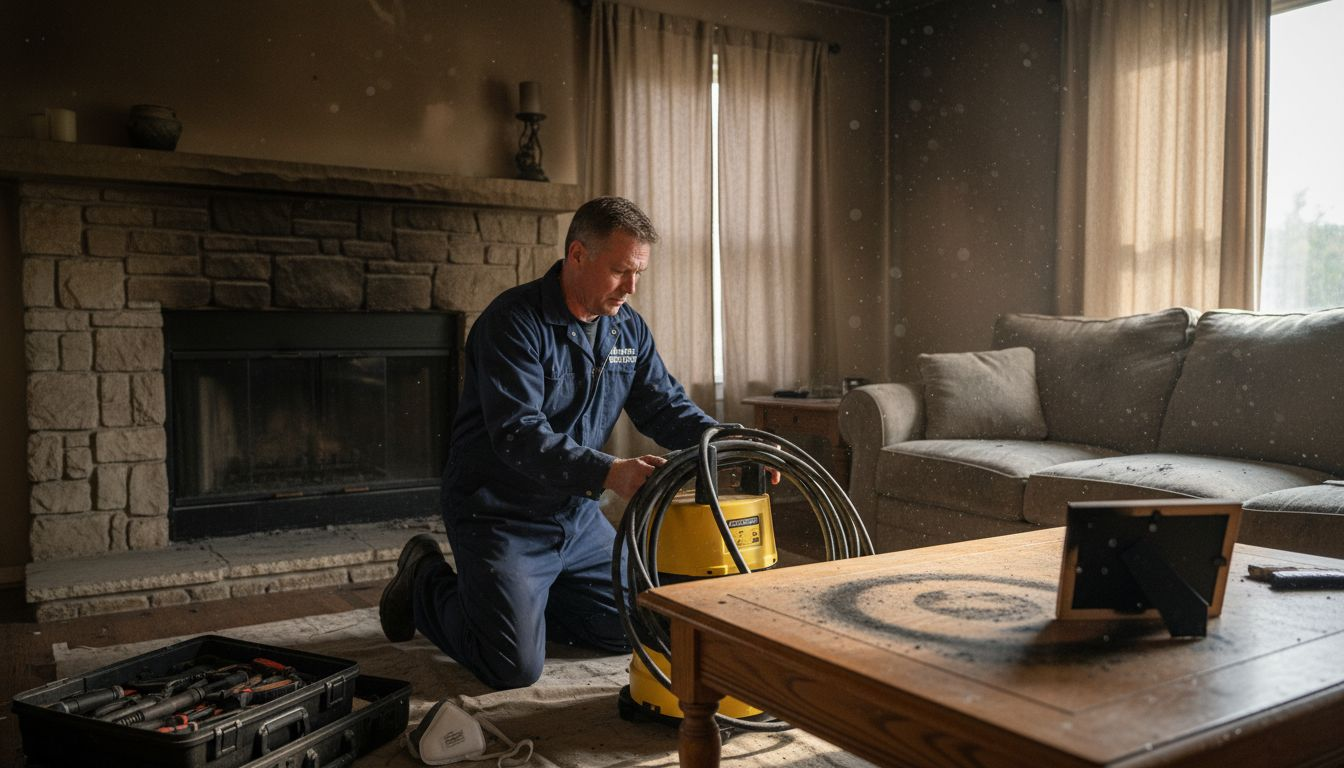
As CDHD explains, fires leave behind complex debris including ashes, charred wood, melted plastics, damaged metals, and burned appliances. Professional cleaning requires specific techniques for different surfaces. Start with dry cleaning methods like vacuuming with HEPA filters for loose soot, then progress to wet cleaning techniques using specialized smoke restoration solutions.
In Soot and Smoke Removal: Restoring Clean Air and Surfaces After Fires, our experts recommend focusing on porous materials first, as they absorb smoke odors most intensely. Textiles, carpets, and upholstery may require professional deep cleaning or potential replacement if damage is extensive.
Remember that thorough smoke residue removal is not just about appearance it is about creating a safe living environment free from harmful chemical residues and persistent odors.
Step 4: Deodorize and Sanitize All Affected Areas
Deodorizing and sanitizing your fire damaged property is a critical final step in restoration that eliminates harmful residues and prevents long term health risks. Your goal is to create a clean safe environment by neutralizing smoke odors and destroying potentially dangerous microorganisms.
According to EPA, various federal regulations may apply to debris removal and sanitization processes. This means you need to approach cleaning systematically and with professional grade techniques that go beyond simple surface cleaning.
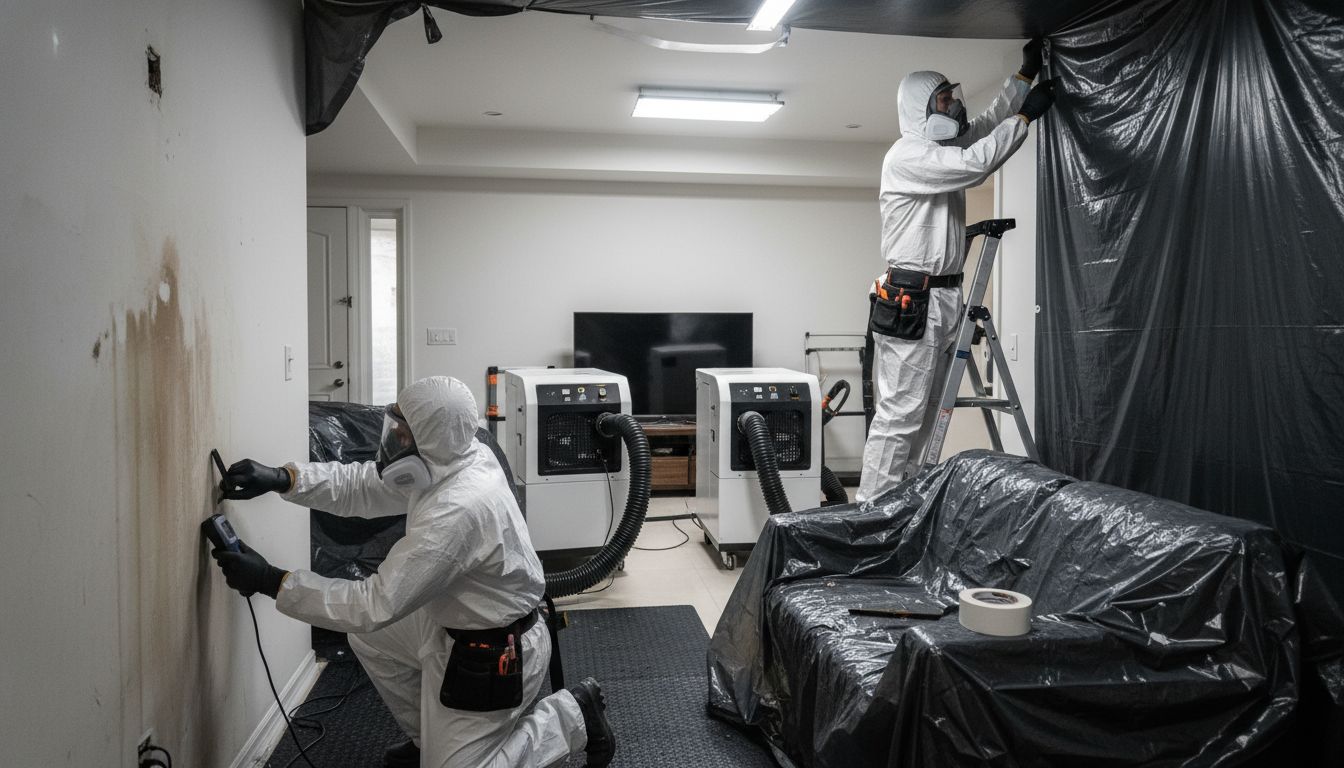
Professional sanitization involves multiple strategic approaches. Start with thorough ventilation using high powered fans to remove lingering smoke particles. Use specialized enzymatic cleaners designed to break down organic smoke residues on different surfaces. For porous materials like fabrics and carpets, consider professional grade ozone treatments or thermal fogging that can penetrate deep into fibers and neutralize odor molecules.
In How to Deodorize a House after a Catastrophic Incident, our experts recommend focusing on comprehensive odor elimination strategies. Pay special attention to hidden areas like air ducts, wall cavities, and underneath flooring where smoke particles can accumulate and continue releasing odors.
Remember that effective deodorization is not just about masking smells it is about complete chemical neutralization and creating a truly clean living space.
Step 5: Inspect and Restore Salvageable Property
Salvaging personal belongings after a fire requires careful assessment and strategic restoration techniques. Your primary objective is to identify which items can be recovered while protecting irreplaceable possessions from further damage.
According to San Jose City, having a qualified building inspector assess your home for structural damage is crucial before attempting to recover items. Professional inspectors can identify compromised areas that might not be immediately visible to untrained eyes.
When sorting through fire damaged areas, DHSEM warns that searching debris requires extreme caution. Wear protective gear like respirator masks, disposable gloves, and long sleeve clothing to prevent exposure to hazardous substances such as asbestos and cadmium. Categorize items into three groups: immediately salvageable, potentially restorable, and total loss.
In Heirloom Fire Damage: How to Salvage Family Treasures, our experts recommend prioritizing sentimental and valuable items first. Photograph everything before cleaning or moving for insurance documentation. Use specialized restoration techniques like professional cleaning, ozone treatment, or ultrasonic cleaning for delicate items.
Prioritize electronics, documents, photographs, and jewelry. These items often require professional restoration techniques to prevent permanent damage. Remember that quick action and professional assessment can make the difference between total loss and successful recovery.
Restore Your Home Quickly After Fire Damage with Expert Help
Experiencing fire damage can be overwhelming and dangerous. From assessing structural damage to safely removing debris, cleaning soot, and eliminating persistent smoke odors the challenges are many and complex. You want a fast, thorough restoration that protects your health and restores your property to its pre-fire condition. Key pain points include ensuring safety, dealing with hazardous residues, and salvaging precious belongings all while managing insurance claims and minimizing stress.
At PuroClean of Northeast Sacramento we specialize in providing comprehensive fire and smoke restoration services tailored to your urgent needs. Our certified experts use advanced technology and proven methods to handle every step including thorough inspection, debris removal, deep cleaning, deodorization, and salvage. When you choose PuroClean you get 24/7 availability, compassionate support, and guidance through insurance processes giving you confidence and peace of mind.
Take back control of your property and your peace of mind. Visit PuroClean of Northeast Sacramento for trusted fire restoration services that help you recover faster.
Do not wait until hidden smoke damage worsens or hazardous materials threaten your family. Contact PuroClean of Northeast Sacramento today and begin your comprehensive fire damage restoration journey with skilled professionals who care. Learn more about how we restore your home safely and quickly at https://puroclean.com/northeast-sacramento-ca
Frequently Asked Questions
How do I safely assess fire damage before entering my property?
To safely assess fire damage, ensure you have a qualified building inspector check for structural integrity. Wear protective gear like sturdy boots and a respirator mask while documenting visible damage for insurance purposes.
What steps should I take to remove debris after a fire?
Begin by wearing protective gear and sorting debris into categories: salvageable items, recyclable materials, and total loss. Follow local guidelines for safe debris disposal and prioritize removing items that pose immediate health risks.
How can I effectively clean soot and smoke residue?
Start by using dry cleaning methods such as vacuuming with a HEPA filter to remove loose soot, then employ specialized smoke restoration cleaning solutions for deeper cleaning. Focus on porous materials like carpets and upholstery to prevent odor absorption and damage.
What is the best way to deodorize my property after a fire?
To deodorize your property, ventilate the area with high-powered fans and use specialized enzymatic cleaners to neutralize smoke odors. Consider using professional techniques like ozone treatments to completely eliminate persistent smells from fabrics and air ducts.
How do I determine which items are salvageable after a fire?
Carefully categorize items into three groups: immediately salvageable, potentially restorable, and total loss. Prioritize recovery of valuable or sentimental belongings, and photograph everything before cleaning for insurance claims.
When should I consult a professional for restoration?
If you encounter significant structural damage or are unsure about the recovery process, it’s best to consult a professional restoration expert. Quick professional assistance can increase the chances of saving valuable items and ensure a safer restoration process.
 PuroClean of Northeast Sacramento