 PuroClean of Northeast Sacramento
 How to Handle Flood Damage for Fast Home Recovery
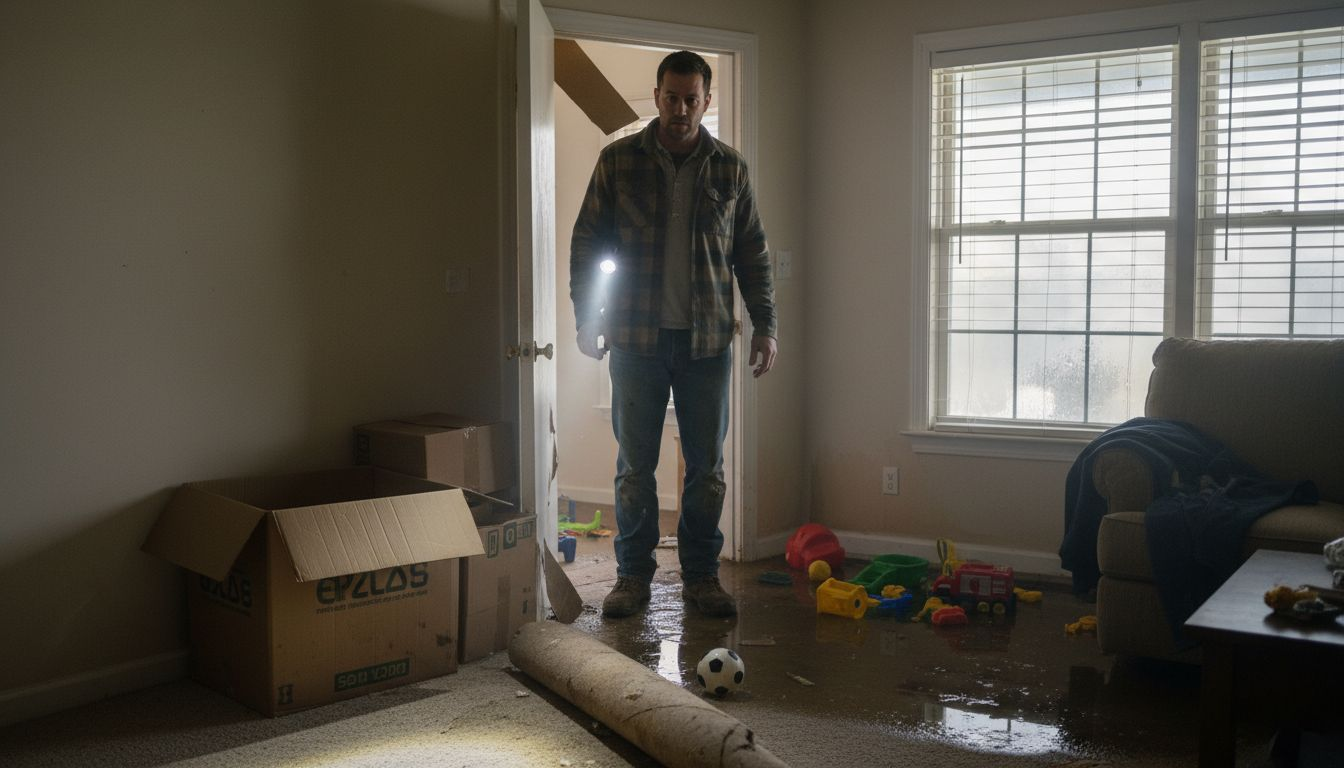
Waking up to floodwater in your Northeast Sacramento home turns an ordinary day into a race against time. Flooding is one of the most common disasters in the United States, often striking without warning and causing significant property damage. Acting fast makes all the difference, from keeping your family safe to protecting your biggest investment. This guide walks you through proven emergency steps for minimizing destruction, securing insurance support, and finding help from trusted local professionals.
Table of Contents
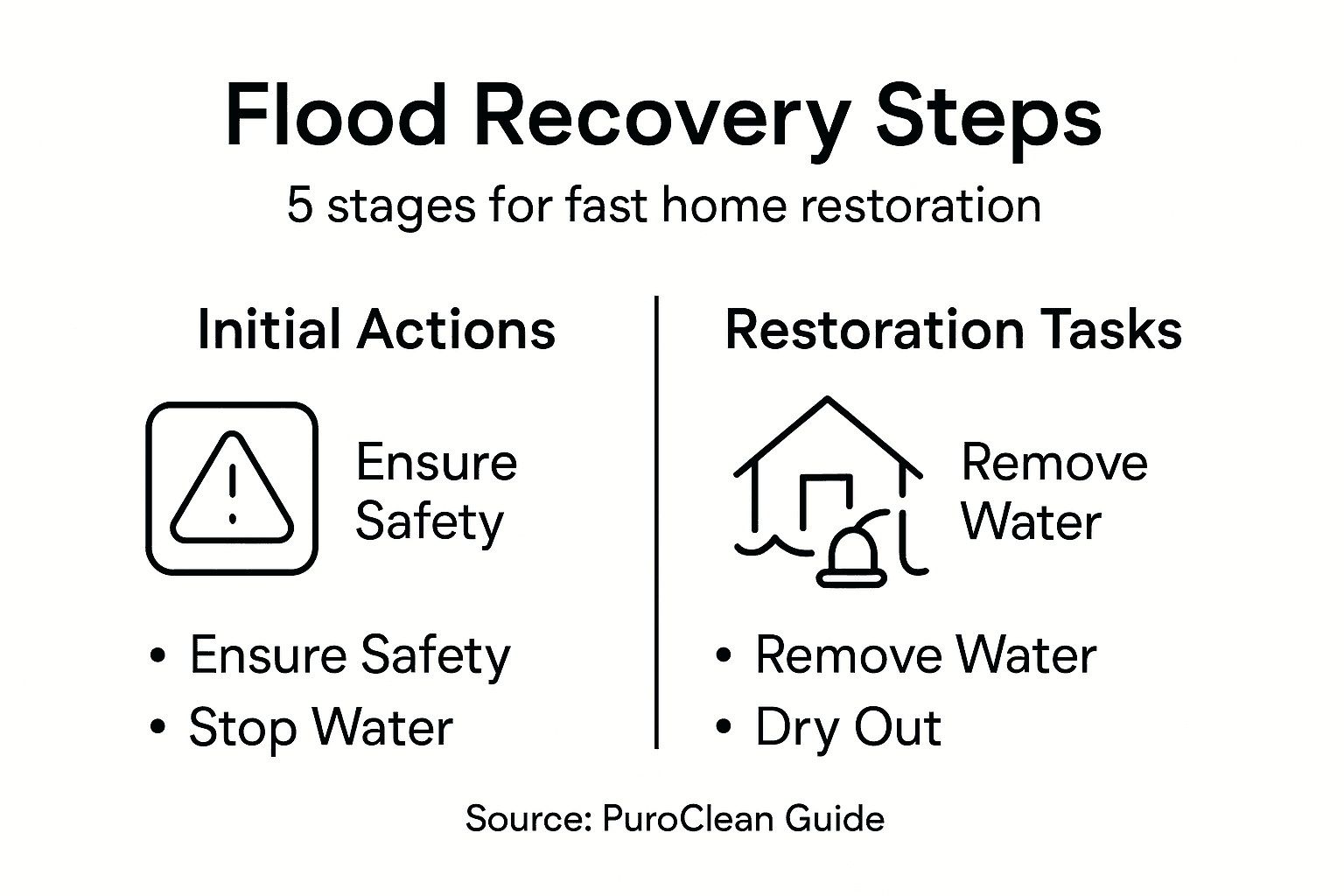
- Step 1: Assess Safety and Stop Further Water Intrusion
- Step 2: Contact Professionals for Immediate Restoration Help
- Step 3: Extract Standing Water and Personal Belongings
- Step 4: Dry Out and Dehumidify Affected Areas
- Step 5: Verify Structural Stability and Restoration Progress
Quick Summary
| Key Insight | Explanation |
|---|---|
| 1. Prioritize Personal Safety | Ensure your safety by assessing hazards like electrical systems and structural integrity before re-entering the property. |
| 2. Engage Restoration Professionals | Contact experts who specialize in flood recovery to effectively mitigate damage and assist with insurance claims. |
| 3. Document All Damage Thoroughly | Take comprehensive photographs of affected areas and belongings to support insurance claims and guide restoration efforts. |
| 4. Implement Swift Water Extraction | Quickly remove standing water and personal items to prevent further damage and health risks associated with contaminants. |
| 5. Thoroughly Dry Affected Areas | Utilize industrial fans and dehumidifiers to eliminate moisture, preventing mold growth and protecting your home structure. |
Step 1: Assess Safety and Stop Further Water Intrusion
Handling flood damage requires immediate action to protect yourself and minimize potential property destruction. Your primary goals in this critical first stage are ensuring personal safety and preventing additional water from entering your home.
Safety comes first. Before re-entering your flooded property, you must carefully assess potential hazards. Electrical systems, structural integrity, and contamination risks demand thorough evaluation. Water can carry dangerous debris, sewage, and chemical contaminants that pose serious health threats.
Key Safety Precautions:
- Do not enter areas with standing water near electrical equipment
- Check for structural damage before walking through flooded spaces
- Wear protective gear like rubber boots and waterproof gloves
- Turn off electricity at the main circuit breaker if possible
- Listen to local emergency broadcasts for evacuation instructions
To stop further water intrusion, take immediate protective measures. Block additional water entry points by using sandbags, plastic sheeting, or temporary barriers. Clear gutters and drainage systems to redirect water away from your home’s foundation. If flooding is severe, consider using emergency sump pumps with battery backups to remove water quickly.
Flooding can develop suddenly or gradually, so rapid response is crucial for minimizing damage and protecting your property.
Recommended Emergency Actions:
- Contact local emergency services
- Document water levels and damage with photographs
- Move valuable items to higher ground
- Start removing water using pumps or wet vacuums
Pro tip: Keep an emergency flood kit prepared with waterproof boots, battery-powered lights, and important documents in sealed containers.
Step 2: Contact Professionals for Immediate Restoration Help
Restoring your home after flood damage requires swift and strategic professional intervention. Understanding when and how to engage restoration experts can significantly impact your property’s recovery and prevent long-term structural damage.
Your first priority is to contact emergency restoration professionals who specialize in comprehensive water damage mitigation. These experts possess the technical skills, specialized equipment, and industry knowledge necessary to address complex flood recovery challenges effectively.
Key Professionals to Contact:
- Local water damage restoration companies
- Your homeowner’s insurance provider
- State emergency management office
- Federal Emergency Management Agency (FEMA)
- Certified structural damage inspectors
Documenting the damage is crucial before professionals arrive. Take comprehensive photographs of water levels, affected areas, and damaged belongings. These visual records will support your insurance claims and help restoration experts develop a precise recovery strategy.
Professional restoration teams can transform a potentially devastating situation into a manageable recovery process.
Immediate Communication Steps:
- Call your insurance company to report the damage
- Request an emergency damage assessment
- Ask about approved restoration contractors
- Confirm coverage for professional restoration services
Important Considerations:
- Verify contractor certifications and licenses
- Request detailed written estimates
- Understand the full scope of proposed restoration work
- Discuss potential temporary housing options
Pro tip: Always keep a digital and physical copy of important contact information for emergency services and restoration professionals in an easily accessible, waterproof location.
Step 3: Extract Standing Water and Personal Belongings
After flood damage, quickly extracting standing water and salvaging personal belongings becomes critical to preventing further property destruction and potential health hazards. Your goal is to minimize damage and preserve as many items as possible through strategic removal and preservation techniques.
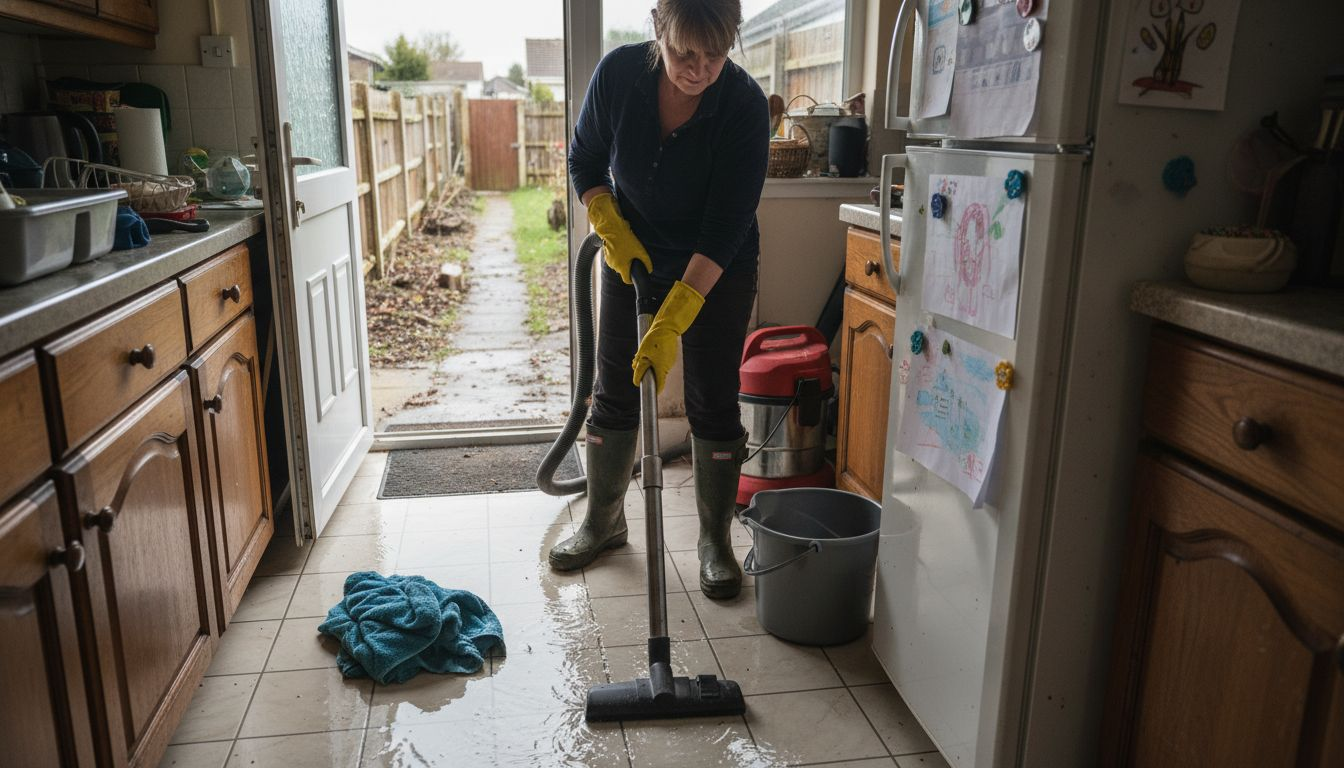
Begin by removing contaminated standing water using pumps, wet vacuums, and absorbent materials. Wear protective gear like waterproof boots, rubber gloves, and safety glasses to prevent exposure to potential contaminants. Turn off electricity and gas supplies before starting water extraction to ensure personal safety.
Water Extraction Equipment:
- Industrial wet vacuums
- Submersible water pumps
- Heavy-duty dehumidifiers
- Commercial air movers
- Moisture detection meters
Salvaging Personal Belongings:
- Prioritize valuable and sentimental items
- Separate items by potential for restoration
- Remove items from wet areas quickly
- Create a staging area for drying and cleaning
Immediate Actions for Belongings:
- Document damaged items with photographs
- Separate items that can be cleaned from those that must be discarded
- Use fans and dehumidifiers to start drying process
- Consider professional restoration for sensitive items
Quick action is essential to prevent mold growth and permanent damage to your personal property.
Sensitive Item Preservation:
- Freeze important documents to prevent further deterioration
- Use specialized cleaning solutions for electronics
- Carefully handle fragile materials like photographs
- Consult professional restoration experts for complex items
Pro tip: Create a detailed inventory of damaged items immediately, including photographs and estimated values, to support potential insurance claims and restoration efforts.
Step 4: Dry Out and Dehumidify Affected Areas
Rapid and thorough drying is critical to preventing long-term damage and potential mold growth after flood exposure. Your primary objective is to create an environment that stops moisture from causing additional destruction to your home’s structure and personal belongings.
Begin by preventing mold growth through aggressive drying using industrial fans, dehumidifiers, and strategic ventilation. Open windows and create air circulation to help moisture evaporate quickly, but be cautious of humidity levels and outdoor conditions that might slow the drying process.
Essential Drying Equipment:
- High-velocity industrial fans
- Commercial-grade dehumidifiers
- Moisture detection meters
- Air movers
- Portable air conditioners
Drying Strategy Steps:
- Remove standing water completely
- Position fans to maximize air movement
- Run dehumidifiers continuously
- Monitor humidity levels
- Check for hidden moisture in walls and floors
Areas Requiring Special Attention:
- Crawl spaces
- Basement areas
- Behind walls and under flooring
- Closets and enclosed spaces
- Furniture and upholstery
Mold can start developing within 24-48 hours after water exposure, making swift and thorough drying absolutely crucial.
Humidity Control Techniques:
- Maintain indoor humidity below 50%
- Use multiple dehumidifiers in large spaces
- Rotate and reposition drying equipment
- Use moisture-absorbing materials like silica gel
- Consider professional moisture mapping
Pro tip: Invest in a reliable digital hygrometer to continuously monitor indoor humidity levels and ensure effective drying progress.
Here’s a concise guide comparing typical equipment used in different flood restoration stages:
| Stage | Equipment Type | Main Purpose |
|---|---|---|
| Water Removal | Submersible pump | Rapid standing water removal |
| Drying & Dehumidify | Commercial dehumidifier | Extract moisture from air |
| Mold Prevention | High-velocity fan | Increase air circulation |
| Damage Assessment | Moisture meter | Detect hidden water in walls |
| Restoration Progress | Digital hygrometer | Monitor indoor humidity levels |
Step 5: Verify Structural Stability and Restoration Progress
After extensive flood damage, carefully assessing your home’s structural integrity becomes paramount to ensure safety and prevent future complications. Your goal is to systematically evaluate the extent of damage and confirm that restoration efforts are comprehensive and effective.
Assess substantial damage according to regulatory standards, which requires determining whether repair costs exceed 50% of the building’s market value. Engage professional structural inspectors who can provide detailed assessments of potential weaknesses in foundations, walls, electrical systems, and critical structural components.
Key Structural Inspection Elements:
- Foundation integrity
- Wall and ceiling structural stability
- Electrical system safety
- Plumbing infrastructure
- Roof and support beam conditions
Comprehensive Verification Process:
- Schedule professional structural assessment
- Document all discovered damage
- Obtain detailed written inspection report
- Compare repair estimates against building value
- Develop comprehensive restoration strategy
Critical Areas to Examine:
- Floor and foundation levelness
- Signs of water penetration
- Potential wood rot or material degradation
- Electrical system vulnerabilities
- Potential mold growth locations
Thorough structural verification is not just about immediate repairs, but ensuring long-term home safety and resilience.
Documentation Recommendations:
- Photograph all identified damage
- Keep detailed written records
- Maintain communication with insurance adjusters
- Track all repair and restoration expenses
- Preserve professional inspection documentation
Pro tip: Request multiple professional assessments to ensure comprehensive and unbiased evaluation of your home’s post-flood structural condition.
This table summarizes the focus and goals for each major flood recovery step:
| Step | Primary Focus | Ultimate Goal |
|---|---|---|
| Safety & Water Blocking | Prevent hazards & new leaks | Personal safety, limit property loss |
| Professional Engagement | Initiate expert response | Restore property, process insurance |
| Water & Belonging Extraction | Remove water, save valuables | Mitigate further damage |
| Drying & Dehumidifying | Eliminate retained moisture | Prevent mold, structure protection |
| Structural Verification | Inspect repairs & safety | Long-term home resilience |
Fast and Reliable Flood Damage Restoration Starts Here
Flood damage can turn your life upside down with water intrusion, structural risks, and overwhelming cleanup needs. The article highlights critical steps such as stopping further water intrusion, professional water extraction, and thorough drying to prevent mold and permanent damage. If you are facing challenges like standing water, contaminated belongings, or worries about structural safety, expert help is essential for fast home recovery.
At PuroClean of Northeast Sacramento, we specialize in emergency water damage restoration services tailored to these urgent needs. Our certified team uses advanced technology for rapid water extraction, structural drying, and leak detection to limit damage and restore your property efficiently. We understand the emotional stress flooding causes and provide clear communication, insurance guidance, and 24/7 availability to support you every step of the way.
Take control now by contacting the trusted local experts who prioritize your safety and home’s resilience. Learn more about how our water restoration solutions can protect your investment. Immediate action prevents long-term problems.
Don’t wait for hidden moisture or mold to worsen your flood damage. Call PuroClean of Northeast Sacramento today and get the rapid response you need for a safe and thorough recovery.
Frequently Asked Questions
What should I do first after experiencing flood damage?
First, ensure your personal safety and stop further water intrusion. Assess potential hazards, such as electrical risks, wear protective gear, and block additional water entry points using sandbags or plastic sheeting.
How can I efficiently remove standing water from my home?
Use industrial wet vacuums or submersible pumps to extract standing water as quickly as possible. Start removing water immediately to prevent further damage, targeting the heaviest affected areas first.
What steps should I take to document flood damage for insurance claims?
Take comprehensive photographs of all affected areas, water levels, and damaged belongings to document the flood damage. Make sure to create a detailed inventory of items, including their estimated values, to support your insurance claim.
How can I prevent mold growth after a flood?
Rapidly dry out affected areas to prevent mold growth, ideally within 24-48 hours. Use industrial fans and dehumidifiers, and monitor humidity levels to ensure they remain below 50%.
When should I contact professionals for flood restoration?
Engage professional water damage restoration experts as soon as possible after flooding occurs. This early intervention can significantly reduce long-term structural damage and improve recovery outcomes.
What should I consider when verifying my home’s structural stability after a flood?
Carefully assess critical structural components, including foundations, walls, and electrical systems, to ensure safety. Schedule a professional structural inspection to document any damage and develop a comprehensive restoration strategy.
Recommended
Wildfire Insurance: What Every Sonoma County Homeowner Should Know – Jenkins Insurance Agency Inc.
Essential Steps After Your Home Floods
Emergency Flood Cleanup: Fast and Effective Strategies
 PuroClean of Northeast Sacramento