 PuroClean of Northeast Sacramento
 Importance of Fire Restoration – Protecting Property and Health
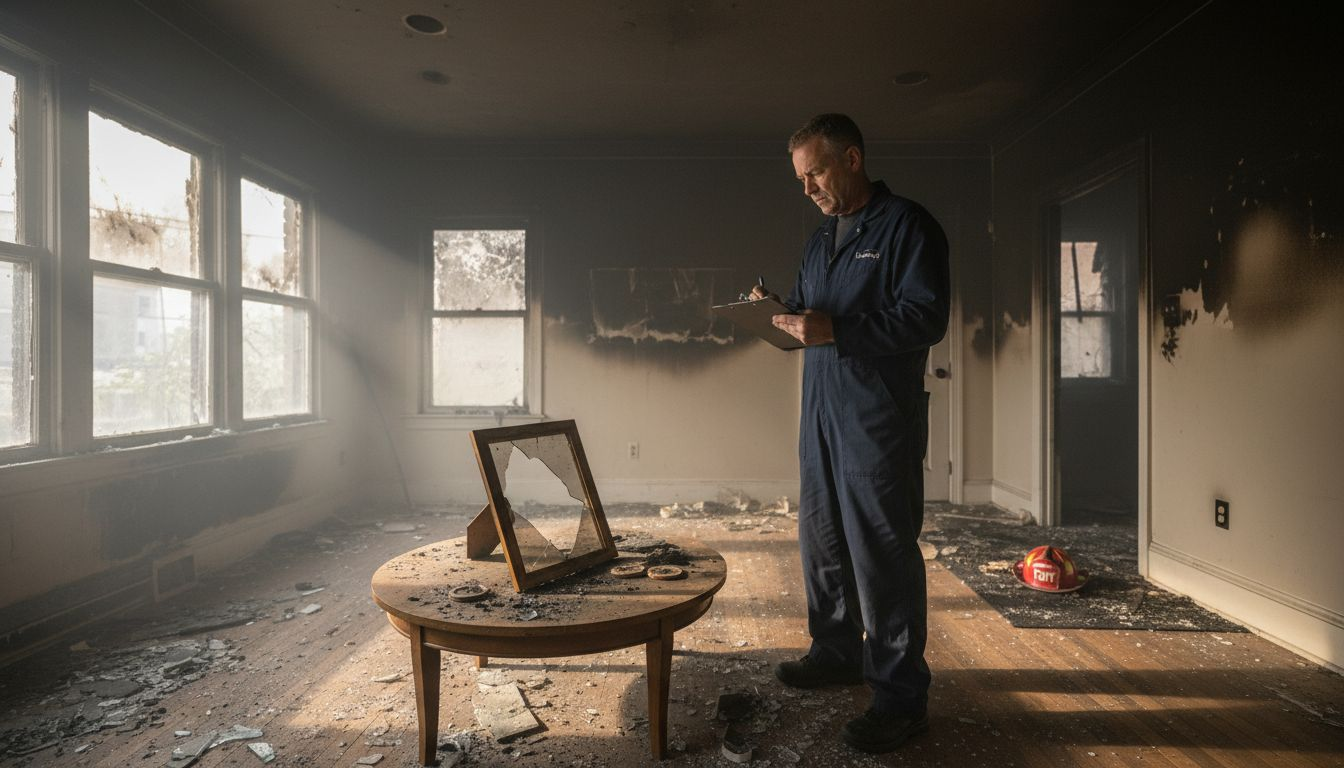
Over fifty thousand American families experience residential fires every year, leaving behind more than just charred walls and lingering smoke. Fire restoration is about more than surface cleanup; it protects your home from hidden dangers that can threaten safety and health. Most American homeowners are surprised to learn that even minor smoke residue can cause long-term structural and medical risks. This guide clears up common misconceptions and reveals what effective fire restoration truly involves.
Table of Contents
- What Fire Restoration Involves And Misconceptions
- Types Of Fire Damage And Their Impact
- Health Risks From Smoke And Residue
- Professional Restoration Process Explained
- Insurance Claims And Financial Considerations
Key Takeaways
| Point | Details |
|---|---|
| Comprehensive Fire Restoration | Fire restoration involves a systematic process that includes assessing damage, addressing health risks, and restoring structural integrity. Professionals use advanced techniques for thorough recovery. |
| Types of Fire Damage | Different types of fire damage require specific restoration strategies, such as addressing protein residues or synthetic smoke. Understanding these types is crucial for effective recovery. |
| Health Risks | Fire damage can lead to significant health hazards due to toxic smoke and residue. Protective measures and professional cleaning are essential to minimize risks. |
| Insurance Claims | A clear understanding of insurance policy terms and comprehensive documentation of losses is vital for efficient claims processing and financial recovery. |
What Fire Restoration Involves and Misconceptions
Fire restoration is a complex process that goes far beyond simply cleaning up visible damage. Comprehensive restoration involves multiple sophisticated stages designed to return a property to its pre-fire condition while addressing hidden safety risks. Professionals must methodically assess structural integrity, remove smoke and soot residues, eliminate potential health hazards, and prevent long-term property deterioration.
The restoration process typically encompasses several critical steps. Addressing challenges like labor shortages and material scarcity requires expert coordination and specialized techniques. Restoration teams conduct thorough damage assessments, which include:
- Structural evaluation
- Smoke and soot contamination analysis
- Water damage mitigation from firefighting efforts
- Air quality testing
- Material salvage assessment
One significant misconception is that fire damage is purely cosmetic. In reality, fire impacts extend far beyond visible surfaces. Restoration of historic structures demonstrates the complexity of fire damage repair, where seemingly intact buildings might have compromised structural elements or hidden safety risks. Professional restoration teams use advanced technologies like thermal imaging and moisture detection to uncover potential problems invisible to untrained eyes.
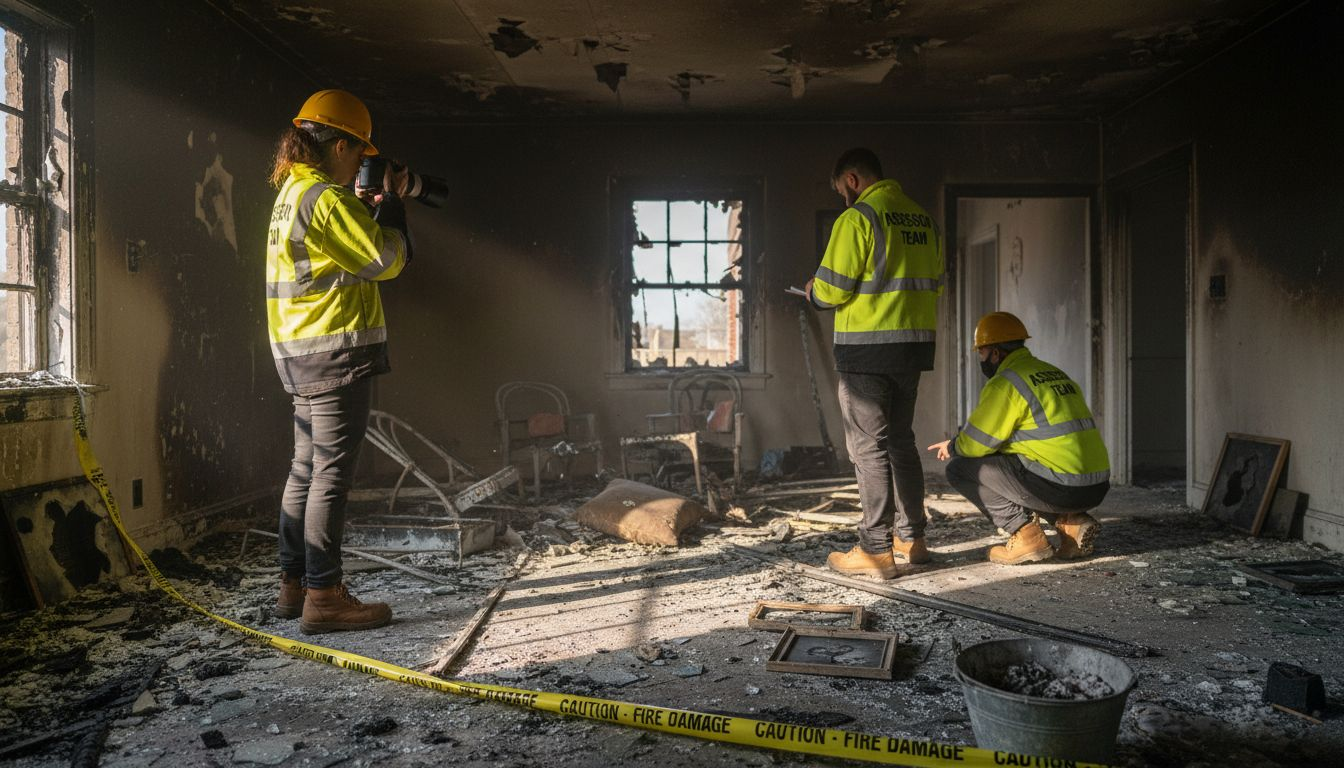
Pro Restoration Tip: Always document fire damage thoroughly with photographs and professional assessments before beginning any cleanup, as this documentation is crucial for insurance claims and establishing a comprehensive restoration strategy.
Types of Fire Damage and Their Impact
Fire damage is not a one-size-fits-all problem. Different types of fires produce varying levels of destruction that require specialized restoration approaches. Fire damage severity ranges from minimal surface cleaning to extensive structural reconstruction, creating complex challenges for property owners and restoration professionals.
The primary categories of fire damage include:
- Protein Residue Damage: Often from kitchen fires, leaving nearly invisible but pungent residues
- Synthetic Smoke Damage: Produced by burning synthetic materials, creating thick, black, sticky soot
- Natural Smoke Damage: Generated from burning wood or paper, producing light, powdery residue
- Electrical Fire Damage: Unique damage requiring specialized electrical system assessment
Each type of fire damage presents distinct challenges. Protein residue damage, for instance, might seem minimal but can penetrate surfaces deeply, creating persistent odors and potential health risks. Synthetic smoke damage creates dense, hard-to-remove residues that can cause long-term surface degradation if not professionally treated. Electrical fires pose additional risks by potentially compromising a building’s entire electrical infrastructure.
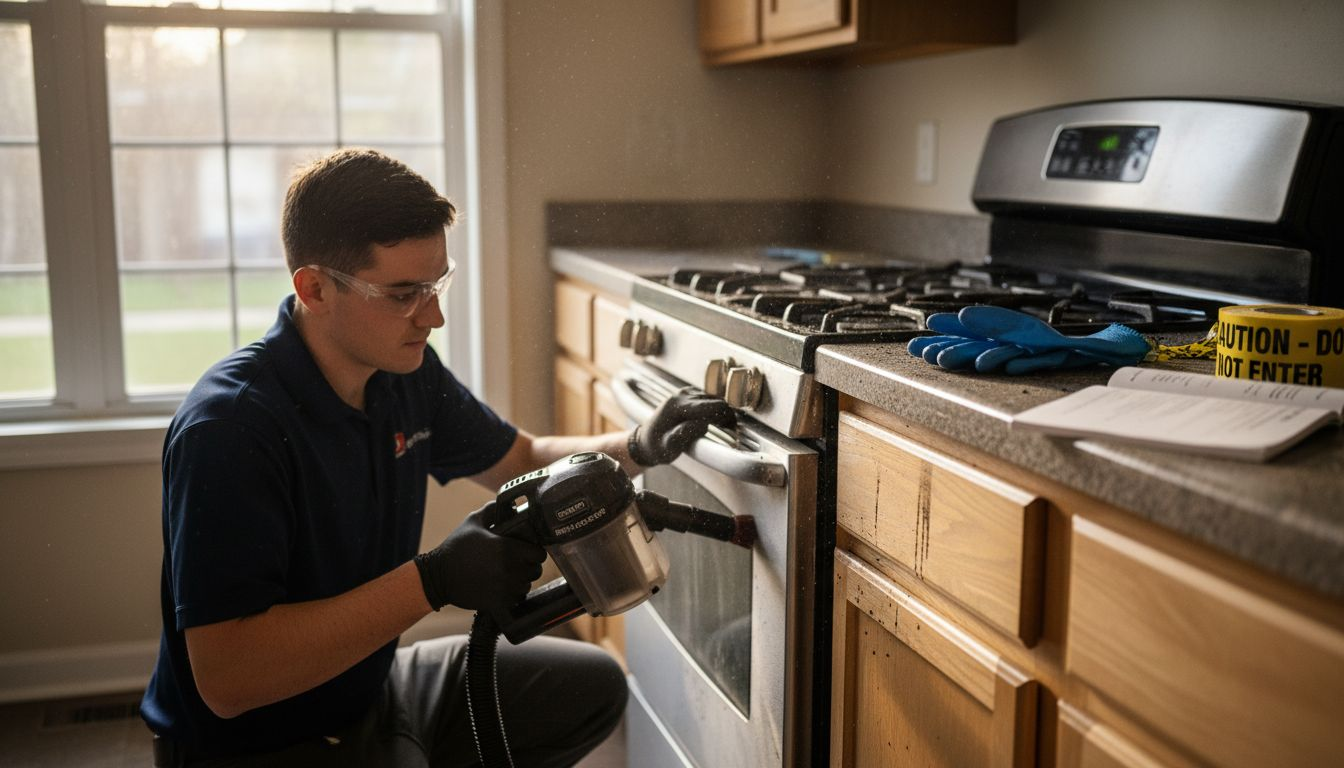
Here’s a comparison of the main types of fire damage and their unique restoration challenges:
| Fire Damage Type | Common Source | Restoration Challenge | Special Risk |
|---|---|---|---|
| Protein Residue | Kitchen fires | Odor penetrates surfaces deeply | Pungent, hard-to-detect residue |
| Synthetic Smoke | Plastics, synthetics | Thick, sticky soot difficult to clean | Surface degradation over time |
| Natural Smoke | Wood, paper | Light residue but widespread | Residue settles in hidden areas |
| Electrical Fire | Wiring, circuits | Requires system infrastructure review | Undetected electrical hazards |
Professional assessment is crucial because fire damage extends beyond visible destruction. Smoke particles can infiltrate walls, ventilation systems, and hidden spaces, causing ongoing damage and potential health hazards. Advanced restoration techniques like thermal imaging and specialized cleaning protocols are essential for comprehensive recovery.
Pro Damage Assessment Tip: Always request a comprehensive professional evaluation immediately after a fire, as hidden damage can escalate repair costs and potential health risks if left unaddressed for extended periods.
Health Risks From Smoke and Residue
Fire damage extends far beyond visible destruction, presenting significant health hazards that can persist long after flames are extinguished. Smoke and fire residues contain a complex mixture of toxic chemicals, particulates, and harmful substances that pose serious risks to human health. Returning to a fire-damaged property requires extreme caution and appropriate protective measures, as exposure can lead to immediate and long-term health complications.
The primary health risks associated with fire and smoke damage include:
- Respiratory Complications: Microscopic particles can penetrate deep into lung tissue
- Carcinogenic Exposure: Many smoke residues contain known cancer-causing compounds
- Neurological Impacts: Toxic chemicals can affect brain function and nervous system
- Skin and Eye Irritation: Chemical residues can cause immediate and persistent inflammation
Smoke particulates are particularly dangerous because they can remain suspended in air and embedded in surfaces for extended periods. These microscopic contaminants can trigger severe allergic reactions, asthma attacks, and chronic respiratory conditions. Vulnerable populations such as children, elderly individuals, and those with pre-existing health conditions face even greater risks from prolonged smoke residue exposure.
Professional restoration teams use specialized equipment like high-efficiency particulate air (HEPA) filters and advanced cleaning protocols to eliminate these hidden health threats. Medical-grade cleaning techniques remove toxic residues from surfaces, fabrics, and ventilation systems, significantly reducing potential health risks associated with fire damage.
Pro Safety Tip: Always wear appropriate personal protective equipment like N95 respirators, protective gloves, and eye protection when entering a fire-damaged environment, and consult healthcare professionals if you experience any unusual symptoms after exposure.
Professional Restoration Process Explained
Fire restoration is a systematic, methodical approach that requires specialized expertise and advanced technical knowledge. Professional restoration involves far more than simple cleaning, encompassing a comprehensive strategy to rebuild and protect properties after devastating fire damage. Post-fire restoration requires carefully managed processes of cleaning soot and smoke residues, addressing water damage, and ensuring property safety, with each step critical to successful recovery.
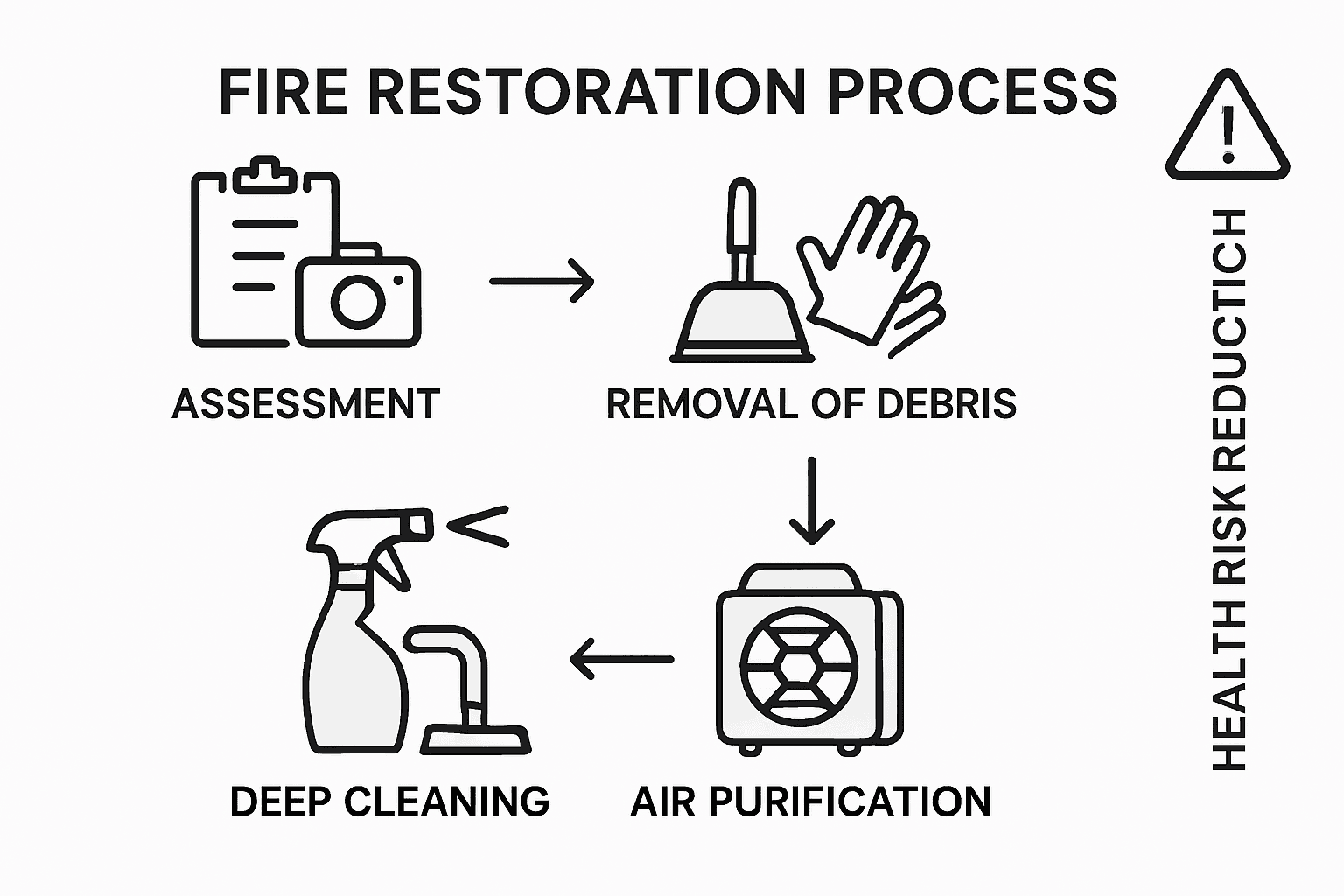
The professional restoration process typically follows these key stages:
- Initial Assessment and Documentation
- Comprehensive property damage evaluation
- Detailed photographic documentation
- Insurance claim preparation
- Risk and safety analysis
- Emergency Mitigation
- Securing the property
- Preventing further damage
- Temporary protective measures
- Water extraction and structural stabilization
- Cleaning and Decontamination
- Specialized soot and smoke residue removal
- Advanced cleaning techniques for different surfaces
- Air quality restoration
- Odor elimination protocols
- Restoration and Reconstruction
- Structural repairs
- Replacement of damaged materials
- Refinishing and reconstruction
- Final safety inspection
Professional restoration teams utilize advanced technologies like thermal imaging, industrial-grade cleaning equipment, and specialized chemical treatments to address complex fire damage scenarios. These experts understand the intricate interactions between different types of fire damage, ensuring a comprehensive approach that addresses visible and hidden damage.
The complexity of fire restoration requires a multidisciplinary approach, combining skills from construction, chemistry, environmental safety, and property management. Restoration professionals must quickly assess structural integrity, manage potential health hazards, and develop a strategic plan for complete property recovery.
Pro Recovery Tip: Always request a detailed, written restoration plan from professionals that outlines specific steps, estimated timelines, and projected costs to ensure transparent and effective fire damage recovery.
Insurance Claims and Financial Considerations
Navigating insurance claims after fire damage requires strategic planning and comprehensive documentation. Financial recovery involves understanding complex insurance policies, documenting losses meticulously, and acting quickly to minimize additional expenses. Timely restoration efforts are crucial, as delays can exponentially increase overall restoration costs and impact insurance claim outcomes.
Key financial considerations in fire damage restoration include:
- Immediate Documentation: Comprehensive photographic and written evidence of damage
- Policy Coverage Analysis: Understanding specific insurance policy terms
- Restoration Cost Evaluation: Detailed estimates from professional restoration services
- Potential Additional Expenses: Temporary housing, personal property replacement
Insurance claims process typically involves multiple critical steps. Homeowners must carefully review their policy’s specific fire damage provisions, understanding coverage limits, deductibles, and potential exclusions. Professional restoration documentation becomes essential, as insurance companies require detailed evidence of damage, proposed repairs, and estimated restoration costs.
Most insurance policies categorize fire damage claims into several key areas: structural damage, personal property loss, additional living expenses, and potential liability protection. Each category requires specific documentation and may have different coverage limits. Some policies offer replacement cost coverage, while others provide actual cash value, significantly impacting potential financial recovery.
Below is a summary of major insurance claim categories for fire damage and what each generally covers:
| Claim Category | What It Covers | Typical Documentation Needed |
|---|---|---|
| Structural Damage | Repairs to building structure | Inspection reports, repair estimates |
| Personal Property Loss | Damaged or lost belongings | Inventory lists, value receipts |
| Additional Living Expenses | Temporary housing, meals | Lease agreements, receipts |
| Liability Protection | Claims by third parties | Incident details, legal correspondence |
Pro Financial Protection Tip: Request a comprehensive written estimate from restoration professionals that includes itemized damage assessments, which can serve as critical documentation for your insurance claim and help maximize your potential financial recovery.
Protect Your Property and Health with Expert Fire Restoration
A fire can leave behind more than just visible damage. As the article highlights, hidden smoke residues and structural risks can threaten your health and safety long after the flames are gone. If you are facing the challenges of protein residue, synthetic smoke damage, or electrical fire hazards, professional restoration is essential to fully reclaim your property and protect your loved ones. Understanding the complexities of fire restoration—from thorough damage assessment to advanced cleaning and reconstruction—can feel overwhelming but it does not have to be when you have trusted experts by your side.
Choose PuroClean of Northeast Sacramento to deliver fast, 24/7 emergency response and comprehensive fire and smoke restoration services. Our certified technicians use state-of-the-art technology to detect hidden damage, remove hazardous residues, and restore your home or business safely and effectively. Don’t let unseen fire damage compromise your peace of mind. Take the first step toward a complete recovery by contacting us now for a thorough evaluation and a customized restoration plan.
Frequently Asked Questions
What is the fire restoration process?
The fire restoration process includes several key stages: initial assessment and documentation, emergency mitigation, cleaning and decontamination, and restoration and reconstruction. Each step is crucial to effectively recover from fire damage and ensure safety.
Why is professional fire restoration important?
Professional fire restoration is essential because it addresses not only visible damage but also hidden risks, such as smoke particles and structural integrity. Experts utilize advanced techniques and equipment to ensure comprehensive recovery and the safety of the property.
What health risks are associated with fire damage?
Fire damage can lead to significant health risks, including respiratory complications, carcinogenic exposure, neurological impacts, and skin and eye irritation from toxic residues in smoke and soot. It is vital to properly clean and remediate these hazards.
How can I document fire damage for insurance claims?
To document fire damage for insurance claims, take comprehensive photographs of all affected areas, create an inventory of damaged personal property, and obtain professional assessments. This documentation is critical for effective insurance claim processing.
Recommended
9 Signs of Fuel Contamination Symptoms You Should Know – My WordPress
 PuroClean of Northeast Sacramento