


Master the Fire Restoration Claim Process for Success
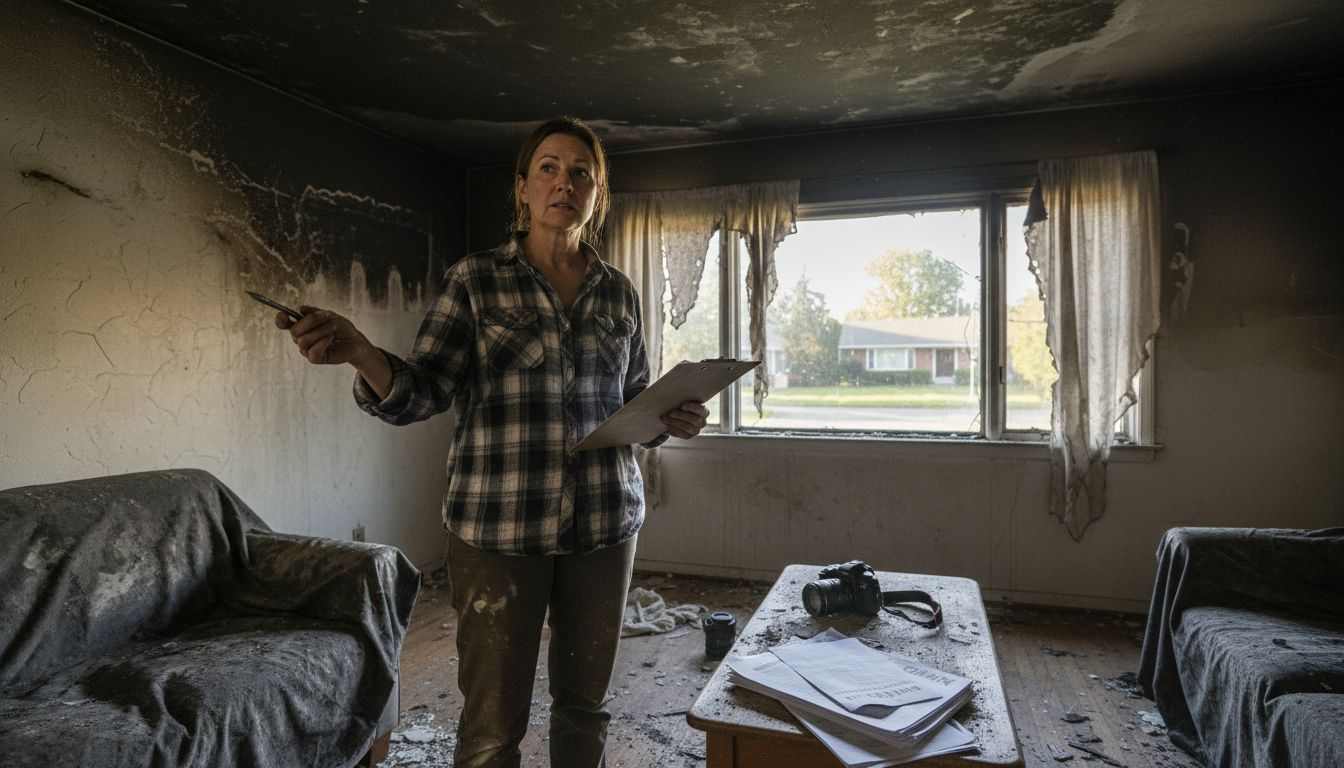
Facing fire damage can leave any American homeowner in Northeast Sacramento feeling overwhelmed, especially when dealing with insurance claims for restoration. Over fifty percent of fire loss claims nationwide are initially underpaid or delayed, making every step crucial for your recovery. This clear guide breaks down the actions that speed up fair insurance compensation, helping you document, report, and restore your property with confidence.
Table of Contents
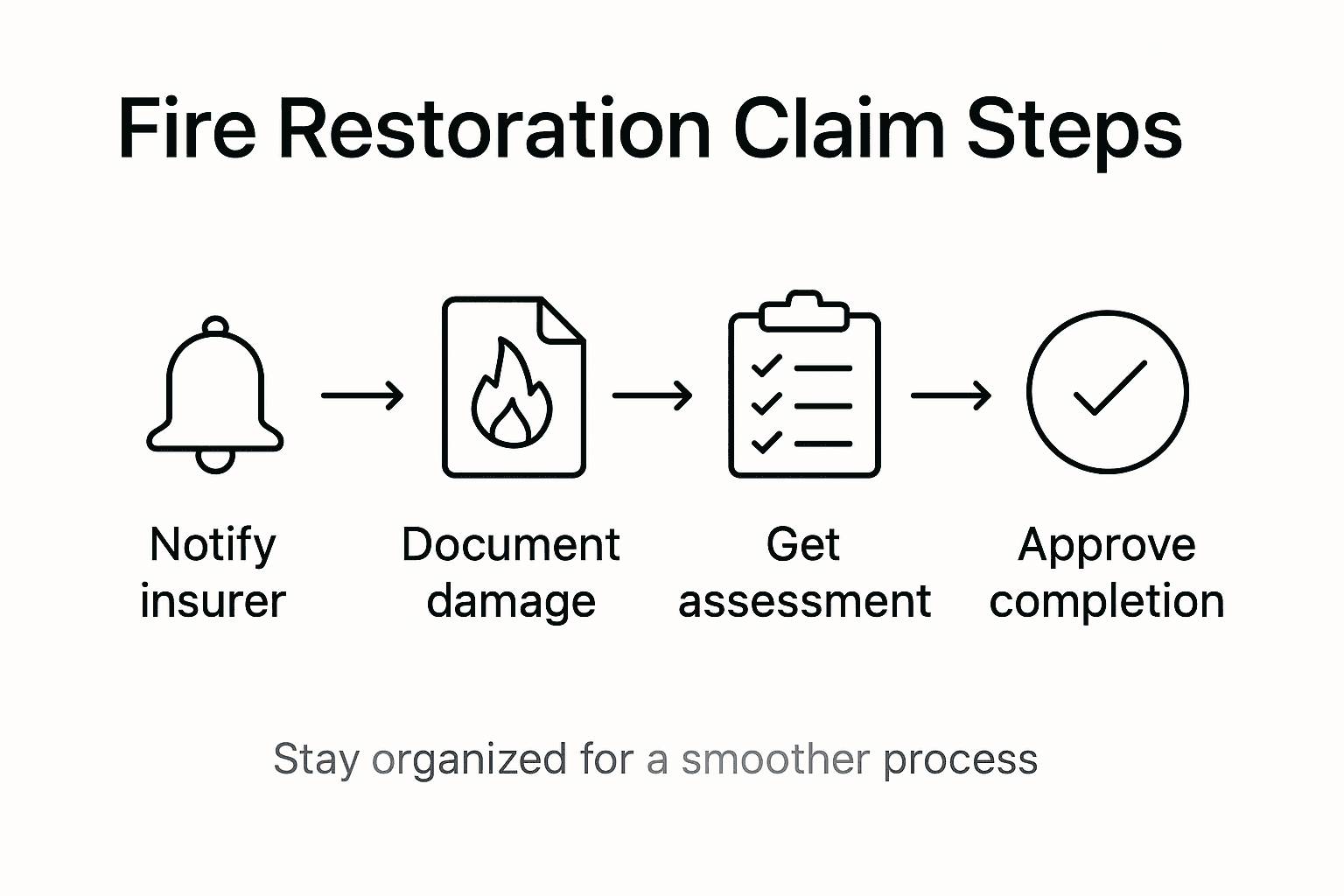
- Step 1: Document Fire Damage Thoroughly
- Step 2: Notify Your Insurance Company Promptly
- Step 3: Coordinate Professional Restoration Assessment
- Step 4: Submit Claim Documentation Accurately
- Step 5: Verify Restoration Completion and Approval
Quick Summary
| Important Action | Explanation |
|---|---|
| 1. Document Fire Damage Thoroughly | Systematically capture damage with photos and videos for insurance and personal records. Include hidden areas and maintain organized digital backups. |
| 2. Notify Your Insurance Company Promptly | Contact your insurer immediately after ensuring safety. Provide your policy number and initial damage details to start the claims process. |
| 3. Coordinate Professional Restoration Assessment | Hire certified professionals for a thorough damage evaluation. Their detailed report will be crucial for your insurance claim and restoration planning. |
| 4. Submit Claim Documentation Accurately | Organize and submit all necessary documents, ensuring clarity and completeness to prevent delays in the claims process. |
| 5. Verify Restoration Completion and Approval | Conduct a final walkthrough with restoration experts to ensure quality and completeness of repairs before approval and move-in. |
Step 1: Document Fire Damage Thoroughly
Thoroughly documenting fire damage is your roadmap to successful insurance recovery. This critical process helps ensure you receive proper compensation and creates a comprehensive record of your property’s condition after the disaster.
Begin by taking systematic photographs and videos of all damaged areas. According to FEMA guidelines for documenting damages, you should capture images of both interior and exterior damage. Walk through each room methodically. Photograph damaged walls, floors, ceilings, and personal belongings. Pay special attention to hidden spaces like closets and cabinets where damage might not be immediately visible.
Capture serial numbers of major appliances and electronics. Keep all receipts for potential replacements and repairs. Make multiple digital and physical copies of your documentation. Store these in secure locations separate from your damaged property. If possible, include time and date stamps on your images to create a clear chronological record.
Pro tip: Use a dedicated folder or cloud storage to organize your fire damage documentation systematically, ensuring easy access for insurance claims and potential legal purposes.
Use this reference to identify common fire damage documentation types and their typical insurance uses:
| Documentation Type | Purpose | Critical for |
|---|---|---|
| Photos & Videos | Visual proof of all damages | Claim approval |
| Receipts | Verifies spending, replacement | Reimbursement |
| Assessment Reports | Details repair needs | Loss assessment |
| Serial Numbers | Identifies specific assets | Asset recovery |
| Communication Records | Tracks claim progress | Dispute resolution |
Step 2: Notify Your Insurance Company Promptly
Notifying your insurance company quickly after a fire is crucial for initiating the recovery and claims process. Your immediate communication sets the foundation for a smooth and efficient insurance claim.
Fire safety guidelines emphasize the importance of prompt notification to ensure your claim can be processed rapidly. Contact your insurance provider as soon as it is safe to do so after the fire. Have your policy number ready and prepare to provide initial details about the extent of the damage. Be clear and concise when describing the incident. Ask about the specific documentation they will need from you and request guidance on immediate next steps.
During your initial call, request information about temporary housing if your home is uninhabitable. Inquire about emergency funds for immediate expenses and understand the timeline for their claims investigation. Take notes during the conversation, including the name of the representative you speak with and the date of the call.
Pro tip: Create a dedicated file or digital folder to store all communication records with your insurance company, ensuring you have a comprehensive paper trail for your fire damage claim.
Step 3: Coordinate Professional Restoration Assessment
Coordinating a professional restoration assessment is a critical step in recovering from fire damage. This thorough evaluation will determine the full extent of damage and create a comprehensive roadmap for restoration.
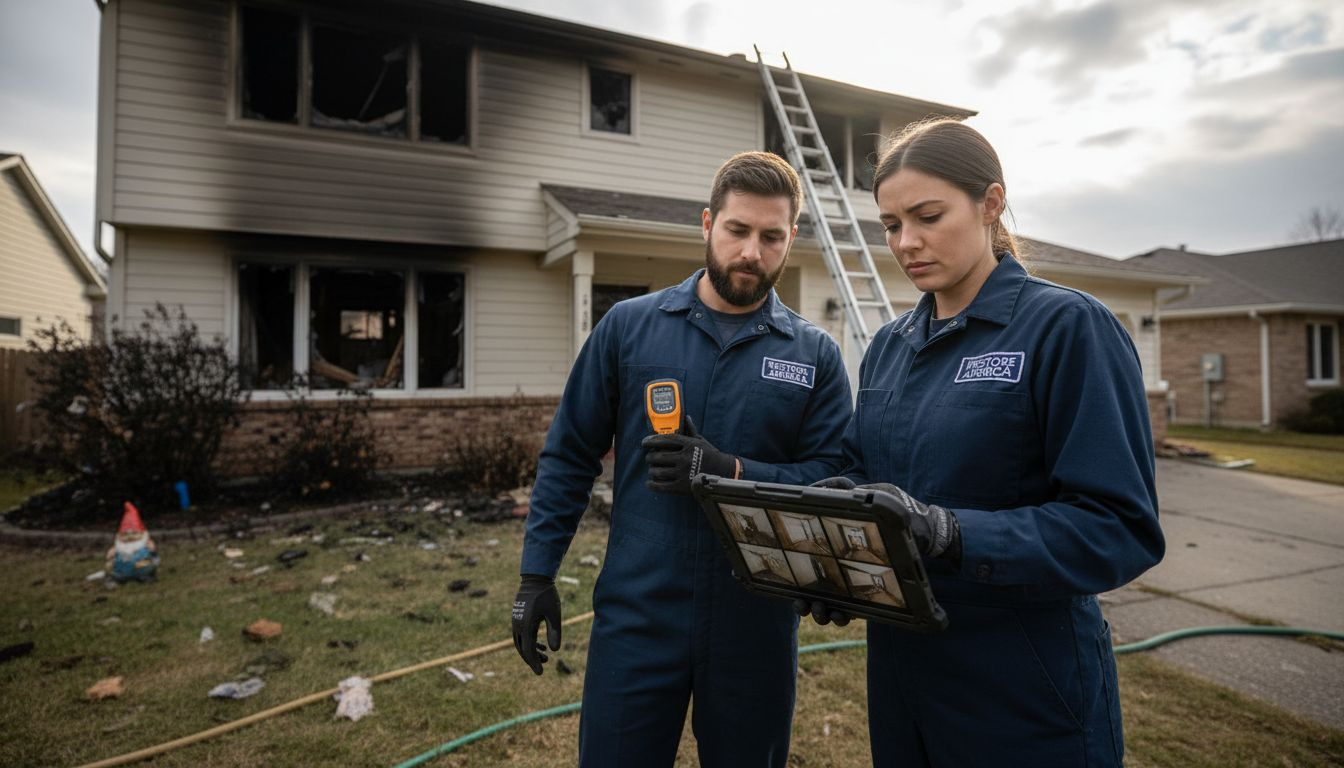
FEMA’s Damage Assessment Operations Manual recommends collaborative approaches between emergency teams and restoration professionals. Contact a certified fire damage restoration company to schedule a comprehensive property assessment. During the assessment, the professionals will systematically inspect structural damage, smoke and soot contamination, water damage from firefighting efforts, and potential safety hazards. They will document everything meticulously and provide a detailed report that your insurance company will require.
Ensure the restoration professionals have complete access to your property. Be prepared to discuss the fire incident details and answer questions about the sequence of events. Ask for a written assessment that includes estimated repair costs, recommended restoration techniques, and a projected timeline for recovery. This documentation will be crucial for your insurance claim and future restoration efforts.
Pro tip: Request digital copies of all assessment documentation and keep multiple backups in separate secure locations to protect against potential loss.
Step 4: Submit Claim Documentation Accurately
Submitting claim documentation accurately is your gateway to securing proper compensation for fire damage. A precise and comprehensive submission can significantly expedite your recovery process.
FEMA’s claim process emphasizes the critical importance of submitting precise documentation through the Notice of Loss and Proof of Loss forms. Organize all your collected evidence carefully before submission. This includes detailed photographs of damage, professional restoration assessment reports, itemized lists of destroyed or damaged personal property, repair estimates, and receipts for emergency expenses. Ensure every document is clear, legible, and includes relevant dates and descriptions.
Double check all personal information for accuracy. Include your complete contact details, insurance policy number, and social security information. Create digital and physical copies of every document submitted. Follow your insurance company’s specific guidelines for claim submission and maintain a systematic record of all communications and submitted materials. Be prepared to provide additional information if requested and respond promptly to any inquiries from your claims representative.
Pro tip: Create a dedicated digital and physical folder with index tabs to organize your fire damage claim documents chronologically for easy reference and quick retrieval.
Step 5: Verify Restoration Completion and Approval
Verifying the restoration completion is your final critical step in ensuring your property is fully and professionally restored after fire damage. This process protects your investment and confirms that all necessary repairs have been executed correctly.
Federal regulations specify precise standards for determining substantial restoration completion, which requires comprehensive inspections and official written confirmation. Schedule a final walkthrough with your restoration professionals and insurance adjuster. During this inspection, systematically review every repaired area. Check for quality of workmanship, ensure all structural repairs meet safety standards, and verify that smoke and soot damage has been completely addressed. Test all restored systems including electrical, plumbing, and fire safety equipment to confirm full functionality.
Request and carefully review the final restoration report. This document should detail all completed work, materials used, and certify that the property meets all necessary safety and restoration standards. Keep copies of this report for your records and potential future insurance or legal purposes. If any discrepancies or incomplete work are identified, document them immediately and discuss resolution with your restoration team before final approval.
Pro tip: Take photographs during the final walkthrough to create a permanent visual record of the completed restoration work, which can serve as valuable documentation for future reference.
Here’s a summary of key actions and their benefits at each step of the fire damage recovery process:
| Step | Essential Action | Main Benefit |
|---|---|---|
| Documentation | Photograph and record damage | Maximizes potential compensation |
| Insurance Notification | Contact provider quickly | Initiates timely claim process |
| Restoration Assessment | Hire certified professionals | Ensures thorough recovery plan |
| Submit Documentation | Organize and submit forms | Avoids claim processing delays |
| Final Verification | Walkthrough and review repairs | Confirms safe, complete restoration |
Take Control of Your Fire Restoration Claim with Expert Help
Navigating the fire restoration claim process can feel overwhelming from documenting damage to final verification. The article highlights key challenges like timely insurance notification, meticulous documentation, and coordinating professional restoration assessments. If feeling uncertain about managing deadlines, insurance communications, or ensuring a thorough restoration plan, you are not alone. These critical steps require expertise and swift action to maximize your recovery and secure the compensation you deserve.
At PuroClean of Northeast Sacramento, we specialize in fast, professional fire and smoke restoration that supports every phase of your claim process. Our certified team understands the importance of accurate damage assessments and clear, detailed documentation to help you avoid costly delays. With 24/7 availability and a customer-focused approach, we stand ready to reduce your stress by partnering directly with insurance companies and providing thorough restoration services.
Explore our fire and smoke restoration solutions and see how we guide homeowners and businesses through each critical step.
Don’t wait until costs escalate or complications arise. Contact PuroClean now to start your restoration correctly with expert support you can trust. Visit our site or call us anytime for immediate assistance and peace of mind during your recovery journey.
Frequently Asked Questions
How should I document fire damage for my claim?
To document fire damage effectively, take clear photographs and videos of all affected areas, including hidden spaces. Capture serial numbers of appliances and keep receipts for any repairs or replacements to support your claim. Organize these files in a secure digital folder for easy access.
What steps should I take to notify my insurance company after a fire?
Contact your insurance company as soon as it is safe post-fire, providing your policy number and details about the damage. Ask about the specific documentation they will need from you to ensure prompt processing of your claim.
How can I coordinate a professional restoration assessment?
Reach out to a certified fire damage restoration company to schedule a thorough assessment of your property. During the assessment, ensure they inspect all areas for structural damage and provide a detailed report that you can use for your insurance claim.
What documents do I need to submit with my fire damage claim?
Gather all relevant documentation, including photographs, assessment reports, itemized lists of damaged items, and receipts for any emergency costs. Organize these materials clearly and submit them according to your insurance company’s guidelines to avoid delays.
How can I verify that the restoration work is complete?
Conduct a comprehensive walkthrough with your restoration professionals and insurance adjuster to ensure all repairs meet safety standards. Request a final restoration report detailing the completed work, and keep this documentation for your records to validate the restoration process.
What should I do if there are discrepancies in the restoration work?
Document any discrepancies or incomplete repairs immediately during the final walkthrough. Discuss these issues with your restoration team to find a resolution before giving your final approval for the work.
Recommended
- The Anatomy of a Fire Damage Job – PuroClean Services
- Unlock Success: 5 Ways on How House Restoration Companies Assist with Insurance Claims – PuroClean Disaster Restoration
- The Anatomy of a Fire Damage Job – PuroClean Emergency Restoration
- More Than Flames Why Emergency Fire Damage Restoration Is Critical for Recovery – PuroClean Certified Restoration Specialists