 PuroClean of Northeast Sacramento
 Mitigation vs Restoration – Protecting Sacramento Homes Fast

When a pipe bursts or heavy rain soaks your floors in Northeast Sacramento, every minute matters for your home. Facing urgent water damage, the decision between mitigation and restoration could mean the difference between a quick recovery and lasting loss. Knowing how these strategies protect your property helps you act fast, make smart choices, and avoid unnecessary expenses during a stressful time.
Table of Contents
- Mitigation and Restoration Defined Clearly
- Key Differences Between Mitigation and Restoration
- How Water Damage Mitigation Works
- Restoration Steps After Property Loss
- Risks and Costs of Each Approach
Key Takeaways
| Point | Details |
|---|---|
| Distinction Between Mitigation and Restoration | Mitigation aims to prevent further damage immediately after water incidents, while restoration involves returning the property to its original condition over time. |
| Critical Mitigation Steps | Key actions include stopping water sources, removing standing water quickly, and protecting unaffected areas from damage. |
| Importance of Timing | Quick mitigation can significantly reduce restoration costs and time, with delayed responses leading to extensive damage and higher expenses. |
| Documentation and Professional Help | Always document water damage for insurance purposes and contact professionals within 24 hours to ensure effective mitigation and restoration. |
Mitigation and Restoration Defined Clearly
When Sacramento homeowners face water damage, understanding the difference between mitigation and restoration becomes crucial for protecting their property. While these terms are often used interchangeably, they represent distinct approaches to managing property damage.
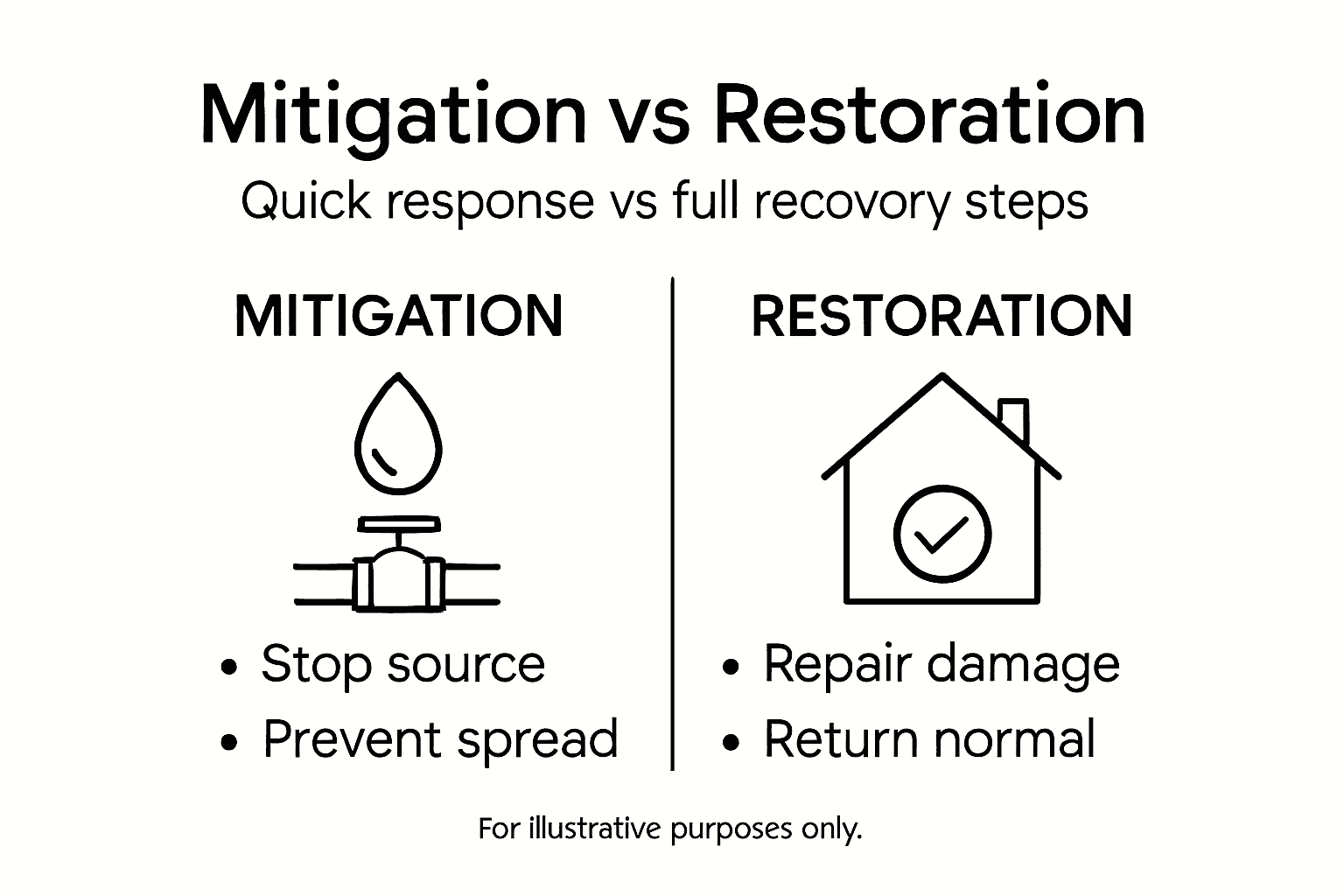
Mitigation focuses on preventing further damage immediately after an incident occurs. This rapid response strategy aims to minimize potential losses by taking quick, strategic actions. Key mitigation steps include:
- Stopping active water sources
- Removing standing water quickly
- Preventing moisture absorption into structural materials
- Protecting undamaged areas from additional harm
Restoration, by contrast, is the comprehensive process of returning a property to its original condition after damage has occurred. Property restoration strategies involve detailed repair and reconstruction work that goes beyond initial emergency interventions.
The primary difference lies in timing and scope. Mitigation happens immediately to prevent escalating damage, while restoration is the longer-term process of full property recovery. Think of mitigation as emergency first aid for your home, and restoration as the complete healing and rehabilitation process.
Pro tip: Always document water damage with photographs and contact your insurance provider immediately to support both mitigation and restoration claims.
Key Differences Between Mitigation and Restoration
When water damage strikes Sacramento homes, homeowners must understand the critical distinctions between mitigation and restoration to protect their property effectively. Key differences in water damage response reveal two essential but distinct strategies for managing property damage.
Mitigation is an immediate emergency intervention designed to prevent further damage and minimize potential losses. This rapid response approach focuses on stopping ongoing destruction and protecting unaffected areas. Critical mitigation steps include:
- Extracting standing water immediately
- Stopping active water sources
- Preventing moisture spread to undamaged areas
- Removing wet materials to reduce potential mold growth
- Establishing initial drying procedures
Restoration, conversely, is a comprehensive repair process that follows mitigation. This more extensive approach aims to return the property to its original condition, involving complex reconstruction and repair work. Restoration typically includes:
- Structural repairs and rebuilding
- Replacing damaged building materials
- Comprehensive cleaning and sanitization
- Detailed assessment of long-term damage
- Full reconstruction of affected spaces
The primary difference lies in timing and purpose. Mitigation is a quick, preventative action taken within hours of water damage, while restoration is a methodical, longer-term process of complete property rehabilitation. Think of mitigation as emergency triage and restoration as the full medical treatment and recovery plan.
Here’s a side-by-side comparison of water damage mitigation and restoration for Sacramento homeowners:
| Aspect | Mitigation (Immediate Response) | Restoration (Comprehensive Recovery) |
|---|---|---|
| Timing | Begins within hours | Starts after mitigation is complete |
| Goal | Prevent further damage | Return property to pre-loss state |
| Professional Involvement | Often urgent, requires emergency teams | Planned, involves repair specialists |
| Impact on Insurance | May lower claim costs | Typically increases total claim |
Effective water damage management requires understanding these distinct but interconnected stages of property protection and repair.
Pro tip: Contact professional restoration experts within 24-48 hours of water damage to ensure seamless mitigation and restoration processes.
How Water Damage Mitigation Works
When water damage threatens Sacramento homes, understanding water damage mitigation becomes crucial for homeowners seeking to protect their property. Water mitigation strategies represent a critical first line of defense against potentially catastrophic structural and financial losses.
The mitigation process begins with an immediate and systematic approach designed to stop water damage progression and prevent secondary complications. Professional water damage mitigation involves several strategic steps:
- Conducting an initial damage assessment
- Identifying and stopping the water source
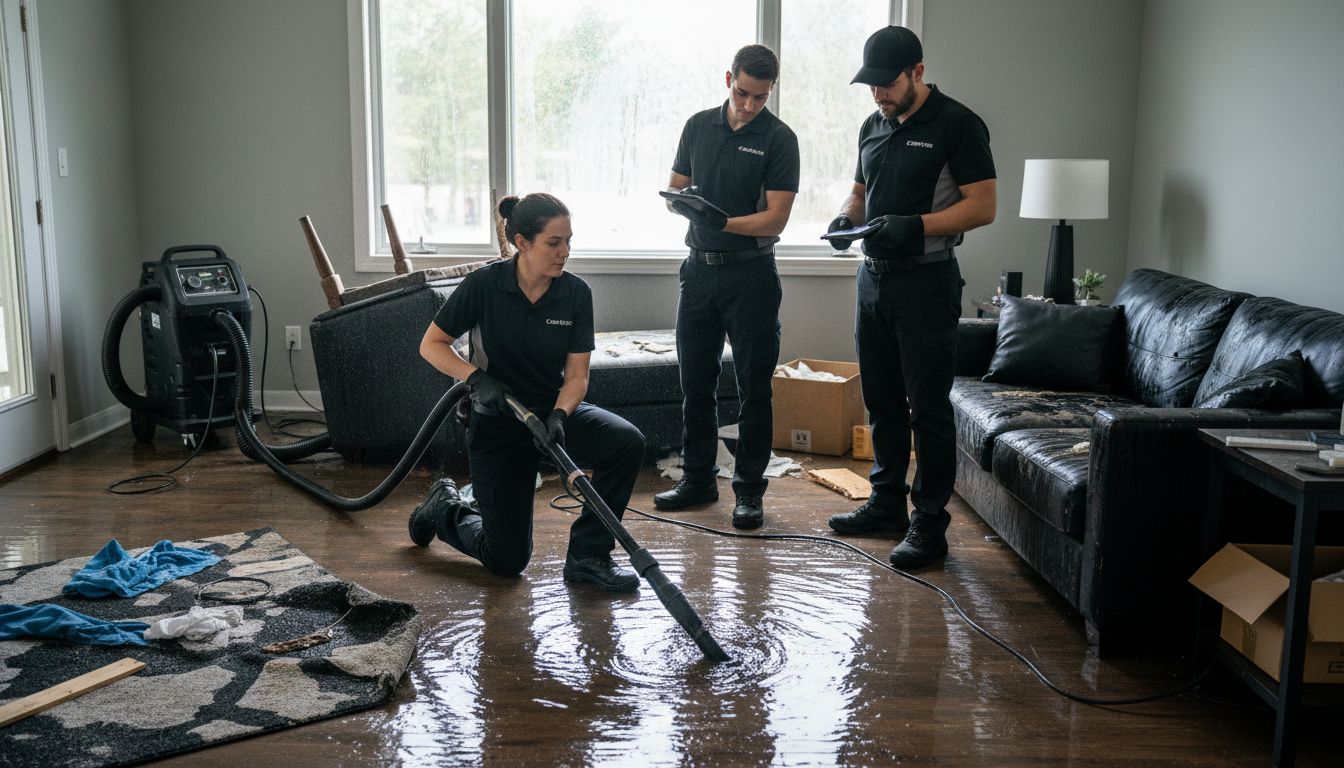
- Removing standing water using specialized extraction equipment
- Protecting unaffected areas from potential water spread
- Documenting damage for insurance purposes
- Implementing emergency structural protection measures
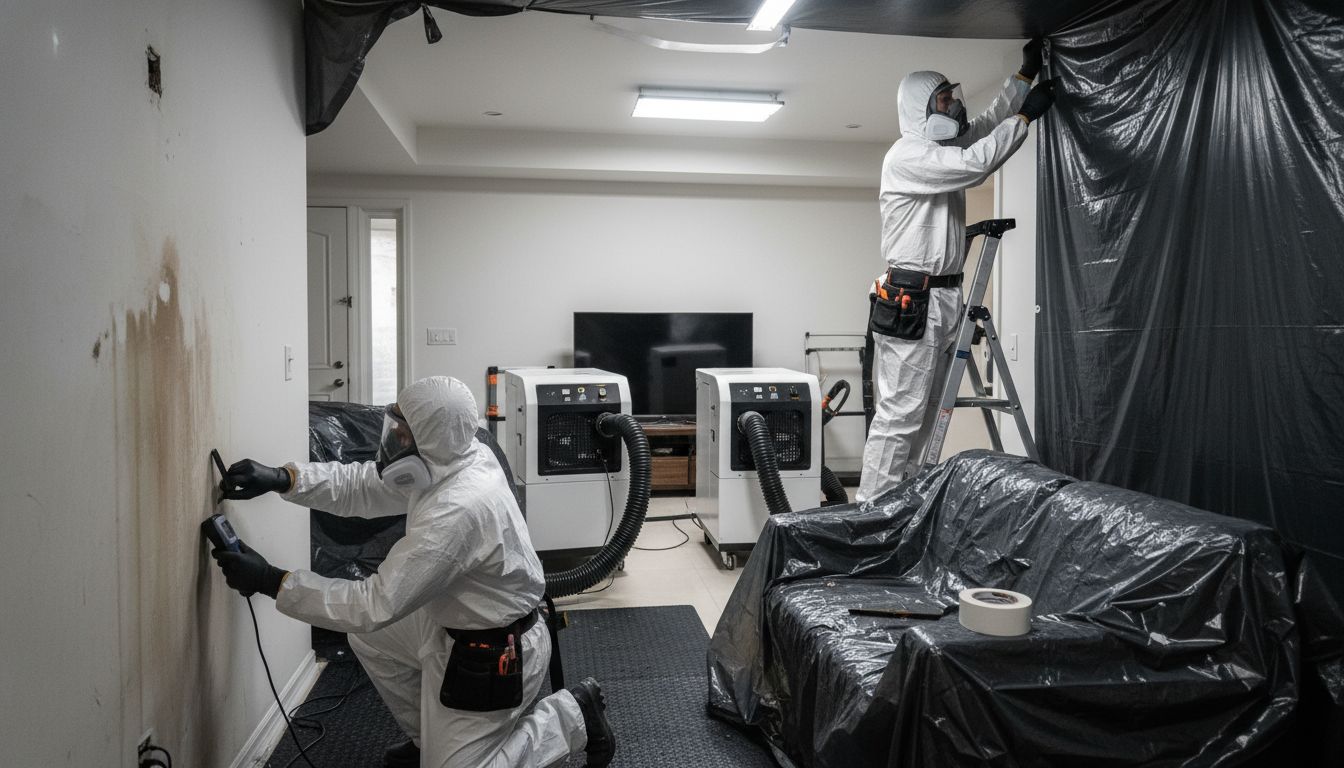
Technical mitigation typically requires advanced equipment and specialized techniques. Professional teams use industrial-grade water extractors, high-velocity air movers, and precision moisture detection tools to address water intrusion comprehensively. These sophisticated instruments allow technicians to:
- Measure moisture levels in walls, floors, and ceilings
- Create targeted drying zones
- Prevent potential mold growth
- Minimize structural material degradation
- Restore the property to its pre-damage condition
Rapid water damage mitigation can reduce potential repair costs by up to 70% and significantly decrease long-term structural risks.
Pro tip: Always keep contact information for professional water damage mitigation experts readily available to ensure immediate response during emergencies.
Restoration Steps After Property Loss
When Sacramento homeowners face property damage, understanding the comprehensive restoration process becomes critical for successful recovery. Property restoration strategies provide a structured approach to rebuilding and protecting your home after unexpected disasters.
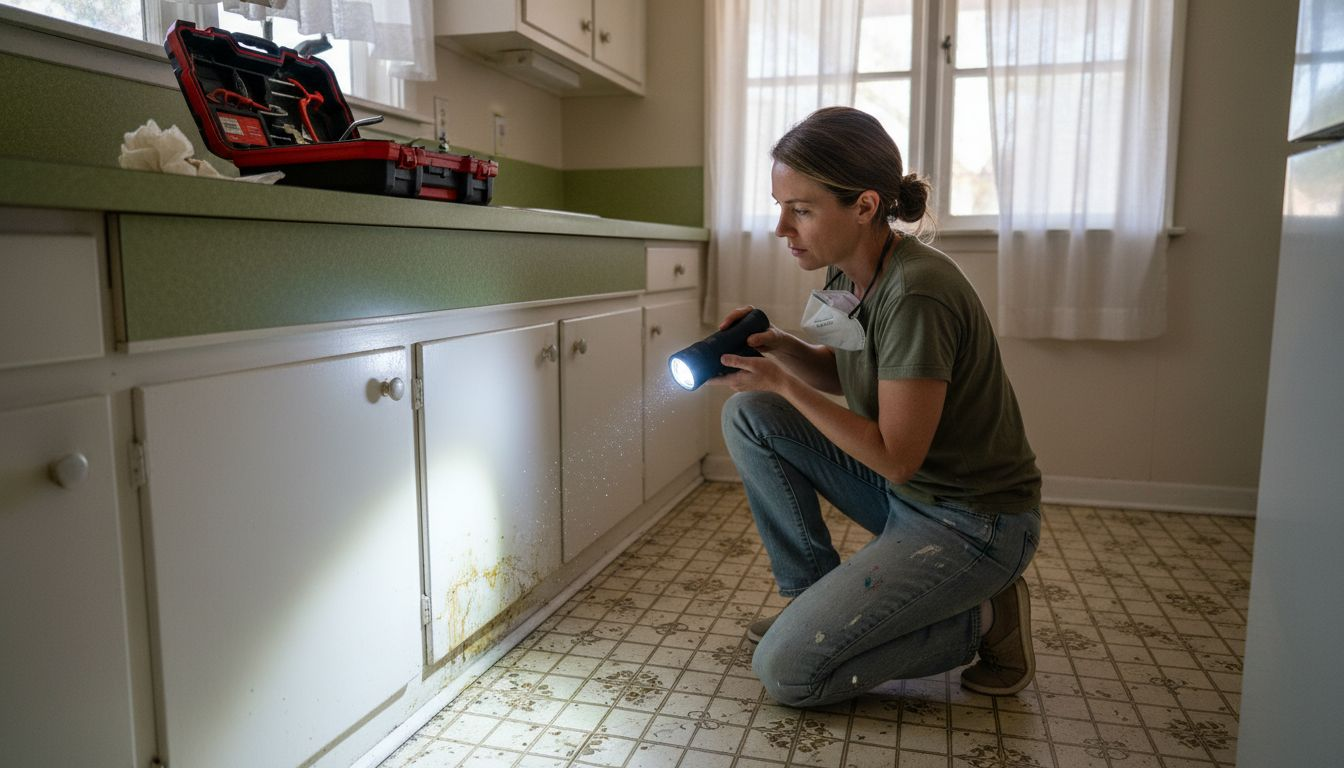
The restoration journey typically begins with a detailed damage assessment and safety evaluation. Professional restoration teams conduct comprehensive inspections to determine the extent of destruction and develop targeted recovery strategies. Critical initial steps include:
- Documenting all property damage with detailed photographs
- Securing the property to prevent additional deterioration
- Protecting undamaged areas from potential secondary damage
- Communicating with insurance providers
- Developing a comprehensive restoration action plan
Subsequent restoration phases focus on systematic repair and reconstruction. These technical steps require specialized equipment and professional expertise to ensure complete property rehabilitation:
- Water extraction and moisture removal
- Structural drying and dehumidification
- Debris removal and thorough cleaning
- Structural repairs and reconstruction
- Final sanitization and restoration
Effective property restoration requires a methodical approach that addresses both immediate damage and potential long-term structural risks.
Restoration professionals use advanced technologies to monitor moisture levels, detect hidden damage, and implement precise repair techniques. These sophisticated approaches help ensure that your Sacramento home returns to its pre-damage condition with minimal long-term complications.
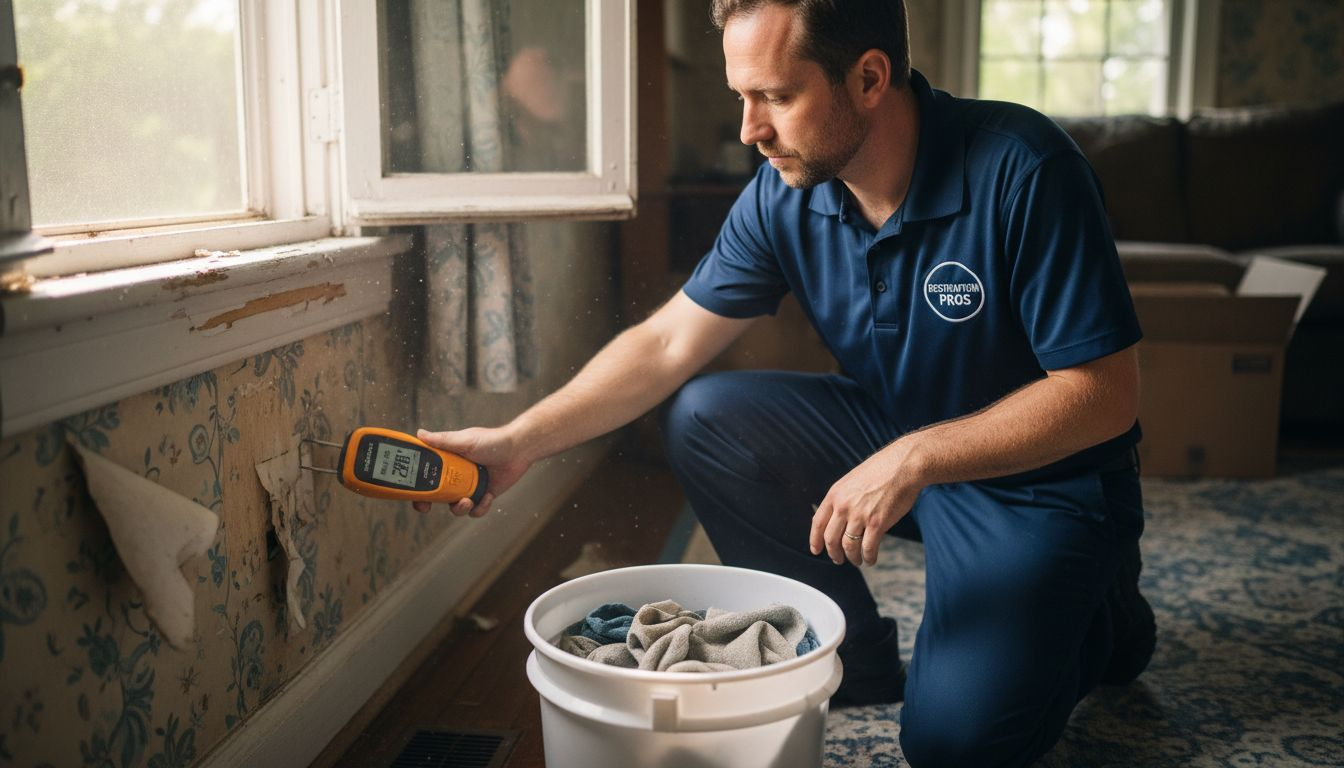
Pro tip: Keep a detailed home inventory with photographic documentation to streamline insurance claims and restoration processes during unexpected property damage events.
Risks and Costs of Each Approach
Sacramento homeowners facing water damage must carefully evaluate the financial implications and potential risks associated with mitigation and restoration strategies. Understanding these nuanced differences can help prevent costly mistakes and long-term property damage.
Mitigation represents a proactive, cost-effective approach with several critical financial considerations:
- Lower immediate intervention costs
- Reduced potential for extensive structural damage
- Minimized risk of mold and secondary water damage
- Typically faster response time
- Lower insurance claim expenses
Restoration, by contrast, involves more complex and potentially expensive processes. The risks and costs include:
- Extensive structural repair requirements
- Higher overall restoration expenses
- Potential long-term property value reduction
- More complex insurance claim processes
- Extended timeline for complete property recovery
Quick mitigation can reduce potential restoration costs by up to 70%, making early intervention financially prudent.
The financial impact varies significantly between approaches. Property damage assessment reveals that delayed action can exponentially increase repair expenses. A minor water leak left unaddressed can transform into a $50,000 restoration project, compared to a potential $2,000 mitigation intervention.
This table summarizes potential financial outcomes based on homeowner action:
| Homeowner Action | Estimated Cost Range | Long-Term Risk Level | Recovery Timeline |
|---|---|---|---|
| Immediate Mitigation | $1,500 – $2,500 | Low risk of major issues | Days to one week |
| Delayed Mitigation | $10,000 – $50,000+ | High risk of structural loss | Weeks to months |
| Full Restoration Needed | $20,000 – $75,000+ | Possible value reduction | One month or longer |
Pro tip: Document all water damage immediately with photographs and contact professional restoration experts within 24 hours to minimize potential financial risks.
Fast, Expert Water Damage Mitigation and Restoration in Northeast Sacramento
Water damage emergencies like burst pipes or flooding demand immediate action to protect your Sacramento home. This article highlights the critical difference between mitigation and restoration — two essential steps for preventing costly structural damage and ensuring your property fully recovers. If you are facing water intrusion or leaks right now, quick and professional response can mean the difference between minor repairs and major reconstruction. You want experienced experts who understand how to stop ongoing damage fast and then guide you through the complete restoration process.
Trust PuroClean of Northeast Sacramento for rapid water extraction, advanced structural drying, and leak detection services. Our certified team is available 24/7 to deliver emergency mitigation that limits damage and lowers restoration costs. Starting mitigation immediately can reduce your expenses by up to 70 percent and protect your home from mold and long-term issues. Visit our water damage restoration page to learn how our proven methods and state-of-the-art technology restore your property quickly and confidently. Don’t wait until the damage worsens. Call now to experience trusted, timely care designed specifically for Sacramento-area homeowners.
Frequently Asked Questions
What is the difference between mitigation and restoration in water damage repair?
Mitigation focuses on preventing further damage immediately after an water incident, while restoration is the comprehensive process of returning a property to its original condition after damage has occurred.
How quickly should I begin water damage mitigation?
Immediate action is crucial; mitigation should ideally begin within hours of water damage to prevent escalating issues, such as mold growth and structural damage.
What steps are involved in the water damage mitigation process?
Key mitigation steps include stopping the water source, removing standing water, protecting undamaged areas, and documenting damage for insurance purposes.
How can I lower my costs when dealing with water damage?
Acting quickly on mitigation efforts can reduce potential damage costs significantly, often by up to 70%. Documenting damage and contacting professionals promptly is essential for minimizing expenses.
Recommended
Water Damage Restoration in Elk Grove, CA | Fast Response
Water Mitigation Explained: Complete Guide to Protection – PuroClean of Northeast Sacramento
What Is Water Mitigation? Complete Breakdown – PuroClean of Northeast Sacramento
Restoration Process Step by Step: Complete Guide – PuroClean of Northeast Sacramento
 PuroClean of Northeast Sacramento