 PuroClean of Northeast Sacramento
 Mold Inspection Explained: Complete Assessment Guide
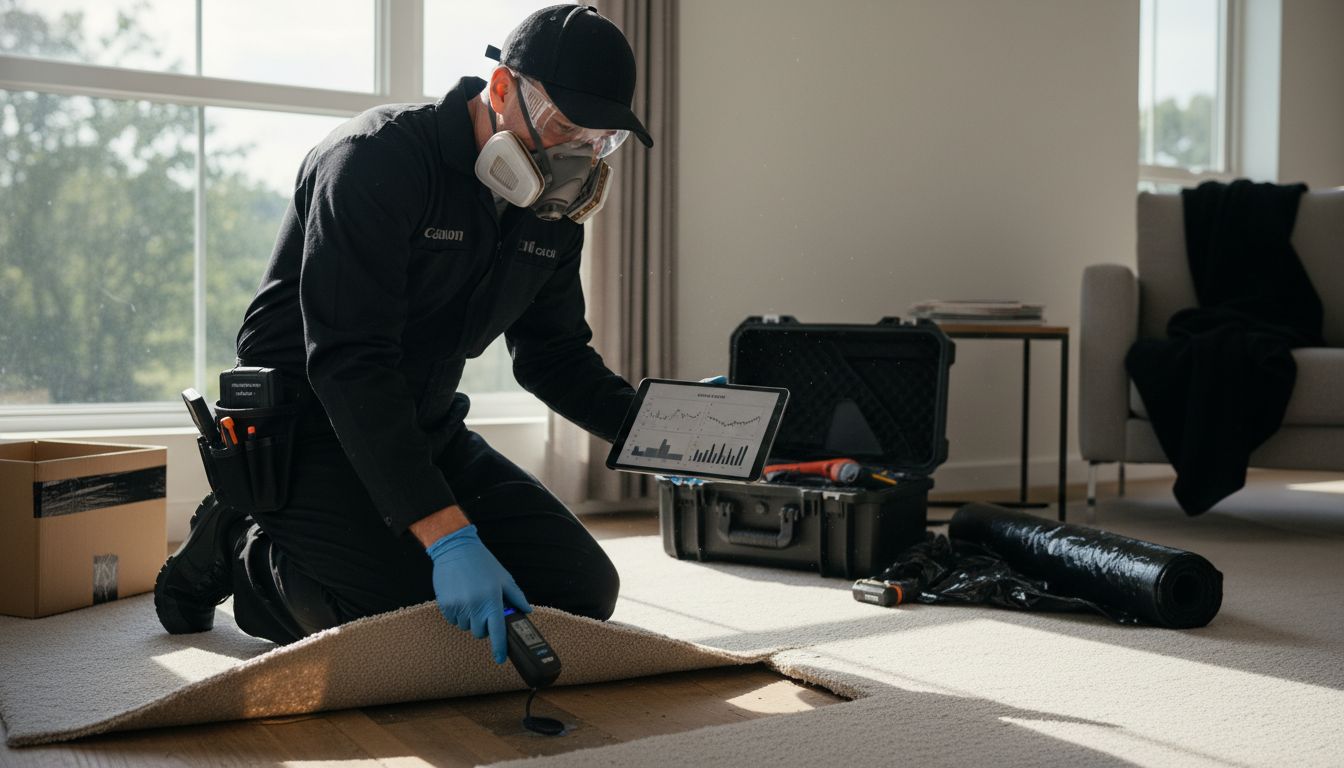
Mold can thrive out of sight in nearly any building, yet many property owners only notice a problem when it becomes a serious threat. More than 45 million buildings in the United States have unhealthy mold levels that could harm health or damage structure. Identifying mold early protects your investment and your well-being. This guide breaks down what mold inspection really means and shows how it helps you keep your property safe and your air clean.
Table of Contents
- What Is Mold Inspection And Why It Matters
- Types Of Mold And Common Sources
- Step-By-Step Mold Inspection Process
- Health And Safety Risks Of Mold Exposure
- Costs, Legal Duties, And Insurance Coverage
Key Takeaways
| Point | Details |
|---|---|
| Importance of Mold Inspections | Mold inspections are essential for identifying potential health risks and preventing significant property damage through early detection. |
| Health Risks of Mold Exposure | Mold exposure can cause various health issues, especially for vulnerable populations; prevention and prompt action are crucial. |
| Types and Sources of Mold | Familiarity with common mold types and their growth sources helps in proactive prevention measures for property owners. |
| Legal and Financial Considerations | Property owners should understand the costs associated with mold inspections and the legal obligations to manage mold contamination effectively. |
What Is Mold Inspection and Why It Matters
A mold inspection is a critical professional assessment designed to detect, evaluate, and understand potential mold contamination within residential and commercial properties. According to iere.org, this comprehensive evaluation aims to identify the precise location, extent, and underlying sources of mold growth that could compromise your health and property’s structural integrity.
The primary objective of a mold inspection goes far beyond simple detection. Professional inspectors conduct meticulous evaluations using specialized equipment to uncover hidden mold colonies, assess moisture conditions, and determine potential health risks. NORMI explains that this process involves systematic sampling of air and surfaces to measure mold spore concentrations and types, providing crucial insights into the potential contamination level.
Why do mold inspections matter? They serve as a preventative health measure and a strategic property maintenance approach. By identifying mold problems early, property owners can:
- Prevent extensive structural damage
- Mitigate potential health risks
- Stop mold from spreading to unaffected areas
- Reduce long-term remediation costs
- Protect indoor air quality
Mold doesn’t discriminate between residential homes or commercial spaces. Its ability to grow silently behind walls, under carpets, and in hidden corners makes professional inspections an essential proactive strategy for maintaining a safe, healthy environment. When it comes to potential mold contamination, knowledge truly is power.
Learn more about protecting your property by checking out our guide on mold inspections.
Types of Mold and Common Sources
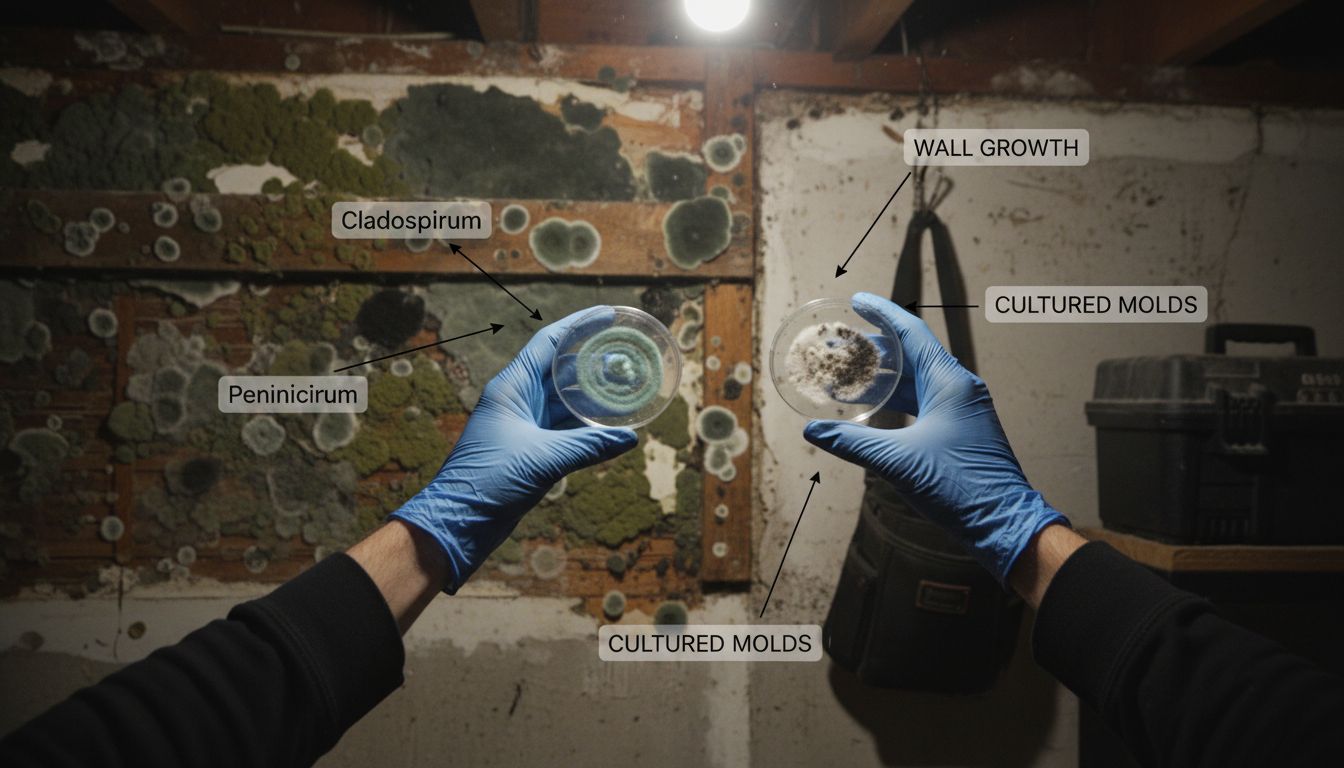
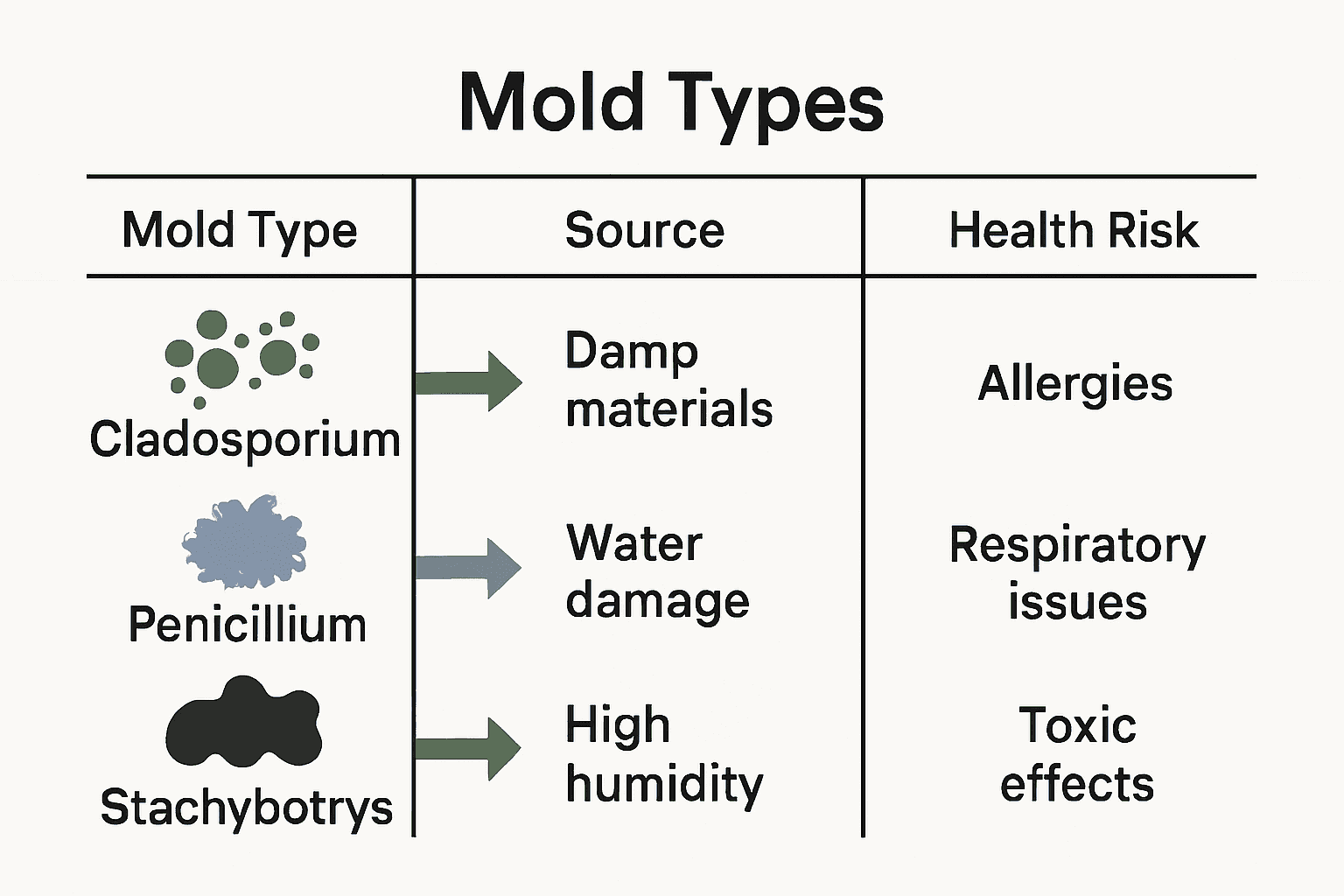
Understanding the types of mold and their common sources is crucial for effective prevention and remediation. According to CDC, the most prevalent indoor mold types include Cladosporium, Penicillium, and Aspergillus. These microscopic organisms are remarkably adaptable, capable of thriving in various environments and entering homes through multiple pathways.
Hopkins Medicine expands on this list, identifying additional common indoor mold varieties such as Alternaria, Mucor, and the notorious Stachybotrys chartarum (often called black mold). Each type presents unique characteristics and potential health risks, making comprehensive identification critical for homeowners and property managers.
Common sources of mold growth include:
- Persistent moisture or water damage
- High humidity environments
- Poor ventilation
- Leaky pipes and roof
- Condensation on windows and walls
- Flooding or water intrusion
- Organic materials like wood, drywall, and fabric
Mold doesn’t just appear randomly. It requires specific conditions to proliferate, primarily moisture and organic material. Bathrooms, basements, kitchens, and areas with poor air circulation become prime breeding grounds. Understanding these sources helps property owners proactively prevent mold development and protect their indoor environments.
For a deeper understanding of specific mold types and their potential risks, explore our guide on types of mold.
Step-By-Step Mold Inspection Process
Mold inspection is a systematic process that requires professional expertise and meticulous attention to detail. According to NORMI, a comprehensive mold assessment goes beyond simple surface-level examination, involving multiple critical steps to thoroughly evaluate potential contamination.
The professional mold inspection typically follows a structured approach:
- Initial Consultation
- Review property history
- Discuss occupant health concerns
- Understand potential moisture sources
- Visual Property Assessment
- Examine interior and exterior surfaces
- Identify visible mold growth
- Check for water damage and moisture indicators
- Moisture Detection
- Use specialized moisture meters
- Identify hidden moisture pockets
- Assess humidity levels
- Sample Collection
- Air quality sampling
- Surface swab testing
- Laboratory analysis of collected samples
- Comprehensive Reporting
- Detailed findings documentation
- Recommendations for remediation
- Potential health risk assessment
Professional inspectors understand that mold detection is more than a checklist. It requires keen observation, technical expertise, and a holistic approach to identifying potential contamination sources. Each step is designed to provide property owners with a complete understanding of their mold situation.
For additional insights into identifying potential mold issues, check out our guide on spotting mold at home.
Health and Safety Risks of Mold Exposure
Mold exposure presents significant health risks that can affect individuals differently, with some people experiencing more severe reactions than others. According to the CDC, exposure to damp and moldy environments can trigger a range of health symptoms, from mild irritations to potentially serious respiratory complications.
NIEHS highlights the diverse range of health impacts associated with mold exposure. The potential symptoms include:
- Blurred vision
- Chronic coughing
- Eye irritation
- Persistent headaches
- Nasal and sinus congestion
- Skin rashes
- Sore throat
- Respiratory difficulties
Certain populations face heightened risks from mold exposure. Individuals with pre-existing conditions like asthma, respiratory disorders, or compromised immune systems are particularly vulnerable. Young children, elderly individuals, and those with chronic lung diseases may experience more intense and potentially dangerous reactions when exposed to mold spores.
Prevention and quick action are crucial in mitigating these health risks. Regular home inspections, maintaining proper humidity levels, and addressing moisture issues promptly can significantly reduce the potential for mold growth and subsequent health complications. If you suspect mold in your environment, it’s essential to consult professionals who can assess and remediate the situation safely.
For more detailed information about the dangers of mold exposure, explore our guide on mold exposure risks.
Costs, Legal Duties, and Insurance Coverage
Mold inspection involves complex financial and legal considerations that property owners must carefully navigate. Costs can vary significantly depending on the property size, extent of potential contamination, and the level of professional assessment required. Professional mold inspections typically range from $300 to $1,000, with comprehensive evaluations potentially costing more for larger or more complex properties.
NORMI highlights that mold sampling is strategically conducted under specific circumstances, including:
- Visible mold growth
- Persistent musty odors
- Occupant health complaints
- Post-remediation verification
Legal responsibilities for property owners and managers can be intricate. Residential and commercial property owners may be legally obligated to:
- Identify and address mold contamination
- Provide safe living or working environments
- Disclose known mold issues during property transactions
- Take prompt remediation actions
- Maintain proper maintenance records
Insurance coverage for mold-related damages varies widely. Most standard homeowners and commercial property insurance policies have limited mold coverage, often excluding long-term moisture issues or gradual damage. Some policies offer additional mold endorsements or riders, but these typically come with specific conditions and limitations.
Property owners should proactively review their insurance policies, understand potential coverage gaps, and consider specialized mold insurance options. Documentation, timely reporting, and professional assessments can significantly impact insurance claims and legal protections.
For insights into related property damage liability, review our guide on legal liability coverage.
Protect Your Home and Health with Professional Mold Inspection and Remediation
If you have discovered signs of mold or suspect hidden contamination from moisture problems it is critical to act quickly to protect your property and well-being. Mold inspection, as detailed in the article, reveals the hidden dangers behind walls and in unseen places — preventing spread, health risks, and costly repairs. Don’t let mold silently damage your home or business environment.
Trust the experts at PuroClean of Northeast Sacramento to provide fast, thorough mold inspections and effective remediation services. Our certified team uses advanced technology to identify mold sources accurately and safely restore your indoor air quality. Acting now means stopping mold growth early and safeguarding your family or employees from harmful exposure.
Learn more about how we handle water damage restoration that often accompanies mold issues as well as our comprehensive mold cleanup solutions. Contact us today to schedule your mold inspection and take the first step towards a healthier, safer property.
Frequently Asked Questions
What is the purpose of a mold inspection?
A mold inspection aims to detect and evaluate potential mold contamination in properties, identifying the location, extent, and sources of mold growth to protect health and property integrity.
What are the common types of mold found indoors?
Common indoor mold types include Cladosporium, Penicillium, Aspergillus, Alternaria, Mucor, and Stachybotrys chartarum (black mold), each presenting unique characteristics and potential health risks.
What is the typical process involved in a mold inspection?
The mold inspection process includes an initial consultation, visual property assessment, moisture detection, sample collection, and comprehensive reporting to provide a detailed evaluation of mold presence and risks.
What health risks are associated with mold exposure?
Mold exposure can cause health issues ranging from mild irritations, such as eye irritation and nasal congestion, to severe symptoms like respiratory difficulties, particularly in vulnerable populations such as children and individuals with pre-existing conditions.
Recommended
- How to Spot Mold at Home: Tips and Tricks
- Mold Inspections: What to Expect and How to Prepare – PuroClean of Coral Gables
- #1 Buyer Beware: The Absolute Need to Know About Buying a House With Mold – PuroClean of Martinsville & Danville
- Airborne Mold: How Mold Affects Air Quality
- Understanding Waterproofing Inspection for Property Owners


 PuroClean of Northeast Sacramento