


Mold vs. Mildew – What Northeast Sacramento Homeowners Need to Know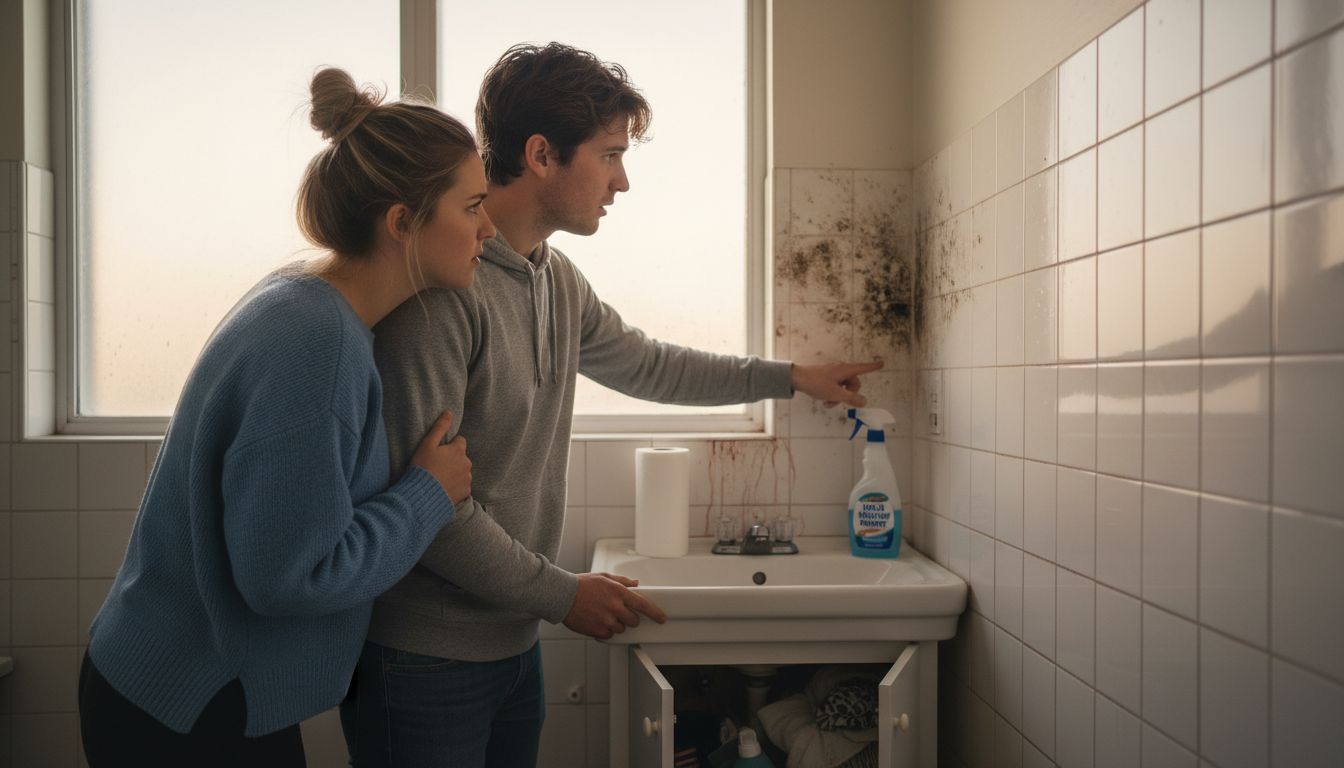
Dark stains creeping along your bathroom ceiling or a powdery layer on basement walls can leave Northeast Sacramento homeowners asking tough questions. Recognizing whether you’re facing mold or mildew is more than a simple household task—it directly impacts your family’s health and the structural safety of your home. With immediate water damage comes the urgent need to distinguish between these two threats so you can choose the right restoration solution and protect what matters most.
Table of Contents
Defining Mold And Mildew In The Home
Key Differences: Color, Texture, And Growth Patterns
Where Mold And Mildew Commonly Appear
Health And Property Risks After Water Damage
Prevention And When To Call Restoration Experts
Key Takeaways
Point
Details
Distinction Between Mold and Mildew
Mold is a damaging fungus that grows deeply into materials, while mildew is surface-level and cosmetic.
Key Risk Areas
Bathrooms, basements, and kitchens are hotspots for mold and mildew growth due to moisture accumulation.
Health Implications
Mold exposure can lead to serious health issues, especially for sensitive individuals, making fast response critical.
Prevention Strategies
Control indoor humidity and address leaks promptly to prevent mold and mildew before they establish.
Defining Mold and Mildew in the Home
If you’ve noticed dark spots in your bathroom or a grayish coating on your basement walls, you’re probably wondering what you’re looking at. The truth is, mold and mildew are two different things, and knowing the distinction matters when deciding how to handle them in your Northeast Sacramento home.
Mold is a fungus that reproduces through spores and thrives wherever moisture exists. When mold spores land on wet surfaces, they begin to grow and spread, breaking down the materials they colonize. This is why mold can cause structural damage over time, not just health concerns.
Mildew, by contrast, is technically a type of surface mold. It appears as a thin, flat fungal growth, usually gray or white in color, and tends to stay on the surface rather than penetrating deep into materials.
Key differences to remember:
Growth pattern: Mold grows downward and inward; mildew stays on the surface
Appearance: Mold is often darker, fuzzy, or slimy; mildew looks powdery or chalky
Location: Mold prefers bathrooms, basements, and areas with standing water; mildew thrives on damp surfaces like shower tiles or fabric
Damage: Mold eats through materials; mildew is mostly cosmetic
Both mold and mildew need one thing to survive: moisture. Without it, they cannot grow, which is why water damage creates the perfect breeding ground for both.
The health risks differ too. Mold can trigger allergies and respiratory issues in sensitive individuals, while mildew is generally less harmful but still a nuisance.
Here’s what matters most for your home: both appear after water damage events. Whether it’s a burst pipe in your walls, a basement flood, or a slow roof leak, the moisture left behind creates conditions where mold and mildew flourish within 24 to 48 hours.
Understanding which you’re dealing with helps you respond appropriately. Mildew often responds to basic cleaning, but mold growth—especially if it’s spread deep into drywall or subfloors—typically requires professional intervention and structural drying to prevent further damage and health risks.
Here’s a quick visual guide to help differentiate mold and mildew in home environments:
Attribute
Mold
Mildew
Typical Color
Black, green, or brown
White, gray, or yellowish
Texture
Fuzzy, slimy, or uneven
Flat, powdery, or chalky
Depth of Growth
Deep into materials and structures
Stays on surfaces only
Health Impact
Triggers allergies, respiratory
Minor irritation, rarely severe
Cleaning Method
Needs professional removal if deep
Often removed with cleaning
Pro tip: Act fast after any water event in your Northeast Sacramento home. The longer moisture sits, the more likely mold will establish itself in places you can’t see, making professional restoration critical to prevent costly structural damage.
Key Differences: Color, Texture, and Growth Patterns
Color is one of the easiest ways to spot the difference between mold and mildew in your home. Mildew typically appears white, gray, or yellowish with a powdery coating, while mold tends to be darker—black, green, or even brown. If you see something that looks almost dusty, it’s likely mildew. If it looks fuzzy or slimy, you’re probably dealing with mold.
Texture tells another important story. Mildew has a flat, powdery texture that feels chalky when you wipe it. Mold, by contrast, is often fuzzy, slimy, or raised, and it penetrates deeper into whatever it’s growing on. This textural difference is crucial because it affects how you treat it.
Where they grow matters too. Mildew loves flat, damp surfaces like bathroom tiles, shower curtains, and fabric. It stays on the surface, which is why it’s easier to clean. Mold prefers bathrooms, basements, and areas with standing water, but it also grows on walls, ceilings, and inside carpets.
Growth pattern comparison:
Mildew: Spreads in flat patterns, stays on surfaces, grows slowly
Mold: Penetrates materials deeply, spreads quickly, creates roots in drywall and wood
Mildew location: Shower tiles, window sills, exterior walls
Mold location: Inside walls, under flooring, hidden basement corners
The depth of growth is the real game changer. Mildew stays on the surface, but mold eats through materials, which is why it causes structural damage in your Northeast Sacramento home.
Here’s what makes this distinction critical for homeowners: mold is more likely to cause serious health issues and structural damage because it penetrates deeply. Mildew is frustrating and unsightly, but it’s generally less hazardous.
After water damage—whether from a burst pipe, flooding, or a roof leak—mold grows faster and deeper than mildew. Within 24 to 48 hours, it can establish itself in places you can’t see. This is why professional restoration matters.
Visual identification helps, but if you’re uncertain what you’re dealing with, don’t wait. The longer moisture sits, the more aggressive mold becomes, and the more costly the damage.
Pro tip: Use a simple visual scan: if it’s powdery and white, try cleaning it yourself; if it’s dark, fuzzy, or spreading, call a professional restoration company immediately to prevent hidden structural damage.
Where Mold and Mildew Commonly Appear
Mold and mildew don’t show up randomly in your home. They appear in specific locations where moisture lingers and ventilation is poor. Knowing these hot spots helps you catch them early before they spread.
Bathrooms are ground zero for both mold and mildew. The constant moisture from showers, baths, and sinks creates the perfect breeding ground. You’ll find mildew on tile grout, shower curtains, and bathroom ceilings. Mold tends to hide behind walls, under vanities, and in exhaust vents where water sits longer.
Basements are another major problem area, especially in Northeast Sacramento homes with older plumbing or foundation issues. Mold grows quickly on damp surfaces like basement walls, crawl spaces, and carpeting. Standing water from leaks or flooding creates an ideal environment.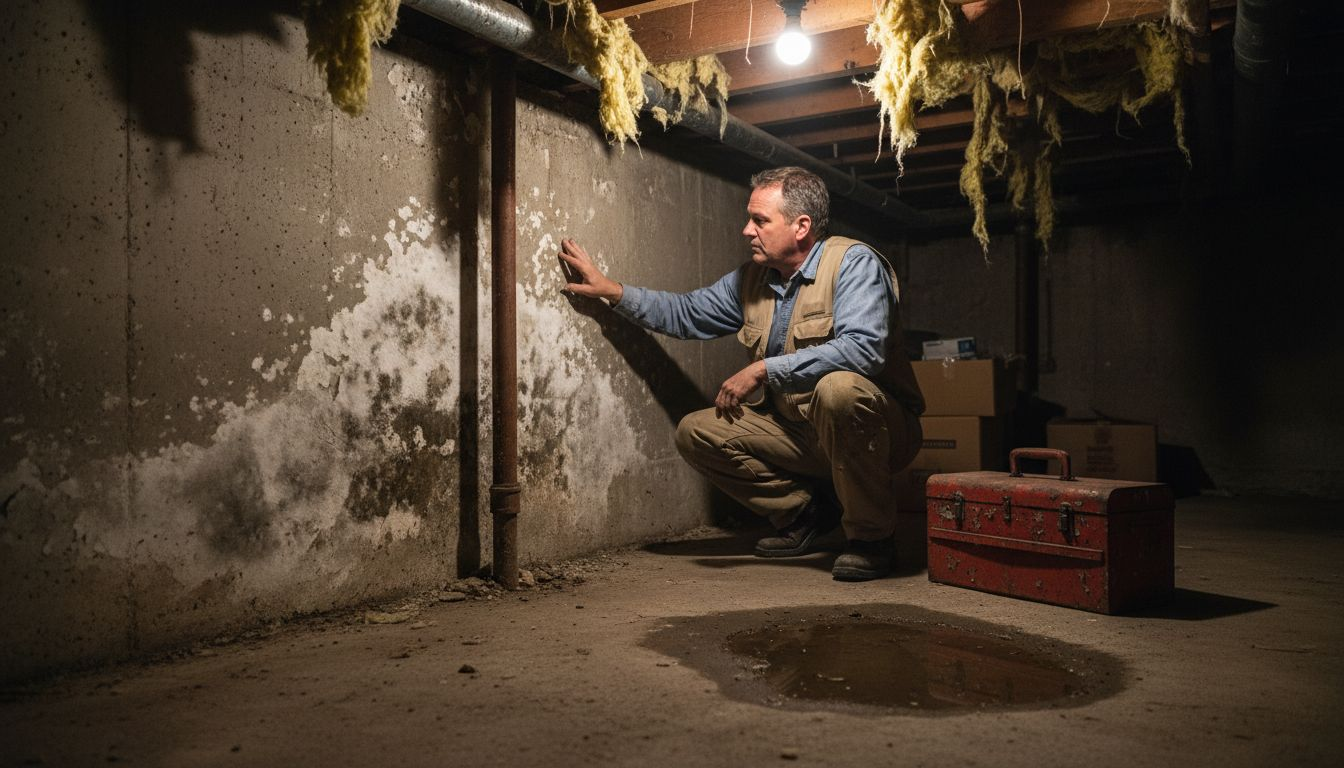
Kitchens are often overlooked but surprisingly vulnerable. Moisture from cooking, dishwashing, and refrigerator condensation accumulates under sinks, around plumbing connections, and behind appliances. This is where slow water damage from burst pipes or leaks often goes unnoticed for weeks.
High-risk locations in your home:
Bathrooms: Shower walls, tile grout, exhaust fans, window sills
Basements: Concrete foundations, crawl spaces, stored boxes, old carpet
Kitchens: Under sinks, around dishwashers, refrigerator areas, window frames
Laundry rooms: Around washers and dryers, dryer vents, floor drains
Attics: Around roof leaks, vents, and insulation in humid climates
Around plumbing: Any area with water pipes, especially older copper or galvanized lines
Moisture is the common thread. Without it, mold and mildew cannot exist. Any area where water sits—even briefly—becomes a potential breeding ground.
Window sills and frames deserve special attention. Mold grows indoors where moisture accumulates, and condensation on windows creates perfect conditions. This is especially common in Northeast Sacramento during temperature shifts between seasons.
After water damage events like burst pipes, roof leaks, or foundation cracks, mold can appear within 24 to 48 hours. It settles into drywall, insulation, carpet padding, and wood framing—places you can’t see without professional inspection.
Poor ventilation amplifies the problem everywhere. Bathrooms without working exhaust fans, attics with blocked vents, or crawl spaces without proper airflow trap moisture and accelerate mold growth.
Pro tip: Inspect these high-risk areas monthly, especially after water events. Look for dark spots, musty odors, or visible mold growth. If you find mold in walls, crawl spaces, or structural areas, contact a professional restoration company immediately rather than attempting DIY removal.
Health and Property Risks After Water Damage
Water damage isn’t just about wet carpet and ruined furniture. Once moisture enters your Northeast Sacramento home, it triggers a cascade of problems—both for your health and your property’s structural integrity.
Mold appears within 24 to 48 hours after water damage occurs. Mold exposure can cause allergic reactions, asthma attacks, and respiratory inflammation in family members. People with existing allergies or asthma face higher risk of serious symptoms.
The health effects go beyond allergies. Prolonged mold exposure triggers coughing, wheezing, sore throat, and skin irritation. Some individuals experience mood changes and immune system alterations from chronic mold exposure in their living spaces.
Children and elderly family members are particularly vulnerable. Their immune systems struggle more with mold-related illnesses, and symptoms can develop faster than in healthy adults.
Health risks from mold after water damage:
Respiratory issues: Coughing, wheezing, shortness of breath
Allergic reactions: Sneezing, itching, runny nose, skin rashes
Asthma complications: Increased attacks and worsening symptoms
Sore throat and inflammation: From inhaling mold spores
Immune suppression: Prolonged exposure weakens your immune response
The real danger is hidden mold. Spores spread through walls, ducts, and crawl spaces long before you see visible growth. By then, the damage is extensive.
Property damage is equally serious. Mold breaks down building materials like wood framing, drywall, insulation, and subflooring. What starts as a water leak becomes structural damage if left untreated, requiring expensive repairs or even compromising your home’s foundation.
Material destruction happens quietly. Mold feeds on cellulose in wood and paper products, weakening them from the inside. This can take weeks or months to become visible, which is why professional inspection after water damage is critical.
Drywall absorbs water and becomes a perfect breeding ground for mold colonies deep inside walls. Carpet padding traps moisture and becomes unusable within days. Wooden joists and beams deteriorate slowly but permanently.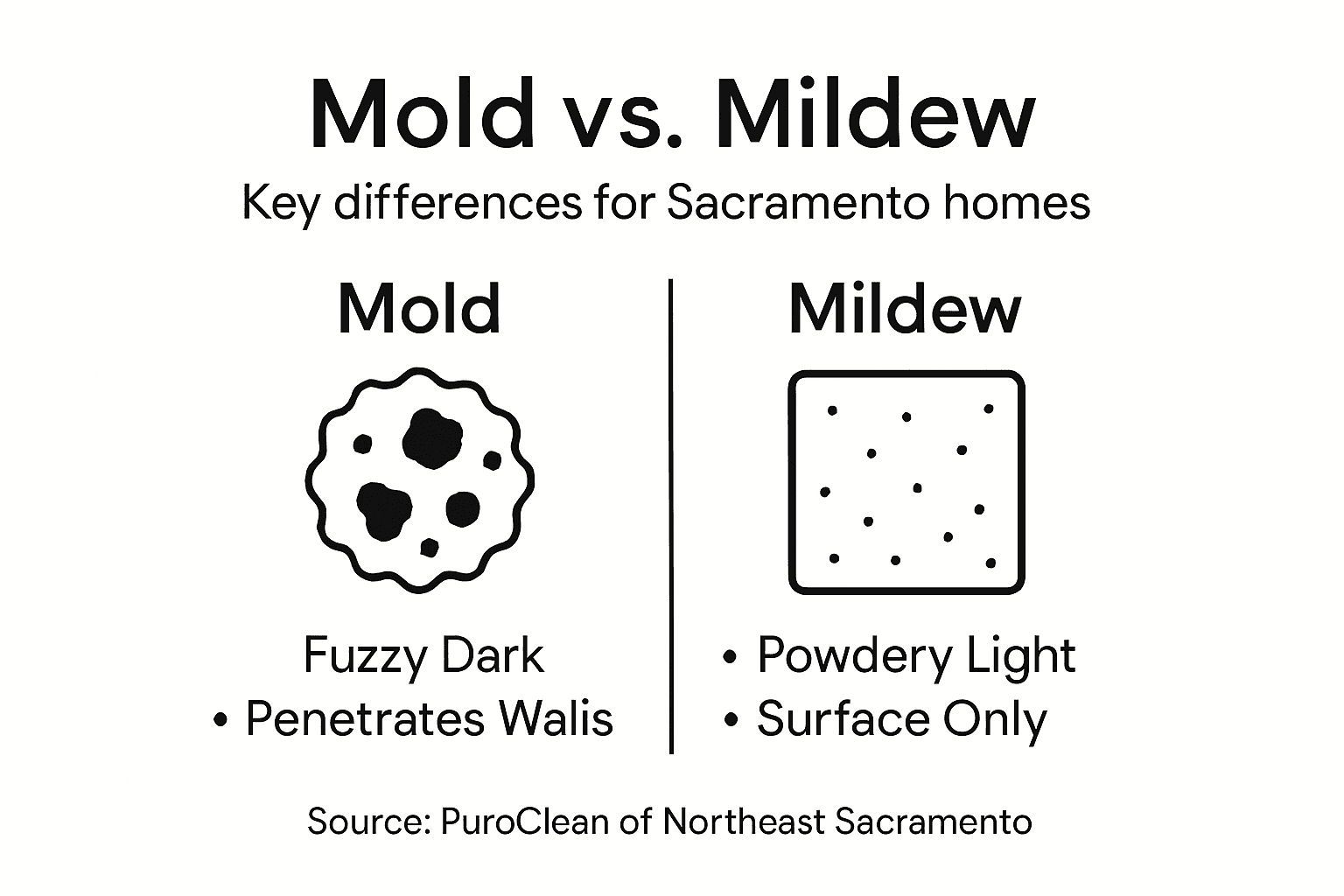
The cost of ignoring water damage multiplies fast. A $500 water mitigation expense today becomes a $15,000 structural repair later. Insurance may not cover damage from neglect or delayed response.
Below is a property risk summary table showing how delayed water damage response impacts your home and health:
Delay Length
Risk to Property
Health Impact
Immediate Action
Minimal damage, rapid drying
Minimal or no health effects
2-3 Days Delay
Mold begins spreading
Minor allergy risk, quick onset
1+ Week Delay
Structural material loss
High risk for mold illnesses
1+ Month Delay
Major repairs needed
Persistent respiratory problems
Pro tip: After any water damage event—burst pipe, flooding, or roof leak—call a professional restoration company within 24 hours. They extract water, dry structures completely, and prevent mold growth before it starts. Early action saves your health, your home, and your wallet.
Prevention and When to Call Restoration Experts
Prevention is always cheaper than remediation. Stopping mold and mildew before they start protects your Northeast Sacramento home and your family’s health. The good news is that prevention strategies are straightforward.
Moisture control is your first defense. Keep indoor humidity below 50% by running exhaust fans in bathrooms and kitchens during and after use. Open windows when weather permits to improve air circulation. Use a dehumidifier in basements, crawl spaces, and other naturally damp areas.
Fix leaks immediately, no matter how small they seem. Controlling moisture prevents mold growth more effectively than any cleanup. A small drip under a sink today becomes a wall full of mold in two weeks.
Dry wet materials within 24 to 48 hours after any water event. This window is critical—it’s when mold decides whether to take hold or die off. Carpet, padding, drywall, and insulation all need complete drying.
Prevention checklist:
Fix roof leaks, window leaks, and foundation cracks immediately
Clean gutters to prevent water overflow near your foundation
Insulate cold water pipes to prevent condensation buildup
Maintain proper grading so water drains away from your home
Inspect basements and crawl spaces monthly for dampness
Use bathroom fans for at least 30 minutes after showers
Small mold patches in obvious spots can be cleaned with detergent and water, but anything extensive requires professionals. Knowing when to act alone versus calling experts saves time and prevents mistakes.
Call restoration experts when mold covers more than 10 square feet. If it’s hidden in walls, crawl spaces, or attics, professionals have the tools to find and remove it safely. Sewage-contaminated water always requires professional handling due to serious health risks.
After water damage from burst pipes, flooding, or roof leaks, don’t attempt cleanup alone. Professionals extract water completely, dry structural materials thoroughly, and prevent mold before it starts. They use commercial-grade equipment and know exactly where hidden moisture hides.
You also need professionals when mold has already spread. DIY cleaning won’t address colonies inside walls. Spores spread through air ducts and gaps, contaminating your entire home if not properly contained and removed.
PuroClean of Northeast Sacramento provides 24/7 emergency response for water damage mitigation. We handle extraction, structural drying, leak detection, and coordination with your insurance company. Early professional intervention is far less expensive than dealing with structural damage months later.
Pro tip: Create a maintenance schedule: inspect high-risk areas monthly, test exhaust fans quarterly, and have your plumbing checked annually. Document everything with photos for insurance purposes. When water damage strikes, call professionals within 24 hours—that decision determines whether you’re spending hundreds or thousands on repairs.
Act Fast to Protect Your Northeast Sacramento Home from Mold and Water Damage
Mold and mildew thrive where moisture lingers, creating serious risks to your health and home structure after water damage events like burst pipes or flooding. Understanding the differences between surface mildew and deep-penetrating mold is vital, but taking swift action to dry and restore your property is even more critical. Ignoring water damage allows mold to spread rapidly, causing costly repairs and respiratory health issues.
When you need fast, expert response in Northeast Sacramento, turn to PuroClean of Northeast Sacramento. Our 24/7 emergency water damage and structural drying services stop mold growth before it starts. We specialize in water extraction, leak detection, and rapid mitigation to save your property and safeguard your family’s health. Don’t wait until surface mildew turns into unseen mold inside your walls. Visit PuroClean of Northeast Sacramento now and protect your home with professional restoration tailored to your urgent needs.
Frequently Asked Questions
What is the difference between mold and mildew?
Mold is a type of fungus that grows in damp environments and reproduces through spores, often appearing fuzzy or slimy and causing structural damage. Mildew, on the other hand, is a surface mold that appears flat and powdery, typically found in bathrooms or on damp surfaces but is mostly cosmetic.
How do I identify mold and mildew in my home?
You can identify mold by its darker colors (black, green, or brown) and fuzzy texture. In contrast, mildew is usually white, gray, or yellowish with a flat, powdery appearance.
What should I do if I find mold in my home?
If mold is found, assess the severity. Small patches can often be cleaned with detergent and water. However, if it’s extensive or hidden, it’s best to call a professional restoration company to ensure thorough removal and prevent structural damage.
How can I prevent mold and mildew from growing in my home?
Prevent mold and mildew by controlling moisture. Keep indoor humidity below 50%, fix leaks promptly, dry wet materials within 24 to 48 hours, and ensure proper ventilation in high-moisture areas like bathrooms and kitchens.
Recommended
Why Remove Mold Professionally: Complete Guide – PuroClean of Northeast Sacramento
What Is the Difference Between Mold and Mildew? – Purofirst of Sonoma County
Complete Guide to the Mold Inspection Process – PuroClean of Northeast Sacramento
What Is the Difference Between Mold and Mildew?
7 Essential Arts and Crafts Home Maintenance Checklist Tips –