 PuroClean of Northeast Sacramento
 Post-Restoration Care—Protecting Your Home After Damage
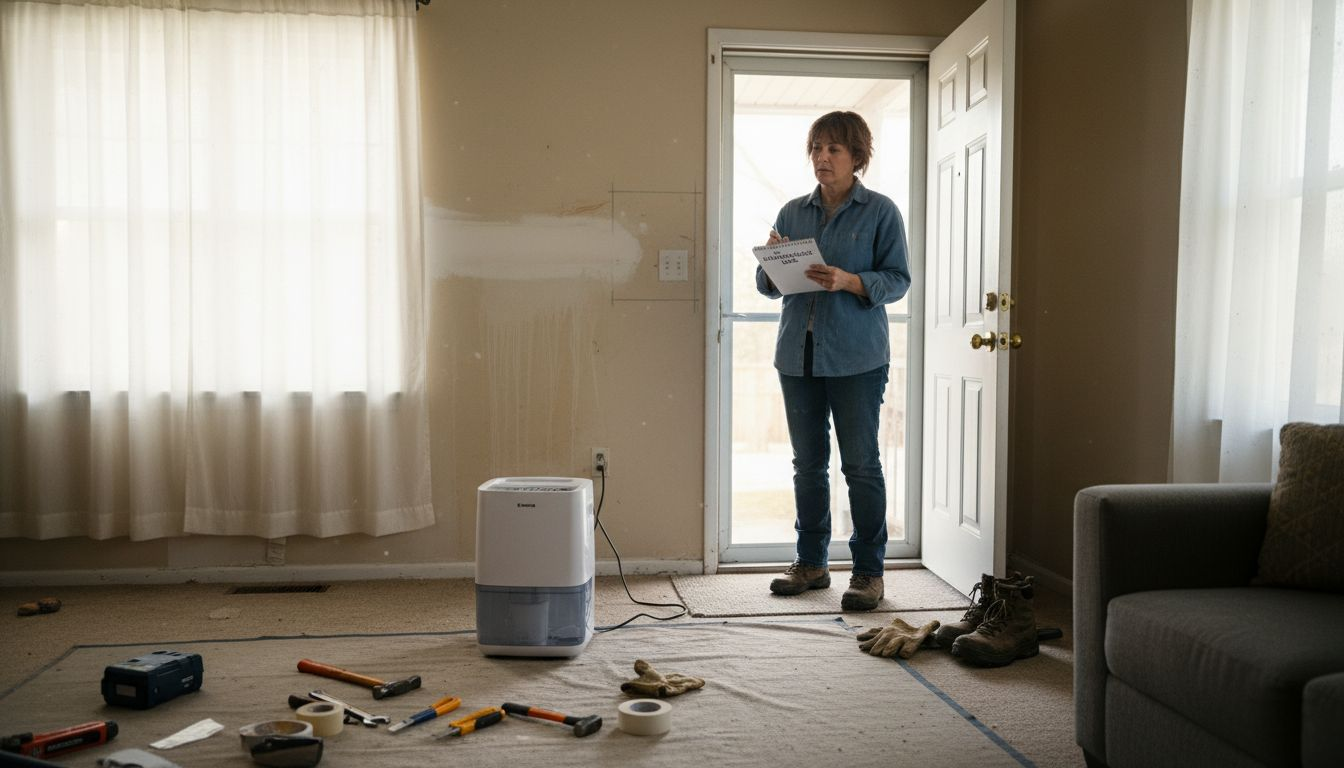
Dealing with the aftermath of water or fire damage in your Sacramento home can leave you feeling uncertain about what comes next. Ensuring your property remains safe and resilient requires more than quick repairs. Post-restoration care is about deliberate steps that protect your home’s integrity, including strategic moisture control, regular inspections, and ongoing maintenance tailored to your environment. This guide offers actionable solutions and insights designed for Northeast Sacramento homeowners ready to safeguard their investments against future hazards.
Table of Contents
- Defining Post-Restoration Care For Homeowners
- Types Of Post-Restoration Needs: Water Vs. Fire
- Maintenance Routines To Prevent Future Damage
- Identifying Common Issues And Hidden Risks
- When To Seek Professional Follow-Up In Sacramento
Key Takeaways
| Point | Details |
|---|---|
| Post-Restoration Care | Focus on long-term stability through monitoring and moisture control to prevent future damage. |
| Water vs. Fire Restoration | Each type requires specialized techniques; understand the unique challenges to ensure effective recovery. |
| Ongoing Maintenance | Implement regular inspections and a comprehensive maintenance plan to safeguard against hidden risks. |
| Engage Professionals When Necessary | Consult experts for follow-up assessments and tailored strategies based on specific environmental challenges. |
Defining Post-Restoration Care for Homeowners
Post-restoration care represents a critical phase in home recovery after experiencing significant structural damage. Unlike simple repair work, this comprehensive process focuses on ensuring long-term property stability, health, and resilience. Restoration maintenance goes beyond immediate fixes, requiring strategic approaches to prevent future complications.
At its core, post-restoration care involves systematic monitoring and proactive management of your home’s structural and environmental conditions. Moisture control strategies are particularly essential, helping homeowners prevent secondary damage like mold growth or structural decay. These strategies include:
- Monitoring humidity levels consistently
- Ensuring proper ventilation throughout affected spaces
- Conducting regular visual inspections of repaired areas
- Tracking potential moisture accumulation zones
- Maintaining precise documentation of restoration work
The Federal Emergency Management Agency (FEMA) emphasizes that effective post-restoration care involves understanding the specific vulnerabilities of your home. This means developing a tailored approach that addresses your property’s unique characteristics and potential risk factors. Rebuilding strategies should focus on creating a more resilient living environment that can withstand potential future challenges.
Pro tip: Create a dedicated restoration maintenance log to track repairs, inspections, and potential problem areas, helping you stay proactive in protecting your home’s long-term integrity.
Types of Post-Restoration Needs: Water vs. Fire
Post-restoration requirements are dramatically different for water and fire damage, with each type demanding specialized approaches to ensure complete property recovery. While both scenarios require comprehensive restoration strategies, the underlying challenges and remediation techniques vary significantly. Damage restoration involves complex, nuanced processes tailored to the specific type of structural harm experienced.
Fire and water restoration present unique challenges that require professional expertise and targeted interventions. Water damage restoration typically focuses on:
- Rapid moisture extraction
- Comprehensive dehumidification
- Preventing mold proliferation
- Structural drying techniques
- Moisture content monitoring
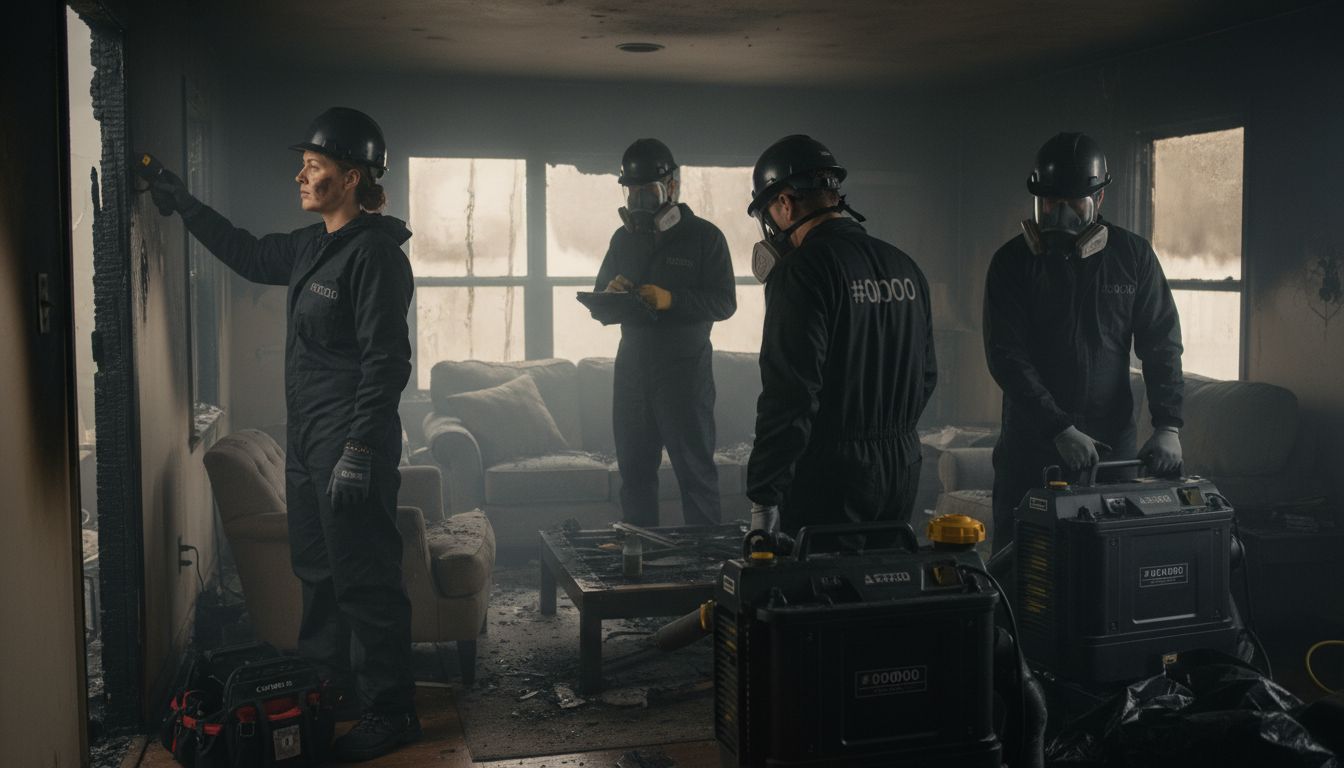
Fire damage restoration, conversely, involves more intricate procedures such as:
- Soot and residue removal
- Smoke odor elimination
- Heat-induced structural repair
- Air quality restoration
- Comprehensive contamination cleaning
The International Institute of Cleaning and Restoration Certification (IICRC) emphasizes that each restoration scenario demands a meticulous, scientifically-driven approach. Specialized restoration methodologies ensure that homeowners receive targeted interventions addressing the specific damage type, minimizing long-term structural risks and potential health hazards.
Here’s a snapshot of the main differences between water and fire post-restoration needs:
| Restoration Focus | Water Damage Approach | Fire Damage Approach |
|---|---|---|
| Primary Concern | Removing excess moisture | Eliminating soot and residues |
| Key Health Risk | Mold formation | Toxic smoke contamination |
| Recovery Duration | Typically faster | Can require extended timelines |
| Structural Risk | Foundation weakening | Heat-induced material warping |
| Main Odor Issue | Musty dampness | Pervasive smoke smell |
Pro tip: Always document and photograph damage extensively before restoration begins, creating a comprehensive record for insurance purposes and future reference.
Maintenance Routines to Prevent Future Damage
Post-restoration maintenance is more than a periodic checklist—it’s a strategic approach to protecting your home’s long-term structural integrity and preventing potential recurring damage. Home resilience requires consistent, proactive monitoring and targeted interventions that address the unique vulnerabilities exposed during previous restoration efforts.
Healthy home maintenance involves comprehensive, systematic inspections of critical home systems. Homeowners should focus on key areas including:
- Roof and exterior structural integrity
- Plumbing and water connection points
- HVAC system functionality
- Foundation and wall moisture levels
- Insulation and weatherproofing conditions
- Gutter and drainage system performance
- Electrical system safety checks
Most critical maintenance routines target potential problem zones that could compromise your home’s structural health. These preventative measures help identify early warning signs before they escalate into significant restoration challenges.
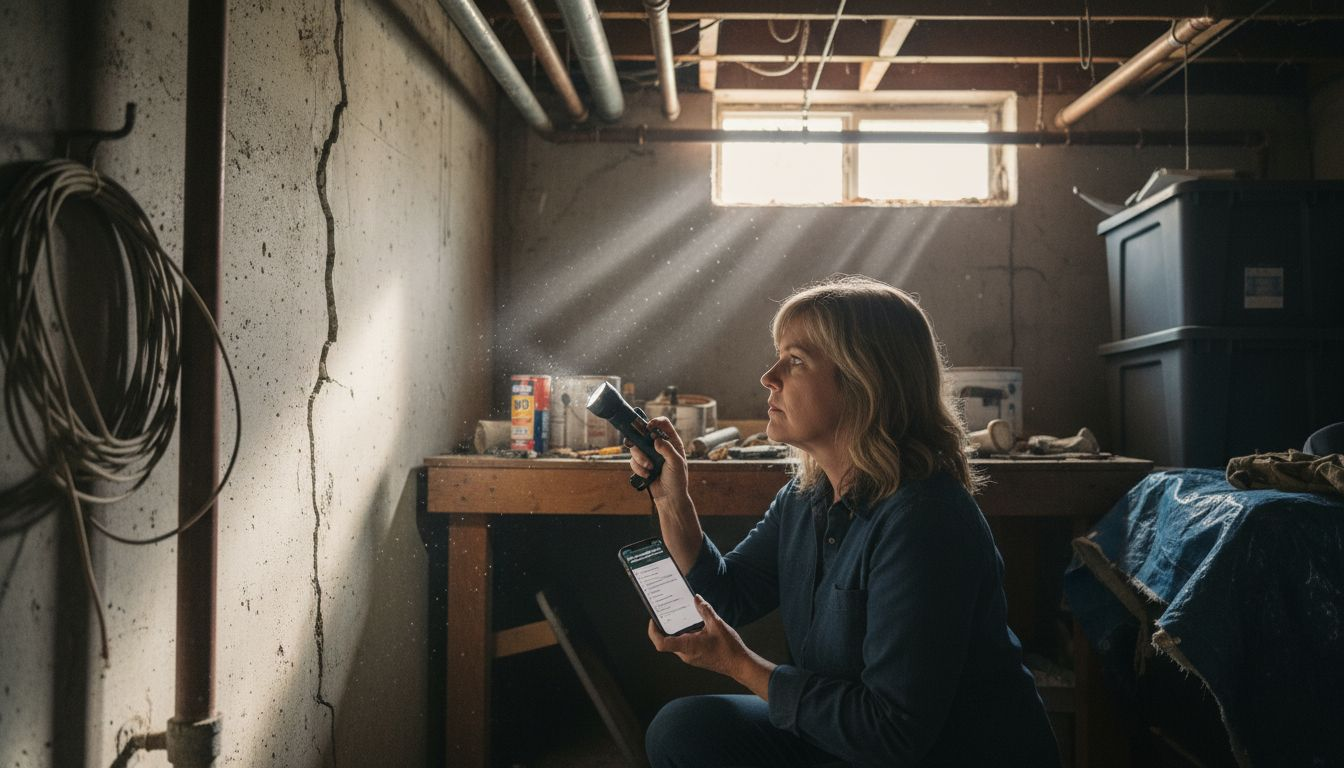
Hazard mitigation strategies recommend developing a comprehensive maintenance plan that goes beyond basic repairs. This involves scheduled professional inspections, proactive repairs, and continuous monitoring of environmental factors that could potentially trigger structural vulnerabilities.
Pro tip: Create a digital maintenance log with photographs, dates of inspections, and professional assessment notes to track your home’s ongoing health and restoration progress.
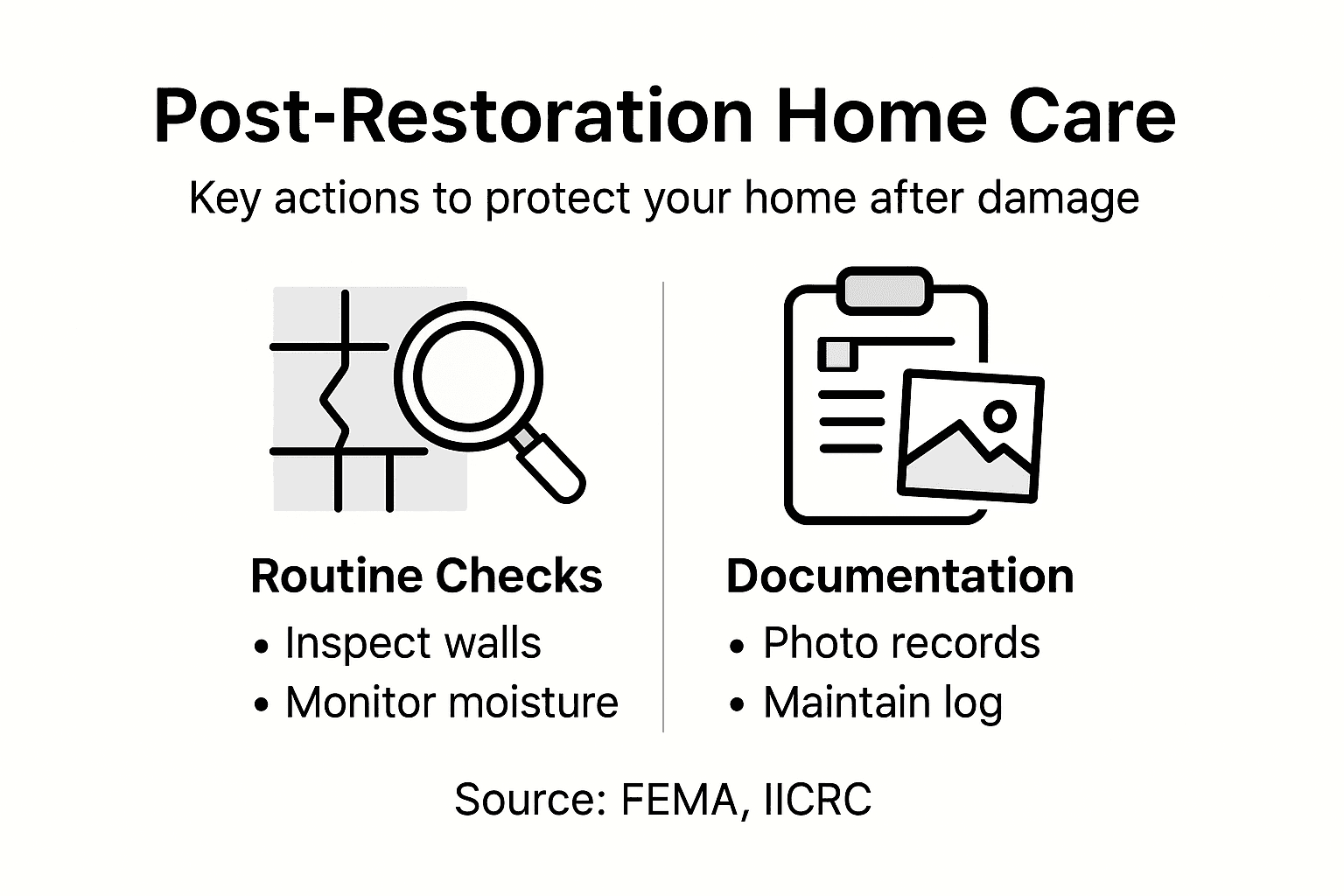
The table below summarizes essential inspections for maintaining a restored home’s resilience:
| Area to Inspect | What to Look For | Impact if Neglected |
|---|---|---|
| Roof & Gutters | Leaks, sagging, blockages | Water damage, mold growth |
| Electrical System | Wiring wear, abnormal heat | Fire hazard, system failure |
| Foundation & Walls | Cracks, moisture spots | Structural weakening, infestation |
| HVAC System | Filter clogging, odd noises | Poor air quality, costly repairs |
Identifying Common Issues and Hidden Risks
Post-restoration environments harbor numerous potential hazards that can compromise the safety and structural integrity of your home. Hidden damage often remains undetected, creating long-term risks that may not become apparent until significant problems emerge. Understanding these subtle threats is crucial for maintaining a safe living environment.
Environmental health risks after restoration can include complex contaminants that pose serious health challenges. Homeowners should be vigilant about potential issues such as:
- Chemical residue accumulation
- Microscopic soot particles
- Heavy metal contamination
- Persistent smoke odors
- Volatile organic compounds (VOCs)
- Potential structural weakening
- Electrical system compromises
Structural assessments become paramount in identifying these hidden risks. Home safety evaluations recommend comprehensive inspections that go beyond surface-level examinations. These evaluations should focus on detecting subtle signs of potential future problems, including:
- Hairline fractures in foundations
- Moisture trapped within walls
- Compromised electrical wiring
- Potential mold growth zones
- Pest infiltration points
- Structural stress indicators
- Insulation integrity
Professional restoration experts understand that many risks remain invisible to untrained eyes. Comprehensive assessments require specialized equipment and technical expertise to uncover potential threats that could compromise your home’s long-term safety and structural reliability.
Pro tip: Invest in a professional thermal imaging inspection annually to detect hidden moisture, electrical, and structural issues before they become costly problems.
When to Seek Professional Follow-Up in Sacramento
Homeowners in Sacramento face unique restoration challenges that demand strategic professional intervention. Restoration follow-up goes beyond simple repairs, requiring comprehensive evaluations that protect your property’s long-term structural integrity and safety. Understanding when to engage professional services can prevent minor issues from escalating into significant, costly problems.
Home repair evaluations become critical in identifying potential risks specific to Sacramento’s regional environmental conditions. Homeowners should consider professional follow-up when experiencing:
- Persistent musty odors after restoration
- Unexplained moisture spots
- Signs of recurring damage
- Unusual structural settling
- Changes in indoor air quality
- Potential insulation compromises
- Unexplained increases in utility costs
Sacramento’s unique climate and architectural diversity require specialized restoration approaches. Professional restoration assessments are particularly crucial for properties with complex restoration histories or those located in areas prone to environmental stressors.
Timely professional follow-up can help Sacramento homeowners identify potential structural vulnerabilities, ensure compliance with local building codes, and develop proactive maintenance strategies that protect their investment. Early detection of subtle damage prevents exponential repair costs and maintains property value.
Pro tip: Schedule a comprehensive professional inspection within six months of restoration to catch any emerging issues before they become significant problems.
Protect Your Home with Expert Post-Restoration Care in Northeast Sacramento
Experiencing damaging water or fire incidents can leave your home vulnerable to ongoing risks like moisture buildup, structural weakening, and hidden contaminants. This article highlights the importance of thorough post-restoration care including moisture control strategies, systematic inspections, and targeted maintenance routines. These key steps are crucial to secure your home’s long-term safety and resilience after restoration.
PuroClean of Northeast Sacramento specializes in fast, reliable damage restoration services designed precisely for these urgent challenges. From rapid water extraction and structural drying to expert fire and smoke restoration, our certified team uses advanced technology to halt further damage and restore your property efficiently. Avoid costly delays and ensure your home receives professional follow-up inspections and maintenance guidance. Learn more about how we can protect your home by visiting PuroClean of Northeast Sacramento.
Are you ready to safeguard your home after damage with proven restoration expertise?
Contact PuroClean now for 24/7 emergency water and fire damage restoration services. Our dedicated team in Northeast Sacramento is here to provide timely solutions that prevent hidden risks and keep your property safe. Don’t wait until minor issues become costly repairs. Visit PuroClean of Northeast Sacramento and get the professional care your home deserves today.
Frequently Asked Questions
What is post-restoration care?
Post-restoration care is a critical phase in home recovery after structural damage, focusing on long-term property stability, health, and resilience through systematic monitoring and proactive management.
Why is moisture control important in post-restoration care?
Moisture control is essential to prevent secondary damage like mold growth or structural decay. It involves monitoring humidity levels, ensuring proper ventilation, and conducting regular visual inspections.
What are some common signs of hidden damage after restoration?
Common signs of hidden damage include persistent musty odors, unexplained moisture spots, hairline cracks in foundations, and changes in indoor air quality, which could indicate underlying issues.
When should I seek professional follow-up after restoration?
Homeowners should seek professional follow-up if they notice persistent musty odors, unexplained moisture spots, signs of recurring damage, or unusual structural settling. Early detection can prevent significant issues from escalating.
Recommended
Waterleiding lekkage opsporen als een professional
What to Do after A House Fire: Tips for Property Owners
Steps to Take After Fire Damage Restoration – PuroClean Home Rescue
 PuroClean of Northeast Sacramento