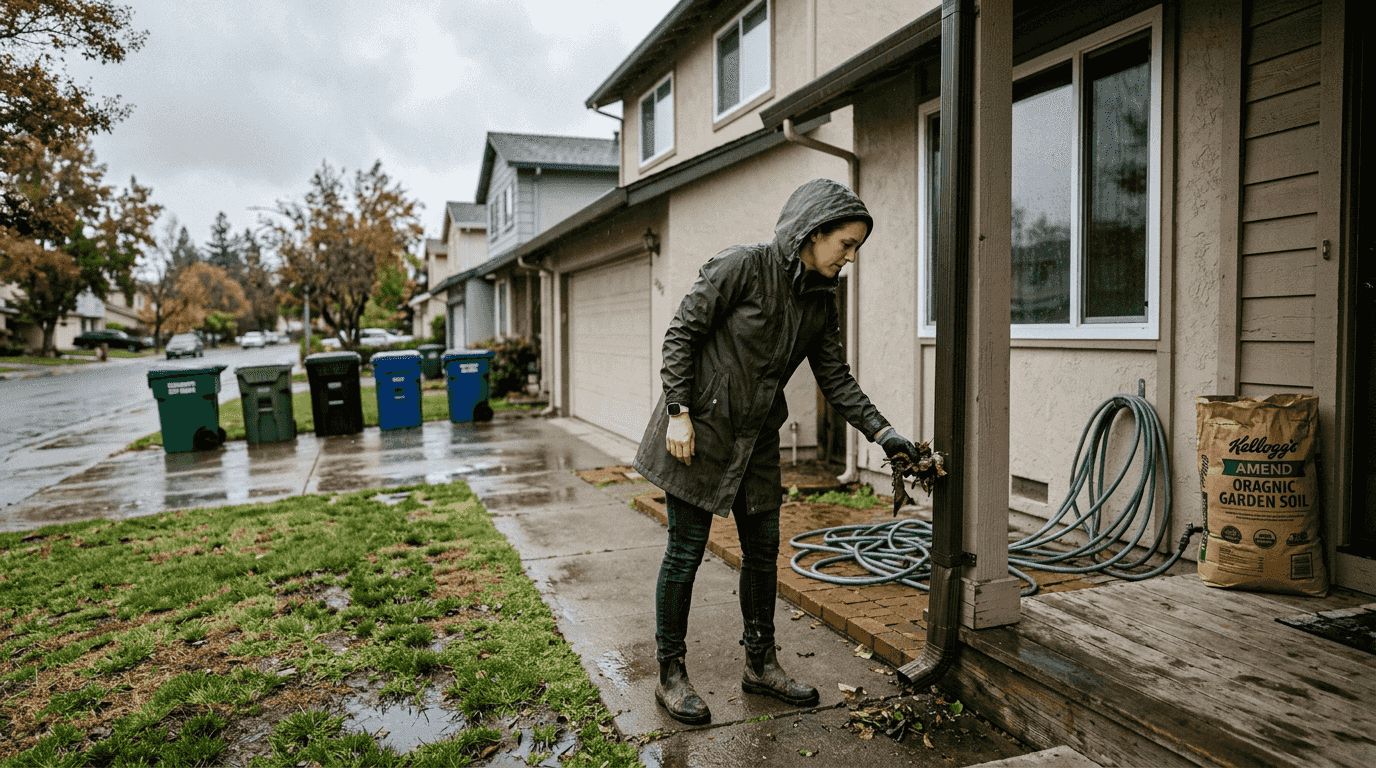
Water damage affects countless properties in Northeast Sacramento each year, causing thousands in repair costs and disrupting daily life. Most incidents stem from internal plumbing failures and appliance malfunctions rather than weather events alone. This guide reveals essential, actionable strategies you can implement today to protect your property from costly water damage and minimize risk year round.
Table of Contents
- Understanding Water Damage Risks In Northeast Sacramento
- Preparing Your Property: Essential Tools And Inspections
- Executing Water Damage Prevention Strategies Step By Step
- Verifying Prevention Effectiveness And Troubleshooting Common Issues
- Protect Your Property With Professional Restoration And Mold Removal Services
- FAQ
Key takeaways
| Point | Details |
|---|---|
| Prevention effectiveness | Combining multiple strategies reduces water damage risk by up to 90% |
| Inspection frequency | Regular plumbing checks catch approximately 70% of leaks before major damage occurs |
| Smart technology impact | Leak detection systems cut damage severity by an average of 80% |
| Drainage importance | Proper grading and gutter maintenance protect foundations from infiltration and structural issues |
| Professional support | Expert restoration services minimize recovery time and long term repair costs when incidents occur |
Understanding water damage risks in Northeast Sacramento
Your property faces unique challenges that make water damage prevention essential. Northeast Sacramento experiences climate stressors including heavy seasonal rainfall and temperature extremes that test building systems throughout the year.
Most water damage originates inside your property, not from storms. Common sources include aging supply lines, worn appliance hoses, failed water heaters, and corroded plumbing joints. These internal vulnerabilities develop gradually, often without visible warning signs until significant damage occurs.
High risk areas demand special attention:
- Roofing systems with damaged shingles or compromised flashing
- Foundation perimeters lacking proper drainage slope
- Bathroom and kitchen plumbing connections under sinks
- Washing machine supply hoses and drain lines
- Water heater tanks approaching 10 year service life
- Basement walls and floors vulnerable to seepage
Understanding these regional and structural factors helps you prioritize prevention efforts where they matter most. Property managers overseeing multiple buildings face multiplied risk across entire portfolios. Comprehensive water damage prevention tips address both external weather threats and internal system failures.
FEMA guidance reinforces that proactive measures significantly reduce disaster recovery costs. The combination of Sacramento’s climate patterns and aging infrastructure creates conditions where prevention delivers measurable returns on investment through avoided repairs and maintained property value.
Preparing your property: essential tools and inspections
Effective prevention starts with the right equipment and systematic inspection routines. You need specific tools to identify vulnerabilities before they escalate into emergencies.
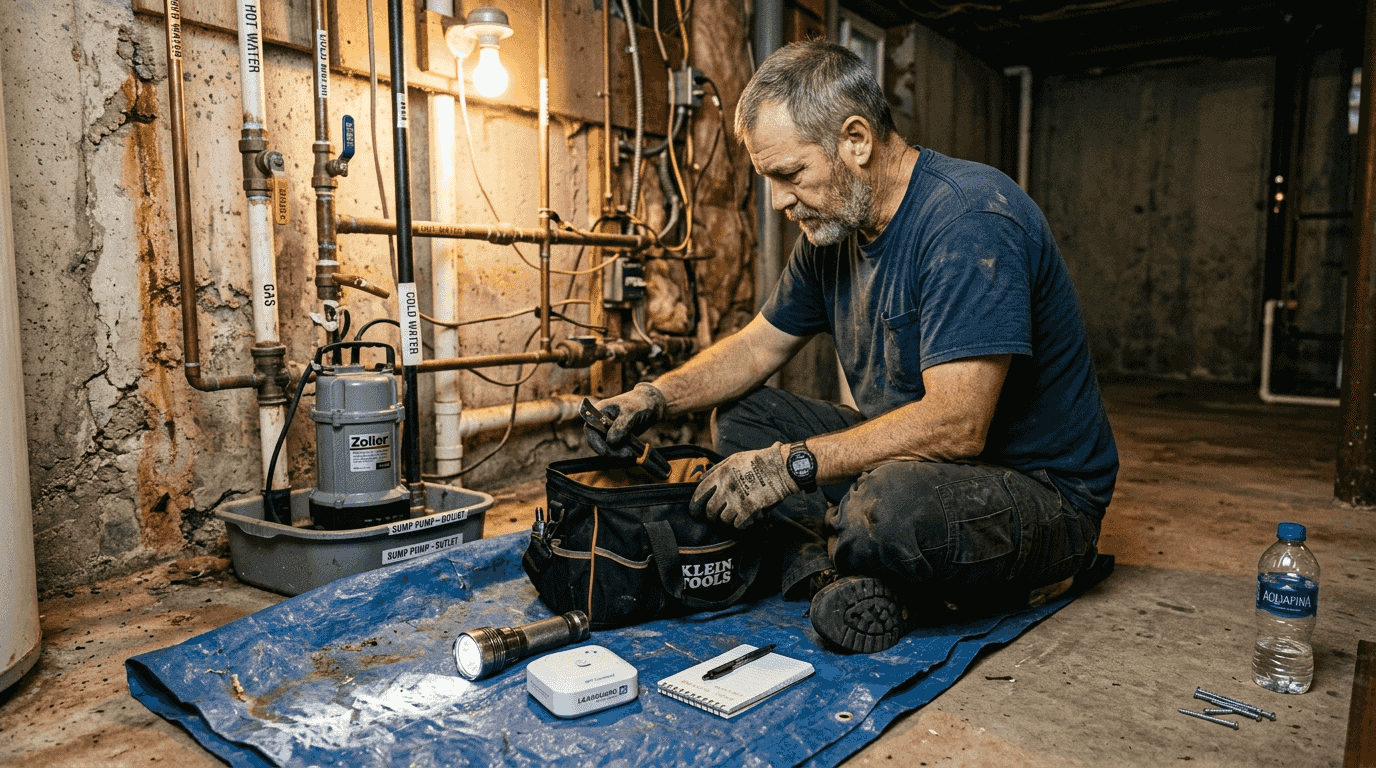
| Tool Category | Essential Items | Purpose |
|---|---|---|
| Detection | Smart leak sensors, moisture meters | Early warning and automated alerts |
| Inspection | Flashlight, mirror, pipe wrench | Visual checks of hidden areas |
| Documentation | Camera, inspection checklist | Track conditions over time |
| Emergency | Automatic shutoff valve, emergency kit | Rapid response capability |
Regular plumbing system maintenance prevents about 70% of water damage incidents through early detection. Schedule comprehensive inspections twice yearly, focusing on high traffic bathrooms, kitchens, and mechanical rooms. Check supply line connections for corrosion, examine drain pipes for slow leaks, and test appliance hoses for brittleness.
Smart water leak detectors revolutionize prevention by providing 24/7 monitoring. These devices reduce damage by an average of 80% through instant alerts sent to your smartphone. Advanced models integrate with automatic shutoff valves that stop water flow the moment sensors detect moisture where it shouldn’t exist.
Pro Tip: Install leak detectors near water heaters, under sinks, behind washing machines, and along basement walls. Position them in corners where water naturally flows when leaks occur.
Roofing and exterior drainage systems require equal attention. Inspect shingles for cracks or missing pieces after major storms. Clean gutters quarterly to prevent overflow that saturates foundation soil. Verify downspouts extend at least 6 feet from your building to direct runoff away from vulnerable areas.
Basement water prevention combines interior and exterior strategies. Install sump pumps with battery backup in below grade spaces. Apply waterproofing membrane to foundation walls. Address minor cracks in concrete before they widen into pathways for groundwater infiltration.
Maintain detailed records of every inspection. Note the date, areas checked, and any concerns discovered. This documentation helps you track deterioration patterns and demonstrates due diligence for insurance purposes if claims become necessary.
Executing water damage prevention strategies step by step
Implementing proven prevention measures protects your investment through systematic action. Follow these steps in order to build comprehensive defense against water damage.
- Conduct thorough plumbing inspection examining all visible pipes, joints, and fixtures for signs of corrosion, drips, or moisture stains. Replace rubber washing machine hoses with braided stainless steel versions rated for 1500 PSI. Tighten loose connections and consider replacing supply lines older than 5 years regardless of visible condition.
- Install smart leak detection system with sensors positioned strategically throughout your property. Connect devices to automatic shutoff valves that respond within seconds of moisture detection. Configure smartphone alerts to notify you and trusted contacts immediately when sensors trigger. Test the entire system monthly to verify reliable operation.
- Execute comprehensive roof maintenance by cleaning debris from valleys and verifying seamless gutters maintain proper slope. Professional installations ensure pitch of 1/4 inch per 10 feet to prevent pooling that leads to overflow. Replace damaged flashing around chimneys and vent pipes where water commonly penetrates. Apply sealant to exposed nail heads and weathered caulk joints.
- Establish correct property grading so ground slopes away from your foundation. Proper grading creates a slope of 6 inches over 10 feet, directing surface water toward street drainage or retention areas. Fill low spots near the building with compacted soil to eliminate pooling zones. This seemingly simple measure prevents thousands in foundation repair costs.
- Install French drain system if your property experiences persistent groundwater pressure or basement seepage. These subsurface channels intercept water before it reaches foundation walls. Combine French drains with exterior waterproofing membrane for maximum protection in high water table areas common throughout Sacramento.
Pro Tip: Don’t rely on single prevention methods. Properties combining active leak detection with proper drainage reduce water damage claims by 75% and recover 40% faster when incidents do occur.
Schedule prevention tasks across the calendar year. Inspect roofing before winter rains arrive. Check plumbing before summer heat stresses materials. Service sump pumps and drainage systems each spring. This systematic approach prevents emergency repairs that cost 3 to 5 times more than routine maintenance.
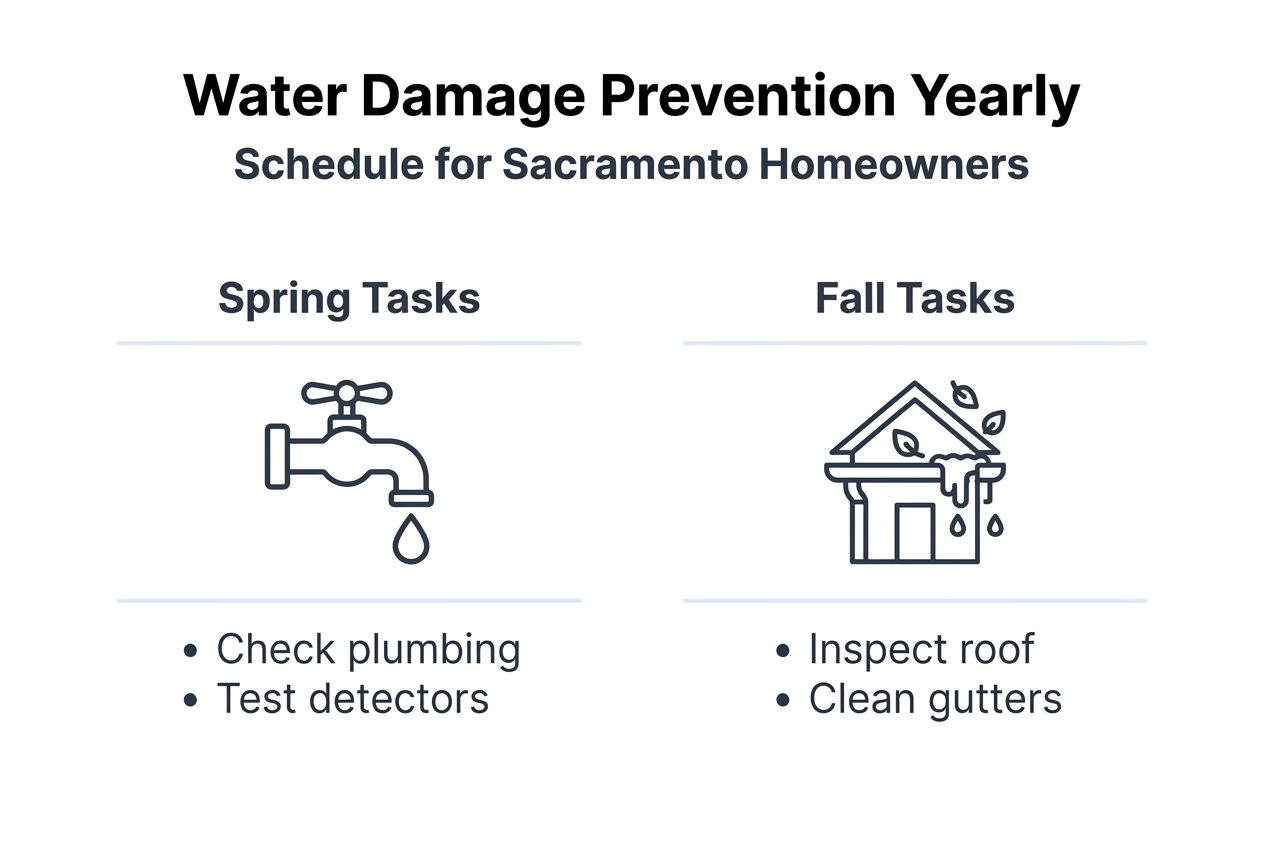
Document completed tasks with photos showing before and after conditions. These records prove valuable for warranty claims, property sales, and insurance documentation. They also help you identify which systems require more frequent attention based on wear patterns specific to your building.
Verifying prevention effectiveness and troubleshooting common issues
Prevention measures only work when they function correctly. Regular testing and troubleshooting ensure your systems protect your property reliably.
Test leak detector alarms monthly by triggering sensors with small amounts of water. Verify you receive smartphone notifications within 60 seconds. Confirm automatic shutoff valves close completely when activated. Replace detector batteries annually even if low battery warnings haven’t appeared.
Inspect gutters after each major storm and seasonally during dry periods. Look for standing water that indicates insufficient slope. Clear debris from downspout openings and verify water flows freely through entire lengths. Check for rust spots or separated joints that compromise system integrity.
Common troubleshooting scenarios include:
- Basement moisture despite exterior drainage often results from interior condensation rather than infiltration. Install dehumidifiers and improve ventilation before assuming drainage failure.
- Recurring appliance leaks typically indicate worn internal components rather than connection problems. Replace aging dishwashers and washing machines approaching 10 year service life.
- Foundation pooling after corrections may signal deeper grading issues or broken underground drainage pipes requiring professional diagnosis.
| Common Installation Error | Professional Standard | Impact of Error |
|---|---|---|
| Gutters installed level | 1/4 inch drop per 10 feet | Standing water, overflow, fascia rot |
| Downspouts terminate at foundation | Extend 6+ feet from building | Soil saturation, basement seepage |
| Single leak sensor per floor | Strategic placement near all water sources | Delayed detection, extensive damage |
| Manual shutoff valves only | Automatic shutoff integrated with sensors | Damage continues during absence |
Structured leak detection programs reduce water damages by up to 90% and cut insurance premiums through demonstrated risk management. Property managers should implement portfolio wide monitoring with centralized alerts to respond quickly across multiple buildings.
Amateur gutter installation frequently fails due to improper pitch leading to pooling and eventual overshoot during heavy rain. Professional assessment identifies these deficiencies before they cause damage requiring extensive repairs.
Maintain inspection logs noting test results, sensor battery replacements, and system maintenance dates. This documentation demonstrates due diligence for insurance claims and helps predict when components need replacement based on actual service history rather than arbitrary schedules.
Address minor issues immediately rather than deferring repairs. A small drip wastes water and signals developing problems that worsen rapidly. Spotting water damage signs early prevents minor repairs from becoming major reconstruction projects.
Consider professional inspections every 2 to 3 years even when DIY monitoring shows no concerns. Trained technicians identify subtle deterioration invisible to untrained eyes and use specialized equipment detecting moisture inside walls before visible damage appears.
Protect your property with professional restoration and mold removal services
Even the most diligent prevention occasionally fails when unexpected pipe bursts or appliance malfunctions strike. Professional restoration services respond 24/7 to minimize damage and prevent secondary issues like mold growth.
Water extraction and structural drying must begin within hours to prevent permanent damage to building materials and contents. Professional property restoration uses industrial equipment achieving results impossible with household fans and dehumidifiers. Certified technicians follow proven protocols ensuring complete moisture removal from hidden cavities.
Mold mitigation and removal becomes critical within 48 hours of water exposure. Spores colonize damp surfaces rapidly, threatening occupant health and requiring expensive remediation if growth establishes. Professional treatment eliminates existing colonies and prevents recurrence through proper drying and antimicrobial application.
Property managers benefit from established restoration partnerships providing priority response during emergencies. Coordinated efforts across portfolios ensure consistent quality and documentation supporting insurance claims. Quick professional intervention minimizes tenant displacement and rental income loss.
Fire damage restoration services address water damage from firefighting efforts combined with smoke and soot contamination. Comprehensive restoration returns properties to pre loss condition faster than attempting repairs with multiple contractors.
Prompt professional action following water incidents reduces total repair costs by 40 to 60 percent compared to delayed response. Expert assessment identifies hidden damage requiring attention before it escalates. Detailed documentation supports full insurance reimbursement and protects property value.
FAQ
How often should I inspect my plumbing and drainage systems?
Inspect plumbing and drainage systems at least twice annually, ideally before winter rains and after summer heat. Schedule additional checks following major storms or when you notice unexplained water bill increases. Regular inspections prevent most common water damage incidents by catching problems early.
Can smart leak detectors really reduce repair costs?
Smart leak detectors reduce damage by up to 80% through early warning and automatic water shutoff. Systems paying for themselves after preventing even one significant leak. The faster you stop water flow, the less damage occurs to floors, walls, and contents requiring expensive replacement.
What drainage system is best for preventing basement water damage?
French drains effectively intercept groundwater and relieve hydrostatic pressure around foundations. Combine subsurface drainage with exterior waterproofing membranes for comprehensive protection. Interior sump pump systems provide backup when exterior measures face overwhelming water volume during extreme weather.
How can I ensure gutters prevent water damage effectively?
Professional gutter installation ensures proper pitch of 1/4 inch per 10 feet preventing pooling and overflow. Clean gutters quarterly and verify downspouts extend at least 6 feet from your foundation. Seamless gutters eliminate leak prone joints common in sectional systems. Regular maintenance prevents clogs that redirect water toward vulnerable building areas.
Recommended
- Water Damage Restoration and Repair in Roseville, CA
- 7 Step Water Damage Checklist for Homeowners in Crisis – PuroClean of Northeast Sacramento
- Best Water Damage Restoration Companies – Expert Comparison 2025 – PuroClean of Northeast Sacramento
- Best Water Damage Restoration Services – Expert Comparison 2025 – PuroClean of Northeast Sacramento