


Property Restoration Process Guide: Steps for Success
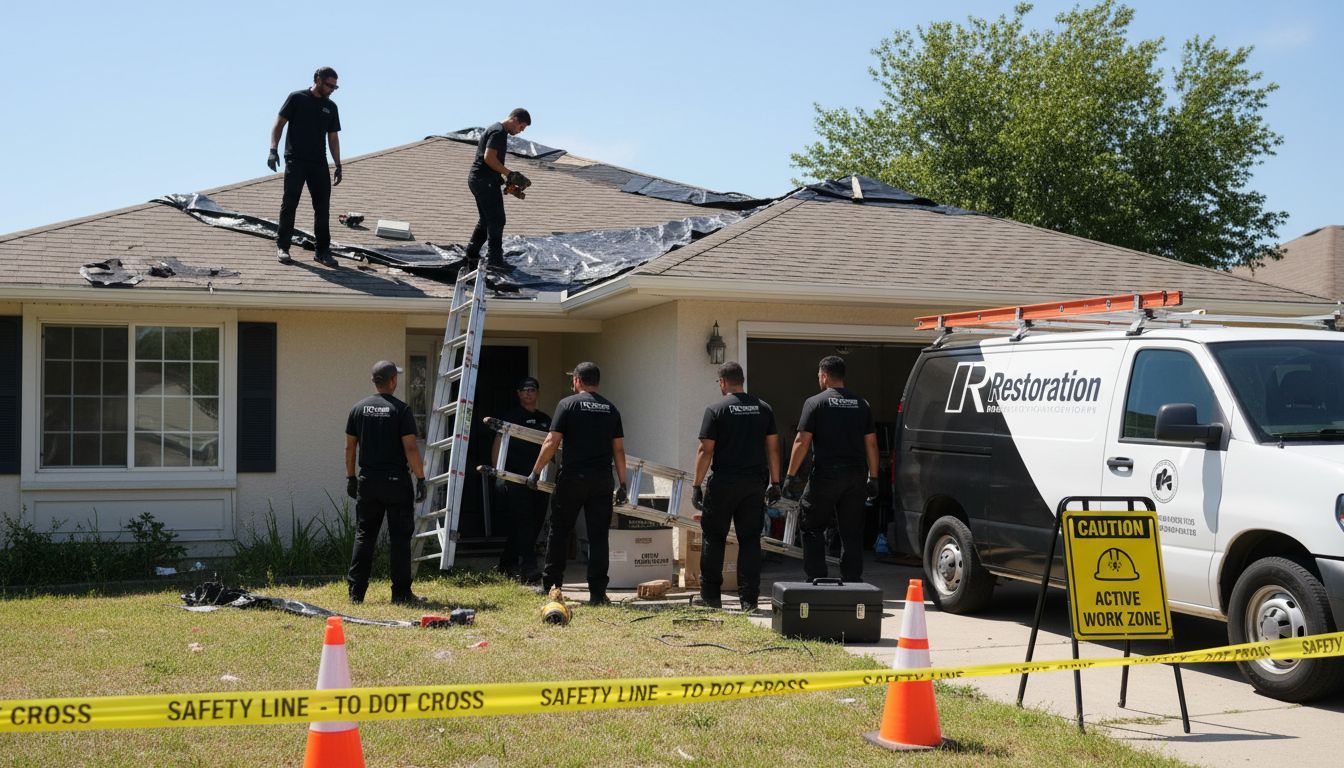
Most american property owners face at least one serious disaster in their lifetime, yet many feel unprepared when damage strikes. Accidents, storms, and unexpected events can leave homes or businesses dangerously compromised with little warning. Knowing what to do in those first critical hours can save thousands of dollars and reduce long term stress. This step by step guide outlines the safest and most effective way to handle property damage recovery, from initial assessment to full restoration.
Table of Contents
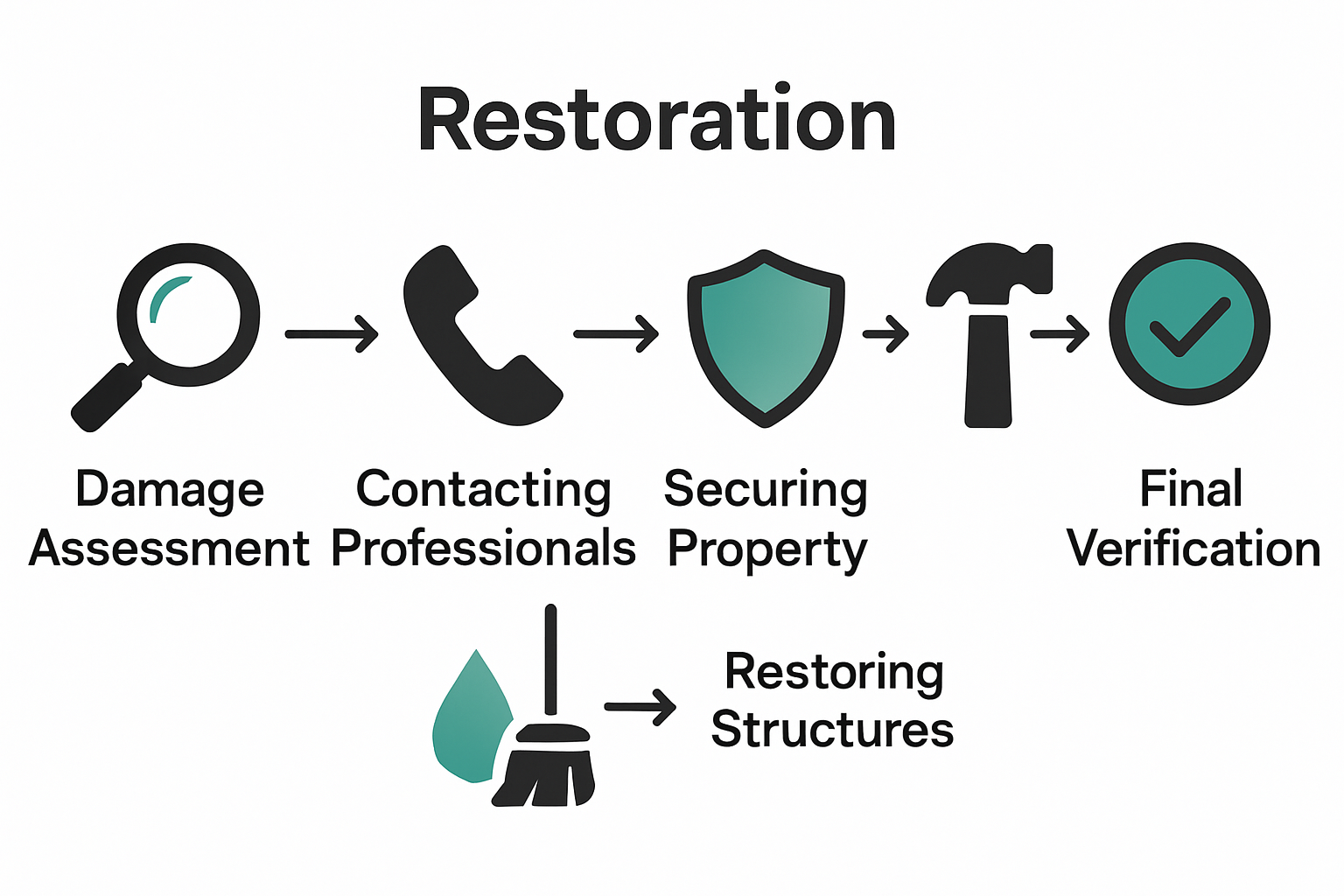
- Step 1: Assess Property Damage And Ensure Safety
- Step 2: Contact Restoration Professionals Immediately
- Step 3: Mitigate Further Damage And Secure Property
- Step 4: Remove Water, Debris, And Contaminants
- Step 5: Restore Structures And Belongings
- Step 6: Verify Restoration Quality And Document Results
Quick Summary
| Important Insight | Explanation |
|---|---|
| 1. Ensure personal safety first | Assess structural integrity before entering the building and wear protective gear to minimize risks during the damage assessment. |
| 2. Document all visible damage | Take detailed photographs and notes during the assessment to support insurance claims and repair efforts later. |
| 3. Contact restoration professionals quickly | Secure 24/7 emergency services to prevent further damage; provide detailed damage information when calling. |
| 4. Mitigate further damage immediately | Shut down utilities, board windows, and protect property from additional environmental risks immediately following the disaster. |
| 5. Verify restoration quality thoroughly | Conduct a walkthrough with professionals, ensuring all repairs meet standards and document everything carefully for future claims. |
Step 1: Assess Property Damage and Ensure Safety
After experiencing a disaster, your first priority is conducting a comprehensive yet cautious property damage assessment while protecting your personal safety. Before entering any potentially compromised structure, you must methodically evaluate structural integrity and potential hazards.
Initially, check for structural warning signs like slanted walls, exposed electrical wiring, or foundation cracks that could indicate serious damage. Wear protective gear such as sturdy boots, hard hat, and work gloves to minimize risks during your initial survey. If the building appears unstable or you notice significant structural compromise, do not enter. Instead, contact a professional inspector or structural engineer who can provide a thorough expert evaluation.
When it is safe to proceed, conduct a careful walkthrough documenting all visible damages. Take detailed photographs of walls, ceilings, floors, and potential problem areas. These images will become critical documentation for insurance claims and future restoration efforts. Move slowly and systematically through each room, noting structural issues, water damage, electrical problems, and potential safety hazards. Remember that your personal safety always takes precedence over immediate property assessment.
Quick Tip: Always have a partner or notify someone about your damage assessment plans, ensuring someone knows your location and can provide assistance if needed.
Step 2: Contact Restoration Professionals Immediately
After assessing initial property damage, your next critical step is securing professional restoration services to prevent further deterioration and begin the recovery process. Time is of the essence when dealing with property damage, as delays can significantly increase potential long term structural and financial risks.
Speed becomes crucial when selecting emergency restoration professionals. Look for restoration companies that offer 24/7 emergency response and have specialized expertise in handling your specific type of property damage. When calling, provide detailed information about the extent of damage, including photographs if possible, to help technicians understand the scope of work needed. Most reputable restoration companies will dispatch a team quickly to assess the situation and begin mitigation efforts.
During your initial consultation, ask key questions about their response timeline, restoration process, insurance coordination, and estimated recovery costs. Confirm they are licensed, insured, and have experience handling similar damage scenarios. A professional restoration team will not only repair physical damage but also help manage the complex insurance documentation process, providing comprehensive support during a stressful time.
Quick Tip: Keep all contact information for your chosen restoration professionals easily accessible, and save their emergency number in your phone to ensure rapid response when seconds count.
Step 3: Mitigate Further Damage and Secure Property
After experiencing property damage, your immediate priority is preventing additional deterioration and protecting your property from potential secondary risks. This critical phase requires swift and strategic actions to minimize long term financial and structural consequences.
Begin by securing your damaged property through comprehensive protective measures. Shut down electrical systems, water lines, and gas connections to prevent potential secondary hazards. Board up broken windows, cover exposed roof areas with waterproof tarps, and create temporary barriers to prevent unauthorized entry or further environmental exposure. If structural damage appears significant, consider temporary fencing to restrict access and protect both your property and potential passersby.
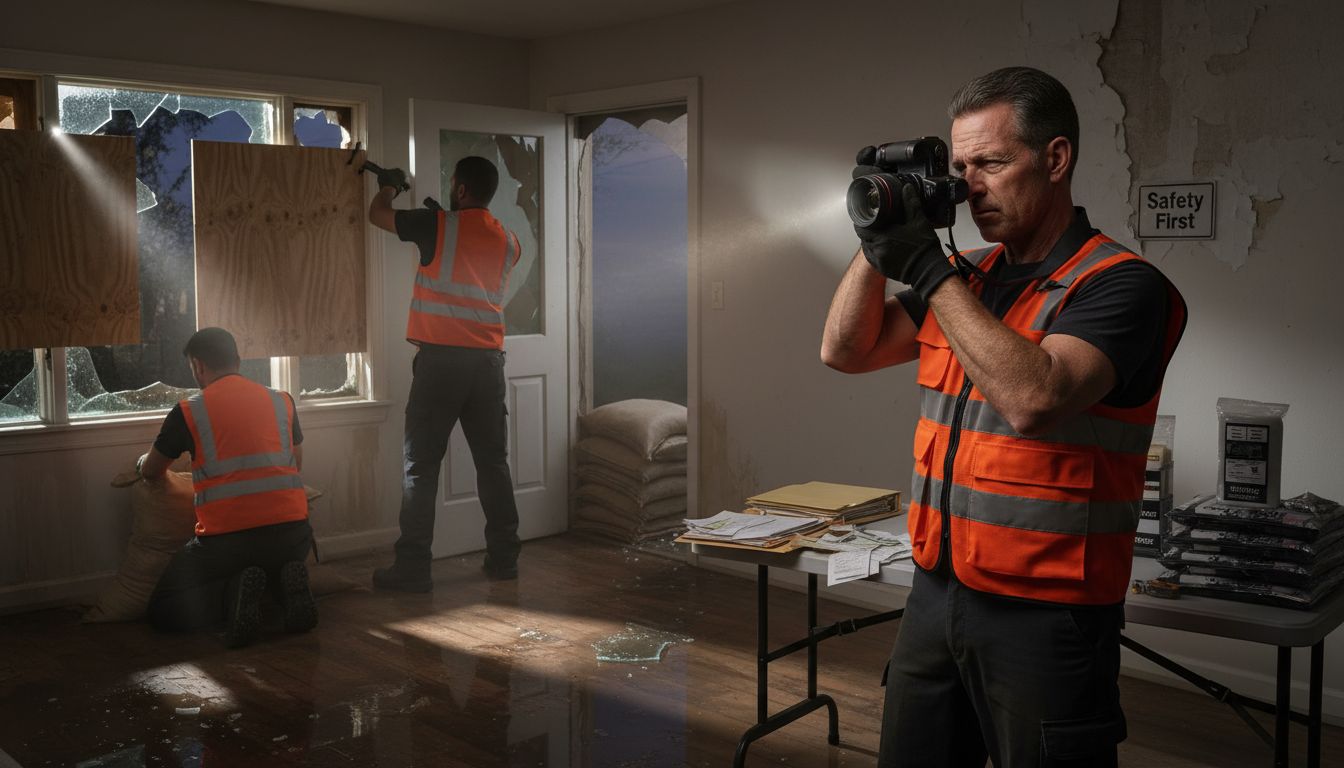
Documentation becomes crucial during this mitigation phase. Photograph all damage comprehensively before implementing any temporary repairs, ensuring you have clear visual evidence for insurance claims. Contact your insurance provider immediately to report the damage and discuss coverage for emergency mitigation expenses. Remember that most insurance policies require property owners to take reasonable steps to prevent additional damage after an initial incident.
Quick Tip: Keep all receipts for emergency protective materials and temporary repairs, as these expenses are often reimbursable under standard property insurance policies.
Step 4: Remove Water, Debris, and Contaminants
After initial property damage, the critical next phase involves comprehensive water extraction, debris removal, and thorough contaminant management to prevent long term structural and health risks. Your goal is to restore a clean and safe environment while minimizing potential secondary damage.
Swift water extraction remains paramount for preventing mold growth and structural deterioration. Professional restoration teams typically respond within 30 to 60 minutes, using industrial grade water removal equipment like powerful pumps and specialized moisture detection tools. Focus on removing standing water from floors, walls, and hard to reach areas, paying special attention to hidden moisture pockets that could trigger future damage.
During the cleanup process, systematically sort and remove debris while identifying potential contamination sources. Wear protective gear such as waterproof gloves, respirators, and sealed footwear when handling potentially hazardous materials. Separate damaged items into categories for potential restoration or disposal, documenting everything for insurance purposes. Special attention must be given to porous materials like carpeting, drywall, and insulation which can harbor dangerous bacteria and mold spores even after initial cleaning.
Quick Tip: Always consult professional restoration experts if water damage exceeds two square meters or involves potentially contaminated water sources like sewage backups or flood waters.
Step 5: Restore Structures and Belongings
Restoring your property after significant damage requires a strategic and comprehensive approach that balances structural repair with personal property preservation. Your primary objective is returning your home or business to its pre damage condition through careful assessment and targeted restoration techniques.
Structural restoration begins with a detailed professional evaluation of damaged areas. Experts will assess which structural elements can be salvaged and which require complete replacement. This process involves carefully removing compromised materials like water damaged drywall, warped flooring, or weakened support structures. Specialized drying equipment and advanced moisture detection technology help identify hidden damage zones that could compromise long term structural integrity.
For personal belongings, implement a systematic sorting and restoration strategy. Categorize items into groups categorized by damage severity and restoration potential. Prioritize items with sentimental or high monetary value for professional cleaning and restoration services. Fabric items like clothing and upholstery may require specialized cleaning techniques, while electronics and delicate items need careful professional assessment. Some items might be beyond repair and will need documentation for insurance claims.
Quick Tip: Create a comprehensive inventory of damaged items immediately after restoration begins to streamline insurance claims and track the recovery process effectively.
Step 6: Verify Restoration Quality and Document Results
After completing the restoration process, your final responsibility involves carefully verifying the quality of repairs and creating comprehensive documentation that protects your interests and supports potential future insurance claims. This critical step ensures that all restoration work meets professional standards and addresses every aspect of the damage.
Documenting property restoration requires systematic and thorough evidence gathering. Capture high resolution photographs of restored areas from multiple angles, recording detailed notes about completed repairs and any remaining concerns. Take close up images that highlight specific restoration techniques, structural repairs, and areas previously damaged. Use consistent lighting and include reference points that demonstrate the full scope of work completed.
Conduct a comprehensive walkthrough with restoration professionals to verify every aspect of the repair process. Inspect structural elements, repaired surfaces, and restored belongings with a critical eye. Request detailed documentation from the restoration team including repair logs, material specifications, and quality assurance certifications. Cross reference their assessment with your own observations, ensuring that all agreed upon restoration objectives have been fully met. Pay special attention to potential hidden damage zones and request moisture readings or additional testing to confirm complete restoration.
Quick Tip: Maintain a dedicated digital and physical file containing all restoration documentation, including before and after photographs, repair invoices, professional assessment reports, and communication records with your restoration team.
Restore With Confidence After Property Damage
Experiencing property damage can be overwhelming as you face challenges like comprehensive damage assessment, emergency mitigation, and ensuring a full restoration. The detailed steps in the Property Restoration Process Guide highlight the importance of quick action to prevent further harm, thorough documentation for insurance claims, and working with trusted professionals to restore your home or business safely and effectively. You need expert support that understands the urgency and complexity of water damage, structural repairs, and contamination removal.
Trust the experienced team at PuroClean of Northeast Sacramento to guide you through every stage of the restoration process. Our 24/7 emergency response, advanced technology, and commitment to customer care ensure your property is protected and restored with the highest standards. Whether you need help assessing damage, securing your property, or complete structural restoration, we are ready to provide fast, compassionate service that helps you move forward with peace of mind. Contact us now to begin your recovery journey and safeguard your investment before secondary damage takes hold.
Frequently Asked Questions
What is the first step in the property restoration process?
The first step is to assess property damage and ensure safety. Carefully evaluate the structural integrity of your property for warning signs before entering, and use protective gear for your safety.
How quickly should I contact restoration professionals after a disaster?
You should contact restoration professionals immediately after assessing initial property damage. Quick action can prevent further deterioration, so aim to secure a restoration team within a few hours of the incident.
What steps should I take to mitigate further damage to my property?
To mitigate further damage, secure your property by shutting down utilities and boarding up broken windows. Implement protective measures as soon as you safely can to limit additional hazards and potential insurance complications.
How do I properly document property damage for insurance claims?
Document property damage by taking detailed photographs of all affected areas before making any repairs. Keep a comprehensive written record that categorizes damage and includes the condition of your belongings, which will support your insurance claims.
What should I consider when restoring personal belongings?
When restoring personal belongings, prioritize items based on sentimental value or repair feasibility. Systematically sort items and consult professionals for specialized cleaning, particularly for electronics and fabrics.
How can I verify the quality of restoration work completed?
Verify the quality of restoration work by conducting a thorough walkthrough with the restoration team. Check that all repairs meet agreed-upon standards and document your observations, ensuring all aspects of the restoration are completed.
Recommended
Fire Restoration Process: What to Expect from Assessment to Final Cleanup