


Residential fire restoration is the professional sequence of emergency response, damage assessment, specialized cleaning, and rebuilding that returns a fire-damaged home to a safe, livable condition. The process addresses fire, smoke, soot, and water damage as a single interconnected problem, not separate issues. Industry standards from the IICRC (Institute of Inspection, Cleaning and Restoration Certification) govern every phase, from the first 72 hours of stabilization through final reconstruction. Homeowners who understand this process protect both their property and their insurance claims. Puroclean serves Northeast Sacramento, Folsom, Rancho Cordova, and Citrus Heights with certified teams trained to execute every step correctly.
What are the essential first steps after a residential fire?
The first 72 hours after a fire determine how much additional damage your home sustains. Emergency stabilization is the priority, and every hour of delay compounds the loss.
The core tasks in this phase include:
- Board up broken windows, doors, and wall openings to prevent unauthorized entry and weather exposure.
- Tarp the roof over any compromised sections to stop rain intrusion before it soaks structural materials.
- Extract standing water left by fire suppression. Mold develops within 24 hours of water exposure, making extraction a same-day priority.
- Get a structural safety assessment from a licensed professional before anyone re-enters the building. Charred framing and weakened floors are not always visible.
- Notify your insurance carrier as soon as possible. Most policies require prompt notification, and delays can complicate your claim.
Contact your local fire department and confirm the property is officially released before any restoration work begins. Emergency responders must clear the scene first.
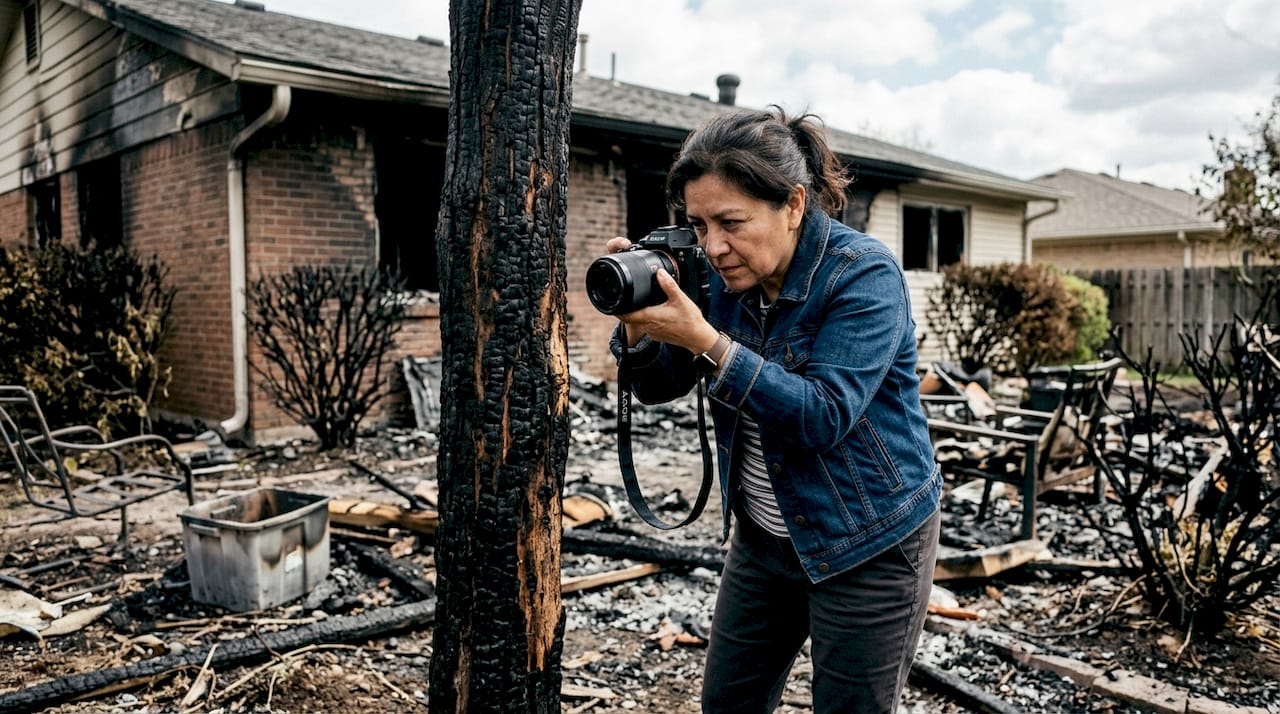
Pro Tip: Photograph every room, every damaged item, and every exterior surface before any cleanup begins. These photos are your first line of defense in an insurance dispute.
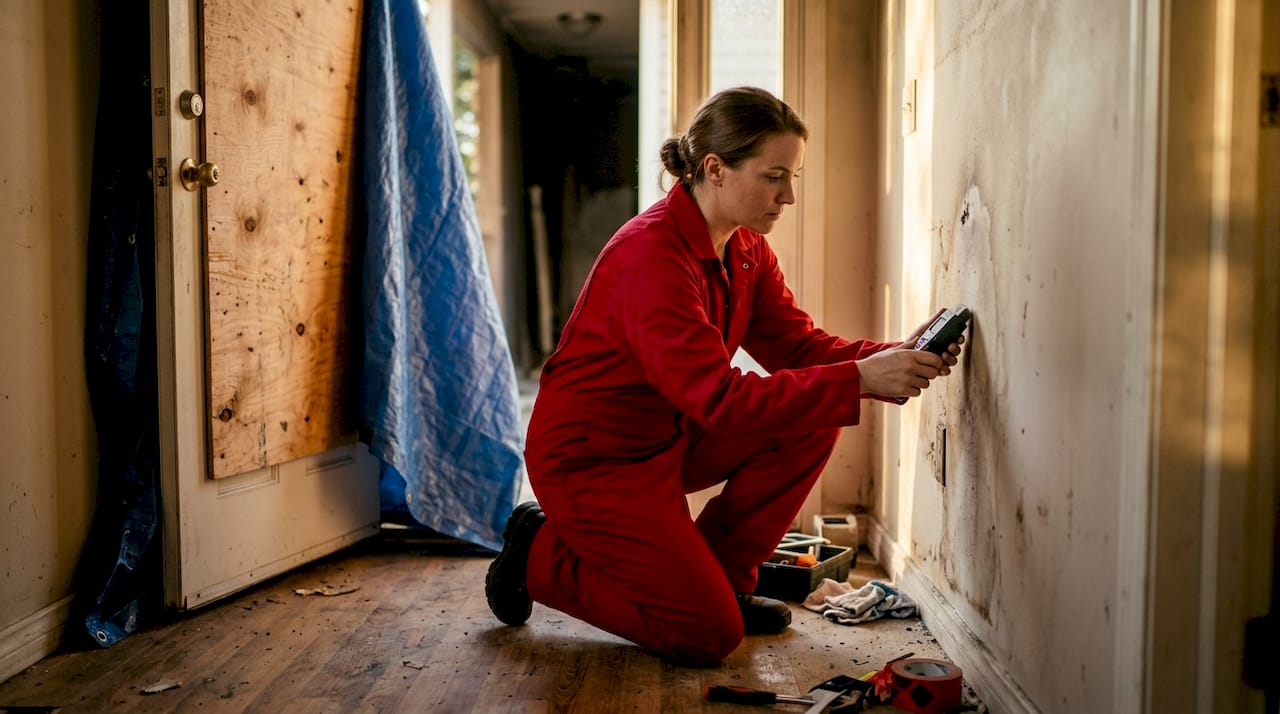
After stabilization, coordinate with your insurer to schedule an adjuster visit. Do not move or discard any damaged belongings before that inspection. Discarding items early eliminates your ability to claim replacement costs because adjusters cannot verify what they cannot see.
How does the fire damage restoration process work from assessment through cleanup?
Once the property is stabilized and safe to enter, the restoration team conducts a full damage assessment. This phase is more detailed than most homeowners expect.
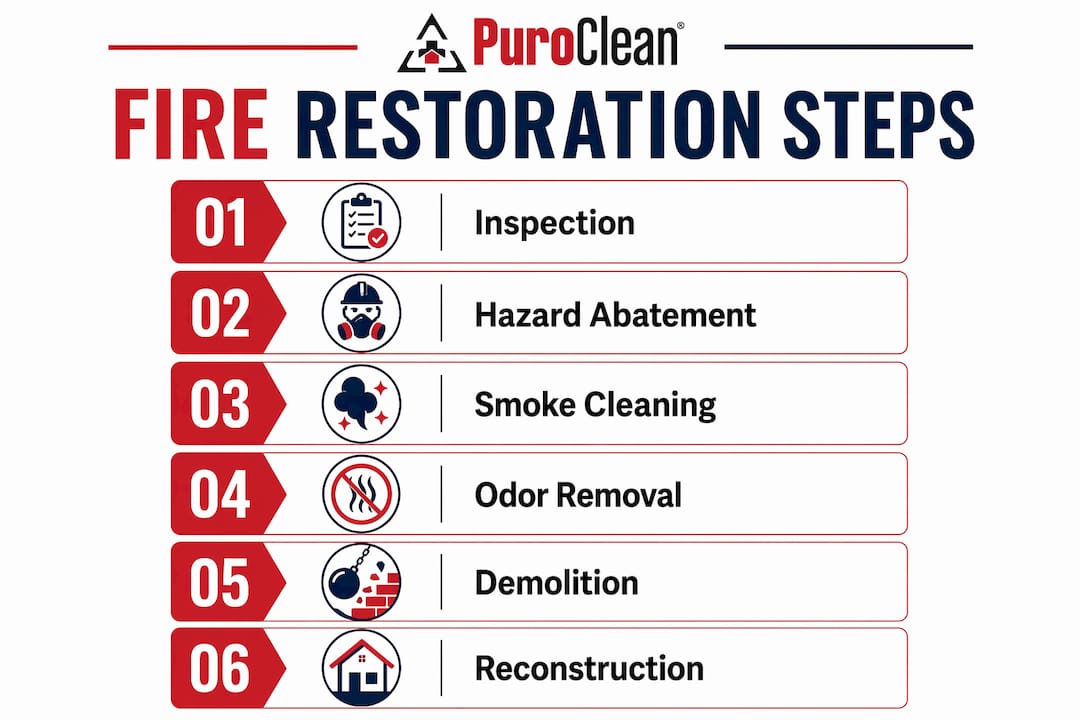
1. Detailed inspection and documentation
Technicians inspect every room, including spaces with no visible fire damage. Smoke and soot penetrate wall cavities and HVAC systems extensively. Damage is almost always more widespread than the burned area suggests. The team documents findings with photos, moisture readings, and air quality tests. This documentation aligns your contractor’s scope with the insurance adjuster’s estimate.
2. Hazardous material abatement
Before any demolition or cleaning, licensed contractors must test for and remove asbestos and lead under EPA and OSHA regulations. Older homes built before 1980 carry a high likelihood of containing both. Skipping this step is illegal and dangerous.
3. Soot and smoke remediation
This is where most homeowners make costly errors. Household water-based cleaners cause soot to bind permanently into porous materials like drywall and wood. Professionals use dry-cleaning methods first: chemical sponges and HEPA-filtered vacuums lift soot without setting it deeper. Only after dry cleaning do technicians apply wet cleaning agents to appropriate surfaces.
4. Odor elimination
Odor removal follows a strict sequence. IICRC S700 standards require complete source removal of soot before any deodorization begins. Applying thermal fogging or hydroxyl treatment over unremoved soot causes restoration failure. Once surfaces are clean, thermal fogging penetrates porous materials to neutralize embedded odor molecules.
5. Structural demolition and debris removal
Charred materials that cannot be restored are removed. A structural engineer evaluates framing and other load-bearing elements. Fire-damaged materials with char depth under 15% can sometimes be restored rather than replaced, which reduces costs and reconstruction time. Everything removed is inventoried for insurance purposes.
Pro Tip: Ask your restoration contractor for a written scope of work before any cleaning begins. This document becomes the basis for your insurance claim and prevents disputes later.
The table below shows how cleaning methods differ by surface type:
| Surface type | Recommended method | Why it works |
|---|---|---|
| Drywall and plaster | Dry chemical sponge first | Prevents soot from binding into pores |
| Hard non-porous surfaces | HEPA vacuum, then wet clean | Removes loose soot before liquid contact |
| Upholstery and fabric | Dry extraction, then specialist treatment | Avoids water-setting odor compounds |
| HVAC ducts | Professional duct cleaning system | Removes embedded smoke from air pathways |
What mistakes can hurt your restoration or insurance claim?
Several common errors made in the days after a fire cause lasting financial damage. Knowing them in advance protects your recovery.
- Cleaning too soon with the wrong products. Water-based household cleaners set soot permanently. Wait for professionals with the right equipment.
- Re-entering without clearance. Structural instability and toxic air quality make fire-damaged homes dangerous. A professional assessment comes first.
- Starting permanent repairs before the adjuster visits. Repairs made before inspection cannot be verified, and insurers may deny those costs.
- Settling your claim too early. Hidden damage surfaces weeks or months later, and reopening a settled claim is extremely difficult. Document everything before you sign anything.
- Underestimating smoke spread. Homeowners consistently assume damage stops at the burned room. It rarely does.
Working with a certified restoration company from day one gives you a professional advocate who understands how to document and present damage to insurers accurately.
What does the restoration timeline and insurance process look like?
Fire restoration follows a predictable three-phase timeline, though the duration of each phase depends on the severity of the damage.
| Phase | Timeframe | Key activities |
|---|---|---|
| Emergency stabilization | Days 1–3 | Board-up, tarping, water extraction, insurance notification |
| Assessment and scoping | Weeks 1–4 | Adjuster inspection, damage documentation, hazmat testing |
| Reconstruction | Months 2–6+ | Structural repairs, finishing, final inspections |
Severe fires can require restoration lasting several months depending on the extent of structural damage. That timeline is not a failure. It reflects the thoroughness required for a safe result.
On the insurance side, the process involves more parties than most homeowners realize. Your insurer sends an adjuster, who produces an estimate. Your restoration contractor produces a competing scope. Alignment between those two documents determines how smoothly your claim moves. Gaps in documentation cause delays.
Mortgage lenders often co-own insurance payout checks and hold funds in escrow, releasing money in draws as repairs reach verified milestones. This surprises many homeowners. Contact your lender early so you understand the draw process before reconstruction begins.
Pro Tip: Keep a dedicated folder, physical or digital, with every receipt, photo, report, and communication related to your fire loss. Insurance claims can stretch over months, and organized records prevent disputes.
For temporary housing, most homeowners’ policies include Additional Living Expenses (ALE) coverage. File that claim separately and keep all receipts for rent, meals, and other displacement costs.
How do you manage final reconstruction and return to safe occupancy?
Reconstruction is the final and most visible phase of fire and smoke damage repair. It is also where long-term safety is established.
- Structural repairs cover framing, roofing, subfloors, and load-bearing walls. All work must follow local building codes and requires permits.
- HVAC cleaning and certification is non-negotiable. Smoke embeds into duct systems, and uncleaned ducts will re-contaminate a freshly restored home the first time the system runs.
- Electrical inspections are required after any fire. Wiring exposed to heat may be compromised even without visible damage. A licensed electrician must inspect and certify the system before occupancy.
- Final walkthroughs verify odor elimination, moisture removal, and surface restoration. Air quality testing confirms the home is safe to breathe in.
- Upgrade opportunities arise naturally during reconstruction. With walls open and systems exposed, adding better insulation, updated wiring, or additional smoke detectors costs far less than it would in an intact home.
- Permits and inspections must be completed and signed off by local authorities before you move back in. Occupancy without final inspection approval creates liability and can void your insurance.
Contents restoration runs parallel to structural work. Damaged belongings are categorized as cleanable on-site, restorable off-site, or total loss. Each category affects your insurance settlement differently, so accurate categorization matters.
Key Takeaways
Successful residential fire restoration depends on fast emergency action, thorough documentation, and strict adherence to IICRC cleaning standards at every phase.
| Point | Details |
|---|---|
| Act within 72 hours | Emergency stabilization prevents mold, weather damage, and secondary structural loss. |
| Document before you clean | Photos, inventories, and moisture readings protect your insurance claim from the start. |
| Use dry cleaning first | Chemical sponges and HEPA vacuums prevent soot from permanently bonding to surfaces. |
| Never settle claims early | Hidden damage surfaces weeks later; sign nothing until the full scope is confirmed. |
| Verify HVAC before re-entry | Smoke-contaminated ducts will re-pollute a restored home without professional cleaning. |
What I’ve learned watching homeowners navigate fire recovery
The hardest part of fire recovery is not the physical damage. It is the gap between what homeowners expect and what the process actually requires. Most people want to move fast, and that instinct works against them.
I have seen homeowners scrub soot with dish soap and set stains that no professional could later remove. I have seen others throw away furniture before the adjuster arrived, losing thousands in replacement coverage. These are not careless people. They are stressed people acting on instinct in a crisis.
The single most effective thing you can do after a fire is slow down for the first 48 hours. Call your insurer. Call a certified restoration team. Do not touch anything until both parties have seen it. That restraint feels unnatural when your home is damaged, but it protects every dollar of your claim.
Working with teams that follow IICRC standards is not a preference. It is the difference between a restoration that holds and one that leaves hidden contamination behind. Certified professionals know that deodorizing over unremoved soot fails. They know that HVAC cleaning is not optional. They know how to write a scope that aligns with an adjuster’s estimate.
The emotional weight of fire damage is real. Give yourself permission to feel it. Then hand the technical work to people who do this every day, and focus your energy on managing the insurance process and keeping your family stable during displacement.
Puroclean is ready when you need fire restoration help
A fire does not wait for business hours, and neither does Puroclean of Northeast Sacramento.
Puroclean’s certified teams respond 24/7 to fires across Northeast Sacramento, Folsom, Rancho Cordova, and Citrus Heights. From the first call, technicians handle emergency board-up, water extraction, and structural stabilization. Every job includes detailed documentation to support your insurance claim from day one. The team manages soot removal, odor elimination, HVAC cleaning, and full reconstruction under one roof. If you need fire damage restoration services from a team that knows every phase of recovery, Puroclean is the call to make. You can also find local service details and directions to our team to confirm coverage in your area.
FAQ
What is residential fire restoration?
Residential fire restoration is the professional process of stabilizing, cleaning, and rebuilding a home after fire, smoke, soot, and water damage. It follows IICRC standards and typically spans days to months depending on damage severity.
How long does fire damage restoration take?
The restoration timeline runs from days 1–3 for emergency stabilization, weeks 1–4 for assessment and adjuster inspection, and months 2–6 or longer for full reconstruction.
Can I clean soot myself after a fire?
Household cleaners cause soot to bind permanently into porous surfaces. Professionals use dry-cleaning methods like chemical sponges and HEPA vacuums first, which prevent that permanent staining.
When should I settle my insurance claim?
Do not settle until the full damage scope is confirmed. Hidden damage often surfaces weeks or months after a fire, and reopening a settled claim is extremely difficult.
Does my mortgage lender get involved in the insurance payout?
Yes. Lenders typically co-own insurance checks and hold funds in escrow, releasing money in draws as verified repair milestones are completed. Contact your lender as soon as you file your claim.
Recommended
- Restoration After House Fire: Complete Step-by-Step Recovery – PuroClean of Northeast Sacramento
- Role of Restoration After Fire: Complete Guide – PuroClean of Northeast Sacramento
- Fire Damage Cleanup Guide: Restore Property Safely and Fast – PuroClean of Northeast Sacramento
- 7 Essential Fire Restoration Tips for Property Owners – PuroClean of Northeast Sacramento