


Restoration after fire workflow: step-by-step guide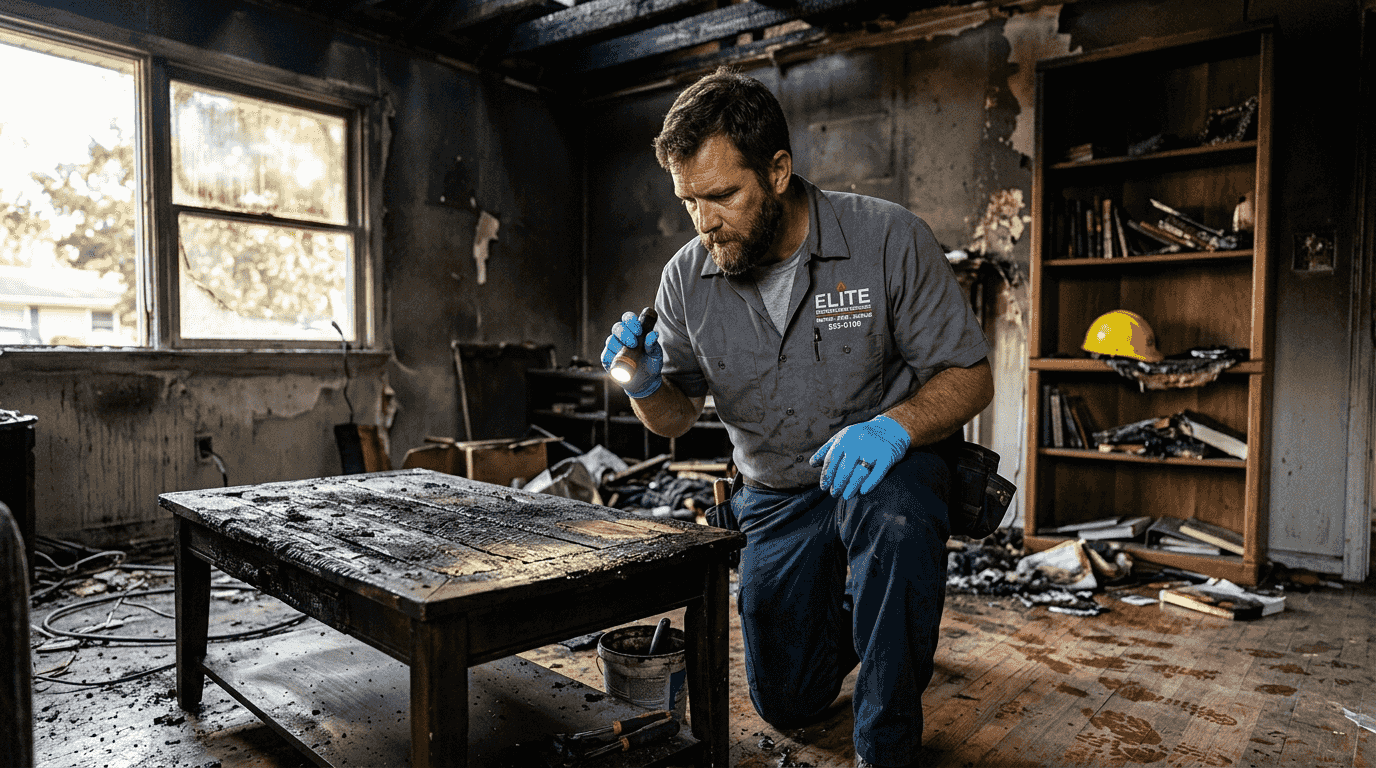
Fire damage leaves homeowners and property managers facing an overwhelming combination of charred materials, toxic smoke residue, soot contamination, and water damage from firefighting efforts. Without a clear plan, secondary issues like mold growth and structural deterioration can escalate quickly, compounding losses and health risks. This guide walks you through the complete restoration workflow, from initial safety steps to final verification, helping you navigate recovery with confidence and speed in Northeast Sacramento.
Table of Contents
Preparing For Restoration: First Steps After Fire Damage
Step-By-Step Restoration Process: Cleaning, Drying, And Decontamination
Verification And Follow-Up: Ensuring A Safe, Complete Restoration
Choose Expert Fire Damage Restoration Services In Northeast Sacramento
How Quickly Should Restoration Begin After Fire Damage?
What Specialized Equipment Is Used In Fire Restoration?
How Can I Coordinate Restoration With Insurance Claims?
Key takeaways
Point
Details
Speed matters
Rapid response within 24-48 hours reduces restoration costs by up to 60% and prevents secondary damage.
Multi-step process
Restoration includes assessment, debris removal, soot cleaning, water extraction, drying, and environmental testing.
Specialized tools required
HEPA vacuums, industrial dehumidifiers, and air scrubbers ensure thorough contaminant removal and safe air quality.
Insurance coordination helps
Professional restoration teams assist with claims documentation, reducing stress and improving settlement outcomes.
Hidden damage persists
Smoke residue penetrates walls and HVAC systems, requiring professional remediation beyond visible fire damage.
Preparing for restoration: first steps after fire damage
Your first actions after fire damage directly impact the success of your entire restoration. Safety comes before everything else. Evacuate immediately if you smell gas, see structural instability, or notice exposed wiring. Only re-enter once fire officials confirm the building is safe. When you do return, wear protective gear including gloves, goggles, and an N95 mask to avoid inhaling toxic particles.
Contact certified restoration experts within the first 24 to 48 hours. Rapid response within 24-48 hours reduces restoration costs by up to 60%, preventing mold growth and structural deterioration. Professionals assess damage, begin mitigation, and coordinate with your insurance company. While waiting for their arrival, document everything. Take detailed photos and videos of every damaged room, item, and structural element. This evidence supports insurance claims and helps restoration teams plan effectively.
Remove charred, unsalvageable materials like burned furniture or carpeting as soon as it’s safe. These items release toxic fumes and spread contamination throughout your property. Bag them securely and dispose of them according to local regulations. Secure the property by boarding up broken windows and locking damaged doors to prevent intrusion or weather damage.
Pro Tip: Place fans in doorways to ventilate rooms, but avoid running your HVAC system until professionals inspect it. Smoke particles can circulate through ducts, spreading contamination to clean areas.
Following fire damage response steps ensures you protect your health and property while setting the stage for efficient restoration. Safety is the top priority; ensure the structure is safe and wear proper PPE before entering damaged areas. Early action limits secondary damage and positions you for a smoother recovery process.
Evacuate and confirm structural safety before re-entry
Wear N95 masks, gloves, and eye protection
Contact restoration professionals within 24 to 48 hours
Document all damage with photos and videos
Remove charred materials to prevent odor spread
Secure property against weather and intrusion
“The first 48 hours after fire damage are critical. Quick action prevents mold, limits smoke damage, and reduces overall restoration costs significantly.”
Consult IICRC restoration standards to understand industry best practices and ensure your restoration team follows certified protocols. This preparation phase lays the groundwork for the detailed cleaning and drying steps that follow.
Step-by-step restoration process: cleaning, drying, and decontamination
Once your property is secured and assessed, the technical restoration workflow begins. This phase removes soot, smoke residue, and water while restoring air quality and structural integrity. Each step builds on the previous one, so following the correct sequence prevents contamination spread and ensures thorough cleanup.
HEPA vacuum all surfaces. Start with ceilings, walls, and floors to capture fine soot particles. HEPA filtration vacuums capture 99.97% of soot particles 0.3 microns in size, preventing them from becoming airborne again.
Apply specialized cleaning solutions. Use alkaline cleaners for protein-based residues and solvent-based products for oily soot. Test solutions on small areas first to avoid damaging surfaces.
Extract water from firefighting efforts. High-capacity pumps remove standing water quickly. Water removal and drying are critical to prevent mold and structural damage.
Deploy industrial air movers and dehumidifiers. Position air movers to create airflow across wet surfaces. Dehumidifiers pull moisture from the air, accelerating drying and preventing mold colonization.
Scrub air with HEPA filters and ozone generators. Air scrubbers remove airborne particles, while ozone generators neutralize smoke odors at the molecular level.
Pro Tip: Never mix cleaning chemicals. Combining products can create toxic fumes or reduce effectiveness. Follow manufacturer instructions precisely.
The table below compares common cleaning methods used during fire restoration:
Method
Purpose
Best For
HEPA vacuuming
Captures fine soot particles
Walls, ceilings, upholstery
Dry sponging
Lifts surface soot without water
Painted walls, wallpaper
Wet cleaning
Removes sticky, oily residue
Hard surfaces, countertops
Thermal fogging
Neutralizes smoke odors
Entire structures, HVAC systems
Ozone treatment
Breaks down odor molecules
Persistent smoke smells
Following a detailed fire damage cleanup guide ensures you address every contamination source. Smoke damage often hides in unexpected places like air ducts, insulation, and behind walls. Professionals use moisture meters and thermal imaging cameras to detect hidden water pockets that could foster mold growth.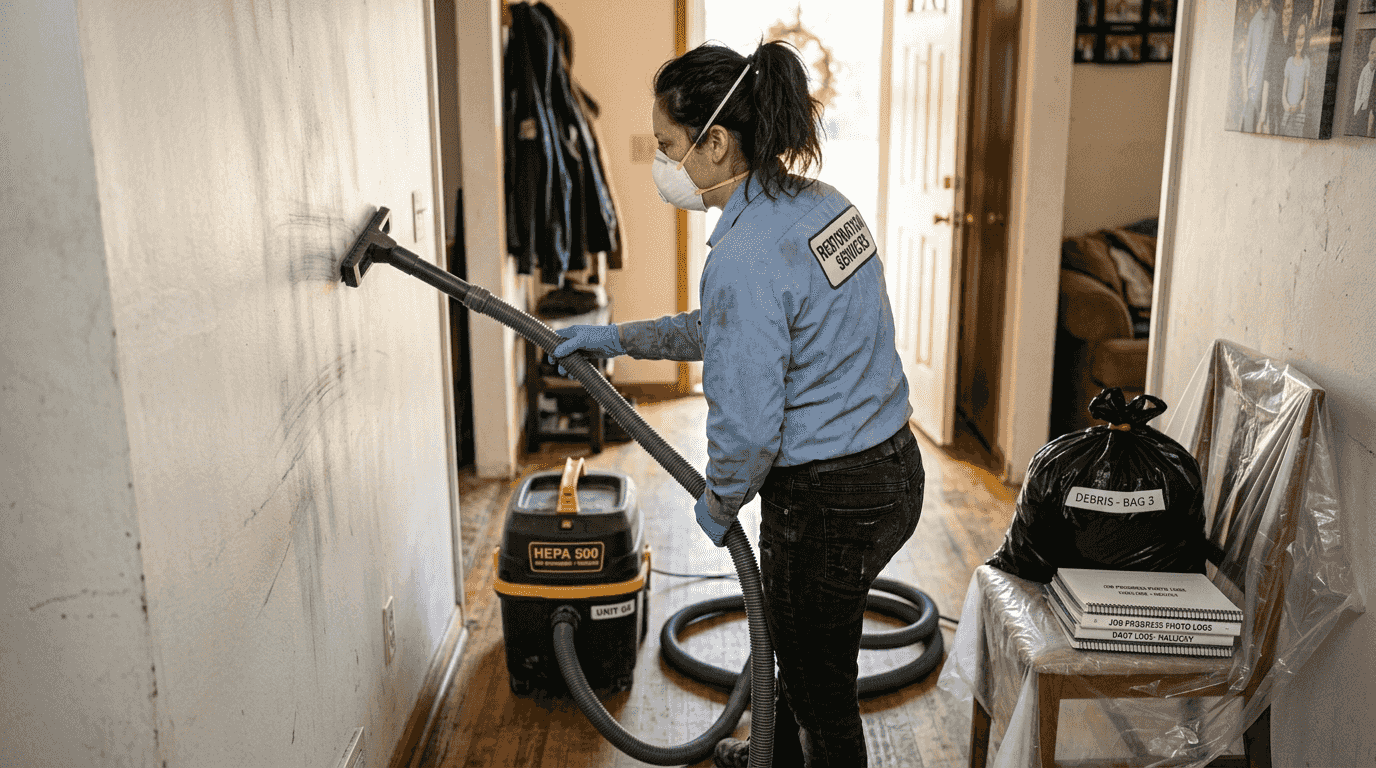
Odor removal requires more than masking agents. Professional smoke remediation steps include sealing porous materials, treating HVAC systems, and using hydroxyl generators in occupied spaces. These advanced techniques eliminate odors permanently rather than temporarily covering them.
Proper sequencing prevents cross-contamination. For example, vacuuming before wet cleaning stops soot from smearing into surfaces. Drying before final cleaning ensures you don’t trap moisture under new finishes. Each phase must reach completion before moving forward, verified through moisture readings and visual inspections.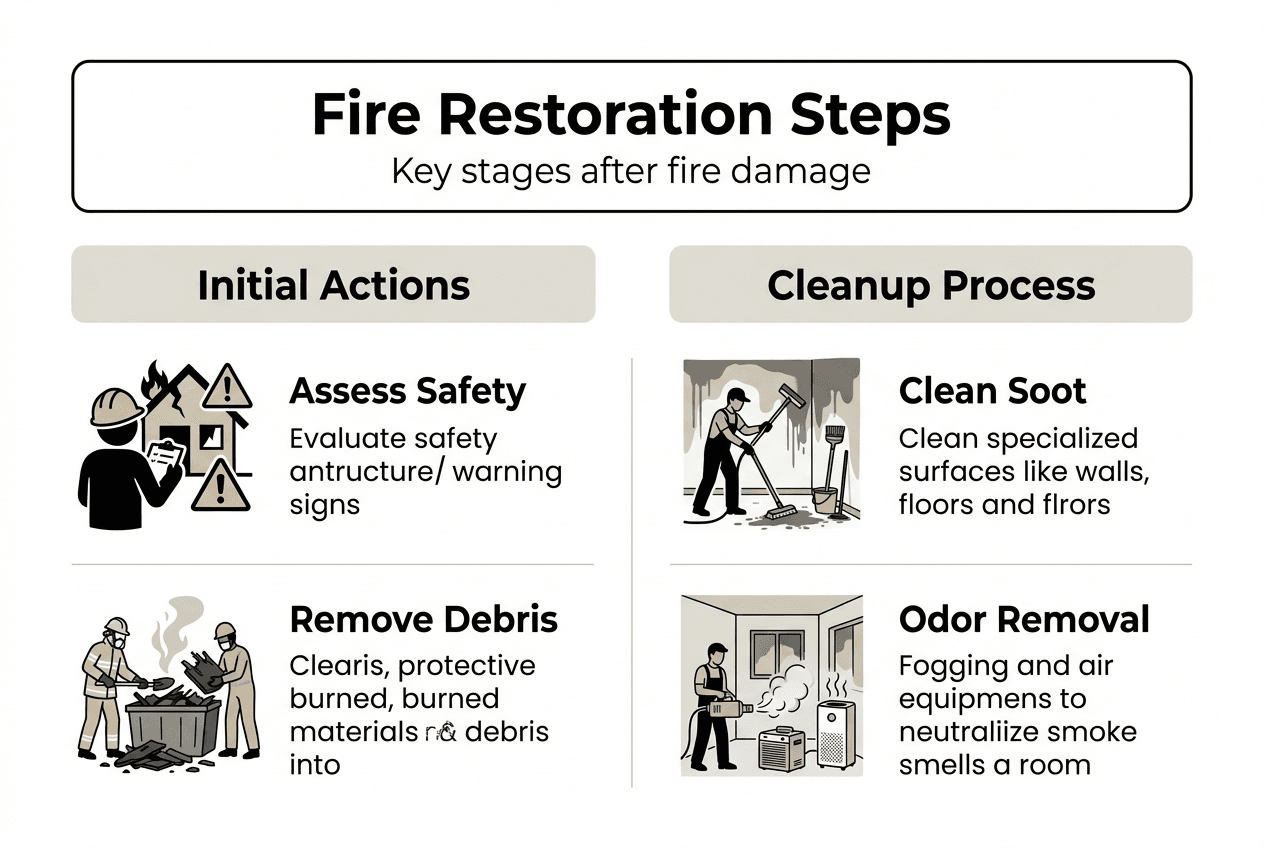
Restoration teams document progress with photos and logs, providing transparency and supporting insurance claims. This systematic approach transforms a chaotic disaster scene into a clean, safe, habitable space. For comprehensive workflows, review fire damage restoration steps that detail industry-standard protocols.
Verification and follow-up: ensuring a safe, complete restoration
Restoration doesn’t end when surfaces look clean. Verification confirms your property is truly safe for occupancy and free from hidden contaminants. This final phase protects your health, validates your investment, and closes out insurance claims properly.
Schedule professional environmental testing to measure air quality and surface contamination levels. Post-cleanup environmental testing ensures contaminants are at safe levels for occupancy. Labs analyze samples for volatile organic compounds, particulate matter, and chemical residues. Results provide objective proof that restoration met industry standards.
Watch for mold growth in the weeks following restoration. Even thorough drying can miss hidden moisture in wall cavities or under flooring. Inspect basements, attics, and bathrooms regularly. If you spot mold, address it immediately with professional mitigation services to prevent health issues and structural damage.
Use this final checklist to verify complete restoration:
Air quality testing shows safe contaminant levels. Request written lab reports confirming results meet OSHA and EPA standards.
Moisture readings are below 15% in all materials. Use a moisture meter to spot-check walls, floors, and ceilings.
No visible soot, staining, or smoke odor remains. Walk through every room with fresh eyes or ask an objective third party.
HVAC system is cleaned and functioning properly. Ducts should be free of debris and filters replaced.
Structural repairs are complete and inspected. Obtain permits and final inspections for any reconstruction work.
Work closely with your insurance provider throughout the process. Restoration companies assist with insurance claims, reducing stress and improving outcomes. Submit all documentation promptly, including photos, invoices, and environmental test results. Clear communication with adjusters accelerates settlement and ensures you receive full compensation for covered losses.
Maintain good ventilation and air quality monitoring post-restoration. Open windows regularly, run exhaust fans, and consider installing air purifiers with HEPA filters. Monitor humidity levels with a hygrometer, keeping them between 30% and 50% to discourage mold growth. These simple habits protect your investment and ensure long-term habitability.
Follow a comprehensive fire restoration checklist to track every verification step. Review fire restoration tips for additional guidance on maintaining your restored property. For detailed smoke damage remediation protocols, consult the FEMA smoke damage guide and review insurance claims guidance to understand your coverage.
Schedule environmental testing for air quality and surface contamination
Monitor for mold growth in the weeks after restoration
Verify moisture levels are below 15% in all materials
Obtain written lab reports confirming safe contaminant levels
Maintain good ventilation and humidity control post-restoration
Verification transforms restoration from a cleanup project into a certified, safe recovery. This final step protects your family, validates your investment, and provides peace of mind that your property is truly restored.
Choose expert fire damage restoration services in Northeast Sacramento
Navigating fire restoration requires expertise, specialized equipment, and rapid response. When disaster strikes, you need a trusted partner who understands the complete workflow and delivers results quickly. PuroClean of Northeast Sacramento offers 24/7 emergency fire damage restoration services designed to minimize your losses and restore your property safely.
Our certified technicians use industry-leading equipment including HEPA vacuums, thermal imaging cameras, and industrial dehumidifiers to mitigate damage and restore properties to pre-loss condition. We handle every phase outlined in this guide, from initial assessment through final verification, ensuring nothing is overlooked. Beyond fire restoration, we provide comprehensive mold mitigation removal services and sewage cleanup and sanitization to address all post-disaster needs. Our team assists with insurance claims, providing detailed documentation and direct communication with adjusters to simplify the process and improve outcomes for homeowners and property managers throughout Northeast Sacramento.
How quickly should restoration begin after fire damage?
Why is timing critical after fire damage?
Restoration should start within 24 to 48 hours to reduce costs and prevent secondary damage. Delays allow smoke residue to penetrate deeper into materials, making cleanup more difficult and expensive. Moisture from firefighting efforts creates ideal conditions for mold growth, which can colonize surfaces within 48 to 72 hours.
What risks increase with delayed restoration?
Delays increase risks of mold colonization, structural deterioration, and permanent odor absorption. Acidic soot corrodes metal fixtures and etches glass surfaces over time. The longer contaminants remain, the more extensive and costly the restoration becomes.
How does immediate response help insurance claims?
Immediate professional assessment documents damage accurately and speeds repair timelines. Restoration experts provide detailed reports that support your claim and demonstrate proactive mitigation efforts. Prompt action often results in faster settlements and better coverage outcomes.
What specialized equipment is used in fire restoration?
How do HEPA vacuums improve cleanup?
HEPA vacuuming removes 99.97% of fine soot particles 0.3 microns in size, preventing re-contamination during cleanup. Standard vacuums lack the filtration needed to capture microscopic particles, often spreading them instead. HEPA systems protect air quality while thoroughly cleaning surfaces.
Why are air movers and dehumidifiers essential?
Air movers and dehumidifiers dry structures quickly to prevent mold growth and structural damage. Air movers create targeted airflow across wet surfaces, accelerating evaporation. Dehumidifiers extract moisture from the air, maintaining optimal humidity levels throughout the drying process.
What do ozone generators accomplish?
Ozone generators eliminate smoke odors and airborne contaminants by breaking down odor molecules at the molecular level. Unlike air fresheners that mask smells, ozone treatment permanently neutralizes odors. This equipment is used in unoccupied spaces due to ozone’s reactive properties.
How can I coordinate restoration with insurance claims?
Should I hire restoration experts who assist with claims?
Engage restoration experts who offer insurance claim assistance to reduce stress and improve outcomes. Experienced teams understand what documentation insurers require and communicate directly with adjusters. This partnership streamlines the claims process and helps you receive full compensation for covered losses.
What documentation do I need for my claim?
Document damages thoroughly with photos, videos, detailed inventories, and professional assessment reports. Capture every damaged item, structural element, and contaminated surface before cleanup begins. Written estimates from restoration professionals provide credible cost projections that support your claim.
How does prompt communication affect settlement?
Prompt communication with adjusters accelerates settlement and prevents claim delays. Respond quickly to requests for information or documentation. Keep detailed records of all conversations, including dates, names, and topics discussed. Clear, organized communication demonstrates professionalism and helps adjusters process your claim efficiently.
Recommended
Role of Restoration After Fire: Complete Guide – PuroClean of Northeast Sacramento
Fire Damage Restoration – PuroClean of Northeast Sacramento
Fire Damage Restoration Explained: Complete Process Guide – PuroClean of Northeast Sacramento
Restoration Process Explanation Guide for Fast Recovery – PuroClean of Northeast Sacramento