


Restoration After House Fire: Complete Step-by-Step Recovery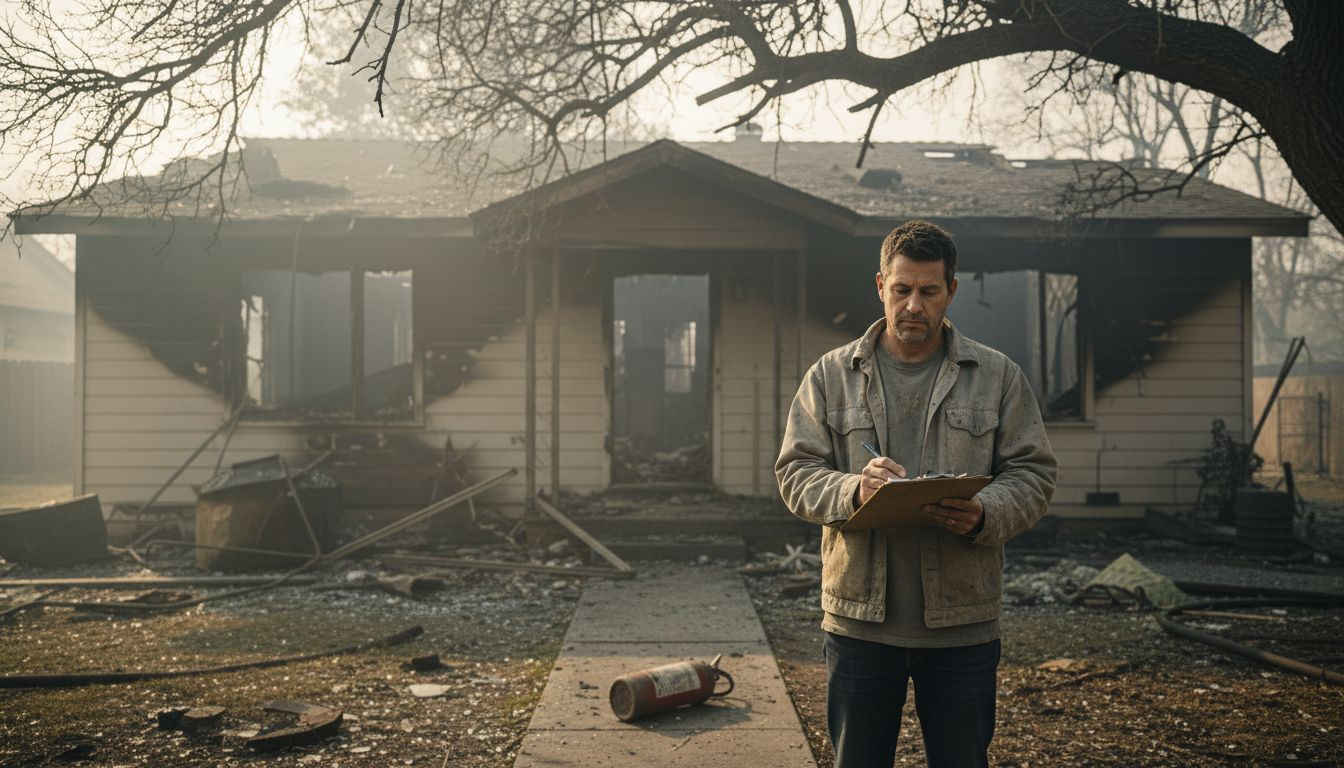
Sorting through fire damage in your Northeast Sacramento home can feel overwhelming when every decision impacts both safety and recovery. Protecting yourself from hidden hazards and properly assessing damage is essential before moving forward. This guide walks you through fire damage evaluation, professional restoration, debris removal, structural repair, and insurance claim documentation to help you restore your property quickly and confidently.
Table of Contents
Step 1: Assess Fire Damage And Ensure Safety
Step 2: Coordinate Professional Restoration Services
Step 3: Remove Debris And Clean Affected Areas
Step 4: Restore Structural Integrity And Utilities
Step 5: Verify Work And Secure Insurance Claims
Quick Summary
Main Insight
Detailed Explanation
1. Assess Fire Damage Safely
Conduct a thorough assessment of structural damage while ensuring your safety with protective gear. Document everything for insurance claims.
2. Partner with Restoration Experts
Engage certified restoration professionals to handle damage recovery effectively and adhere to safety standards during the process.
3. Systematically Remove Debris
Follow strict guidelines for debris removal to minimize health risks and prevent further property damage, especially from water and mold.
4. Restore Structural Integrity
Ensure professional assessment and repairs to critical structural elements and utility systems to guarantee safety and functionality post-recovery.
5. Verify Insurance Claims
Maintain meticulous documentation of restoration processes, including photos and detailed invoices, to support your claims and expedite reimbursement.
Step 1: Assess Fire Damage and Ensure Safety
After experiencing a house fire, your first priority is safely evaluating the extent of damage while protecting yourself from potential hazards. This critical step requires careful inspection and strategic planning to understand the impact on your property and prevent further risks.
Your initial assessment should focus on identifying structural dangers and potential safety threats. The National Interagency Fire Center recommends carefully inspecting fire site hazards before attempting any recovery efforts. Key areas to examine include:
Structural integrity of walls and foundation
Potential electrical system damage
Water and smoke contamination
Hidden ember locations
Compromised utility connections
Before entering the property, contact local authorities to confirm the building is safe for inspection. Wear protective equipment like sturdy boots, long pants, gloves, and a respirator mask to minimize exposure to potentially harmful debris and residual chemicals.
Safety is paramount. Never risk your personal well-being during an initial damage assessment.
Documenting damage is crucial for insurance claims. Take comprehensive photographs and videos of all affected areas, capturing detailed evidence of structural damage, burned materials, and water damage from firefighting efforts.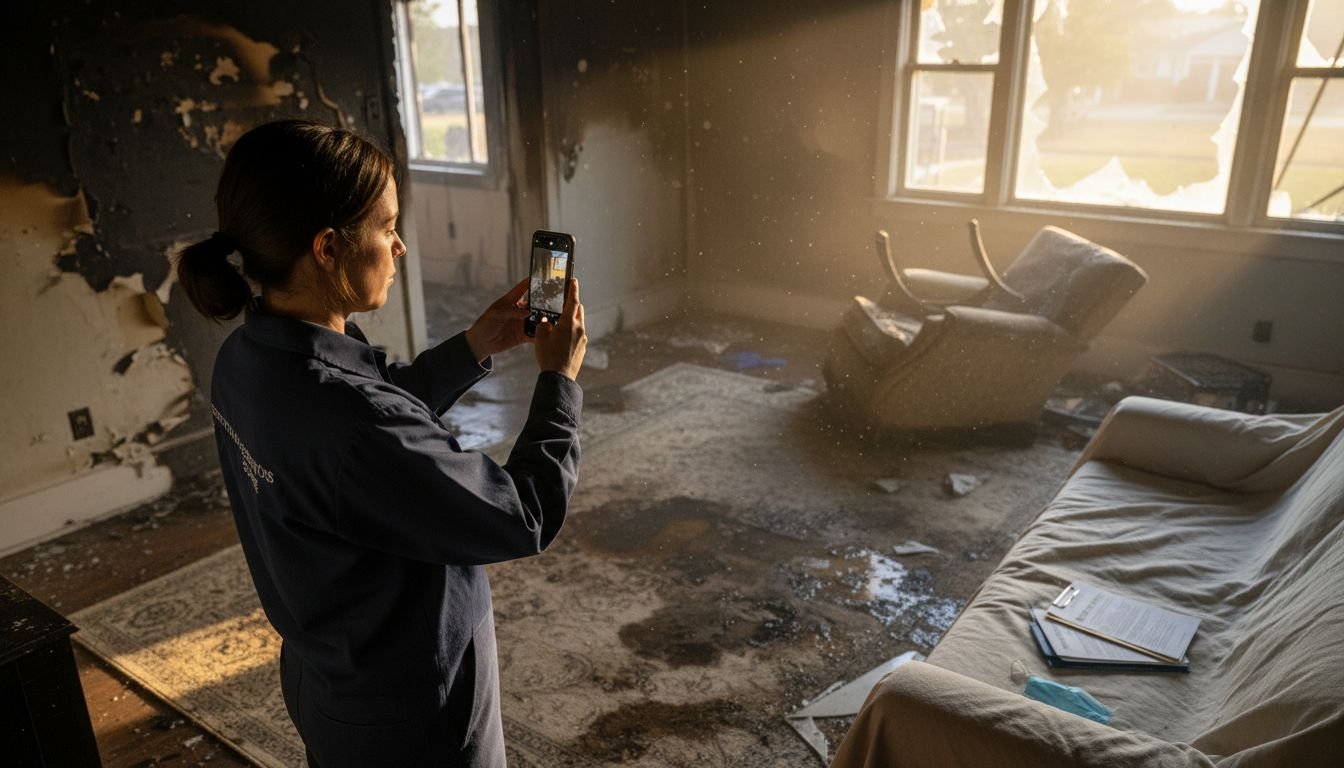
Pro tip: Always have a professional restoration expert accompany you during the initial property assessment to provide expert guidance and identify potential hidden dangers.
Step 2: Coordinate Professional Restoration Services
After your initial damage assessment, partnering with professional restoration experts becomes crucial to effectively recover and restore your fire-damaged property. Fire damage restoration requires strategic coordination to ensure comprehensive recovery and minimize long-term structural risks.
Your restoration coordination should involve several critical steps:
Contact multiple certified restoration specialists for comprehensive assessments
Request detailed written estimates from each professional service
Verify credentials, insurance, and professional certifications
Check references and previous fire damage restoration projects
Understand their specific restoration methodology and timeline
When selecting a restoration company, prioritize professionals who offer end-to-end services including emergency board-up, debris removal, smoke and soot cleaning, structural repair, and contents restoration. Insurance companies often recommend specific restoration providers, so consult your insurance agent for guidance and potential preferred vendor networks.
Professional restoration isn’t just about cleaning – it’s about systematically returning your home to its pre-fire condition.
Ensure the restoration team provides a clear, comprehensive plan that addresses immediate safety concerns, structural integrity, water damage from firefighting efforts, smoke and soot removal, and potential mold prevention.
Pro tip: Request a complete photographic documentation of the restoration process to maintain a clear record for insurance purposes and future reference.
Here is a quick comparison of professional restoration vs. DIY approaches for fire damage recovery:
Approach
Benefits
Common Challenges
Best For
Professional Restoration
Expert assessment, fast results
Higher initial costs, scheduling
Major or hidden damage
DIY Recovery
Lower cost, immediate action
Safety risks, possible missed issues
Minor surface damage
Step 3: Remove Debris and Clean Affected Areas
After the initial fire damage assessment, systematically removing debris and cleaning affected areas becomes critical to preventing further property damage and health risks. Disaster debris management requires careful handling to ensure safe and effective recovery.
Your debris removal and cleaning process should follow these essential guidelines:
Wear full protective equipment including respirators, gloves, and protective clothing
Sort debris into categories: salvageable, non-salvageable, and hazardous materials
Use plastic sheeting to contain debris and prevent additional contamination
Carefully remove damaged materials like drywall, insulation, and burnt furnishings
Create designated staging areas for different types of debris
Prioritize removing water-damaged materials quickly to prevent mold growth and structural deterioration. FEMA recommends thorough drying of all affected surfaces within 24-48 hours to minimize potential health hazards.
Effective debris removal is not just about cleaning – it’s about creating a safe foundation for complete restoration.
Document every stage of debris removal with detailed photographs and written records. This documentation will be crucial for insurance claims and future restoration efforts.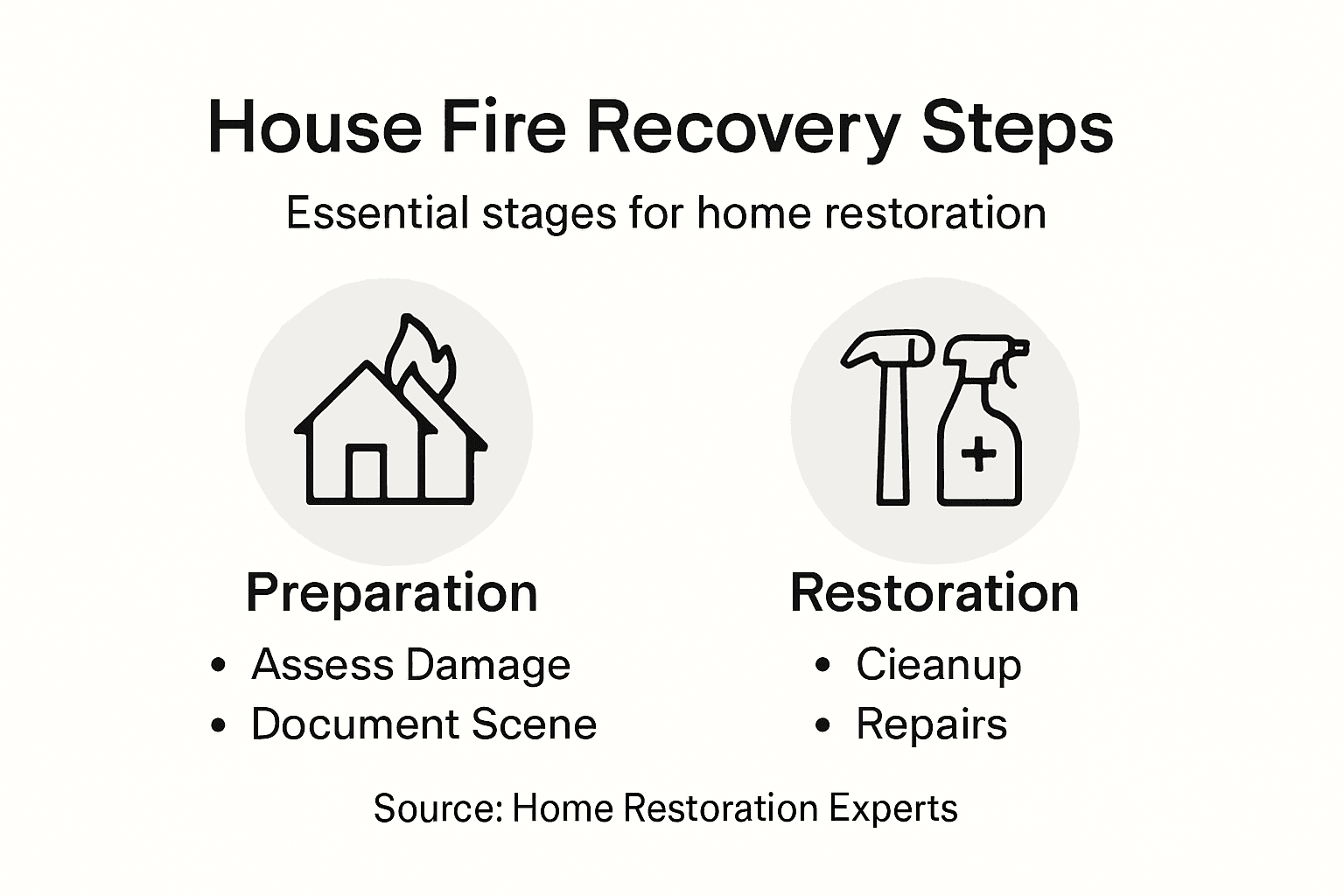
Pro tip: Invest in industrial-grade air purifiers with HEPA filters to continuously remove smoke particles and improve air quality during the cleaning process.
Step 4: Restore Structural Integrity and Utilities
Restoring your home’s structural integrity after fire damage requires a systematic and comprehensive approach to ensure safety and long-term stability. Fire-damaged structures demand expert assessment to determine the extent of damage and required repairs.
Your structural restoration and utility recovery process should include these critical steps:
Conduct professional structural integrity inspections
Evaluate load-bearing elements for potential weakening
Test electrical, plumbing, and gas systems for damage
Replace compromised structural materials like beams, joists, and foundations
Obtain necessary permits for structural repairs and utility reconnections
Professional engineers will use specialized techniques to assess concrete, wood, and metal structures. They’ll determine which components can be repaired and which require complete replacement to guarantee your home’s safety and stability.
Structural restoration is not just repair – it’s about rebuilding your home’s fundamental strength and resilience.
Ensure all utility systems undergo comprehensive testing and restoration, including electrical wiring, plumbing, gas lines, and HVAC components. This prevents potential secondary hazards and ensures your home’s systems function safely.
Pro tip: Request detailed documentation of all structural assessments and repairs to maintain a comprehensive record for insurance and future reference.
Step 5: Verify Work and Secure Insurance Claims
Successfully recovering from fire damage requires meticulous documentation and strategic interaction with your insurance provider. Proper claims documentation is critical for recovery to ensure you receive comprehensive compensation for your losses.
Your insurance claim verification process should encompass these essential steps:
Collect all restoration documentation and professional assessment reports
Photograph completed repair work in detail
Review contractor invoices and compare against initial estimates
Verify compliance with building codes and restoration standards
Maintain organized records of all communications with contractors and insurers
Ensure each restoration invoice includes specific line items describing the work completed, materials used, and associated costs. This level of detail helps prevent potential disputes and supports a smoother claims process.
Insurance claims are won through precision, documentation, and persistent communication.
Schedule a final walkthrough with your restoration contractor and insurance adjuster to confirm all work meets professional standards and your expectations. Request written confirmation of completed repairs and their compliance with local building regulations.
Pro tip: Create a dedicated digital and physical file folder to store all fire restoration documentation, making future reference and potential audits significantly easier.
Use this summary as a checklist for insurance documentation during fire restoration:
Task
Why It Matters
Who Is Responsible
Photographic evidence
Supports claims and repair accuracy
Homeowner, contractor
Detailed invoices
Confirms expenses for reimbursement
Restoration company
Communication records
Resolves disputes and clarifies scope
Homeowner
Compliance confirmations
Ensures code and safety adherence
Contractor, adjuster
Trust PuroClean of Northeast Sacramento for Comprehensive Fire and Smoke Restoration
Experiencing fire damage is overwhelming and requires expert guidance through every step of recovery—from assessing structural damage to ensuring safe debris removal and effective restoration. The article highlights critical challenges like structural integrity checks, water and smoke contamination, and coordinating professional restoration services. These pain points demand a fast, reliable response that only seasoned professionals can provide.
At PuroClean of Northeast Sacramento, we specialize in rapid fire and smoke restoration alongside our core expertise in water damage mitigation and structural drying. Our certified team understands the urgency of addressing hidden hazards, advanced smoke cleanup, and restoring utilities safely. With 24/7 emergency availability and a customer-first approach, we help homeowners, property managers, and insurance professionals regain control quickly and confidently.
Why Choose Us We Provide:
Detailed fire damage assessment and documentation
Expert debris removal and soot cleaning
Structural drying and water extraction from firefighting efforts
Comprehensive repair coordination and insurance claim support
Fire and Smoke Restoration Solutions can restore your property’s safety and comfort with speed and care.
Don’t wait to secure your home’s future. Contact PuroClean of Northeast Sacramento now for expert fire damage restoration and immediate water damage response. Visit our site at PuroClean Northeast Sacramento to learn how we can help you rebuild stronger and safer today.
Frequently Asked Questions
What should I do first after a house fire?
After a house fire, your first step should be assessing fire damage and ensuring safety. Check for structural risks, potential electrical damage, and contamination, while wearing protective gear before re-entering the property.
How can I document damage for my insurance claim?
To document damage effectively for your insurance claim, take comprehensive photographs and videos of all affected areas. Capture detailed images of structural damage, burned materials, and water damage to support your claim.
How do I choose a professional restoration service?
When selecting a professional restoration service, contact multiple certified specialists for assessments and written estimates. Verify their credentials, check references, and ask about their specific restoration methodologies to ensure they can effectively address your needs.
What should I do while cleaning debris from my fire-damaged home?
While cleaning debris from your fire-damaged home, wear full protective equipment and sort debris into categories: salvageable, non-salvageable, and hazardous. Use plastic sheeting to contain debris and remove water-damaged materials quickly to prevent mold growth.
How do I ensure the structural integrity of my home after a fire?
To ensure the structural integrity of your home after a fire, conduct professional inspections to evaluate load-bearing elements and test utilities for damage. Replace compromised materials and obtain necessary permits for repairs to guarantee safety and stability.
What documentation do I need to verify my restoration work with my insurance?
To verify your restoration work with your insurance provider, collect all documentation, including photographs of completed repairs, detailed invoices, and communication records. Maintain organized files to simplify the claims process and ensure compliance with building regulations.
Recommended
How to Recover After a House Fire – Check Out These Tips
Essential House Fire Recovery Checklist: 5 Important Things You Need to Do Right Away – PuroClean Disaster Restoration
What to Do after A House Fire: Tips for Property Owners
What to Do After a House Fire