 PuroClean of Northeast Sacramento
 Restoration Best Practices for Water and Fire Damage Recovery
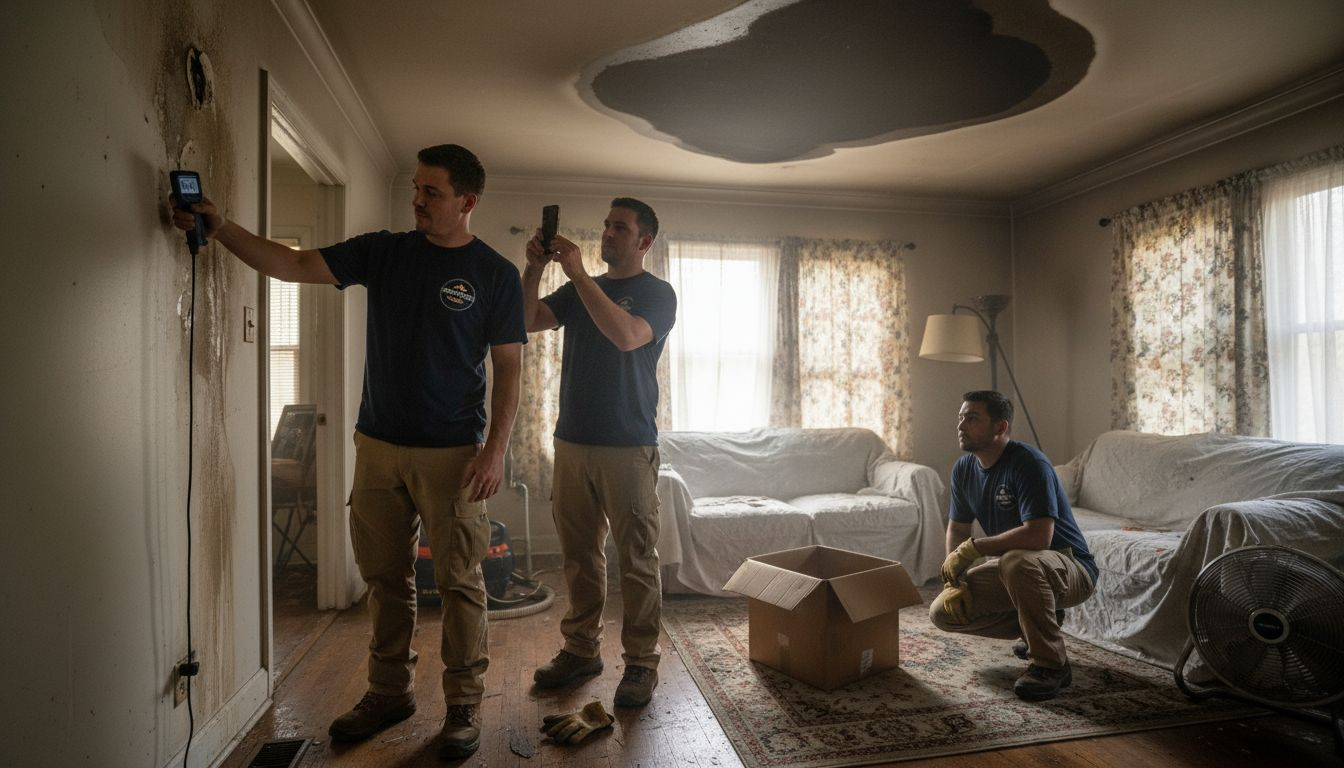
What comes next after water or fire damage can overwhelm even the most prepared Northeast Sacramento homeowner. Acting fast means the difference between manageable cleanup and hidden dangers that can linger. From hidden structural issues to contaminated water supplies, every moment counts. This guide highlights proven restoration strategies to keep your family safe, minimize property loss, and make the insurance process less stressful during a crisis.
Table of Contents
- Step 1: Assess Damage And Identify Safety Hazards
- Step 2: Stop Water Or Fire Source Immediately
- Step 3: Coordinate Professional Restoration Response
- Step 4: Implement Advanced Water Extraction And Drying
- Step 5: Verify Recovery And Support Insurance Claims
Quick Summary
| Key Point | Explanation |
|---|---|
| 1. Prioritize Personal Safety | Assess the damage and identify hazards before acting to ensure your safety. Avoid entering damaged areas without proper protective equipment. |
| 2. Address Source of Damage Quickly | Shut off water or fire sources immediately to prevent further destruction and long-term issues. Quick action is crucial in damage control. |
| 3. Engage Professional Restoration Services | Coordinate with certified restoration experts for a thorough assessment and recovery strategy. Effective communication is vital for successful restoration efforts. |
| 4. Thoroughly Document Damage for Insurance | Collect evidence of all damages with photography and detailed reports. This ensures smooth processing of your insurance claims and recovery. |
| 5. Implement Comprehensive Water Extraction | Rely on professionals to use advanced techniques for moisture removal to prevent microbial growth and structural degradation. Detailed moisture readings verify effectiveness. |
Step 1: Assess Damage and Identify Safety Hazards
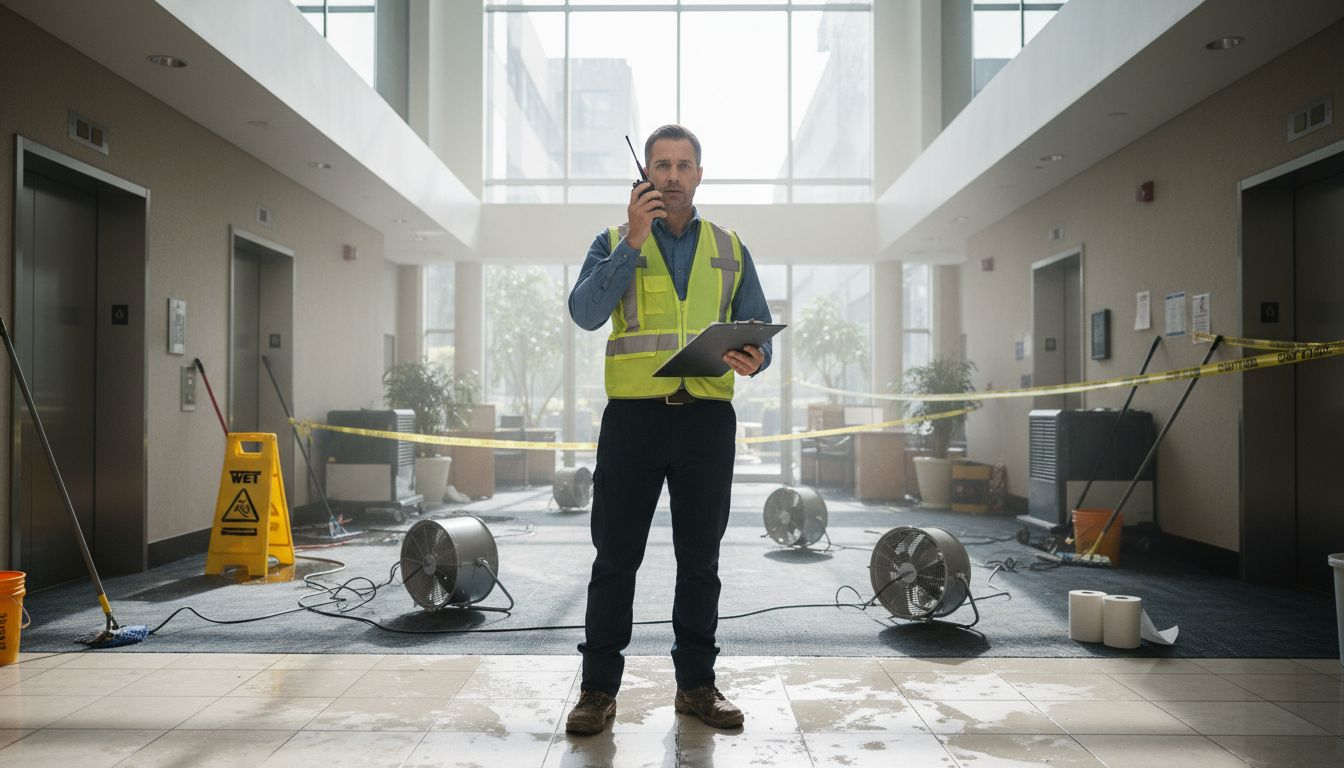
After experiencing water or fire damage, your first critical task is carefully assessing the damage while prioritizing personal safety. This initial evaluation determines the extent of destruction and potential hazards that could compromise your wellbeing.
Begin by conducting a systematic safety hazard identification process. Look for immediate risks such as:
- Structural damage compromising building integrity
- Electrical systems exposed or short-circuiting
- Gas line ruptures or leaks
- Standing water with potential electrical risks
- Compromised water infrastructure
- Chemical contamination from burned materials
Pay special attention to water contamination risks. Fire damage can significantly impact water quality, introducing dangerous chemicals and pathogens. Water infrastructure damage might render drinking water unsafe, requiring professional testing before consumption.
Here’s a quick comparison of common safety hazards following water versus fire damage:
| Hazard Type | Water Damage | Fire Damage | Recommended Immediate Action |
|---|---|---|---|
| Structural Integrity | May weaken foundations | May create unsafe debris | Avoid entry, get expert assessment |
| Electrical Risks | Shock from standing water | Exposed wiring, short-circuit | Shut off power, notify professionals |
| Contaminants | Bacteria, sewage, chemicals | Toxic fumes, soot, chemicals | Use protective gear, ventilate area |
| Utility Impact | Water main rupture | Gas line leaks | Evacuate and call utility services |
Always prioritize personal safety. Do not enter damaged areas without proper protective equipment and professional assessment.
If you detect any potential hazards, immediately evacuate the premises and contact professional restoration experts who can safely evaluate and mitigate risks.
Professional tip: Document all visible damage with photographs for insurance purposes before beginning any cleanup efforts.
Step 2: Stop Water or Fire Source Immediately
The moment you discover water or fire damage, your priority is halting the source to prevent further destruction. Quick action can dramatically reduce potential long-term damage and protect your property from catastrophic losses.
For water damage, locate and immediately shut off water sources by following these critical steps:
- Find your main water shutoff valve (typically near the water meter)
- Turn the valve completely clockwise to stop water flow
- If the main valve is inaccessible, contact your local water utility
- Disconnect electrical appliances near the water source
- Remove valuable items from affected areas
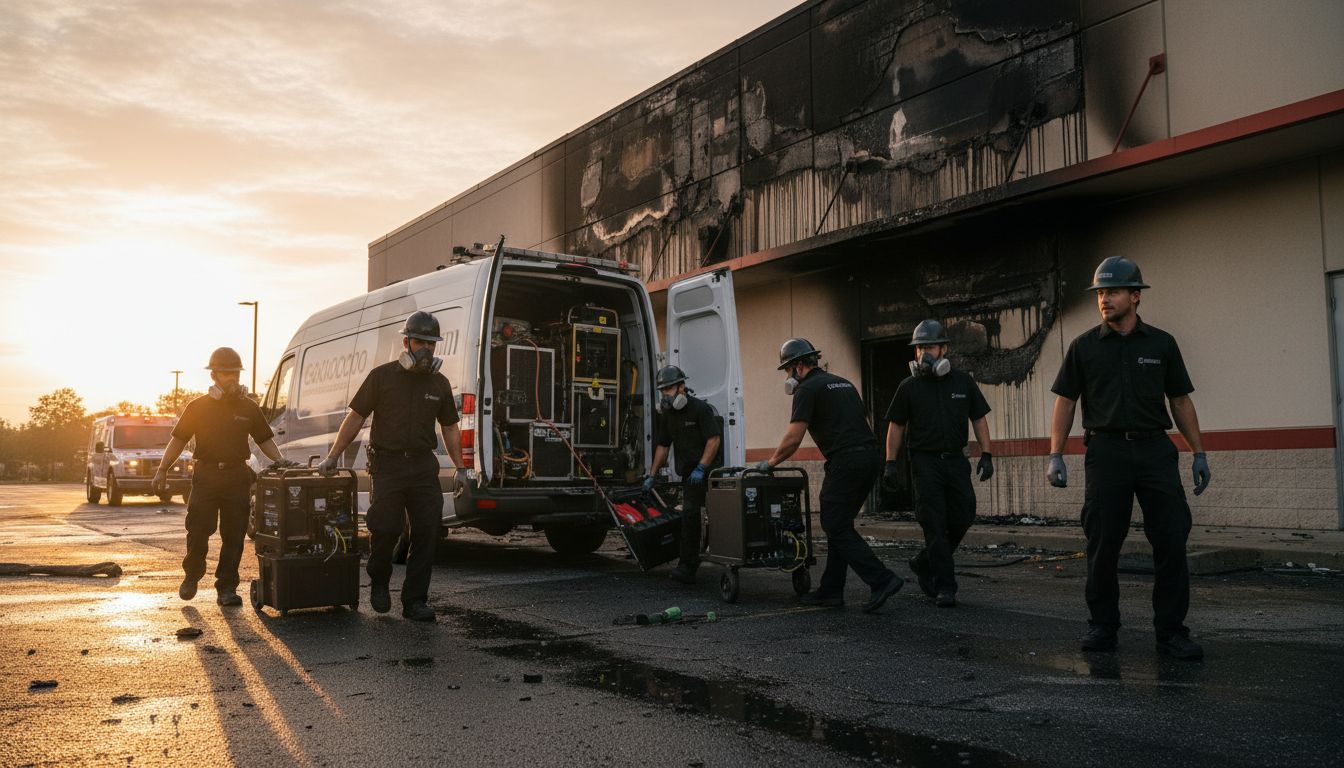
In fire scenarios, your first action is to ensure personal safety. If the fire is small and contained, use a fire extinguisher. For larger fires, evacuate immediately and call emergency services.
Never attempt to fight a large fire. Personal safety always comes first.
Professional disaster response actions emphasize rapid containment to minimize potential health and property risks. Each moment counts in preventing extensive damage.
Professional tip: Keep emergency contact numbers for utility services and restoration professionals easily accessible near your main shutoff valve.
Step 3: Coordinate Professional Restoration Response
After controlling the immediate damage source, your next critical step is establishing a comprehensive restoration strategy by engaging professional experts who can systematically assess and mitigate water or fire damage. Effective coordination ensures thorough recovery and prevents potential long-term structural issues.
Contact a certified restoration company that follows professional restoration standards with expertise in comprehensive damage management. When communicating with professionals, be prepared to provide:
- Detailed description of damage extent
- Photographs documenting the affected areas
- Information about the water or fire source
- Your property’s specific construction details
- Insurance policy information
Restoration coordination involves multiple stakeholders working together seamlessly. This means creating clear communication channels between restoration professionals, your insurance provider, and potentially local building authorities.
Professional restoration is a collaborative process requiring transparent communication and systematic approach.
Disaster preparedness coordination emphasizes the importance of quick, organized response to minimize potential secondary damage and accelerate recovery.
Professional tip: Request a detailed written assessment and restoration plan from your chosen professional restoration team to understand the complete scope of recovery efforts.
Use this reference for essential documentation and coordination roles in the restoration process:
| Role/Party | Key Documentation Provided | Value to Restoration Process |
|---|---|---|
| Homeowner | Photographic evidence, property info | Foundation for insurance claims |
| Restoration Company | Assessment reports, moisture readings | Validates work, aids insurance recovery |
| Insurance Provider | Claims forms, coverage details | Ensures claim approval and settlement |
| Building Authorities | Compliance documents, permits | Confirms restoration meets regulations |
Step 4: Implement Advanced Water Extraction and Drying
Once professionals arrive, they will initiate a comprehensive water extraction and drying strategy designed to minimize damage and prevent potential long-term structural issues. Understanding the science behind effective moisture removal is crucial for successful restoration.
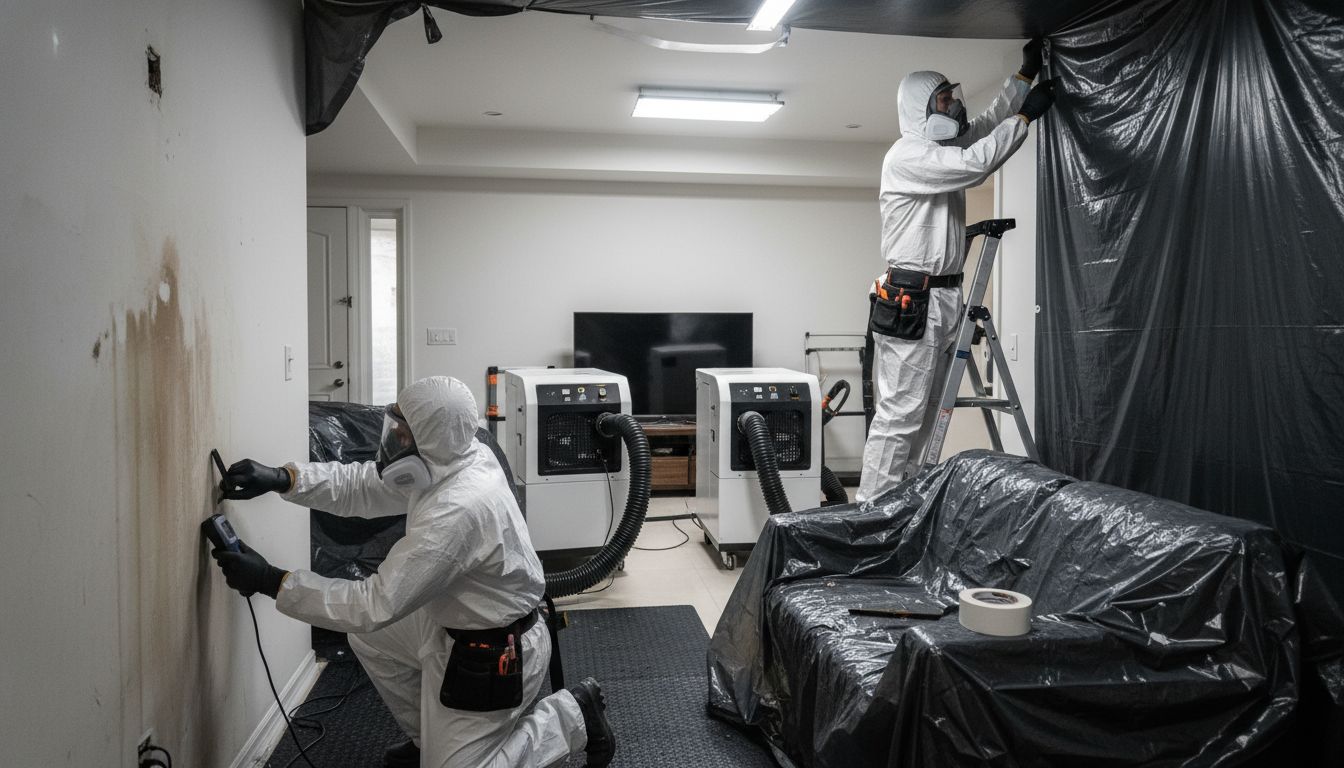
Professionals utilizing advanced structural drying techniques will employ specialized equipment and methodologies to remove water systematically. This process typically involves:
- Industrial-grade water extraction pumps
- High-velocity air movers
- Precise moisture detection instruments
- Professional-grade dehumidifiers
- Thermal imaging cameras to identify hidden moisture
Moisture mapping becomes critical during this stage. Technicians will document every affected area, tracking moisture levels and ensuring complete drying through scientific measurement techniques.
Professional water extraction requires precision and advanced technological intervention to prevent secondary damage.
Structural drying risks demand careful monitoring to prevent microbial growth and potential material degradation. Continuous assessment ensures thorough moisture elimination.
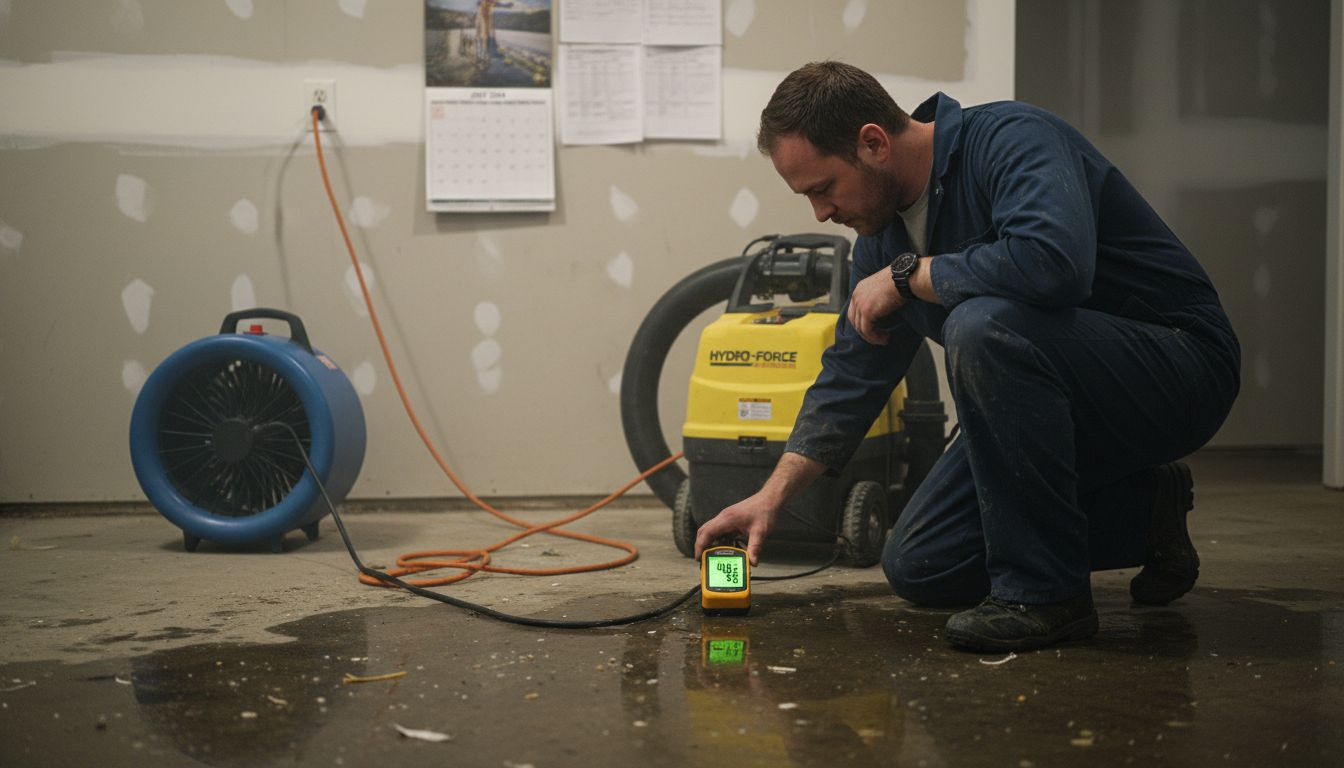
Professional tip: Ask your restoration team to provide detailed moisture readings throughout the drying process to understand the progress and effectiveness of their extraction strategy.
Step 5: Verify Recovery and Support Insurance Claims
As restoration nears completion, your focus shifts to thoroughly documenting damage and preparing comprehensive insurance documentation. This critical phase ensures you receive appropriate compensation for your property’s restoration and minimizes potential claim complications.
Begin by carefully documenting insurance claim details. Gather and organize essential evidence including:
- Professional restoration company assessment reports
- Detailed photographic documentation of damage
- Itemized lists of damaged property
- Repair and replacement cost estimates
- Moisture readings and drying verification reports
Claim preparation requires meticulous attention to detail. Work closely with your restoration professionals to compile a comprehensive package that demonstrates the full extent of damages and necessary repairs.
Thorough documentation is the key to successful insurance claim recovery.
Insurance claims payment processes can be complex, so maintaining clear, organized records is essential for smooth reimbursement.
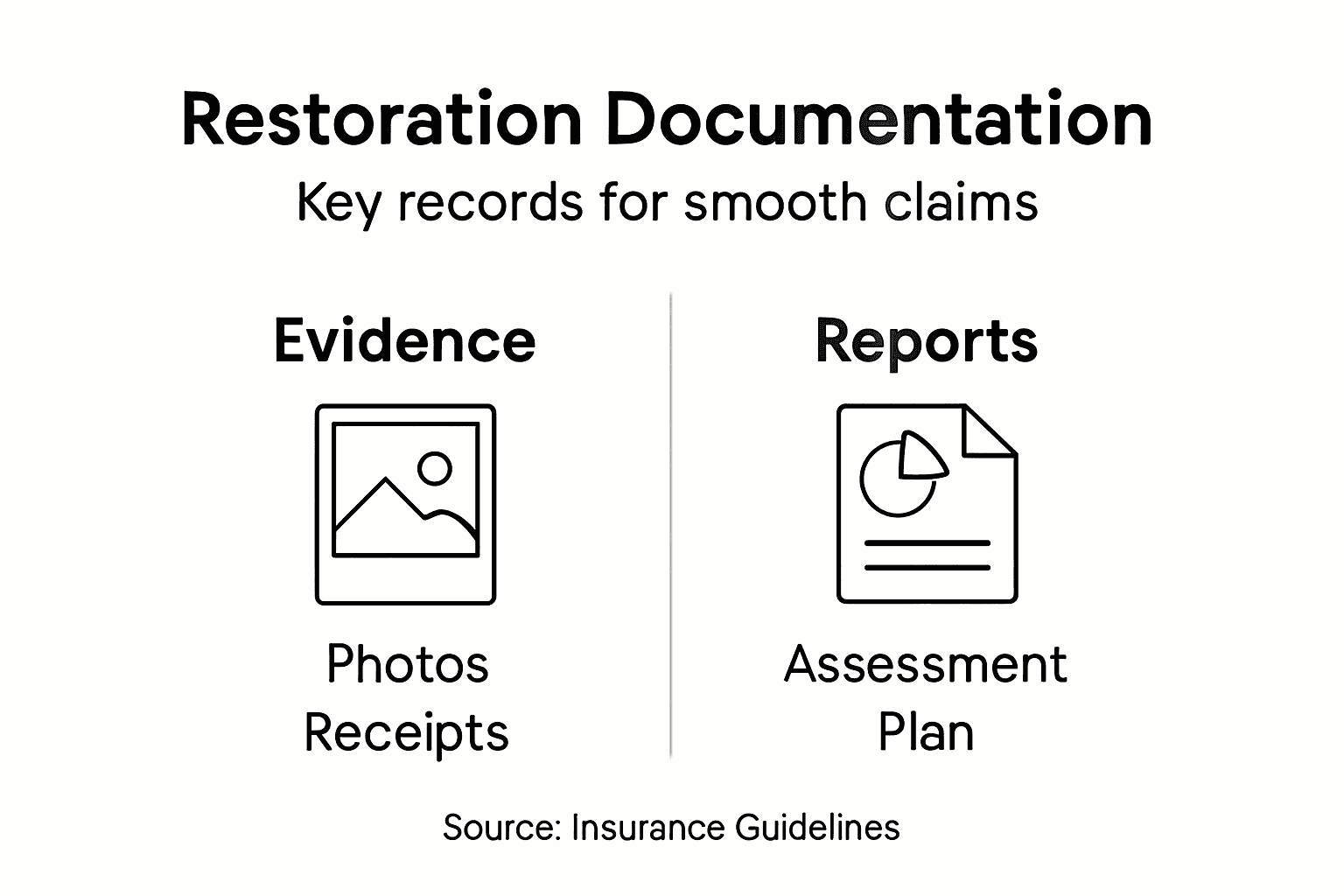
Professional tip: Create a dedicated folder containing all restoration and damage documentation, keeping digital and physical copies for maximum protection and easy access.
Expert Restoration Support for Water and Fire Damage Emergencies
Experiencing water or fire damage is overwhelming and can put your property and safety at serious risk. The article highlights critical steps like assessing hazards, stopping damage sources immediately, and coordinating professional restoration efforts. These challenges demand fast, reliable action combined with advanced technology to reduce losses and prevent long-term issues such as structural damage and contaminated water.
At PuroClean of Northeast Sacramento, we understand the urgency behind water extraction, structural drying, and fire and smoke restoration. Our team is available 24 7 to respond rapidly using certified methods and industry-leading equipment. We work closely with property owners and insurance providers to ensure clear communication and smooth claims handling during this stressful time.
Don’t wait to protect your home or business when water or fire damage strikes.
Call on experts dedicated to minimizing damage and restoring your property quickly. Learn more about our comprehensive water damage restoration services and efficient fire and smoke recovery solutions designed specifically for the Greater Sacramento area.
Experience peace of mind today by contacting PuroClean of Northeast Sacramento. Immediate action can prevent extensive damage and help you regain control—trust the professionals who make restoration their priority.
Frequently Asked Questions
What should I do first after experiencing water or fire damage?
Immediately assess the damage and identify any safety hazards. Look for structural damage, exposed electrical wires, or gas leaks, and prioritize personal safety by avoiding affected areas until professionals can evaluate the situation.
How can I stop the source of water or fire damage quickly?
For water damage, locate and turn off your main water shutoff valve to stop the flow. In a fire scenario, prioritize personal safety first; use a fire extinguisher for small fires or evacuate and call emergency services if the fire is large.
What techniques are used for water extraction and drying after damage?
Professionals typically use advanced techniques like industrial-grade water extraction pumps and high-velocity air movers for efficient water removal. Ensure that these methods are used systematically to prevent secondary damage and promote quicker drying.
How can I effectively document damage for insurance claims?
Gather and organize key documentation such as photographs of the damage, assessment reports, and itemized lists of affected property. Create a comprehensive package to illustrate the full extent of damages, which will help in processing your insurance claim.
Why is moisture mapping important during the drying process?
Moisture mapping allows professionals to track and document moisture levels throughout the drying process. By ensuring that all areas are thoroughly dried, it reduces the risk of microbial growth and material degradation, promoting a complete recovery.
Recommended
Insights on the Water Restoration Process and Clean-up
Top 5 Flood Restoration Mistakes Homeowners Make – PuroClean Emergency Restoration Specialists
Fixing Water Damage: Best Restoration Methods You Should Know
What Is Fire Restoration? Complete Guide for 2025 – PuroClean of Northeast Sacramento
 PuroClean of Northeast Sacramento