 PuroClean of Northeast Sacramento
 Restoration Industry Terminology – Why Accurate Terms Matter
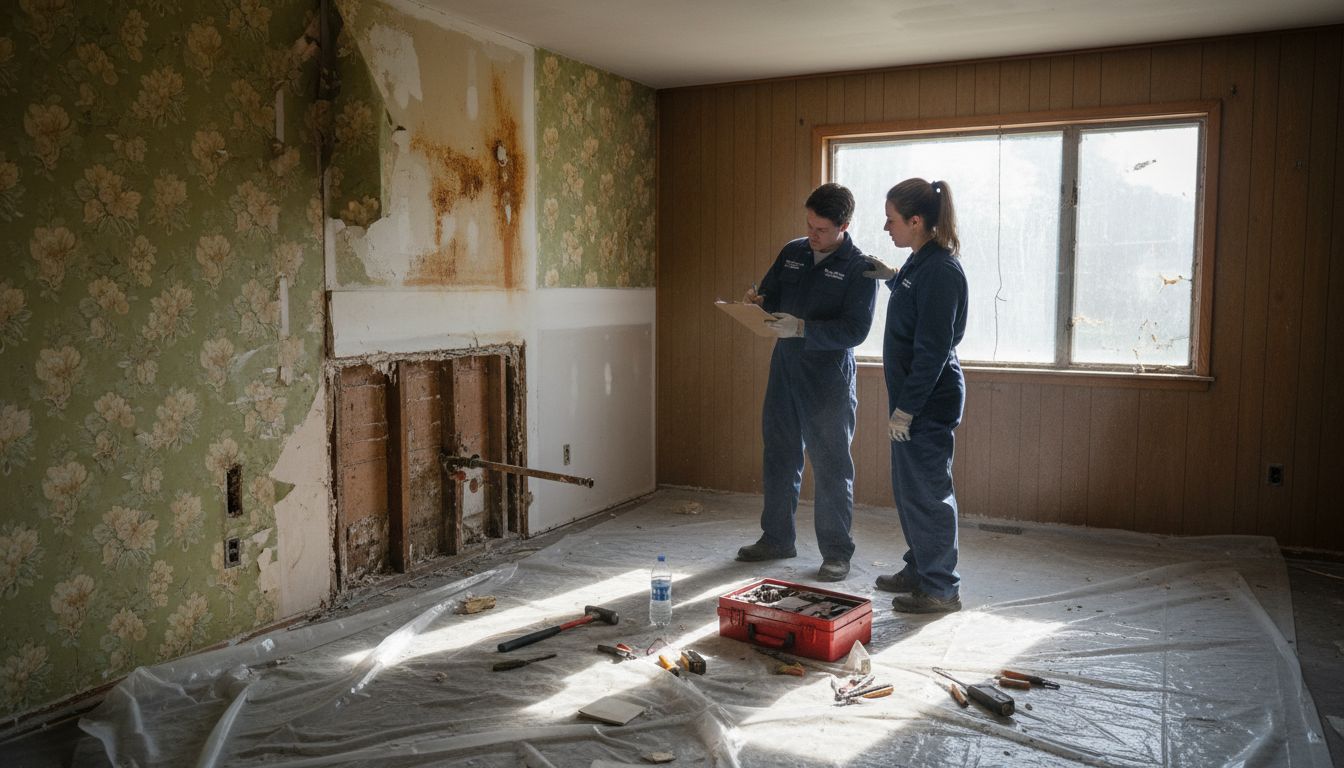
Most American property owners are surprised to learn that a simple mistake in restoration terminology can cause major delays in insurance claims. Clear, accurate language is essential when working with restoration professionals, insurance providers, and local authorities. When the meaning of words like remediation or mitigation matters, knowing the right terms can make the difference between a smooth recovery or weeks of confusion. This guide breaks down the most important restoration industry terms in a clear, practical way.
Table of Contents
- Defining Restoration Industry Terminology Clearly
- Essential Categories of Restoration Vocabulary
- Common Misunderstandings and Misused Terms
- Key Terms for Insurance and Documentation
- Legal, Safety, and Compliance Language
Key Takeaways
| Point | Details |
|---|---|
| Precise Terminology is Essential | Accurate language in the restoration industry ensures clear communication among professionals, property owners, and insurance providers. |
| Understanding Key Categories Enhances Communication | Familiarity with specific vocabulary related to water, fire, mold, and structural damage allows for efficient assessment and intervention strategies. |
| Clarifying Common Misunderstandings is Crucial | Differentiating terms like mitigation and remediation can prevent costly mistakes in damage recovery efforts. |
| Documentation is Key for Effective Claims | Using standardized terms in claims helps streamline communication and ensures proper compensation from insurance providers. |
Defining Restoration Industry Terminology Clearly
Understanding the precise language of restoration involves more than memorizing technical words. Professional restoration relies on accurate terminology that communicates exact damage conditions, ensuring clear communication between professionals, insurance providers, and property owners.
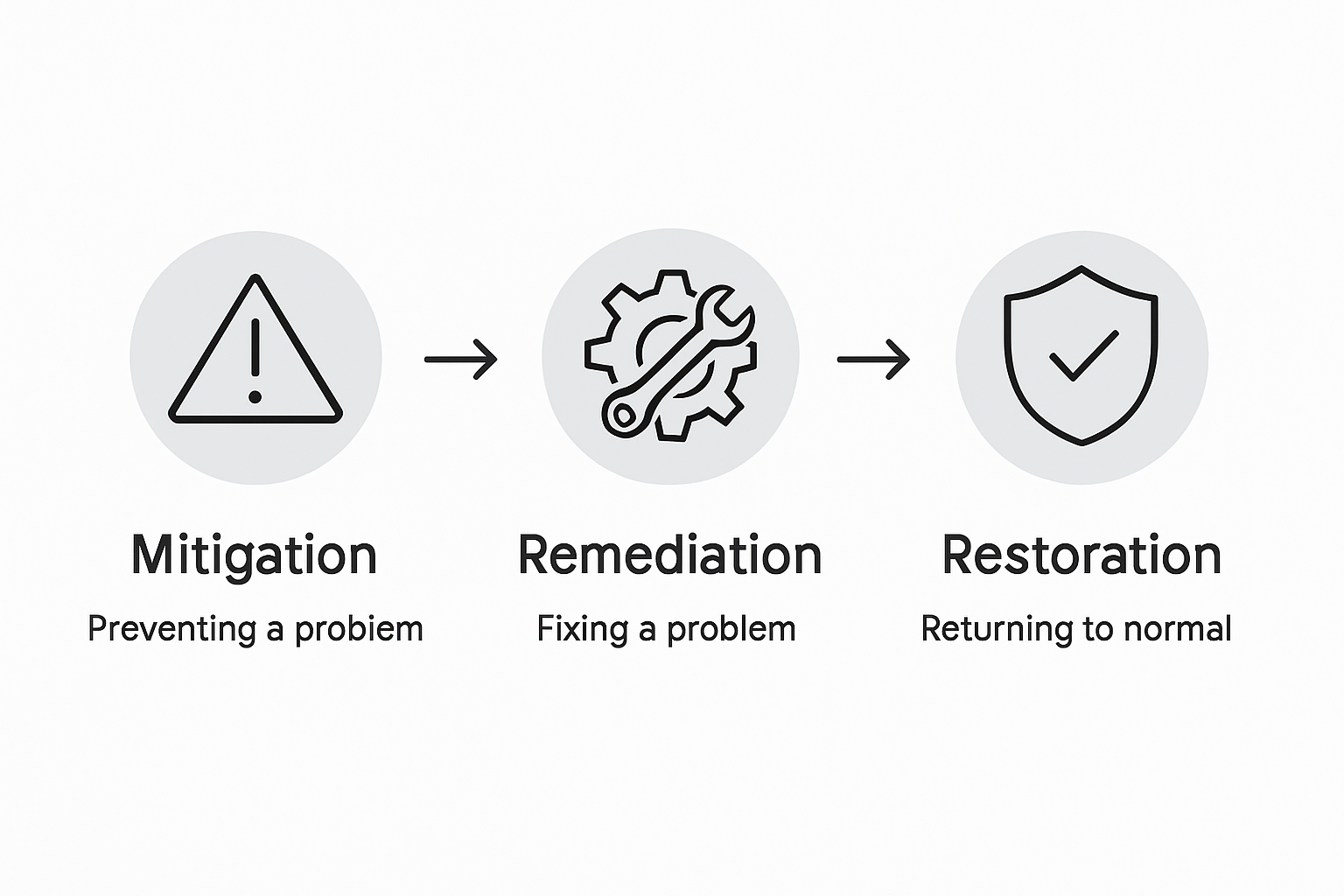
The restoration industry uses specialized terminology to describe specific damage scenarios, assessment techniques, and remediation strategies. For instance, terms like “mitigation” refer to immediate steps taken to prevent further property damage, while “remediation” describes the comprehensive process of cleaning, repairing, and restoring damaged areas. Precise language helps professionals quickly assess risks, develop strategic repair plans, and communicate complex restoration requirements effectively.
Professionals in this field recognize that terminology isn’t just about technical language—it’s a critical communication tool. Standardized definitions help professionals navigate complex damage scenarios with accuracy and efficiency. By using consistent, well-defined terms, restoration experts can rapidly communicate the extent of damage, necessary interventions, and potential long-term implications for property owners and insurance providers. This shared language reduces misunderstandings, speeds up restoration processes, and ensures everyone involved understands the exact scope of work required.
Essential Categories of Restoration Vocabulary
Restoration professionals rely on comprehensive vocabularies that cover multiple critical damage assessment and remediation domains. These specialized language categories enable precise communication about different types of property damage, ensuring accurate and efficient restoration strategies.
The primary restoration vocabulary categories typically encompass several key areas of expertise. Industry glossaries classify terms across multiple critical domains, including:
- Water Damage Terminology: Terms describing moisture intrusion, structural water absorption, humidity levels, and drying techniques
- Fire and Smoke Damage Vocabulary: Language relating to combustion effects, soot types, structural charring, and smoke residue classifications
- Mold Remediation Language: Specific terms addressing fungal growth, contamination levels, moisture sources, and removal protocols
- Structural Assessment Terms: Vocabulary for evaluating building integrity, material degradation, and restoration feasibility
Understanding these vocabulary categories goes beyond simple word recognition. Restoration professionals use precise terminology as a critical communication tool that bridges technical knowledge with practical action. By mastering these specialized language domains, experts can rapidly assess damage, develop targeted intervention strategies, and effectively collaborate with property owners, insurance providers, and other stakeholders in the restoration process.

Common Misunderstandings and Misused Terms
Restoration terminology contains several frequently confused terms that can significantly impact communication and service delivery. Professionals and property owners alike often misunderstand critical distinctions that determine appropriate restoration approaches, potentially leading to costly mistakes or ineffective damage recovery strategies.
Some of the most commonly misused terms in restoration include:
- Mitigation vs. Remediation: Mitigation refers to immediate steps preventing further damage, while remediation involves comprehensive restoration and repair
- Cleaning vs. Sanitizing: Cleaning removes visible dirt, whereas sanitizing eliminates microscopic contaminants and reduces bacterial presence
- Restoration vs. Renovation: Restoration returns property to its original condition, while renovation involves intentional modifications or upgrades
- Water Damage vs. Flood Damage: Water damage typically involves internal sources, whereas flood damage originates from external water sources like rivers or storm surges
Professional restoration glossaries help clarify these nuanced distinctions, ensuring precise communication between property owners, insurance providers, and restoration specialists. Understanding these subtle yet critical differences prevents misunderstandings, helps develop accurate repair strategies, and ensures that property damage is addressed with the most appropriate professional intervention. Misinterpreting these terms can lead to inappropriate treatment methods, potential long-term structural issues, and unnecessary financial expenses.
Key Terms for Insurance and Documentation
Insurance and documentation represent critical components of the restoration process, requiring precise terminology that accurately communicates damage extent, restoration strategies, and financial implications. Claim documentation involves specific technical language that bridges the gap between property owners, restoration professionals, and insurance providers.
Key terms essential for insurance and documentation include:
- Actual Cash Value (ACV): The replacement cost of damaged property minus depreciation
- Replacement Cost Value (RCV): The full cost to replace damaged items without depreciation deduction
- Emergency Services: Immediate actions taken to prevent additional property damage
- Scope of Work: Detailed documentation describing specific restoration procedures and required interventions
- Loss Assessment: Comprehensive evaluation of property damage and associated restoration requirements
- Claim Initiation: Formal process of reporting property damage to insurance provider
Affordable Eco-Friendly Restoration Techniques demonstrate how precise documentation can help property owners navigate complex insurance processes. Understanding these terms empowers property owners to communicate effectively, ensure proper compensation, and facilitate smooth restoration workflows. Accurate documentation serves as a critical tool for transparency, protecting both property owners and restoration professionals throughout the recovery process.
Legal, Safety, and Compliance Language
Restoration professionals must navigate complex legal and safety requirements that demand precise, standardized terminology. The language of legal compliance serves as a critical framework for protecting both property owners and restoration professionals during damage recovery processes.
Key legal and safety terminology encompasses several critical domains:
- Hazardous Material Identification: Specific language describing potential environmental and health risks
- Occupational Safety Terms: Vocabulary related to worker protection, equipment standards, and risk mitigation
- Environmental Compliance Language: Terms addressing ecological impact, waste management, and restoration protocols
- Liability Definition Terms: Precise language outlining professional responsibilities, risk allocation, and contractual obligations
- Personal Protective Equipment (PPE) Specifications: Detailed terminology describing protective gear requirements
The Certified Restorer Body of Knowledge provides comprehensive guidance on understanding these complex legal communication standards. Mastering this specialized language ensures that restoration professionals can effectively communicate potential risks, implement safety protocols, and maintain legal compliance throughout the restoration process. Clear, unambiguous terminology becomes a critical tool for preventing misunderstandings, protecting professional interests, and ensuring the highest standards of safety and procedural integrity.
Speak the Language of Restoration with Trusted Experts Ready to Help
Knowing the right terms like mitigation, remediation, and scope of work is more than technical jargon. It is the key to clear communication and fast, effective restoration. At PuroClean of Northeast Sacramento, we understand that confusion over these terms can delay your property recovery and increase stress during emergencies.
You deserve a restoration team that speaks your language and acts quickly. Our certified experts specialize in water damage, fire and smoke restoration, mold removal, and biohazard cleanup. We help you navigate insurance claims and restoration steps with transparency and care using precise terminology you can trust.
Take control now and avoid costly misunderstandings. Contact PuroClean of Northeast Sacramento for swift, professional restoration services. Learn more about our comprehensive water damage solutions and effective fire damage restoration services. Act today to secure the expert help your property deserves.
Frequently Asked Questions
What is the difference between mitigation and remediation in the restoration industry?
Mitigation refers to the immediate steps taken to prevent further damage to a property, while remediation involves comprehensive restoration and repair processes to return the property to its original condition.
Why is it important to use accurate terminology in the restoration industry?
Accurate terminology facilitates clear communication between professionals, insurance providers, and property owners, ensuring everyone understands damage conditions, necessary interventions, and implications for restoration projects.
What are some common misconceptions about restoration terms?
Common misconceptions include confusing cleaning with sanitizing, misunderstanding the difference between restoration and renovation, and misinterpreting water damage versus flood damage, which can lead to inappropriate treatment strategies.
How does legal and safety terminology impact restoration work?
Legal and safety terminology ensures that restoration professionals adhere to regulations and standards, protecting both workers and property owners by communicating potential risks, safety protocols, and compliance requirements.
Recommended
Understanding the Importance of Technical Documentation – My WordPress
Expert Water Damage Reconstruction Services Sterling
How Modern Water Damage Restoration Techniques Speed Up Recovery – PuroClean Disaster Mitigation


 PuroClean of Northeast Sacramento