


Restoration Process Explanation Guide for Fast Recovery
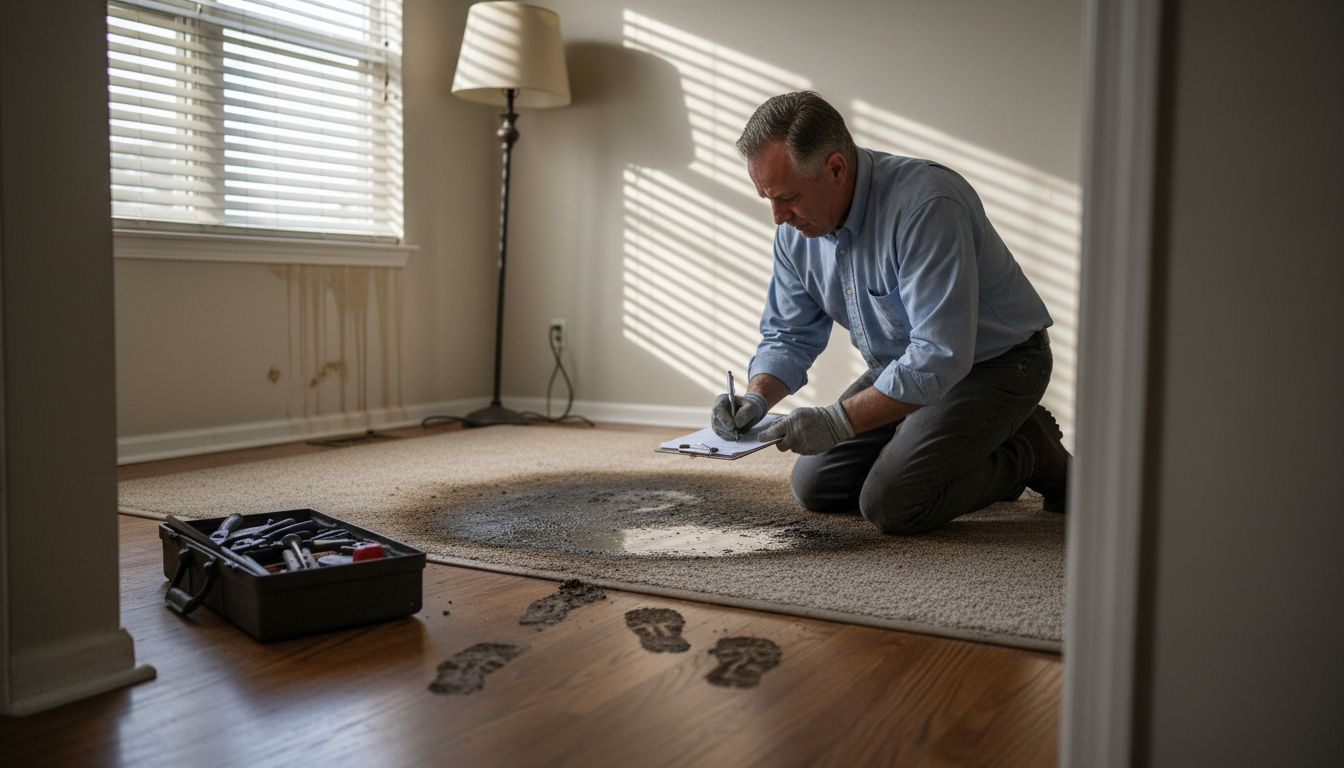
Sudden water damage or fire can leave homeowners in Northeast Sacramento feeling overwhelmed and uncertain about what steps to take first. In these moments, quick and decisive action is crucial to protect your property and loved ones. This guide will arm you with a comprehensive step by step restoration process rooted in expert recommendations, helping you respond effectively, prioritize safety, and set the stage for a swift recovery.
Table of Contents
- Step 1: Assess Damage And Ensure Safety
- Step 2: Stop Water Or Fire Source Immediately
- Step 3: Extract Water And Remove Debris
- Step 4: Dry Structures And Dehumidify Areas
- Step 5: Coordinate Repairs And Restoration
- Step 6: Verify Completion And Restore Comfort
Quick Summary
| Key Point | Explanation |
|---|---|
| 1. Assess Damage Safely | Conduct a visual inspection and prioritize safety; document visible damage to support future restoration efforts. |
| 2. Halt Water or Fire Source | Immediately shut off water or extinguish fire to prevent further damage; safety is paramount. |
| 3. Extract Water and Clean Debris | Use professional equipment to remove standing water and sort debris, documenting all for insurance claims. |
| 4. Dry and Dehumidify Affected Areas | Use industrial dehumidifiers and air movers to eliminate moisture, aiming to keep humidity below 50%. |
| 5. Verify Repairs and Restore Comfort | Conduct thorough inspections of completed work, ensuring all repairs adhere to standards before considering restoration complete. |
Step 1: Assess Damage and Ensure Safety
Determining the extent and type of damage while prioritizing personal safety is your first critical action in the restoration process. Proper damage assessment sets the foundation for effective recovery strategies and helps prevent additional property loss.
Begin by performing a careful visual inspection of your property while maintaining strict safety protocols. According to FEMA damage assessment guidelines, you must first evaluate potential structural risks before entering any compromised space. Look for clear signs of damage such as water staining, smoke residue, compromised walls or flooring, exposed electrical wiring, and potential hazardous material contamination. If you observe any significant structural damage or potential safety threats, do not enter the area and immediately contact professional restoration experts.
When conducting your initial assessment, wear appropriate personal protective equipment including sturdy shoes, work gloves, a dust mask, and safety glasses. Document everything systematically using photographs and detailed notes about visible damage locations and potential safety concerns. By following a comprehensive damage evaluation approach, you create an accurate record for insurance claims and restoration planning.
Here is a quick overview of key protective equipment and its purpose in disaster assessment:
| Equipment | Primary Purpose | Added Benefit |
|---|---|---|
| Sturdy shoes | Prevent foot injuries | Improve stability on debris |
| Work gloves | Protect hands from sharp objects | Maintain grip in wet areas |
| Dust mask | Filter airborne particles | Reduce inhalation risk |
| Safety glasses | Shield eyes from debris | Enhance visibility, prevent injury |
Pro tip: Always prioritize your personal safety over property assessment and never risk entering potentially dangerous spaces without professional guidance.
Step 2: Stop Water or Fire Source Immediately
Halting the source of water or fire damage is your most urgent priority to prevent catastrophic and escalating property destruction. Every minute matters when managing emergency restoration scenarios.
For water damage, locate and immediately shut off the main water valve to your property. If the leak originates from a specific appliance or plumbing fixture, close its individual shutoff valve. Immediate damage control techniques recommend carefully assessing the water source without risking personal safety. In fire scenarios, ensure the fire is completely extinguished using appropriate fire extinguishers or by evacuating and calling emergency services. Never attempt to manage extensive fire damage by yourself.
If electrical systems appear compromised, switch off power at the main circuit breaker to prevent potential electrical hazards. For water damage situations, remove standing water quickly using pumps or wet vacuums if it is safe to do so. Use caution and wear protective gear such as rubber boots and waterproof gloves. Disaster restoration protocols emphasize that stopping the damage source is the critical first step in preventing further property loss and potential health risks.
Pro tip: Keep emergency contact numbers for utility companies and restoration professionals easily accessible near your main circuit breaker and water shutoff valve.
Step 3: Extract Water and Remove Debris
Removing water and clearing debris are crucial steps in preventing further damage and preparing your property for complete restoration. Your goal is to minimize moisture and eliminate potential contamination sources that could compromise your property’s structural integrity.
Begin water extraction using industrial wet vacuums or professional water removal equipment. Focus on thoroughly removing standing water from floors, carpets, and other surfaces. Sustainable debris management strategies recommend systematically sorting debris into recyclable and non recyclable categories. Wear protective gear like waterproof gloves, rubber boots, and safety glasses during this process. Use fans and dehumidifiers to accelerate drying and prevent potential mold growth in hard-to-reach areas.
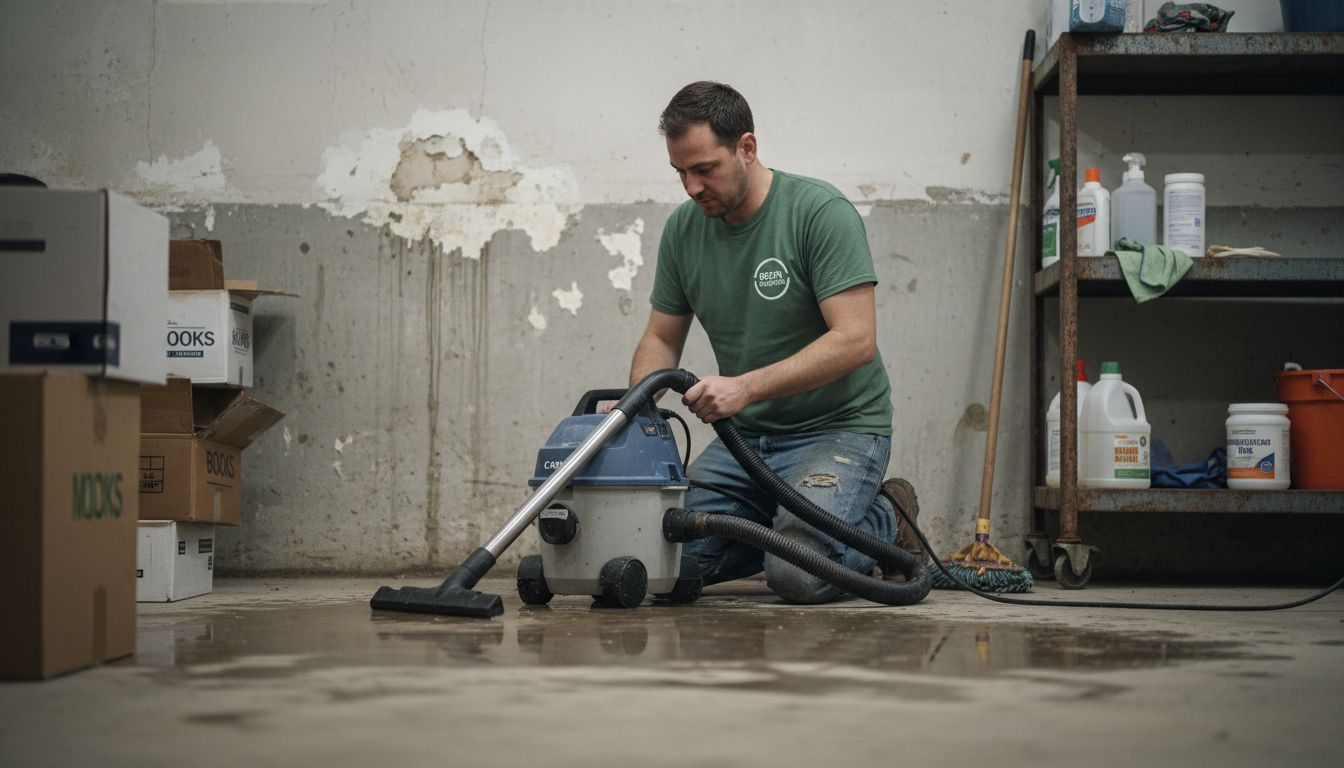
Carefully document all water damage and debris using photographs and detailed notes for insurance purposes. Restoration ecology principles emphasize the importance of comprehensive removal to prevent long-term environmental and structural complications. Separate damaged materials into designated zones metal, wood, fabric and dispose of contaminated items according to local regulations. If the water damage is extensive, consider consulting professional restoration specialists who can efficiently manage complex extraction and debris removal processes.
Pro tip: Rent or purchase a commercial grade dehumidifier to accelerate moisture removal and prevent secondary damage to your property.
Step 4: Dry Structures and Dehumidify Areas
Drying out your property and reducing moisture are critical steps in preventing long-term damage and potential health risks associated with water intrusion. Your objective is to create an environment that stops further deterioration and inhibits mold growth.
Moisture control principles recommend strategically positioning industrial dehumidifiers and high-velocity air movers to maximize air circulation and moisture extraction. Target hidden spaces like wall cavities, under flooring, and inside cabinets where moisture can accumulate unnoticed. Use moisture meters to track humidity levels and ensure comprehensive drying. Pay special attention to porous materials such as drywall, wooden structures, and carpeting that can retain water and become breeding grounds for microbial growth.
Continuously monitor indoor humidity levels and aim to maintain them below 50% to prevent potential mold development. Ecosystem restoration standards emphasize the importance of thorough dehumidification in restoring structural integrity. Rotate and reposition drying equipment regularly to ensure even moisture reduction across all affected areas. If humidity persists or damage seems extensive, consult professional restoration specialists who can provide advanced drying techniques and specialized equipment.
Pro tip: Invest in a professional grade moisture meter to accurately track drying progress and prevent hidden moisture from causing future damage.
Step 5: Coordinate Repairs and Restoration
Successfully restoring your property requires strategic planning and careful coordination among multiple professionals and stakeholders. Your goal is to create a comprehensive restoration strategy that efficiently addresses all damage and prevents future issues.
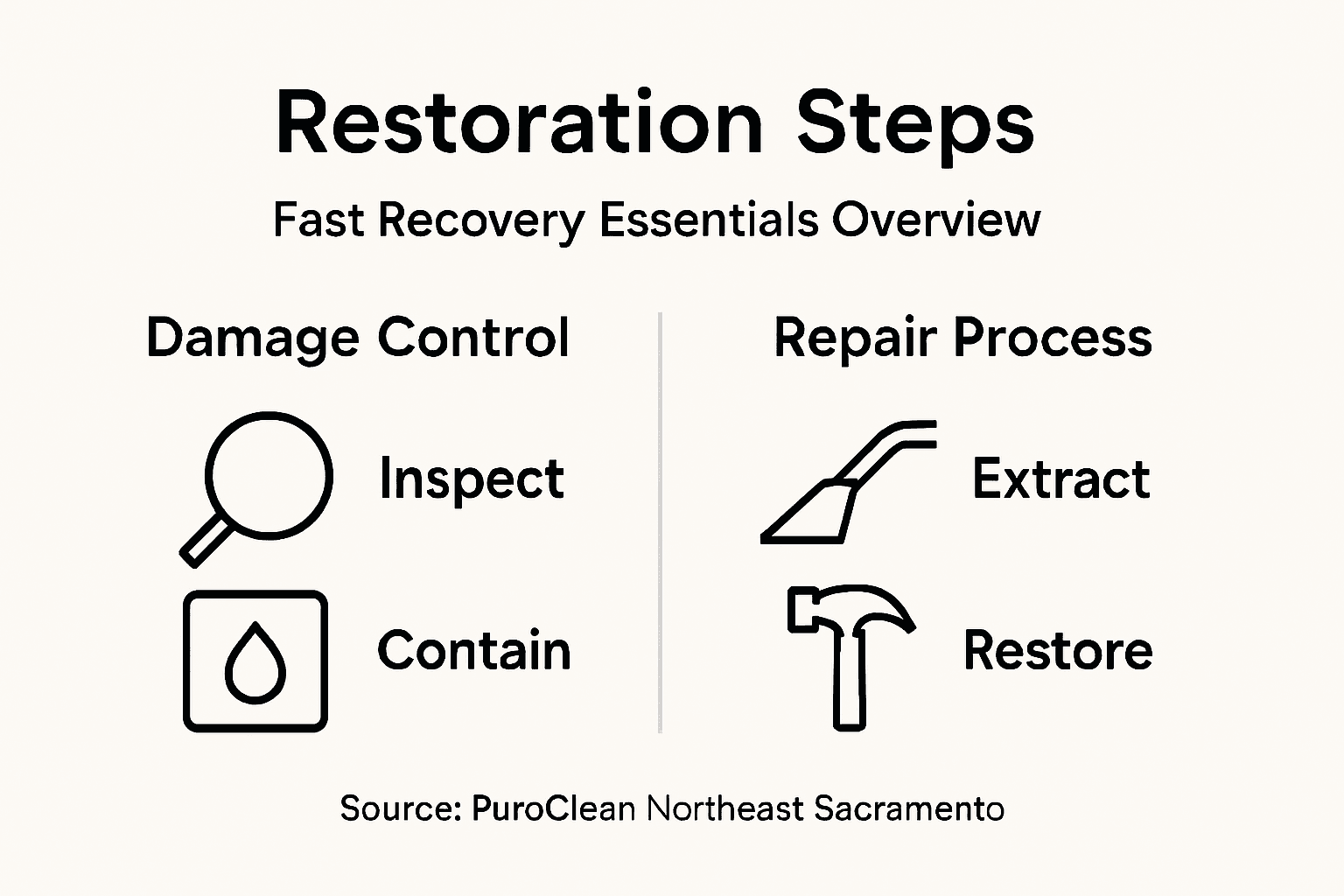
Restoration planning guidelines recommend developing a detailed project roadmap that includes assessment, contractor selection, insurance documentation, and phased repair schedules. Begin by obtaining comprehensive repair estimates from certified restoration specialists. Prioritize structural integrity repairs first ensuring electrical, plumbing, and foundational elements are addressed before cosmetic renovations. Communicate regularly with your insurance provider to understand coverage details and document all restoration activities meticulously.
Ensure each restoration professional understands their specific role and timeline. Ecological restoration best practices emphasize the importance of integrated planning that considers long-term property resilience. Schedule sequential inspections to verify quality and completeness of repairs. Maintain open communication channels between contractors, insurance adjusters, and property owners to streamline the restoration process and prevent potential misunderstandings.
The restoration process involves several professionals working in coordination. Here is how roles compare:
| Professional | Main Responsibility | When to Consult |
|---|---|---|
| Structural Engineer | Assess and certify structure | Visible or suspected damage |
| Water Damage Technician | Extract water, start drying | After water removal starts |
| Electrician | Inspect electrical hazards | After fire or water damage |
| Insurance Adjuster | Verify losses, process claims | Before major repairs begin |
Pro tip: Create a dedicated project folder with digital and physical copies of all repair estimates, insurance documents, and contractor communications to maintain clear restoration records.
Step 6: Verify Completion and Restore Comfort
The final stage of restoration involves thoroughly verifying the quality of repairs and ensuring your property is returned to a safe, comfortable living environment. Your goal is to confirm that all restoration work meets professional standards and addresses every aspect of the original damage.
Project closeout protocols recommend conducting comprehensive inspections with restoration professionals to systematically verify each repaired area. Walk through the entire property with your lead contractor, checking for complete structural repairs, proper moisture levels, restored electrical and plumbing systems, and absence of potential future damage indicators. Document everything with detailed photographs and written notes. Test all systems thoroughly including heating, cooling, electrical outlets, and water fixtures to ensure full functionality and safety.
Restoration verification practices emphasize the importance of stakeholder involvement during final assessment. Request formal documentation from contractors certifying that all repair work meets industry standards and local building codes. Schedule a final professional inspection to provide an independent assessment of restoration quality. If any discrepancies or incomplete work are identified, work with your restoration team to resolve these issues before considering the project finalized.
Pro tip: Create a comprehensive restoration completion checklist before final walkthrough to ensure you systematically evaluate every critical aspect of the repair work.
Take Control of Water and Fire Damage with Trusted Restoration Experts
Facing the urgency of water or fire damage calls for swift, expert action to stop damage at its source and start immediate recovery. This guide highlights key steps such as assessing damage safely, stopping leaks or fires efficiently, extracting water, and drying structures properly. If you are overwhelmed by burst pipes, flooding, or smoke damage, you need a restoration partner ready to act fast to protect your property and family.
At PuroClean of Northeast Sacramento, we specialize in rapid-response water extraction, structural drying, plumbing leak detection, and fire and smoke restoration. With 24/7 availability and advanced technology, our certified team ensures comprehensive mitigation that prevents further loss while preparing your home or business for full recovery. Learn how our proven process aligns with critical restoration steps by exploring our water damage and restoration services.
Dont wait for hidden moisture or escalating damage to jeopardize your property. Contact us now to schedule an emergency assessment and start your restoration journey with trusted professionals who understand the urgency and complexity of your situation. Visit PuroClean of Northeast Sacramento to take the first step toward fast, thorough recovery.
Frequently Asked Questions
What is the first step in the restoration process after water or fire damage?
The first step is to assess the damage and ensure safety. Conduct a careful visual inspection of your property, documenting any visible damage and wearing appropriate personal protective equipment.
How can I stop the source of water damage in my home?
To stop the source of water damage, locate and shut off the main water valve immediately. If the leak is specific to an appliance, turn off its individual shutoff valve before taking further action.
What equipment do I need for effective water extraction and debris removal?
You will need industrial wet vacuums or professional water removal equipment for effective extraction. Wear protective gear like waterproof gloves and safety glasses while clearing debris to ensure your safety during the process.
How do I ensure my property is thoroughly dried after water damage?
To ensure thorough drying, use industrial dehumidifiers and high-velocity air movers strategically positioned throughout the affected areas. Monitor indoor humidity levels and aim to keep them below 50% to prevent mold growth.
What should I include in my restoration project plan?
Your restoration project plan should include a detailed roadmap outlining assessment, contractor selection, insurance documentation, and repair schedules. Make sure to prioritize structural repairs before any cosmetic renovations to ensure a solid foundation.
How can I verify the completion of restoration work?
To verify completion, conduct a comprehensive inspection with restoration professionals. Document all repairs and ensure that all systems, like heating and electrical, are functioning properly before finalizing the project.
Recommended
Property Restoration Process Guide: Steps for Success – PuroClean of Northeast Sacramento
Best Guide to Disaster Restoration Services in Zephyrhills
Why Use Restoration Services: Complete Guide for 2024 – PuroClean of Northeast Sacramento