 PuroClean of Northeast Sacramento
 Restoration Terminology Explained: Clarity for Property Owners
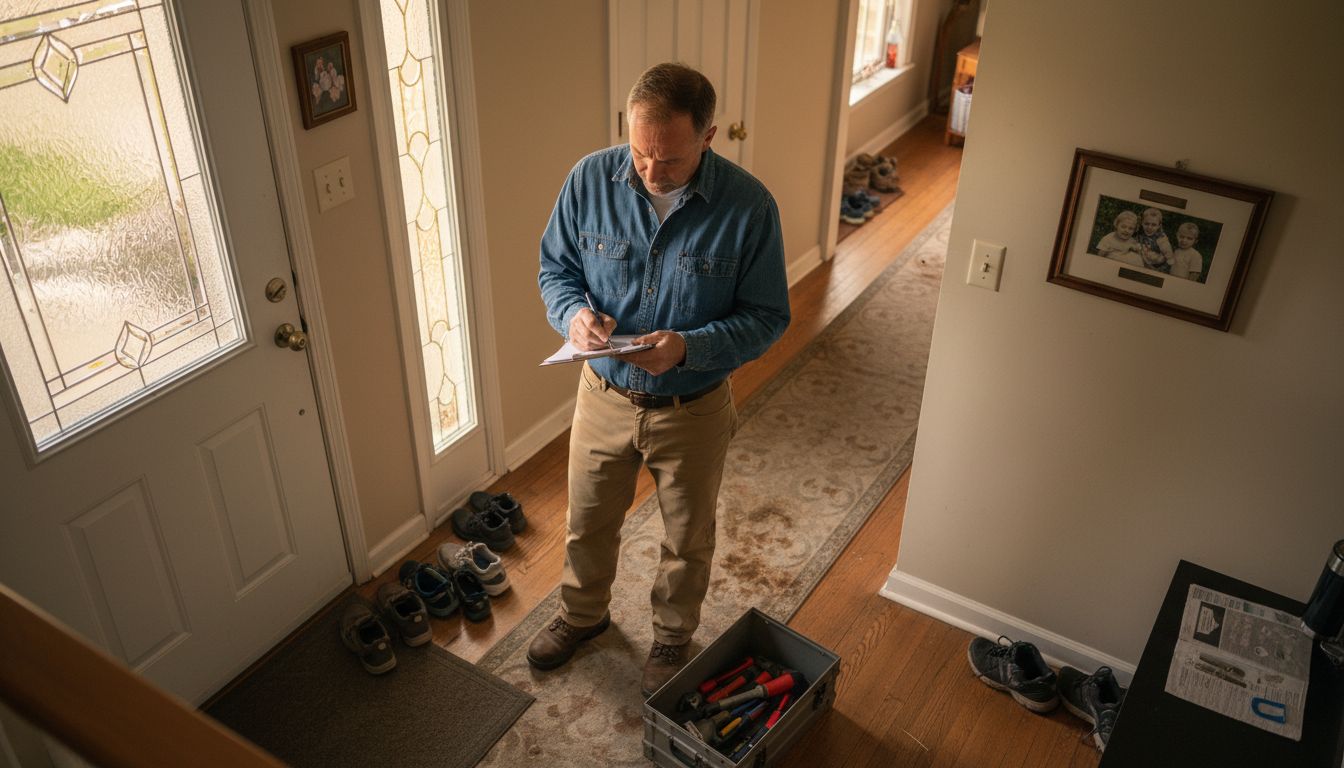
Over $15 billion in property damage claims are filed by American homeowners every year due to disasters like fire, water, or mold. Knowing the real differences between restoration, mitigation, remediation, and reconstruction can make all the difference when disaster strikes. This guide breaks down the essential restoration terminology and methods every American property owner should know—arming you with clear definitions and practical insights to navigate recovery with confidence.
Table of Contents
- Core Restoration Terminology And Definitions
- Categories Of Property Damage Explained
- Key Techniques And Methods In Restoration
- Insurance And Cost Implications For Restoration
- Common Misconceptions And Mistakes To Avoid
Key Takeaways
| Point | Details |
|---|---|
| Understanding Key Terminology | Familiarize yourself with restoration terms such as mitigation, remediation, and abatement to effectively communicate with professionals. |
| Timely Professional Intervention | Engage restoration experts immediately to prevent further damage and ensure comprehensive recovery. |
| Insurance Navigation | Understand your insurance policy details to streamline the claims process and maximize recovery potential. |
| Avoid DIY Mistakes | Do not attempt restoration on your own; inadequate methods can exacerbate damage and complicate insurance claims. |
Core Restoration Terminology and Definitions
Restoration is a specialized process involving comprehensive property recovery after damage from environmental events like fire, water, or mold. Property restoration involves carefully returning damaged structures and contents to their pre-loss condition through strategic techniques and professional interventions. The National Park Service provides an authoritative framework, defining restoration as accurately depicting a property’s original form, features, and character from a specific period.
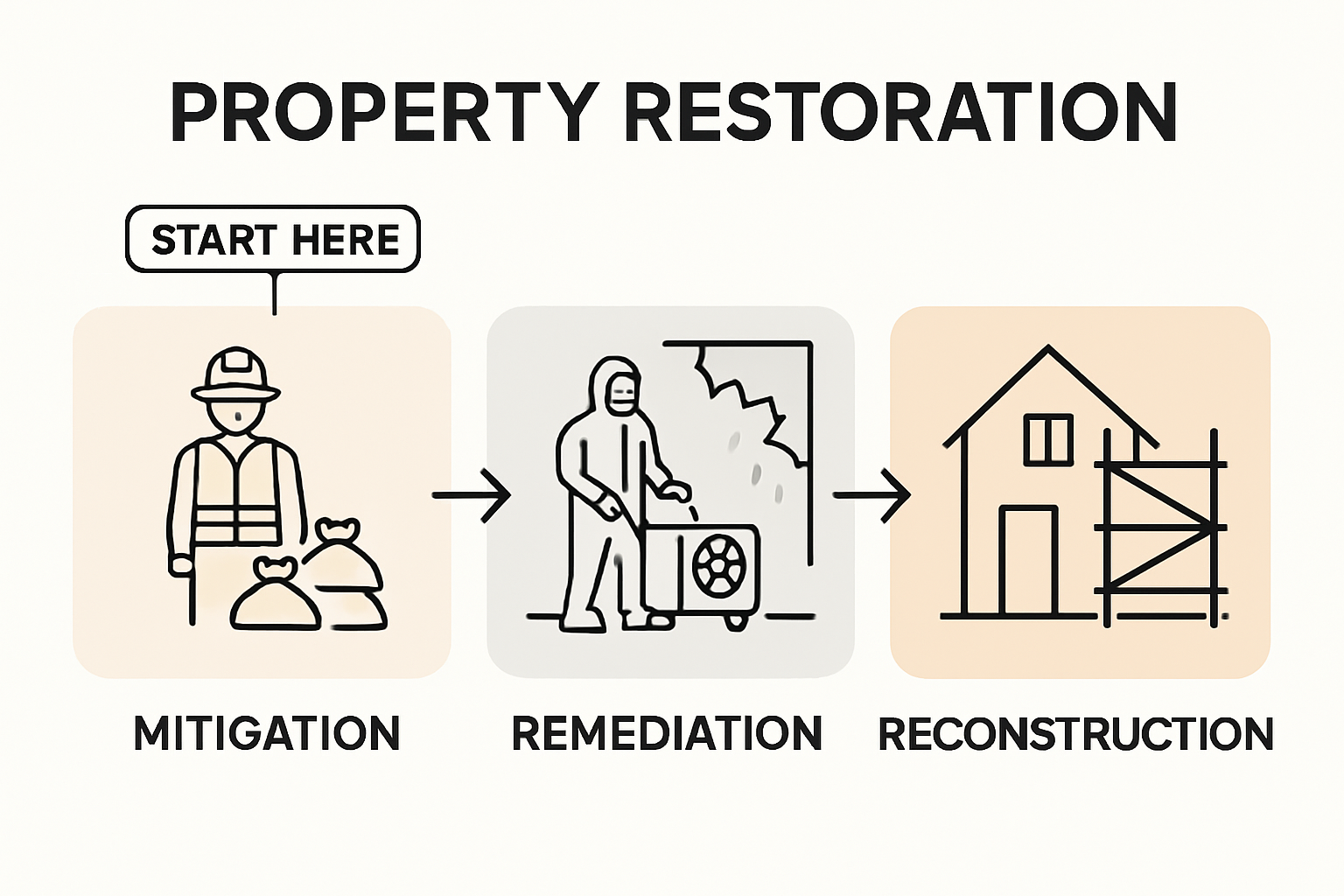
Within the restoration industry, professionals utilize several key terminology categories that property owners should understand. Mitigation represents immediate actions taken to prevent additional damage after an initial incident, such as water extraction or boarding up fire-damaged windows. Remediation focuses on cleaning and sanitizing affected areas, removing contaminants, and preparing spaces for full restoration. Reconstruction involves rebuilding or replacing damaged structural components to restore the property to its original state.
Comprehensive restoration requires understanding nuanced processes beyond basic repair. Abatement specifically addresses hazardous material removal like asbestos or lead, while restoration encompasses broader recovery efforts. Professional fire damage restoration services employ specialized techniques to address complex property damage scenarios, ensuring thorough and safe recovery.
Key restoration terminology includes:
- Mitigation: Immediate damage control
- Remediation: Cleaning and sanitization
- Reconstruction: Structural rebuilding
- Abatement: Hazardous material removal
- Restoration: Comprehensive property recovery
Categories of Property Damage Explained
Property damage encompasses a wide range of environmental and structural challenges that can significantly impact residential and commercial spaces. The Restoration Industry Association identifies four primary categories of property damage: water damage, fire damage, mold contamination, and storm damage. Each category presents unique restoration challenges that require specialized professional intervention to prevent long-term structural deterioration and potential health risks.
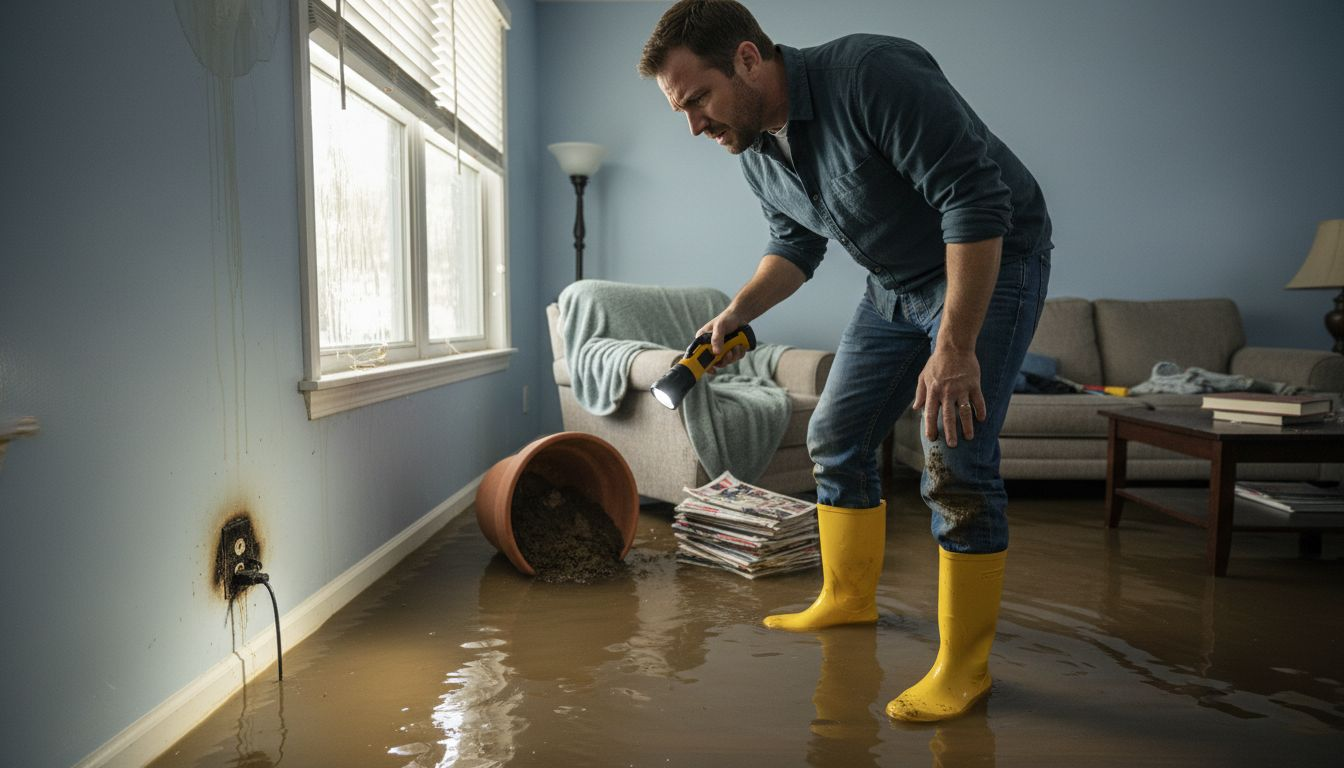
Water Damage represents one of the most common and destructive property damage types. This category includes damage from burst pipes, flooding, sewage backups, and natural disasters. Water damage can be classified into three primary levels: clean water (minimal contamination), gray water (significant contamination), and black water (severe contamination with potential biohazards). Understanding different water damage categories helps property owners recognize the urgency and complexity of restoration requirements.
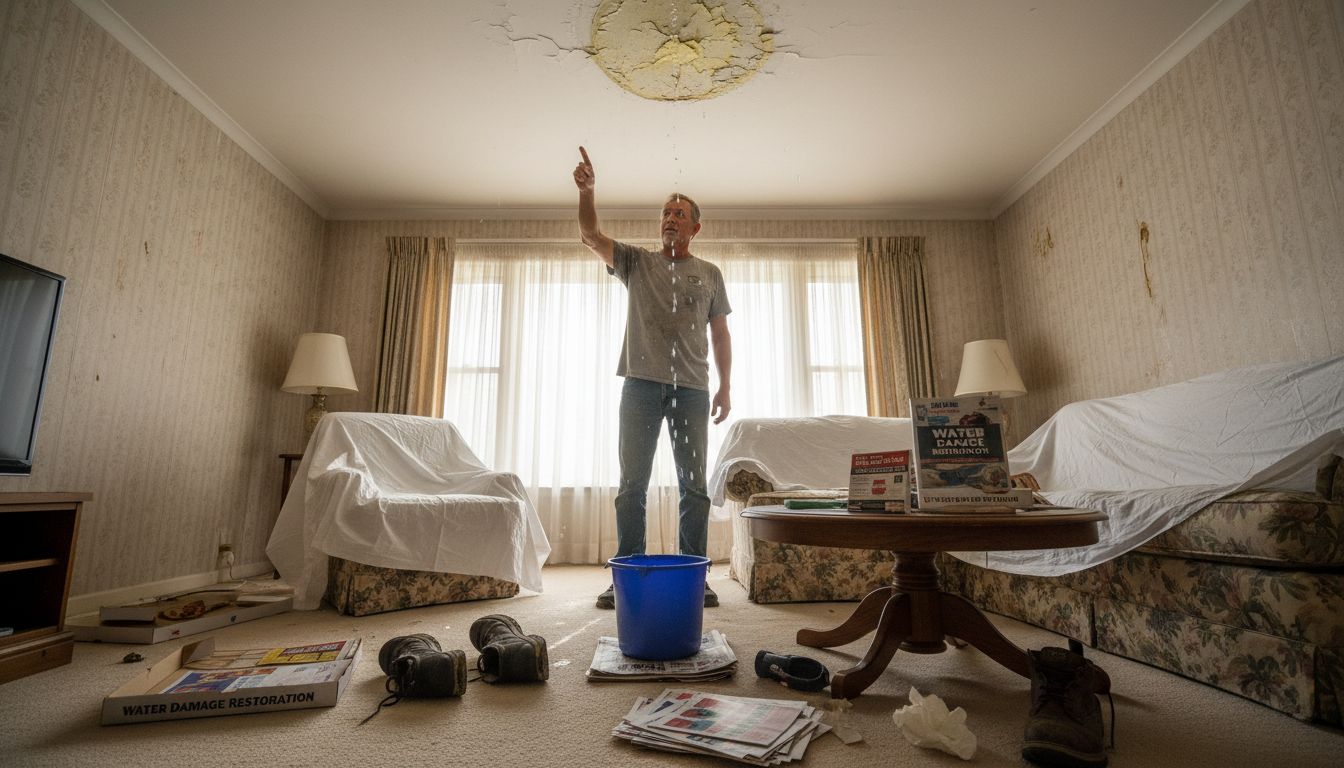
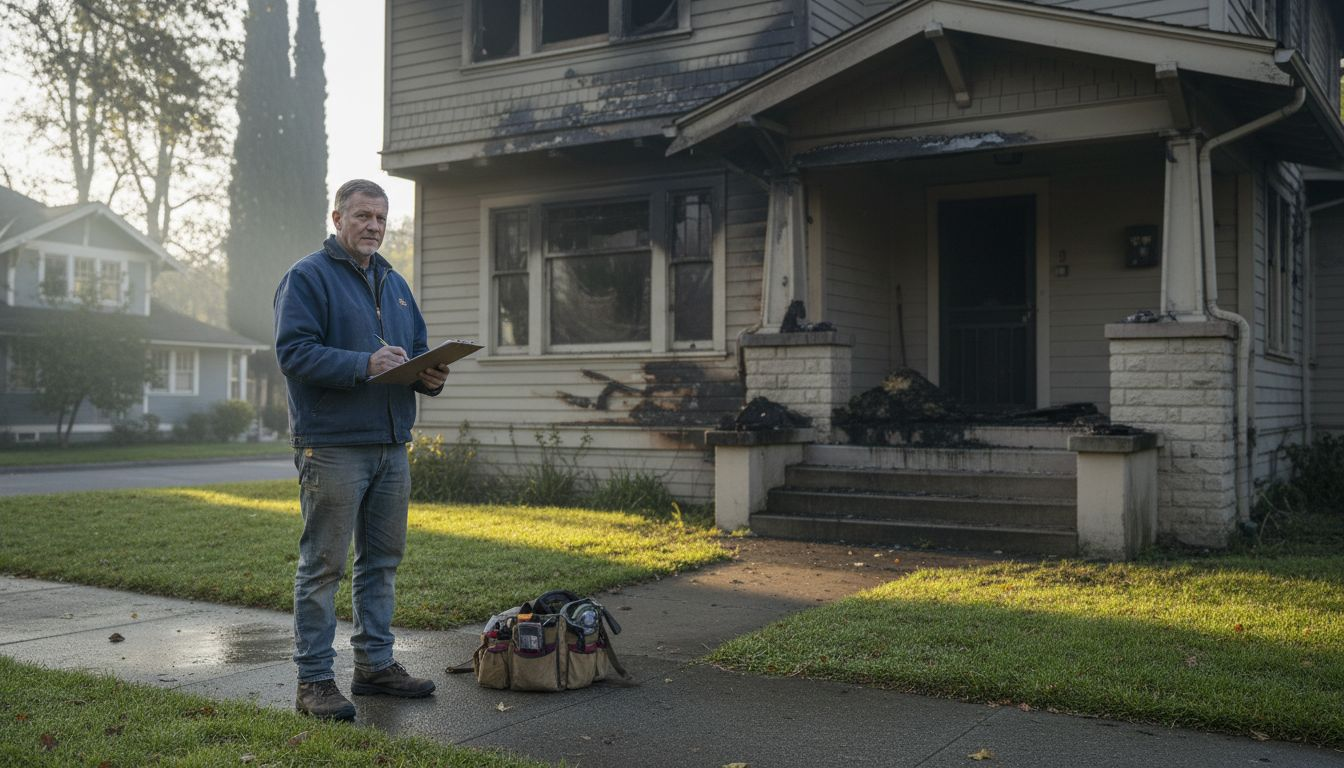
Fire and Smoke Damage involves complex restoration processes beyond visible burn marks. This damage category includes structural charring, smoke residue penetration, soot accumulation, and potential toxic chemical contamination. Restoration professionals must address not just visible damage but also hidden structural compromises and potential air quality issues. Smoke particles can penetrate deep into building materials, requiring sophisticated cleaning and reconstruction techniques.
Additional property damage categories include:
- Mold Contamination: Biological growth causing structural and health risks
- Storm Damage: Wind, hail, and precipitation-related structural impacts
- Biohazard Damage: Contamination from biological or chemical substances
- Impact Damage: Structural harm from physical collisions or external forces
Key Techniques and Methods in Restoration
Methods of property restoration involve complex systematic approaches designed to return damaged structures to their original condition. Professional restoration techniques require a multifaceted strategy that combines scientific assessment, advanced technological tools, and specialized cleaning protocols. Restoration professionals must carefully evaluate the extent of damage, identify potential risks, and develop a comprehensive recovery plan that addresses both visible and hidden structural challenges.
Water Extraction and Drying represents a critical initial technique in many restoration scenarios. Modern water damage restoration techniques utilize sophisticated equipment like industrial-grade dehumidifiers, moisture meters, and infrared thermal imaging cameras to detect hidden moisture pockets. These advanced tools enable precise moisture mapping, ensuring complete water removal and preventing potential secondary damage like mold growth or structural deterioration.
Specialized Cleaning and Sanitization techniques vary depending on the type of damage encountered. For fire and smoke damage, professionals employ multiple cleaning methods including dry cleaning, wet cleaning, and specialized chemical treatments designed to remove soot, neutralize odors, and restore surfaces. Mold remediation requires containment strategies, specialized air filtration systems, and targeted antimicrobial treatments to eliminate biological contaminants and prevent future growth.
Key restoration methodologies include:
- Structural Drying: Comprehensive moisture elimination
- Smoke Residue Removal: Advanced cleaning protocols
- Contamination Containment: Preventing spread of damage
- Surface Reconstruction: Repairing and replacing damaged materials
- Environmental Monitoring: Continuous damage assessment and prevention
Insurance and Cost Implications for Restoration
The Restoration Industry Association highlights that property damage restoration costs are typically processed through insurance claims, creating a complex financial landscape for property owners. Insurance coverage varies significantly depending on the type of damage, policy specifics, and the extent of structural compromise. Homeowners must carefully navigate their insurance policies, understanding specific clauses related to water damage, fire restoration, mold remediation, and other potential property restoration scenarios.
Insurance Claim Processes require meticulous documentation and professional assessment. Insurance claim strategies often involve detailed documentation of damage, professional restoration estimates, and strategic communication with insurance adjusters. Property owners should be prepared to provide comprehensive evidence of damage, including photographic documentation, professional assessment reports, and itemized restoration cost breakdowns to maximize their potential insurance recovery.
Cost Factors in Restoration encompass multiple variables that significantly impact overall expenses. Restoration costs can range from a few hundred to tens of thousands of dollars depending on damage severity, affected square footage, and required restoration techniques. Factors influencing restoration expenses include the type of damage, structural complexity, material replacement needs, specialized cleaning requirements, and potential long-term restoration strategies. Professional restoration companies typically provide detailed estimates that break down potential costs and help property owners understand their financial obligations.
Key financial considerations in property restoration include:
- Immediate Mitigation Costs: Initial emergency response expenses
- Comprehensive Restoration Expenses: Full property recovery charges
- Insurance Deductible: Out-of-pocket initial expenses
- Potential Long-Term Repair Costs: Future structural maintenance
- Professional Assessment Fees: Expert evaluation expenses
Common Misconceptions and Mistakes to Avoid
The Restoration Industry Association clarifies that restoration is a specialized process often misunderstood by property owners. Many homeowners mistakenly believe that damage restoration is simply a repair job, overlooking the complex scientific and technical approaches required to truly return a property to its pre-loss condition. This fundamental misunderstanding can lead to costly mistakes and potentially irreversible damage if not addressed by professional restoration experts.
DIY Restoration Attempts represent one of the most critical errors property owners make. Attempting to manage water damage, fire restoration, or mold remediation without professional expertise can exacerbate existing damage and create long-term structural risks. Insurance claim strategies emphasize the importance of professional documentation and assessment, which DIY approaches often fail to provide. Improper cleaning techniques, inadequate moisture removal, and lack of comprehensive damage evaluation can lead to secondary damage like mold growth, structural weakening, and potential health hazards.
Delayed Response and Documentation frequently undermines successful property restoration. Property owners often make the mistake of waiting too long to initiate restoration processes, allowing damage to spread and become more complex and expensive. Critical errors include failing to document damage immediately, neglecting to contact insurance providers promptly, and not securing professional assessments quickly. These delays can compromise insurance claims, increase restoration costs, and potentially render some damages irreparable.
Common restoration misconceptions to avoid:
- Assuming All Damage Is Visible: Hidden structural compromises exist
- Believing DIY Methods Are Sufficient: Professional expertise is crucial
- Delaying Professional Assessment: Time is critical in damage control
- Overlooking Secondary Damage Risks: Potential long-term consequences
- Misunderstanding Insurance Coverage: Complex claim processes require expertise
Understand Restoration Terminology to Protect Your Property Today
Navigating the complex world of restoration can be overwhelming. Terms like mitigation, remediation, and reconstruction are essential to grasp when facing property damage. Without clear understanding, missteps like delayed response or DIY restoration attempts can lead to costly consequences. Whether you are dealing with water damage, fire and smoke residues, or mold contamination, knowing these terms prepares you to make informed decisions quickly.
PuroClean of Northeast Sacramento specializes in clear, professional restoration solutions that take the guesswork out of recovery. Our certified experts use advanced technology and proven methods to provide immediate mitigation and comprehensive property restoration. We assist with every step including handling insurance claims and ensuring your home or business returns to its pre-loss condition safely and efficiently.
Don’t wait until hidden damage worsens. Visit PuroClean of Northeast Sacramento now to connect with our 24/7 emergency restoration team. Discover how our water damage experts, fire restoration specialists, and mold remediation professionals can protect your investment and peace of mind today. Learn more about our restoration process and start your recovery with confidence.
Frequently Asked Questions
What is the difference between mitigation and remediation in property restoration?
Mitigation involves immediate actions taken to prevent further damage after an incident, such as water extraction or boarding up windows, while remediation focuses on cleaning and sanitizing the affected areas to remove contaminants and prepare for full restoration.
How is water damage categorized, and why does it matter?
Water damage is categorized into three types: clean water (minimal contamination), gray water (significant contamination), and black water (severe contamination with biohazards). Understanding these categories helps property owners recognize the urgency and appropriate response needed for restoration.
What are common techniques used in water damage restoration?
Common techniques in water damage restoration include water extraction and drying using industrial-grade dehumidifiers, moisture meters for detection, and specialized cleaning protocols tailored for different types of damage to effectively remove harmful contaminants.
How can property owners prepare for insurance claims related to restoration?
Property owners should document all damage with photographs, obtain professional assessment reports, and understand their insurance policy details. Preparing a detailed account of damage and costs can help streamline the claims process and maximize recovery potential.
 PuroClean of Northeast Sacramento