 PuroClean of Northeast Sacramento
 Restoration Training for Businesses: Boosting Crisis Readiness

Most American commercial properties face unexpected emergencies that can cost thousands in lost revenue each year. For property managers in Northeast Sacramento, a single water or mold incident can disrupt operations and challenge even the best teams. Restoration training delivers actionable strategies and technical skills to help managers handle crises with efficiency, protect investments, and confidently manage every phase of emergency response.
Table of Contents
- What Restoration Training Involves For Businesses
- Types Of Restoration Training Programs Available
- Essential Skills Developed Through Restoration Training
- Legal And Insurance Considerations In Training
- Reducing Financial Risk And Business Disruption
- Measuring ROI Of Restoration Training Initiatives
Key Takeaways
| Point | Details |
|---|---|
| Comprehensive Skill Development | Restoration training equips professionals with both technical and business skills essential for effective response to property damage. |
| Certification Programs | Various certifications focus on specific restoration aspects, enhancing credibility and expertise within the industry. |
| Legal and Ethical Training | Understanding regulatory requirements and ethical practices is crucial for successful restoration management. |
| ROI Measurement | Organizations should establish metrics to evaluate the impact of training on operational efficiency and financial performance. |
What Restoration Training Involves for Businesses
Restoration training is a comprehensive educational process designed to prepare businesses for handling complex property damage scenarios efficiently. The primary goal is to equip professionals with the knowledge and skills necessary to respond effectively during emergency situations. Training programs for restoration entrepreneurs cover a wide range of critical skills that go far beyond basic technical knowledge.
The curriculum typically includes several key technical and professional competencies. Participants learn about water and mold restoration techniques, state-specific licensing requirements, legal compliance protocols, advanced inspection methodologies, and proper equipment usage. Emergency communication strategies play a significant role, teaching professionals how to interact effectively with property owners during high-stress situations. These training programs also emphasize critical business skills such as accurate documentation, strategic pricing models, and streamlined payment procedures.
Practical training often involves hands-on scenarios that simulate real-world restoration challenges. Professionals learn to assess water damage, develop strategic mitigation plans, understand structural drying techniques, and implement safety protocols. Participants also receive guidance on utilizing specialized restoration equipment, understanding moisture measurement tools, and applying industry-standard remediation techniques. The training programs aim to create well-rounded professionals who can handle both the technical and interpersonal aspects of property restoration.
Pro Tip: Invest in continuous learning and annual certification refreshers to stay current with evolving restoration technologies and regulatory requirements.
Types of Restoration Training Programs Available
Business professionals seeking comprehensive restoration training have multiple educational pathways to choose from, each designed to address specific aspects of property damage mitigation. Advanced designation training programs offered by professional associations provide specialized credentials that validate expertise in critical restoration disciplines. These programs range from generalist certifications to highly targeted specializations that address unique industry challenges.
The Restoration Industry Association offers several key professional certification tracks, including Certified Restorer, Fire Loss Specialist, Contents Loss Specialist, Water Loss Specialist, and Environmental Risk Specialist. These comprehensive programs blend self-study modules with live instructional sessions led by industry experts. Professional training modules typically cover foundational knowledge and practical skills across multiple restoration domains, such as water damage restoration, fire and smoke remediation, and mold removal techniques.
Here’s a summary of key certifications and their focus areas in restoration training:
| Certification Track | Main Focus Area | Ideal For |
|---|---|---|
| Certified Restorer | All damage types | Experienced professionals |
| Fire Loss Specialist | Fire and smoke remediation | Fire restoration teams |
| Contents Loss Specialist | Contents cleaning | Items restoration experts |
| Water Loss Specialist | Water damage restoration | Flood response teams |
| Environmental Risk Specialist | Hazard assessment | Environmental consultants |
Training programs are structured to accommodate different learning styles and professional backgrounds. Some focus on technical skills like moisture detection, structural drying, and equipment operation, while others emphasize business management, emergency communication, and regulatory compliance. Advanced programs often include hands-on workshops, online learning platforms, and field practice components that allow participants to develop real-world restoration competencies. The goal is to create professionals who can confidently manage complex property damage scenarios with technical precision and strategic insight.
Pro Tip: Research multiple training programs and select certifications that align closely with your specific restoration business goals and target market specializations.
Essential Skills Developed Through Restoration Training
Restoration training equips professionals with a comprehensive skill set critical for managing complex property damage scenarios. Comprehensive entrepreneurial training programs develop a robust set of technical, interpersonal, and business management capabilities designed to address the multifaceted challenges of the restoration industry.
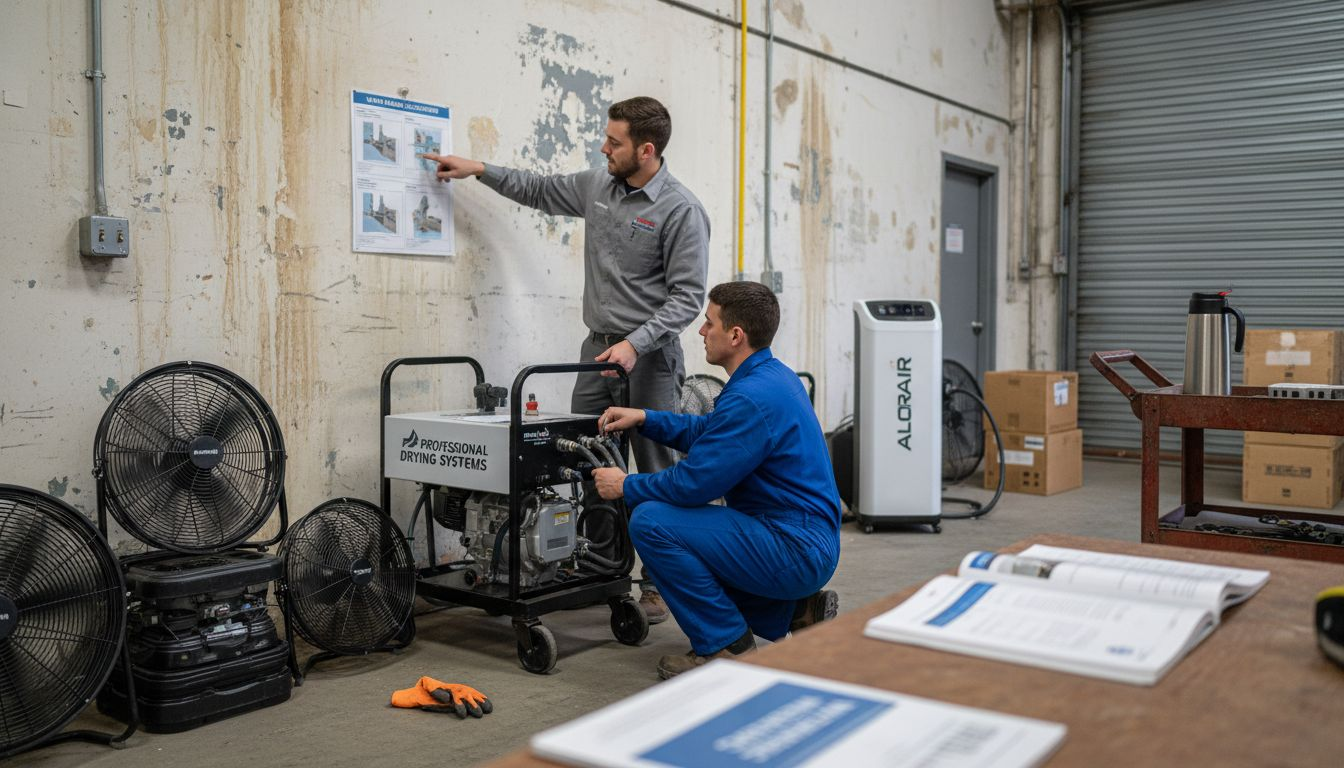
Technical skills form the core foundation of restoration training. Professionals learn advanced techniques in water damage assessment, mold remediation, structural drying, and specialized equipment operation. Moisture detection, equipment calibration, and damage evaluation become second nature through intensive hands-on training. Participants develop expertise in using sophisticated diagnostic tools, understanding moisture migration patterns, and implementing precise restoration strategies that minimize long-term property damage.
Beyond technical competencies, restoration training emphasizes critical business and communication skills. Professionals learn complex legal compliance protocols, effective emergency communication strategies, and ethical business practices. This holistic approach prepares restoration professionals to navigate high-stress scenarios with confidence, manage client expectations, and deliver transparent documentation. The training cultivates skills in strategic pricing, project management, insurance interaction, and professional client relationship management, transforming technical experts into comprehensive restoration business professionals.
Compare how technical and business skills from restoration training contribute to different business outcomes:
| Skill Type | Example Competency | Business Outcome |
|---|---|---|
| Technical | Moisture detection | Prevents hidden damage costs |
| Technical | Equipment operation | Enables rapid response |
| Business | Insurance interaction | Faster claims settlement |
| Business | Strategic pricing models | Competitive market advantage |
Pro Tip: Develop a personal portfolio documenting your training achievements and specialized skills to differentiate yourself in the competitive restoration industry.
Legal and Insurance Considerations in Training
Comprehensive restoration training programs place significant emphasis on understanding the complex legal and insurance landscape that governs property restoration services. Professionals must navigate intricate regulatory frameworks, state-specific licensing requirements, and detailed documentation protocols that form the backbone of ethical and compliant restoration practices.
The legal training component covers multiple critical areas of professional practice. State licensing regulations require restoration professionals to maintain specific certifications, complete ongoing education, and adhere to strict operational standards. Insurance interaction training teaches professionals how to precisely document damage, accurately assess property losses, and interact effectively with insurance adjusters. Participants learn the nuanced skills of preparing comprehensive claim documentation, understanding policy limitations, and communicating technical restoration details in legally sound and insurance-friendly language.
Ethical considerations form a crucial aspect of legal and insurance training. Restoration professionals learn about potential liability issues, the importance of transparent communication, and the legal consequences of improper damage assessment or restoration techniques. Training programs provide in-depth guidance on maintaining professional standards, protecting client interests, and developing business practices that minimize legal risks. This holistic approach ensures that restoration professionals not only possess technical skills but also understand the complex legal environment in which they operate.
Pro Tip: Develop a systematic documentation process that creates a clear audit trail for every restoration project, protecting both your business and your clients.
Reducing Financial Risk and Business Disruption
Comprehensive restoration training strategies provide businesses with critical tools to minimize financial vulnerability during unexpected property damage events. By developing systematic response protocols, organizations can significantly reduce potential economic losses and operational interruptions that typically accompany disaster scenarios. The goal is to transform reactive approaches into proactive, strategic management techniques that protect both financial resources and business continuity.
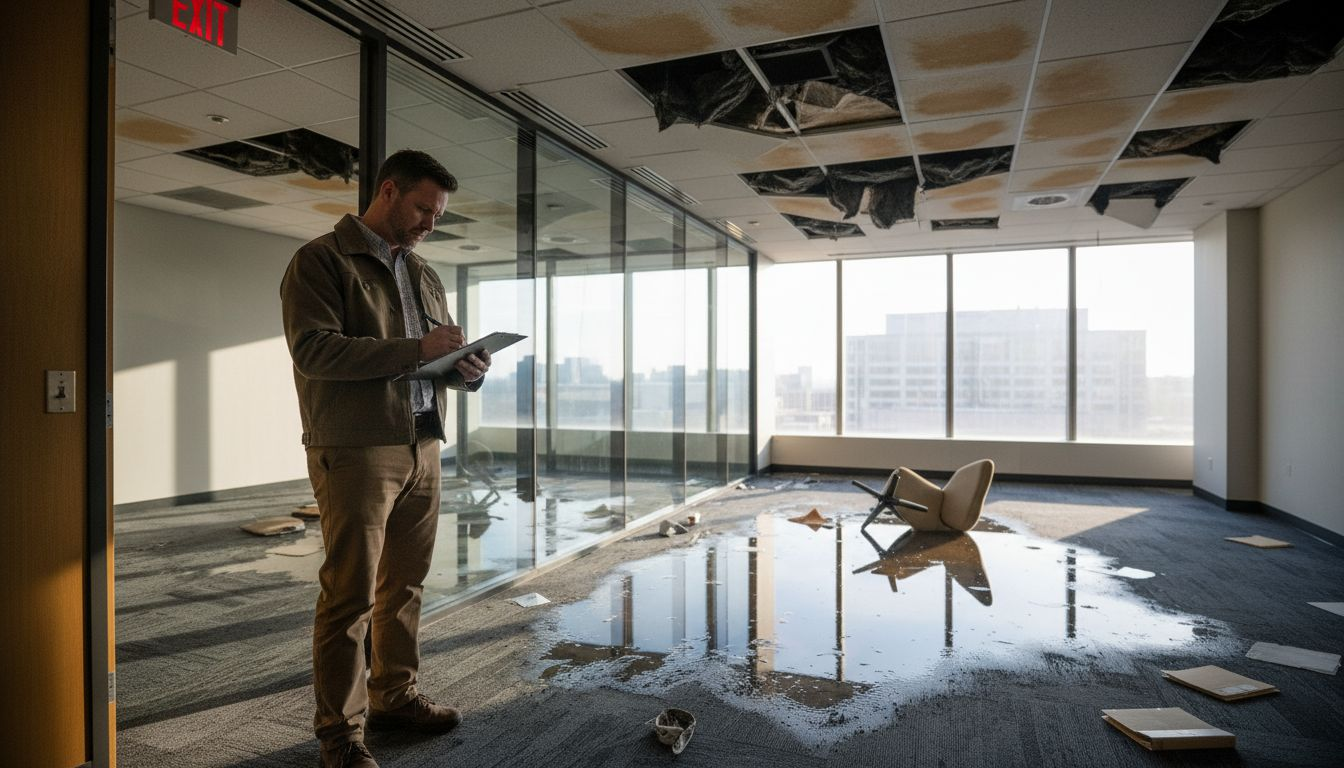
Training focuses on developing precise risk mitigation skills that directly impact financial outcomes. Professionals learn advanced techniques for rapid damage assessment, strategic resource allocation, and efficient restoration processes. These skills enable businesses to minimize downtime, reduce secondary damage, and streamline insurance claim processes. Accurate documentation, precise damage evaluation, and swift emergency response become critical mechanisms for controlling potential financial losses, ensuring that restoration efforts are both technically sound and economically prudent.
Beyond immediate response capabilities, restoration training addresses long-term financial protection strategies. Participants develop comprehensive understanding of insurance interactions, claim documentation protocols, and legal compliance requirements that prevent costly errors. By emphasizing preventative measures and systematic response frameworks, businesses can create resilient operational models that protect against significant financial disruptions. The training cultivates a holistic approach to risk management, transforming potential catastrophic events into manageable, controlled restoration processes.
Pro Tip: Develop a comprehensive disaster response playbook that includes detailed financial contingency plans and clearly defined restoration workflow protocols.
Measuring ROI of Restoration Training Initiatives
Comprehensive restoration training evaluation methodologies provide businesses with strategic frameworks to quantify the tangible and intangible benefits of professional development investments. By establishing clear performance metrics, organizations can transform training from a cost center into a measurable driver of operational excellence and financial performance.
Key performance indicators for measuring training ROI extend beyond traditional financial metrics. Operational efficiency benchmarks include reduced project completion times, decreased claims disputes, and improved customer satisfaction ratings. Businesses track specific quantitative metrics such as response time reductions, error rate decreases, and insurance claim processing efficiency. These data points demonstrate how targeted training directly translates into measurable business improvements and risk mitigation capabilities.
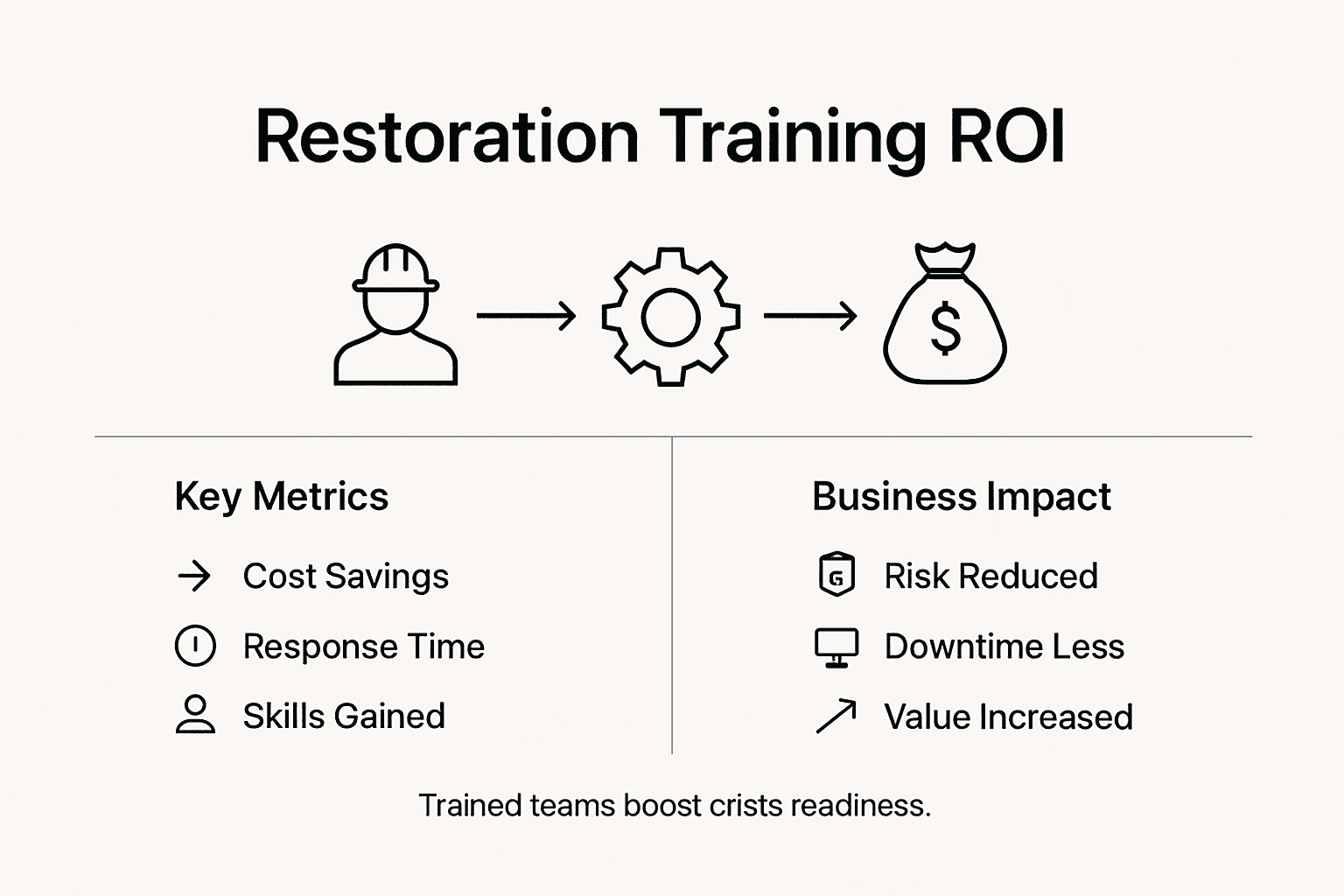
The long-term ROI of restoration training encompasses broader strategic advantages. Continuous professional education programs contribute to enhanced reputational capital, increased compliance reliability, and reduced liability exposure. Organizations can evaluate ROI through comprehensive assessments that include professional certification achievements, client retention rates, and the ability to handle increasingly complex restoration challenges. By viewing training as a strategic investment rather than an expense, businesses create sustainable competitive advantages that drive ongoing professional development and organizational resilience.
Pro Tip: Develop a standardized tracking system that captures both quantitative performance metrics and qualitative training outcomes to create a holistic ROI assessment framework.
Enhance Your Restoration Readiness with Proven Professional Support
Emergencies demand swift and precise action backed by expert knowledge and advanced techniques. If restoration training is about boosting your ability to respond confidently to water damage, fire loss, or mold issues, then partnering with a trusted local expert is the natural next step. PuroClean of Northeast Sacramento understands the critical role of combining technical skills with business-ready solutions including insurance guidance and comprehensive damage remediation. Their 24/7 availability and certified professionals provide peace of mind when every minute counts.
Take control of your crisis readiness today by leaning on experienced restoration specialists who put training concepts into practice every day. Visit PuroClean of Northeast Sacramento to learn how expert emergency response and tailored restoration services protect your property and reduce financial risk. Move forward with confidence knowing help is just a call away. Explore more about their water, fire, and mold restoration solutions here and start your recovery journey with a trusted partner now.
Frequently Asked Questions
What is restoration training for businesses?
Restoration training for businesses is an educational process designed to equip professionals with the skills and knowledge needed to handle complex property damage scenarios effectively, including techniques for water and mold restoration, legal compliance, and emergency communication strategies.
What skills can professionals expect to gain from restoration training?
Professionals can expect to gain both technical skills, such as advanced water damage assessment and equipment operation, and business skills, including project management, legal compliance understanding, and effective communication with clients and insurance adjusters.
How can restoration training improve financial risk management in businesses?
Restoration training helps minimize financial vulnerability by teaching skills for rapid damage assessment, strategic resource allocation, and efficient restoration processes, all of which can reduce downtime and secondary damage during property damage events.
Why is continuous training important in the restoration industry?
Continuous training is essential in the restoration industry to keep professionals updated on the latest restoration technologies, regulatory requirements, and best practices, ensuring they can manage complex scenarios effectively and maintain a competitive edge.
Recommended
Comment améliorer visibilité Google : guide PME étape par étape – ByTheWise
Tips to Restore Your Michigan Business Safely
Flash Flood and Your Business: Flood Preparation Tips
Emergency Management Planning for Businesses | PuroClean
 PuroClean of Northeast Sacramento