


Role of Customer Service in Restoration Success
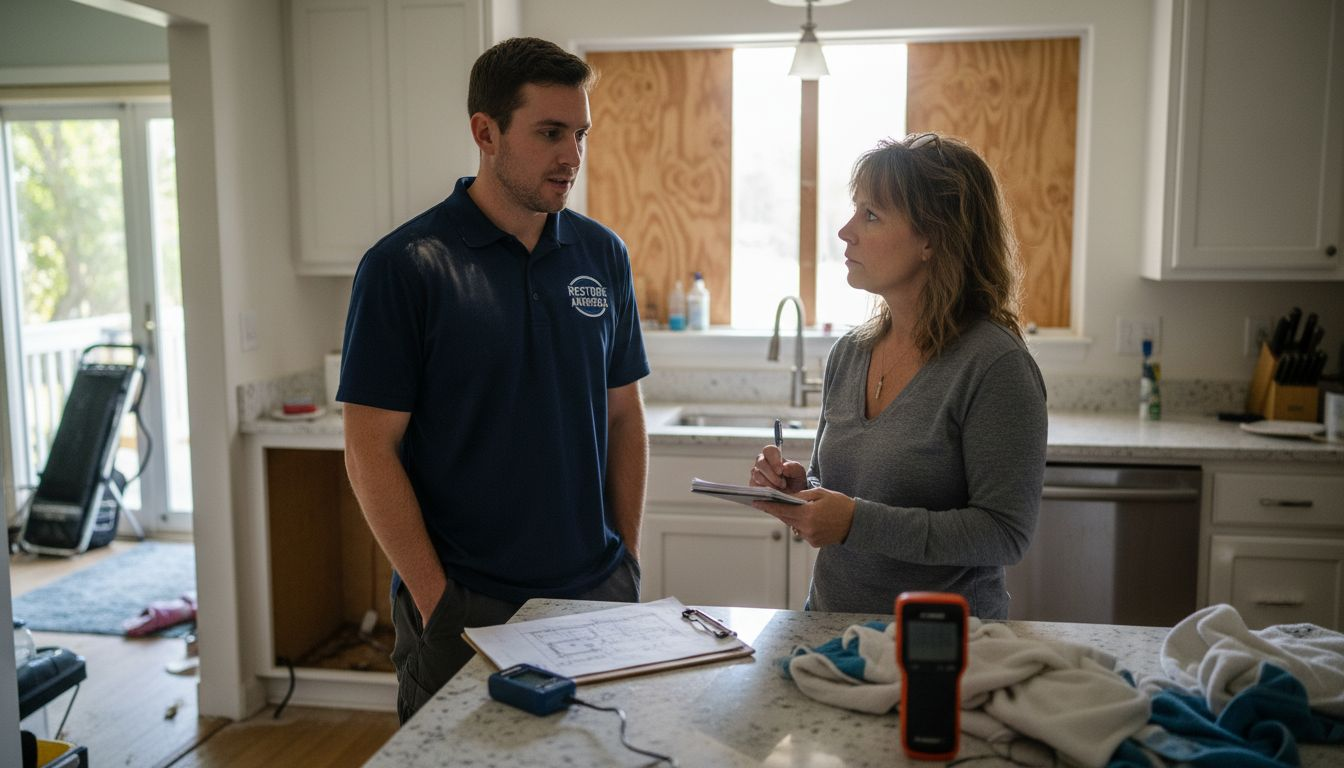
A sudden flood or fire can turn any California home upside down in a matter of minutes. In Northeast Sacramento, the emotional toll of property damage is just as real as the physical loss. Homeowners need more than technical repairs—they need genuine human empathy and clear guidance from professionals who understand what it means to protect not just structures, but lives. Discover how exceptional restoration customer service can help you regain peace of mind, trust, and control during the toughest moments.
Table of Contents
- Defining Customer Service In Restoration Work
- Key Elements Of Effective Restoration Support
- Building Trust In Emergency Recovery Scenarios
- Communication And Transparency During Crises
- Enhancing Customer Satisfaction And Retention
Key Takeaways
| Point | Details |
|---|---|
| Holistic Approach | Restoration customer service involves communication, technical expertise, and emotional support to assist clients effectively. |
| Effective Communication | Clear, jargon-free explanations and regular updates can significantly reduce client anxiety and build trust. |
| Emotional Intelligence | Demonstrating empathy and patient communication helps transform stressful repair experiences into supportive interactions. |
| Transparent Processes | Providing detailed information about restoration steps and timelines enhances client confidence and satisfaction. |
Defining Customer Service in Restoration Work
Customer service in restoration work is far more complex than simply repairing damaged property. It represents a holistic approach to supporting homeowners through some of their most stressful and vulnerable moments. Successful restoration interactions require technical skill combined with genuine human empathy.
At its core, restoration customer service involves three critical dimensions: communication, technical expertise, and emotional support. Professionals must translate complex repair processes into understandable language, ensuring clients feel informed and comfortable throughout the restoration journey. This means explaining procedures clearly, providing transparent timelines, and maintaining consistent updates about property recovery progress.
Technical competence forms the foundation, but emotional intelligence truly distinguishes exceptional restoration customer service. Homeowners experiencing property damage are often in a state of significant stress. Restoration teams must demonstrate respect, patience, and compassionate communication. This approach transforms a potentially traumatic experience into a supportive, solution-oriented interaction that helps clients feel secure and understood.
The following table summarizes the three core dimensions of exceptional restoration customer service and their contributions to client satisfaction:
| Dimension | Key Focus | Impact on Clients |
|---|---|---|
| Communication | Clear explanations, updates | Builds understanding, trust |
| Technical Expertise | Accurate repairs, precision | Ensures quality, reliability |
| Emotional Support | Empathy, patience, respect | Reduces stress, increases comfort |
Pro Tip: Always provide clients with a detailed written explanation of restoration steps and anticipated outcomes to reduce anxiety and build trust.
Key Elements of Effective Restoration Support
Effective restoration support transcends basic repair services, requiring a comprehensive approach that addresses both technical and emotional dimensions of property damage. Professional restoration strategies must balance technical expertise with genuine client care, recognizing that homeowners are experiencing significant stress during the restoration process.
The core elements of exceptional restoration support include clear communication, operational transparency, and consistent empathy. Restoration professionals must provide detailed explanations about repair processes, anticipated timelines, and potential challenges. This involves breaking down complex technical procedures into understandable language, ensuring clients feel informed and engaged throughout the restoration journey. Transparent communication helps manage expectations and reduces client anxiety by providing a clear roadmap of recovery.
Technical competence remains the foundation of effective restoration support. Connecting with clients emotionally while delivering high-quality repair work creates a holistic service experience. Restoration teams must demonstrate respect for the client’s property, arrive punctually, and execute repairs with precision. This combination of technical skill and compassionate interaction transforms a potentially traumatic experience into a supportive, solution-oriented process that helps homeowners feel secure and understood.

Pro Tip: Create a detailed client communication protocol that includes regular updates, clear technical explanations, and a dedicated point of contact to streamline the restoration experience.
Building Trust in Emergency Recovery Scenarios
In the critical moments following property damage, building trust becomes paramount for successful restoration. Emergency service communication strategies demonstrate that clients need more than technical repairs—they require emotional reassurance and transparent guidance through a deeply stressful experience.
Effective trust-building begins with establishing immediate, comprehensive communication channels. Restoration professionals must create an environment where clients feel heard, understood, and consistently informed about every stage of the recovery process. This involves providing clear, jargon-free explanations of repair procedures, realistic timelines, and potential challenges. By breaking down complex technical processes into digestible information, restoration teams help reduce client anxiety and demonstrate genuine commitment to their property’s recovery.
Personalized client interactions are fundamental to establishing trust during emergency scenarios. Each client experiences property damage uniquely, requiring restoration teams to adapt their communication and support approach. This means actively listening to individual concerns, acknowledging emotional distress, and tailoring restoration strategies to specific client needs. Demonstrating respect for personal property, maintaining punctual and professional conduct, and showing empathy transform a potentially traumatic experience into a supportive, collaborative recovery journey.
Pro Tip: Develop a standardized yet flexible communication protocol that allows restoration professionals to provide personalized support while maintaining consistent, transparent information sharing.
Communication and Transparency During Crises
During emergency restoration scenarios, communication becomes the lifeline that connects professionals with distressed homeowners. Crisis communication strategies are critical for transforming a potentially overwhelming experience into a manageable, collaborative recovery process. Effective communication goes beyond simply relaying information—it involves creating a sense of control and understanding during moments of significant uncertainty.
Transparency requires a multifaceted approach that addresses both technical and emotional dimensions of property damage. Restoration professionals must break down complex repair processes into clear, digestible information, using language that avoids technical jargon. This means providing detailed explanations about restoration steps, potential challenges, expected timelines, and anticipated outcomes. Clients need to understand not just what is happening, but why certain procedures are necessary, which helps reduce anxiety and build confidence in the restoration team’s expertise.
The most successful communication strategies involve proactive and consistent updates, ensuring clients feel continuously informed and supported. This includes establishing multiple communication channels—such as phone, email, and text—that allow clients to receive real-time information and ask questions. Restoration teams should create a structured communication protocol that includes regular check-ins, progress reports, and immediate notification of any unexpected developments. By demonstrating responsiveness and commitment, professionals can transform a potentially traumatic experience into a collaborative journey of property recovery.
Pro Tip: Implement a digital communication dashboard that provides clients with real-time tracking of restoration progress, enabling transparent and immediate information sharing.
Enhancing Customer Satisfaction and Retention
Customer satisfaction in restoration services transcends mere technical repair—it represents a holistic approach to rebuilding client confidence during challenging times. Advanced customer retention strategies demonstrate that successful restoration companies understand the profound emotional journey clients experience during property damage and recovery.
To truly enhance customer satisfaction, restoration professionals must develop a comprehensive support framework that addresses both tangible and intangible client needs. This involves creating personalized communication strategies, offering flexible service options, and demonstrating genuine empathy throughout the restoration process. Clients want to feel heard, understood, and supported, not just have their property repaired. By implementing robust tracking systems, providing transparent progress updates, and maintaining consistent, compassionate communication, restoration teams can transform a potentially traumatic experience into a collaborative recovery journey.
Technological integration with human empathy represents the future of customer satisfaction in restoration services. Modern dispatch systems, real-time mobile communication tools, and digital progress tracking platforms enable restoration professionals to provide instantaneous, detailed updates. However, technology must complement—not replace—genuine human connection. The most successful restoration companies balance cutting-edge technological solutions with a deeply empathetic approach, ensuring clients feel both professionally supported and personally cared for during their recovery process.
Here’s a comparison of traditional restoration approaches versus modern, technology-enhanced restoration for customer satisfaction:
| Approach | Communication Method | Client Perception | Retention Strength |
|---|---|---|---|
| Traditional | Phone calls, paperwork | Adequate, sometimes slow | Moderate |
| Technology-Enhanced | Real-time dashboards, apps | Immediate, transparent | Very strong |
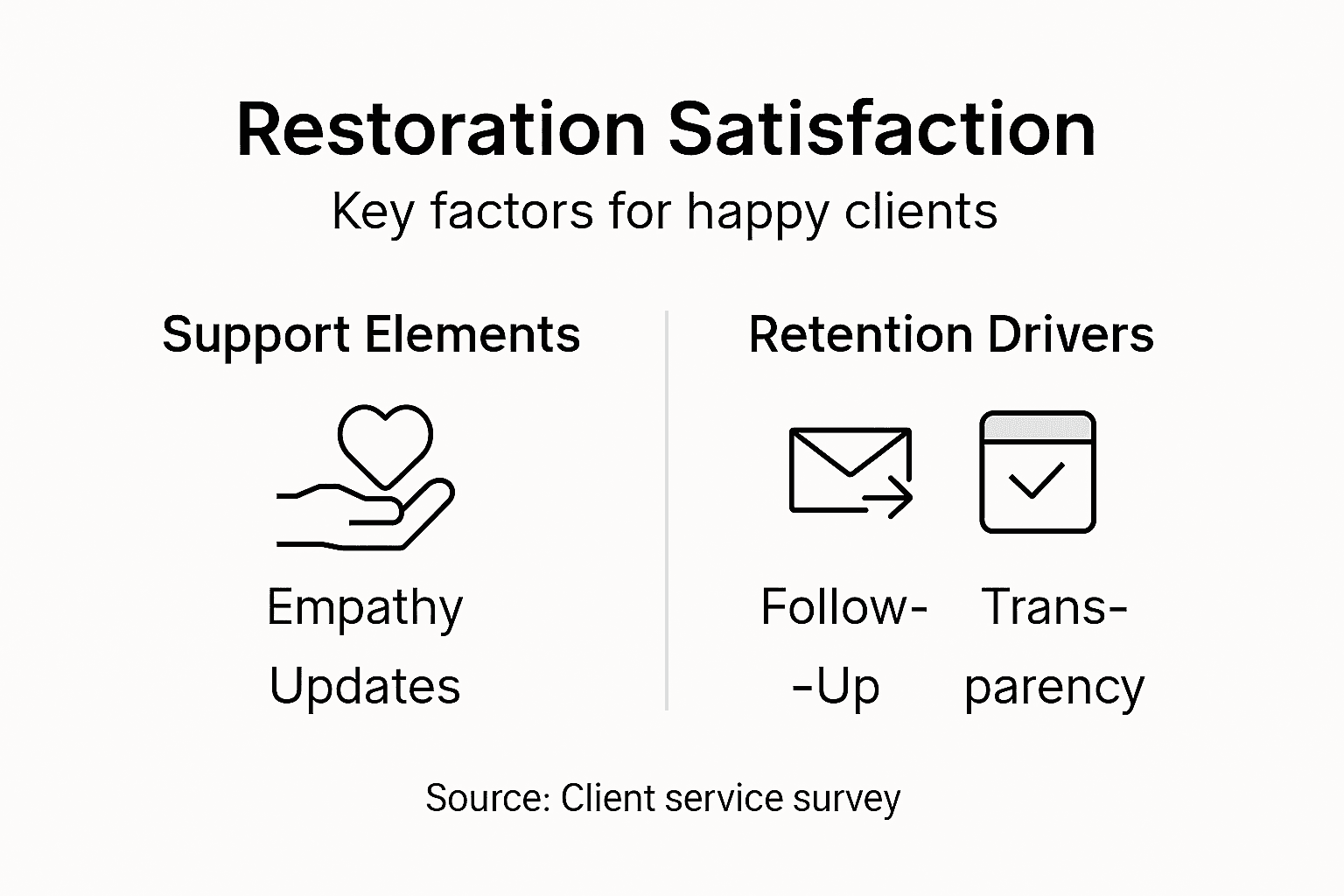
Pro Tip: Develop a comprehensive post-restoration follow-up protocol that includes personalized check-ins, satisfaction surveys, and proactive support to demonstrate continued commitment beyond the initial service.
Elevate Your Restoration Experience with Trusted Local Experts
The article highlights critical challenges like clear communication, emotional support, and technical expertise during stressful restoration events. When water damage or fire has disrupted your home or business in Northeast Sacramento, these key elements become vital to your peace of mind and successful recovery. PuroClean of Northeast Sacramento understands the urgency of situations such as burst pipes, slab leaks, and fire damage and combines advanced restoration technology with compassionate customer service that keeps you informed and supported every step of the way.
Why settle for uncertain restoration progress? Our team prioritizes transparent communication, rapid water extraction, and professional fire and smoke restoration tailored to your unique needs. Experience reliable, 24/7 emergency response designed to reduce stress and restore your property efficiently. Discover how we transform technical challenges into clear, manageable solutions by visiting PuroClean of Northeast Sacramento. For immediate assistance with water emergencies, learn more about our Water Damage Restoration Services and start your trusted recovery journey today.
Contact PuroClean now to benefit from certified expertise and compassionate care that puts your safety and satisfaction first. Don’t wait when every moment counts—reach out at https://puroclean.com/northeast-sacramento-ca and experience restoration service that rebuilds more than property; it rebuilds trust.
Frequently Asked Questions
What are the key dimensions of customer service in restoration work?
Customer service in restoration work involves three critical dimensions: communication, technical expertise, and emotional support. These elements ensure that clients are informed and comfortable throughout the restoration journey.
How can communication enhance customer satisfaction during restoration?
Clear communication helps build understanding and trust between the restoration team and clients. Providing detailed explanations, transparent timelines, and consistent updates reduces anxiety and ensures clients feel supported.
Why is emotional support important in the restoration process?
Emotional support is crucial because homeowners often experience significant stress during restoration. Demonstrating empathy, patience, and respect can transform a traumatic experience into a supportive journey, helping clients feel secure and understood.
What strategies can restoration professionals use to build trust with clients?
Restoration professionals can build trust by establishing comprehensive communication channels, providing personalized interactions, and showing respect for the client’s property. Proactive updates and genuine empathy foster a sense of collaboration and reassurance during the recovery process.
Recommended
In Case of Emergency, Call a Professional – PuroClean Restoration Services
Property Restoration Services Explained