


Role of Restoration After Fire: Complete Guide
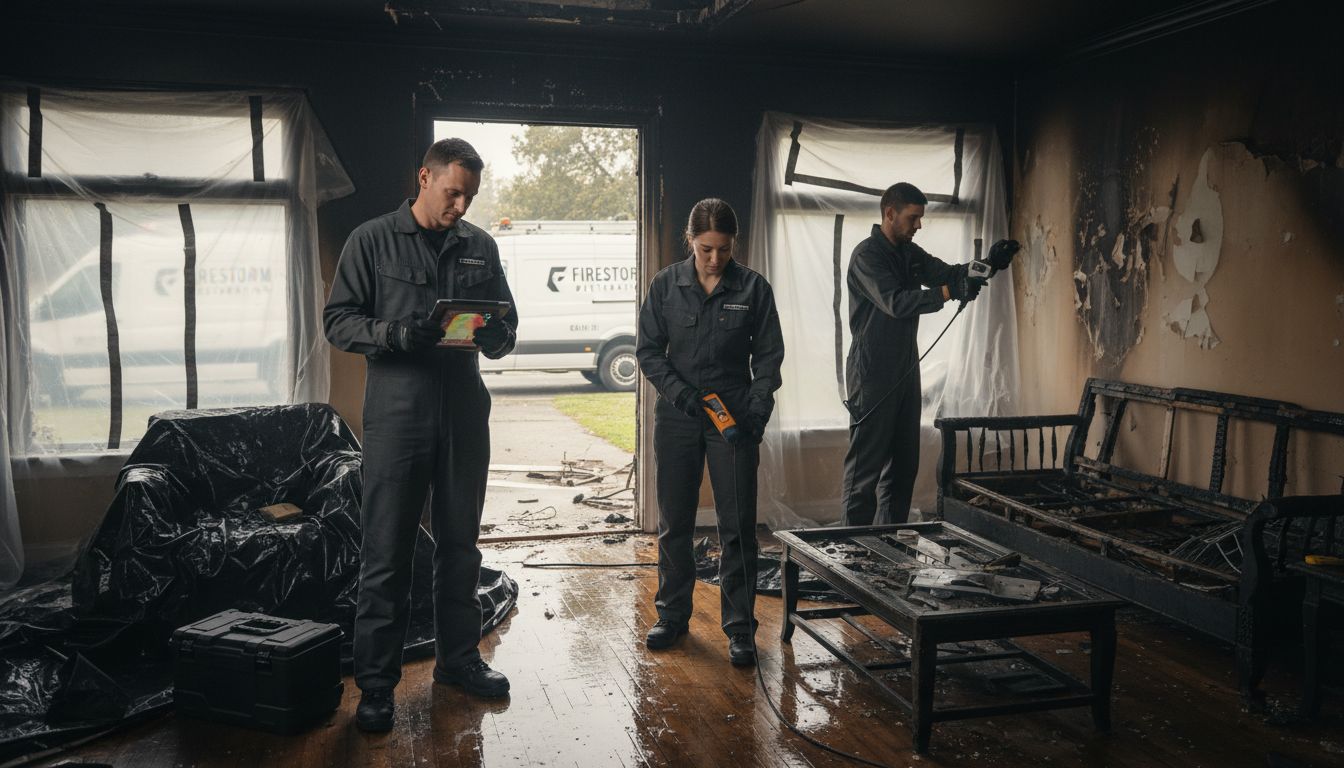
Over 350,000 american homes experience fire damage each year, turning daily life upside down in an instant. The lasting effects reach far beyond burned walls, with lingering smoke, hidden toxic residue, and unseen structural risks. Effective restoration is about more than just repairing what you see. Understanding the full process can help families regain safety, peace of mind, and restore their homes after disaster strikes.
Table of Contents
- Understanding Restoration After Fire Damage
- Types of Fire-Related Property Damage
- Step-By-Step Fire Restoration Process
- Safety and Health Risks After a Fire
- Restoration Costs, Insurance, and Claims
Key Takeaways
| Point | Details |
|---|---|
| Comprehensive Fire Damage | Fire damage involves complex issues beyond visible destruction, including structural, smoke, and water damage. Professional restoration is essential for safety and full recovery. |
| Systematic Restoration Process | The fire restoration process includes assessment, mitigation, cleaning, and rebuilding, requiring specialized knowledge and techniques. Each stage is critical to effectively address damage. |
| Health and Safety Risks | Post-fire environments present serious health risks, including respiratory issues and chemical exposure. Professional cleanup is necessary to protect vulnerable populations. |
| Insurance and Costs | Restoration costs can be significant and vary based on damage severity. Proper documentation and understanding of insurance processes are essential for efficient claims handling. |
Understanding Restoration After Fire Damage
Fire damage represents a complex and devastating event that can transform a property from a safe sanctuary into a hazardous environment within minutes. According to the U.S. Fire Administration, fire incidents not only destroy physical structures but create multilayered damage that requires sophisticated professional restoration strategies.
Fire restoration is a comprehensive process that goes far beyond simple cleanup. The Getty Research highlights that fire damage encompasses multiple categories of destruction, including:
- Structural Damage: Compromising building integrity
- Water Damage: From firefighting efforts
- Chemical Damage: From burned materials and smoke residue
- Smoke Contamination: Permeating surfaces and air quality
Professional restoration becomes critical because fire damage is rarely uniform or superficial. Smoke and soot can penetrate walls, furniture, and ventilation systems, creating long-term health risks and potential structural weakness.
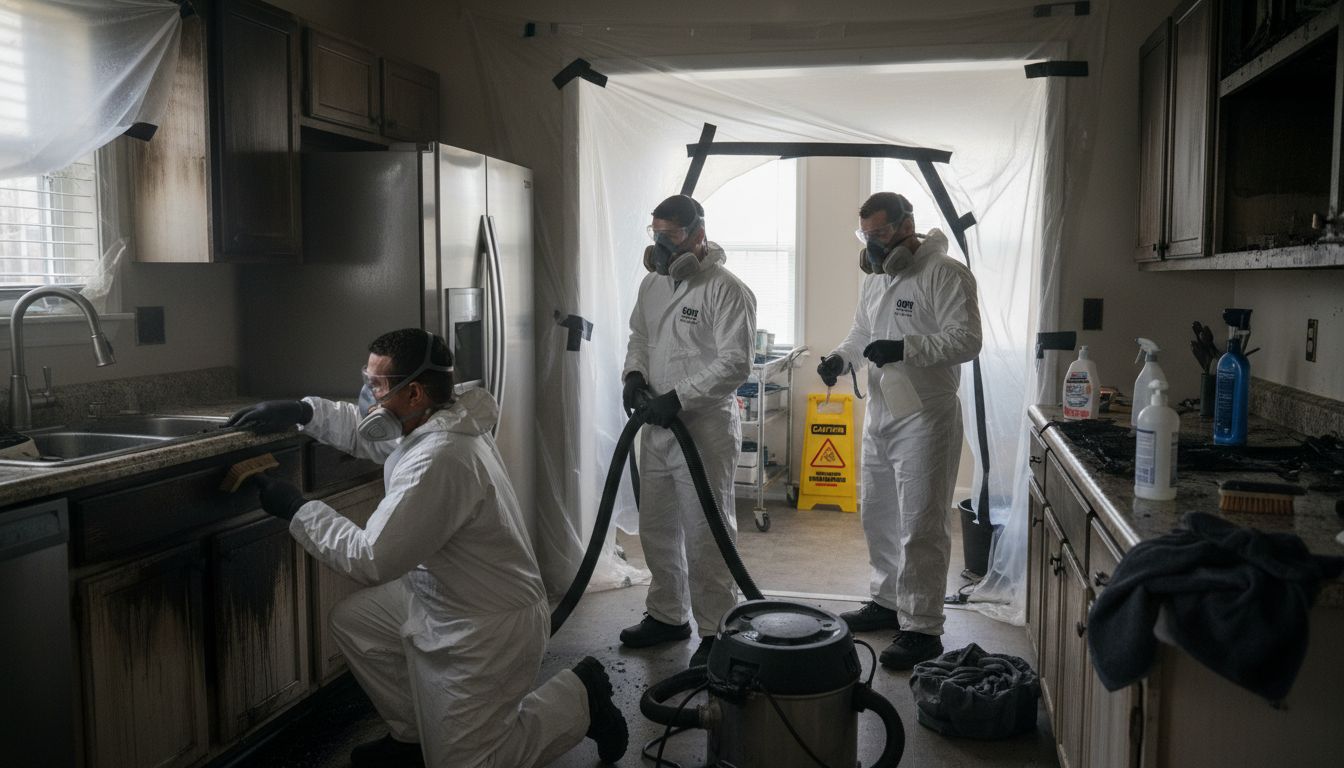 Trained professionals use specialized equipment and techniques to assess, clean, and restore properties, ensuring not just cosmetic repair but comprehensive safety and recovery.
The restoration process involves systematic steps: initial damage assessment, debris removal, cleaning and sanitization, structural repair, and final restoration. Each stage requires meticulous attention to detail and advanced technological interventions to effectively mitigate fire damage’s comprehensive impact.
Types of Fire-Related Property Damage
Fire damage is far more complex than visible surface destruction, encompassing multiple intricate damage categories that threaten property integrity and safety. According to the U.S. Department of Education, property damage from fires extends beyond immediate structural impacts, creating multifaceted challenges for restoration professionals.
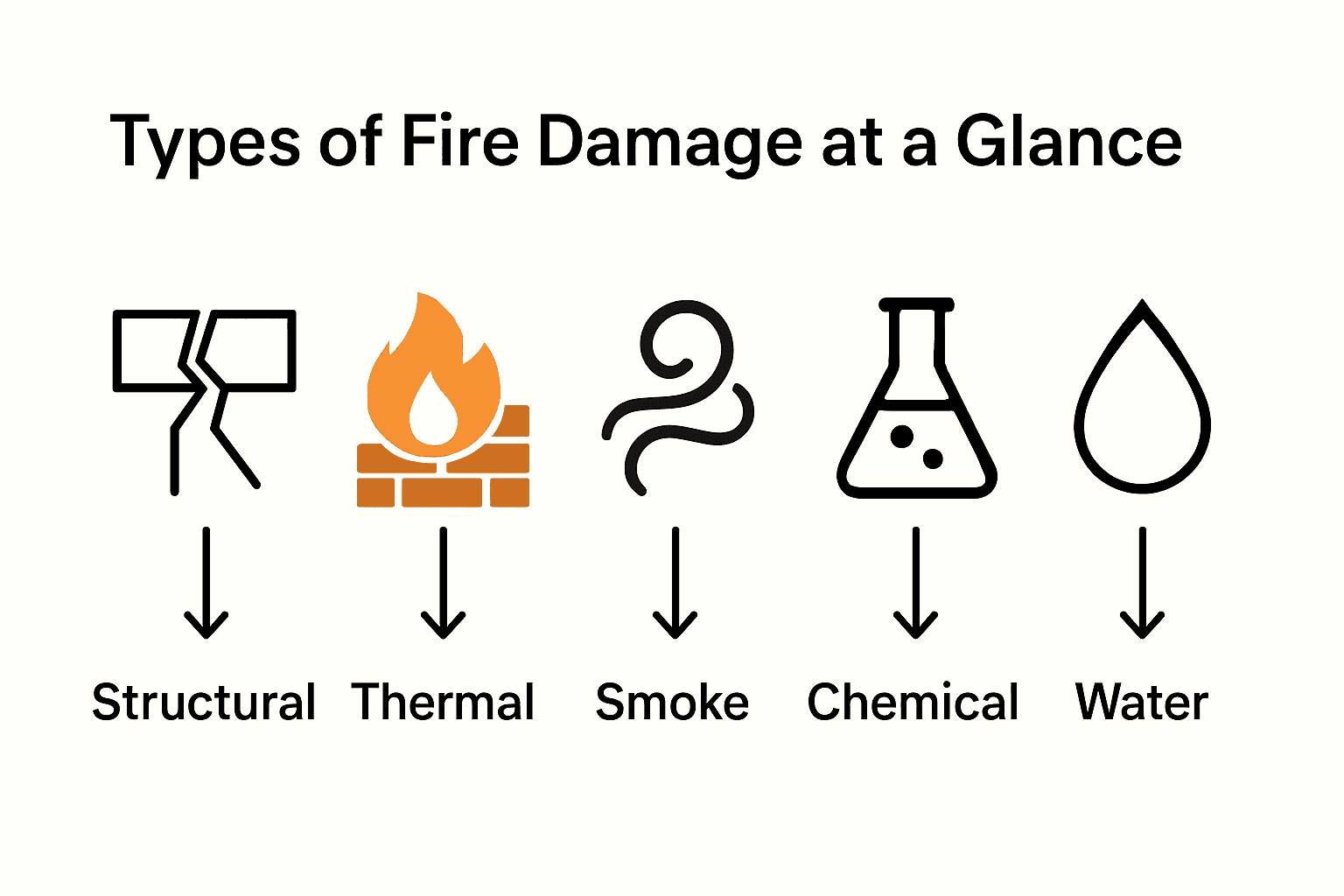
The primary types of fire-related property damage include:
- Structural Damage: Compromising building foundations, walls, and load-bearing elements
- Thermal Damage: Direct heat destruction affecting materials and structural components
- Smoke Damage: Residue penetration into porous materials and ventilation systems
- Chemical Damage: Corrosive byproducts from burned materials
- Water Damage: Resulting from firefighting efforts
Each damage type presents unique challenges. Smoke damage, for instance, involves microscopic particles that penetrate deep into walls, furniture, and fabrics, creating lingering odors and potential health hazards. Thermal damage can weaken critical structural elements, potentially rendering buildings unsafe even after initial cleaning.
Professional restoration requires comprehensive assessment and targeted interventions. Learn more about our fire damage restoration process to understand how experts systematically address these complex damage types, ensuring complete property recovery and safety.
Step-By-Step Fire Restoration Process
Fire restoration is a meticulous and systematic process that requires professional expertise and strategic interventions. According to Getty Research, the restoration process involves comprehensive steps designed to effectively mitigate and repair fire damage across multiple dimensions.
The fire restoration process typically follows these critical stages:
- Emergency Contact and Initial Assessment
- Immediate response and site evaluation
- Documentation of damage extent
- Securing the property to prevent further damage
- Damage Mitigation
- Tarping and boarding up damaged areas
- Water removal from firefighting efforts
- Preventing secondary damage
- Cleaning and Sanitization
- Smoke and soot removal
- Deep cleaning of surfaces
- Deodorization techniques
- Specialized treatment for different material types
- Restoration and Reconstruction
- Structural repairs
- Replacement of damaged building elements
- Restoring property to pre-fire condition
Professional restoration goes beyond simple cleanup. Each stage requires specialized equipment, technical knowledge, and careful execution. Smoke particles can penetrate deep into materials, creating long-lasting damage that requires sophisticated removal techniques.
Fire restoration professionals use advanced techniques to systematically address every aspect of fire damage, ensuring comprehensive property recovery and safety.
Safety and Health Risks After a Fire
Fire damage extends far beyond visible destruction, presenting significant and often hidden health hazards that can compromise personal safety. According to Getty Research, the aftermath of a fire introduces multiple health risks that require immediate professional intervention and careful mitigation strategies.
Primary Health Risks Include:
- Respiratory Complications
- Smoke particle inhalation
- Potential lung inflammation
- Risk of chronic respiratory conditions
- Chemical Exposure
- Toxic residue from burned materials
- Potential carcinogenic substances
- Long-term environmental contamination
- Structural Hazards
- Compromised building integrity
- Potential collapse risks
- Hidden structural damage
The microscopic particles from smoke and chemical residues can penetrate deep into lungs, causing immediate and long-term health complications. Vulnerable populations such as children, elderly individuals, and those with preexisting respiratory conditions face heightened risks from post-fire environmental contamination.
Protecting your family from fire damage health risks requires professional assessment and comprehensive cleanup to ensure a safe living environment.
Restoration Costs, Insurance, and Claims
Navigating fire damage restoration costs and insurance claims requires careful understanding and strategic planning. According to U.S. Department of Education, property damage assessments involve comprehensive evaluations of structural and content losses that directly impact insurance claim processes.
Key Considerations for Insurance Claims:
- Documentation Requirements
- Detailed photographic evidence
- Comprehensive damage inventory
- Professional restoration assessment reports
- Cost Estimation Factors
- Structural damage extent
- Content replacement costs
- Labor and material expenses
- Specialized restoration techniques
- Insurance Coverage Variables
- Policy type and coverage limits
- Specific fire damage provisions
- Potential out-of-pocket expenses
The Getty Research highlights that restoration costs can vary significantly based on damage complexity, with professional assessments playing a crucial role in accurate claim submissions. Homeowners should anticipate potential expenses ranging from several thousand to tens of thousands of dollars, depending on the fire’s severity and affected property areas.
What questions to ask your insurer after a fire can help you navigate the complex claims process and ensure comprehensive financial recovery.
Restore Your Home with Trusted Fire Damage Specialists
Experiencing fire damage can be overwhelming and dangerous. The article highlights key challenges like smoke contamination, chemical residues, and structural hazards that not only threaten your property but also your family’s health. Understanding the complex restoration process is just the first step. You need fast, reliable professionals who use advanced methods to safeguard your home and restore it safely.
At PuroClean of Northeast Sacramento, we specialize in comprehensive fire and smoke restoration with 24/7 emergency response. Our certified team handles all stages including damage assessment, deep cleaning, and structural repairs to bring your property back to pre-fire condition while protecting your loved ones.
Don’t wait to address the hidden dangers fire damage leaves behind. Visit our fire damage restoration page now to connect with experts who prioritize your safety and recovery. Take action today for a thorough recovery guided by trusted specialists.
Frequently Asked Questions
What is the fire restoration process?
The fire restoration process involves a series of steps including emergency contact and initial assessment, damage mitigation, cleaning and sanitization, and restoration and reconstruction. Each stage is crucial for effectively mitigating fire damage and ensuring a safe living environment.
Why is professional restoration necessary after fire damage?
Professional restoration is necessary because fire damage often involves complex issues like smoke and soot penetration that require specialized techniques and equipment for effective cleanup and safe restoration. This ensures comprehensive recovery, addressing not just visible damage but potential hidden hazards as well.
What types of damage does fire cause?
Fire can cause several types of damage including structural damage, thermal damage, smoke damage, chemical damage, and water damage from firefighting efforts. Each type presents unique challenges that need to be systematically addressed during restoration.
What health risks are associated with fire damage?
Health risks after a fire include respiratory complications from smoke inhalation, chemical exposure from toxic residues, and structural hazards due to compromised building integrity. Professional assessment and clean-up are crucial in minimizing these risks.