 PuroClean of Northeast Sacramento
 Role of Restoration Services: Complete Expert Guide
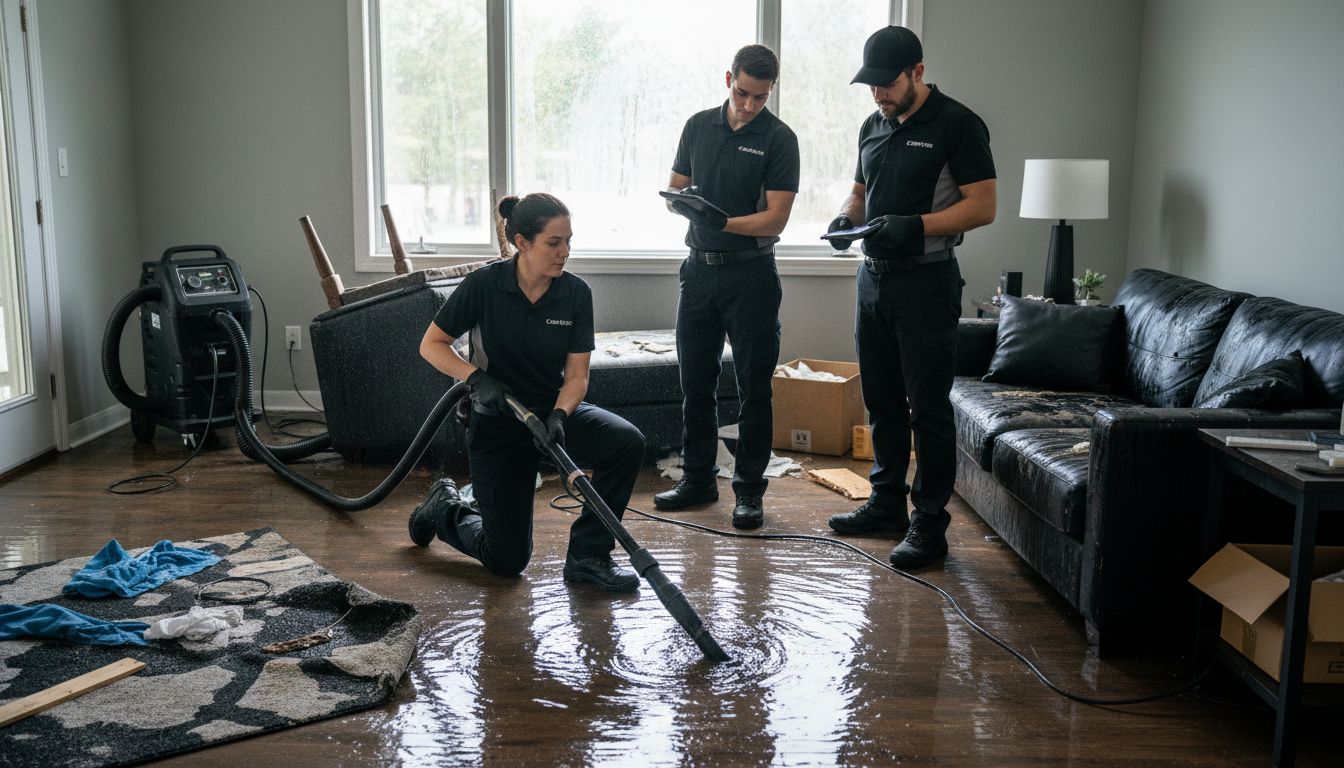
Did you know that over 14 million homes in the United States face a risk of flooding each year? Damage from water, fire, mold, and other hazards can strike when least expected, leaving homes and businesses in urgent need of repair. Restoration services play a vital role in bringing damaged properties back to life, offering expert solutions that address both visible destruction and hidden risks. Understanding how these services work gives property owners a clear path to safe recovery and peace of mind.
Table of Contents
- What Restoration Services Entail
- Types Of Restoration Services
- How Restoration Processes Function
- Insurance And Regulatory Obligations
- Risks, Costs And Responsibilities
Key Takeaways
| Point | Details |
|---|---|
| Comprehensive Restoration Process | Restoration services entail a systematic approach involving damage assessment, cleanup, and structural repair tailored to specific hazards. |
| Variety of Restoration Services | Key types include water damage, fire and smoke restoration, mold remediation, biohazard cleanup, and storm recovery, each requiring specialized expertise. |
| Legal and Insurance Framework | Restoration must comply with various regulatory standards and insurance requirements, ensuring proper documentation and safety measures are followed. |
| Risk Management Importance | Engaging professional restoration services minimizes risks, supports efficient recovery, and helps safeguard property value and occupant health. |
What Restoration Services Entail
Restoration services represent specialized professional interventions designed to repair, rehabilitate, and recover properties damaged by various environmental hazards and disasters. Property restoration encompasses a comprehensive approach to returning structures and spaces to their original condition after experiencing significant damage from water, fire, mold, biohazards, or other destructive events.
According to the U.S. Department of the Interior, restoration involves a systematic process of assessing damage and implementing strategic repairs to bring resources back to their pre-incident state. This complex process requires professional expertise, advanced technological tools, and a deep understanding of different damage types and remediation techniques. Restoration professionals do more than simple repairs – they strategically analyze, diagnose, and implement comprehensive recovery plans tailored to each unique situation.
The core components of restoration services typically include:
- Immediate damage assessment and documentation
- Water extraction and structural drying
- Smoke and soot removal after fire incidents
- Mold detection and remediation
- Structural repairs and reconstruction
- Sanitization and decontamination processes
To understand the intricacies of this field better, check out our guide on common misconceptions about mitigation and restoration, which provides deeper insights into professional restoration practices. Ultimately, restoration services aim to minimize property damage, reduce long-term repair costs, and help property owners recover quickly and efficiently from unexpected disasters.
Types Of Restoration Services
Restoration services encompass a wide range of specialized interventions designed to recover and rehabilitate properties and environments after significant damage. Property restoration represents a critical professional service that addresses multiple types of environmental and structural challenges, each requiring unique expertise and strategic approaches.
According to the U.S. Forest Service, restoration services can be categorized into several key types, including ecological and property-specific interventions. The primary categories of restoration services include:
Here’s a comparison of the most common types of restoration services:
| Restoration Type | Main Focus | Typical Hazards Addressed |
|---|---|---|
| Water Damage Restoration | Moisture removal Structural drying | Floods Leaks Plumbing failures |
| Fire & Smoke Restoration | Odor removal Soot cleanup Repairs | Fires Smoke damage |
| Mold Remediation | Mold detection Containment Removal | Fungal growth Damp conditions |
| Biohazard Cleanup | Sanitization Decontamination Disposal | Pathogens Sewage Toxic spills |
| Storm/Disaster Recovery | Structural repair Comprehensive cleanup | Hurricanes Floods Severe storms |
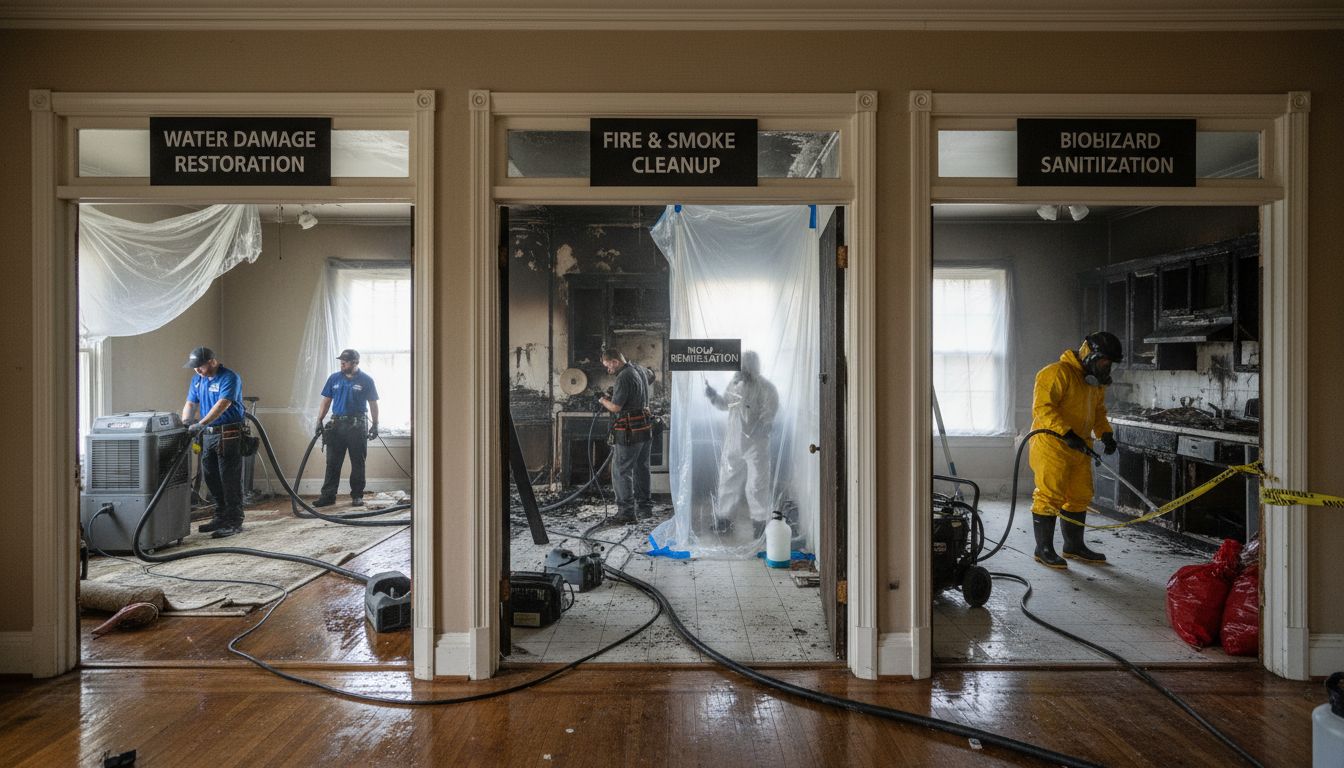
- Water Damage Restoration: Addressing moisture-related damages, water extraction, structural drying, and preventing mold growth
- Fire and Smoke Damage Restoration: Comprehensive cleaning, smoke odor removal, structural repair, and reconstruction after fire incidents
- Mold Remediation: Detecting, containing, and eliminating mold growth while preventing future contamination
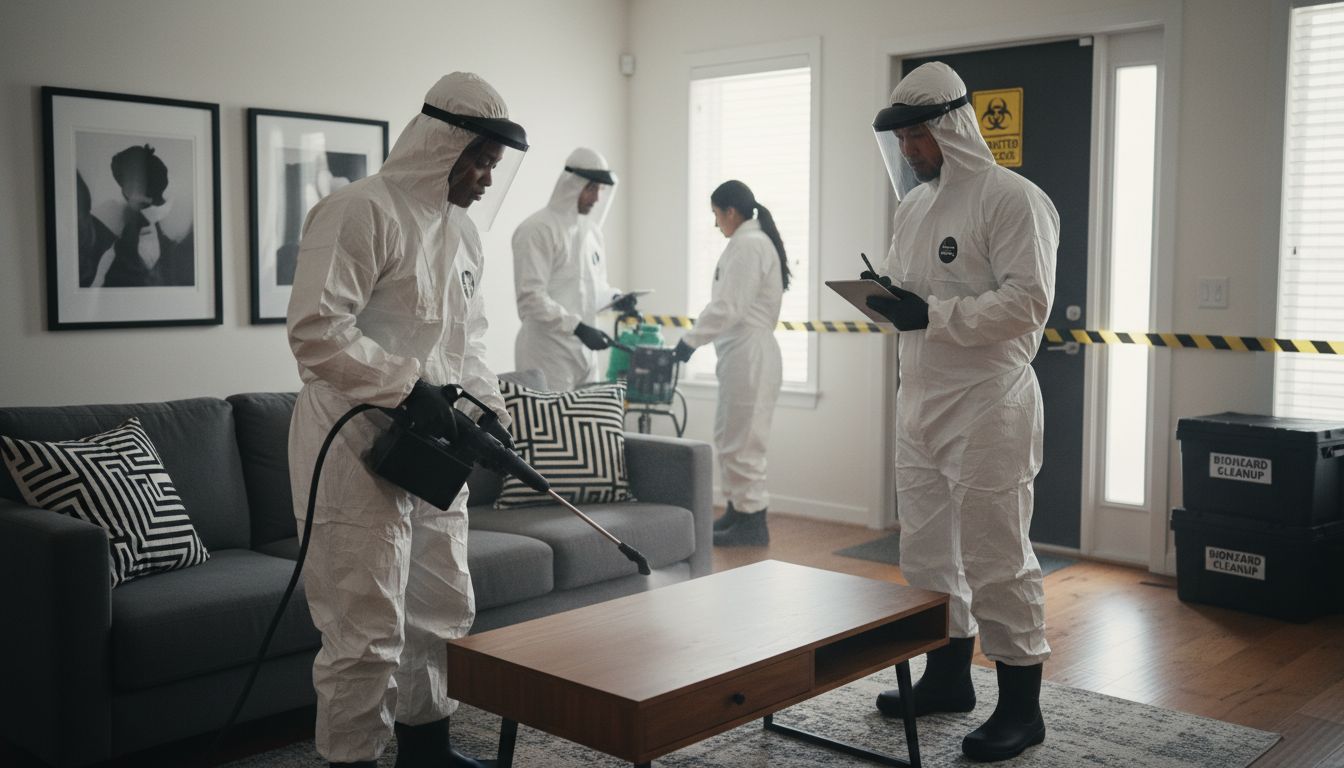
- Biohazard Cleanup: Professional sanitization and decontamination of areas exposed to hazardous biological materials
- Storm and Natural Disaster Recovery: Comprehensive repair and reconstruction following hurricane, flood, or severe weather damage
Understanding the nuanced approaches to fire damage recovery can help property owners appreciate the complexity of professional restoration services. Each restoration type requires specialized equipment, technical expertise, and a systematic approach to returning properties to their pre-damage condition, ultimately minimizing long-term structural risks and potential health hazards.
How Restoration Processes Function
Restoration processes represent a systematic, multi-step approach designed to comprehensively address and repair damage to properties and environments. Damage assessment forms the critical first stage, where professionals conduct thorough evaluations to understand the full extent and complexity of destruction.
According to the U.S. Department of the Interior, restoration processes involve a structured methodology that includes developing publicly-reviewed restoration plans and implementing targeted projects to restore damaged resources. These processes typically follow a comprehensive sequence of strategic interventions:
- Initial Damage Assessment
- Documentation and Evidence Collection
- Mitigation Planning
- Cleanup and Decontamination
- Structural Repair and Reconstruction
- Final Verification and Quality Control
Research from the U.S. Forest Service highlights that successful restoration requires an interdisciplinary approach, carefully addressing environmental challenges from the ground up.
When unexpected damage occurs, knowing when to call a professional becomes crucial, as expert intervention can significantly minimize long-term property damage and prevent potential health risks associated with incomplete or improper restoration efforts.
Insurance And Regulatory Obligations
Restoration services operate within a complex landscape of legal frameworks and insurance requirements designed to protect property owners and ensure responsible environmental management. These regulations provide critical guidelines for how damage restoration must be conducted, protecting both property owners and the broader environmental ecosystem.
According to the U.S. Department of the Interior, restoration services are governed by key statutory regulations including the Comprehensive Environmental Response, Compensation, and Liability Act (CERCLA), the Oil Pollution Act (OPA), and the Clean Water Act (CWA). These laws establish formal mechanisms for identifying responsible parties, recovering damages, and ensuring comprehensive restoration of damaged resources.
Key regulatory and insurance considerations for property restoration include:
- Compliance with federal and state environmental protection standards
- Detailed documentation of damage and restoration processes
- Proper certification and licensing for restoration professionals
- Adherence to specific insurance claim documentation requirements
- Verification of restoration quality and safety standards
- Maintaining comprehensive liability insurance
Property owners should understand that professional restoration services must navigate these complex regulatory landscapes, ensuring that every restoration project meets stringent legal and insurance requirements. Calling a professional becomes crucial not just for effective restoration, but for ensuring full compliance with these intricate regulatory frameworks that protect both property and environmental interests.
Risks, Costs And Responsibilities
Restoration services involve complex financial and risk management challenges that require careful planning, strategic resource allocation, and comprehensive understanding of potential environmental and structural vulnerabilities. Property owners and restoration professionals must navigate multiple interconnected considerations to ensure effective and economical damage recovery.
According to research from the U.S. Forest Service, restoration efforts face significant risks from dynamic factors such as climate change, wildfires, and invasive environmental conditions. These challenges necessitate coordinated, science-based planning to manage potential costs and mitigate long-term structural and environmental risks effectively.
Key risks and financial considerations in restoration services include:
- Potential for secondary damage if initial restoration is incomplete
- Escalating repair costs with delayed intervention
- Complex insurance claim processes
- Unexpected structural vulnerabilities
- Long-term environmental impact assessments
- Potential health risks from improper restoration
Understanding these multifaceted risks underscores the importance of professional intervention. Calling a professional becomes crucial not just for immediate damage control, but for comprehensive risk management that protects both property value and occupant safety. Proactive, professional restoration strategies can significantly reduce potential financial losses and long-term environmental consequences.
Expert Restoration Help Is Just a Call Away When Disaster Strikes
Facing water damage, fire destruction, or mold growth can feel overwhelming and stressful. The article explains how professional restoration services address these challenges through careful damage assessment, cleanup, and repair to protect your property and health. Key concerns like mitigating secondary damage, complying with insurance and legal requirements, and ensuring lasting safety can be difficult to navigate alone.
At PuroClean of Northeast Sacramento we understand the importance of fast, expert intervention to restore your home or business safely and thoroughly. Our certified team offers 24/7 support for water damage restoration, fire and smoke cleanup, mold remediation, and biohazard services. We use advanced technology and follow industry best practices to minimize damage costs while ensuring compliance with insurance demands. When you need peace of mind and reliable restoration, trust the professionals who put the customer first.
Don’t wait until moisture spreads or smoke odors linger. Visit PuroClean of Northeast Sacramento now to learn how our restoration services can help you recover quickly and prevent future risks. Reach out immediately for a thorough assessment and start your path to a safe, restored property today.
Frequently Asked Questions
What are restoration services?
Restoration services are specialized professional interventions aimed at repairing and recovering properties damaged by environmental hazards such as water, fire, mold, and biohazards.
How do restoration processes work?
Restoration processes involve a systematic, multi-step approach including damage assessment, documentation, mitigation planning, cleanup, repairs, and quality control to ensure properties are returned to their pre-damage condition.
What types of damages do restoration services typically address?
Restoration services address various types of damages, including water damage from floods, fire and smoke damage, mold growth, biohazard cleanup, and structural damage from storms or natural disasters.
Why is it important to call a professional for restoration services?
Calling a professional for restoration is crucial as they have the expertise and equipment required to accurately assess damage, implement effective cleanup and repairs, and ensure compliance with safety regulations, which can prevent long-term health risks and additional property damage.
Recommended
Complete Move-In Move-Out Office Cleaning Guide – Professional Cleaning
Call A Professional – PuroClean of Alexandria
Common Misconceptions about Mitigation and Restoration – PuroClean of Alexandria
Fire Damage Recovery Alexandria: How Experts Rebuild Homes
In Case of Emergency, Call a Professional – PuroClean of Alexandria
Coffee Machine Rebuild Workflow for Reliable Restoration – Coffee Sensor
 PuroClean of Northeast Sacramento