


Call a certified fire and smoke restoration company with 24/7 emergency response before you do anything else. Smoke chemistry, HVAC contamination, and lingering odor require technicians trained to the current standard, not a general contractor guessing at scope. One option is a company built around that kind of certified, documentation-first response, and the sections below show exactly what to verify before you sign anything.
Table of Contents
- What do fire and smoke restoration companies actually do?
- What certifications should you check before hiring?
- How long does fire and smoke restoration actually take?
- How do you handle insurance during a fire claim?
- Why Puroclean’s approach reflects the S700 standard
- The standard just changed. Most homeowners don’t know it yet
- Get emergency fire and smoke help now
- Standards and safety resources worth bookmarking
- Sources
What do fire and smoke restoration companies actually do?
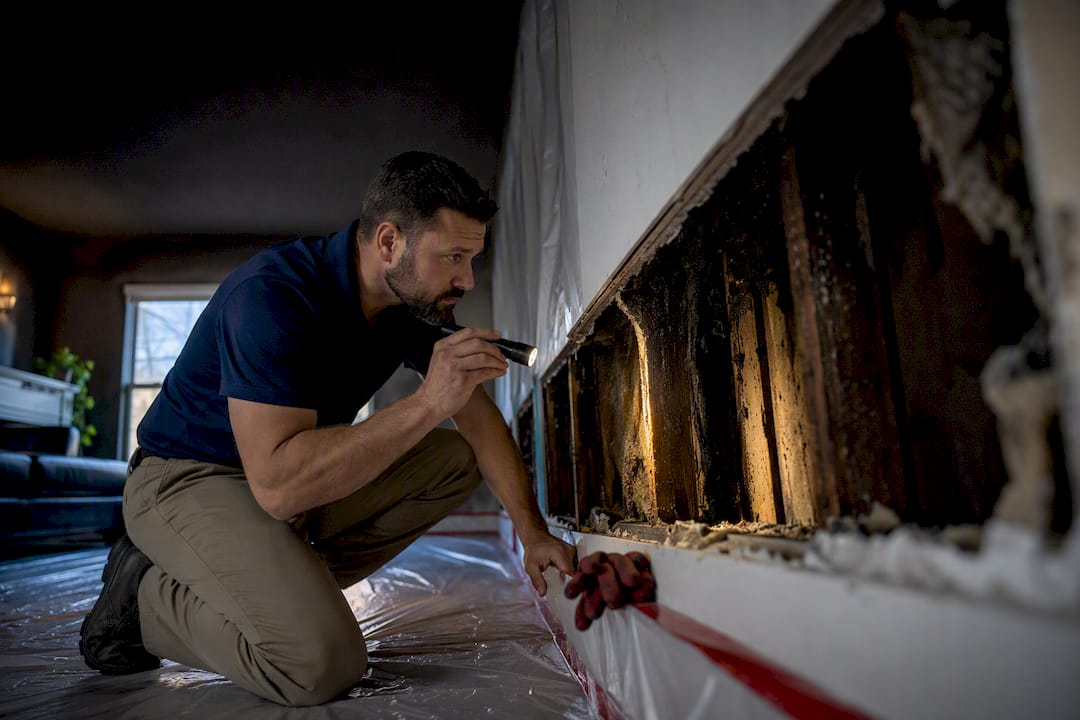
A qualified fire and smoke restoration company handles a sequence of distinct jobs, not a single cleanup visit. Board-up, tarping, water extraction, and structural drying happen first, often within hours of the fire department clearing the scene. From there, the work moves into documentation and execution phases that most homeowners never see broken out.
- Emergency mitigation: securing the structure against weather and further loss, plus initial water removal if hoses were used to fight the fire
- Assessment and Restoration Work Plan (RWP): photographic documentation and a written scope covering every affected surface and system
- Source removal and soot cleaning: matching cleaning methods to residue type (protein, synthetic, or wet smoke each respond differently)
- Contents pack-out: removing salvageable belongings for off-site cleaning, storage, or restoration
- Odor management: thermal fogging, hydroxyl generators, ozone treatment, or encapsulant sealers, chosen based on how deep the smoke penetrated
- Reconstruction coordination: rebuilding drywall, flooring, or cabinetry, either in-house or through a coordinated general contractor
Ask exactly which of these phases the company performs directly versus subcontracts. A firm that only mitigates and hands reconstruction to an unvetted third party adds a coordination gap you’ll be managing yourself.
What certifications should you check before hiring?
The single biggest shift in this industry happened in January 2025, when ANSI and the IICRC published the S700 standard for fire and smoke damage restoration. It’s the first publicly reviewed American National Standard covering this work, and it changes what “complete” actually means: full assessment before final scope, mandatory HVAC inspection, and client-verified final acceptance before a job closes out.
Here’s your practical checklist for any company you’re considering:
- Ask if technicians hold the FSRT credential (Fire and Smoke Restoration Technician) and verify it through the IICRC’s own directory rather than taking their word for it
- Confirm active contractor licensing, general liability coverage, and workers’ comp
- Ask whether HVAC remediation follows NADCA guidelines, since ductwork is a common hiding spot for smoke residue
- Request a written RWP before any demolition or cleaning begins
Pro Tip: If a company quotes a flat price over the phone before ever inspecting your home, that’s a red flag. S700-aligned contractors need eyes on the property first because scope depends on residue type, HVAC condition, and how far smoke traveled.
Contractors skipping FSRT credentials or a documented RWP tend to under-scope jobs, missing smoke that settled into wall cavities or duct systems until it resurfaces as odor weeks later.
How long does fire and smoke restoration actually take?
The timeline depends almost entirely on how far damage traveled beyond the room of origin, and S700 now requires a more thorough assessment before anyone can give you an accurate timeline.
- Emergency stabilization (hours 1 to 24): board-up, tarping, water extraction if applicable, and initial photo documentation
- Assessment and RWP development (days 1 to 3): may include exploratory demolition behind walls or under flooring to check for hidden residue, plus the mandatory HVAC inspection
- HVAC remediation and source cleaning (varies by residue type): protein residue from a kitchen fire cleans differently than synthetic residue from burned furniture
- Contents processing (parallel to structural work): pack-out, cleaning, and either return or replacement coordination
- Reconstruction (final phase): drywall, flooring, painting, and any rebuild work
- Final acceptance: a documented walkthrough confirming the property meets the RWP’s completion criteria
How do you handle insurance during a fire claim?
Documentation drives everything with fire claims, and the steps you take in the first 48 hours affect how smoothly the rest of the process goes.
- Secure the official fire department report and photograph all visible damage before any cleanup starts, if it’s safe to do so
- Follow Red Cross guidance on checking for hidden embers, contacting your insurance agent promptly, and holding onto damaged items until an inventory is complete
- Ask whether your contractor produces itemized, Xactimate-style estimates that adjusters recognize, and whether they coordinate directly with your claims adjuster
- Request a copy of the written RWP for your insurance file. A documented scope with photos and dated entries gives you a defensible record if the adjuster tries to trim the scope
- Keep every receipt tied to temporary housing, contents storage, or emergency repairs
If your claim stalls past a few weeks with no clear explanation, or the adjuster’s scope contradicts your contractor’s documented RWP, that’s the point to consider hiring a public adjuster to negotiate on your behalf.
Why Puroclean’s approach reflects the S700 standard
Puroclean of Northeast Sacramento built its fire damage restoration work around the same documentation-first model that S700 now formalizes industry-wide. The company offers 24/7 emergency response for both fire and water damage, which matters because smoke and firefighting water damage almost always show up together.
A few things worth knowing before you call:
- Puroclean’s service emphasizes industry certifications and current restoration technology as part of its standard approach, not an upsell
- Documentation for insurance purposes is built into the process from the first inspection rather than assembled after the fact
- For odor specifically, the company’s own smoke odor removal guidance walks through why surface cleaning alone rarely solves lingering smell
If you’re comparing companies before you call anyone, Puroclean’s guide on how to choose fire restoration experts covers the same verification points detailed above, tailored specifically to what a first phone call should sound like.
The standard just changed. Most homeowners don’t know it yet
Here’s what the research on this actually supports: the S700 standard published in January 2025 is the biggest shift in fire restoration accountability in years, and almost nobody outside the industry has heard of it. That gap is the real risk for homeowners right now, not the fire damage itself.
Conventional advice tells you to “get three quotes and compare prices.” That advice is outdated. Price comparison assumes the underlying scope is the same across bidders, and under S700, it usually isn’t. A contractor who skips exploratory demolition or ignores HVAC inspection will always quote lower than one who does the complete assessment the standard now requires. You’re not comparing prices at that point. You’re comparing two different jobs wearing the same estimate format.
What should you prioritize first? Verification, before cost. Confirm FSRT credentials, ask to see a written RWP template, and ask directly whether HVAC inspection is included. A company that answers those three questions confidently is worth a follow-up call. One that dodges them is telling you something, even if the number on the page looks better.
Get emergency fire and smoke help now
Puroclean is available around the clock, and that first call typically leads to a same-day or next-day assessment appointment where a technician documents damage, checks HVAC systems, and starts building your Restoration Work Plan. There’s no long-term contract or upsell pressure, just a scoped plan you can hand straight to your insurance adjuster.
When you call, expect the crew to ask about the fire’s origin point, whether water was used to extinguish it, and how soon you need temporary board-up or tarping. That information determines how fast they can dispatch. For emergency water and fire damage response, Puroclean is available 24/7 to get someone documenting your loss and building your claim file from day one. If you’re mapping out other local resources while you wait for a callback, this map of service areas is worth bookmarking too. The sooner mitigation starts, the less smoke has time to settle deeper into drywall, insulation, and ductwork.
Standards and safety resources worth bookmarking
For the technical standard behind everything above, read the ANSI/IICRC S700 press release directly. Restoration Intel’s professional guide breaks down cost and timeline expectations in more depth. Before any professional arrives, the Red Cross’s home safety checklist covers what to check for embers and hazards. If you want a printable action plan for the first hours after a fire, this emergency response checklist is a useful companion.
Sources
- FOR IMMEDIATE RELEASE New Standard Published: ANSI/IICRC S700 Standard for Fire and Smoke Damage Restoration
- Fire Damage Restoration: The Complete Professional Guide (2026) – Restoration Intel
- Checking Your Home After A Fire | American Red Cross