


Smoke Damage Effects Explained: Complete Restoration Guide
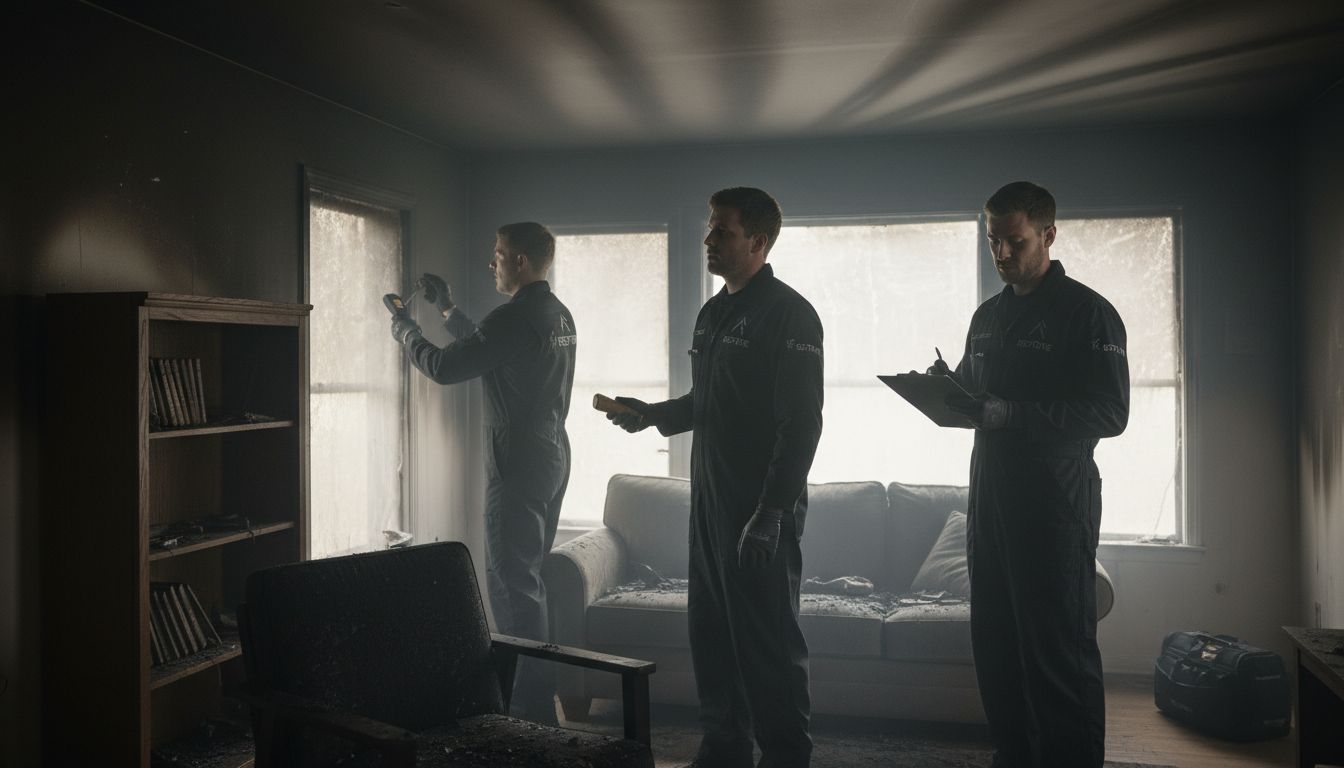
Did you know that fires cause over 350,000 residential property losses in the United States each year? Smoke damage is often an overlooked threat, yet its lingering particles and toxic gases impact far more than just surfaces. Understanding smoke damage matters because it can compromise both your health and your home’s safety long after a fire. Discover the main sources and types of smoke damage, and what they really mean for your well-being and property.
Table of Contents
- Defining Smoke Damage and Its Key Causes
- Major Types of Smoke Damage Explained
- Health and Structural Impacts of Smoke
- Smoke Damage Restoration Process Steps
- Long-Term Risks and Insurance Implications
Key Takeaways
| Point | Details |
|---|---|
| Understanding Smoke Damage | Smoke damage results from various sources generating harmful particles, posing health and structural risks. |
| Types of Smoke Damage | Smoke damage can be categorized into natural, protein-based, and synthetic types, each requiring different cleaning approaches. |
| Health and Structural Risks | Prolonged smoke exposure can lead to serious health issues and material degradation, affecting property values and safety. |
| Restoration Process | Effective smoke damage restoration involves assessment, ventilation, cleaning, deodorization, and structural repair. |
Defining Smoke Damage and Its Key Causes
Smoke damage represents a complex environmental hazard that occurs when burning materials release harmful particles and gases into surrounding spaces. According to the EPA’s research on wood smoke, smoke forms through the incomplete combustion of organic and synthetic materials, creating a potentially destructive mixture of microscopic particles and toxic compounds.
The primary causes of smoke damage stem from various burning sources, including residential fires, wildfires, industrial emissions, and controlled burns. As research from the Virginia Department of Health indicates, these events produce a complex blend of particulate matter that can penetrate surfaces, leaving behind persistent residues and odors.
Key sources of smoke damage include:
- Residential house fires
- Kitchen and cooking accidents
- Electrical system malfunctions
- Wildfire proximity
- Tobacco and cigarette smoke
- Industrial and mechanical equipment failures
Understanding smoke damage requires recognizing its multifaceted nature. Different materials produce unique smoke compositions, each with distinct potential for structural and health-related consequences. For a comprehensive overview of specific smoke removal techniques, check out our article on smoke odor removal.
Major Types of Smoke Damage Explained
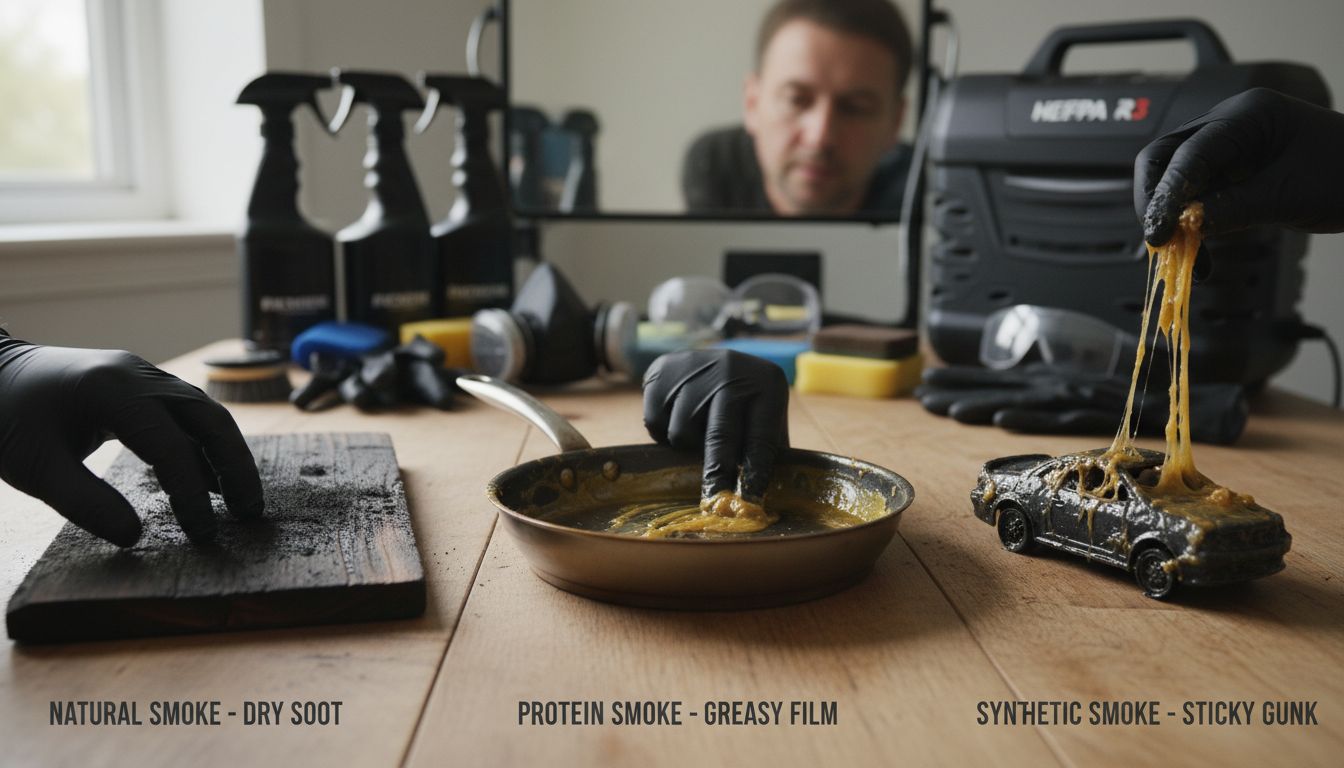
Smoke damage manifests in distinct categories, each with unique characteristics and potential for property destruction. According to research from San Mateo County Emergency Management, smoke damage can be comprehensively categorized into three primary types based on the materials burned and resulting residues.
The first type is natural substance smoke damage, which originates from burning wood, paper, or organic materials. These fires produce a black, powdery residue that tends to be relatively easier to clean. As documented by Chicora Research, these smoke particles create a thick, web-like pattern that can quickly spread across surfaces.
Key types of smoke damage include:
Here’s a comparison of the three main types of smoke damage:
| Type of Smoke Damage | Primary Sources | Residue Characteristics | Cleaning Difficulty |
|---|---|---|---|
| Natural Substance | Wood Paper Plants | Black powdery Web-like | Easier |
| Protein-Based | Meat Protein-rich foods | Yellowish Greasy | Challenging |
| Synthetic Substance | Plastics Synthetics | Thick Sticky Smearing | Most difficult |
- Natural Substance Smoke: From wood and paper burns
- Protein-Based Smoke: Generated from burning meat or organic proteins
- Synthetic Substance Smoke: Resulting from burning plastics and synthetic materials
For more detailed insights into managing specific smoke damage scenarios, check out our guide on cigarette smoke removal, which offers professional strategies for addressing different smoke damage challenges.
Health and Structural Impacts of Smoke
Smoke exposure poses significant risks to both human health and property integrity. According to the Environmental Protection Agency, the consequences of smoke can be far-reaching and potentially devastating, affecting respiratory systems and structural materials alike.
Health impacts are particularly alarming. Smoke inhalation can trigger severe respiratory complications, including exacerbated asthma, bronchitis, and potentially life-threatening conditions like heart attacks and strokes. The Oregon Department of Environmental Quality emphasizes that prolonged exposure can lead to chronic health problems, especially for vulnerable populations such as children, elderly, and individuals with pre-existing respiratory conditions.
Structural impacts of smoke are equally concerning:
- Corrosion of metal surfaces
- Discoloration of walls, ceilings, and fabrics
- Etching of glass and other delicate surfaces
- Penetration of smoke particles into porous materials
- Permanent staining of textiles and upholstery
To understand more about the nuanced challenges of smoke damage, explore our article on wildfire smoke damage, which provides deeper insights into the complex nature of smoke-related property destruction.
Smoke Damage Restoration Process Steps
Smoke damage restoration is a complex, multi-stage process that requires professional expertise and systematic intervention. According to research from San Mateo County Emergency Management, the restoration approach involves comprehensive assessment and strategic cleaning techniques to mitigate long-term property damage.
The initial phase focuses on thorough damage evaluation and immediate containment. Professionals conduct a detailed inspection to determine the extent of smoke penetration, identifying affected areas and materials. This critical first step helps create a targeted restoration strategy that prevents further contamination and potential structural degradation.
Key steps in the smoke damage restoration process include:
- Initial Assessment: Comprehensive damage evaluation
- Ventilation: Removing trapped smoke particles and odors
- Soot Removal: Specialized cleaning of surfaces and materials
- Deodorization: Neutralizing smoke smell using advanced techniques
- Structural Repair: Addressing and restoring damaged components
For a deeper understanding of the intricacies involved in fire and smoke damage recovery, explore our guide on fire damage restoration, which provides expert insights into comprehensive property recovery strategies.
Long-Term Risks and Insurance Implications
Smoke damage extends far beyond immediate visible destruction, presenting complex long-term health and property risks that demand careful consideration. According to research from the Environmental Protection Agency, prolonged exposure can create significant challenges that may not become apparent immediately.
Health implications are particularly concerning. Chronic exposure to smoke residues can lead to persistent respiratory issues, potential neurological complications, and increased vulnerability to serious medical conditions. These risks are especially pronounced for individuals with pre-existing health conditions, children, and older adults who may have compromised immune systems.
Key long-term risks and insurance considerations include:
- Persistent Health Complications: Potential respiratory and cardiovascular issues
- Structural Degradation: Ongoing material breakdown and corrosion
- Hidden Damage: Smoke particles embedded in porous materials
- Decreased Property Value: Potential long-term reduction in real estate worth
- Complex Insurance Claims: Varying coverage based on specific policy terms
To understand the nuanced landscape of smoke damage recovery and insurance navigation, explore our guide on fire damage recovery, which provides comprehensive insights into managing these complex challenges.
Act Quickly to Restore Your Property and Health After Smoke Damage
Experiencing smoke damage is overwhelming and can leave your home or business with hidden health hazards and structural concerns. From persistent odors to discoloration and potential long-term risks, the challenges discussed in the article highlight a clear need for expert intervention. You deserve a restoration partner who understands the complex nature of smoke damage including natural, protein-based, and synthetic residues and who can guide you through every step with care and professionalism.
Take control now by contacting PuroClean of Northeast Sacramento. Our 24/7 emergency team uses advanced technology and proven techniques to assess, clean, and restore your property swiftly. Don’t let smoke damage worsen over time or threaten your family’s health. Visit our fire and smoke restoration page to learn more and schedule immediate service. Get peace of mind today with trusted experts ready to help you recover completely.
Frequently Asked Questions
What is smoke damage?
Smoke damage refers to the environmental hazard caused by harmful particles and gases released during the incomplete combustion of organic and synthetic materials, affecting both health and property.
What are the main causes of smoke damage?
The primary causes of smoke damage include residential fires, kitchen accidents, electrical failures, wildfires, tobacco smoke, and industrial emissions, each producing different types of harmful residues.
How is smoke damage restoration conducted?
The smoke damage restoration process involves several steps: initial assessment of damage, ventilation to remove smoke particles, soot removal, deodorization to neutralize odors, and structural repairs to affected areas.
What are the long-term health impacts of smoke exposure?
Prolonged exposure to smoke can lead to chronic respiratory issues, increased risk of serious medical conditions, and potential long-term neurological complications, especially for vulnerable populations like children and the elderly.