


Steps in Flood Cleanup 2026: Cut Damage by 50% Fast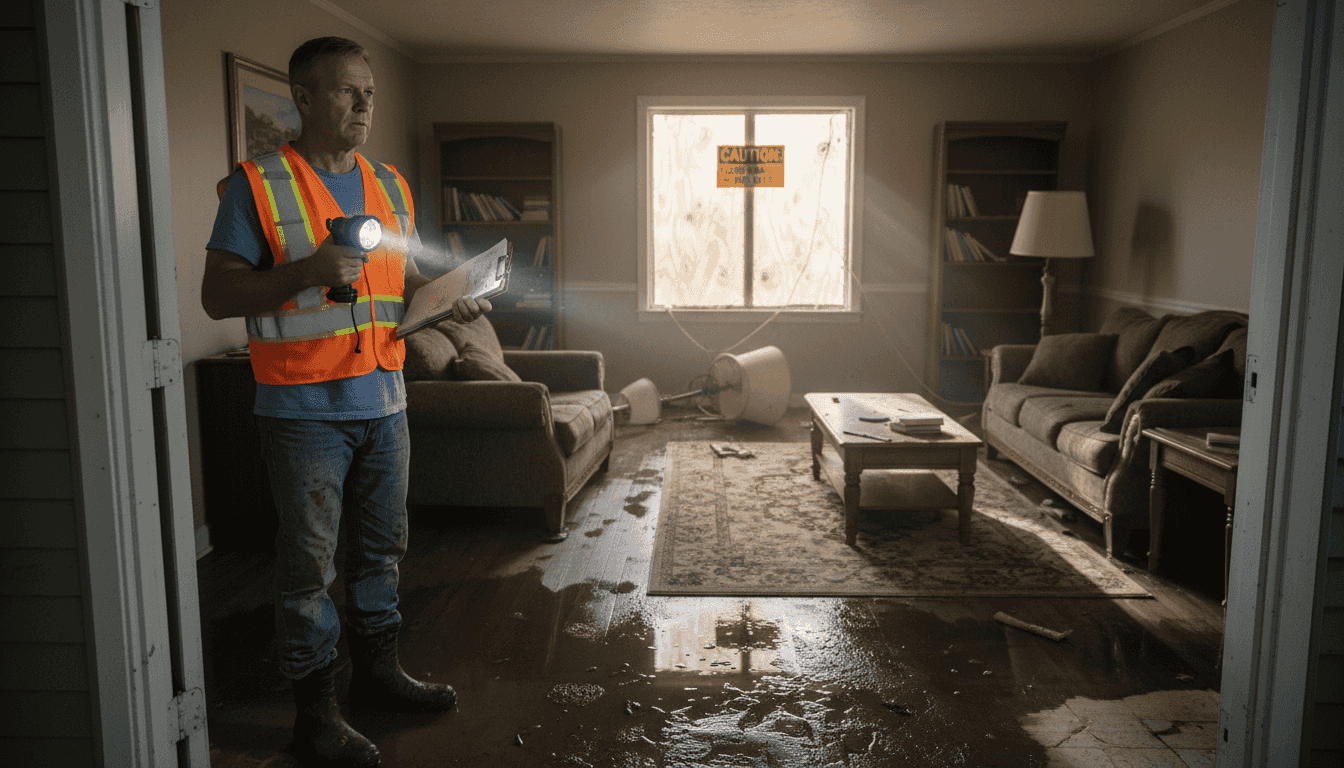
Flood damage can escalate rapidly if you delay action. Prompt water extraction within 24-48 hours reduces structural damage by over 50%. Homeowners and property managers in Northeast Sacramento face urgent decisions when flood strikes. This guide delivers clear, expert-backed steps to minimize damage, protect safety, and streamline insurance recovery after flooding incidents.
Table of Contents
How To Choose Effective Flood Cleanup Steps: Key Factors For Homeowners And Property Managers
Step 1: Initial Safety And Damage Assessment
Step 2: Water Extraction Techniques And Timing
Step 3: Structural Drying And Moisture Control
Step 4: Cleaning And Sanitizing After Floodwater Exposure
Step 5: Documentation And Insurance Claim Process
Step 6: When To Call Professional Restoration Experts
Summary Comparison And Decision Matrix For Flood Cleanup Approaches
Situational Picks: Choosing The Right Flood Cleanup Approach For Your Property
Expert Flood Cleanup And Restoration Services In Northeast Sacramento
Frequently Asked Questions About Flood Cleanup
Key Takeaways
Point
Details
Safety first
Turn off power and check for hazards before entering flooded areas
Extract water fast
Remove standing water within 24-48 hours to halve structural damage
Industrial drying
Professional equipment cuts moisture and mold risks in 3-5 days
Document everything
Thorough photos and inventories boost insurance claim approval
Call professionals
Complex damage or electrical hazards require expert restoration
How to Choose Effective Flood Cleanup Steps: Key Factors for Homeowners and Property Managers
Choosing the right flood cleanup steps means understanding what to prioritize and when. Speed of water removal is critical to minimize damage after flooding. Your approach depends on five essential criteria.
Safety hazards demand immediate attention. Electrical risks and structural instability require mitigation before cleanup begins. Timing matters immensely because water penetrates materials and feeds mold growth within hours.
Effective drying equipment accelerates restoration and prevents secondary damage. Industrial air movers and dehumidifiers cut drying time significantly compared to fans and open windows. Moisture detection technology identifies hidden water that could cause problems later.
Documentation protects your financial recovery. Insurance claims succeed when you provide detailed evidence of damage and losses. Missing photos or incomplete inventories can delay or reduce payouts.
Know when professional help becomes necessary. Large scale floods, electrical hazards, or contaminated water exceed DIY capabilities. Restoration experts bring specialized equipment, safety protocols, and insurance claim support that homeowners lack.
Pro Tip: Create a flood response checklist before disaster strikes. List emergency contacts, insurance policy details, and safety equipment locations for faster response when flooding occurs.
Prioritize life safety over property protection
Act within 24-48 hours to prevent exponential damage
Use moisture meters to verify complete drying
Save all receipts and communications for claims
Recognize your limits and call experts early
Step 1: Initial Safety and Damage Assessment
Your first action after flooding must protect life and prevent injuries. Turning off electricity early avoids electrocution risk during flood cleanup. Never enter standing water until power is confirmed off at the breaker panel or main disconnect.
Conduct a visual inspection from doorways before entering. Look for sagging ceilings, buckled floors, or leaning walls that signal structural compromise. Check for gas odors or chemical spills that require immediate evacuation and professional response.
Floodwater carries bacteria, sewage, chemicals, and debris. Avoid direct contact with contaminated water. Wear waterproof boots, heavy gloves, and eye protection during assessment. Respiratory masks help when mold or chemical odors are present.
Secure the property to prevent additional damage. Cover broken windows, tarp roof damage, and block entry points for animals. Move valuable contents to dry areas if safe to do so. These actions protect against weather and theft while you plan cleanup.
Document everything during assessment. Take photos and videos of water levels, damaged materials, and affected contents before moving anything. This evidence supports insurance claims and helps contractors estimate restoration costs. Understanding commercial flood cleanup steps helps property managers approach larger scale assessments systematically.
Pro Tip: Use a smartphone voice recorder to capture verbal notes during assessment. Describe damage details while viewing them to create a complete record without stopping to write.
Confirm electricity is off before entry
Inspect for structural hazards from doorways
Wear protective equipment during assessment
Secure vulnerable areas to prevent further damage
Document all visible damage immediately
Step 2: Water Extraction Techniques and Timing
Removing standing water quickly is your most important flood cleanup action. Removing standing water within 24-48 hours reduces structural damage by over 50%. Every hour of delay allows water to penetrate deeper into materials and increases restoration costs.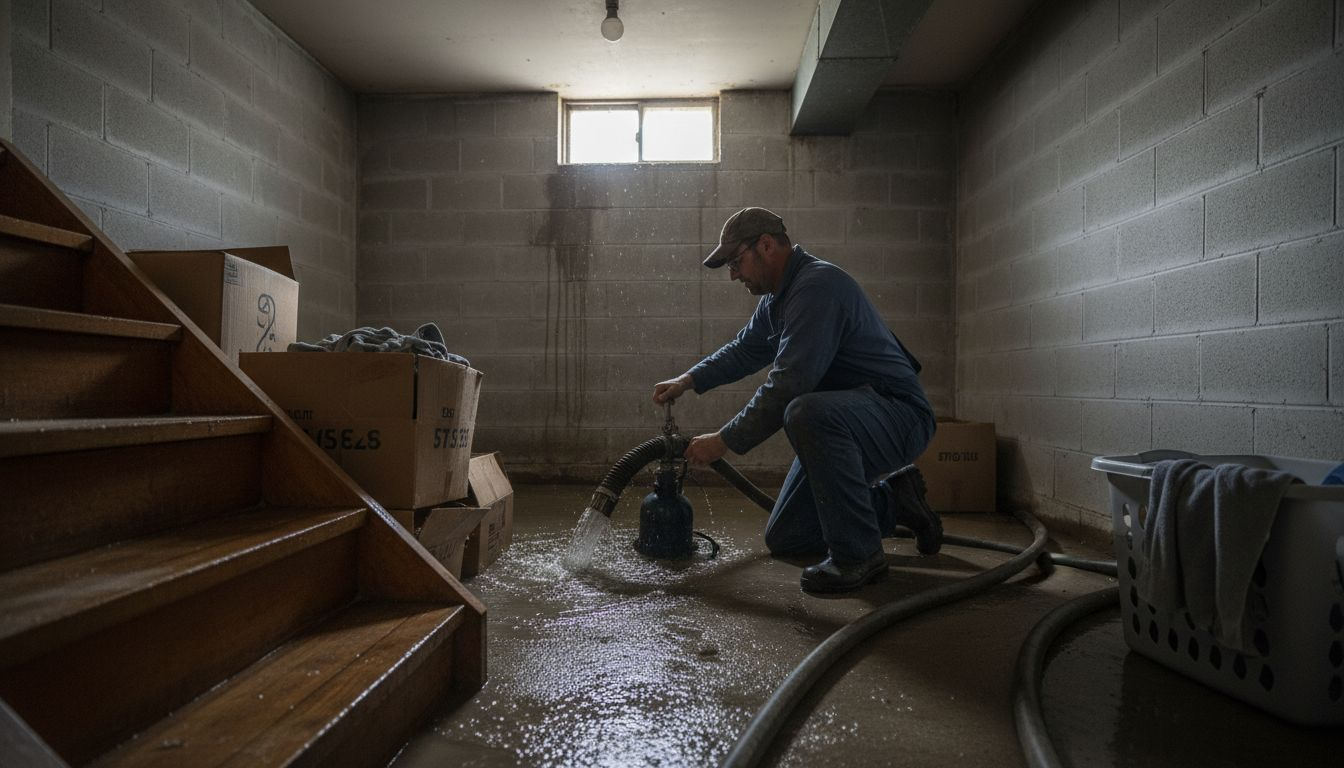
Submersible pumps handle deep water in basements and large areas. Wet vacuums work well for shallow flooding and tight spaces. Match equipment capacity to water volume for efficient extraction. Rent commercial grade pumps for floods exceeding residential equipment capabilities.
Start extraction as soon as electrical safety is confirmed. Work from the deepest water toward exits to push water out efficiently. Check local regulations for proper disposal because floodwater may contain contaminants requiring special handling.
Plan extraction sequence strategically:
Remove standing water from lowest areas first
Extract water from carpets and padding
Pull up soaked flooring materials that trap moisture
Remove water from wall cavities through baseboard openings
Verify complete extraction with moisture meters
Rapid water removal limits ongoing damage to building materials. Wood swells and delaminates with extended water exposure. Drywall loses structural integrity. Metal components rust. Learning about flood restoration helps you understand the complete recovery process.
Select pumps based on water depth and volume
Begin extraction within 24 hours when possible
Follow local disposal regulations for contaminated water
Remove trapped water from hidden areas
Use moisture meters to confirm thorough extraction
Step 3: Structural Drying and Moisture Control
Thorough drying prevents mold growth and secondary damage after water extraction. Professional drying reduces drying time to 3-5 days vs 7-14 days for DIY. Industrial equipment creates optimal conditions for rapid moisture removal.
Dehumidifiers extract moisture from air while air movers circulate air to accelerate evaporation. Position equipment strategically to create airflow patterns that reach all affected areas. Run equipment continuously until moisture readings reach normal levels.
Moisture sensors and thermal imaging cameras detect hidden dampness inside walls, floors, and ceilings. These tools prevent incomplete drying that leads to mold and structural problems weeks later. Check moisture daily and adjust equipment placement as needed.
Target drying completion within 3-5 days for optimal results. Longer drying periods increase mold risk significantly. Monitor humidity levels and structural moisture continuously. Normal readings vary by material but generally fall below 15% for wood and 1% for concrete.
Temperature affects drying speed. Maintain indoor temperatures between 70-80°F to optimize evaporation. Cold conditions slow drying while excessive heat can damage materials. Different drying methods for residential and commercial properties address varying building types and scales.
Pro Tip: Create a moisture log tracking readings by location and date. This record helps identify problem areas and proves thorough drying for insurance purposes.
Drying Stage
Duration
Equipment
Moisture Target
Initial extraction
0-24 hours
Pumps, wet vacs
Remove standing water
Active drying
24-96 hours
Dehumidifiers, air movers
50% moisture reduction
Final drying
96-120 hours
Continued equipment
Normal moisture levels
Verification
120+ hours
Moisture meters
Below 15% wood, 1% concrete
Use industrial dehumidifiers and air movers together
Deploy moisture detection technology for hidden dampness
Complete drying within 3-5 days to prevent mold
Monitor humidity and structural moisture daily
Maintain optimal temperature for faster evaporation
Step 4: Cleaning and Sanitizing After Floodwater Exposure
Sanitizing after flood exposure protects health and prevents contamination problems. Cleaning with mild detergents within 48 hours prevents bacterial growth and mold development. Floodwater carries sewage, chemicals, and pathogens requiring thorough cleaning.
Clean all exposed surfaces with detergent solutions promptly after water extraction. Scrub walls, floors, and hard surfaces to remove contaminants. Rinse thoroughly and allow proper drying. Avoid harsh chemicals that can damage materials or create toxic fumes.
Discard porous materials that absorbed floodwater. Carpet padding, insulation, and drywall below flood lines cannot be adequately cleaned. These materials harbor bacteria and mold even after surface cleaning. Safe disposal prevents health risks.
Wear protective equipment throughout cleaning. Waterproof gloves, eye protection, and N95 respirators reduce exposure to contaminants. Wash hands frequently and avoid touching face during cleanup. Change clothes and shower after cleaning sessions.
Timing matters for effective sanitization. Begin cleaning within 48 hours post extraction for best outcomes. Delayed cleaning allows bacterial colonies to establish and mold spores to germinate. Understanding professional cleaning importance helps you recognize when expert sanitization becomes necessary.
Clean surfaces with mild detergents immediately
Discard water damaged porous materials safely
Wear protective equipment during all cleaning
Complete sanitization within 48 hours of extraction
Focus on preventing bacterial and mold colonization
Step 5: Documentation and Insurance Claim Process
Proper documentation significantly improves insurance claim outcomes. Thorough damage documentation increases insurance claim approval rates significantly. Start documenting before moving or cleaning anything.
Photograph all affected areas from multiple angles. Capture water levels, damaged materials, and ruined contents. Include wide shots showing room context and close ups detailing specific damage. Date stamp photos if possible.
Create detailed inventories listing damaged items. Note brand, model, age, and approximate value for each item. Save receipts or previous purchase records when available. This documentation supports replacement value claims.
Notify your insurance company immediately after flooding. Most policies require prompt reporting. Provide initial damage estimates and documentation. Ask about coverage limits, deductibles, and claim procedures specific to your policy.
Maintain organized records throughout the claim process:
Save all correspondence with insurance adjusters
Keep receipts for cleanup and temporary repairs
Document contractor estimates and work performed
Track living expenses if displaced from property
Note all phone calls with dates and summaries
Clear communication prevents claim delays. Respond promptly to adjuster requests. Provide additional documentation when asked. Be aware of common denial reasons like pre existing damage or delayed reporting. Effective documenting water damage practices protect your financial recovery.
Photograph damage before any cleanup begins
Create detailed inventories with values
Notify insurance immediately after flooding
Save all receipts and correspondence
Respond promptly to adjuster requests
Step 6: When to Call Professional Restoration Experts
Certain flood situations require professional expertise for safe, effective restoration. Professional restoration provides faster, more effective remediation using advanced technology and emergency response within 24-72 hours. Knowing when to call experts protects your property and health.
Large scale flooding exceeds DIY capabilities. Water affecting multiple rooms or floors requires industrial equipment and coordinated teams. Commercial properties need specialized approaches that residential methods cannot address.
Electrical hazards demand professional intervention. If flooding affects electrical panels, outlets, or appliances, call licensed electricians and restoration experts. Attempting DIY cleanup with electrical risks can be fatal.
Professionals use advanced moisture detection equipment to find hidden water. Thermal imaging cameras and deep penetrating moisture meters identify problem areas invisible to homeowners. This technology prevents incomplete drying and future mold growth.
Local restoration companies provide emergency responses. Most arrive within 24-72 hours of your call. They bring industrial water extraction equipment, commercial dehumidifiers, and trained technicians who work efficiently.
“Professional restoration teams complete in days what takes homeowners weeks, using specialized equipment and proven protocols that minimize damage and accelerate recovery.”
Hiring experts shortens drying times significantly. They create optimal drying conditions through proper equipment placement and environmental control. Insurance companies often prefer working with certified restoration contractors who document processes thoroughly. Understanding professional restoration services helps you make informed decisions.
Call experts for large scale or complex damage
Electrical hazards require immediate professional response
Advanced equipment detects hidden moisture effectively
Emergency response typically within 24-72 hours
Professional cleanup reduces mold risks substantially
Summary Comparison and Decision Matrix for Flood Cleanup Approaches
Comparing DIY and professional approaches helps you choose the right flood cleanup strategy. This decision matrix summarizes timing, tools, and considerations across all cleanup steps.
Cleanup Step
DIY Timeline
Professional Timeline
Key Equipment
Safety Considerations
Safety assessment
1-2 hours
30-60 minutes
Visual inspection, basic PPE
Electrical hazards, structural risks
Water extraction
1-3 days
4-8 hours
Residential pumps, wet vacs
Physical exertion, contamination exposure
Structural drying
7-14 days
3-5 days
Consumer dehumidifiers, fans
Incomplete drying, mold development
Cleaning/sanitizing
2-4 days
1-2 days
Household cleaners, basic tools
Chemical exposure, bacterial contact
Documentation
Ongoing
Coordinated
Camera, notes
Insurance claim complexity
Insurance claims
Self managed
Supported
Personal records
Potential underpayment
DIY cleanup works for small residential floods without electrical hazards. Professional restoration suits commercial properties, large scale damage, or situations involving safety risks. Insurance complexity often favors coordinated professional documentation.
Timeline differences matter financially. Faster professional drying prevents secondary damage that adds thousands to restoration costs. Industrial equipment efficiency justifies service fees through damage prevention. Review the restoration decision matrix for detailed process guidance.
Situational Picks: Choosing the Right Flood Cleanup Approach for Your Property
Your optimal flood cleanup approach depends on specific property conditions and damage characteristics. These situational recommendations help match strategies to circumstances.
Small residential floods with minimal hazards suit DIY approaches. If water affects one room, contains no sewage, and involves no electrical risks, homeowner cleanup can succeed. You need basic equipment, protective gear, and time to complete drying properly.
Commercial property flooding demands professional restoration. Business interruption costs and liability concerns require fast, documented recovery. Professional teams minimize downtime and provide insurance ready documentation that protects business interests.
Electrical hazard presence mandates expert intervention immediately. Never attempt DIY cleanup when water contacts electrical systems. The electrocution risk far exceeds service costs. Licensed professionals handle electrical assessment safely.
Insurance claim complexity favors coordinated professional services. Large claims benefit from expert documentation and adjuster communication. Restoration companies familiar with insurance processes improve claim outcomes significantly.
Match cleanup steps to situational factors:
Assess damage scale and affected area size
Identify electrical and contamination hazards
Evaluate available time and physical capability
Consider insurance coverage and claim complexity
Choose approach balancing safety, speed, and thoroughness
Property type influences equipment needs and safety protocols. Single family homes differ from multi unit buildings or commercial spaces. Understanding choosing flood cleanup approach differences helps you plan effectively.
DIY suits small residential floods without hazards
Commercial damage requires professional teams
Electrical hazards need immediate expert response
Complex claims benefit from professional documentation
Match approach to risk level and resources
Expert Flood Cleanup and Restoration Services in Northeast Sacramento
When flood damage strikes your Northeast Sacramento property, fast professional response minimizes damage and accelerates recovery. PuroClean delivers emergency flood cleanup services 24/7 with certified technicians and industrial equipment.
Our team arrives quickly to extract water, deploy advanced drying systems, and prevent secondary damage. We use thermal imaging and moisture detection technology to ensure complete drying that protects against mold growth. Whether you need guidance from our water damage restoration guide or full service restoration, we provide solutions tailored to residential and commercial properties.
We coordinate directly with insurance companies, providing detailed documentation that supports your claim. Our commercial restoration services minimize business interruption through efficient, thorough recovery. Trust the locally proven team at PuroClean Northeast Sacramento for expert flood cleanup that prioritizes your safety and property protection.
Frequently Asked Questions About Flood Cleanup
What is the safest first step after flooding?
Turn off electricity at the main breaker before entering any flooded area. Confirm power is off and check for structural hazards like sagging ceilings or buckling floors from doorways before entering.
How quickly should water be removed after a flood?
Remove standing water within 24-48 hours to prevent structural damage and mold growth. Every hour of delay allows deeper water penetration and increases restoration costs significantly.
When is it necessary to hire professional restoration?
Call professionals for large scale flooding, electrical hazards, sewage contamination, or commercial property damage. Expert equipment and safety protocols handle complex situations that exceed DIY capabilities.
How can I document flood damage for insurance?
Photograph all damage before cleanup from multiple angles, create detailed item inventories with values, and save all receipts. Notify your insurance company immediately and maintain organized records of all communications.
What are the health risks if cleanup is delayed?
Delayed cleanup allows bacterial growth, mold colonization, and chemical concentration. Contaminated floodwater exposure causes infections, respiratory problems, and allergic reactions that worsen over time.
Recommended
Effective Water Damage Mitigation Steps for Fast Recovery – PuroClean of Northeast Sacramento
Critical Commercial Restoration Steps for Fast Recovery – PuroClean of Northeast Sacramento
Water Damage Restoration Guide: Restore Property Fast – PuroClean of Northeast Sacramento
How to Handle Water Damage: Step-by-Step Restoration Guide – PuroClean of Northeast Sacramento