 PuroClean of Northeast Sacramento
 Types of Fire Damage – Impact on Sacramento Properties
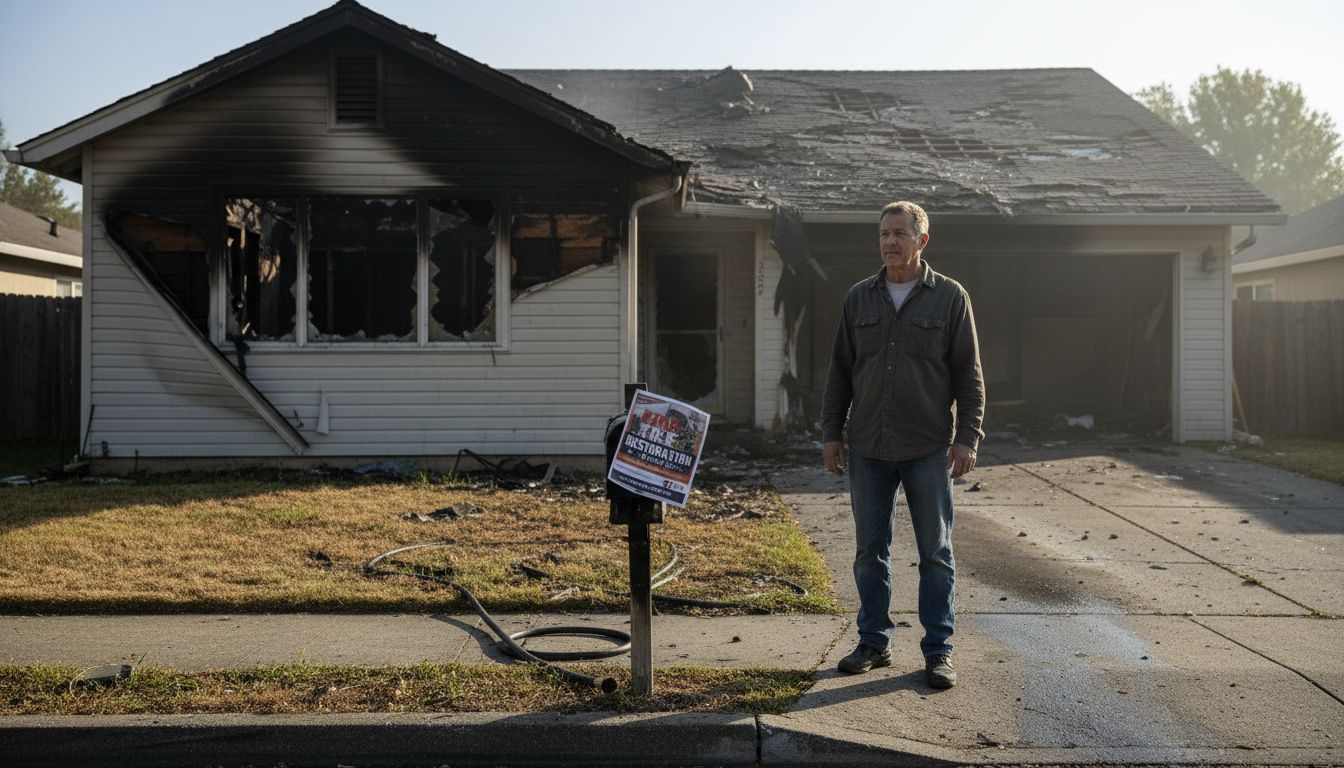
More than 350000 American homes experience fire damage each year according to the National Fire Protection Association. The aftermath of a fire can leave both property and peace of mind in ruins, affecting everything from hidden structural supports to personal health. Understanding the true scope of fire damage empowers property owners to make smarter recovery choices and protect their investments from further loss and hardship.
Table of Contents
- Understanding Fire Damage And Its Effects
- Main Types Of Fire Damage Explained
- How Fire Damage Impacts Structures
- Health And Safety Issues After Fire
- Insurance Challenges With Fire Losses
Key Takeaways
| Point | Details |
|---|---|
| Understanding Fire Damage | Fire damage involves complex processes affecting structural integrity, requiring professional assessment for effective recovery. |
| Types of Fire Damage | Categories include direct flame, heat, smoke, and water damage, each necessitating specialized restoration techniques. |
| Health Risks After Fire | Fire incidents pose serious health risks, including respiratory complications and psychological trauma, highlighting the need for comprehensive support. |
| Insurance Challenges | Fire damage claims are complicated by hidden damages and documentation requirements, emphasizing the importance of meticulous record-keeping and professional evaluations. |
Understanding Fire Damage and Its Effects
Fire damage represents a complex and devastating phenomenon that impacts properties at multiple structural levels, creating immediate and long-term consequences for homeowners and businesses. Understanding the nuanced ways fire transforms physical environments is critical for effective mitigation and restoration strategies. Fire impacts research from Worcester Polytechnic Institute reveals that fire damage extends far beyond visible surface destruction.
At its core, fire damage involves several intricate processes that systematically compromise building integrity. Physical damage occurs through direct flame contact, which can instantaneously destroy materials, while heat generates secondary damage through warping, melting, and structural weakening. Smoke presents an equally destructive force, leaving behind corrosive residues that penetrate porous surfaces like drywall, wood, and fabric. These microscopic particles create persistent odors and can cause significant long-term deterioration if not professionally addressed.
The environmental consequences of fire damage are profound and wide-ranging. Research from Yale sustainability experts highlights how fire impacts extend beyond immediate structural destruction, affecting surrounding ecosystems, air quality, and long-term environmental health. Different types of fires produce unique damage profiles – electrical fires generate different residues compared to wood or grease fires, each requiring specialized cleaning and restoration techniques. Understanding these distinctions allows property owners to develop targeted recovery strategies that address specific fire-related challenges effectively.
Ultimately, fire damage is a multifaceted challenge demanding comprehensive assessment and professional intervention. Property owners must recognize that visible destruction represents only a fraction of potential impacts, with hidden damage potentially compromising structural safety and long-term property value. Prompt, professional evaluation becomes essential in mitigating extensive restoration requirements and preventing progressive deterioration of fire-damaged properties.
Main Types of Fire Damage Explained
Fire damage manifests in complex and varied forms, each presenting unique challenges for property owners and restoration professionals. Economic losses from fire incidents encompass multiple damage categories that extend far beyond simple structural destruction. Understanding these nuanced damage types is crucial for effective recovery and insurance claims.
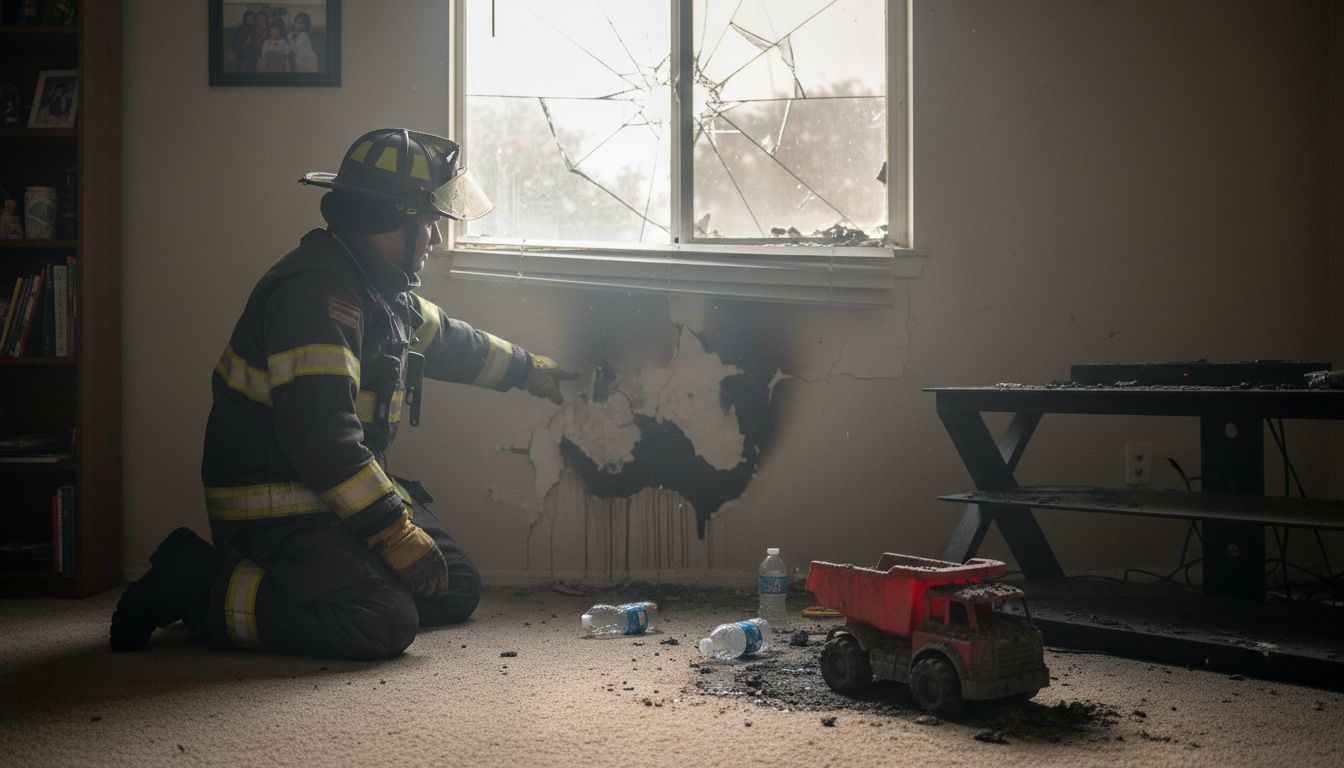
The primary categories of fire damage include direct flame damage, heat damage, smoke damage, and water damage from firefighting efforts. Direct flame damage represents the most immediate and visible destruction, where materials are instantly consumed or severely compromised. Heat damage creates secondary impacts, causing materials to warp, melt, and structurally weaken even without direct flame contact. Smoke damage proves particularly insidious, with microscopic particles penetrating porous surfaces and creating long-lasting contamination that can persist long after the fire is extinguished.
Fire insurance policies typically recognize several distinct damage classifications that property owners should understand. Electrical fires generate unique residues different from wood or grease fires, each requiring specialized cleaning techniques. Some damage types include:
- Protein Residue Damage: Typically from kitchen fires, leaving nearly invisible but pungent residues
- Synthetic Smoke Damage: Generated from burning plastics and synthetic materials
- Natural Substance Smoke Damage: Resulting from fires involving wood, paper, and natural materials
- Fuel Oil Soot Damage: Specific to furnace puff backs or oil-related incidents
Ultimately, comprehensive fire damage assessment demands professional expertise. Property owners must recognize that visible destruction represents only a fraction of potential impacts, with hidden damage potentially compromising structural safety and long-term property value. Professional restoration specialists can provide critical insights into the full extent of fire-related deterioration, ensuring thorough and effective recovery strategies.
How Fire Damage Impacts Structures
Fire damage research from Worcester Polytechnic Institute reveals the profound and multifaceted ways structural integrity can be compromised during fire incidents. Structures experience complex degradation processes that extend far beyond immediate flame contact, creating intricate patterns of destruction that challenge traditional understanding of building resilience.
Structural damage occurs through multiple mechanisms, with thermal expansion, material weakening, and structural displacement representing primary destructive pathways. Different building materials respond uniquely to extreme temperatures – steel loses structural strength around 1100 degrees Fahrenheit, while concrete can experience microcracking and spalling that compromise load-bearing capacities. Wood structures rapidly carbonize, creating progressive structural instability that may not be immediately visible to untrained observers.
Ventilation dynamics research demonstrates how airflow significantly influences fire progression and structural damage patterns. Critical factors impacting structural degradation include:
- Oxygen availability: Controlling combustion potential
- Thermal gradient variations: Creating uneven structural stress
- Material composition: Determining heat resistance and failure points
- Structural geometry: Influencing fire spread and containment
Ultimately, comprehensive structural assessment requires professional expertise. Hidden damage can compromise long-term building safety, with microscopic material changes potentially creating catastrophic failure risks years after the initial fire incident. Professional restoration specialists utilize advanced diagnostic technologies to evaluate the full extent of structural compromise, ensuring thorough and effective recovery strategies that protect property owners from potential future structural failures.
Health and Safety Issues After Fire
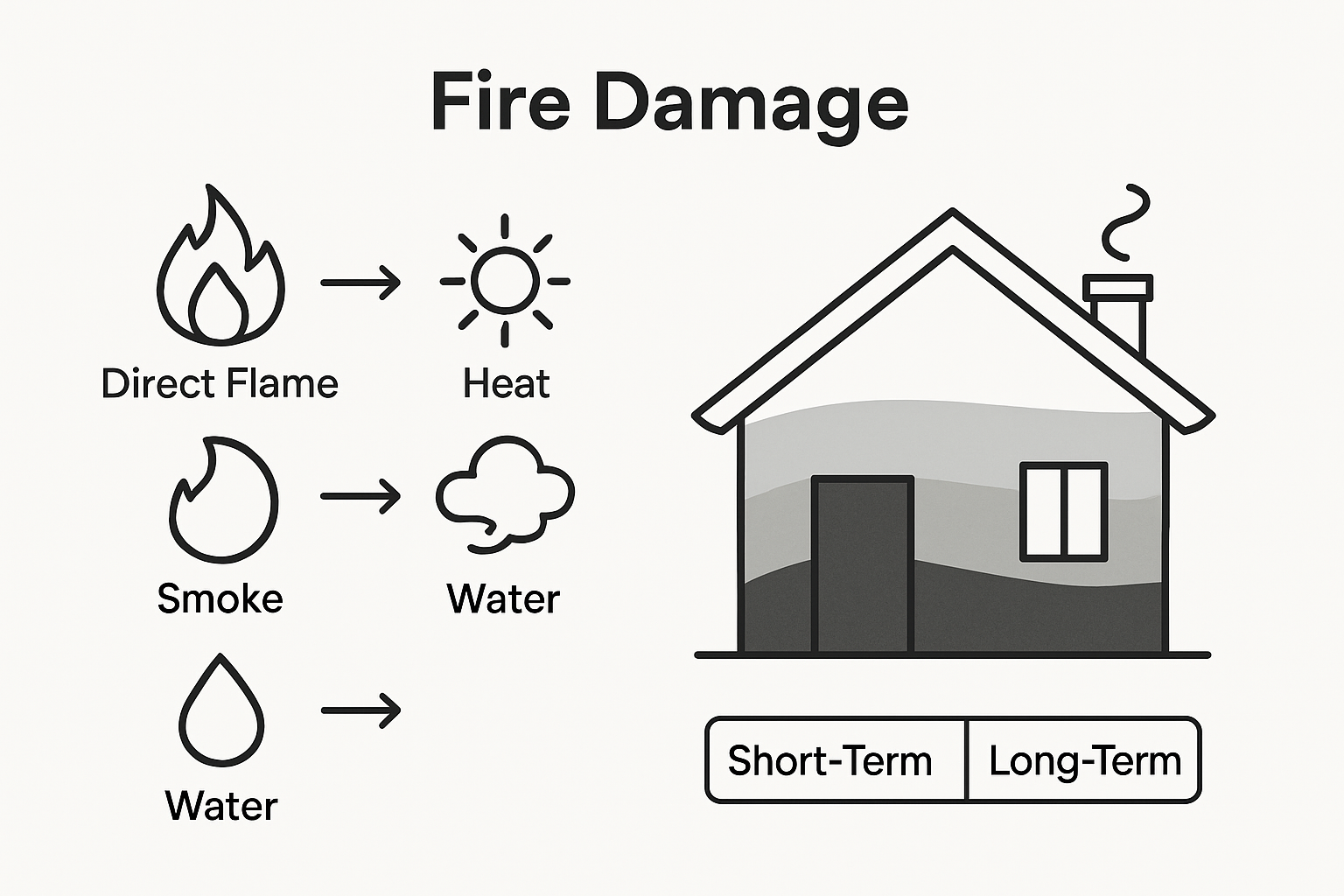
Research on wildfire health impacts from Yale sustainability experts reveals the complex and profound health risks that emerge in the aftermath of fire incidents. Beyond the immediate physical dangers, fire events create multifaceted health challenges that can persist long after the flames are extinguished, affecting both physical and mental well-being of impacted individuals.
The primary health risks following a fire include respiratory complications, toxic exposure, and psychological trauma. Smoke and soot particles contain numerous hazardous chemicals, including carbon monoxide, formaldehyde, and heavy metals that can cause severe respiratory distress, neurological complications, and long-term health issues. Microscopic particulate matter penetrates deep into lung tissues, potentially causing chronic inflammation, reduced lung function, and increased risk of cardiovascular problems.
Safety risks identified by CDC firefighter research highlight critical health considerations for both survivors and restoration professionals. Key health and safety risks include:
- Chemical Contamination: Residual toxins from burned materials
- Structural Instability: Potential for secondary collapses
- Respiratory Hazards: Airborne particulates and toxic gases
- Mental Health Risks: Potential post-traumatic stress and anxiety
Beyond immediate physical dangers, fire incidents can trigger profound psychological impacts. Survivors often experience significant emotional distress, including anxiety, depression, and post-traumatic stress disorder. Professional mental health support and comprehensive environmental remediation become essential components of holistic recovery, addressing both physical infrastructure and human emotional resilience. Prompt, professional intervention can mitigate long-term health risks and support comprehensive healing for affected individuals and communities.
Insurance Challenges With Fire Losses
Fire incident impact analysis from the Fire Association reveals the intricate complexities insurers face when processing fire-related property damage claims. The unpredictable nature of fire incidents creates significant challenges in risk assessment, claims management, and financial compensation, requiring sophisticated evaluation techniques and comprehensive coverage strategies.
Insurance challenges emerge from multiple interconnected dimensions. Valuation complexity, evidence documentation, and damage assessment represent critical hurdles that insurers must navigate. Property owners frequently encounter difficulties proving the full extent of fire damage, as microscopic structural compromises and smoke contamination may not be immediately visible. These hidden damages can substantially impact property value and restoration costs, creating potential disputes between policyholders and insurance providers.
Insurance industry wildfire risk research highlights several key insurance challenges:
- Ember Travel Unpredictability: Complicating risk mapping and zone determination
- Secondary Damage Assessment: Identifying comprehensive destruction beyond direct flame contact
- Rapid Depreciation: Tracking property value changes post-fire
- Complex Claims Processing: Managing intricate documentation requirements
Ultimately, successful fire loss insurance claims demand meticulous documentation, professional damage assessment, and clear communication between property owners and insurance providers. Policyholders benefit from understanding their coverage details, maintaining comprehensive property inventories, and working closely with restoration professionals who can provide detailed damage documentation. Proactive preparation and thorough evidence collection can significantly streamline the claims process, ensuring fair compensation and effective property recovery.
Expert Fire Damage Restoration for Sacramento Properties
Fire damage can leave your Sacramento property facing invisible dangers like hidden smoke residues and weakened structures. Addressing these complex issues requires more than a surface clean-up. If you are dealing with direct flame, heat, smoke, or water damage from firefighting efforts, you need trusted professionals who understand every impact fire has on your home or business.
At PuroClean of Northeast Sacramento, we specialize in comprehensive fire and smoke restoration. Our certified experts provide rapid emergency response 24/7 to limit long-term destruction and health risks. We offer professional damage assessment, advanced cleaning technologies, and respectful care for your property and family. Don’t let hidden fire damage compromise your safety or property value. Visit our fire and smoke restoration page now and take the first step toward a full, effective recovery.
Frequently Asked Questions
What are the main types of fire damage that can affect properties?
The main types of fire damage include direct flame damage, heat damage, smoke damage, and water damage from firefighting efforts. Each type has unique characteristics and restoration needs.
How does smoke damage differ from other types of fire damage?
Smoke damage involves microscopic particles that penetrate porous surfaces, leaving behind corrosive residues and persistent odors. Unlike direct flame damage, which is immediately visible, smoke damage can go unnoticed and cause long-term deterioration.
What are the potential health risks associated with fire damage?
Health risks following a fire can include respiratory complications from inhaling smoke and soot, toxic exposure to hazardous chemicals, and psychological trauma. Proper remediation and health assessments are vital for affected individuals.
How can property owners successfully navigate insurance claims after a fire?
Property owners should maintain comprehensive documentation of damages and work closely with restoration professionals to assess and document hidden damage. Clear communication with insurance providers about coverage details can help streamline the claims process.
Recommended
7 Essential Civil Engineering Services List for Property Owners – FloridaLicensedEngineers.com
What Is Fire Restoration? Complete Guide for 2025 – PuroClean of Northeast Sacramento
Fire and Smoke Damage Restoration and Repair in Roseville, CA
7 Essential Fire Restoration Tips for Property Owners – PuroClean of Northeast Sacramento
Fire Damage Restoration Explained: Complete Process Guide – PuroClean of Northeast Sacramento
 PuroClean of Northeast Sacramento