


Types of Property Restoration Explained: Complete Guide
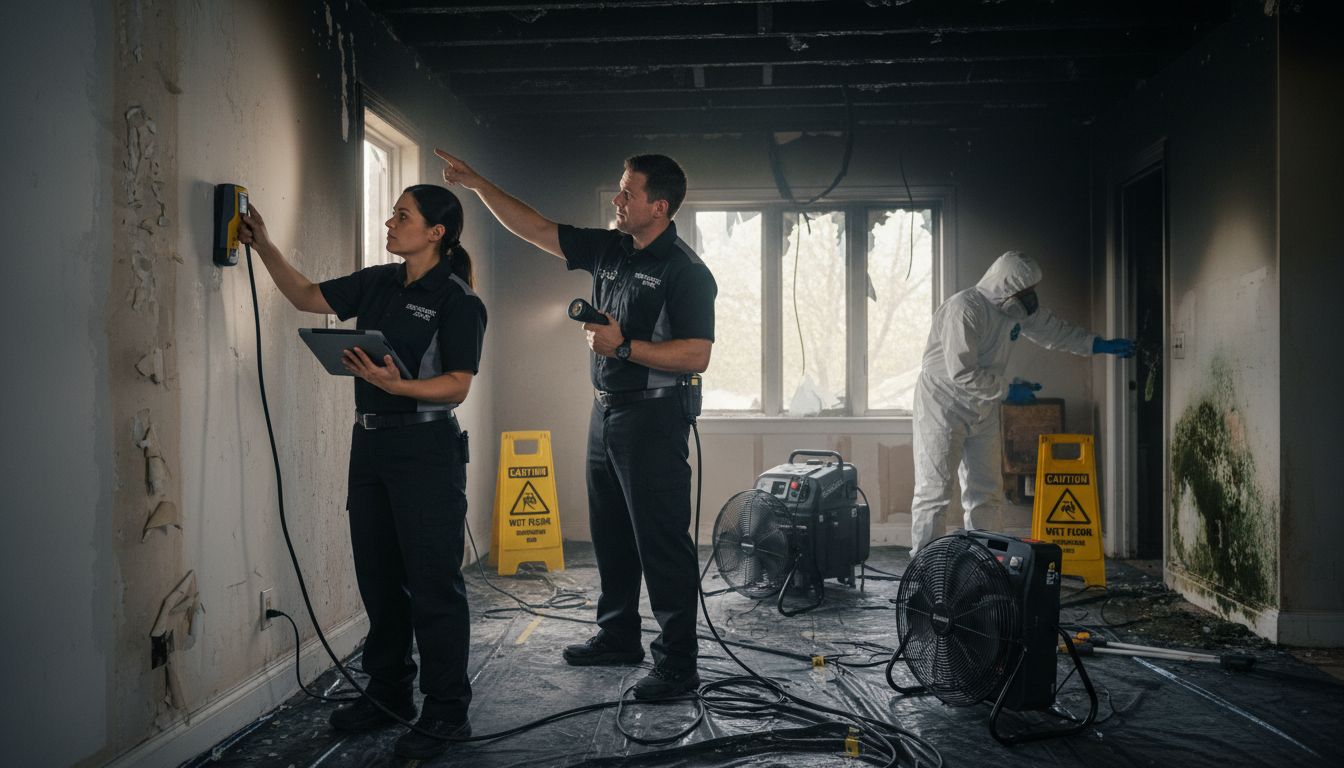
Unexpected disasters can strike any property, and recovering from major damage is rarely straightforward. In fact, over $50 billion is spent annually on property restoration in the United States alone, highlighting just how common and costly these events can be. When floodwaters recede or flames are finally out, restoring a property means more than patching up walls or replacing lost items. This guide explains how true property restoration goes beyond repairs, helping owners reclaim both safety and value.
Table of Contents
- Defining Property Restoration And Its Purpose
- Major Types Of Property Restoration Services
- Key Features Of Restoration Processes
- Costs, Insurance, And Legal Responsibilities
- Common Pitfalls And Prevention Tips
Key Takeaways
| Point | Details |
|---|---|
| Understanding Property Restoration | Property restoration is a comprehensive process aimed at returning damaged properties to their original state while preserving historical integrity. It involves specialized techniques to address various types of damage such as water, fire, and mold. |
| Types of Restoration Approaches | Four primary approaches include preservation, rehabilitation, restoration, and reconstruction, each tailored to specific needs and damage scenarios. Understanding the appropriate method is critical for effective rehabilitation. |
| Cost and Legal Responsibilities | Restoration costs vary based on damage extent and other factors; insurance coverage plays a crucial role in managing expenses. Property owners must also comply with legal regulations during the restoration process. |
| Avoiding Common Pitfalls | Property owners should engage certified professionals to prevent critical pitfalls, such as DIY repairs and using incompatible materials, which can compromise the property’s integrity. Implementing preventive measures is essential for effective restoration. |
Defining Property Restoration and Its Purpose
Property restoration represents a critical process of repairing, rehabilitating, and returning damaged properties to their original functional state. According to the National Park Service, restoration involves accurately depicting a property’s essential form, features, and character as it appeared during a specific period. This comprehensive approach goes far beyond simple repair work.
Property restoration encompasses a wide range of strategic interventions designed to address multiple types of property damage. These interventions can include addressing issues caused by water, fire, mold, storms, and other destructive events. The primary objectives are to:
- Prevent further property damage
- Restore structural integrity
- Protect inhabitants’ health and safety
- Minimize long-term financial losses
- Preserve the property’s original character and value
As the Getty Conservation Institute notes, restoration is not just about returning a property to its previous condition, but also about maintaining its historical integrity while allowing for necessary functional upgrades. Professional restoration teams use advanced technologies and methodical approaches to assess damage, develop comprehensive restoration strategies, and execute precise repair protocols.
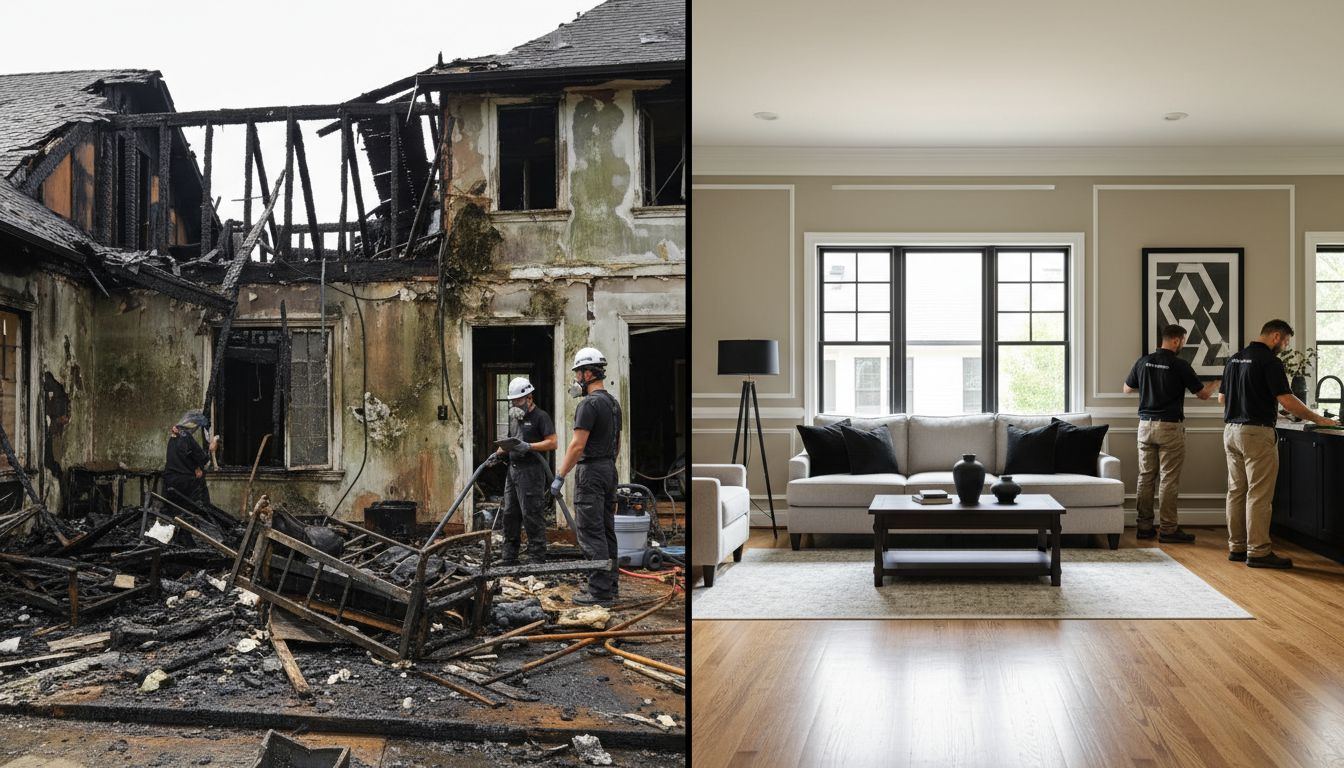
Understanding property restoration requires recognizing that it is a specialized, multi-step process requiring technical expertise, specialized equipment, and a strategic approach to property rehabilitation. From water extraction and structural drying to smoke remediation and mold prevention, restoration professionals work to transform damaged properties back into safe, functional spaces. Six Common Property Restoration Myths can provide additional insights into common misconceptions about this critical service.
Major Types of Property Restoration Services
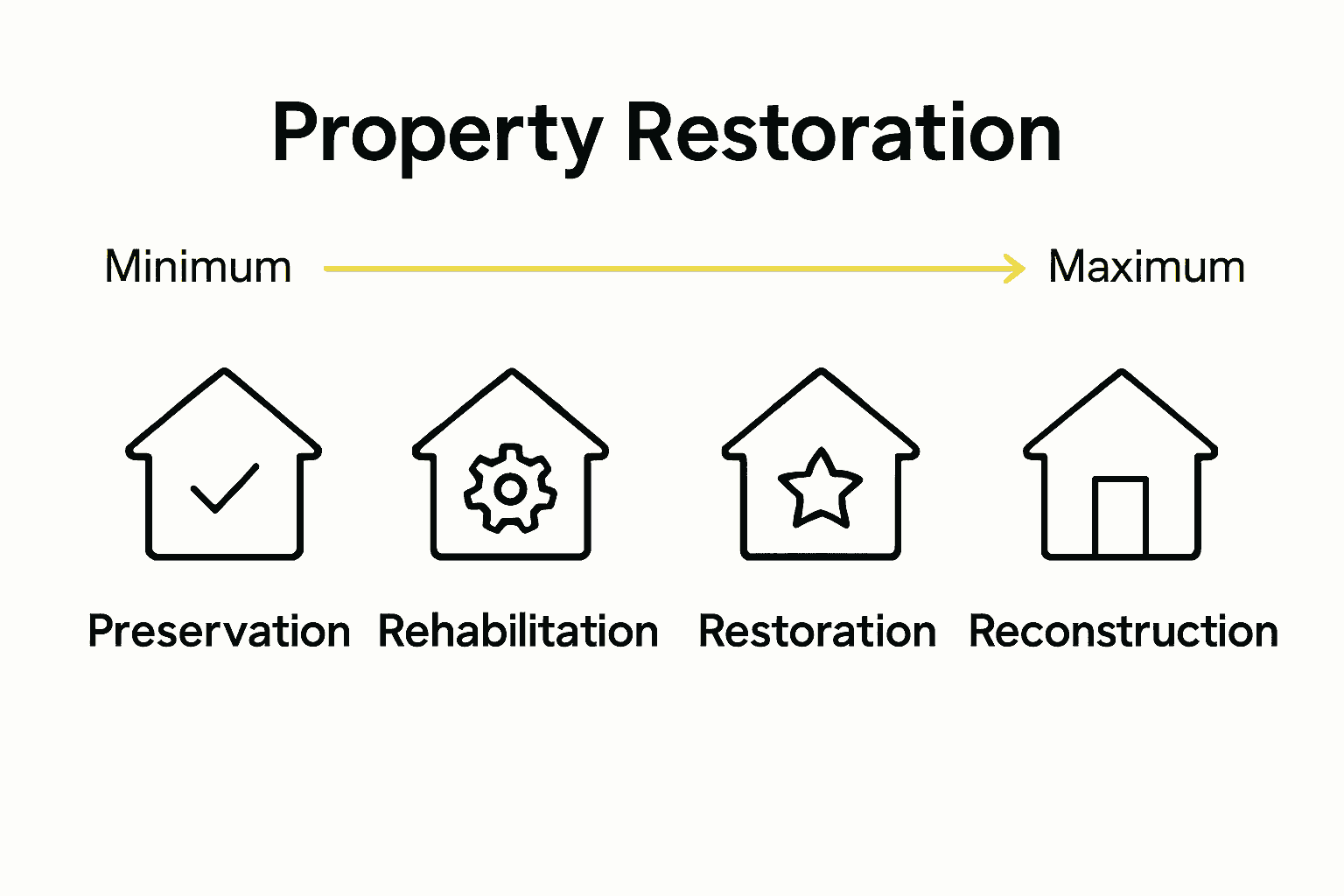
Property restoration encompasses several specialized approaches tailored to address different damage scenarios and preservation needs. According to the National Park Service, there are four primary treatments for property restoration: preservation, rehabilitation, restoration, and reconstruction. Each approach serves a unique purpose in managing and protecting property integrity.
Preservation Services focus on maintaining and protecting existing structures with minimal intervention. This method involves:
- Stabilizing current structural elements
- Preventing further deterioration
- Protecting original materials and architectural features
- Implementing preventive maintenance strategies
Rehabilitation Services involve making a property functional for contemporary use while respecting its historical character. This approach allows for strategic upgrades and modifications that enable continued property utility without compromising its essential architectural significance.
The Getty Conservation Institute highlights that restoration services aim to accurately depict a property’s appearance during a specific historical period. Restoration professionals meticulously remove features from other periods and reconstruct missing elements to maintain the property’s original character. These services are particularly crucial after significant damage events like fires, floods, or structural compromises.
The 4 Major Types of Property Damage You Should Know provides additional context about the specific damage scenarios that might necessitate these restoration approaches. Whether addressing water intrusion, fire damage, mold growth, or storm-related destruction, professional restoration services work to return properties to their optimal condition while preserving their fundamental structural and aesthetic integrity.
Key Features of Restoration Processes
Property restoration processes are complex, multifaceted approaches that require precision, expertise, and a deep understanding of structural rehabilitation. According to the National Park Service, restoration involves carefully depicting a property’s form, features, and character from a specific historical period while making necessary functional upgrades.
Assessment and Documentation represent the critical initial stages of any restoration process. Professional restoration teams typically conduct comprehensive evaluations that include:
- Detailed damage mapping
- Structural integrity analysis
- Material condition assessment
- Photographic and written documentation
- Comprehensive moisture and environmental readings
Technical Intervention is the next crucial phase, where restoration professionals implement targeted strategies to repair and rehabilitate damaged properties. This involves using specialized equipment and advanced techniques to address specific types of damage, whether from water, fire, mold, or structural deterioration.
The Getty Conservation Institute emphasizes that successful restoration requires a delicate balance between preserving original characteristics and implementing necessary modern upgrades. This means carefully removing features from other periods while reconstructing missing elements to maintain the property’s fundamental integrity.
Property Restoration Myths: Debunking the Most Common helps property owners understand that restoration is not a one-size-fits-all process. Each restoration project is unique, requiring customized approaches that consider the specific type of damage, property age, structural conditions, and desired outcome. Professional restoration teams bring technical expertise, specialized equipment, and a systematic approach to transform damaged properties back into safe, functional spaces.
Costs, Insurance, and Legal Responsibilities
Property restoration involves complex financial and legal considerations that property owners must carefully navigate. According to the National Park Service, understanding the financial implications of restoration projects is crucial for successful property rehabilitation and preservation.
Restoration Cost Factors can vary dramatically depending on several key variables:
- Extent of property damage
- Type of restoration required
- Age and historical significance of the property
- Complexity of reconstruction needs
- Local labor and material costs
- Specialized equipment and techniques required
Insurance coverage plays a critical role in managing restoration expenses. Most homeowners and commercial property insurance policies provide varying levels of protection for different types of damage, but the specifics can be complex. Property owners must carefully review their policies to understand:
- Coverage limits
- Specific types of damage included
- Exclusions and potential gaps in protection
- Deductible structures
- Claims processing requirements
The Getty Conservation Institute emphasizes that legal responsibilities extend beyond simple financial considerations. Property owners must comply with local building codes, historical preservation requirements, and potential environmental regulations during restoration processes.
What You Need to Know About Fire Damage Legal Liability Coverage provides additional insights into the intricate legal landscape surrounding property restoration. Professional restoration teams can help property owners navigate these complex requirements, ensuring that restoration efforts meet all necessary legal standards while protecting the property’s value and structural integrity.
Common Pitfalls and Prevention Tips
Property restoration is a nuanced process fraught with potential challenges that can compromise the integrity and value of a property. According to the National Park Service, property owners must be vigilant about avoiding inappropriate alterations that could permanently damage a property’s historical or structural essence.
Critical Restoration Pitfalls that property owners should be aware of include:
- Attempting DIY repairs without professional expertise
- Using incompatible materials for restoration
- Overlooking underlying structural damage
- Ignoring moisture and potential mold issues
- Failing to document damage for insurance purposes
- Delaying necessary restoration work
Prevention strategies are crucial for successful property restoration. Professional restoration teams recommend comprehensive approaches that minimize risks and protect property value. This involves:
- Conducting thorough initial damage assessments
- Engaging certified restoration professionals
- Using industry-standard restoration techniques
- Implementing immediate mitigation strategies
- Maintaining detailed documentation
- Addressing potential secondary damage sources
The Getty Conservation Institute emphasizes the importance of employing qualified conservation professionals who understand the delicate balance between preserving original characteristics and implementing necessary repairs.
Beware of These 8 Backyard Dangers highlights additional risk factors that can contribute to property damage. By understanding potential pitfalls and adopting proactive prevention strategies, property owners can significantly reduce the likelihood of extensive damage and ensure more effective, efficient restoration processes.
Restore Your Property with Confidence and Care
Understanding the different types of property restoration is crucial when facing damage from water, fire, mold, or storms. The challenges of addressing structural issues, preventing further harm, and preserving your property’s value create high stress and urgency. You need expert help that combines technical skill with compassionate service to navigate repairs, insurance concerns, and legal responsibilities.
At PuroClean of Northeast Sacramento, we specialize in comprehensive restoration solutions tailored to your unique situation. Our certified team uses advanced technology for water extraction, smoke remediation, mold removal, and rebuilding damaged areas while respecting your property’s original character. We stand ready 24/7 to help minimize losses and restore safety quickly.
Ready to protect your home or business and regain peace of mind?
Don’t wait until damage worsens. Visit PuroClean of Northeast Sacramento now to learn how our emergency restoration services can safeguard your property. Contact us immediately for a prompt professional assessment and begin the restoration process with confidence. Your property deserves expert care and fast action.
Frequently Asked Questions
What is property restoration?
Property restoration is the process of repairing and rehabilitating damaged properties to return them to their original functional state while preserving their historical integrity and character.
What are the different types of property restoration services?
The main types of property restoration services include preservation, rehabilitation, restoration, and reconstruction, each tailored to address specific damage scenarios and preservation needs.
Why is professional restoration important?
Professional restoration is crucial because it involves specialized expertise, equipment, and methods to ensure that properties are properly assessed, repaired, and restored, thus maintaining their safety, structural integrity, and value.
What factors influence the cost of property restoration?
Cost factors for property restoration can include the extent of damage, type of restoration required, age of the property, complexity of the work, and local labor and material costs.
Recommended
Understanding Kitchen Touch-Ups: A Homeowner’s Guide – WordPress
Top 10 Powerful Myths About Property Damage Restoration Debunked – PuroClean of Coral Gables
The Anatomy of a Fire Damage Job – PuroClean Property Damage Experts
6 FAQs about Property Damage Restoration in Miami: Ultimate Guide – PuroClean of Coral Gables
Six Common Property Restoration Myths – PuroClean Property Damage Experts