Understanding insurance coverage for water and fire damage
Navigating insurance coverage for water and fire damage in Northeast Sacramento can feel overwhelming. Many homeowners discover too late that their policies exclude wildfire damage or fail to cover flooding from nearby rivers. California insurers increasingly drop high-risk properties, leaving residents scrambling for alternatives. Understanding what your policy actually covers, recognizing common exclusions, and knowing how to document claims properly can mean the difference between full recovery and financial disaster. This guide clarifies coverage specifics, walks you through the claims process, and reveals strategies to maximize your insurance benefits when disaster strikes.
Table of Contents
Key takeaways
How insurance coverage works for water and fire damage in Northeast Sacramento
Navigating the water and fire damage insurance claims process effectively
Special considerations for property managers in Northeast Sacramento
Comparison of water vs fire damage claims and common pitfalls to avoid
How PuroClean of Northeast Sacramento can help
Frequently asked questions
Key Takeaways
Point
Details
Policy exclusions explained
Understand which water and fire damages are excluded or limited by your policy in Northeast Sacramento.
Document claims promptly
Timely and thorough documentation plus immediate mitigation are essential to maximize claim outcomes.
NFIP flood requirement
Flood risks in Sacramento require separate NFIP coverage because standard homeowners policies exclude flood events.
Professional help matters
Engaging public adjusters and professional restoration assessments can significantly improve claim results.
How insurance coverage works for water and fire damage in Northeast Sacramento
Standard homeowners policies typically cover three main areas when fire strikes your property. Dwelling coverage pays for structural repairs to your home. Personal property coverage replaces damaged belongings. Loss of use coverage handles temporary housing costs while repairs happen. Fire damage from wildfires or structure fires generally falls under these coverages, but California insurers increasingly exclude wildfires or drop policies in high-risk areas like Sacramento.
Wildfire coverage has become a critical concern for Northeast Sacramento residents. Insurance companies view the region as elevated risk due to drought conditions, vegetation density, and historical fire patterns. Some carriers refuse to renew policies entirely. Others add wildfire exclusions or raise premiums substantially. Understanding your fire damage legal liability coverage becomes essential if you face coverage gaps.
Water damage coverage operates differently depending on the source. Sudden pipe bursts, appliance failures, and plumbing leaks typically receive full coverage under standard policies. Water from fire suppression efforts also qualifies as covered damage. However, policies exclude gradual leaks from wear and tear. Mold resulting from water damage often faces strict limits or separate sub-limits. Your insurer will scrutinize whether damage was sudden and accidental versus preventable through maintenance.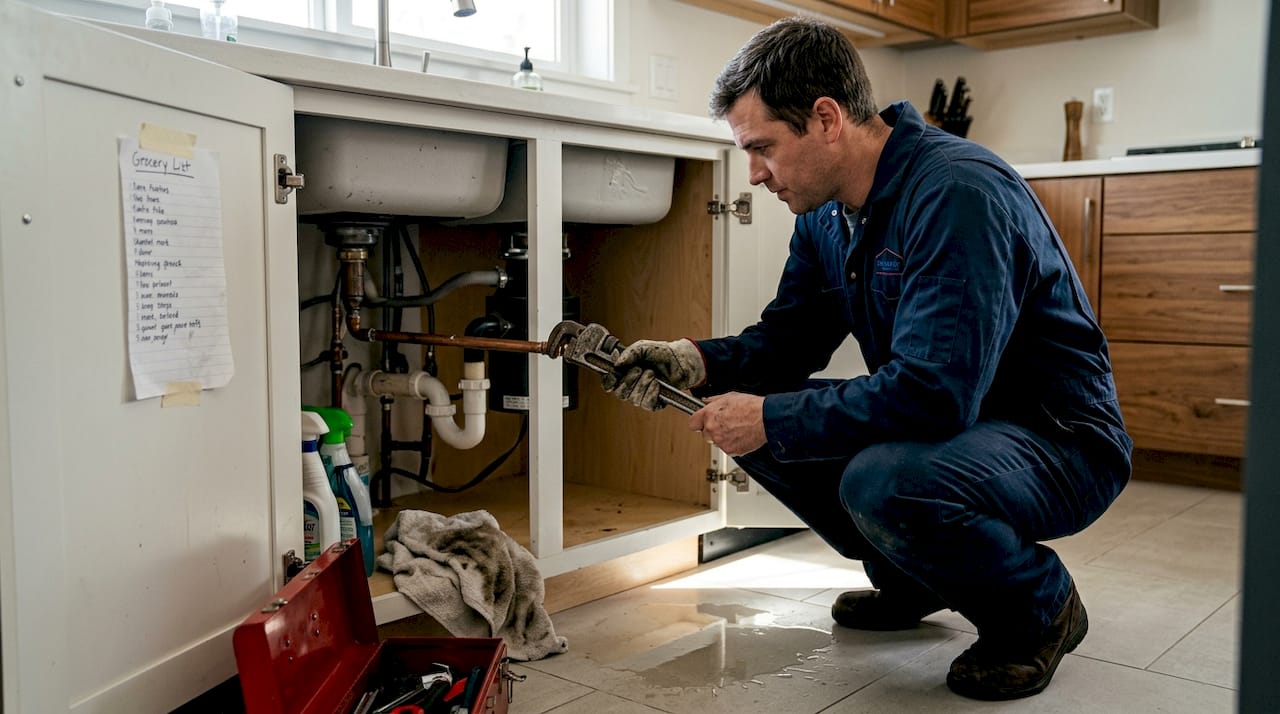
Sacramento flood risks from rivers require separate National Flood Insurance Program policies. Standard homeowners insurance excludes all flooding from external sources. The American River and Sacramento River create real flood threats during heavy rain seasons. Properties in flood zones must carry NFIP coverage to satisfy mortgage requirements. Even properties outside designated zones benefit from flood insurance given Sacramento’s geography.
Key coverage elements to verify in your policy:
Dwelling coverage limits matching current reconstruction costs
Personal property replacement cost versus actual cash value
Additional living expenses duration and daily limits
Water backup coverage for sewer and drain issues
Mold remediation sub-limits and conditions
Pro Tip: Insurance companies define sudden and accidental narrowly. A pipe that bursts overnight qualifies. A slow leak behind a wall for six months does not. Document all maintenance and repairs to prove you acted reasonably. This documentation protects you from wear and tear denials that insurers commonly use to reduce payouts. Understanding these definitions before filing helps you frame claims effectively and avoid automatic rejections that delay recovery.
Your property restoration information for residents should include policy details, coverage limits, and deductible amounts. Keep this information accessible for emergencies. Review your policy annually as coverage needs change with property improvements and market conditions.
Navigating the water and fire damage insurance claims process effectively
The insurance claims process follows specific steps that determine your final settlement. Acting quickly and methodically protects your rights and maximizes recovery. Missing deadlines or skipping documentation can cost you thousands in denied coverage.
Follow this sequence immediately after discovering damage:
Contact your insurance company within 24 hours to report the loss and open a claim file
Document everything with photos and videos showing all affected areas before cleanup begins
Take immediate steps to prevent further damage like tarping roofs or extracting standing water
Get professional damage assessments from certified restoration contractors for insurance records
Prepare for the adjuster inspection by organizing all documentation and damage evidence
Review the initial settlement offer carefully and negotiate based on professional assessments
Public adjusters represent policyholders rather than insurance companies during claims negotiations. Restoration claims show public adjusters can increase settlements 3-5x compared to homeowners negotiating alone. They understand policy language, damage valuation methods, and insurer tactics. Their fees typically run 10-15% of the settlement but often pay for themselves through higher payouts.
Quick mitigation protects both your property and your claim. Insurance policies require you to prevent additional damage after the initial loss. Failing to extract water quickly or secure fire-damaged structures can void coverage for secondary damage. Professional restoration reports document that you met this obligation. These reports also establish damage timelines that counter insurer arguments about pre-existing conditions or delayed claims.
“Homeowners who hire public adjusters in Sacramento see settlement increases averaging 3 to 5 times higher than those who negotiate directly with insurance companies, particularly for complex water and fire damage claims.”
California law requires insurers to acknowledge claims within 15 days and make coverage decisions within 40 days for most situations. When insurers deny claims or offer inadequate settlements, you have appeal rights. Keep detailed records of all communications, estimates, and repair invoices. These records become evidence if you need to escalate disputes to the California Department of Insurance.
Pro Tip: Create a claims binder immediately after damage occurs. Include policy documents, photos, videos, contractor estimates, adjuster reports, correspondence logs, and receipts for emergency repairs. Organize everything chronologically. This binder becomes your primary tool during negotiations and appeals. Insurers respect organized claimants who present clear evidence. Disorganized claims face more scrutiny and lower initial offers because adjusters assume you lack documentation strength.
Your step-by-step restoration process should align with insurance requirements. Professional restoration companies understand claims procedures and can provide documentation that satisfies adjuster requirements. Their detailed reports establish damage scope and necessary repairs using industry-standard methodologies that insurers recognize.
Working with experienced professionals who understand insurance claims guidance for homeowners streamlines the entire process and reduces stress during an already difficult time.
Special considerations for property managers in Northeast Sacramento
Property managers face unique responsibilities when water or fire damage affects rental units. Your obligations extend beyond standard homeowner duties to include tenant welfare, business interruption documentation, and maintaining legal compliance throughout the restoration process.
Critical property manager responsibilities include:
Notifying tenants immediately about damage, safety concerns, and restoration timelines
Securing damaged properties to prevent theft, vandalism, or additional weather damage
Documenting all conditions thoroughly before, during, and after restoration work
Coordinating with certified restoration professionals who understand commercial claim requirements
Maintaining detailed records of all tenant communications and temporary housing arrangements
Working with certified restoration contractors creates insurance-friendly damage reports that satisfy commercial policy requirements. Property managers must document tenant notifications, secure sites properly, and coordinate with restoration professionals for reports that insurers accept without excessive questioning. These professionals understand the documentation standards that commercial adjusters expect.
Lost rent coverage applies when units become uninhabitable due to covered damage. This coverage reimburses rental income you lose during restoration periods. Document everything related to lost rent including lease agreements, rent rolls, vacancy timelines, and restoration completion dates. Insurance companies scrutinize lost rent claims carefully, looking for reasons to reduce payouts or claim units were already vacant.
Insurance denials often cite wear and tear or claim you delayed reporting damage. Combat these tactics through meticulous documentation. Photograph properties regularly as part of routine inspections. Date-stamp all images. Maintain maintenance logs showing you addressed issues promptly. When damage occurs, document the timeline immediately. Show you discovered damage and reported it within policy timeframes.
Tenant safety creates additional liability exposure during restoration. Ensure contractors follow proper safety protocols. Document all safety measures taken. Communicate clearly with tenants about when they can safely return. Premature re-occupancy of damaged units can create health hazards and legal liability that insurance may not cover.
Your property restoration process guide should include tenant notification templates, documentation checklists, and contractor coordination procedures. Standardizing these processes ensures consistency across multiple properties and reduces the risk of missing critical steps during emergencies.
Understanding the property restoration timeline and recovery helps you set realistic expectations with tenants and owners. Accurate timelines reduce disputes and maintain positive relationships during stressful situations.
Comparison of water vs fire damage claims and common pitfalls to avoid
Water and fire damage claims differ significantly in average payouts, frequency, and common denial reasons. Understanding these differences helps you prepare appropriate documentation and avoid insurer tactics designed to reduce settlements.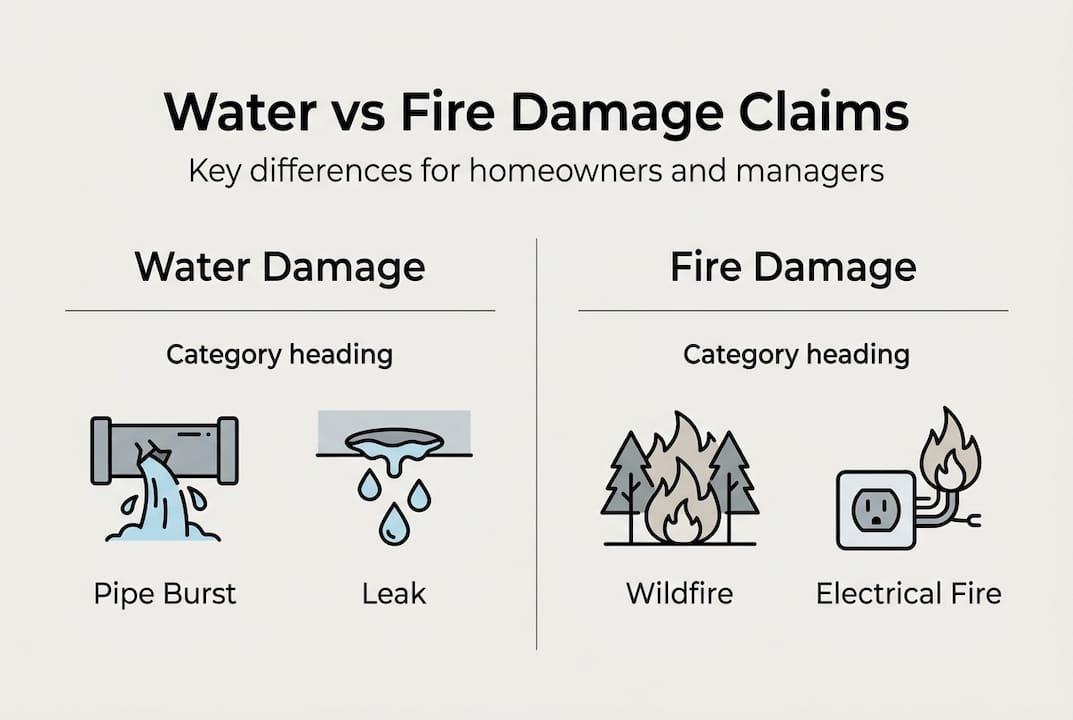
Claim type
Average payout
Claim frequency
Common exclusions
Typical denial reasons
Water damage
$11,000-$14,000
23-27% of claims
Flooding, gradual leaks, sewer backup
Wear and tear, delayed reporting
Fire damage
$83,519
Less common
Wildfires (increasingly), arson
Pre-existing damage, policy lapses
Average California water damage claims pay $11,000 to $14,000 while national fire damage claims average $83,519. Water claims represent 23 to 27% of all homeowners claims, making them the most frequent property insurance event. Fire claims occur less often but cause more extensive damage requiring complete rebuilds in many cases.
Common pitfalls that reduce settlements or trigger denials:
Waiting more than 48 hours to notify your insurance company about damage
Taking poor quality photos that fail to show damage extent or affected areas clearly
Misunderstanding policy exclusions and filing claims for uncovered damage types
Neglecting mold remediation coverage limits or fire suppression water damage documentation
Failing to understand appeal processes and accepting inadequate initial settlement offers
Not obtaining professional damage assessments before cleanup begins
California denial rates for water and fire claims remain high as insurers argue wear and tear or claim delayed reporting. State Farm and Farmers face particular scrutiny for high denial rates. Bad faith claims become possible when insurers act unreasonably, deny valid claims without proper investigation, or delay payments excessively.
Insurance companies use specific arguments to deny or reduce California claims. They claim damage resulted from deferred maintenance rather than sudden events. They argue you failed to mitigate damage properly after the initial loss. They dispute damage extent by claiming pre-existing conditions. They invoke policy exclusions creatively to avoid coverage obligations.
Recognizing bad faith requires understanding your policy rights. Insurers must investigate claims promptly and thoroughly. They cannot deny claims without reasonable basis. They must communicate decisions clearly with specific policy language citations. When insurers violate these obligations, you may have grounds for bad faith claims that include penalty damages beyond the original claim amount.
Professional support becomes valuable when facing claim disputes. Public adjusters, attorneys specializing in insurance claims, and restoration experts who provide detailed damage assessments all strengthen your negotiating position. Their expertise counters insurer tactics and ensures you receive fair settlements based on actual damage rather than minimized estimates.
Understanding fire damage assessment in Sacramento helps you recognize when professional evaluations will strengthen your claim position and justify higher settlement amounts.
How PuroClean of Northeast Sacramento can help
Facing water or fire damage creates immediate stress and uncertainty about recovery. Professional restoration support makes the difference between chaotic scrambling and organized recovery that maximizes insurance benefits while protecting your property value.
PuroClean offers fire damage restoration services specifically designed for Sacramento’s unique environmental challenges. Their certified technicians understand local building codes, insurance requirements, and the fastest paths to complete recovery. Available 24/7, they respond immediately to prevent secondary damage that insurers often refuse to cover.
Water damage and fire suppression efforts often create mold growth within 24 to 48 hours. PuroClean’s mold mitigation and removal services address these threats before they compromise your health or trigger insurance coverage disputes about whether mold resulted from covered damage or neglected maintenance.
Severe water events may require sewage cleanup and sanitization to ensure safe property recovery. Professional sanitization meets health department standards and provides documentation that satisfies insurance requirements for complete restoration.
Working with experienced restoration professionals creates accurate insurance documentation from the start. Their detailed assessments, photo documentation, and industry-standard repair estimates give you negotiating power with adjusters. This partnership supports faster claim resolutions and higher settlement amounts that cover actual restoration costs rather than minimized insurer estimates.
Frequently asked questions
What insurance policies typically cover water and fire damage?
Standard homeowners policies cover sudden fire damage to dwellings, personal property, and additional living expenses. They also cover sudden water damage from pipe bursts and appliance failures. However, they exclude flooding from external sources, requiring separate NFIP flood insurance. Wildfire coverage is increasingly excluded in California high-risk areas.
When should I hire a public adjuster for my claim?
Consider hiring a public adjuster when damage exceeds $25,000, your insurer denies your claim, or the initial settlement offer seems inadequate. Public adjusters work for you rather than the insurance company and typically increase settlements 3 to 5 times compared to homeowners negotiating alone. Their 10 to 15% fee often pays for itself through higher payouts.
Why do insurance companies deny water and fire damage claims?
Insurers commonly deny claims citing wear and tear rather than sudden damage, delayed reporting beyond policy timeframes, or inadequate damage mitigation. They may argue damage existed before the policy period or resulted from excluded causes like flooding. Strong documentation showing sudden damage, immediate reporting, and proper mitigation counters these denial tactics.
Can property managers claim lost rent after water or fire damage?
Yes, commercial policies typically include lost rent coverage when units become uninhabitable due to covered damage. Document lease agreements, rent rolls, damage timelines, and restoration completion dates thoroughly. Insurers scrutinize these claims carefully, so maintain detailed records proving units were occupied and generating income before damage occurred.
What options exist if my policy excludes wildfire coverage?
Explore California FAIR Plan coverage, which provides basic fire insurance for high-risk properties traditional insurers reject. Combine FAIR Plan dwelling coverage with a separate policy for personal property and liability. Some specialty insurers still offer wildfire coverage at higher premiums. Consider increasing your emergency fund to self-insure against coverage gaps.
Recommended
PuroClean of Northeast Sacramento: All You Need to Know About Fire Damage Legal Liability Coverage – PuroClean of Northeast Sacramento
Why Document Water Damage: Essential Guide – PuroClean of Northeast Sacramento
What Is Water Damage? Complete Guide for Property Owners – PuroClean of Northeast Sacramento
Importance of Fire Restoration – Protecting Property and Health – PuroClean of Northeast Sacramento