 PuroClean of Northeast Sacramento
 Water Mitigation Explained: Complete Guide to Protection
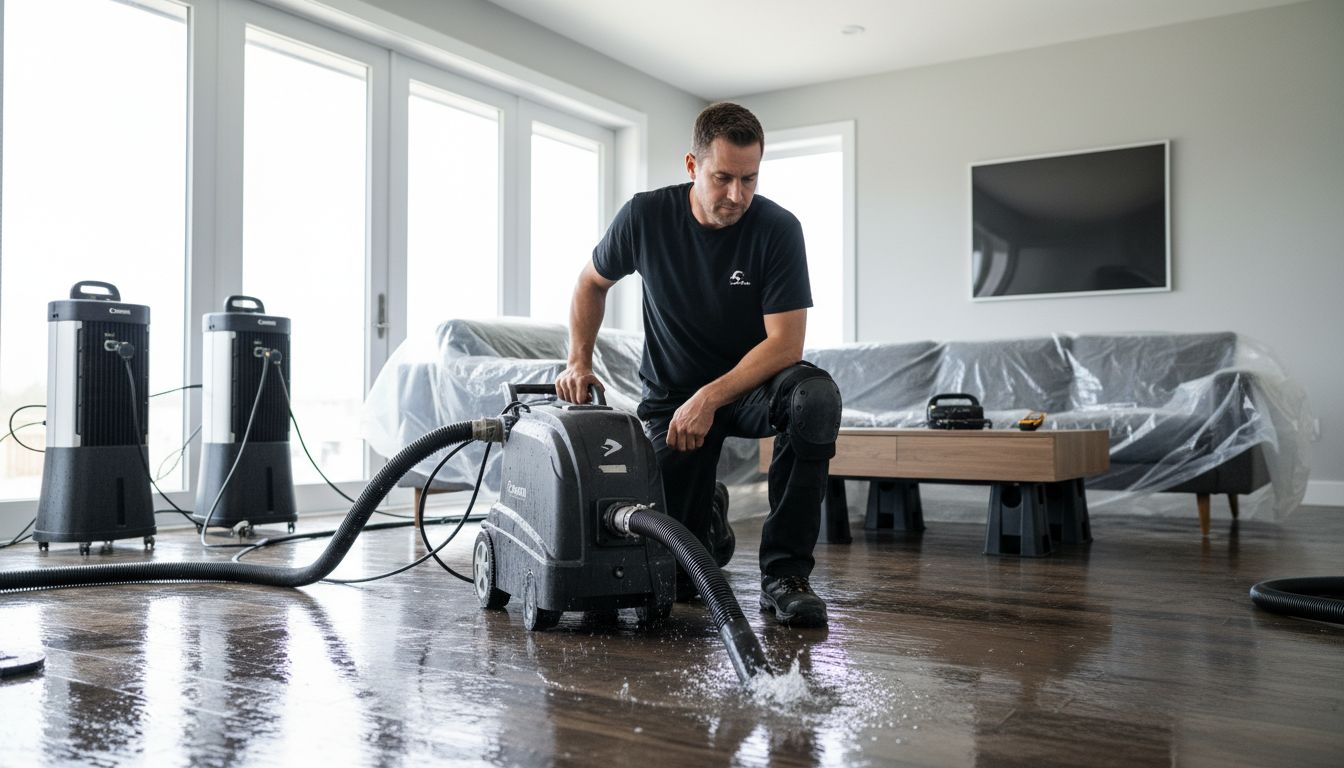
Did you know that even a tiny leak can result in over 250 gallons of wasted water a day if left unchecked? Water damage can quietly ruin your property and cost you thousands before you realize the extent. Understanding water mitigation means taking smart, urgent steps to protect your home or business. Knowing what to do when water strikes can prevent further destruction, safeguard your health, and help you avoid expensive repairs or insurance hassles.
Table of Contents
- What Is Water Mitigation? Key Concepts Defined
- Types of Water Damage and Mitigation Approaches
- Essential Steps in the Water Mitigation Process
- Common Mistakes and How to Avoid Them
- Costs, Insurance, and Homeowner Responsibilities
Key Takeaways
| Point | Details |
|---|---|
| Importance of Water Mitigation | Water mitigation is a critical first response to water intrusion, aiming to prevent further damage and preserve property integrity. |
| Types of Water Damage | Water damage is categorized into three types (Clean, Gray, Black) that each necessitate specific mitigation techniques. |
| Immediate Response Steps | Prompt actions include stopping the water source, removing standing water, and sanitizing areas to prevent long-term damage. |
| Financial Considerations | Mitigation costs can range widely, and homeowners should be aware of their insurance coverage and responsibilities in such scenarios. |
What Is Water Mitigation? Key Concepts Defined
Water mitigation represents the critical first response process designed to prevent further damage after water intrusion occurs in a property. Think of it like emergency first aid for your building: rapid, strategic actions taken to minimize potential destruction and protect structural integrity.
According to the EPA green infrastructure research, effective water mitigation involves comprehensive strategies that go beyond simply removing standing water. The core objectives include:
- Stopping additional water entry
- Removing moisture quickly
- Preventing secondary damage like mold growth
- Preserving building materials and personal property
- Reducing potential long term structural compromise
Water mitigation professionals employ specialized techniques and equipment to assess and address water damage systematically. This might involve using industrial-grade water extractors, strategic dehumidification, targeted drying methods, and detailed moisture mapping. The goal isn’t just cleanup – it’s comprehensive property preservation.
For an in-depth look at specific water damage response strategies, check out our guide on how water mitigation works.
Types of Water Damage and Mitigation Approaches
Water damage is not a one-size-fits-all problem. According to research from Massachusetts state guidelines, water damage is categorized into distinct types that require specialized mitigation strategies.
According to environmental research, water damage falls into three critical categories:
- Category 1 (Clean Water): Originates from sanitary sources like broken water supply lines. Least contaminated and quickest to mitigate.
- Category 2 (Gray Water): Contains significant contamination. Comes from sources like dishwasher overflows or washing machine discharge. Requires more extensive cleaning.
- Category 3 (Black Water): Most dangerous category. Includes sewage backups and flood waters containing dangerous pathogens and chemicals.
Each water damage type demands a unique approach, with mitigation strategies ranging from immediate water extraction to comprehensive decontamination and structural drying.
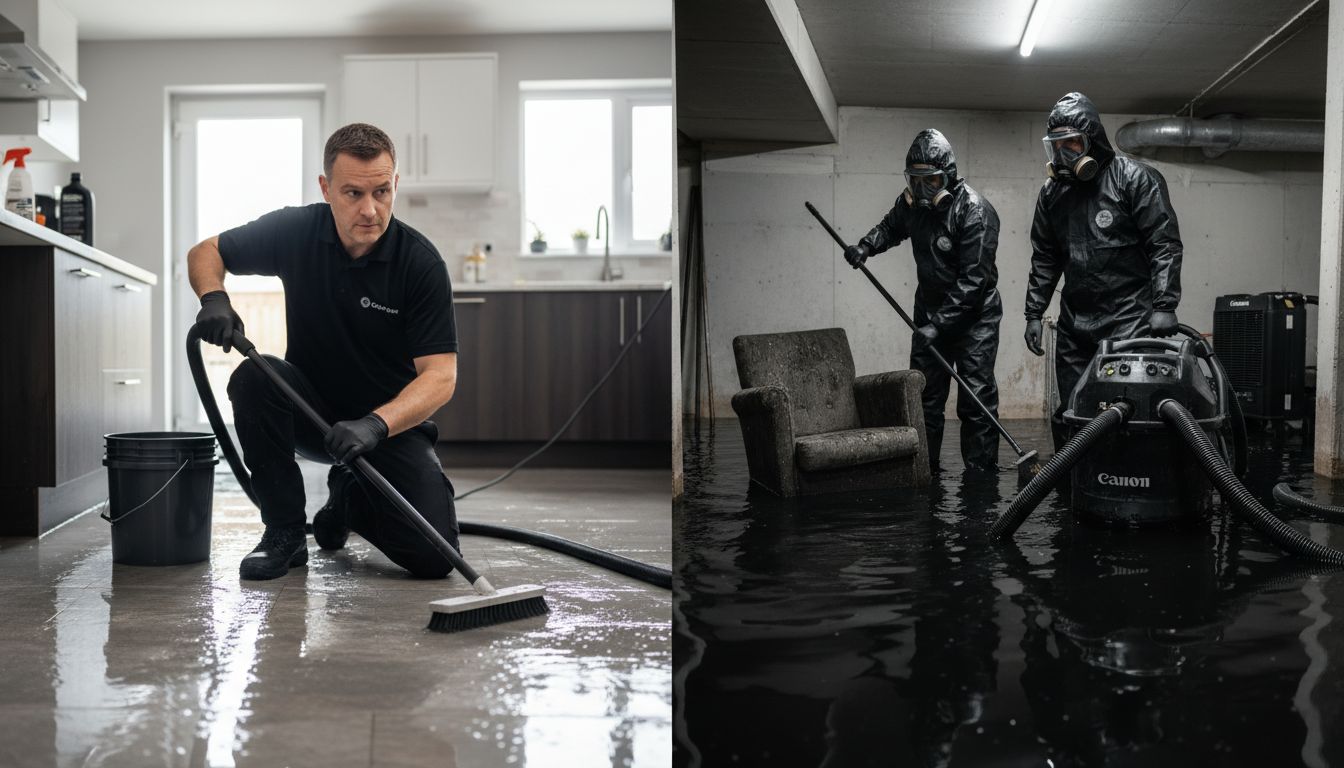 For practical steps in handling these scenarios, check out our DIY water damage cleanup guide to understand the critical first actions homeowners should take.
Here’s a comparison of water damage categories and the recommended mitigation strategies:
| Water Damage Category | Source Examples | Contamination Level | Recommended Mitigation Approach |
|---|---|---|---|
| Category 1 (Clean Water) | Broken water supply line Faucet leak | Low | Quick water extraction Basic drying |
| Category 2 (Gray Water) | Washing machine overflow Dishwasher leak | Moderate | Remove water Thorough cleaning Disinfect affected areas |
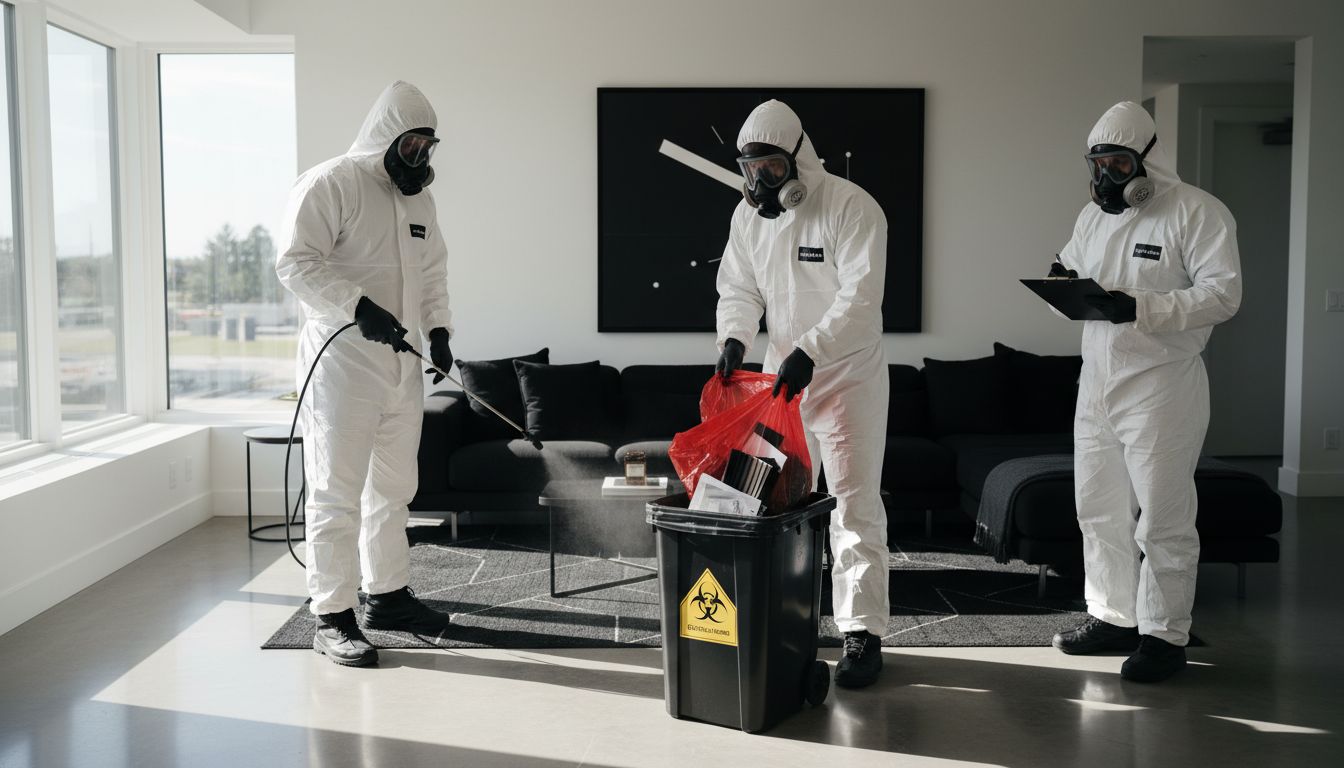
| Category 3 (Black Water) | Sewage backup Flood waters | High | Full water removal Comprehensive decontamination Protective equipment use |
Essential Steps in the Water Mitigation Process
According to Massachusetts state guidelines, the water mitigation process is a systematic approach designed to minimize damage and prevent long-term structural issues. The process begins with critical initial assessments and rapid response strategies.
Immediate Action Steps:
- Identify and Stop Water Source
- Assess Water Category and Contamination Level
- Remove Standing Water
- Dry Affected Areas
- Sanitize and Disinfect
- Evaluate Structural Damage
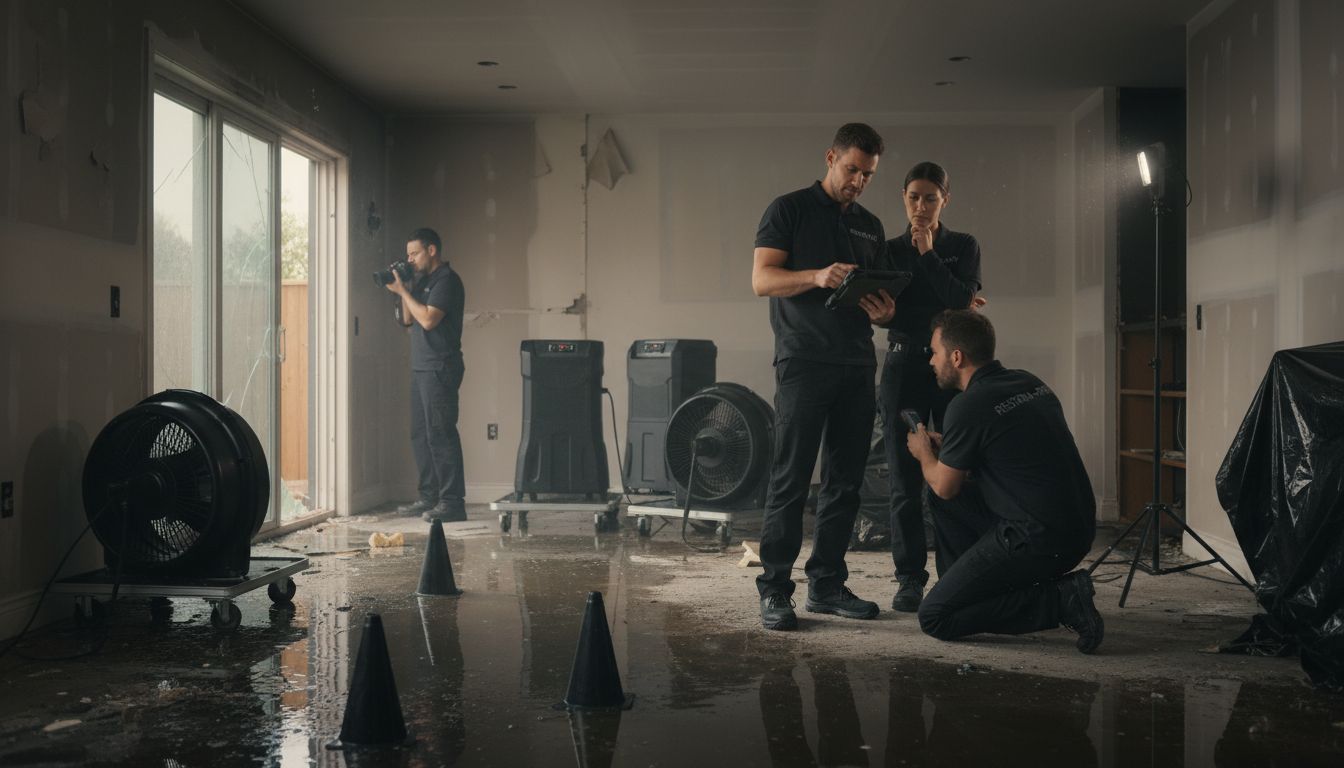
Environmental research emphasizes that the process involves immediate water removal, comprehensive drying techniques, thorough sanitization, and systematic debris removal. Professional water mitigation requires specialized equipment like industrial-grade dehumidifiers, moisture meters, and advanced air movers to effectively restore the affected environment.
The complexity of water damage demands expert intervention. For comprehensive insights into managing water damage effectively during the critical first 24 hours, explore our water damage restoration guide.
Common Mistakes and How to Avoid Them
According to Massachusetts state guidelines, delaying water damage response can lead to catastrophic consequences. Timing is critical in water mitigation, and homeowners often make costly errors that compound their damage.
Top Water Damage Mitigation Mistakes:
- Ignoring Small Leaks: Minor water issues can rapidly escalate into major structural problems
- DIY Without Proper Equipment: Home fans and towels are insufficient for comprehensive water removal
- Assuming Surfaces Are Dry: Hidden moisture can create long-term damage and mold risks
- Delaying Professional Assessment: Professional intervention prevents secondary damage
Environmental research emphasizes that neglecting immediate water mitigation increases health risks and structural deterioration. Professional interventions can prevent mold growth, structural compromise, and potential long-term property value reduction.
To understand the nuanced approaches for effective water damage management, explore our water damage experts’ guide on drying and prevention for comprehensive insights into avoiding these common pitfalls.
Costs, Insurance, and Homeowner Responsibilities
Water damage mitigation involves complex financial considerations that every homeowner should understand. According to environmental research, the costs vary dramatically based on damage severity and response time.
Key Financial Considerations:
- Water mitigation expenses range from $1,000 to $5,000 for minor damage
- Extensive water damage can cost between $5,000 and $20,000
- Minor repairs might be covered by standard homeowners insurance
- Flood-related damages often require specialized insurance
National Flood Insurance data reveals promising news for proactive homeowners: FEMA offers grants covering up to 75% of mitigation project costs for eligible properties. This financial support underscores the importance of prompt, documented water damage response.
Homeowners bear significant responsibilities in water damage scenarios. Documentation is crucial – photograph damage immediately, maintain detailed repair records, and contact your insurance provider promptly. For comprehensive guidance on navigating the complex insurance landscape, check out our complete water cleanup checklist.
Protect Your Property with Professional Water Mitigation Services
Water damage can escalate quickly and cause serious harm to your home or business if not addressed immediately. The article highlights critical steps like identifying water categories, stopping the source, and thorough drying to prevent lasting damage and costly repairs. Common mistakes such as delaying action or attempting DIY cleanup often lead to mold growth and structural issues. These challenges reflect the urgent need for expert intervention that offers rapid, comprehensive solutions.
At PuroClean of Northeast Sacramento, we specialize in water mitigation using advanced equipment and industry-trained technicians available 24/7 to restore your property efficiently. Our approach aligns perfectly with the article’s focus on quick water removal, thorough sanitization, and preventing secondary damage.
Take control of your water damage emergency today with trusted professionals committed to your peace of mind and property protection.
Don’t let water damage worsen. Visit our Northeast Sacramento water damage restoration page now to get immediate help. Learn how our certified experts follow best practices described in the guide. Check out our resources on water damage cleanup and water mitigation strategies to stay informed. Contact us today and start your property’s recovery before it’s too late.
Frequently Asked Questions
What is water mitigation?
Water mitigation is the emergency process that prevents further damage after water intrusion occurs in a property. It involves stopping additional water entry, removing moisture quickly, and preventing secondary damage such as mold growth.
What are the different categories of water damage?
Water damage is categorized into three types: Category 1 (Clean Water), Category 2 (Gray Water), and Category 3 (Black Water). Each category has a different contamination level and requires specific mitigation strategies.
What steps are involved in the water mitigation process?
The water mitigation process includes identifying and stopping the water source, assessing the contamination level, removing standing water, drying affected areas, sanitizing and disinfecting, and evaluating structural damage.
How much does water mitigation usually cost?
Water mitigation costs can range from $1,000 to $5,000 for minor damage, while extensive damage may cost between $5,000 and $20,000. It’s important to document all damage for insurance purposes.
Recommended
Hardwood Floor Drying – PuroClean of Alexandria
How does Water Mitigation Works: 10 Tips – PuroClean of Alexandria
WATER DAMAGE – Prevention is the Best Medicine – PuroClean of Alexandria
 PuroClean of Northeast Sacramento