


Water Removal Technology: Fast Solutions for Sacramento
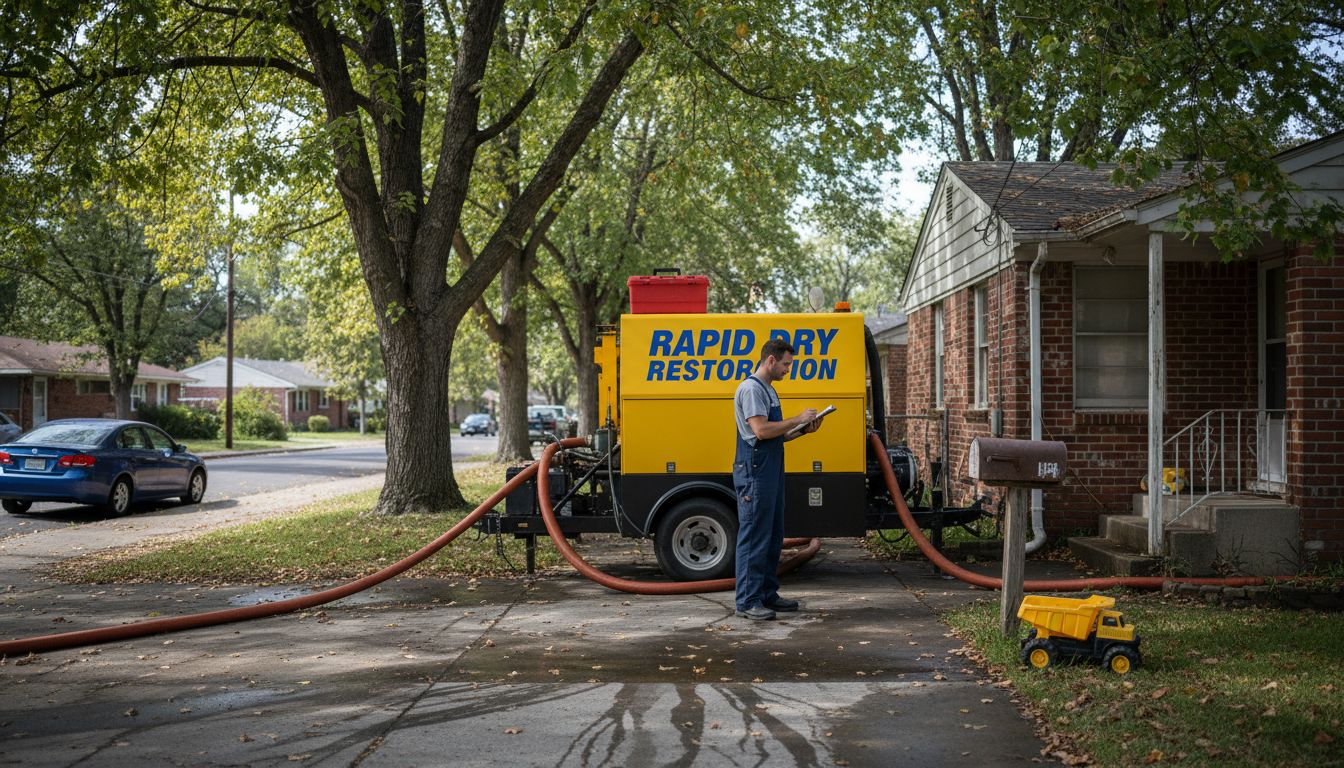
When water from a burst pipe or unexpected flood threatens your Northeast Sacramento home, acting within hours can mean the difference between swift recovery and months of costly repairs. Water damage emergencies in your area require fast, coordinated solutions—especially with average household water damage claims exceeding $12,500 in the United States and nearly a quarter of all homeowners claims linked to water intrusion. Learn how specialized water removal technology protects your investment, speeds up restoration, and helps you navigate insurance claims without added stress.
Table of Contents
- Defining Water Removal Technology In Restoration
- Key Extraction And Drying Methods Explained
- Advanced Detection Tools And Regional Standards
- Real-Time Monitoring And Rapid Response Systems
- Risks, Costs, And Insurance Claim Impact
- Common Mistakes And Choosing The Right Service
Key Takeaways
| Point | Details |
|---|---|
| Water Removal Technology | Specialized equipment and methods are essential for effective water extraction and to prevent structural damage and mold growth after a leak or flood. |
| Advanced Detection Tools | Technologies such as thermal imaging cameras and moisture meters are critical for accurately assessing moisture levels and ensuring thorough drying. |
| Immediate Response is Key | Prompt action within the first 24 hours after detecting water damage significantly reduces restoration costs and prevents health hazards like mold growth. |
| Documentation Matters | Keeping detailed records of moisture readings, repairs, and communication with your restoration company can support your insurance claims and ensure proper coverage. |
Defining Water Removal Technology in Restoration
Water removal technology in the restoration industry refers to the specialized equipment and methods used to extract water from your home and prevent structural damage after a flood or leak. When a pipe bursts or heavy rain overwhelms your property, this technology becomes your first line of defense against costly repairs and mold growth. It’s not just about pulling water out of your basement—it’s a complete system designed to work fast and protect everything you own.
At its core, water removal technology encompasses physical extraction systems, advanced drying equipment, and dehumidification units that work together to eliminate moisture from walls, floors, and structural materials. These tools detect hidden pockets of water in insulation, subflooring, and framing that you can’t see with the naked eye. Modern restoration techniques have evolved to include real-time moisture monitoring, ensuring every area of your home returns to safe levels before any reconstruction begins.
The technology pulls water out using industrial-grade pumps and extraction equipment while simultaneously beginning the drying process with strategically placed air movers and dehumidifiers. Water removal efforts also focus on managing hydrological processes and preventing secondary damage like structural deterioration and mold colonization. In your home, this means the difference between a one-week recovery and months of dealing with hidden moisture problems that threaten your walls and foundations.
What makes this technology valuable for Sacramento homeowners is speed combined with precision. Your property isn’t treated with a one-size-fits-all approach—professionals assess moisture content in different materials and adjust equipment placement to target specific problem areas. A wet basement isn’t dried the same way as saturated drywall or carpeting soaked in a burst pipe scenario.
Understanding how water removal technology works helps you recognize when your situation requires emergency mitigation versus standard cleanup. If water has been sitting for more than 24 hours or has affected building materials below the surface, industrial-grade equipment becomes necessary to prevent permanent structural compromise and health hazards.
Here’s a quick comparison of water removal technologies used in home restoration:
| Technology Type | Main Purpose | Best Application Scenario | Impact on Restoration Timeline |
|---|---|---|---|
| Extraction Systems | Remove standing water | Flooded basements and floors | Reduces initial recovery time |
| Air Movers | Accelerate evaporation | Wet drywall, subfloor, ceilings | Speeds up material drying |
| Dehumidifiers | Lower indoor humidity | Confined spaces, crawl areas | Prevents ongoing moisture |
| Moisture Meters | Measure material moisture | Hidden wet spots in walls/floor | Ensures thorough drying |
Pro tip: Call for water removal services immediately after discovering a leak or flood—within the first 24 hours significantly improves outcomes and reduces total restoration costs by preventing mold and structural decay.
Key Extraction and Drying Methods Explained
Water extraction happens first and fastest. Powerful submersible pumps and truck-mounted extraction units pull standing water from floors, basements, and crawl spaces within hours of arrival. In Northeast Sacramento homes, this initial extraction prevents water from soaking deeper into concrete slabs and wooden subflooring where it causes permanent structural damage.
After the bulk water is removed, the real work begins with drying technology designed to eliminate moisture trapped in materials. Air movers create directional airflow across wet surfaces, accelerating evaporation from drywall, insulation, and flooring. These aren’t ordinary fans—industrial-grade air movers move air at speeds that saturated materials can’t resist, pulling moisture toward dehumidification equipment positioned throughout your home.
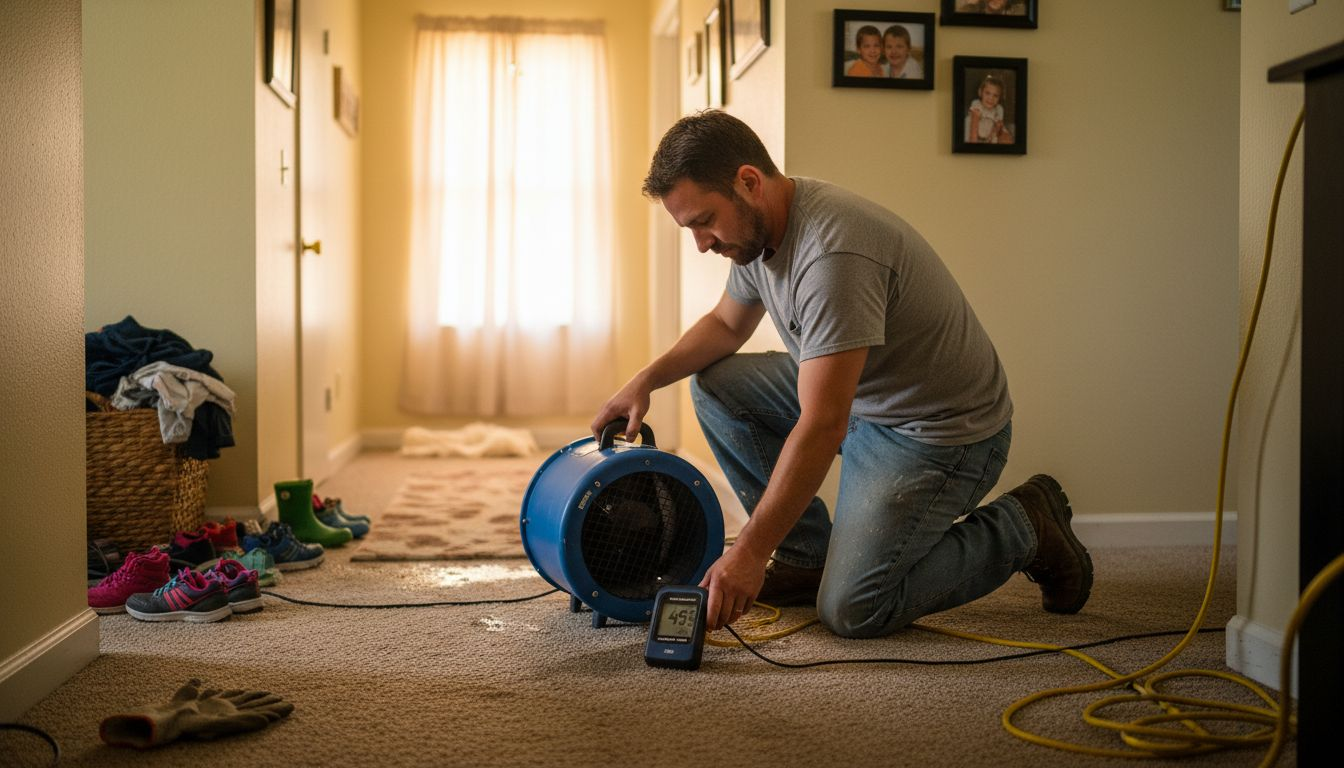
Dehumidifiers work by pulling moisture-laden air across cold coils, condensing water vapor back into liquid form that drains away. This process repeats continuously, gradually lowering the humidity in your space from 90 percent down to normal levels around 50 percent. Advanced drying techniques monitor moisture content in real time, ensuring no hidden wet spots remain once reconstruction begins.
Thermographic imaging and moisture meters pinpoint exactly where water has penetrated beyond visible surfaces. Professionals use thermal cameras to identify cold spots indicating moisture concentration in walls and under flooring. Moisture readings tell them when materials have returned to acceptable levels, which varies depending on whether you’re drying drywall, carpet, or wooden framing.
Specialized techniques differ based on your situation. A burst pipe in your attic requires different equipment placement than a flooded basement. Crawl spaces need portable dehumidifiers rated for confined areas, while finished basements benefit from negative pressure systems that pull moisture toward central extraction points.
Pro tip: Don’t attempt to dry your home with standard household fans and open windows—professional equipment removes moisture 5 to 10 times faster, dramatically reducing the timeline for mold growth and structural decay.
Advanced Detection Tools and Regional Standards
Professional water restoration in Sacramento follows strict industry standards that dictate exactly how moisture should be detected and measured. The ANSI/IICRC S500 Standard sets the baseline for water damage restoration procedures across the United States, ensuring restoration companies use consistent methods and advanced detection tools regardless of location. This standardization protects homeowners by guaranteeing that your Northeast Sacramento restoration meets the same rigorous requirements as properties in California, Nevada, or any other state.
Thermal imaging cameras are the frontline detection weapon. These specialized devices see temperature variations that reveal moisture concentration behind walls and under flooring that your eyes cannot detect. A thermal camera shows your restoration professional exactly where moisture has migrated, preventing incomplete drying that leads to mold growth months after the visible water is gone.
Moisture meters measure the actual water content within materials like drywall, wood, and carpet. Digital readings tell professionals when materials have dried to acceptable levels, which varies by material type. Drywall can tolerate higher moisture readings than hardwood flooring, so technicians use different target numbers for different surfaces, always guided by industry standards.
Sacramento’s climate and regional humidity levels influence drying timelines and equipment selection. The Sacramento Valley’s dry summers accelerate evaporation naturally, yet winter moisture and occasional flooding require professionals to understand local conditions. Restoration companies serving Northeast Sacramento adjust their strategies based on seasonal factors and the specific moisture challenges your region experiences.
Regional standards also address contamination levels and health hazards. Water from a burst pipe differs dramatically from floodwater that may contain sewage or chemicals. Professional assessment tools and protocols help determine treatment needs and safety precautions required for your specific situation.
Pro tip: Ask your restoration company if they follow the ANSI/IICRC S500 Standard and request to see moisture meter readings—transparent documentation proves your drying is thorough and protects your insurance claim.
Real-Time Monitoring and Rapid Response Systems
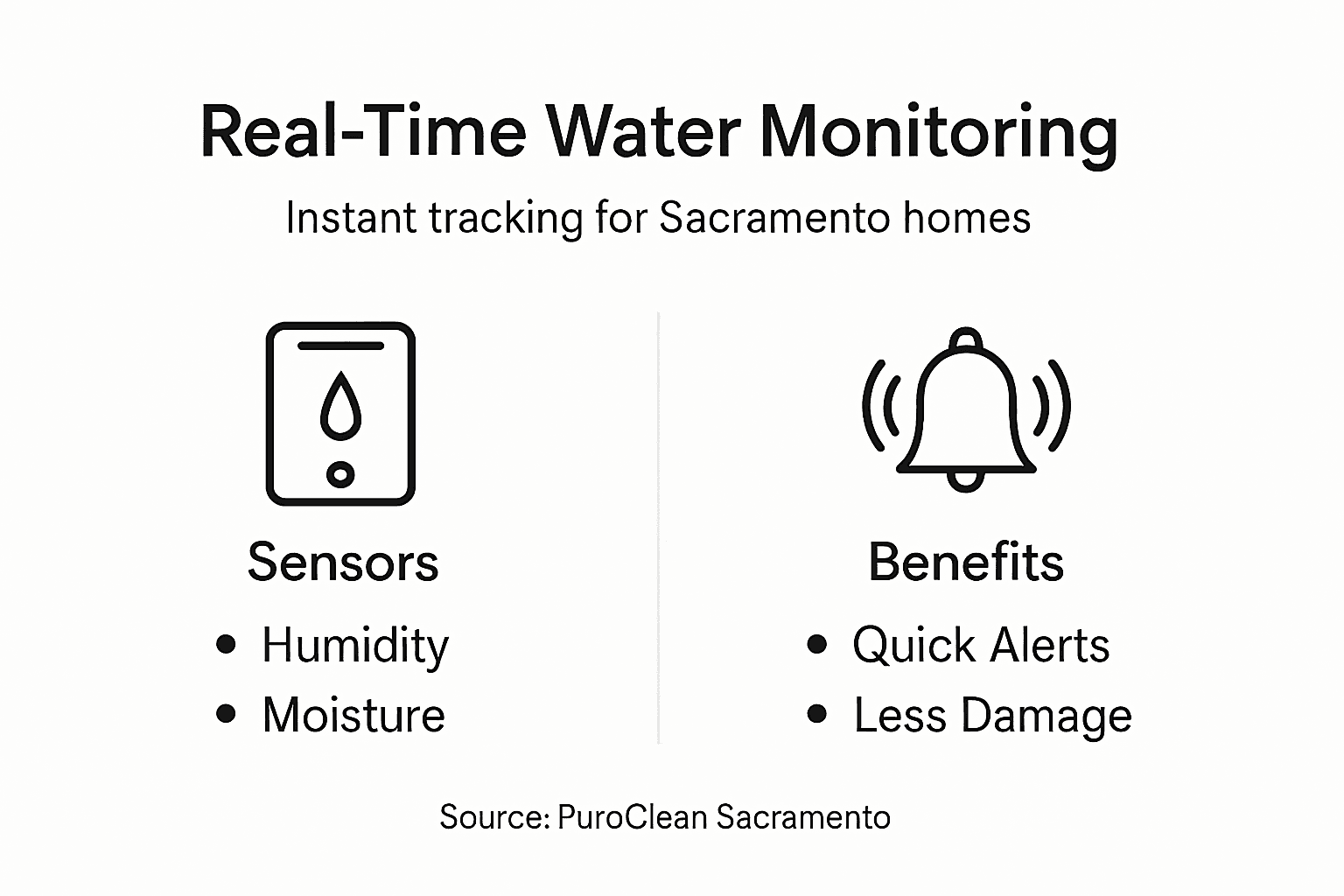
Real-time monitoring transforms water restoration from reactive cleanup into predictive damage prevention. Modern restoration companies use continuous data collection systems that track moisture levels, humidity, and temperature throughout your home every single minute. This constant surveillance catches problems before they become catastrophic, alerting technicians when equipment needs adjustment or when hidden moisture pockets are developing.
Sensors placed strategically throughout your property feed data to a central monitoring hub that professionals access remotely. Instead of guessing whether your basement is dry, technicians see actual readings proving moisture has reached safe levels. Your restoration company can adjust equipment placement and drying strategies in real-time rather than waiting days to discover something was missed.
Rapid response systems mean the difference between hours and days of water sitting in your home. When you call for emergency restoration in Northeast Sacramento, dispatch systems activate within minutes. Trained crews with extraction equipment arrive while water is still pooling, before it soaks into insulation and subflooring where it becomes invisible and destructive. The faster that initial water removal happens, the shorter your total drying timeline becomes.
24/7 availability ensures someone responds no matter when your emergency occurs. Burst pipes don’t wait for business hours. A pipe rupturing at midnight requires immediate extraction to prevent water from flowing through your walls for eight hours before morning arrives. Emergency response protocols keep teams ready to mobilize instantly.
Monitoring data also creates documentation for your insurance claim. Every moisture reading, temperature measurement, and equipment adjustment gets recorded with timestamps. When your insurance company questions whether restoration was thorough, you have objective proof showing exactly what was done and when. Visit PuroClean’s service map to understand coverage areas and response capabilities in your Northeast Sacramento neighborhood.
Pro tip: Call immediately when you discover water damage—those first two hours are critical for preventing moisture from penetrating deeper into walls and structural materials.
Risks, Costs, and Insurance Claim Impact
Water damage carries staggering financial consequences for Sacramento homeowners. Average household water damage claims exceed $12,500, yet many policies exclude coverage for slow leaks or flooding caused by neglected maintenance. Water damage represents nearly 24 percent of all homeowners insurance claims nationally, costing insurers approximately 13 billion dollars annually. That massive expense gets passed directly back to you through rising premiums and climbing deductibles.
Structural damage compounds quickly when water sits in your home. Wood framing absorbs moisture and begins rotting within days. Drywall weakens and crumbles. Concrete slabs develop mold colonies that spread through your foundation. A burst pipe that costs $500 to fix immediately could balloon into a $25,000 restoration project if water goes unaddressed for a week. Speed matters because every hour increases your financial exposure.
Mold represents the hidden cost that catches homeowners off guard. Insurance typically covers water damage restoration but often excludes mold remediation that results from that water damage. Your policy might pay to dry out your basement but refuse to cover the mold removal that follows if you delay treatment. This coverage gap forces many Sacramento homeowners to pay thousands from their own pockets.
Insurance claim denial is surprisingly common. Missing documentation, delayed reporting, or coverage exclusions related to maintenance create disputes that leave homeowners stranded. Proper documentation of insurance claims protects your coverage by establishing what damage existed before and after restoration. Professional restoration companies provide timestamped photos, moisture readings, and detailed repair estimates that insurance companies accept.
Real-time detection technologies now prevent some claims entirely. Automatic water shutoff systems detect leaks and stop water flow before significant damage occurs. These innovations reduce claim frequency and severity, ultimately lowering your insurance costs while protecting your home.
Pro tip: Document everything immediately after discovering water damage with dated photos, then call your insurance company and restoration company the same day to protect your claim and minimize out-of-pocket expenses.
Below is a summary of common documentation methods used to support insurance claims after water damage:
| Documentation Method | What It Includes | Why It’s Essential |
|---|---|---|
| Timestamped Photos | Before/after restoration | Proof of damage and repairs |
| Moisture Readings | Digital measurement reports | Confirms dryness levels |
| Detailed Repair Estimates | Line-item cost breakdowns | Validates claim value |
| Equipment Logs | Service and usage records | Shows process compliance |
Common Mistakes and Choosing the Right Service
The biggest mistake Northeast Sacramento homeowners make is waiting. Every hour you delay calling for water removal increases moisture penetration into walls, subflooring, and structural materials. By the time you decide to act, hidden damage has already begun. A pipe that bursts at 2 a.m. becomes exponentially worse if you wait until Monday morning to call for help.
Choosing based on price alone creates costly problems down the line. The cheapest restoration company might extract water quickly but skip thorough drying, leaving moisture that breeds mold for months afterward. When your insurance company discovers incomplete work, you face claim denial and out-of-pocket expenses that dwarf the money you saved initially.
Verify credentials before hiring anyone. Selecting water damage restoration services requires confirming that companies carry proper certifications, insurance, and licenses. Ask if they hold IICRC certifications proving they understand industry standards. Request references from recent Northeast Sacramento jobs and actually call those customers to ask about their experience.
Scams target desperate homeowners in crisis mode. Some companies pressure you to sign contracts before assessment is complete or demand cash upfront before starting work. Legitimate restoration companies provide detailed written estimates explaining what will happen, how long it takes, and what it costs. Never trust a company that refuses to explain their process or answer your questions thoroughly.
The right service provider offers 24/7 emergency availability. When pipes burst or flooding happens, you need someone answering the phone immediately, not during business hours. They should send crews with modern extraction and drying equipment, not outdated methods. Ask about real-time monitoring capabilities and how they document work for insurance claims.
Local experience matters. A company serving Northeast Sacramento understands regional climate conditions, common water damage scenarios, and how local insurance companies evaluate claims. They know whether your basement floods from sump pump failure or your attic leaks during winter storms because they handle these situations constantly.
Pro tip: Request at least three estimates from certified companies, compare their equipment quality and response times rather than just price, and confirm they provide 24/7 emergency service before scheduling.
Fast and Precise Water Removal Solutions in Northeast Sacramento
When unexpected water damage strikes your home from burst pipes or flooding, every minute counts to prevent costly structural damage and mold growth. The advanced water removal technology described in the article highlights the importance of rapid extraction, industrial-grade drying equipment, and real-time moisture monitoring. These are exactly the solutions you will find with PuroClean of Northeast Sacramento. We combine speed with precision and regional expertise to restore your property effectively.
Don’t let hidden moisture threaten your home’s safety. Our certified technicians use powerful extraction systems, commercial air movers, and dehumidifiers designed specifically for local climate conditions. With 24/7 emergency response and transparent documentation for insurance claims, we protect your investment while minimizing downtime.
Take the first step to fast and effective restoration by contacting PuroClean of Northeast Sacramento today.
Need water extraction or structural drying right now Act immediately to reduce damage and save thousands. Visit our Northeast Sacramento water damage restoration services page to learn more and request emergency help. Let our experts manage your restoration from start to finish with proven technology and compassionate care.
Frequently Asked Questions
What is water removal technology in restoration?
Water removal technology in restoration refers to specialized equipment and methods used to extract water from affected areas in your home to prevent structural damage and mold growth after a flood or leak.
How does the water extraction process work?
The water extraction process typically involves powerful pumps and extraction units that quickly remove standing water, followed by drying technology like air movers and dehumidifiers to eliminate moisture trapped in building materials.
Why is real-time monitoring important in water removal?
Real-time monitoring is crucial as it allows professionals to track moisture levels and adjust drying strategies promptly, ensuring thorough drying and preventing further damage or mold growth.
How does water damage affect my insurance claims?
Water damage can significantly impact insurance claims, as timely reporting, proper documentation, and thorough restoration efforts are essential for successful coverage. Waiting too long or failing to provide sufficient proof can lead to claim denials.