


What is disaster planning: Protect property from damage
Every day, water damage from burst pipes generates 14,000 insurance claims across the United States. For homeowners and commercial property managers in Northeast Sacramento, these emergencies strike without warning, threatening structural integrity and financial stability. Disaster planning transforms reactive panic into proactive protection, equipping you with strategies to safeguard your property against water and fire emergencies before they escalate into catastrophic losses.
Table of Contents
What Is Disaster Planning? A Foundational Overview
Understanding Water-Related Risks In Northeast Sacramento
Essential Fire Emergency Preparedness
Building A Comprehensive Disaster Plan
The Critical Role Of Rapid Response
Common Misconceptions In Disaster Planning
Protect Your Property With Expert Restoration Services In Northeast Sacramento
Key takeaways
Point
Details
Risk identification
Disaster planning starts with recognizing vulnerabilities like burst pipes, slab leaks, and fire hazards specific to your property type.
Resource readiness
Maintain emergency contacts, shutoff valve locations, fire extinguishers, and restoration service numbers accessible 24/7.
Response protocols
Establish clear action steps for water and fire emergencies, including evacuation routes and immediate damage control measures.
Professional coordination
Partner with certified restoration experts to minimize damage severity and streamline insurance claims after disasters strike.
Regular maintenance
Test alarms, inspect plumbing annually, and update your disaster plan to reflect property changes and emerging risks.
What is disaster planning? A foundational overview
Disaster planning involves preparing for emergency scenarios by identifying risks, establishing response protocols, and ensuring resources remain ready to minimize damage. For Northeast Sacramento properties, this means acknowledging the region’s unique vulnerabilities to water emergencies from aging plumbing systems and fire risks from California’s extended dry seasons.
Effective disaster planning contains three essential components working together. First, comprehensive risk identification examines your property’s specific vulnerabilities, from slab leak potential in foundation systems to electrical fire hazards in older buildings. Second, resource readiness ensures you maintain updated emergency contacts, know shutoff valve locations, and keep fire safety equipment functional. Third, response protocols outline exact steps your household or facility management team executes when emergencies occur.
Both residential homeowners and commercial property managers benefit from tailored disaster plans addressing their unique operational needs. Commercial facilities require staff training protocols and business continuity measures, while residential plans focus on family safety and asset protection. The disaster planning framework adapts to different property scales and occupancy types.
Well-structured disaster plans deliver measurable outcomes beyond immediate safety. They facilitate faster recovery by eliminating confusion during crisis moments when every second counts. Insurance claims process more smoothly when you document preventive measures and maintain detailed emergency response records. Most importantly, proactive planning reduces total damage costs by catching problems early and coordinating professional intervention rapidly.
Core disaster planning elements include:
Physical infrastructure assessments identifying weak points in plumbing, electrical systems, and structural components
Emergency contact lists with 24/7 restoration services, insurance agents, and utility shutoff procedures
Regular maintenance schedules preventing common failure points before they trigger major incidents
Staff or family training ensuring everyone knows their role when disasters strike
Understanding water-related risks in Northeast Sacramento
Water emergencies dominate property damage scenarios throughout Northeast Sacramento, with burst pipes causing 14,000 daily insurance claims nationwide. Local properties face specific vulnerabilities from aging plumbing infrastructure, seasonal temperature fluctuations causing pipe stress, and slab foundation systems concealing leaks until significant damage accumulates.
Burst pipes represent the most sudden and destructive water threat. Winter freezes followed by rapid thaws stress copper and PVC piping beyond tolerance limits, causing catastrophic failures releasing hundreds of gallons per hour. Older homes in established Northeast Sacramento neighborhoods contain original plumbing approaching or exceeding 50-year lifespans, dramatically increasing failure probability.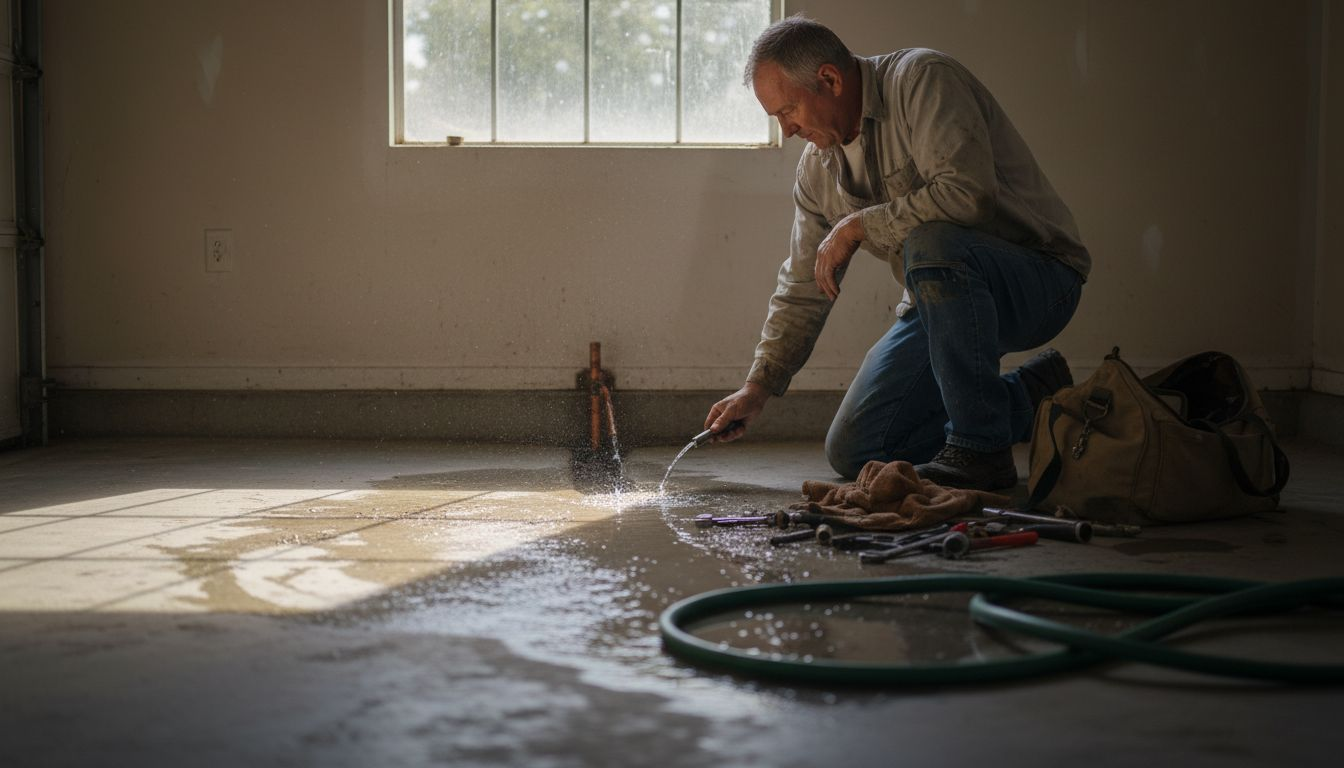
Slab leaks present insidious dangers beneath concrete foundations. These hidden pipe failures erode soil support structures, create moisture breeding grounds for mold, and waste thousands of gallons before detection. Properties built before 1980 face elevated slab leak risks from outdated materials and installation techniques no longer meeting modern standards.
Appliance failures contribute substantially to residential water damage. Washing machine hoses, water heater tanks, dishwasher connections, and refrigerator ice makers develop weaknesses over time. A single failed connection can flood entire rooms within minutes, soaking flooring, drywall, and personal belongings before anyone notices.
Water Emergency Type
Average Damage Cost
Detection Difficulty
Response Window
Burst pipe
$5,000 to $70,000
Immediate (visible flooding)
30 minutes to 2 hours
Slab leak
$2,000 to $15,000
High (hidden beneath concrete)
Days to weeks
Appliance failure
$2,500 to $10,000
Medium (depends on location)
1 to 4 hours
Plumbing fixture leak
$500 to $3,000
Low (gradual moisture buildup)
Days to months
Professional water damage restoration becomes essential once flooding exceeds household cleanup capacity. Standing water penetrates porous materials within hours, requiring industrial extraction equipment and specialized drying techniques. The frequency of water damage claims underscores how common these emergencies occur across all property types and ages.
Early detection technologies transform disaster outcomes by alerting property owners before minor leaks escalate. Smart water sensors, automatic shutoff valves, and moisture monitoring systems provide 24/7 surveillance of vulnerable areas. These tools detect abnormal water flow patterns, triggering immediate alerts and preventing overnight disasters when properties sit unoccupied.
Common water emergency indicators include:
Unexplained increases in monthly water bills suggesting hidden leaks
Warm spots on floors indicating hot water line failures beneath slabs
Musty odors signaling trapped moisture and potential mold growth
Water stains on ceilings or walls revealing slow leaks from above
Reduced water pressure pointing to pipe deterioration or blockages
Essential fire emergency preparedness
California’s extended fire seasons create elevated risks for Northeast Sacramento properties, combining wildfire threats with structure fire hazards from electrical systems and human error. Commercial and residential buildings require layered fire protection strategies addressing prevention, early detection, and rapid evacuation protocols.
Electrical faults trigger the majority of structure fires in residential properties. Overloaded circuits, outdated wiring systems, and damaged appliance cords generate heat exceeding safe thresholds, igniting surrounding materials. Properties built before modern electrical code standards face amplified risks from undersized panels and aluminum wiring.
Wildfire proximity affects Northeast Sacramento properties during drought conditions and high wind events. Ember showers travel miles from active fire fronts, igniting dry vegetation, wooden decks, and roof materials. Defensible space maintenance and fire-resistant landscaping reduce ignition probability during regional fire emergencies.
Human error contributes significantly to preventable fires through unattended cooking, improperly discarded smoking materials, and space heater placement near combustibles. Commercial kitchens face particular vulnerability from grease accumulation and high-heat cooking processes requiring constant supervision.
Fire prevention tools form your first defense line:
Interconnected smoke alarms on every floor providing whole-building alerts
Automatic sprinkler systems suppressing fires before they spread beyond rooms of origin
Fire extinguishers rated for multiple fire classes positioned near kitchens and mechanical rooms
Electrical panel inspections identifying overload risks and outdated components
Regular HVAC maintenance preventing lint accumulation and mechanical failures
Evacuation planning saves lives when prevention fails. Every household member and commercial facility employee must know primary and secondary escape routes from all occupied areas. Designated outdoor meeting points prevent dangerous reentry attempts to search for missing occupants.
Pro Tip: Test smoke alarms monthly and replace batteries twice yearly. Clear evacuation routes by removing storage from hallways and stairwells, ensuring unobstructed escape paths during nighttime emergencies when visibility drops.
Fire drills transform theoretical plans into practiced responses. Residential families should conduct escape drills twice yearly, while commercial facilities require quarterly exercises meeting OSHA standards. Timed drills reveal bottlenecks and confusion points requiring plan adjustments before real emergencies expose these weaknesses.
Commercial property managers bear additional responsibilities for fire safety systems maintenance, staff training documentation, and regulatory compliance. Regular inspections of sprinkler systems, fire doors, and emergency lighting ensure operational readiness when disasters strike.
Building a comprehensive disaster plan
Effective disaster plans integrate risk assessment, infrastructure improvements, emergency protocols, and coordination mechanisms into cohesive frameworks protecting properties from water and fire emergencies. Follow this systematic approach tailored for Northeast Sacramento conditions:
Conduct thorough risk assessments identifying your property’s specific vulnerabilities. Document plumbing age and materials, electrical system capacity, fire load from stored materials, and accessibility of emergency shutoffs. Commercial properties should include occupancy patterns and high-value asset locations.
Implement infrastructure upgrades addressing identified weaknesses. Install automatic water shutoff valves on main supply lines, upgrade aging pipes in high-risk areas, add water sensors near appliances and foundations, and ensure fire suppression systems meet current code requirements.
Develop detailed emergency protocols specifying exact actions for common scenarios. Water emergency protocols include shutoff procedures, initial damage containment steps, and restoration service contact sequences. Fire protocols cover evacuation triggers, alarm verification steps, and emergency services coordination.
Establish coordination mechanisms connecting property occupants, emergency responders, insurance representatives, and restoration professionals. Maintain updated contact lists accessible from multiple locations, including cloud storage for remote access during displacement scenarios.
Schedule regular maintenance and training ensuring plan components remain functional. Quarterly equipment tests, annual plan reviews, and seasonal preparation activities keep disaster readiness current as properties age and conditions change.
Integrate insurance claim preparation into planning processes. Photograph high-value assets, maintain equipment purchase records, document preventive maintenance activities, and understand policy coverage limits before emergencies force rushed decisions.
Balancing physical safeguards with action plans creates redundant protection layers. Automatic systems provide first-response capabilities when human detection fails or delays occur. Trained occupants execute manual interventions backing up automated systems and adapting to unexpected scenario variations.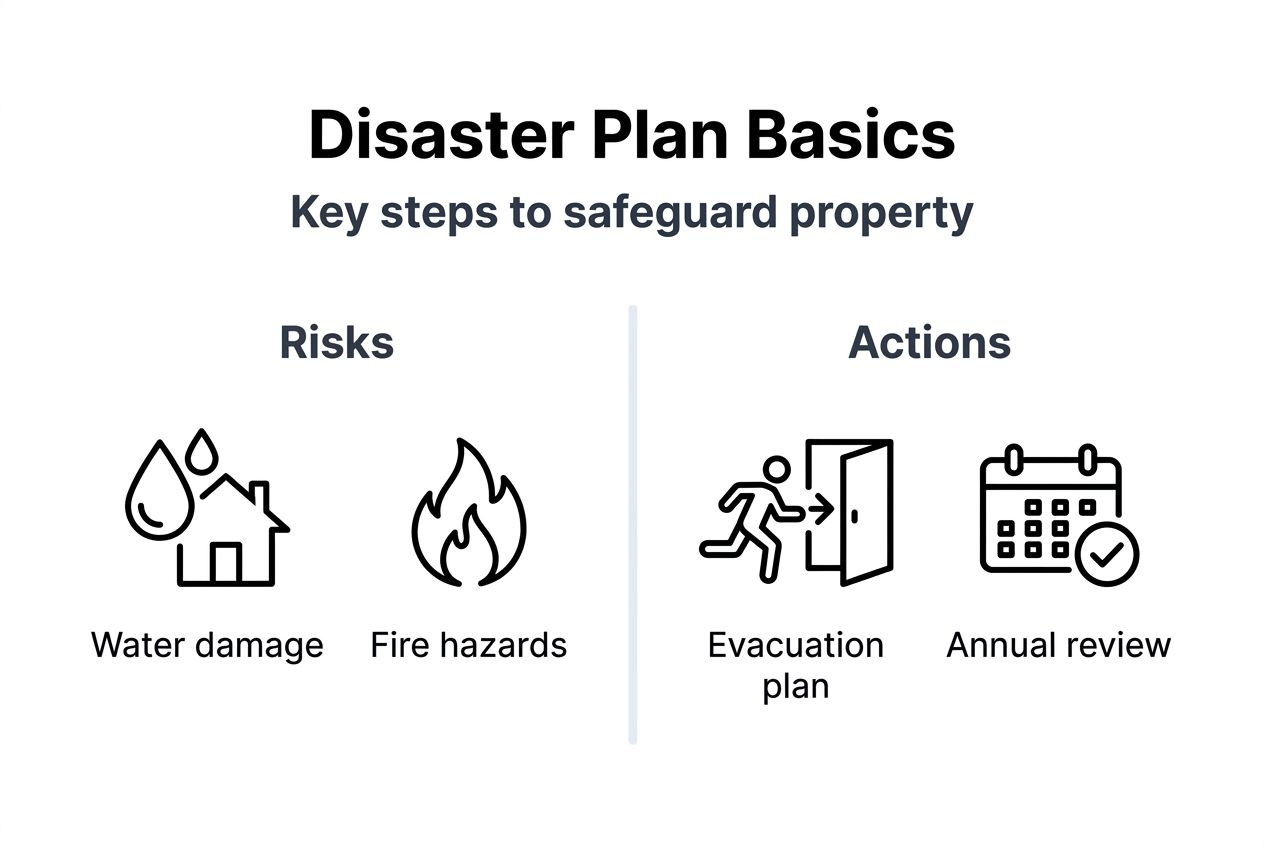
Pro Tip: Review and update your disaster plan annually or immediately after any incident, even minor ones. Small emergencies reveal planning gaps and provide low-stakes opportunities to refine protocols before major disasters test your preparedness.
Practice drills validate theoretical plans through real-world execution. Time how long evacuation takes, identify communication breakdowns, and test whether occupants remember shutoff locations under pressure. These exercises build muscle memory transforming plans from documents into instinctive responses.
The property restoration process becomes significantly smoother when disaster plans include pre-established relationships with certified restoration professionals. Advance coordination eliminates critical delays when immediate action determines damage severity and recovery costs.
The critical role of rapid response
Response timing directly determines disaster severity and financial impact. Water damage escalates exponentially with each passing hour as moisture penetrates deeper into structural materials, creating ideal conditions for mold growth and secondary failures. Fire damage similarly worsens when smoke residue and heat exposure remain unaddressed, causing permanent staining and material degradation.
Professional coordination accelerates recovery processes beyond DIY capabilities. Certified restoration technicians bring industrial equipment, technical expertise, and systematic approaches extracting water completely, neutralizing smoke odors, and stabilizing structures before permanent repairs begin. Their documentation supports insurance claims with professional damage assessments and mitigation records.
Typical response windows for effective mitigation:
Water extraction: Begin within 24 to 48 hours to prevent mold colonization
Structural drying: Complete within 72 to 96 hours maintaining controlled humidity
Smoke cleaning: Start within 48 hours before acid residues etch surfaces
Contents restoration: Initiate within first week preventing permanent losses
Knowing emergency contacts before disasters strike eliminates precious minutes lost searching for qualified professionals. Pre-vetted restoration services provide immediate dispatch, arriving with appropriate equipment and expertise for your specific emergency type. This preparation prevents desperate selections of unqualified contractors offering lowest bids but delivering substandard results.
The restoration process explained demonstrates how professional intervention follows systematic protocols maximizing recovery success. Each stage builds on previous work, requiring proper sequencing and specialized techniques unavailable to property owners lacking industrial equipment and technical training.
Studies show damage severity drops more than 70% when professional restoration begins within 24 to 48 hours of water or fire emergencies compared to delayed responses exceeding 72 hours.
Insurance claim outcomes improve dramatically with rapid professional response. Adjusters recognize certified restoration work meeting industry standards, processing claims faster with fewer disputes over coverage and causation. Detailed documentation from restoration professionals provides objective evidence supporting claim values and necessary repair scopes.
Delayed response consequences compound exponentially:
Mold growth requiring expensive remediation after 48 to 72 hours of moisture exposure
Structural weakening from prolonged water saturation causing safety hazards
Content losses increasing as smoke residue and water damage become permanent
Business interruption extending from preventable secondary damage
Claim denials for failing to mitigate damages promptly per policy requirements
Common misconceptions in disaster planning
Property owners frequently operate under false assumptions undermining their disaster preparedness and financial protection. Correcting these misconceptions strengthens planning effectiveness and prevents costly surprises during actual emergencies.
Insurance coverage myths create dangerous gaps in financial protection. Standard homeowner policies exclude specific water damage types including gradual leaks, sewer backups, and flood events requiring separate coverage. Fire policies contain sublimits on contents, requiring additional riders for high-value items. Understanding actual coverage before emergencies prevents claim denial shocks when you need protection most.
Water emergency frequency gets drastically underestimated by property owners viewing burst pipes and major leaks as rare events. The reality shows these incidents occur constantly across all property types and ages, with daily claim volumes demonstrating how common disasters strike unprepared properties. Assuming immunity based on property age or previous incident-free history ignores statistical probability.
Prevention technology skepticism leads property owners to skip affordable protection tools. Automatic shutoff valves, water sensors, and smart monitoring systems cost hundreds of dollars but prevent tens of thousands in damage. The modest investment delivers exponential returns by catching failures instantly rather than hours or days later after extensive damage accumulates.
Restoration service delays stem from misconceptions that water cleanup constitutes simple mopping and fan placement. Professional restoration requires moisture mapping, controlled drying environments, antimicrobial treatments, and structural monitoring equipment unavailable to property owners. Attempting DIY approaches allows hidden moisture pockets to spawn mold colonies requiring far more expensive remediation.
Common disaster planning misconceptions include:
Believing newer properties face no significant water or fire emergency risks
Assuming visible water removal completes flood cleanup without addressing trapped moisture
Expecting insurance to cover all restoration costs without deductibles or coverage gaps
Underestimating how quickly mold colonizes after water exposure
Thinking fire damage only affects burned areas, ignoring smoke and heat impacts throughout structures
Realistic expectation setting improves disaster outcomes by motivating appropriate preparation levels. Acknowledge that emergencies strike randomly regardless of property age, maintenance quality, or previous history. Accept that professional restoration costs money but delivers value through complete damage remediation and preserved property values.
Protect your property with expert restoration services in Northeast Sacramento
When water or fire disasters strike your Northeast Sacramento property, immediate professional intervention determines whether you face manageable repairs or catastrophic losses. Preparation means knowing exactly who to call before emergencies occur, eliminating confusion during crisis moments.
PuroClean delivers 24/7 emergency response for fire damage restoration and water damage restoration throughout Northeast Sacramento, Folsom, Rancho Cordova, and Citrus Heights. Our certified technicians arrive equipped with industrial extraction equipment, thermal imaging cameras, and advanced drying systems that complete mitigation within critical 48-hour windows. We coordinate directly with insurance adjusters, document every restoration phase, and guide property managers through complex claim processes.
Disaster planning becomes truly effective when you establish professional partnerships before emergencies test your preparedness. Contact PuroClean today for a personalized property assessment identifying your specific vulnerabilities and developing customized response protocols. Our expertise transforms theoretical disaster plans into practical protection strategies safeguarding your most valuable assets.
FAQ
What is disaster planning?
Disaster planning prepares properties for emergencies through systematic risk identification, resource preparation, and response protocol development. It minimizes water and fire damage by establishing clear action steps property owners execute immediately when disasters strike.
How can I detect water leaks early in my property?
Install smart leak detection systems and moisture sensors near water heaters, washing machines, and foundation perimeters. Regular plumbing inspections catch deterioration before failures occur, especially in properties over 30 years old. Early detection through the water damage checklist prevents minor leaks from becoming major disasters.
What should I include in my fire evacuation plan?
Designate primary and secondary escape routes from every occupied room, establishing outdoor meeting points at least 50 feet from structures. Practice evacuation drills twice yearly so household members react instinctively during actual emergencies. Ensure routes remain clear of furniture and storage blocking quick exits.
Why is rapid response important after a water or fire emergency?
Faster professional intervention reduces damage severity by over 70% compared to delayed responses. Water penetrates deeper into materials each hour, while smoke residue permanently etches surfaces within 48 hours. Immediate action preserves property values and improves insurance claim outcomes through documented mitigation efforts.
Recommended
What Is Disaster Remediation? Solutions for Property Recovery – PuroClean of Northeast Sacramento
7 Essential Property Restoration Best Practices – PuroClean of Northeast Sacramento
Property Restoration Process Guide: Steps for Success – PuroClean of Northeast Sacramento
Property Restoration Process Guide: Steps for Success – PuroClean of Northeast Sacramento