 PuroClean of Northeast Sacramento
 What Is Emergency Restoration? Complete Overview
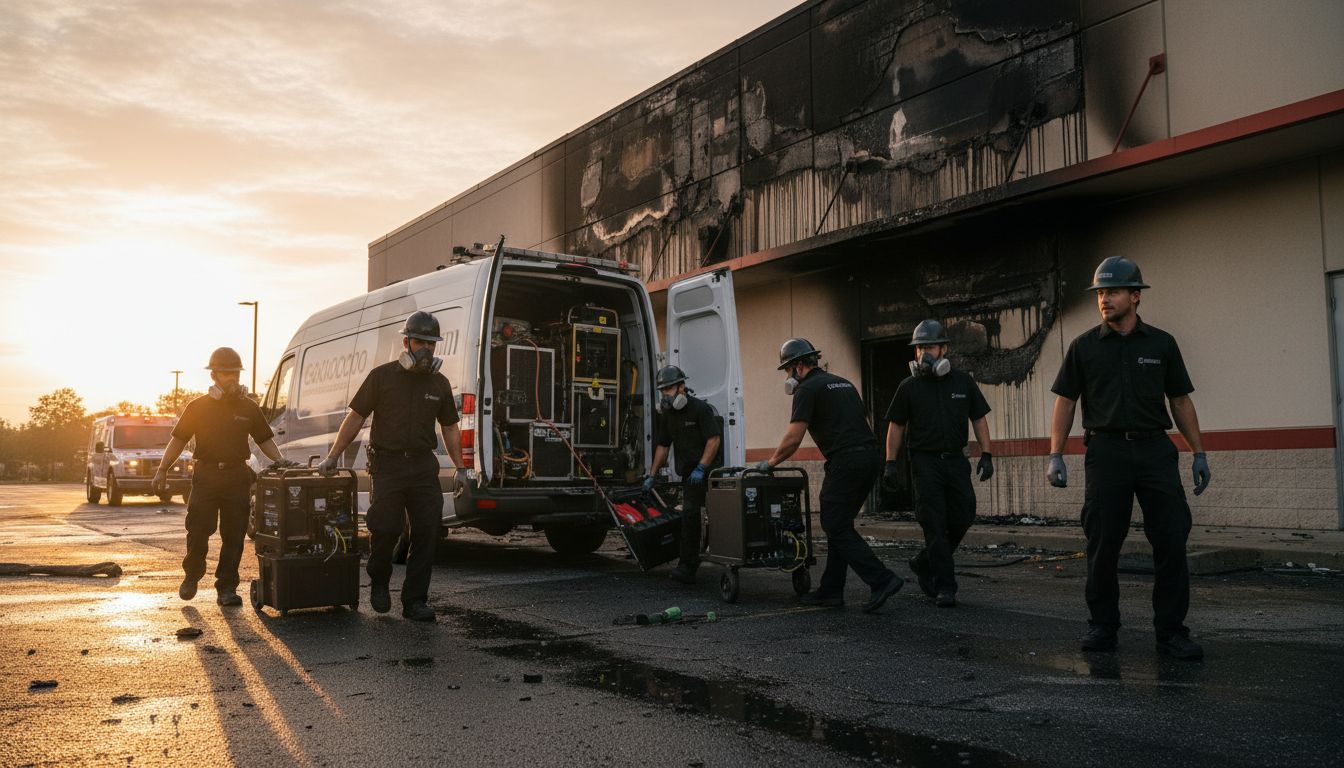
Every year, property disasters force thousands of families and businesses to face unexpected chaos. When water, fire, or storm damage strikes, fast action becomes essential to protect health and safeguard investments. Experts report that quick intervention can reduce overall restoration costs by up to 40 percent. Understanding what emergency restoration services include and why their specialized methods matter helps property owners make confident choices during stressful times.
Table of Contents
- Defining Emergency Restoration Services
- Types of Damage Requiring Restoration
- Step-By-Step Emergency Restoration Process
- Safety Protocols and Regulatory Standards
- Common Challenges and Insurance Factors
Key Takeaways
| Point | Details |
|---|---|
| Comprehensive Emergency Restoration | Emergency restoration services encompass a range of interventions to mitigate property damage from disasters, focusing on rapid assessment, health risk minimization, and restoration to pre-damage conditions. |
| Types of Damage Addressed | Key restoration scenarios include water damage, fire and smoke damage, mold contamination, biohazard cleanup, and storm-related damages, each requiring specialized techniques. |
| Structured Restoration Process | The typical restoration process follows critical stages including initial assessment, mitigation, water extraction, and thorough cleaning, emphasizing the importance of immediate action. |
| Safety and Regulatory Compliance | Adhering to safety protocols and regulatory standards is essential in restoration work to protect both workers and occupants while ensuring effective recovery. |
Defining Emergency Restoration Services
Emergency restoration represents a critical intervention process designed to mitigate, repair, and prevent further damage to properties after unexpected disasters or catastrophic events. According to the U.S. Department of the Interior, restoration fundamentally involves determining whether resources have been injured or destroyed and identifying necessary actions to restore them to their original condition.
At its core, emergency restoration services encompass a comprehensive range of professional interventions aimed at addressing sudden and severe property damage. These services typically include immediate response strategies for scenarios like water damage, fire and smoke destruction, mold contamination, and biohazard cleanup. The primary objectives are to:
- Rapidly assess the extent of property damage
- Prevent additional deterioration
- Minimize potential health risks
- Restore the property to its pre-damage condition
- Protect valuable assets and personal belongings
Professional emergency restoration goes far beyond simple cleaning or repair. It requires specialized equipment, advanced technological methods, and expert knowledge to effectively manage complex damage scenarios. Restoration professionals utilize sophisticated moisture detection tools, industrial-grade dehumidification systems, and precise cleaning techniques to address different types of property damage comprehensively.
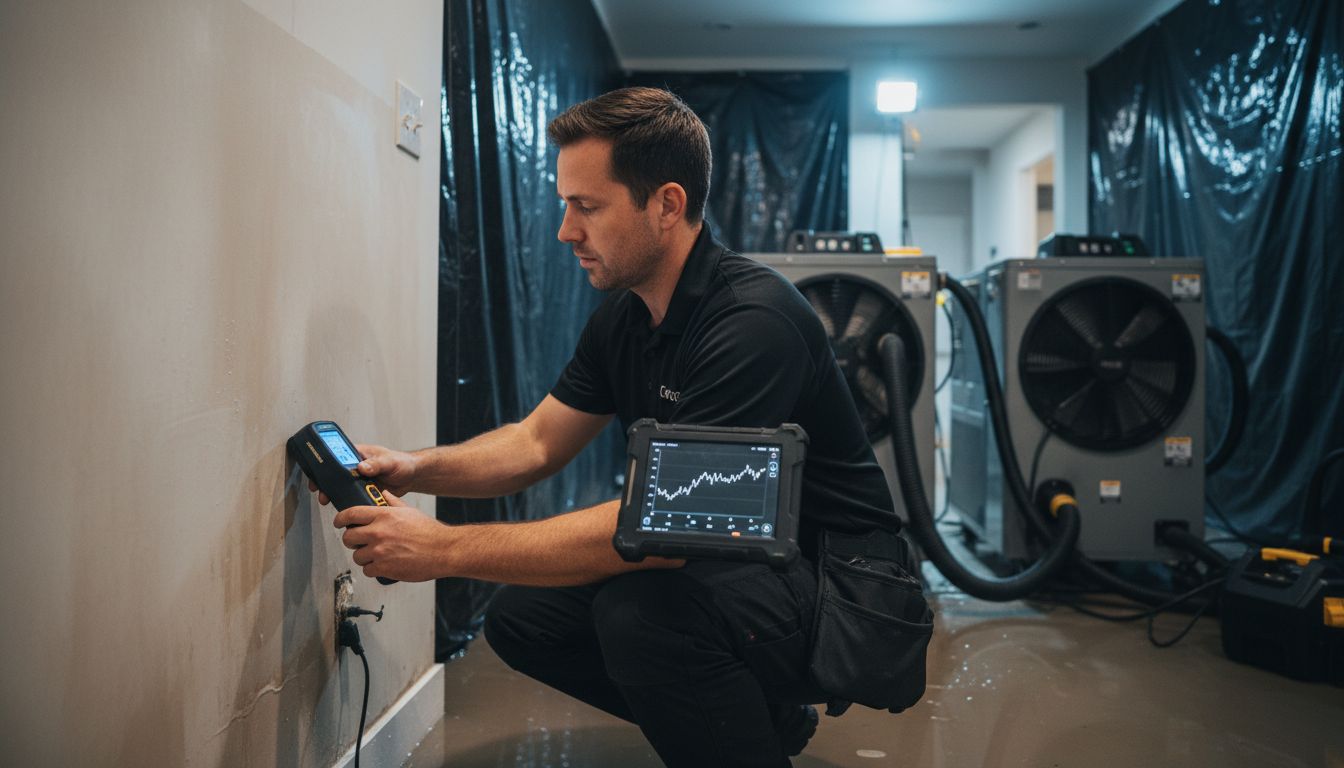 When unexpected disasters strike, these services provide a structured, scientific approach to recovery that helps property owners navigate challenging and stressful situations.
The scope of emergency restoration is broad, covering everything from minor water leaks to extensive structural damages caused by natural disasters. Learn more about specific water damage restoration scenarios that might require professional intervention, helping you understand when expert help becomes crucial for protecting your property and investments.
Types of Damage Requiring Restoration
Property damage can manifest in multiple complex forms, each demanding specialized restoration strategies. According to the National Archives, fire damage represents a particularly challenging scenario that can cause significant structural weakening and soot deposition, necessitating careful and precise restoration techniques.
Emergency restoration services address several critical types of property damage, including:
- Water Damage: Ranging from minor leaks to extensive flooding
- Fire and Smoke Damage: Impacting structural integrity and indoor air quality
- Mold Contamination: Potentially causing serious health risks
- Biohazard Contamination: Requiring specialized cleaning protocols
- Storm and Wind Damage: Structural impacts from severe weather events
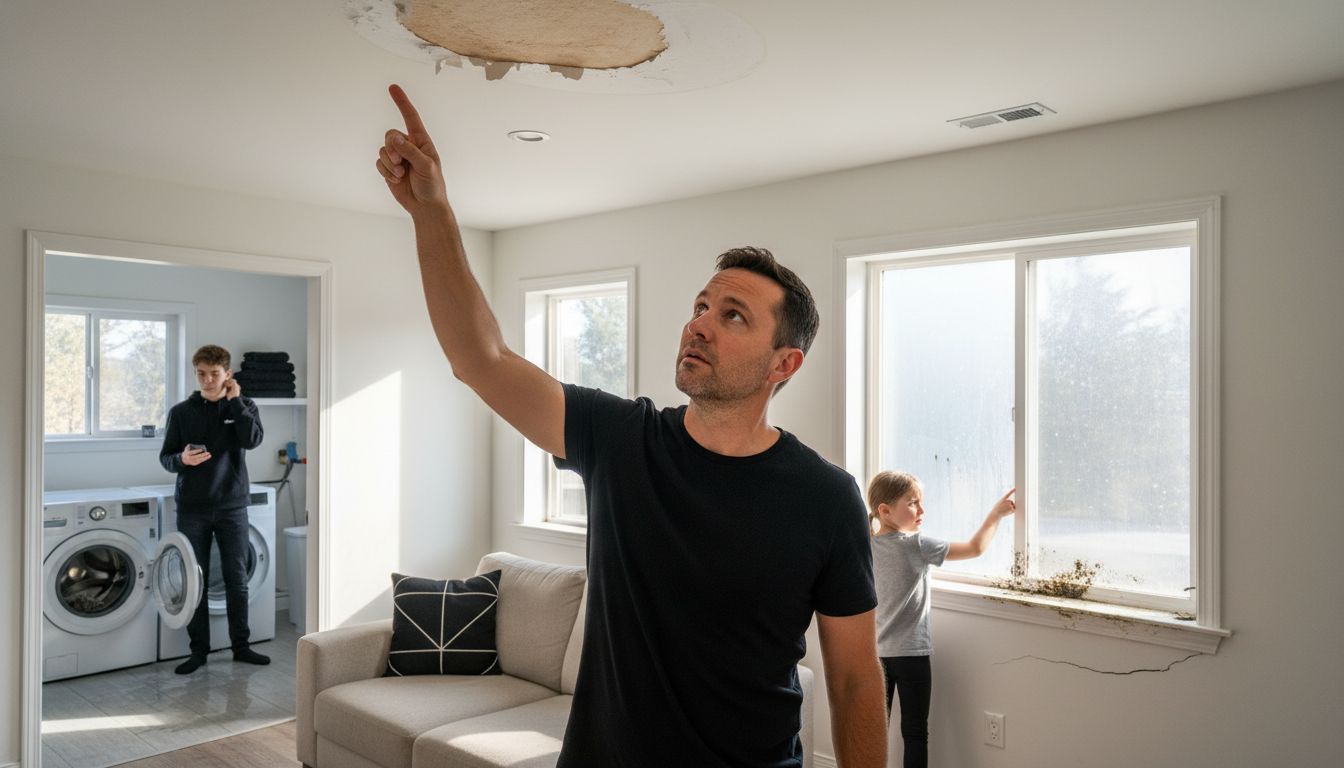
Water damage represents one of the most common and potentially destructive forms of property damage. It can originate from numerous sources such as burst pipes, sewage backups, natural flooding, or undetected slow leaks. Each scenario presents unique challenges that require immediate professional intervention to prevent long-term structural deterioration, mold growth, and potential health hazards.
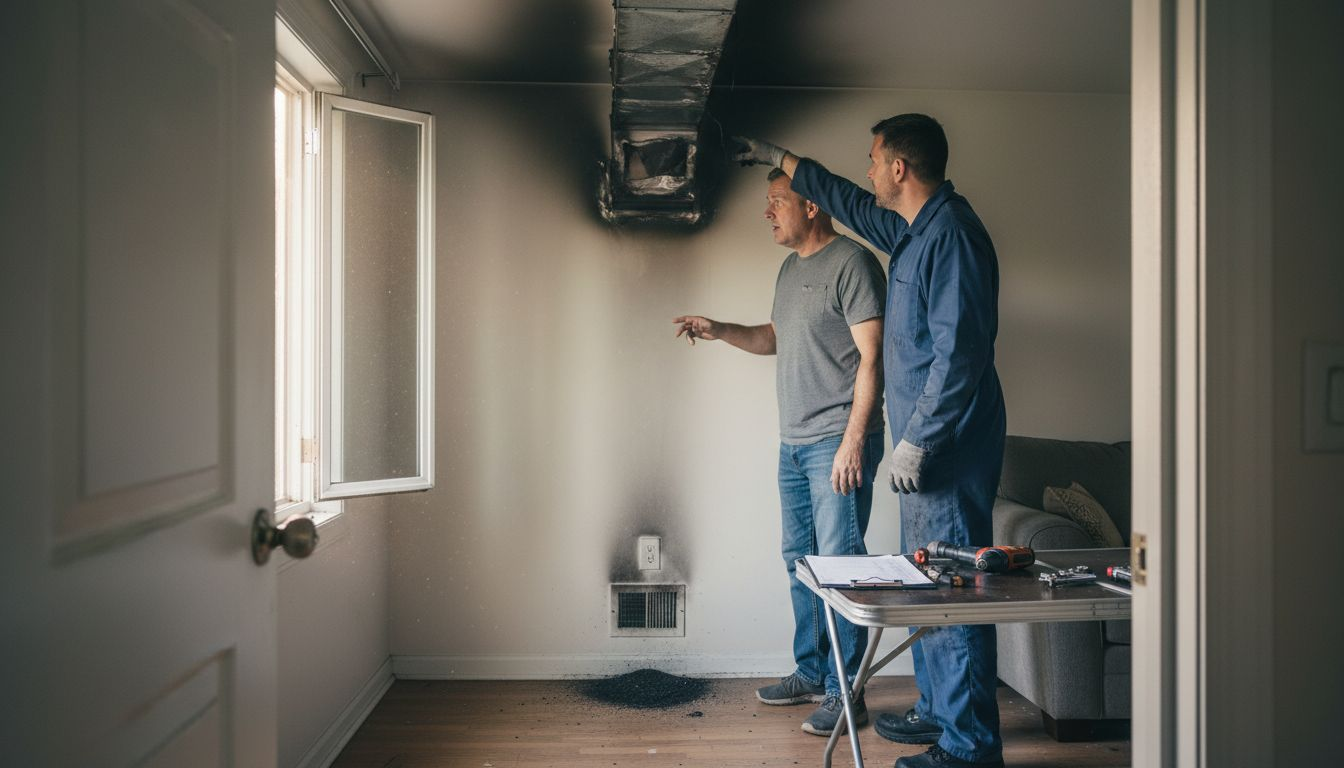
Explore the detailed anatomy of fire damage restoration to understand the intricate processes professionals use to recover and rehabilitate properties after catastrophic fire events. Professional restoration teams employ advanced diagnostic tools and specialized techniques to comprehensively assess and address different damage scenarios, ensuring properties are thoroughly restored and safe for occupancy.
Step-By-Step Emergency Restoration Process
The emergency restoration process is a structured, systematic approach to addressing property damage. According to the Food and Agriculture Organization, effective restoration involves carefully assessing damage, planning rehabilitation measures, and implementing targeted actions to restore infrastructure and functionality.
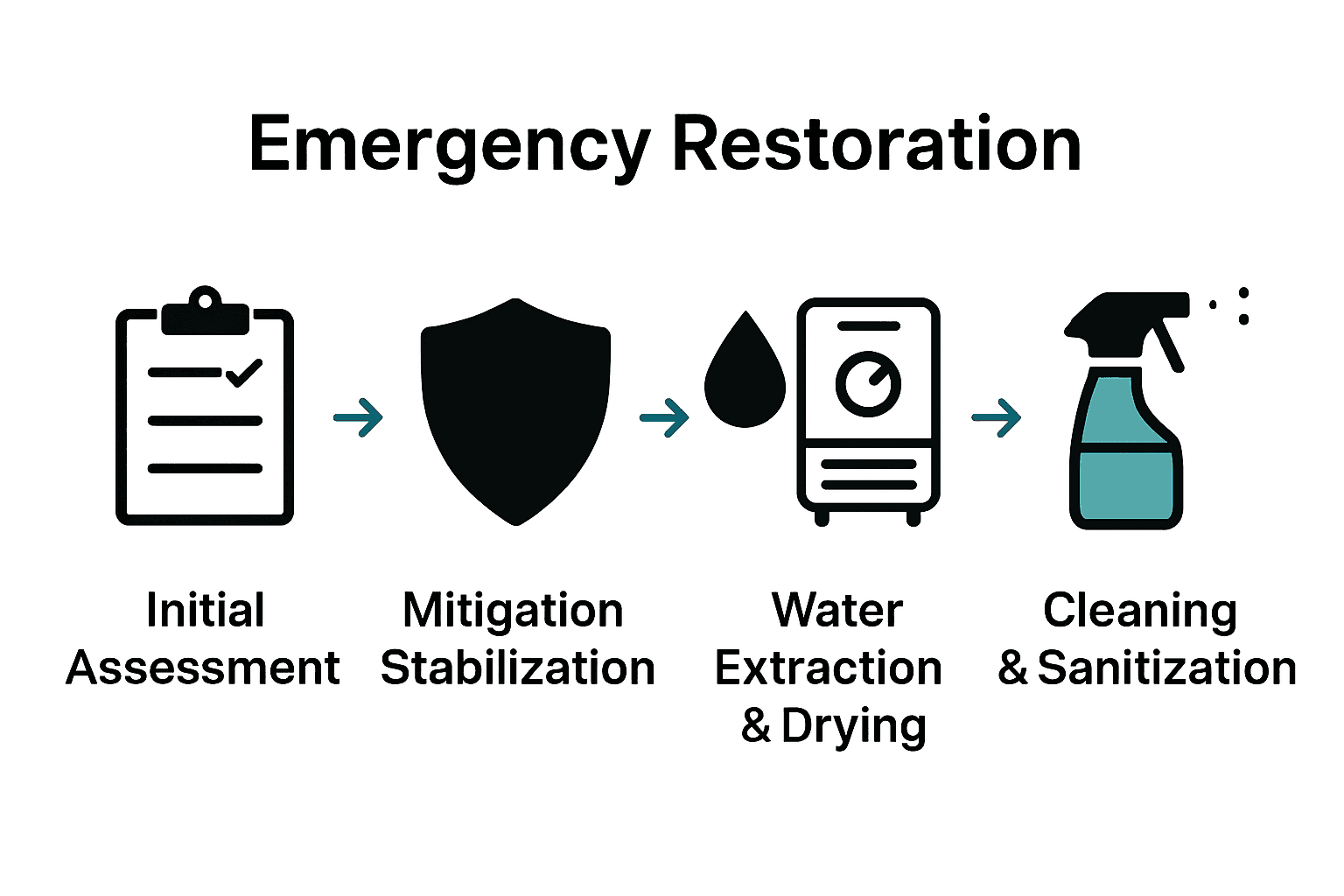
The comprehensive emergency restoration process typically follows these critical stages:
- Initial Assessment
- Conduct immediate damage evaluation
- Identify safety hazards
- Document damage for insurance purposes
- Mitigation and Stabilization
- Prevent further property damage
- Secure the affected area
- Implement temporary protective measures
- Water Extraction and Drying
- Remove standing water
- Extract moisture from surfaces
- Deploy industrial dehumidification equipment
- Cleaning and Sanitization
- Remove contaminated materials
- Disinfect affected areas
- Address potential mold and bacterial growth
As noted by Tata Trusts, restoration involves identifying specific damage types such as surface deposits, mechanical damage, chemical contamination, and biological growth, each requiring specialized treatment methods. Professional restoration teams use advanced diagnostic tools and techniques to comprehensively address these complex damage scenarios.
Learn critical steps to take during a property water damage emergency, which can help property owners understand the importance of immediate and professional intervention. The goal of emergency restoration is not just to repair damage, but to restore properties to their original condition while minimizing long-term structural and health risks.
Safety Protocols and Regulatory Standards
Safety is paramount in emergency restoration, requiring meticulous adherence to comprehensive protocols and industry standards. According to the Building Materials and Technology Promotion Council, detailed safety protocols are essential for evaluating damage stages and implementing actions that ensure structural integrity and occupant safety.
Critical safety standards for emergency restoration professionals encompass multiple key dimensions:
- Personal Protective Equipment (PPE)
- Respirators
- Chemical-resistant gloves
- Full-body protective suits
- Safety glasses and face shields
- Environmental Hazard Management
- Asbestos and lead detection
- Toxic substance containment
- Air quality monitoring
- Contamination prevention protocols
- Structural Safety Assessment
- Comprehensive damage evaluation
- Load-bearing capacity analysis
- Electrical system integrity checks
- Potential collapse risk assessment
Regulatory compliance involves following guidelines from multiple agencies, including OSHA workplace safety standards, EPA environmental regulations, and local building codes. Restoration professionals must continuously update their knowledge and techniques to meet evolving safety requirements and technological advancements.
Explore critical steps to navigate property damage emergencies safely, understanding that proper safety protocols are not just procedural requirements but essential protections for both restoration workers and property occupants. Successful emergency restoration balances technical expertise with rigorous safety practices to deliver comprehensive, secure property recovery solutions.
Common Challenges and Insurance Factors
Emergency restoration presents complex challenges that intersect technical expertise and insurance complexities. According to the Claims and Litigation Management Alliance, restoration professionals face critical challenges including the need for rapid response to minimize damage and the crucial insight that not all items should be assumed non-restorable, as restoration can often be more cost-effective than total replacement.
Key Insurance and Restoration Challenges include:
- Time-Sensitive Damage Mitigation
- Preventing secondary damage
- Documenting initial damage conditions
- Establishing clear restoration timelines
- Documentation and Claims Processing
- Detailed damage assessment
- Photographic evidence collection
- Precise repair cost estimations
- Insurance claim substantiation
- Coverage Interpretation
- Understanding policy limitations
- Navigating partial versus full coverage scenarios
- Identifying potential claim disputes
As noted by United Policyholders, understanding technical terms like ‘extensive damage’ and ‘extensive smoke and soot damage’ becomes crucial for accurate insurance assessments and determining appropriate restoration scope.
Learn how hoarding can impact your homeowners insurance, which provides insights into how property conditions can influence restoration and insurance claim processes. Ultimately, successful emergency restoration requires a delicate balance between technical restoration skills and comprehensive insurance navigation.
Act Fast with Expert Emergency Restoration You Can Trust
Unexpected property damage can cause overwhelming stress and danger to your home or business. When water leaks threaten structural safety, fire and smoke damage cloud your peace of mind, or mold contamination risks your health, quick action is essential. The detailed restoration steps in the article highlight how vital it is to have professional help that not only stops further damage but also restores your property safely and thoroughly.
Don’t wait to address critical damage that can worsen by the hour. At PuroClean of Northeast Sacramento, we specialize in emergency restoration services exactly like those discussed in this overview, including water damage, fire and smoke cleanup, mold remediation, and biohazard removal. Our 24/7 availability means we respond immediately with the latest technology and certified expertise. Learn more about how we handle the full restoration process and support insurance claims by visiting our emergency restoration services page today. Protect your property and regain your peace of mind with trusted professionals ready to restore your home or business now.
Frequently Asked Questions
What are emergency restoration services?
Emergency restoration services are professional interventions aimed at mitigating, repairing, and preventing further damage to properties after unexpected disasters, such as water damage, fire, mold contamination, and biohazard cleanup.
What types of damage require emergency restoration?
Emergency restoration addresses various types of property damage, including water damage, fire and smoke damage, mold contamination, biohazard contamination, and storm or wind damage.
How does the emergency restoration process work?
The emergency restoration process typically includes an initial assessment of damage, mitigation and stabilization of affected areas, water extraction and drying, and cleaning and sanitization of contaminated spaces.
What safety protocols are followed during emergency restoration?
Critical safety protocols include the use of personal protective equipment (PPE), environmental hazard management, and structural safety assessments to ensure the safety of workers and occupants during the restoration process.
Recommended
Reconstruction Services in Edwardsville, IL | PuroClean
When Does Water Damage Require Emergency Restoration?: 6 Scenarios – PuroClean of Coral Gables
Commercial Reconstruction and Restoration in Metro-East Illinois
 PuroClean of Northeast Sacramento