


What Is Fire Restoration? Complete Guide for 2025
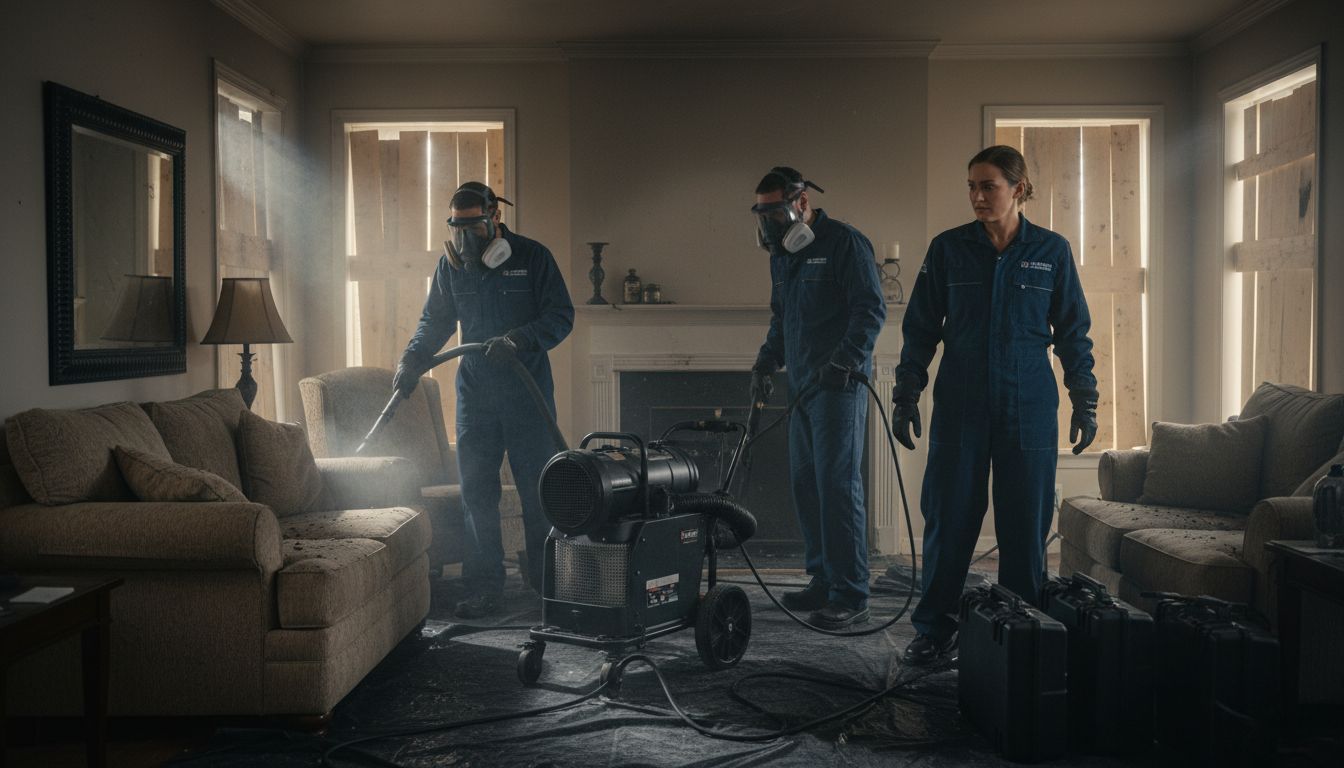
Did you know that nearly 350,000 home fires are reported in the United States each year? Fire damage goes far beyond what the eye can see, impacting structures, air quality, and even personal health. Understanding how fire restoration works helps property owners regain safety and peace of mind after disaster strikes. With the right approach, modern techniques turn overwhelming loss into a chance for full recovery and renewal.
Table of Contents
- Defining Fire Restoration and Its Purpose
- Types of Fire Damage and Their Effects
- Stages of the Fire Restoration Process
- Essential Equipment and Professional Techniques
- Insurance Claims and Cost Considerations
Key Takeaways
| Point | Details |
|---|---|
| Fire Restoration Is Critical | Professional intervention is essential for preventing secondary damage and ensuring comprehensive recovery after a fire. |
| Types of Fire Damage Vary | Understanding the different types of fire damage—thermal, smoke, soot, and water—is crucial for effective restoration. |
| Systematic Restoration Process | Fire restoration involves key stages such as emergency stabilization, damage assessment, and thorough cleanup to return properties to pre-loss condition. |
| Financial Implications Are Complex | Property owners should be aware of insurance claim intricacies and potential costs associated with the restoration process. |
Defining Fire Restoration and Its Purpose
Fire restoration represents a specialized emergency response process designed to return fire-damaged properties to their pre-loss condition through strategic cleaning, repair, and reconstruction techniques. When a fire strikes, it doesn’t just cause visible damage – it leaves behind complex layers of destruction that require professional intervention.
The primary purpose of fire restoration extends far beyond simple cleanup. Professionals assess and address multiple critical aspects of fire damage, including:
- Smoke damage removal from walls, ceilings, and personal belongings
- Structural integrity evaluation and repair
- Soot and residue elimination
- Odor neutralization
- Water damage mitigation from firefighting efforts
Restoration experts understand that every minute matters after a fire. Without immediate professional intervention, secondary damage can exponentially increase property destruction. Fire damage restoration professionals work systematically to prevent further deterioration, salvage valuable items, and create a comprehensive recovery plan tailored to each unique property’s needs.
Ultimately, fire restoration transforms a devastating event from total loss into an opportunity for complete property recovery.
By combining advanced technical skills, specialized equipment, and compassionate service, restoration professionals help property owners navigate one of the most challenging experiences imaginable.
Types of Fire Damage and Their Effects
Fire damage is not a uniform phenomenon but a complex series of destructive processes that impact properties in multiple ways. Understanding these different types of damage is crucial for effective restoration and recovery. Each type of fire damage presents unique challenges that require specialized treatment and professional intervention.
The primary types of fire damage include:
Here’s a summary of the main types of fire damage and their primary effects:
| Type of Damage | Description | Main Effects |
|---|---|---|
| Thermal Damage | Heat-related destruction of materials | Warping Melting Weakening |
| Smoke Damage | Penetration of toxic residues and odors | Odor Staining Contamination |
| Soot Damage | Acidic carbon deposits on surfaces | Corrosion Staining Decay |
| Water Damage | Water from firefighting efforts | Mold Growth Structural Risk |
- Thermal Damage: Direct heat destruction affecting structural materials, causing warping, melting, and structural weakening
- Smoke Damage: Invisible yet pervasive contamination that penetrates porous surfaces, leaving behind toxic residues and persistent odors
- Soot Damage: Acidic carbon residue that can corrode metals, stain surfaces, and cause long-term material degradation
- Water Damage: Secondary damage from firefighting efforts that can lead to mold growth and additional structural compromise
Structural damage assessment after a fire reveals that each damage type interacts differently with various materials. Wooden structures might char and weaken, while metals can warp or develop corrosive layers.
Electrical systems often suffer invisible damage that poses significant safety risks, making professional evaluation critical.
Beyond physical destruction, fire damage carries profound emotional and financial consequences. The intricate nature of these damages underscores why professional restoration isn’t just recommended – it’s essential for comprehensive property recovery and occupant safety.
Stages of the Fire Restoration Process
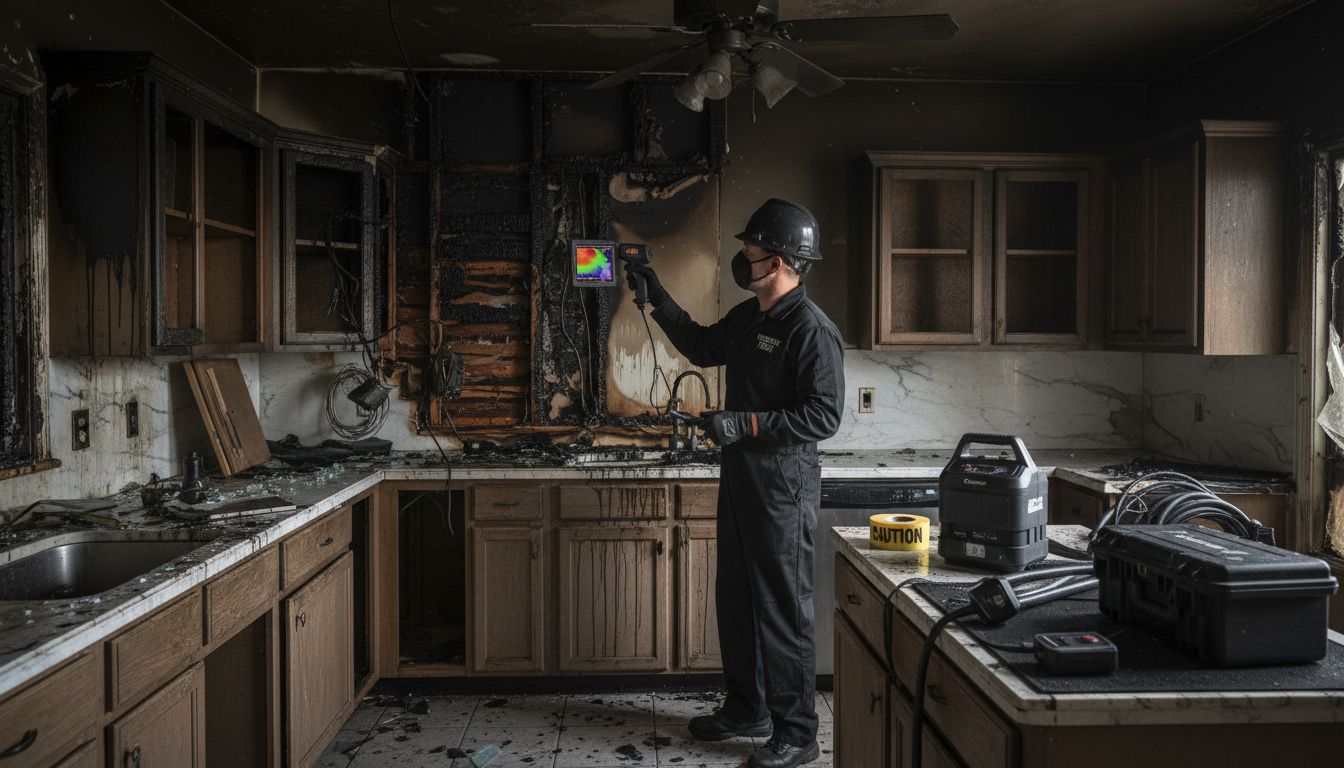
Fire restoration is a comprehensive, multi-stage process that transforms a fire-damaged property from devastation to recovery. Professional restoration teams approach each project systematically, understanding that timing and precision are critical to minimizing long-term damage and preserving property value.
The fire restoration process typically involves these key stages:
- Emergency Stabilization
- Securing the property
- Boarding up windows and doors
- Preventing further damage from weather or potential intrusion
- Damage Assessment
- Comprehensive property inspection
- Documenting all fire, smoke, and water damage
- Developing a detailed restoration strategy
- Water Removal and Drying
- Extracting firefighting water
- Preventing potential mold growth
- Utilizing industrial-grade dehumidification equipment
- Smoke and Soot Removal
- Cleaning surfaces using specialized techniques
- Removing toxic residues
- Preventing permanent staining and corrosion
Fire damage recovery experts understand that each stage requires meticulous attention to detail. Professional restoration goes beyond simple cleaning – it’s about comprehensive property rehabilitation that addresses both visible and hidden damages.
The final stages involve deep cleaning, odor neutralization, and structural restoration. Restoration professionals work diligently to return properties to their pre-fire condition, ensuring not just aesthetic repair, but comprehensive safety and functionality for property owners.
Essential Equipment and Professional Techniques
Fire restoration requires a sophisticated arsenal of specialized equipment and advanced techniques that go far beyond traditional cleaning methods. Professional restoration teams leverage cutting-edge technology and industry-specific knowledge to effectively address the complex challenges posed by fire and smoke damage.
Key professional equipment used in fire restoration includes:
- Industrial Air Scrubbers: Powerful filtration systems that remove microscopic smoke particles and airborne contaminants
- Thermal Foggers: Devices that neutralize odors by dispersing specialized chemical compounds throughout affected spaces
- Hydroxyl Generators: Advanced machines that break down molecular structures of smoke and odor molecules
- High-Volume Dehumidifiers: Essential for rapid moisture removal and preventing secondary damage
- HEPA Vacuum Systems: Specialized vacuums designed to capture ultrafine particulates without dispersing them
Restoration experts understand that professional techniques are equally critical. These include advanced surface cleaning protocols, specialized chemical treatments for different material types, and precise structural assessment methodologies that identify hidden damage potential.
The combination of sophisticated equipment and expert techniques transforms fire restoration from a simple cleaning task into a comprehensive recovery process. Professionals meticulously document each stage, use scientifically validated cleaning protocols, and employ multistage decontamination processes to ensure complete property rehabilitation and occupant safety.
Insurance Claims and Cost Considerations
Fire damage restoration involves complex financial considerations that can overwhelm property owners during an already stressful time. Understanding the intricate relationship between insurance claims and restoration costs is crucial for managing expectations and navigating the recovery process effectively.
Key financial aspects of fire damage restoration include:
- Claim Documentation: Comprehensive photographic and written evidence of damage
- Scope of Damage Assessment: Professional evaluation determining restoration vs. replacement costs
- Insurance Coverage Limits: Understanding policy specifics and potential out-of-pocket expenses
- Restoration vs. Replacement Calculations: Determining most cost-effective recovery strategy
- Potential Additional Living Expenses: Costs associated with temporary relocation during restoration
The ultimate guide to fire damage restoration emphasizes the importance of working closely with both insurance providers and restoration professionals. Restoration experts can help document damages, provide detailed estimates, and communicate directly with insurance adjusters to streamline the claims process.
Restoration costs vary widely depending on fire severity, property size, and damage extent. Homeowners should anticipate potential expenses ranging from several thousand to tens of thousands of dollars. Professional documentation, prompt action, and thorough communication with insurance providers can help minimize financial burden and ensure comprehensive property recovery.
Act Fast to Restore and Reclaim Your Property After Fire Damage
Experiencing fire damage brings overwhelming challenges such as smoke contamination, soot residue, and water damage from firefighting efforts. You need swift and expert intervention to prevent further harm and begin restoring your home or business safely and effectively. Understanding the complex stages of fire restoration and the specialized equipment used can help you appreciate the value of professional support.
Turn disaster into recovery with the trusted team at PuroClean of Northeast Sacramento. Our certified experts offer 24/7 emergency fire and smoke restoration services designed to quickly stabilize your property, remove hazardous residues, and rebuild with care and precision. Don’t wait to protect your investment and peace of mind. Contact us today and let our proven restoration process bring your property back to life before damages worsen. Learn more about how we manage the entire fire restoration process professionally and compassionately by visiting our emergency response and remediation services page. Act now to restore safety and comfort to your property.
Frequently Asked Questions
What is fire restoration?
Fire restoration is a specialized emergency response process that aims to return fire-damaged properties to their pre-loss condition through cleaning, repair, and reconstruction techniques.
What are the main types of fire damage?
The main types of fire damage include thermal damage, smoke damage, soot damage, and water damage, each presenting unique challenges for restoration.
What is the fire restoration process?
The fire restoration process typically involves emergency stabilization, damage assessment, water removal and drying, and smoke and soot removal, followed by deep cleaning and structural restoration.
What equipment do professionals use in fire restoration?
Professionals use specialized equipment such as industrial air scrubbers, thermal foggers, hydroxyl generators, high-volume dehumidifiers, and HEPA vacuum systems to effectively address fire and smoke damage.
Recommended
The Fire Damage Restoration Process – PuroClean of Northeast Sacramento
Fire and Smoke Damage Restoration and Repair in Roseville, CA