


What is hazardous material? Guide for Sacramento homeowners
What is hazardous material? Guide for Sacramento homeowners
You walk into your flooded basement or fire damaged kitchen, expecting to clean up water and soot. What you might not expect is encountering hazardous materials lurking in that contaminated water or among burned debris. Many Northeast Sacramento homeowners assume hazardous substances only exist in industrial settings, yet everyday property damage incidents often expose families to dangerous chemicals, toxic runoff, and contaminated materials. Understanding what qualifies as hazardous material, how to respond safely, and when to call professionals can protect your family’s health and ensure compliance with local regulations during stressful restoration situations.
Table of Contents
- What Is Hazardous Material? Defining Hazardous Waste And Material
- Recognizing And Responding To Hazardous Material Incidents
- Local Regulation And Permit Requirements For Hazardous Materials In Northeast Sacramento
- Professional Cleanup And Restoration After Hazardous Material Exposure
- How PuroClean Of Northeast Sacramento Can Help With Hazardous Material Incidents
- Frequently Asked Questions
Key takeaways
| Point | Details |
|---|---|
| Hazardous materials definition | California law identifies materials as hazardous if they are ignitable, reactive, corrosive, or toxic, commonly found after fire or water damage. |
| Immediate safety actions | Call 911 during incidents, move uphill and upwind from spills, and avoid direct contact until professionals arrive. |
| Local permit requirements | Sacramento County’s Environmental Management Department oversees hazardous material permits and compliance through annual registration. |
| Professional cleanup necessity | Certified restoration services ensure safe removal, proper disposal, and regulatory compliance after hazardous material exposure. |
What is hazardous material? Defining hazardous waste and material
California regulations provide clear definitions that help property owners recognize hazardous materials in their homes. Hazardous material refers to any substance that poses risks to health, safety, or the environment due to its chemical properties. Hazardous waste represents discarded materials meeting specific dangerous characteristics under state law.
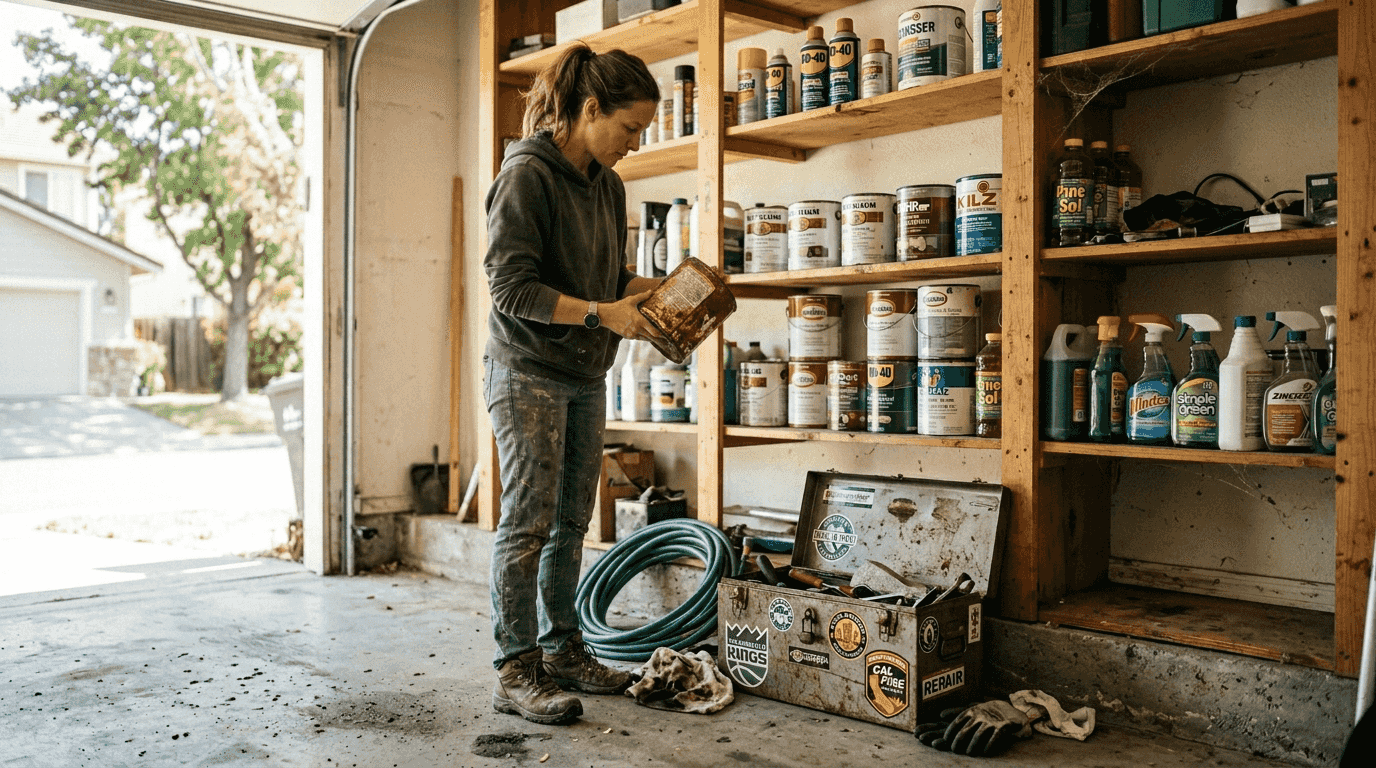
The four characteristics identify hazardous waste: ignitable, reactive, corrosive, and toxic. Ignitable materials catch fire easily at low temperatures, including paint thinners, certain cleaning solvents, and petroleum products commonly stored in garages. Reactive substances become unstable under normal conditions, potentially exploding or releasing toxic gases when mixed with water or other chemicals. Corrosive materials eat away at living tissue and metal, such as drain cleaners, battery acid, and rust removers. Toxic substances cause illness, injury, or death when absorbed, inhaled, or ingested, including pesticides, motor oil, and certain household cleaners.
Homeowners often store these materials without realizing the risks:
- Cleaning products containing bleach, ammonia, or acids
- Automotive fluids like antifreeze, brake fluid, and gasoline
- Lawn care chemicals including fertilizers and weed killers
- Paint, varnish, and related solvents
- Batteries from vehicles, electronics, and power tools
- Mercury thermometers and fluorescent light bulbs
Fire and water damage incidents frequently create hazardous conditions by releasing these stored chemicals. Floodwater mixes with spilled automotive fluids, creating toxic soup in basements. Fires burn plastics and treated materials, producing carcinogenic ash and residue. Even hazardous material regulations require careful handling when these everyday products become waste after property damage.
Property managers face additional concerns in multi-unit buildings where maintenance supplies, HVAC chemicals, and cleaning concentrates accumulate. A single water heater failure can spread contaminated water containing rust inhibitors and scale prevention chemicals throughout multiple units. Understanding these definitions helps you recognize when routine cleanup becomes a hazardous material situation requiring specialized response.
The Sacramento hazardous waste definitions apply directly to residential incidents, meaning your insurance claim and restoration process must account for proper hazardous material handling. Ignoring these classifications can expose your family to health risks and create legal liability.
Recognizing and responding to hazardous material incidents
Knowing how to react during a hazardous material incident can prevent injuries and save lives. Your immediate actions determine exposure levels for everyone in your household and neighborhood.
In the event of a HAZMAT incident, call 911 and provide details about the material if known. Emergency responders need specific information to bring appropriate equipment and protective gear. Describe what you see: container labels, colors, odors, and any visible warning symbols. If a delivery truck or transport vehicle is involved, note the placard numbers and colors displayed on the vehicle’s exterior.
Follow these critical safety steps immediately:
- Move uphill, upwind, and upstream from the spill or release point
- Keep at least 100 yards distance from the incident area
- Close windows and doors if sheltering indoors
- Turn off ventilation systems to prevent contaminated air circulation
- Remove contaminated clothing by cutting it off rather than pulling over your head
- Avoid touching your face, eyes, or mouth before thorough decontamination
Pro Tip: If you experience skin contact, burning sensations, difficulty breathing, or nausea after potential exposure, request immediate decontamination from emergency responders. Do not wait for symptoms to worsen, as some toxic effects become irreversible without prompt treatment.
Vehicles transporting hazardous materials display diamond shaped placards with color codes and identification numbers. Orange placards indicate explosives, red signals flammable materials, yellow marks oxidizers, and white with black stripes identifies dangerous when wet substances. These visual cues help you communicate specific risks to 911 operators.
Common mistakes during incidents include attempting to clean up spills yourself, returning to the area too quickly, or washing contaminated items in household washing machines. These actions spread contamination and increase exposure. Never assume a material is safe because it looks or smells harmless. Many toxic substances have no odor, while others produce pleasant scents that mask danger.
When fire or flood damage involves your property, hazardous material concerns extend beyond the immediate incident. Contaminated water seeps into porous materials, chemical residues settle on surfaces, and toxic particles become airborne during demolition. Following proper hazardous material emergency response steps protects everyone involved in the restoration process.
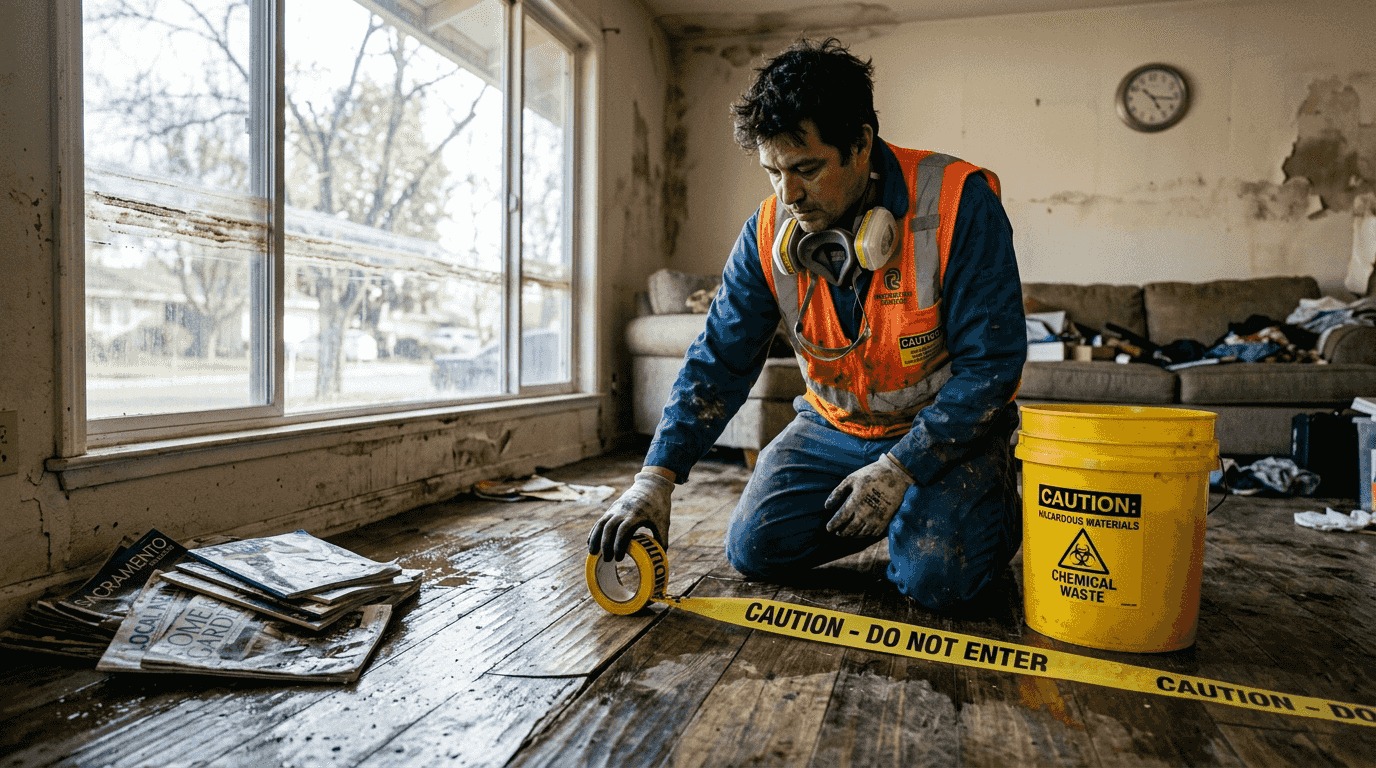
Document the incident thoroughly with photos and notes from a safe distance. This information supports insurance claims and helps restoration professionals plan appropriate hazardous cleanup safety guidelines. Your detailed observations enable faster, more effective response when professionals arrive.
Understanding HAZMAT incident safety tips before emergencies occur gives you confidence to act decisively when seconds matter. Review these procedures with family members and employees so everyone knows their role during incidents.
Local regulation and permit requirements for hazardous materials in Northeast Sacramento
Sacramento County’s Environmental Management Department serves as the Certified Unified Program Agency, regulating hazardous materials and waste throughout the region. Their oversight protects public health and environmental quality by ensuring businesses and property owners handle dangerous substances responsibly.
The EMD manages several regulatory programs affecting property owners:
- Hazardous Materials Release Response Plans and Inventories
- California Accidental Release Prevention Program
- Underground Storage Tank compliance
- Aboveground Petroleum Storage Act requirements
- Hazardous waste generator regulations
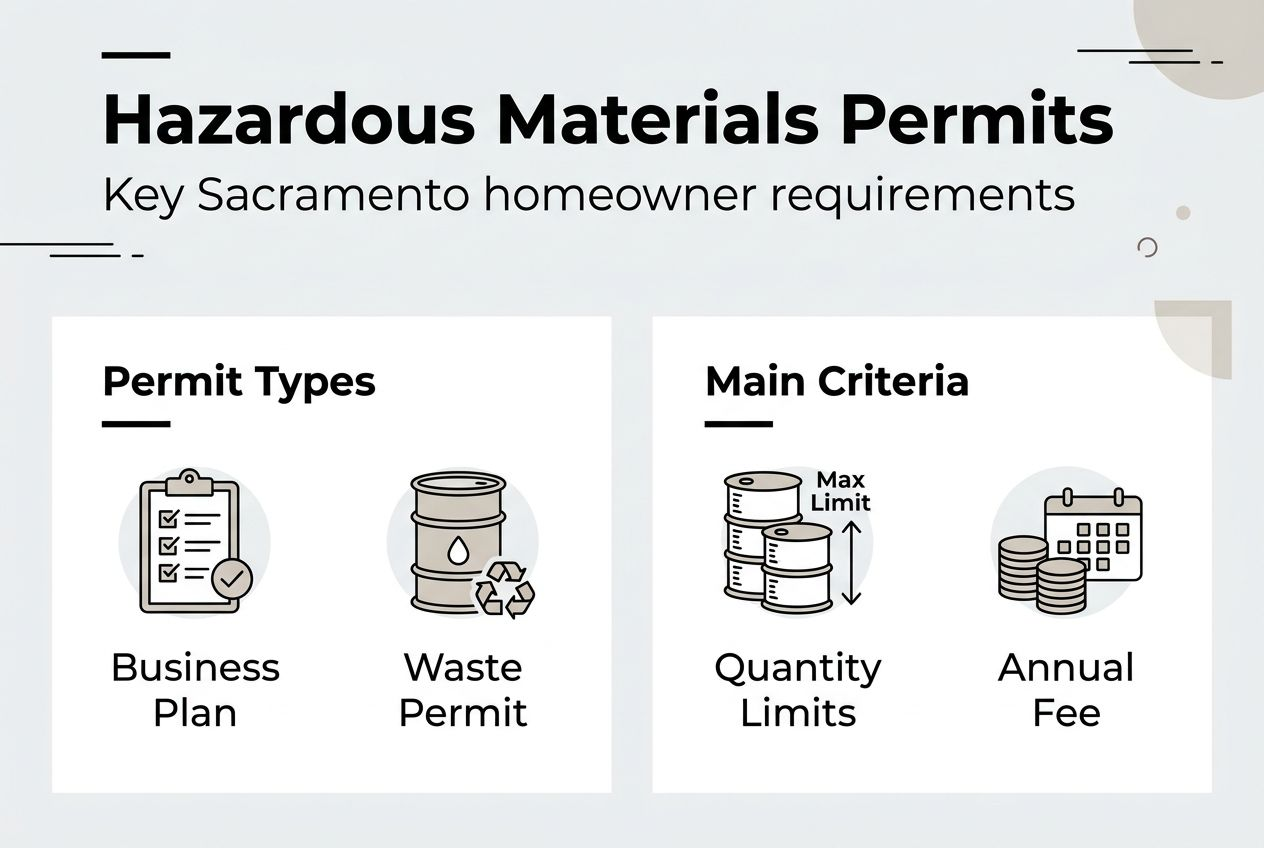
Permits for all CUPA regulatory programs are obtained by registering with EMD and paying an annual permit fee. The department offers free facility walkthroughs to help property owners determine whether their operations require permits. This proactive service prevents violations and clarifies compliance obligations before problems arise.
Annual permit fees vary based on facility size, material quantities, and specific program requirements. Small quantity generators face lower fees than large operations, while underground storage tank permits include inspection costs. Multi-program facilities pay combined fees reflecting their total regulatory burden.
| Permit Type | Primary Function | Typical Applicants |
|---|---|---|
| Hazardous Materials Business Plan | Inventory and emergency response planning | Properties storing threshold quantities of hazardous materials |
| Hazardous Waste Generator | Waste handling and disposal tracking | Businesses producing regulated waste streams |
| Underground Storage Tank | Leak prevention and monitoring | Properties with fuel or chemical storage tanks |
| Aboveground Storage Tank | Spill prevention and containment | Facilities with petroleum storage exceeding 1,320 gallons |
Pro Tip: Contact EMD early when planning property improvements or business changes that might involve hazardous materials. Early consultation prevents costly retrofits and ensures your project meets all regulatory requirements from the start, avoiding fines that can reach thousands of dollars per violation.
Compliance benefits extend beyond avoiding penalties. Proper hazardous material permit requirements reduce insurance costs, demonstrate due diligence during property transactions, and protect property values. Buyers increasingly request environmental compliance documentation before closing deals, making clean regulatory records valuable assets.
Property managers overseeing multiple buildings should maintain centralized permit tracking systems. Missing renewal deadlines or failing to update inventories after material changes can trigger enforcement actions. The EMD conducts routine inspections and responds to complaints, so maintaining current permits and accurate records is essential.
Residential property owners generally avoid permit requirements unless operating home businesses or storing commercial quantities of hazardous materials. However, understanding these regulations helps you recognize when contractors or restoration companies should have proper credentials. Legitimate professionals maintain current permits and follow Sacramento hazardous material permits requirements.
The department provides educational resources, technical assistance, and compliance guidance at no charge. Taking advantage of these services demonstrates good faith efforts to comply, which regulators consider favorably if minor violations occur. Building positive relationships with environmental officials before emergencies arise facilitates smoother incident response and faster approvals when you need them most.
Professional cleanup and restoration after hazardous material exposure
Attempting do it yourself cleanup after hazardous material exposure puts your health at serious risk and often violates disposal regulations. Professional restoration services bring specialized training, equipment, and regulatory knowledge that homeowners cannot replicate safely.
Certified technicians follow systematic workflows designed to eliminate hazards completely:
- Initial assessment identifies all contaminated materials and exposure pathways
- Containment establishes barriers preventing contamination spread to clean areas
- Personal protective equipment deployment ensures worker safety during all operations
- Removal extracts contaminated materials using appropriate handling techniques
- Decontamination treats affected surfaces with neutralizing agents and antimicrobials
- Air scrubbing filters airborne particles and chemical vapors from the environment
- Disposal transports hazardous waste to licensed facilities following manifest requirements
- Verification testing confirms successful decontamination before restoration begins
Specialized equipment makes professional cleanup effective where household tools fail. Industrial air scrubbers with HEPA filtration remove microscopic particles that standard vacuums recirculate. Chemical neutralizers safely break down toxic substances without creating dangerous reactions. Moisture meters and thermal imaging cameras detect hidden contamination inside walls and under flooring.
Personal protective gear goes far beyond basic gloves and masks. Professionals wear full body suits, respirators with appropriate cartridge filters, chemical resistant boots, and multiple glove layers. This equipment prevents skin contact, inhalation exposure, and cross contamination. Improper protection during cleanup can result in chemical burns, respiratory damage, and long term health effects.
EMD regulates hazardous waste generation and inspects businesses for compliance with the Hazardous Waste Control Act. Professional restoration companies maintain generator permits and follow strict manifest systems tracking waste from your property to final disposal. This documentation proves proper handling if questions arise later during insurance claims or property sales.
Pro Tip: Choose restoration providers holding current certifications from organizations like the Institute of Inspection, Cleaning and Restoration Certification. Verify their hazardous waste generator permits and liability insurance covering environmental damages before allowing work to begin on your property.
Coordination with local regulatory bodies distinguishes professional services from amateur attempts. Licensed companies notify appropriate agencies when incidents involve reportable quantities, obtain necessary approvals before beginning work, and provide required documentation after completion. This regulatory compliance protects you from liability if disposal issues surface years later.
Emergency responders often recommend specific restoration companies familiar with local requirements and proven response capabilities. These relationships ensure faster mobilization and smoother coordination between cleanup crews and ongoing investigations. Following the hazardous material cleanup process correctly the first time prevents repeated exposure and additional costs.
The step-by-step hazardous cleanup guide professionals follow addresses every contamination pathway. Surface cleaning alone misses hazards absorbed into porous materials or settled in HVAC systems. Comprehensive approaches eliminate risks completely rather than just making areas look clean.
Insurance coverage for hazardous material cleanup varies significantly between policies. Professional restoration companies document conditions thoroughly, providing the evidence insurers need to process claims efficiently. Their detailed reports explain why specific procedures were necessary, supporting reimbursement for services that might otherwise face coverage disputes.
Understanding hazardous waste control compliance requirements helps you evaluate restoration proposals intelligently. Companies cutting corners on disposal or documentation create future liability you will inherit. Insist on complete manifest copies and disposal facility receipts for all hazardous waste removed from your property.
How PuroClean of Northeast Sacramento can help with hazardous material incidents
When fire or water damage exposes your property to hazardous materials, you need restoration experts who understand both the technical challenges and regulatory requirements. PuroClean of Northeast Sacramento brings specialized knowledge to every incident, ensuring your family’s safety while protecting your property investment.
Our team responds 24/7 to emergencies throughout Northeast Sacramento, Folsom, Rancho Cordova, and Citrus Heights. We coordinate directly with local environmental agencies and emergency responders, streamlining the recovery process during your most stressful moments. Our fire damage restoration services address toxic residues and chemical contamination that standard cleaning cannot handle safely. Whether you are facing contaminated floodwater requiring sewage cleanup and sanitization or discovering mold mitigation and removal needs after water damage, we bring the expertise and equipment to restore your property completely. Contact us immediately if you suspect hazardous material involvement in your property damage incident.
Frequently asked questions
Are hazardous materials always dangerous in residential incidents?
Not all hazardous materials pose immediate danger to occupants. Risk levels depend on exposure duration, concentration, and the specific substance involved. Some materials become hazardous only when mixed, heated, or released in confined spaces. Proper identification and management remain essential regardless of apparent danger levels, as delayed health effects can occur even after brief exposure to certain toxins.
How can I identify hazardous materials in my home after a fire or flood?
Check for damaged containers with warning labels, unusual chemical odors, discolored water, or oily sheens on surfaces. Look for melted plastics, corroded metals, or powdery residues that suggest chemical reactions occurred. Transport vehicles involved in incidents display colored placards indicating material types. When uncertainty exists, contact professional assessors or Sacramento County’s Environmental Management Department rather than investigating further yourself.
What should I do immediately if I suspect a hazardous material spill?
Call 911 immediately and provide details about the material if known. Move yourself and others uphill, upwind, and upstream from the affected area to avoid exposure pathways. Avoid touching, inhaling, or walking through any suspicious substances until emergency responders arrive and establish safety perimeters. Close windows and shut off ventilation systems if sheltering indoors near the incident.
Who can help with hazardous material cleanup and restoration in Northeast Sacramento?
Licensed restoration companies like PuroClean maintain specialized training, equipment, and regulatory permits for hazardous material incidents. We follow Sacramento County Environmental Management Department requirements and coordinate with local agencies throughout the cleanup process. Our certified technicians use proper protective gear and disposal methods to protect your family while restoring your property safely. Contact Northeast Sacramento restoration services for immediate assessment and emergency response.