


What is insurance subrogation? A homeowner’s guide
You file a water damage claim after a pipe bursts, your insurer pays for repairs, and you assume the matter is closed. But behind the scenes, your insurance company may be pursuing someone else to recover those costs. This process is called subrogation, and understanding it can protect your financial recovery and help you navigate restoration claims more effectively. Whether you’re dealing with water damage from a slab leak or fire damage from faulty wiring, knowing how subrogation works empowers you to preserve evidence, avoid costly mistakes, and maximize your claim outcome.
Table of Contents
Key takeaways
Understanding insurance subrogation and its legal framework
Subrogation in property damage claims: water and fire damage examples
Challenges and best practices for subrogation success in Northeast Sacramento
Restore your property with expert help in Northeast Sacramento
Frequently asked questions about insurance subrogation
Key Takeaways
Point
Details
Subrogation basics
After paying your claim, your insurer can pursue the responsible party to recover costs, protecting you from bearing all losses and helping stabilize premiums.
Five step process
The typical sequence includes payment, liability investigation, evidence preservation, a demand letter, and settlement or litigation.
California rules
Made whole requires the insurer ensure you recover full losses before pursuing subrogation, while anti subrogation prevents suing policyholders and economic loss limits claims to property damage and bodily injury.
Preserve evidence
Insurers coordinate with restoration professionals to document damage with photos, moisture readings, material samples, and expert reports to support subrogation.
Understanding insurance subrogation and its legal framework
Insurance subrogation is the legal process where an insurer, after paying a claim, steps into the policyholder’s shoes to recover funds from a third party responsible for the damage. This right exists because your insurance policy typically includes a subrogation clause that transfers your legal claim against the at-fault party to your insurer once they compensate you. The process ensures you receive prompt payment for your losses while your insurer pursues the responsible party to recoup those costs.
The subrogation process follows a structured sequence that protects both you and your insurer. First, your insurer pays your claim according to your policy terms, covering repairs, replacement, and related expenses. Second, the insurer investigates the cause of damage to identify potentially liable third parties. Third, your insurer works with restoration professionals to preserve evidence and document the loss. Fourth, the insurer sends a demand letter to the responsible party or their insurer seeking reimbursement. Finally, your insurer negotiates a settlement or files a lawsuit to recover the claim payment.
Here’s how the five-step subrogation process typically unfolds:
Claim payment: Your insurer pays your claim promptly based on policy coverage, ensuring you can begin restoration immediately without waiting for fault determination.
Liability investigation: Adjusters and investigators examine the damage source, reviewing maintenance records, product defects, contractor work, and other potential causes.
Evidence preservation: Your insurer coordinates with restoration and insurance claims professionals to document damage through photos, moisture readings, material samples, and expert reports.
Demand letter: The insurer formally notifies the responsible party of their liability and requests reimbursement for the claim amount paid to you.
Settlement or litigation: Most cases settle through negotiation, but insurers may file lawsuits when liable parties refuse to pay or dispute responsibility.
California subrogation law includes key rules like the made whole doctrine, anti-subrogation rule, and economic loss doctrine, which set limits on subrogation claims. The made whole doctrine requires insurers to ensure you recover your full losses, including deductibles and uninsured amounts, before they pursue subrogation. This protects you from being shortchanged when damages exceed your policy limits or when you’ve paid out of pocket. The anti-subrogation rule prevents insurers from suing their own policyholders, ensuring you’re not caught in the middle when multiple parties share fault. The economic loss doctrine limits subrogation to property damage and bodily injury claims, excluding purely financial losses without physical harm.
“Understanding California’s made whole doctrine is critical for policyholders. It ensures that insurers cannot recover subrogation funds until the policyholder has been fully compensated for all losses, including amounts not covered by insurance. This legal protection puts your financial recovery first.”
These legal frameworks create a balance between protecting your rights and allowing insurers to pursue responsible parties. When you file a water damage claim after a contractor’s negligence or a fire claim due to defective wiring, California law ensures you receive full compensation before your insurer seeks reimbursement. This structure incentivizes insurers to pay claims quickly while preserving their ability to hold negligent parties accountable.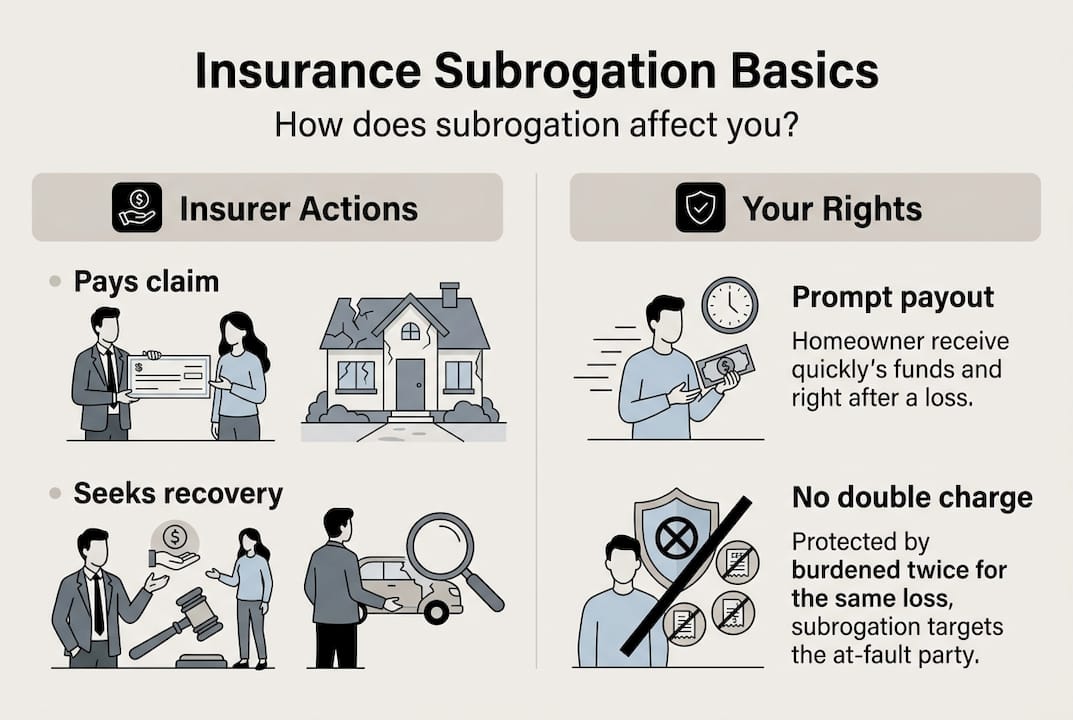
Subrogation in property damage claims: water and fire damage examples
Property damage subrogation targets vary depending on the cause and circumstances of the loss. In water damage cases, insurers frequently pursue plumbing contractors who installed defective pipes, appliance manufacturers whose products leaked or burst, property managers who failed to maintain systems, and neighbors whose negligence caused flooding. Fire damage subrogation often involves electrical contractors, product manufacturers of faulty appliances or wiring, tenants whose actions caused fires, and service providers who performed negligent repairs.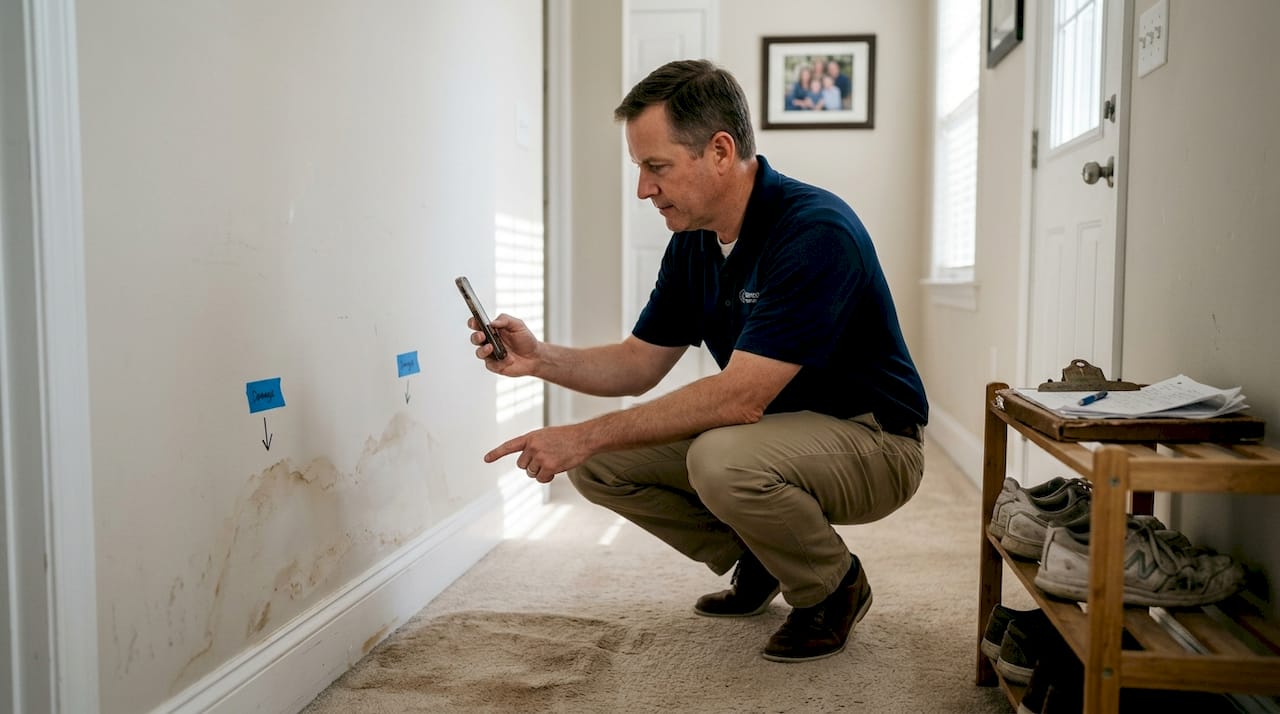
Common subrogation targets in water and fire damage include contractors, manufacturers, neighbors, and tenants. These parties become liable when their actions or products directly cause your property damage. For example, if a contractor installs a water heater improperly and it floods your home, your insurer pays your claim immediately and then pursues the contractor for reimbursement. Similarly, if a defective dishwasher leaks and damages your floors, your insurer may seek recovery from the manufacturer.
Typical liable parties in property damage subrogation:
Contractors and subcontractors: Plumbers, electricians, HVAC technicians, and general contractors whose work causes leaks, fires, or structural damage
Product manufacturers: Companies that produce appliances, pipes, electrical components, or building materials with defects leading to damage
Property managers and landlords: Entities responsible for maintaining rental properties who fail to address known hazards or perform required repairs
Neighbors and adjacent property owners: Individuals whose negligence, such as leaving water running or improperly storing flammable materials, damages your property
Tenants: Renters whose actions, like overloading circuits or failing to report leaks, cause damage to the property
Waivers of subrogation complicate this process significantly. Waivers in leases or contracts can prevent insurer pursuit and complicate claims. When you sign a lease or service contract containing a waiver of subrogation clause, you agree that your insurer will not pursue the other party for damages. This protects contractors, property managers, and tenants from subrogation claims but may leave your insurer unable to recover costs, potentially affecting your premiums or future coverage.
Scenario
Without Waiver of Subrogation
With Waiver of Subrogation
Contractor causes water damage
Insurer pays claim, then sues contractor to recover costs
Insurer pays claim but cannot pursue contractor; costs absorbed
Tenant negligence causes fire
Insurer pays claim, then pursues tenant for reimbursement
Insurer pays claim but waiver prevents recovery from tenant
Manufacturer defect floods property
Insurer pays claim, then seeks recovery from manufacturer
Waiver typically does not apply to manufacturers; insurer can pursue
Neighbor’s pipe bursts and damages your home
Insurer pays claim, then sues neighbor’s insurer for costs
Waiver does not apply to third parties; insurer proceeds normally
Property managers in Northeast Sacramento should review lease agreements and insurance policies carefully to understand how waivers affect their subrogation rights. While waivers can facilitate smoother tenant relationships and contractor negotiations, they transfer financial risk back to the property owner and insurer. Balancing these considerations requires consultation with insurance professionals and legal advisors.
Pro Tip: Document water damage immediately with photos, videos, and detailed notes before any cleanup begins. This evidence is critical for your insurer’s subrogation case and can significantly increase recovery success. Work with restoration professionals who understand evidence preservation protocols to ensure nothing is disturbed or discarded prematurely.
Challenges and best practices for subrogation success in Northeast Sacramento
Subrogation faces several obstacles that can reduce or eliminate recovery opportunities. Waivers of subrogation in contracts prevent insurers from pursuing parties who would otherwise be liable. Delayed evidence preservation allows critical proof to be destroyed during cleanup and restoration. Multi-party claims create complexity when multiple entities share responsibility, requiring extensive investigation and negotiation. Statute of limitations deadlines force insurers to act quickly or lose their right to recover. Disputes over liability and damages lead to prolonged litigation that increases costs and reduces net recovery.
Common subrogation challenges include:
Waiver clauses: Contracts that prohibit subrogation against specific parties, transferring recovery risk to insurers and policyholders
Evidence spoliation: Destruction or alteration of evidence during restoration weakens subrogation claims; urgency and expert involvement are critical
Multi-party liability: Complex scenarios where contractors, manufacturers, and property owners all share fault, complicating recovery allocation
Time constraints: Statutes of limitations and claim deadlines require prompt action to preserve subrogation rights
Inadequate documentation: Missing photos, receipts, or expert reports undermine the insurer’s ability to prove liability and damages
The financial impact of missed subrogation is substantial. Industry data shows about 15% of subrogation opportunities are missed, costing billions annually. This represents recoverable funds that could reduce premiums, improve insurer financial stability, and hold negligent parties accountable. For homeowners and property managers, missed subrogation means higher insurance costs over time as insurers absorb losses they should have recovered.
Metric
Industry Average
Impact of Missed Opportunities
Subrogation recovery rate
85% of identified claims
15% of potential recoveries lost due to delays, poor documentation, or waivers
Average recovery per claim
$12,000 to $18,000
Missed recoveries total billions industry-wide annually
Time to initiate subrogation
30 to 60 days optimal
Delays beyond 90 days reduce recovery success by over 40%
Evidence preservation rate
70% with professional restoration
DIY or delayed cleanup reduces evidence quality by 50% or more
You can improve subrogation outcomes by taking immediate action when damage occurs. Contact your insurer promptly to report the loss and begin the claims process. Hire professional restoration experts who understand evidence preservation requirements and work closely with insurance adjusters. Preserve all damaged materials, receipts, and documentation until your insurer authorizes disposal. Review contracts and leases before signing to identify and negotiate waiver of subrogation clauses that may limit your recovery rights.
Pro Tip: Hire restoration professionals immediately after discovering water or fire damage. Their expertise in evidence preservation, moisture detection, and damage documentation directly supports your insurer’s subrogation efforts and increases the likelihood of full cost recovery. Waiting even 24 hours can compromise critical evidence and weaken your claim.
Property managers should implement best practices that protect subrogation rights across their portfolios. Conduct regular property inspections to identify and address maintenance issues before they cause damage. Require contractors to carry adequate liability insurance and avoid blanket waivers of subrogation in service agreements. Train staff to document incidents thoroughly and notify insurers immediately when damage occurs. Partner with restoration services that specialize in insurance claims to ensure consistent, professional handling of every loss.
Restore your property with expert help in Northeast Sacramento
When water or fire damage strikes your Northeast Sacramento property, acting fast protects both your recovery timeline and your insurance claim outcome. PuroClean of Northeast Sacramento specializes in water extraction, structural drying, fire damage restoration, and evidence preservation that supports successful subrogation. Our certified technicians understand exactly what insurers need to pursue liable parties and recover claim costs.
We work directly with insurance adjusters to document damage thoroughly, preserve critical evidence, and expedite your claim process. Whether you’re dealing with a burst pipe, slab leak, appliance failure, or fire damage, our team responds 24/7 to minimize losses and begin professional restoration immediately. For property managers overseeing multiple units in Folsom, Rancho Cordova, or Citrus Heights, we offer tailored partnerships that streamline emergency response and protect your subrogation rights across your entire portfolio.
Our comprehensive services include:
Fire damage restoration with smoke removal, structural repairs, and complete odor elimination
Property restoration partnerships designed specifically for property managers and landlords
Mold mitigation and removal following water damage to prevent secondary losses
Pro Tip: Contact restoration experts within the first hour of discovering damage. This immediate response preserves the most evidence, prevents secondary damage like mold growth, and positions your insurer to pursue maximum subrogation recovery from responsible parties.
Frequently asked questions about insurance subrogation
What does insurance subrogation mean for me as a homeowner or property manager?
Subrogation means your insurer pays your claim first, then pursues whoever caused the damage to recover those costs. You benefit by receiving prompt payment without waiting for fault determination or litigation. Your insurer handles all legal action against responsible parties, protecting you from the burden of pursuing claims yourself while potentially reducing future premium increases.
Can a waiver of subrogation in my lease affect my insurance claim?
Yes, waivers prevent your insurer from pursuing parties named in the waiver, even if they caused the damage. This means your insurer absorbs the full claim cost rather than recovering from negligent contractors or tenants. Review all lease agreements and service contracts with your insurance agent before signing to understand how waivers impact your coverage and potential premium costs.
How quickly should I start restoration to protect my subrogation rights?
Begin restoration immediately, but preserve evidence first. Contact your insurer within hours of discovering damage and hire professional restoration experts who understand evidence preservation protocols. Delays beyond 24 to 48 hours can compromise critical proof like moisture readings, material samples, and damage progression documentation that your insurer needs for successful subrogation.
Who are typical parties insurers pursue in subrogation related to water and fire damage?
Insurers commonly pursue plumbing and electrical contractors whose work caused failures, appliance and building material manufacturers with defective products, property managers who neglected maintenance, neighbors whose negligence caused damage, and tenants whose actions led to losses. The specific target depends on investigation findings and documented evidence of negligence or product defects.
Recommended
Restoration and Insurance Claims: What Homeowners Need to Know – PuroClean of Northeast Sacramento
Restoration Terminology Explained: Clarity for Property Owners – PuroClean of Northeast Sacramento
Types of Property Restoration Explained: Complete Guide – PuroClean of Northeast Sacramento
Restoration Process Step by Step: Complete Guide – PuroClean of Northeast Sacramento